




Top 12 Most Common Insects in Seychelles
With diverse landscapes and unique ecosystems, Seychelles serves as a living laboratory for insects, from the daring to the fascinating. The likes of which can largely vary depending on Seychelles's geography, climate, and human activities. Insects in Seychelles, both pests and beneficial, reflect and shape their environments in ways that demonstrate the profound yet subtle interconnections in our natural world. Join us as we explore 12 of the most common insects in Seychelles.

Most Common Insects
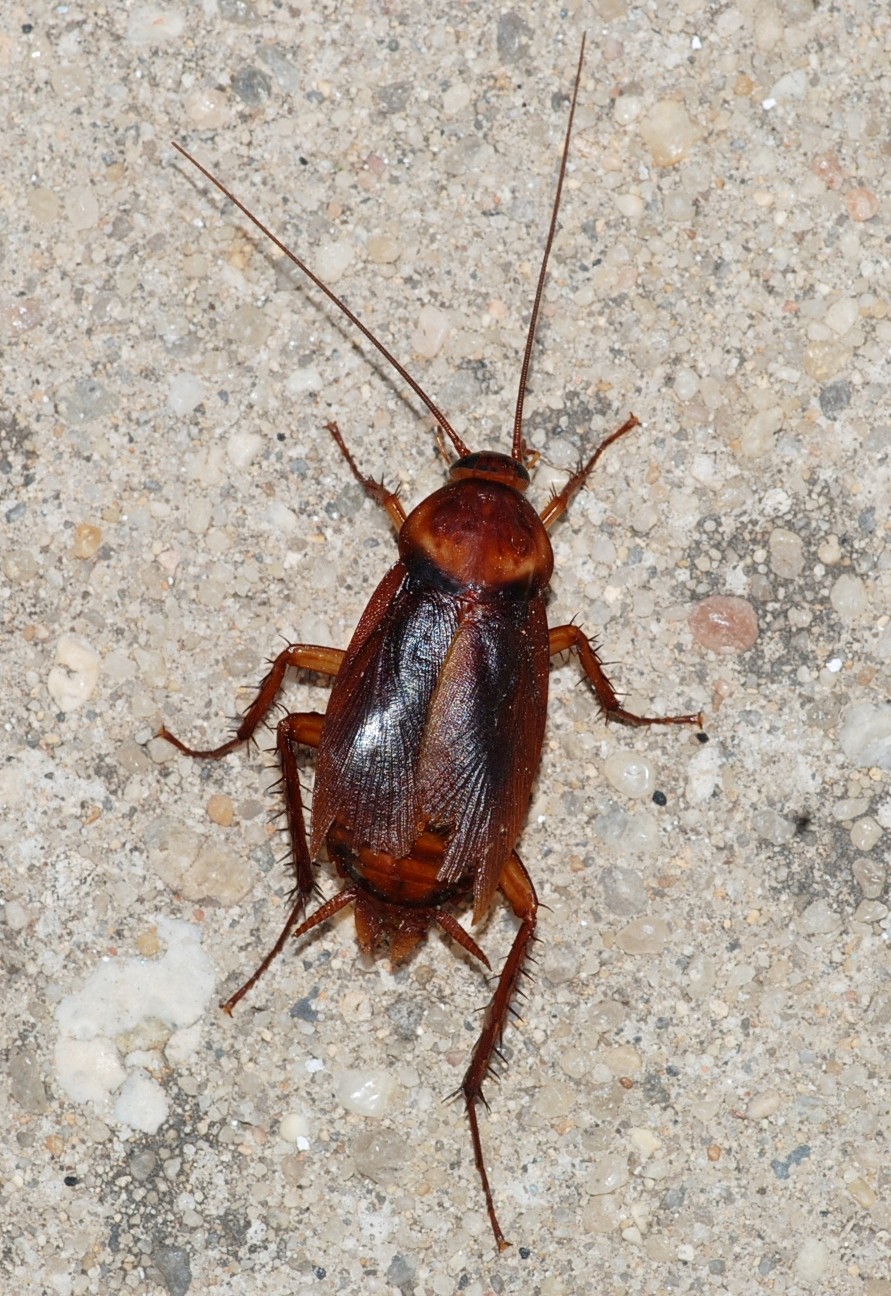
1. American cockroach
Despite its name, american cockroach (Periplaneta americana) is not native to the Americas but rather to Africa and the Middle East, from which it arrived as a result of human commercial patterns. Notably quick and rather resilient, this species is capable of limb regeneration. It requires a certain level of moisture to thrive, and it will avoid drier areas unless it has access to the required level of water.
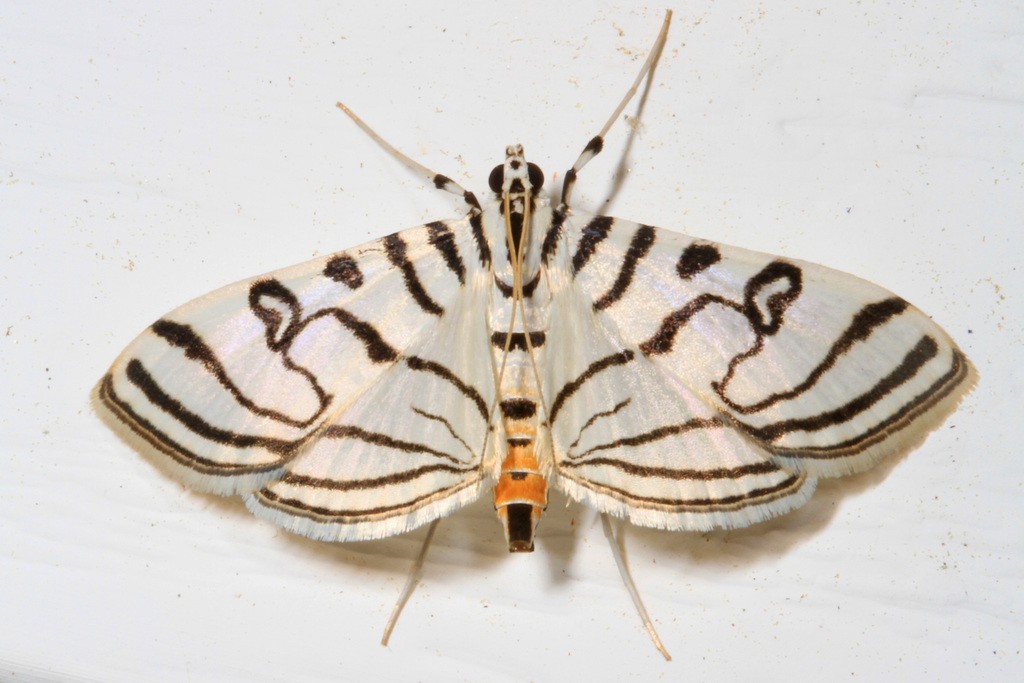
2. Zebra conchylodes moth
Conchylodes ovulalis, the zebra conchylodes moth, is a moth in the family Crambidae. It was described by Achille Guenée in 1854. It is found from the United States, where it has been recorded from Pennsylvania to Florida, west to Arizona, south through Mexico and Costa Rica to Colombia. The wingspan is 23–30 mm. The wings are white with a violet sheen. The forewings are marked with six blackish-brown lines and a hollow reniform spot. Adults are on wing from May to September in the United States. The larvae feed on Asteraceae species. 
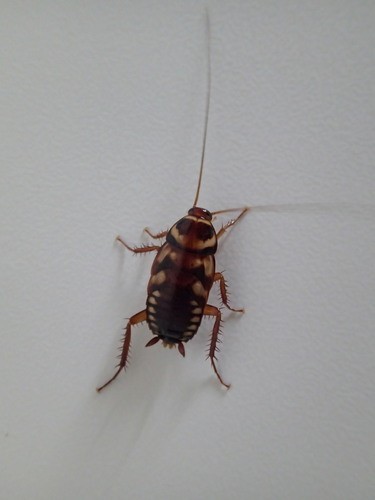
3. Australian cockroach
The australian cockroach is a tropical species of cockroach that is not cold-tolerant. Like most cockroaches, it feeds on decomposing organic matter. However, it also feeds on plant matter more than most cockroaches. It tends to get accidentally transported around the world through commerce and shipping.
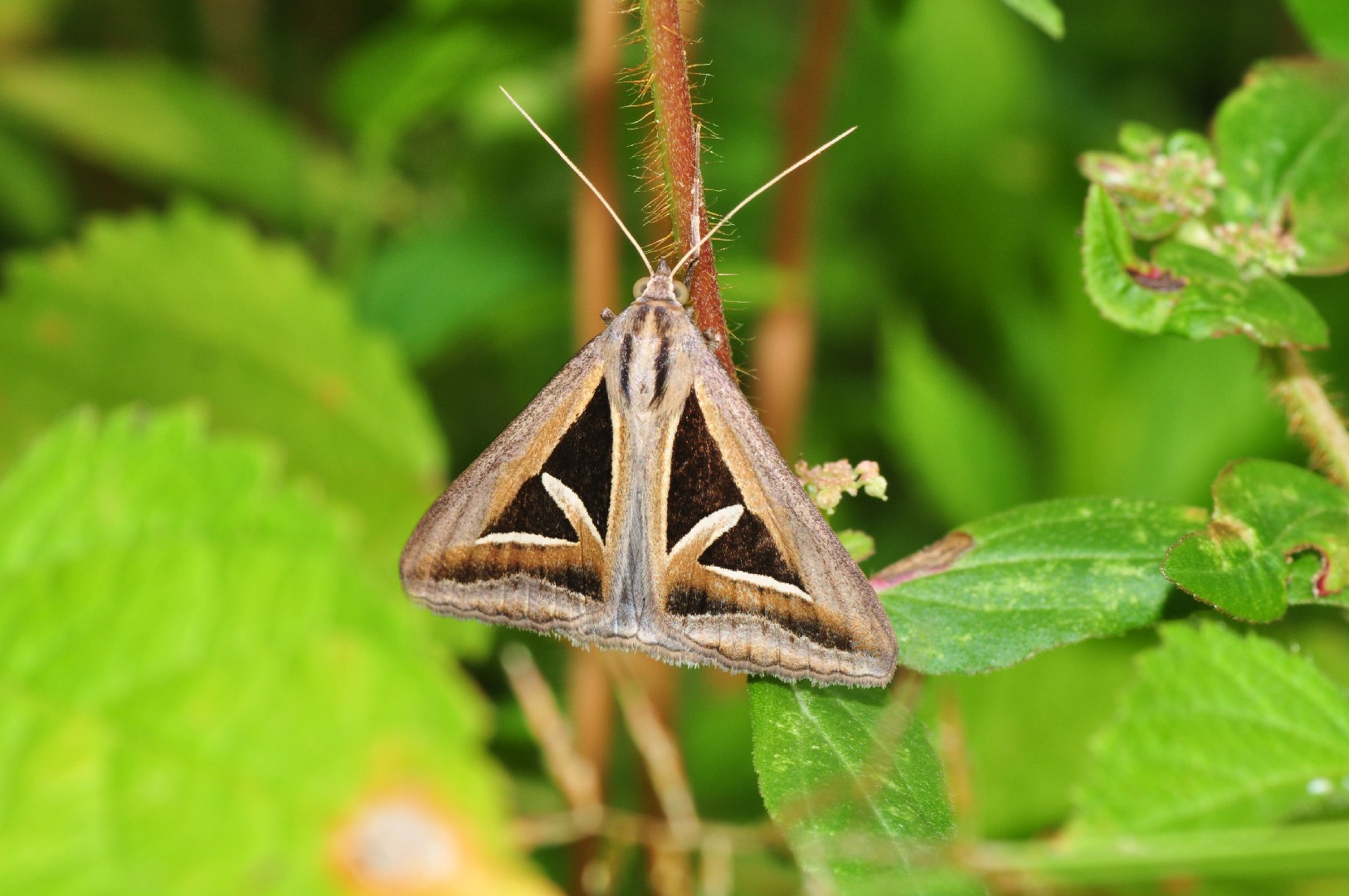
4. Triangles
The wingspan is about 3 - 4.5 cm. Antennae of male ciliated. Mid and hind tibia hairy. Body pale ochreous brown, slightly suffused with fuscous or dark grey brown. Forewings with a large black white-edged triangular patch easily distinguished below the cell from near base to towards outer angle. A similar smaller patch found beyond the cell on vein 5, with some pale fulvous behind it. A slightly sinuous submarginal pale line with patches of black suffusion found inside it and a series of black specks beyond it. A dark marginal line can be seen as well. Hindwings with indistinct medial line and fuscous suffused outer area. Larva has yellow upper half and brown ventral part. The yellow part is broken by longitudinal brown bands, which faints towards posterior and becomes intensive again in prolegs. Eggs olive green and speckled rusty red. First few instars are green with three lateral purple brown lines. Late instars are yellowish. Pupa within a slight cocoon of white silk, which spun amongst leaves.
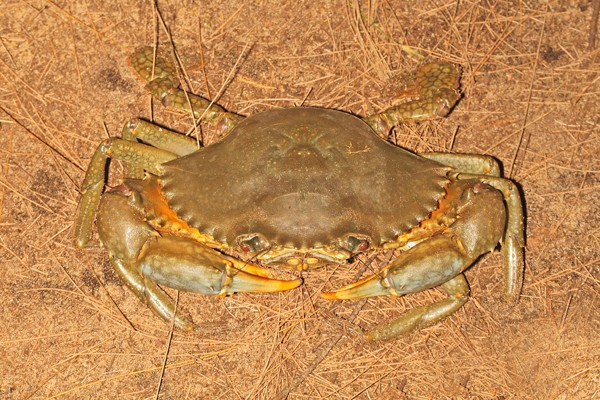
5. Mud crab
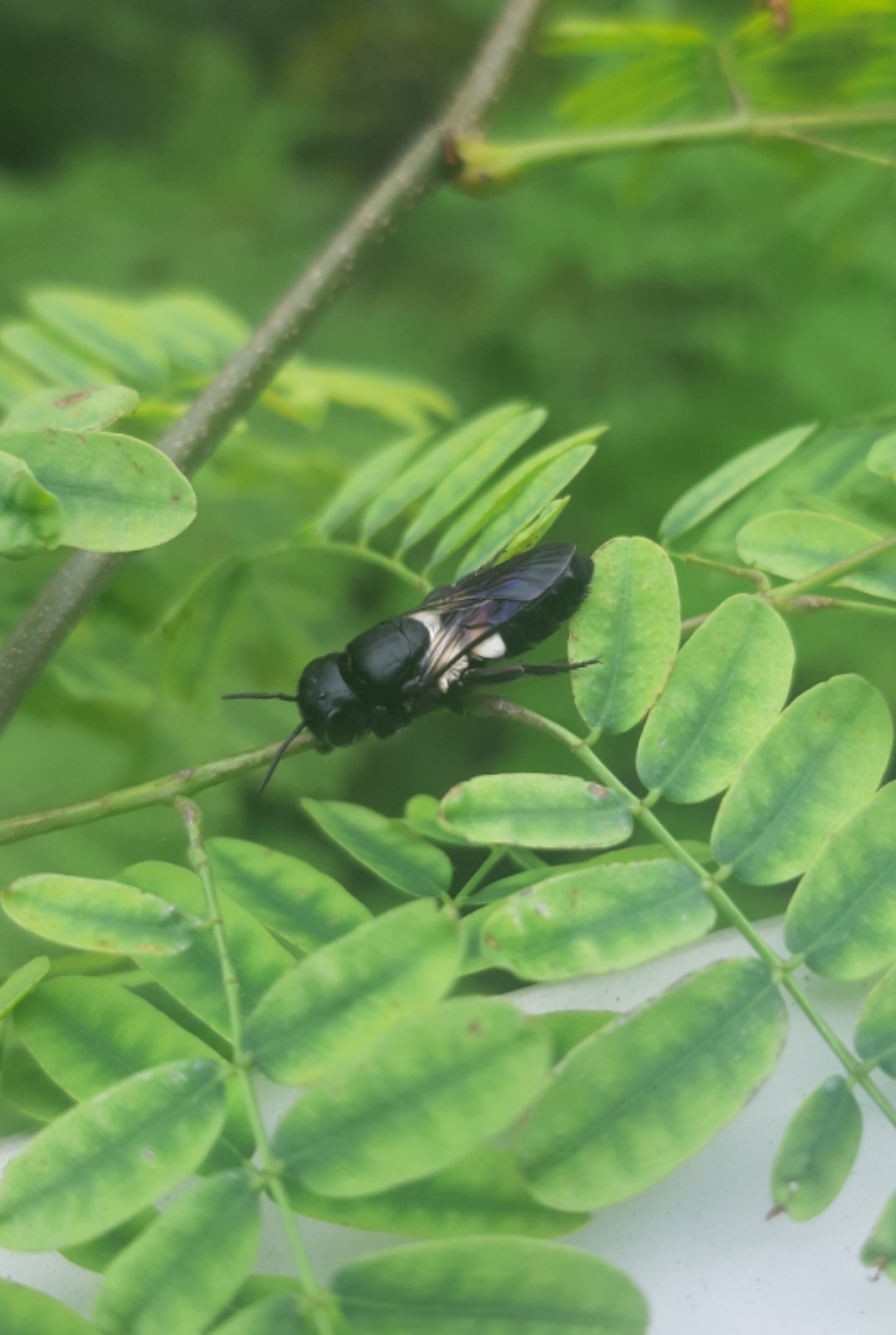
6. Disjunct resin bee
Megachile disjuncta is a species of bee in the family Megachilidae. It was described by Johan Christian Fabricius in 1781.
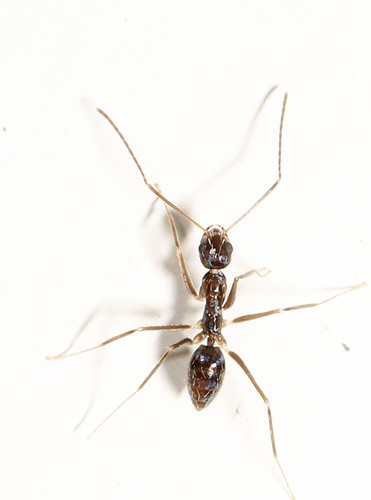
7. Longhorn Crazy Ant
The longhorn Crazy Ant (Paratrechina longicornis) has earned its name through two interesting features. First, the "longhorn" part of their name comes from the 12-segmented antennae, which is incredibly long. The "crazy" part of its name comes from its rebellious nature to move in erratic patterns. Other ants tend to stay in more orderly patterns.
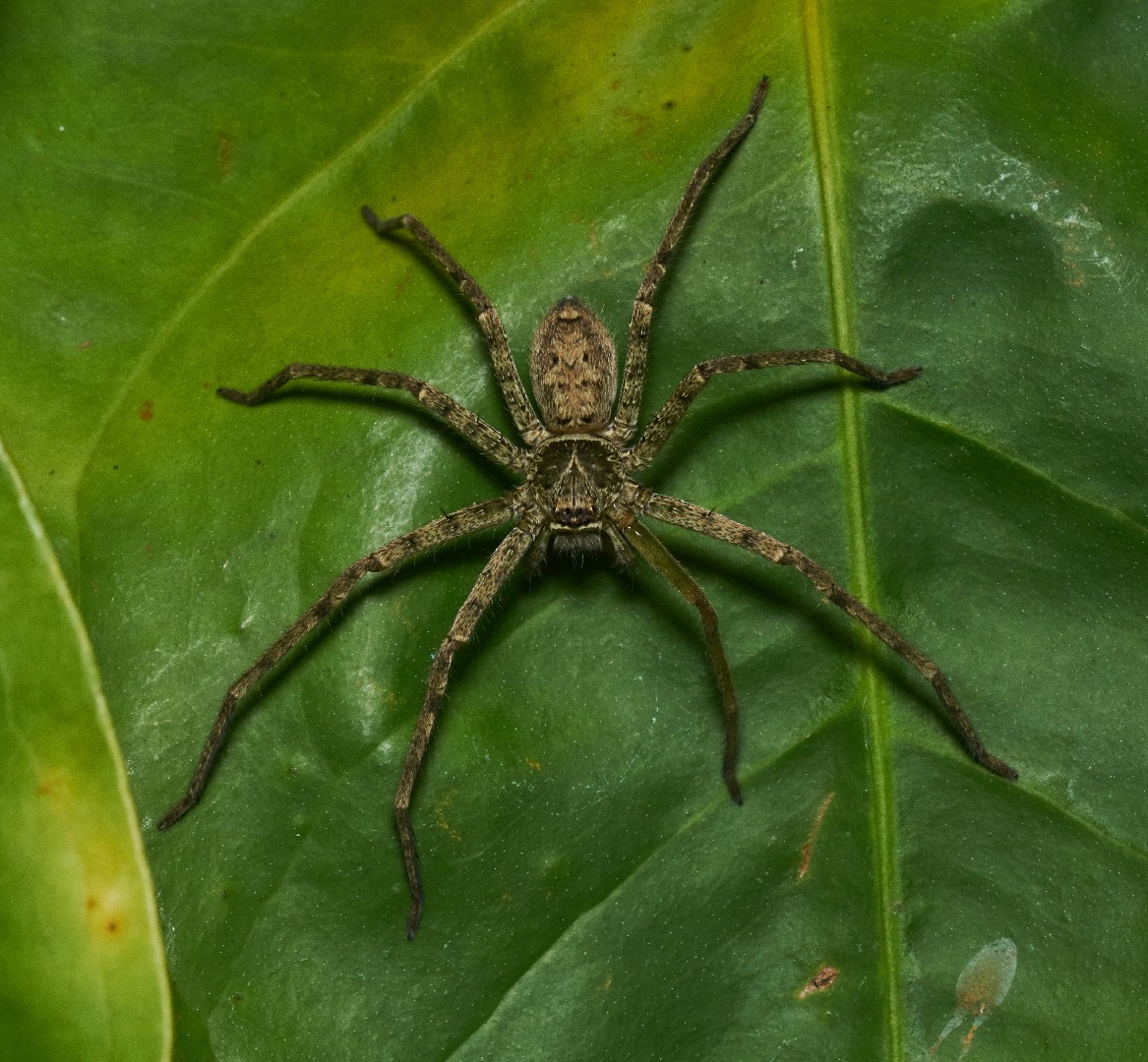
8. Giant Crab Spider
The giant Crab Spider is a large spider native to the tropics; the largest reported individual had a leg span of 30 cm. This cosmopolitan spider is highly valued in some areas, as it's able to catch cockroaches and other indoor pests. Reportedly, it hunts even scorpions and bats. This spider is venomous and sometimes bites humans, but it's considered harmless.
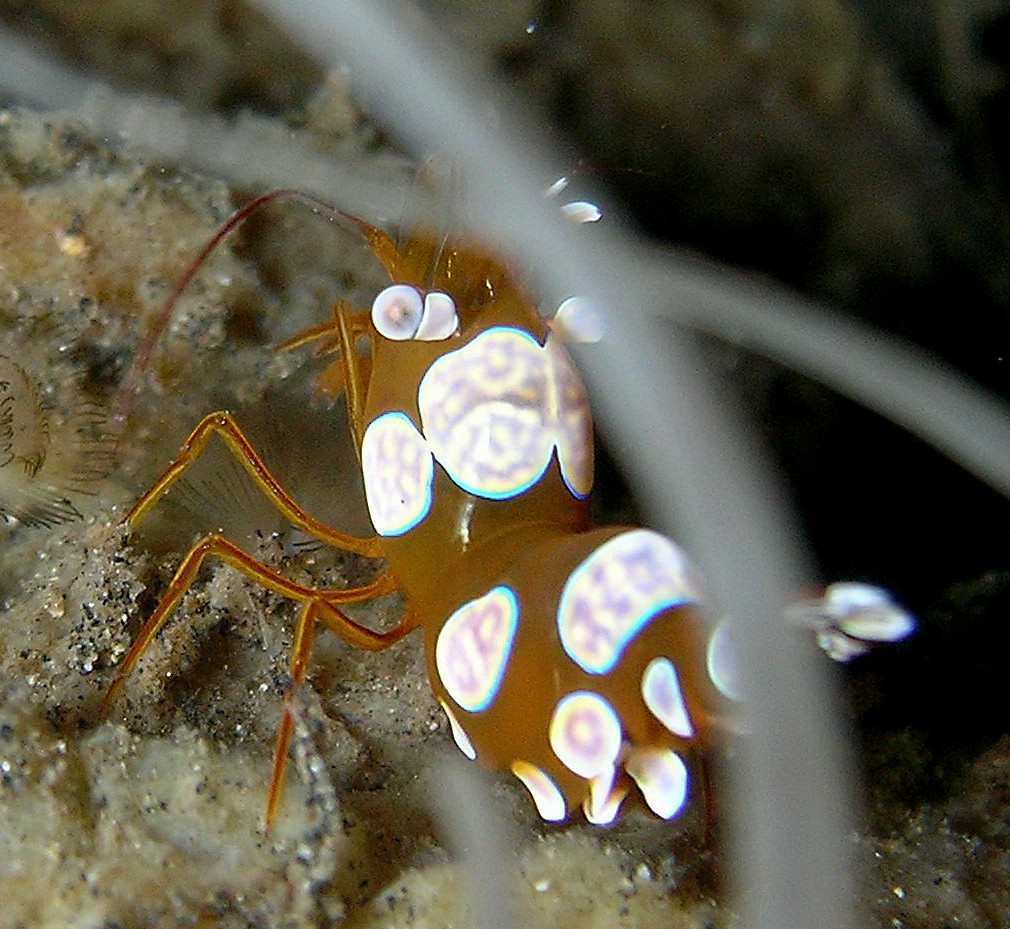
9. Squat shrimp
Thor amboinensis is a small shrimp growing to a length of about 13 millimetres (0.5 in). It is an olive brown colour with symmetrically placed white patches edged with thin blue lines. It characteristically carries its abdomen curved upwards with its tail fan above its head.
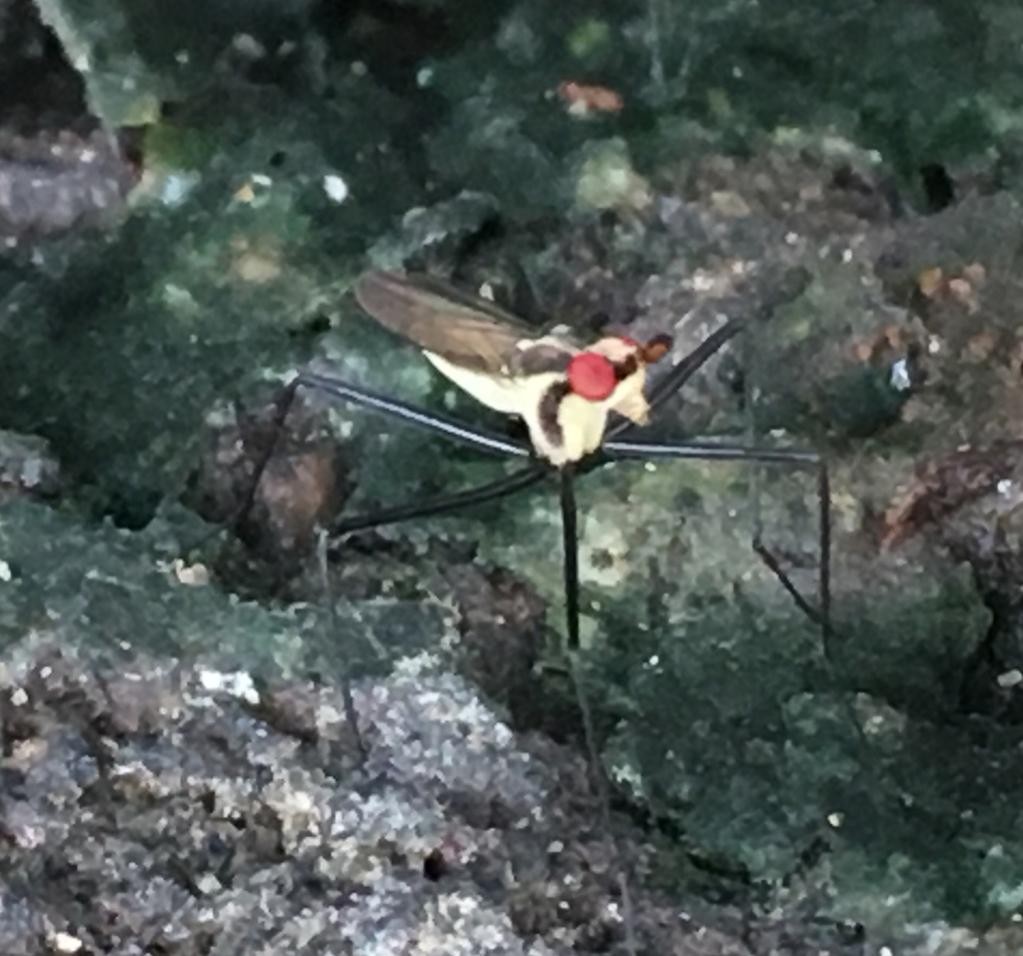
10. Black-lined cactus fly
More