




Top 20 Most Common Insects in Singapore
Insects, distinguished by their six-legged silhouette, thrive in every corner of Singapore, from its urban jungles to its lush parks. The unique variances in geography and climate across Singapore foster an ecosystem rich with insect diversity. From nuisance pests to beneficial insects playing a pivotal role in ecology, these creatures, in all their enumerable forms, contribute significantly to their habitats. Discover the top 20 most common insects you might encounter in Singapore in this captivating journey into the world of entomology.

Most Common Insects

1. Common parasol
The common parasol (Neurothemis fluctuans) is called that due to the red color and the shape of its body being vaguely resemblant of a red parasol. Despite red being associated with passion, these skimmers are shy creatures. If you approach it, you can expect it to run away.

2. Chocolate argus
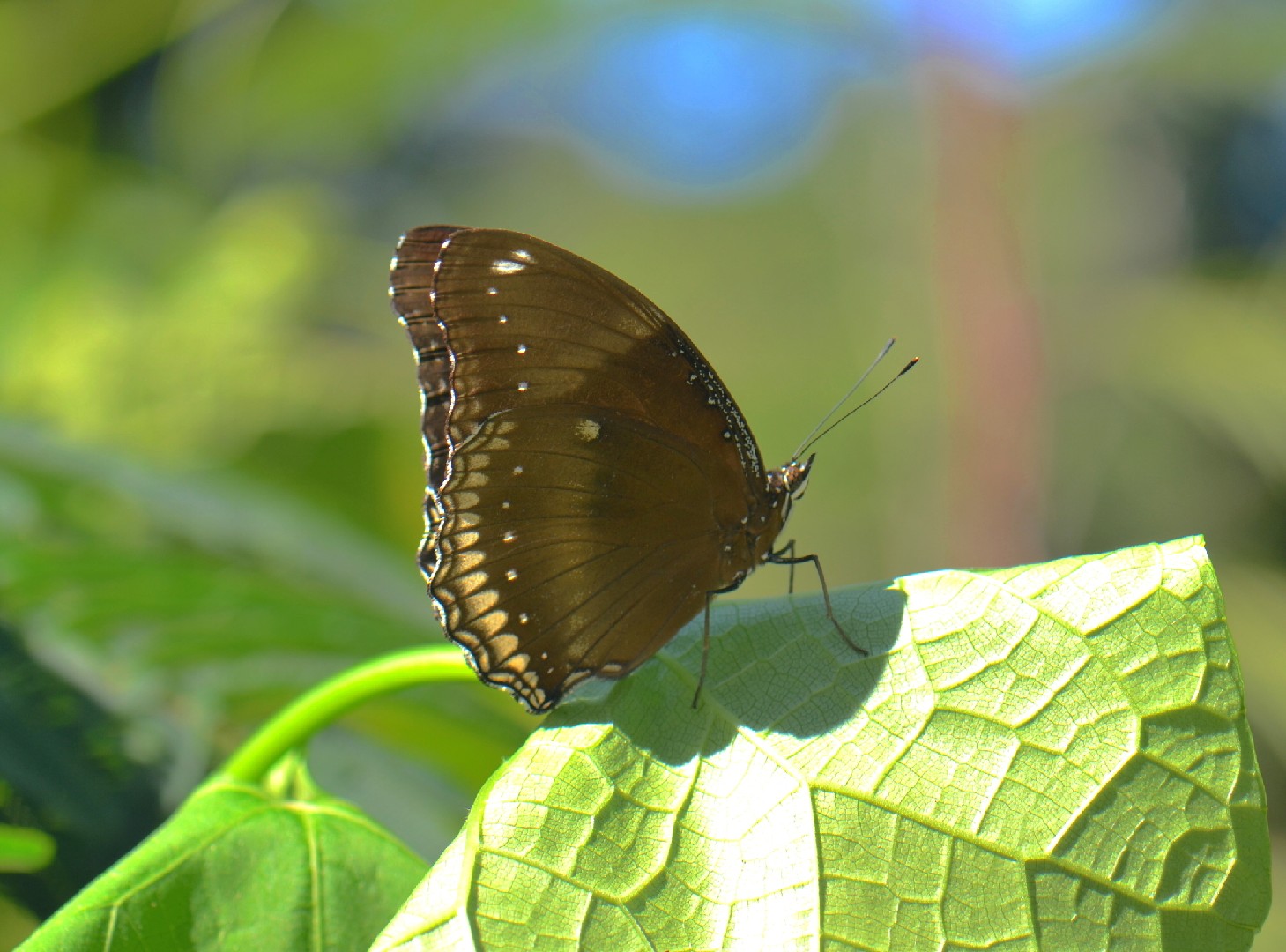
Junonia hedonia is a butterfly from the Nymphalidae family. The scientific name of the species was first validly published in 1764 by Carl Linnaeus.

3. Scarlet skimmer
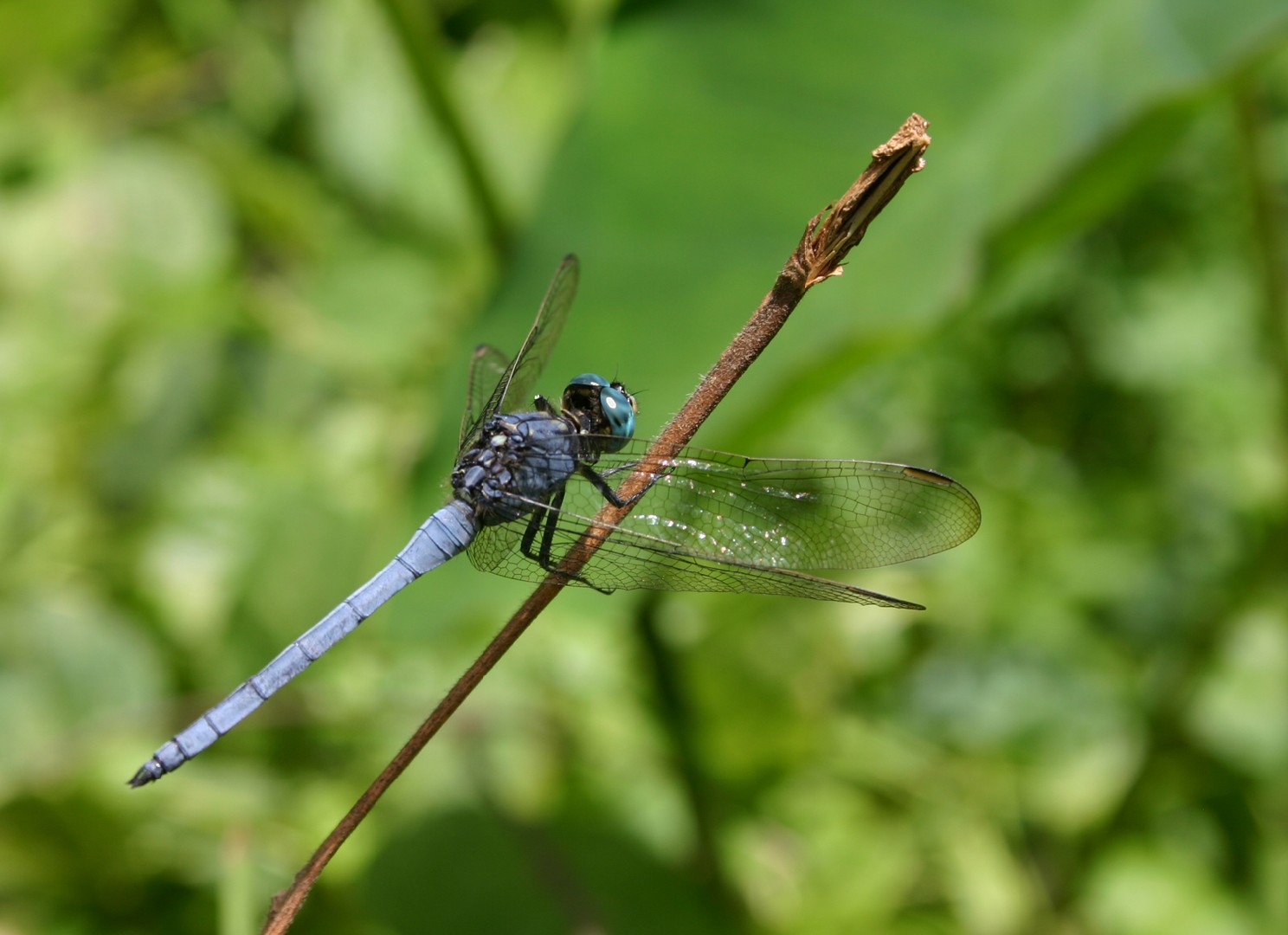
The species is on the IUCN Red List as not endangered, year of assessment 2009.

4. Crimson marsh glider
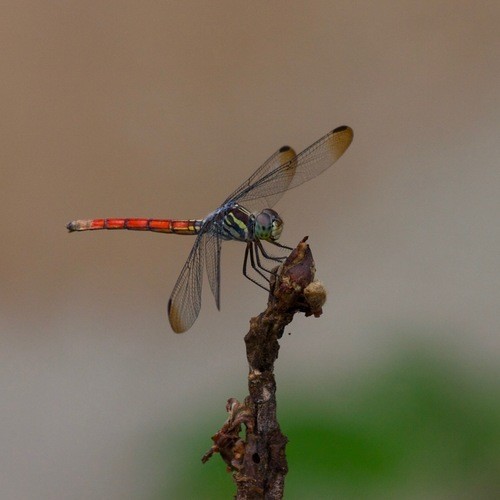
The male has a reddish-brown face, with eyes that are crimson above and brown on the sides. The thorax is red with a fine, purple pruinescence. The abdomen, the base of which is swollen, is crimson with a violet tinge. The wings are transparent with crimson venation and the base has a broad amber patch. The wing spots are a dark reddish-brown and the legs are black. The female has an olivaceous or bright reddish-brown face with eyes that are purplish-brown above and grey below. The thorax is olivaceous with brown median and black lateral stripes. The abdomen is reddish-brown with median and lateral black markings. The black markings are confluent at the end of each segment and enclose a reddish-brown spot. The wings are transparent with brown tips. The venation is bright yellow to brown and basal amber markings are pale. The wing spots are a dark brown and the lags are dark grey with narrow yellow stripes. 
5. Plain tiger butterfly
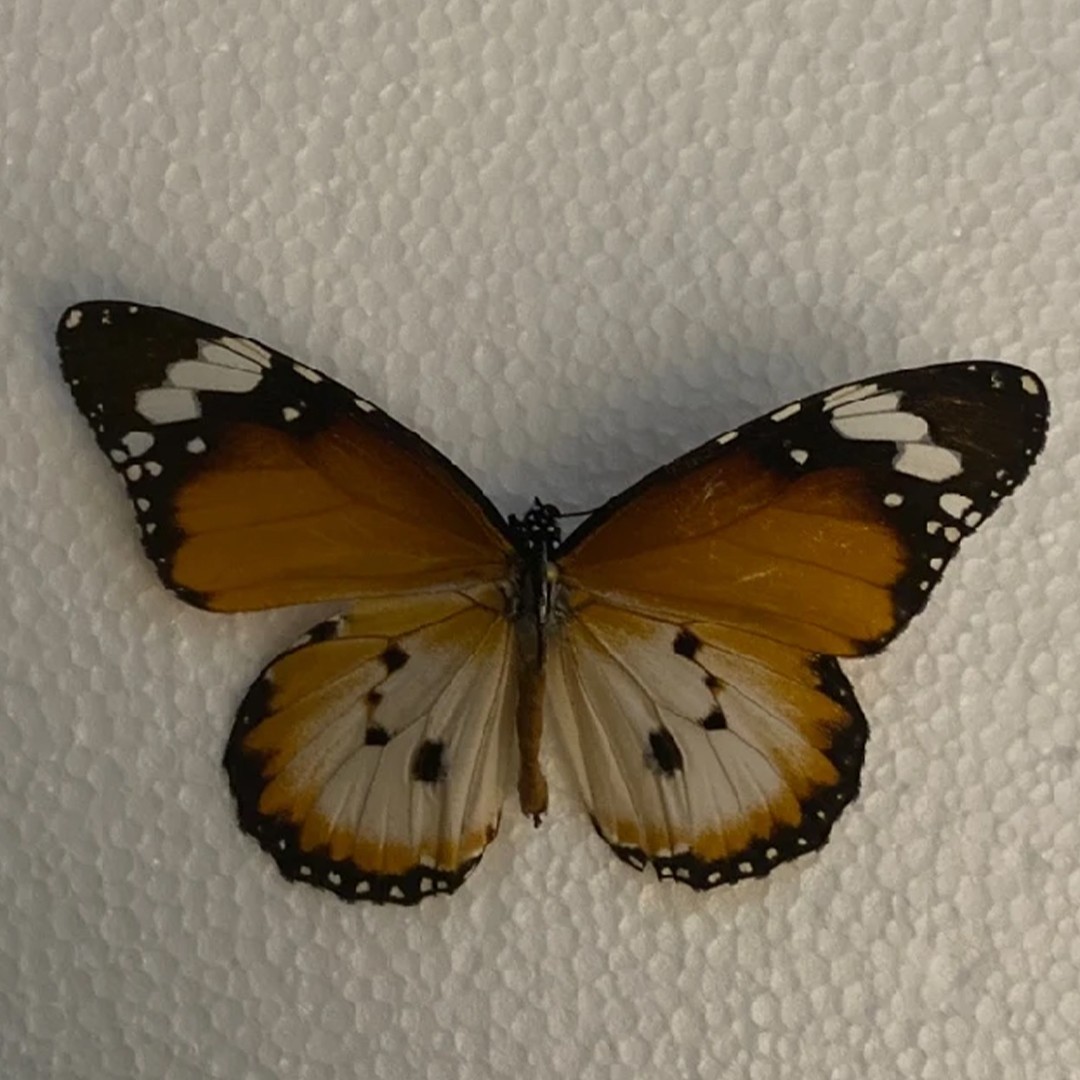
D. chrysippus is a medium-sized butterfly with a wingspan of about 7–8 cm (2.8–3.1 in). The body is black with many white spots. The wings are orange, the upperside brighter and richer than the underside. The apical half of the forewing is black with a white band. The hindwing has three black spots in the center. The wings are bordered in black and outlined with semicircular white spots. This species exhibits slight sexual dimorphism, as the Male has large scent glands on his hindwings, which the female lacks. They appear as a large black spot with a white centre if viewed from the underside D. chrysippus is a polymorphic species, so the exact coloring and patterning vary within and between populations. It is similar in appearance to the Indian fritillary (Argynnis hyperbius), which may coexist with it.

6. Hübner's wasp moth
Amata huebneri, the wasp moth, is a moth in the genus Amata of the family Erebidae (subfamily Arctiinae - "woolly bears" or "tiger moths"). The species was first described by Jean Baptiste Boisduval in 1829. It is found from the Indo Australian tropics to northern Australia. Adults are black with yellow bands across the abdomen, and transparent windows in the wings. It is a wasp mimic. The larvae have been recorded feeding on Oryza sativa and Mikania micrantha

7. Common palmfly
As in some other species in the genus Elymnias, the common palmfly has a precostal cell in the hindwings and a tuft of androconial scales on the dorsal discal cell of the hindwings. In sexually dimorphic populations, males have black upperside forewings with small blue patches and mimic Euploea species, while the females mimic butterfly species of the genus Danaus. Race undularis male upperside blackish brown. Forewing with a subterminal series of blue or sometimes slightly green elongate spots, curving strongly inwards and getting more elongate opposite the apex, forming almost an oblique bar up to the costa. Hindwing: the terminal margin broadly bright chestnut, sometimes with a subterminal paler spot in two or more of the interspaces. Underside pale brown, the basal two-thirds of both forewing and hindwing densely, the outer third more sparsely covered with dark ferruginous, somewhat broad, transverse striae. Forewing with a broadly triangular pale purplish-white preapical mark; both forewings and hindwings with a broad subterminal area purplish white. Antennae, head, thorax and abdomen brown; abdomen beneath paler. Female upperside tawny, veins black. Forewing: the dorsal margin broadly black; the apical area beyond a line curving from the tornus, round apex of the cell and a little beyond it, to the base of the costa also black, the wing crossed preapically by a conspicuous, broad, oblique white bar, and three subterminal white spots. Hindwing: dorsal margin dusky; terminal broadly, costal margin more narrowly, black; a subterminal series of four white spots. Underside tawny, with markings similar to those in the male; the pale whitish markings more extensive; the dorsal margin broadly without striae.

8. Common mormon
The common mormon (Papilio polytes) is a beautiful, black butterfly with unique hindwings that have orange and white colorings and two spots jutting out. They are named after the Mormon religion, as the butterflies participate in polygamy, which is a common practice for Mormons. They are also known to mimic red-bodied swallowtail, who are inedible.
9. Grenadier
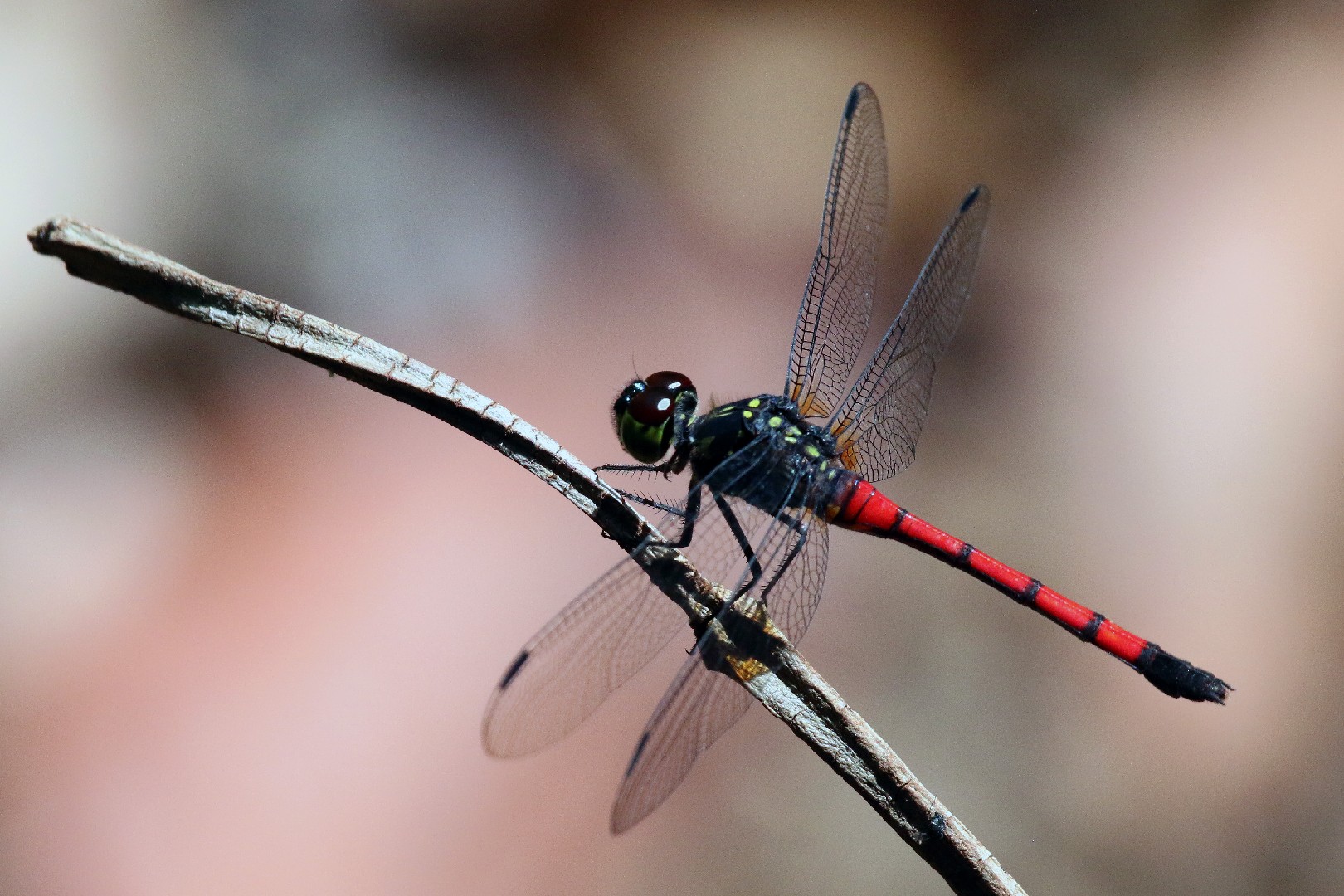
The male of this species is generally 3.5 - 4 cm long, the hindwing about 3 - 3 cm long. The thorax is metallic green with yellow mottling. The eyes are brown and yellow. The abdomen is mostly red with a black tip. The abdomen of the female is duller in color.

10. Peacock pansy
The adult butterfly has a wingspan of 5 - 6 cm,and exhibits seasonal polyphenism. "Upperside rich orange-yellow. Fore wing with a pale dusky and a much darker short transverse bar with lateral jet-black marginal lines across cell, another somewhat similar bar defining the discocellulars; costal margin, an inner and an outer subterminal line, and a terminal line dusky black; a large minutely white-centred ocellus with an inner slender and outer black ring on disc in interspace 2; two similar but smaller geminate subapical ocelli with an obscure pale spot above them and a short oblique bar connecting them to the black on the costa. Hind wing: a small minutely white-centred and very slenderly black-ringed discal ocellus in interspace 2, with a very much larger pale yellow and black-ringed ocellus above it spreading over interspaces 4, 5 and 6, the centre of this ocellus inwardly brownish orange, outwardly bluish black, with two minute white spots in vertical order between the two colours; finally postdiscal subterminal and terminal black sinuous lines. "Underside ochraceous brown, very variable. In most specimens the cell of the fore wing is crossed by three dark sinuous bands, the outermost along the discocellulars; these are very faint in some; both fore and hind wings crossed by a basal and a discal pale sinuous line, the latter margined outwardly by a dark shade, which is traversed by an obscure somewhat obsolescent row of dark spots, and outwardly bounded by a subterminal sinuous line, the dark shade in many cases spreading on the fore wing to the terminal edge of the wing; on the hind wing the subterminal line meets the discal in an acute angle at the tornus. Antennae dark brown; head, thorax and abdomen more or less orange-brown; paler beneath." "Upperside similar, the black markings deeper in colour and heavier, the subterminal and terminal lines more clearly defined. "Underside pale ochraceous. Fore wing: cell crossed by live short sinuous dark brown lines, a similar line on the discocellulars and another beyond it, both bent inwards at an angle and continued to the dorsum, the space between them forming a discal broad fascia, which pales to whitish posteriorly; the postdiscal ocelli, subterminal and terminal lines as on the upperside but paler. Hind wing: a slender transverse subbasal dark line, a discal whitish straight fascia in continuation of the one on the fore wing; the postdiscal ocelli, the subterminal and terminal lines much as on the upperside but paler; the anterior ocellus with a double iris and centre. Antennae dark brown; head, thorax and abdomen slightly darker than in the dry-season form.

More







