




Top 20 Most Common Insects in Revuca
Insects, Earth's most diverse creatures with unique features and adaptabilities, make Revuca a haven of insect biological diversity. The varied geographical alcoves of Revuca contribute to the rich insect biodiversity. These essential tiny creatures play vital roles in our ecosystem; ranging from nuisances like pests to beneficial pollinators and decomposers. The harmonious exchange between Revuca's environments and its insect residents can not be understated. Stay tuned as we reveal the top 20 most common insects found in Revuca.

Most Common Insects
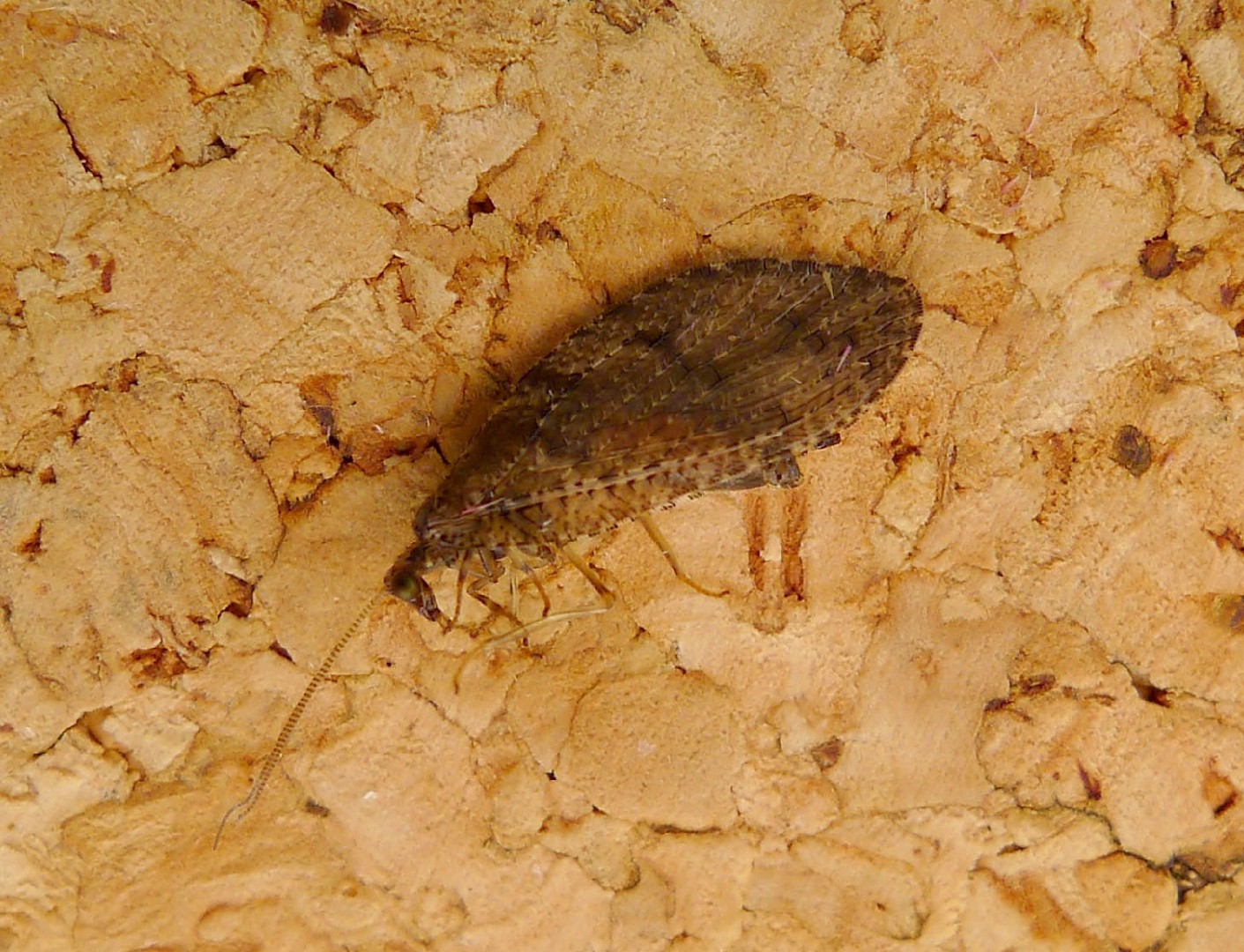
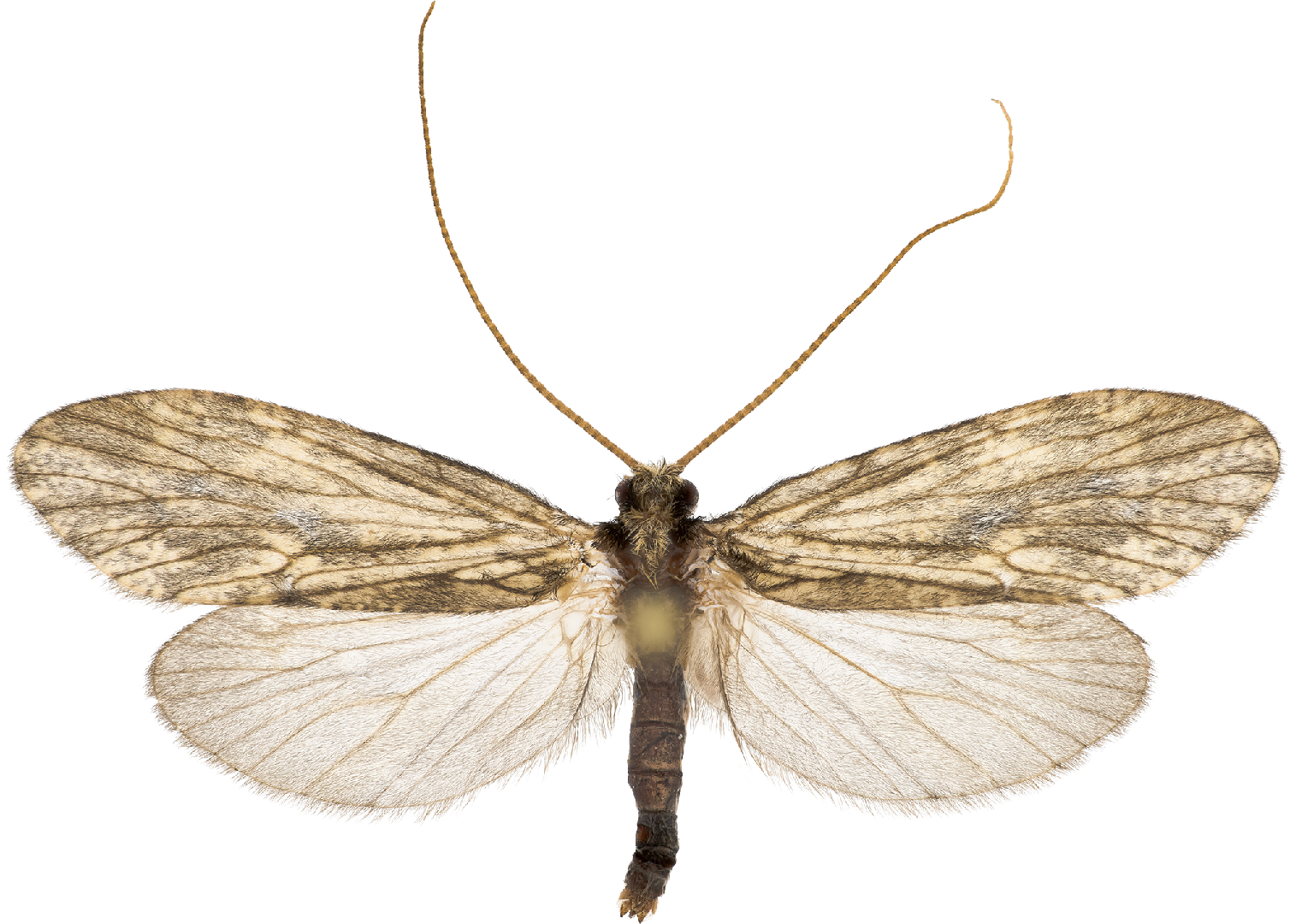
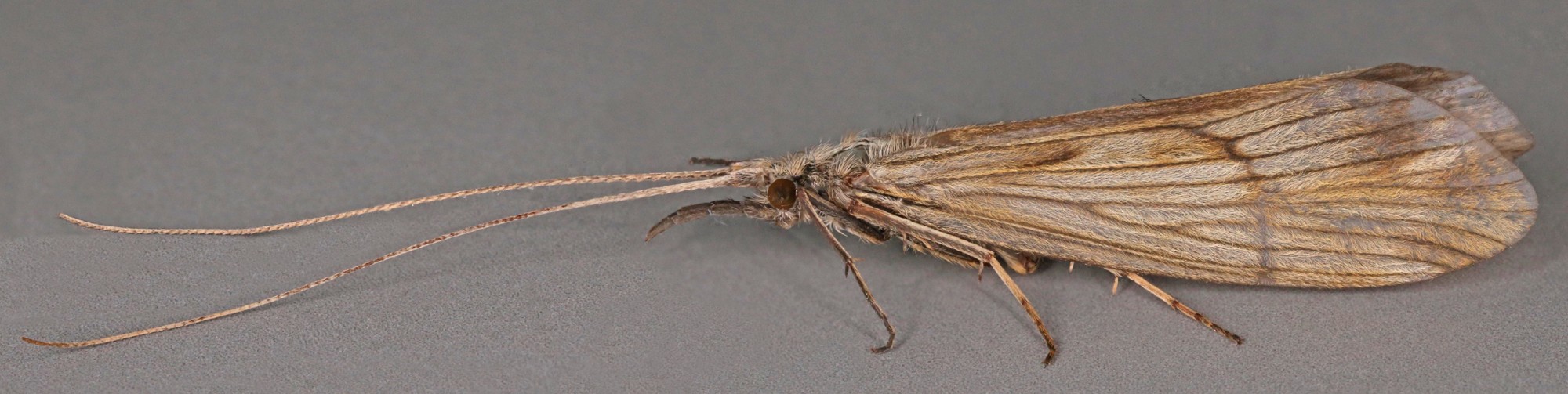
1. Hydropsyche pellucidula
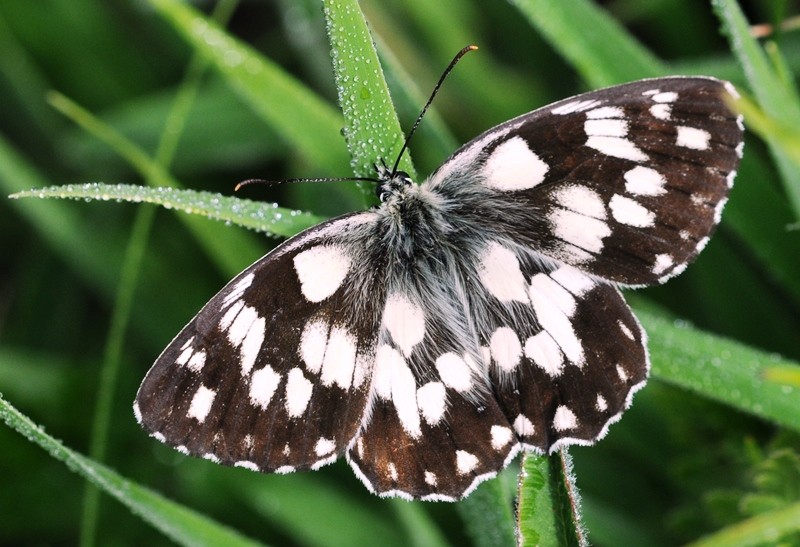
2. Marbled white
Melanargia galathea has a wingspan of 1.8–2.2 in. In these medium-sized butterflies the upper side of the wings is decorated with white and gray-black or dark brown markings, but it is always gray-black or dark brown checkered in the basal and distal areas. The underside is similar to the upper side but the drawings is light gray or light brown. On the underside of the hindwings is present a row of gray eye spots. The males and the females are quite similar, except that some females may have a yellowish nuance on the underside of the wings. The larvae are a lime-green colour, with a dark green line running down the middle of their back. The caterpillars are about 3 cm long. They are green or yellow with some lighter and darker narrow longitudinal lines. The head is always light brown. 
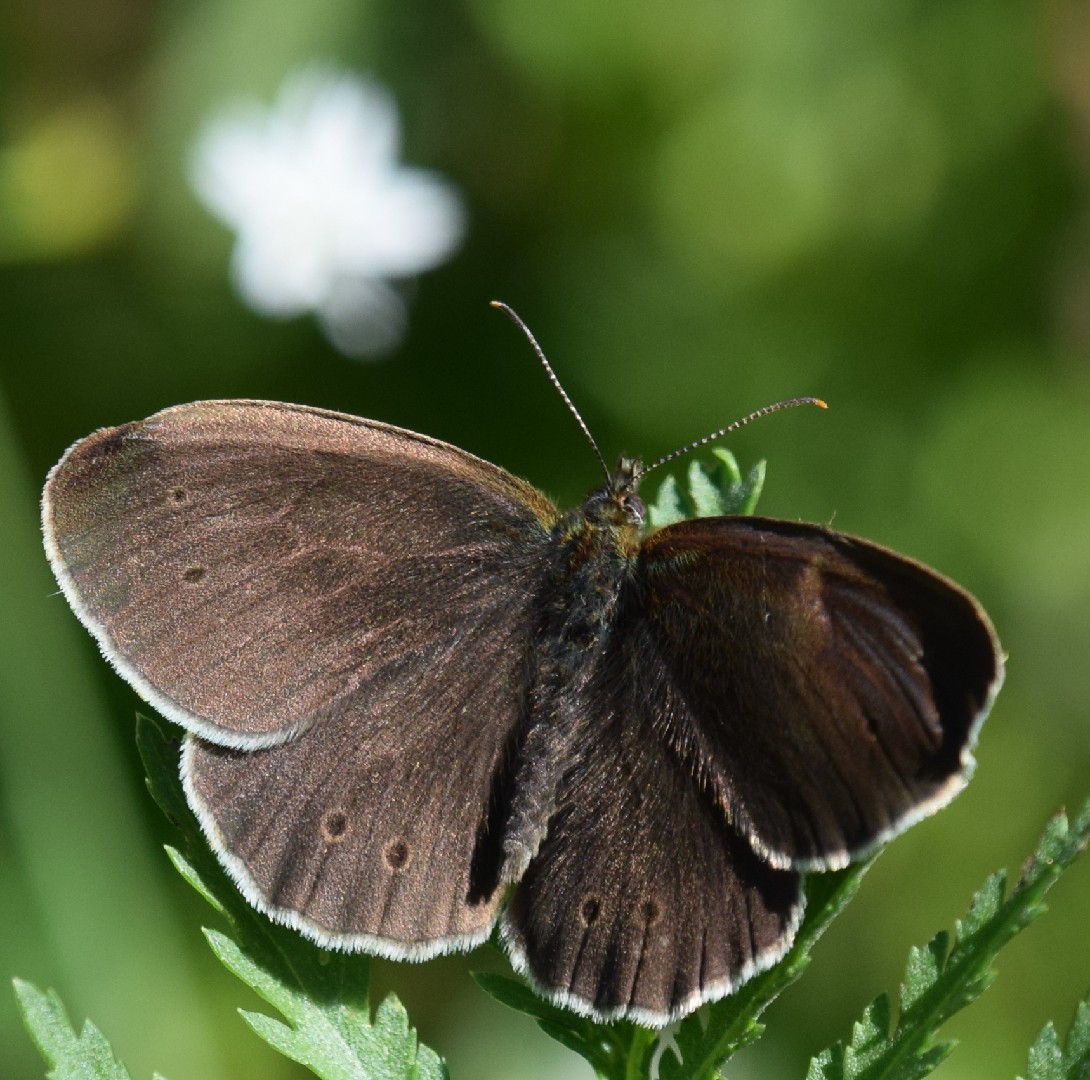
3. Ringlet
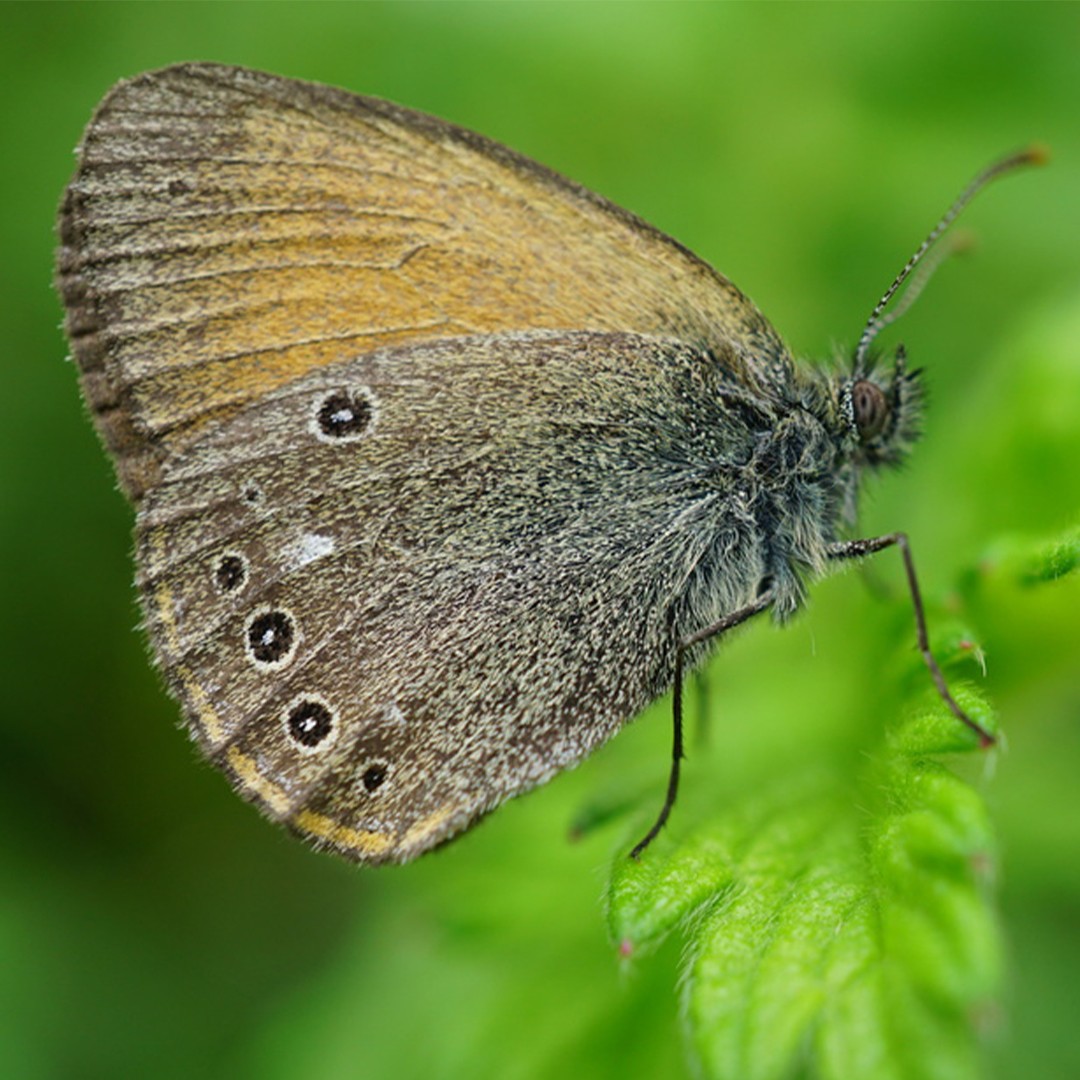
Aphantopus hyperantus is a medium-sized butterfly with a wingspan of up to 3.5 - 4 cm . The wing upper and lower sides are solid brown with small, yellowish-rimmed eyespots. The newly emerged ringlet has a velvety appearance and is almost black with a white fringe to the wings. The number and size of the eyespots is variable, they may be missing on the upper wing surface. The eggs are pale yellow when first laid, but become pale brown.The caterpillars are about 2.5 cm long. They are gray or light reddish brown and have dark, reddish brown and very fine dots. Dorsally there is a dark longitudinal line, which is widened at the segment boundaries. Toward the rear, this line is more intensely colored. The head is darker and has several faint longitudinal stripes.
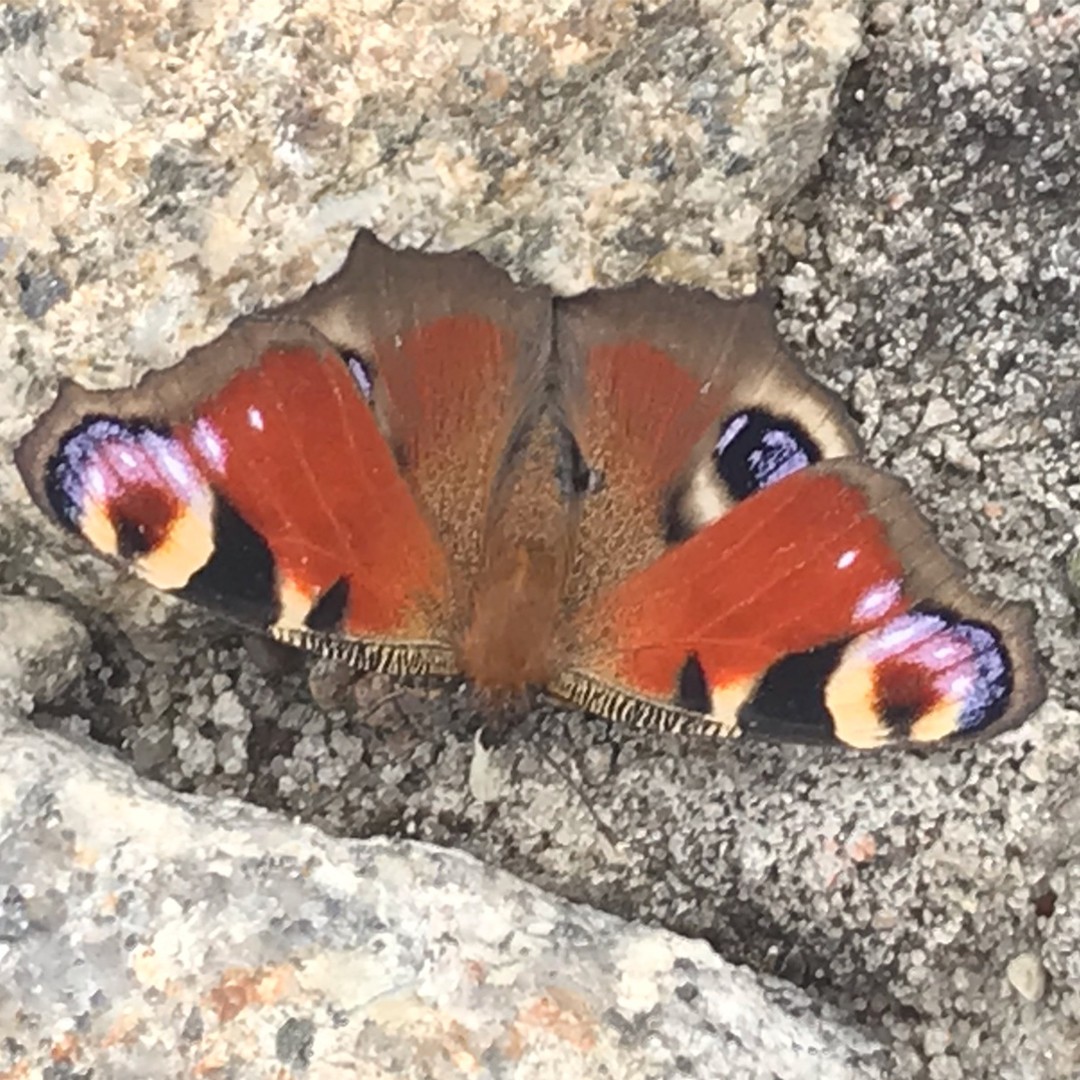
4. European peacock
European peacock (Aglais io) is a colorful butterfly that resides in temperate Asia and Europe – hence its common name. Its prominent eyespots deter would-be predators, who mistake them for the eyes of a bigger, more dangerous species. In recent years, this species appears to be expanding its range into previously uncolonized territory.
5. Scarce copper
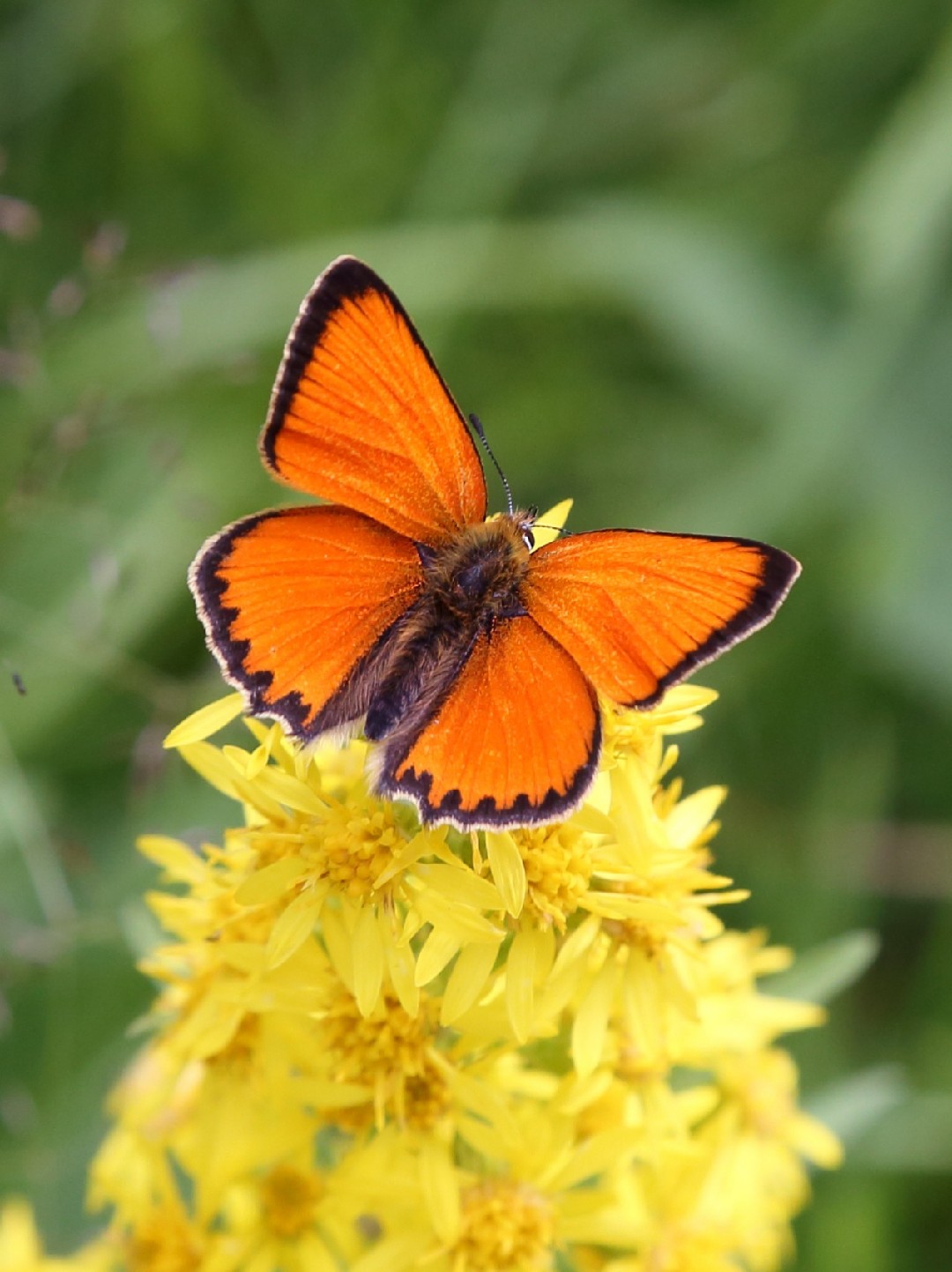
Male above red-golden, with a narrow black margin, at the proximal side of which there are dark dots on the hindwing: female cinnabar-red, spotted with black, the hindwing partly dusted with black. Underside leather-yellow, more sparsely spotted with black, before the outer third of the hind- wing pale dots, which are occasionally united in a white chain. The anal area dusted with red. The species occurs from the Atlantic coasts throughout Europe to East- Siberia and from the coast of the North Sea to the Mediterranean, but is absent from Great Britain and Japan. — In Lapland flies a small form, oranula Frr. (76 b), which is otherwise very similar to the name-typical form. — estonica Huene (76 b), from the Baltic provinces and eastern Russia, exactly resembles the preceding in size and shape, but has a broader black margin. — virgaureola Stgr. (76 b) is in size like virgaureae, but the upperside of the male is as in estonica; beneath the more reddish disc of the forewing contrasts with the more yellow hindwing and the white discal stripe of the latter is absent or reduced; from northern Central Asia, Dauria, Mongolia, and as similar aberration in the Swiss Alps. — males from the Apennines, in which the upperside is deeper red-golden and the base of the hindwing more densely dusted with dark, are apennina Calb. The females the contrary have the ground-colour paler and are less dusted with dark than many Central European specimens, the underside being hghter. According to Fallou the males from the Pyrenees are also deeper red. - On the other hand, the specimens from Mersina and the neighbouring Taurus Mts. have a bright light golden-red upperside in both sexes, the black margin being narrowed in the male. This is aureomicans Heyne. — Specimens with the underside of the hindwing strongly dusted with grey, the upperside of the female more-over having a brown-grey tint on account of the dark dusting on the golden ground, occur in many alpine districts with the ordinary form, being especially plentiful and well marked in the Alps of Valais; all such individuals are united as ab. zermattensis Fall. (76 a). It is hardly possible to decide from Fallou's very long description of this form which are the real characteristics of his aberration, so that strictly speaking not all the specimens standing in collections under this name belong here, particularly not all the specimens from the Valais; in fact only those individuals are true ab. zermattensis which, like phlaeas caeruleopunctata, have a chain of white dots before the outer third of the hindwing, as shown in the figure given in Ann. Soc. Ent. Fr. vol. V. pl. 2. Besides the modification of the colour of the upperside into sepia-brown, both sexes differ on the underside in the forewing bearing a broad dark margin and the hindwing being washed with fuscous, ab. seriata Fruhst. are zermattensis females which have a discal row of white dots on the hindwing proximally to the row of black spots, ab. fredegunda Fruhst. bears, besides those dots, a row of submarginal spots on the forewing beneath. [more vars described]The egg is semiglobular, grey-green, with a network of polygons, laid singly or several together on the stalk of the foot-plant. Larva green with a yellow stripe on back and at the sides, brownish head and brownish legs; at first glassy, transparent, later yellow on the back. Emerges in April and feeds until June on Rumex and Solidago. Pupa rounded, smooth, similar to a small bean, brownish, with dark markings; on the thorax a dark dorsal longitudinal stripe, which is continued on the abdomen by a row of impressed dots. The butterflies are on the wing from the end of June into August on meadows, clearings in woods, mountain-sides and flowery slopes; they are abundant almost everywhere in the area aru:! ascend in the high mountains above 10,000 ft.
6. Silver-washed fritillary
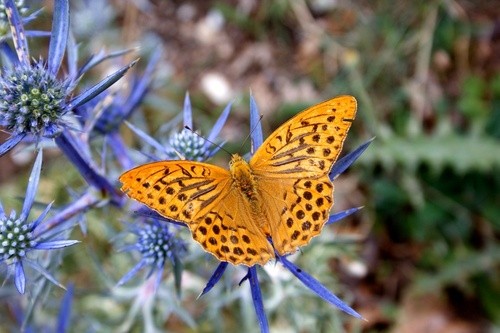
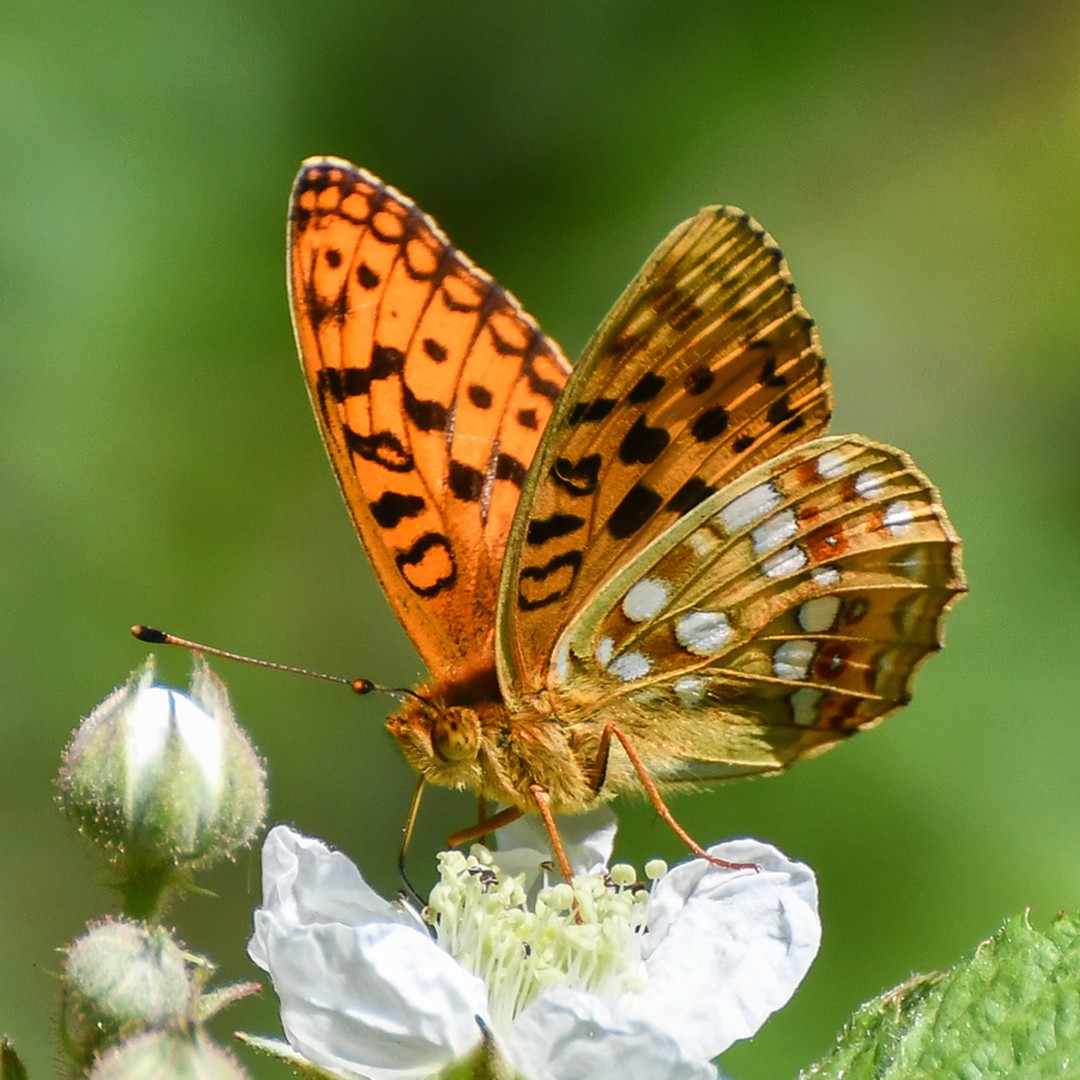
The silver-washed fritillary (Argynnis paphia) is a beautiful, orange butterfly that is covered in black spots. It earns the "silver-washed" portion of its name through silver streaks you can find running along with it. It produces a scent using "scales" that allows it to distinguish itself when females are trying to locate it.
7. Large copper
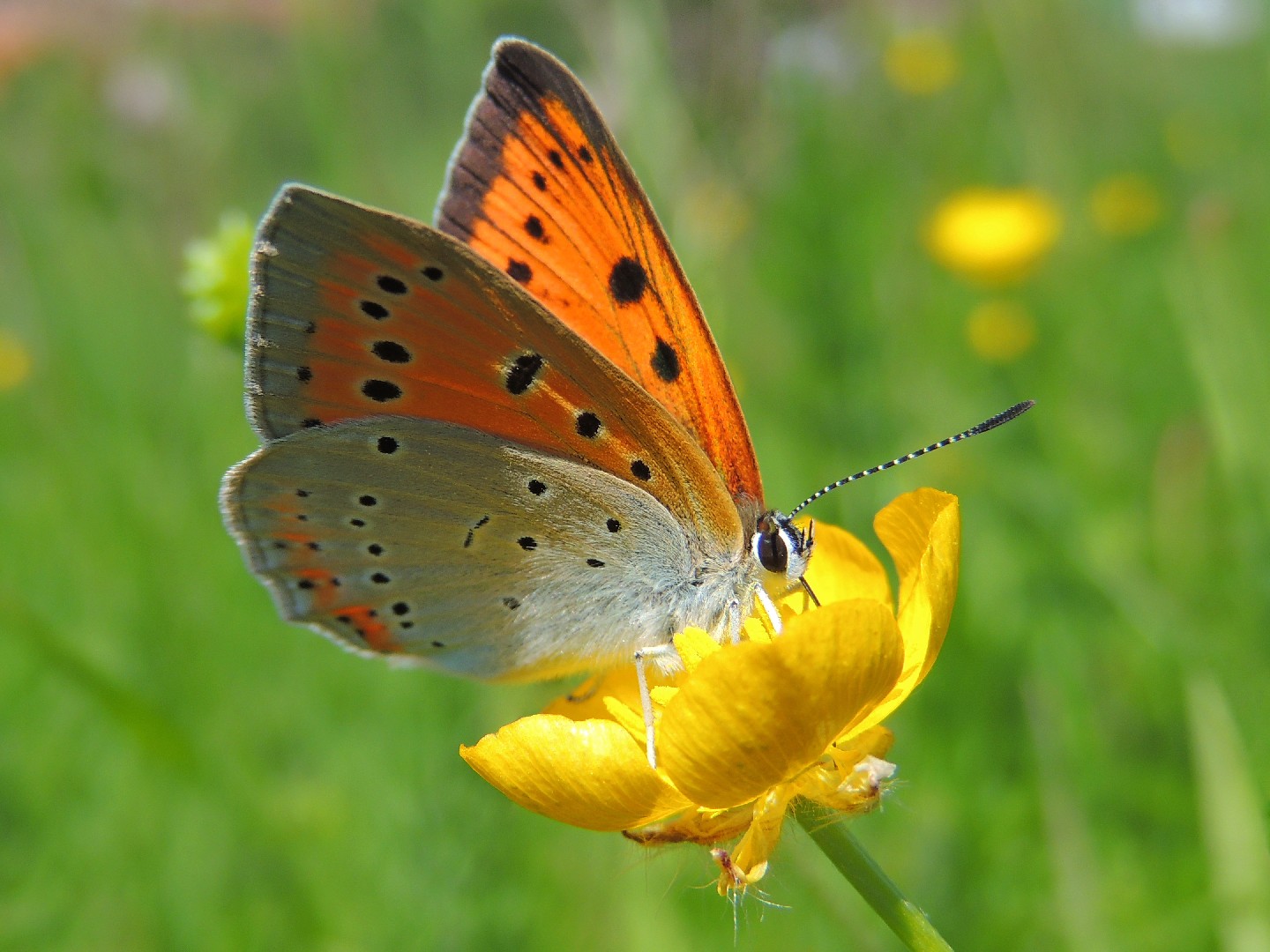
The large firefly (Lycaena dispar) is a butterfly (butterflies) from the family Bläulinge (Lycaenidae).
8. Meleager's blue
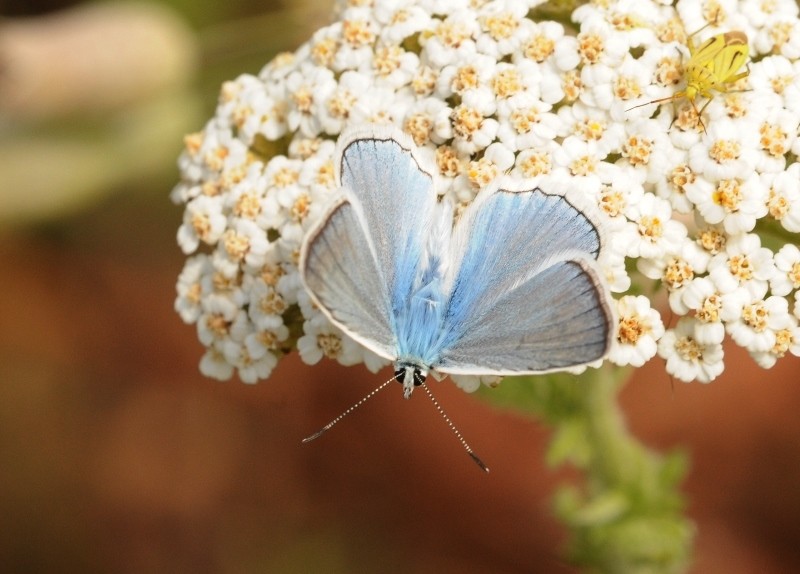
Polyommatus daphnis has a wingspan of 36–38 millimetres (1.4–1.5 in). These small butterflies present a sexual dimorphism. The upperside of the wings is bright blue in males, while in the females it is usually blue bordered with dark brown. The underside of the wings tends to be pale ocher in the females and grey-bluish in the males, with black spots surrounded by white. The hindwings are distinctly scalloped, especially in the females.

9. Multicolored asian ladybeetle
Often confused for the ladybug, multicolored asian ladybeetle (Harmonia axyridis) is a separate species that, unlike the ladybug, is a household pest. It is considered particularly annoying for its habit of returning to places from which it is removed. One of the most variable species in the world, there are many different colors and patterns multicolored asian ladybeetle may display, making identification potentially difficult.
10. Short-tailed blue
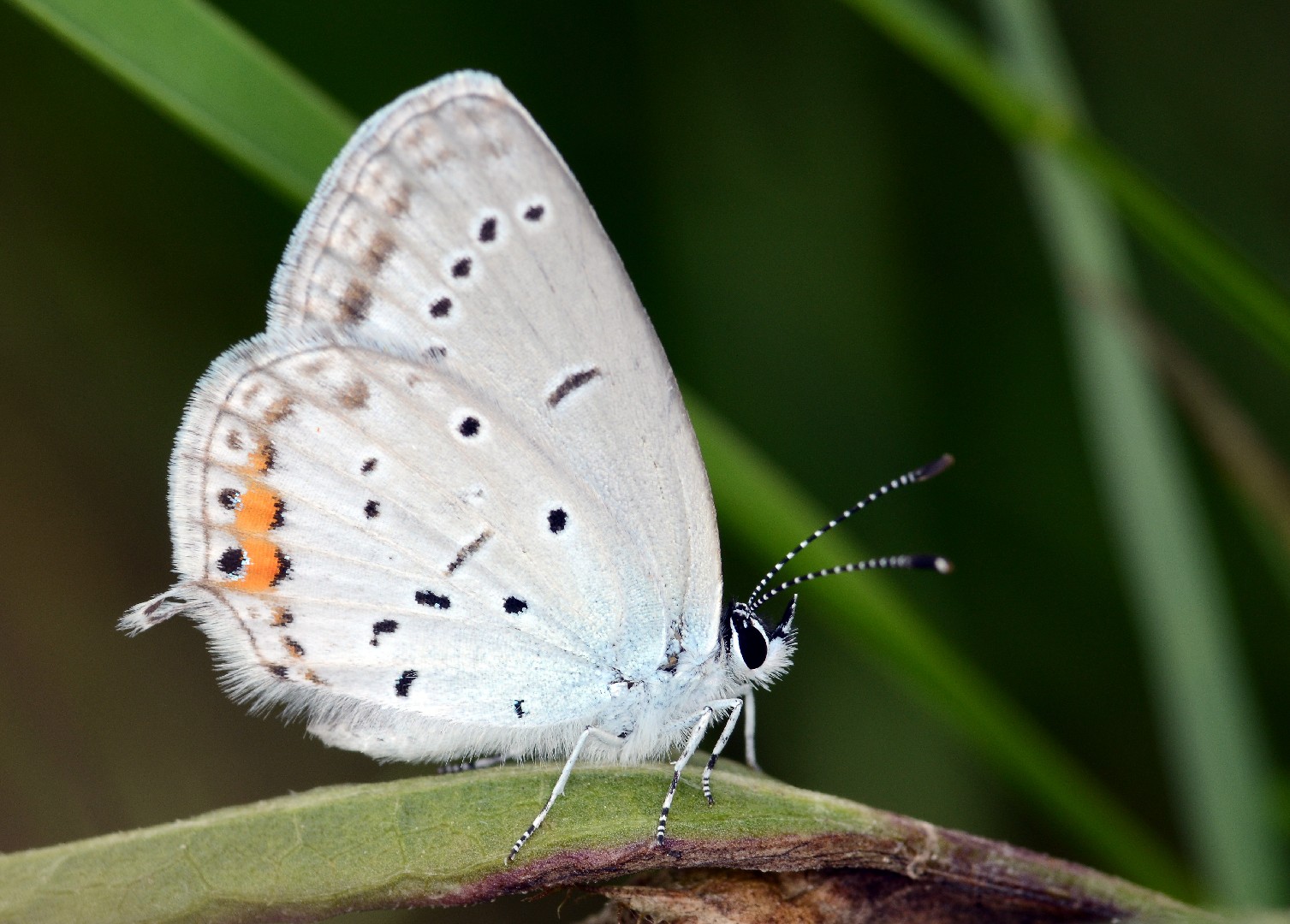
The male has a violet upperside, a violet forewing with brown edging, and a violet hindwing with a brown edging of varying length. The wings have black spots, some of which have slight white edging. The tail is black with a white tip. The underside of the wings are white or brownish grey, the markings prominent or very faint. The antennae are black with white speckling on the shafts. The body is brown with a purple flush on fresh specimens. The female has a dark grey-blue upperside, with black parts and broader edging. The undersides of the wings are like those of the male but with more stark markings. The body is like that of the male but without the purple flush. Specimens from very dry localities in Upper Burma and from Great Nicobar Island are remarkably small and pale, with the markings on the underside, especially the subtornal ochraceous yellow patch, more or less obsolescent.
More