




Top 20 Most Common Insects in Humenne
Insects, boasting of multitudes of shapes, colors, and sizes, are undeniably an integral component of Humenne's diverse ecosystem. The rich blend of geographical regions makes this region a treasure trove for insect diversity. They range from pests causing havoc to beneficial insects contributing significantly to our ecosystems. Our list of the top 20 insects illustrates the vibrant interplay between Humenne's unique environments and its insect inhabitants.

Most Common Insects
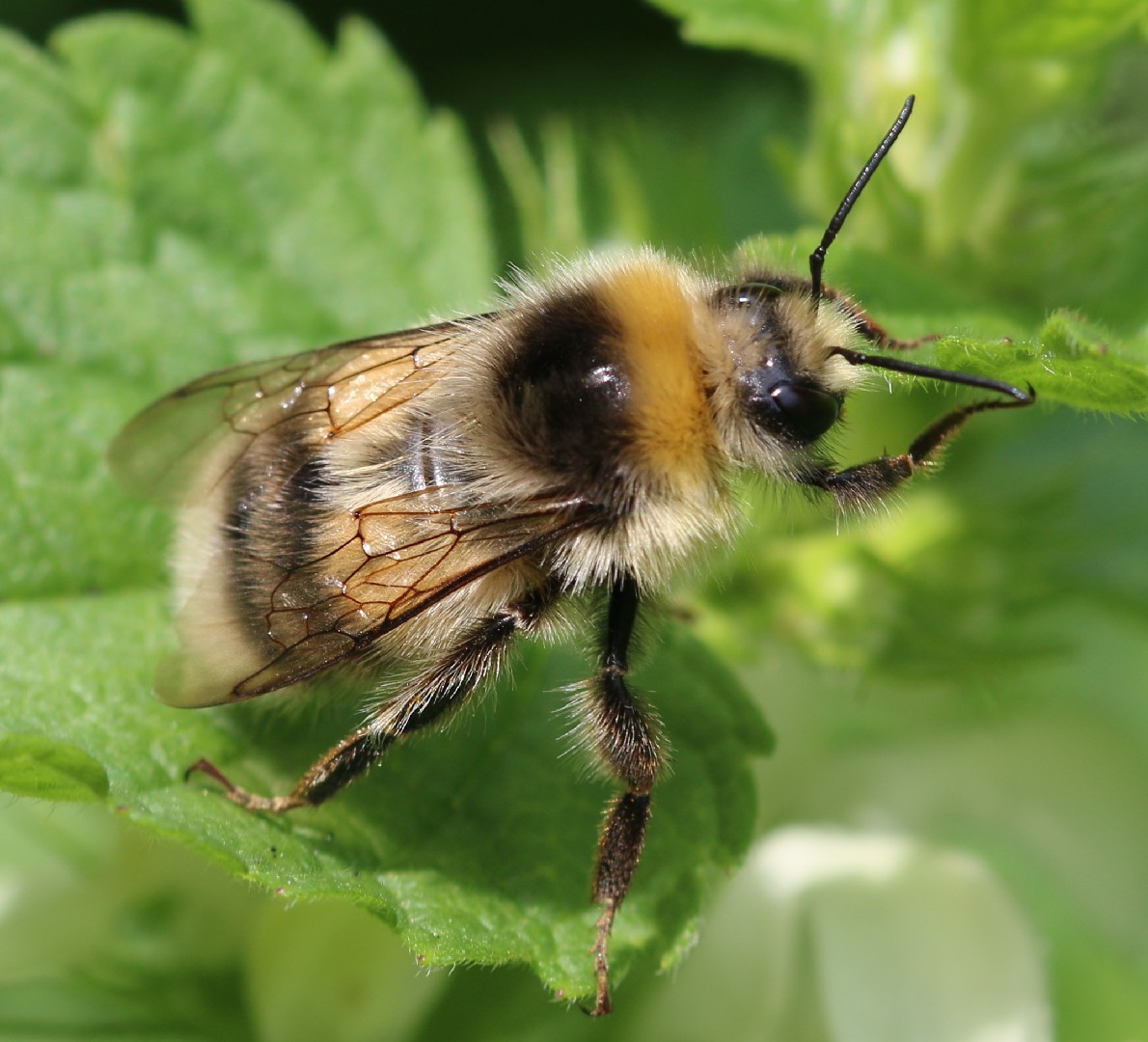
1. White-tailed bumble bee
The pale yellow bumblebee or bumblebee (Bombus lucorum) is a bumblebee living near the ground, which is widespread in Germany in open spots with few shadows. It has its ecological significance above all as a pollinating insect of many plants, many of which depend on the earth bumblebees as pollinators.
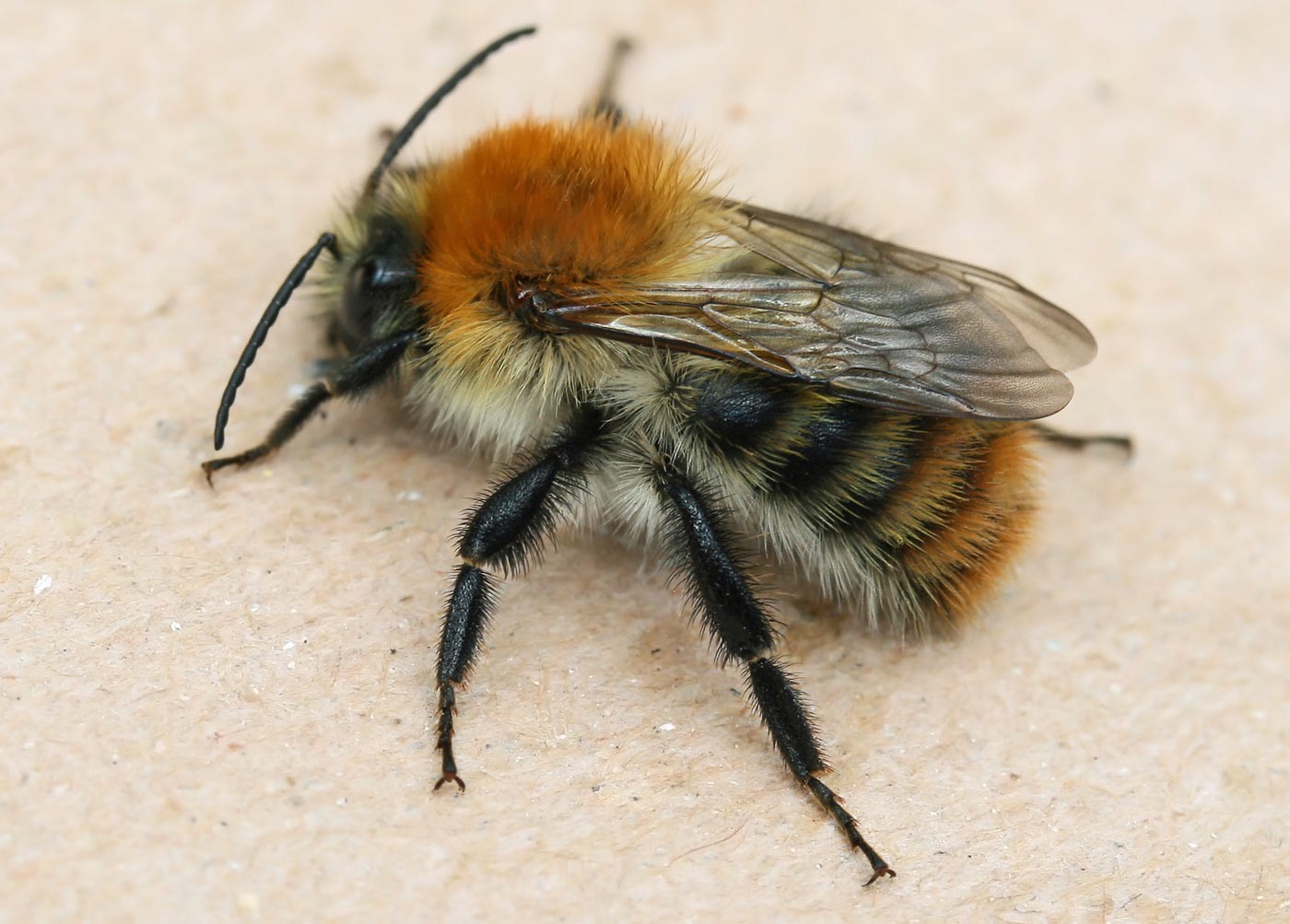
2. Common carder bee
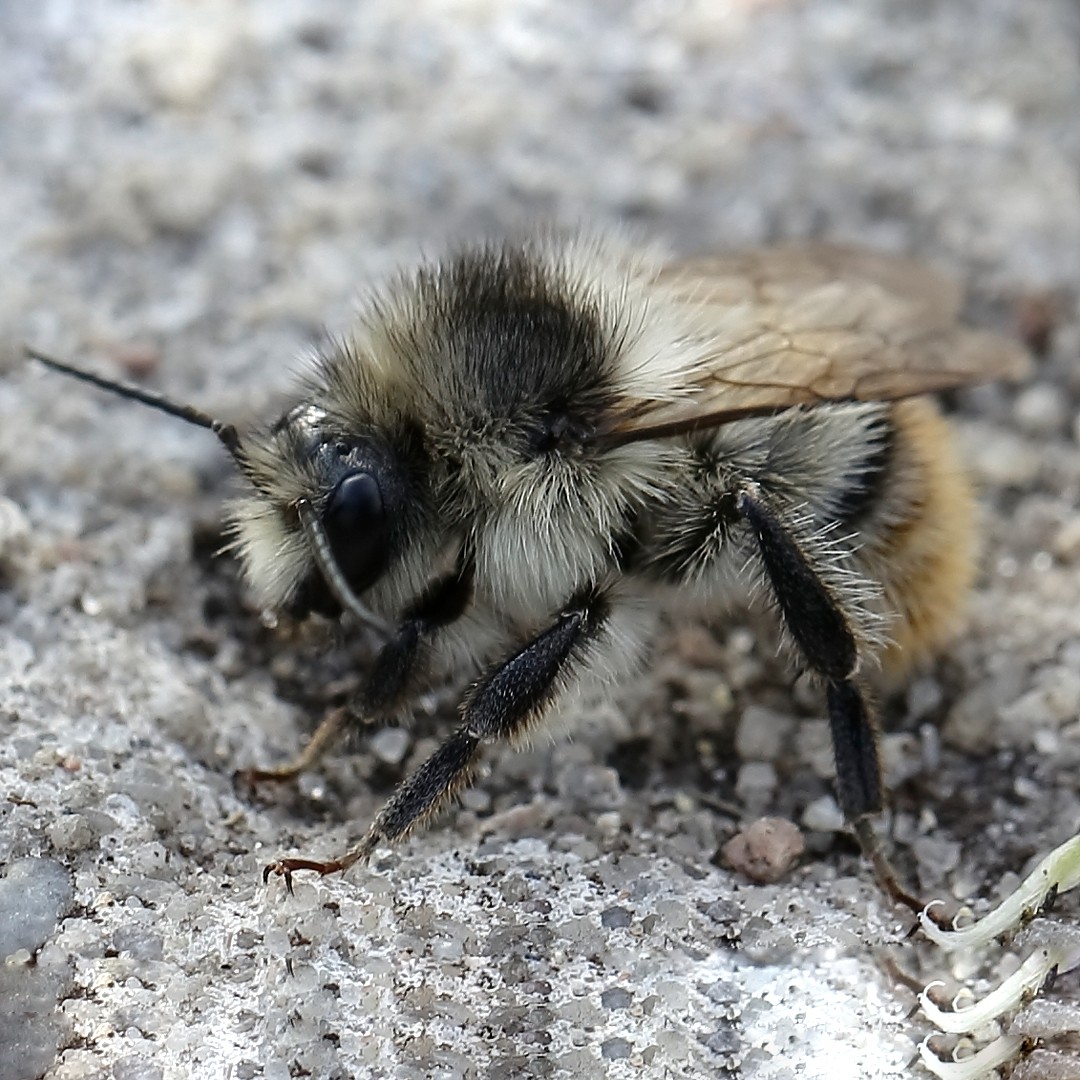
The common carder bee (Bombus pascuorum) earns this name from its ability to be found almost anywhere. It isn't picky and can set up shop in a ditch or a meadow. During this time, it collects moss and combines it with wax to form their nests. They reach more than 100 individuals until they rapidly die off. Dramatically, the last surviving females and males leave the nest for greener pastures.
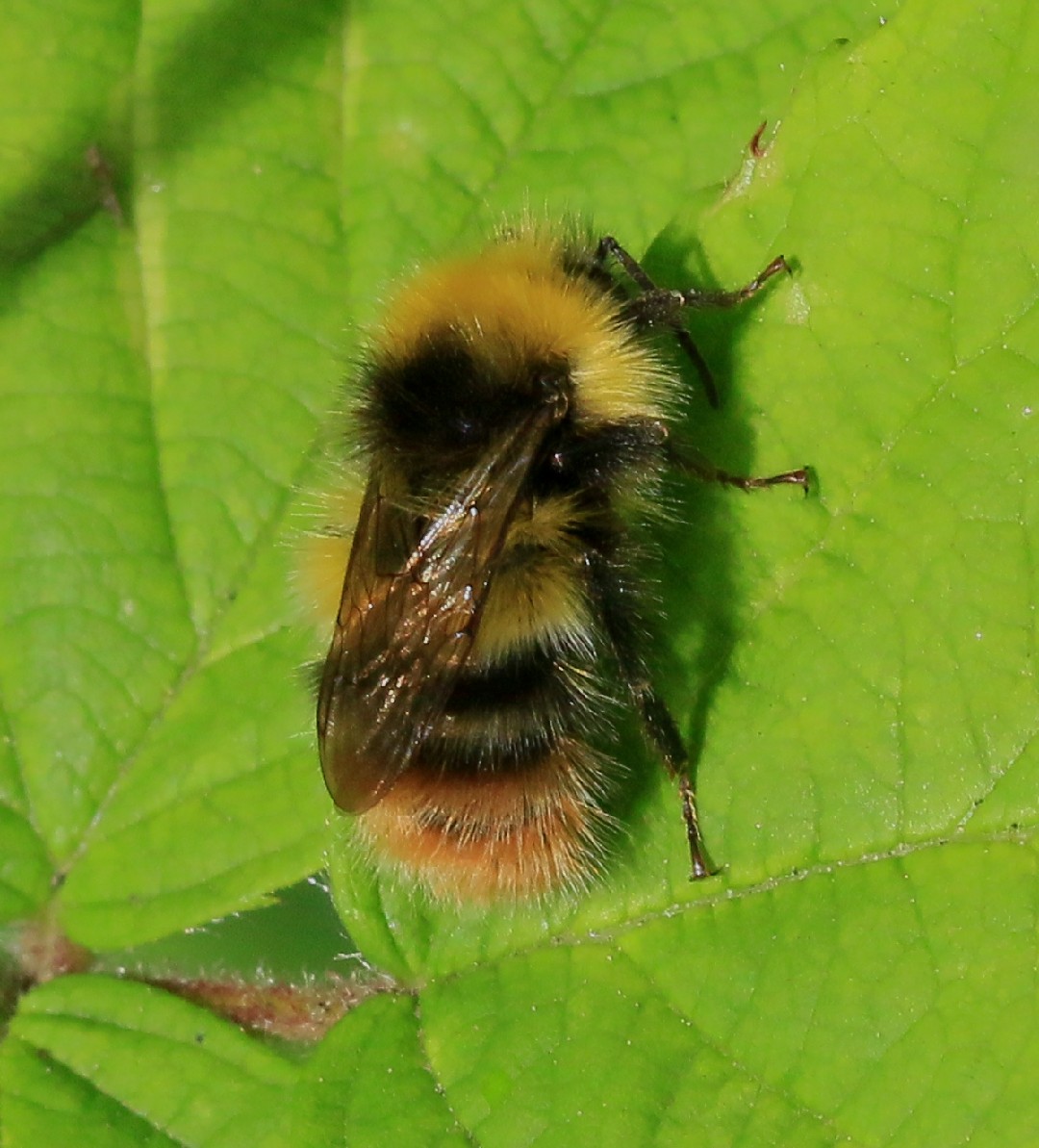
3. Early bumblebee
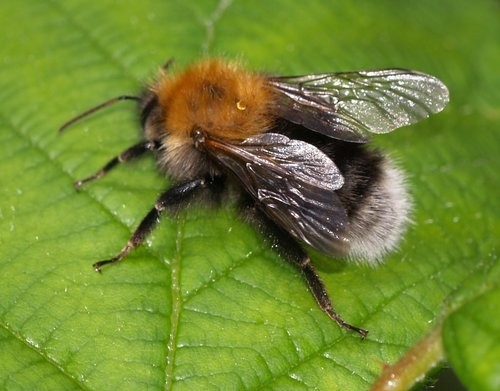
The meadow bumblebee (Bombus pratorum) belongs to the genus of bumblebees.
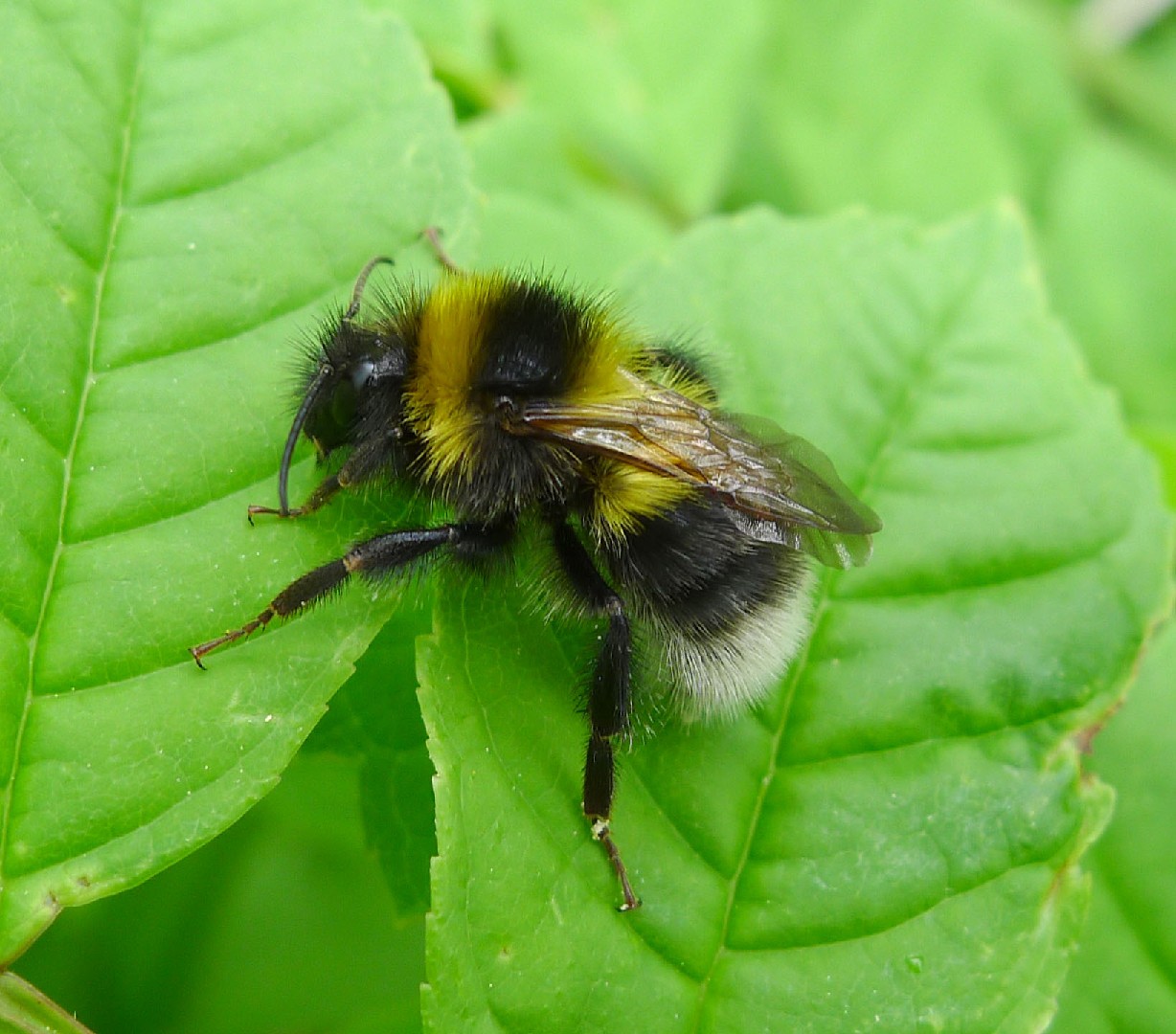
4. Garden bumblebee
This bumblebee has an oblong head and a very long tongue, about 1.5 cm, and in some cases even 2 cm. The tongue is so long that the bee often flies with it extended when collecting nectar. The queen is variable in size, with body lengths between 1.9 cm and 2 cm, and wing spans from 3.5 - 4 cm. The workers are almost as large, the larger ones overlapping the smaller queens. Their color is black with a yellow collar, a narrow yellow band on the scutellum, and a third yellow band on terga (abdominal segments) 1 and 2. The tail is white. Darker forms, with little yellow in their fur, are common. The compound eyes of Bombus hortorum are two dark, oval structures situated on the dorsal-ventral axis of their head. They lack interfacetal hairs and feature a relatively thick cornea and large retinal cells. 
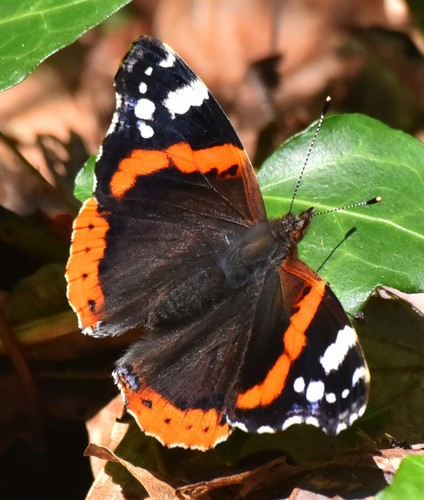
5. Red admiral
Red admiral (Vanessa atalanta) is a visually striking species of butterfly. Unusually territorial, males will compete for choice areas, and females will only mate with males that maintain their own territories. This butterfly is known for being particularly patient with human interactions, even to the point of perching on clothing or flesh.
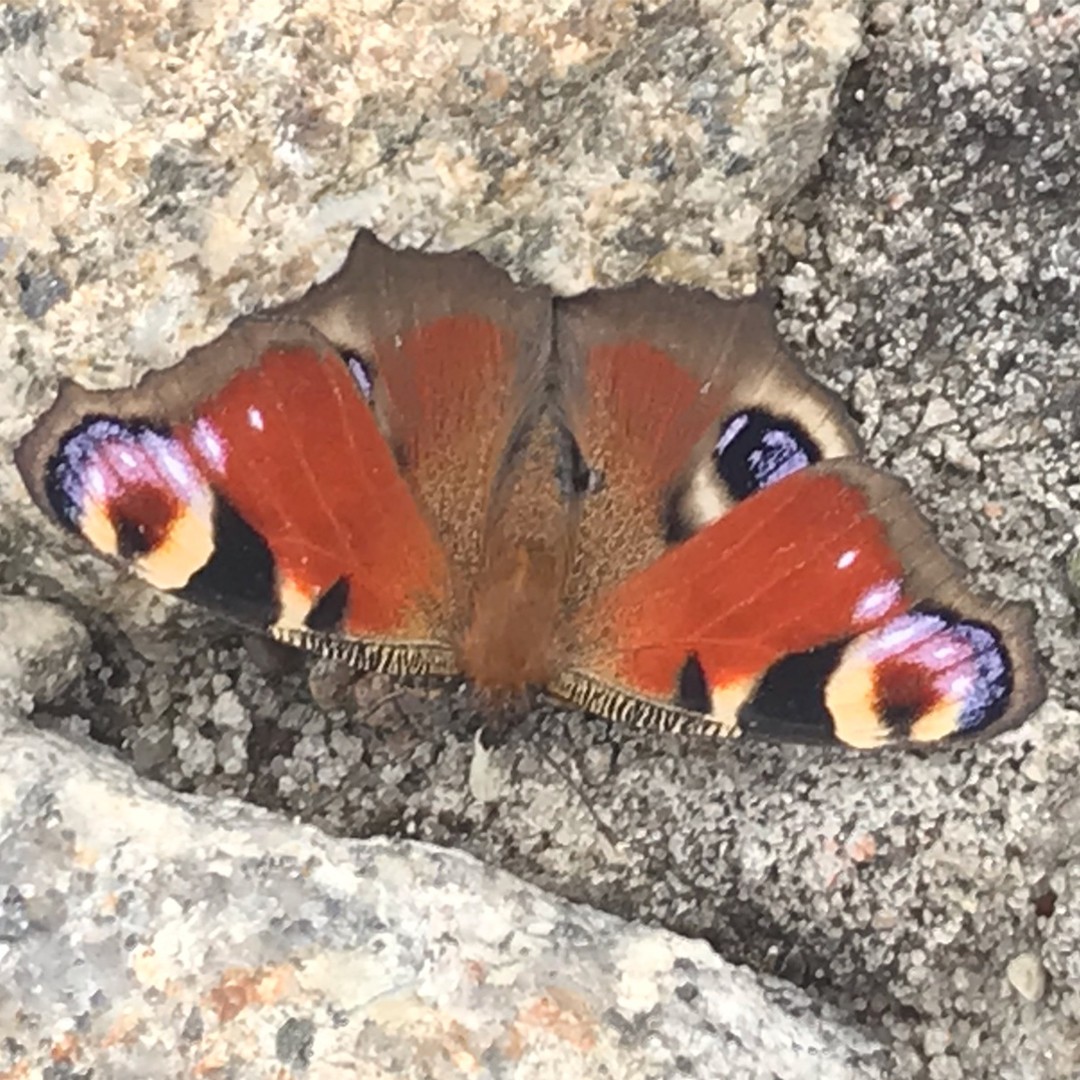
6. European peacock
European peacock (Aglais io) is a colorful butterfly that resides in temperate Asia and Europe – hence its common name. Its prominent eyespots deter would-be predators, who mistake them for the eyes of a bigger, more dangerous species. In recent years, this species appears to be expanding its range into previously uncolonized territory.
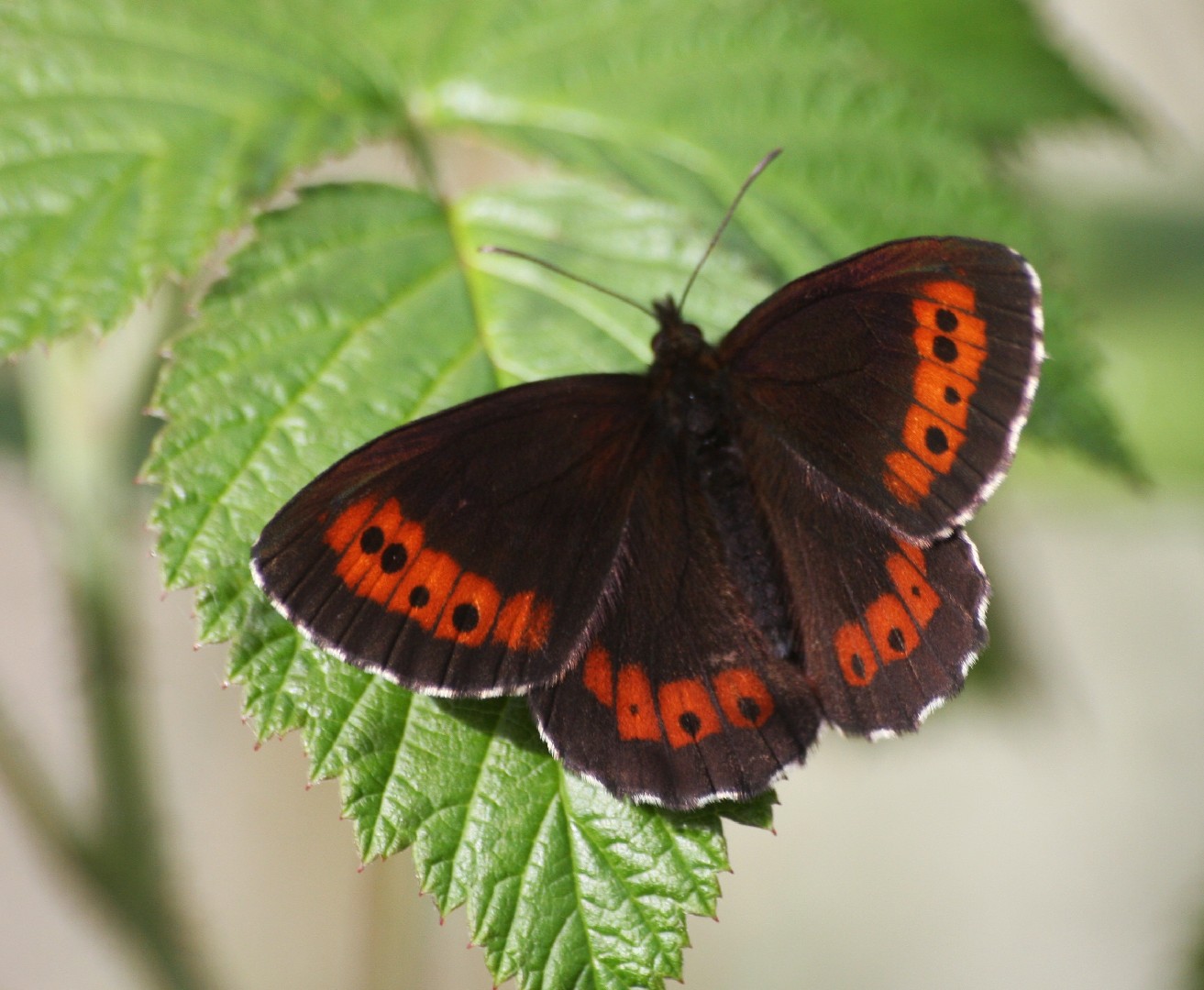
7. Arran brown
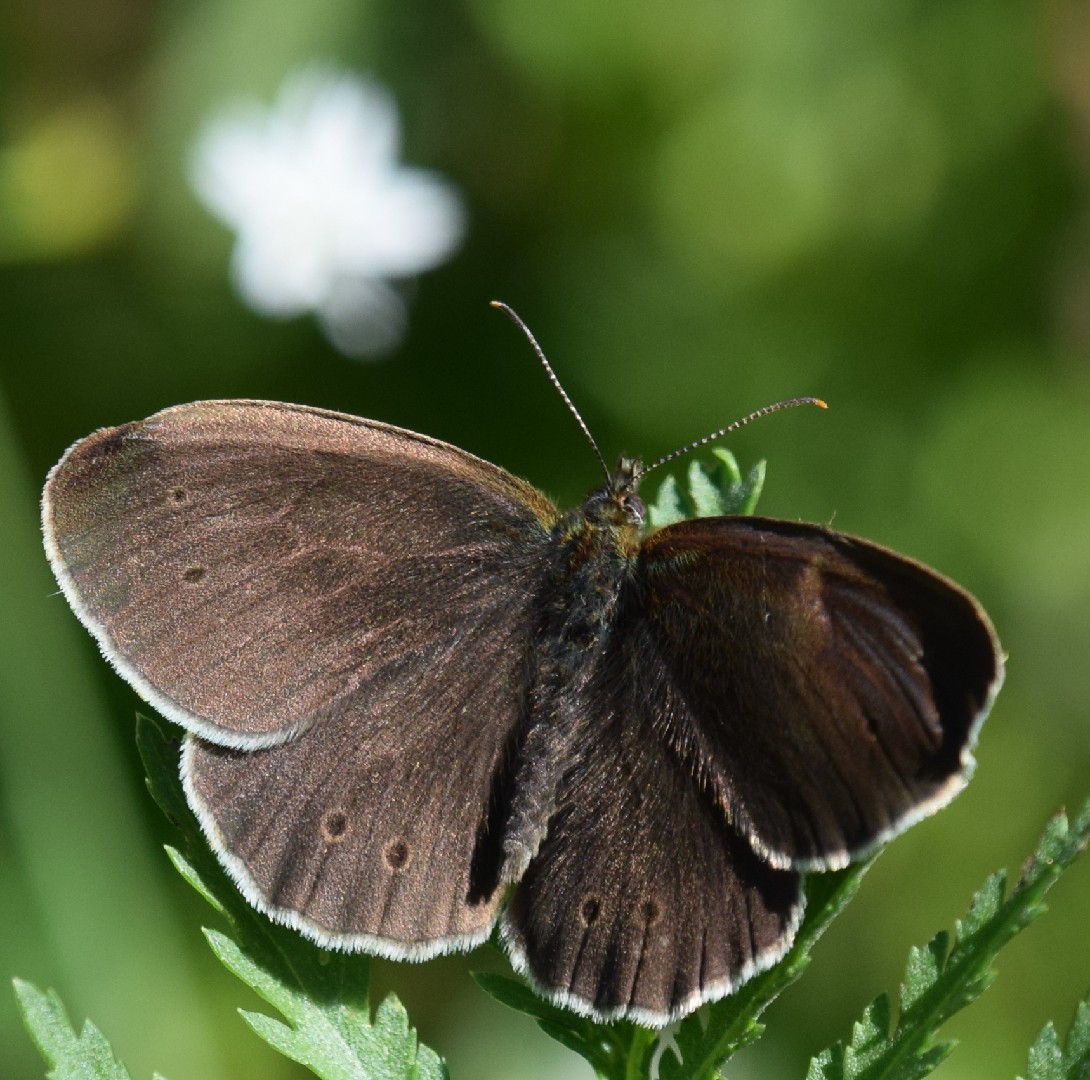
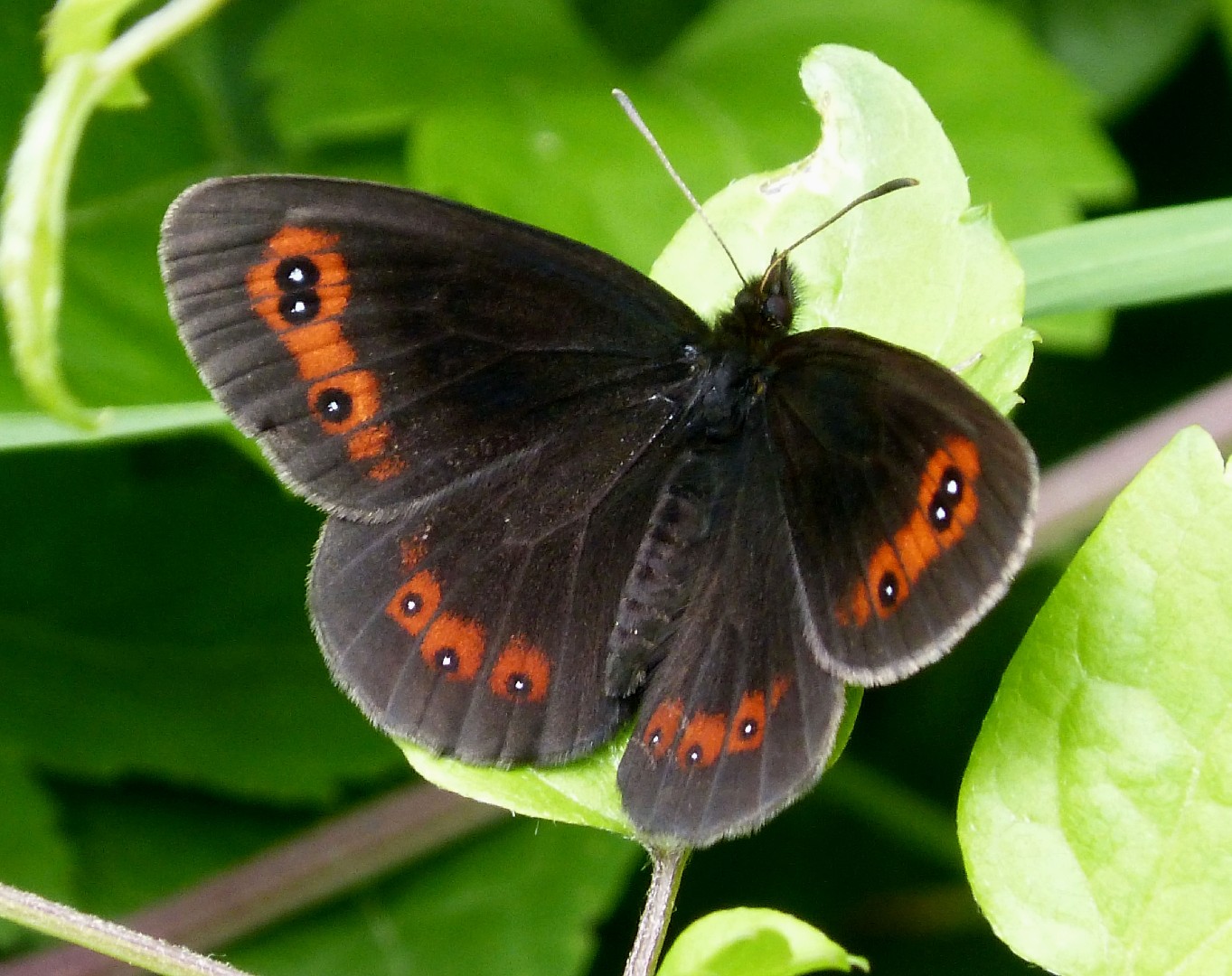
The arran brown is a medium-sized butterfly with a wingspan of between 3 cm and 4.5 cm. Females tend to be a little larger than males. The upperside of both the forewings and hindwings are dark greyish brown with a reddish-orange strip near the margin along which runs a series of black spots. Many of the spots are small but some have white centres. The underside of the forewing is dark brown with a reddish strip with black, white-centred eyespots near the outer edge. The underside of the hindwing is brown, edged with a row of more or less distinct dark coloured eyespots. The basal side of these is close to the centre of wing and there are one or two patches of white. The basal part of the hindwing of the female is a darker brown than the rest of the wing. This butterfly can be distinguished from the rather similar Lapland ringlet (Erebia embla) and the Arctic ringlet (Erebia disa) by the fact that it has white blotches on the under surfaces of the hindwing and those butterflies do not. It can also be distinguished from the Arctic ringlet by the fact that it always has eyespots on its hindwings while the upperside of the Arctic ringlet's wings are plain brown.
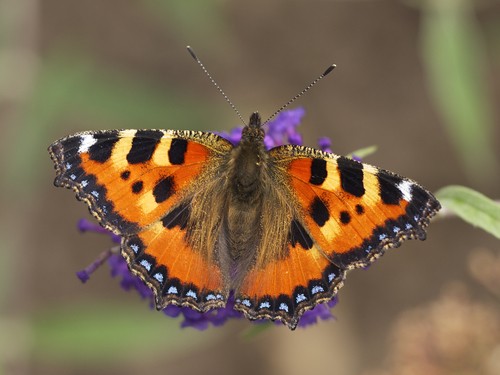
8. Small tortoiseshell
Small and colorful, small tortoiseshell (Aglais urticae) is the national butterfly of Denmark. However, it is capable of surviving anywhere the common nettle leaf may be found, which the larvae of this species depend on. Once among the most common butterflies in Europe and temperate Asia, this species is experiencing rapid declines for reasons still being investigated.
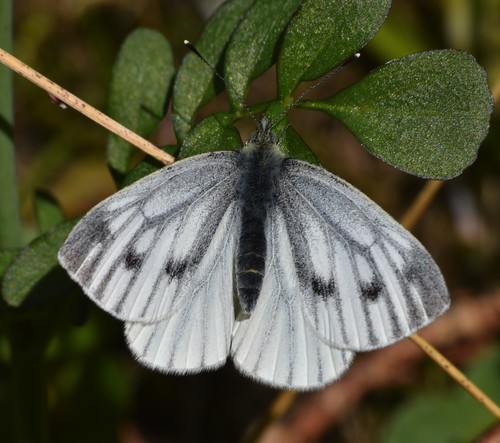
9. Green-veined white
Green-veined white (Pieris napi) is a distinctively white-winged butterfly that lays its eggs in a variety of food plants. This species displays observable differences dependent on sex: males possess only one dark spot on each forewing, whereas females display two. Unlike several of its cousin species, green-veined white prefers not to lay eggs in garden cabbages, rendering it less of a pest to farmers.
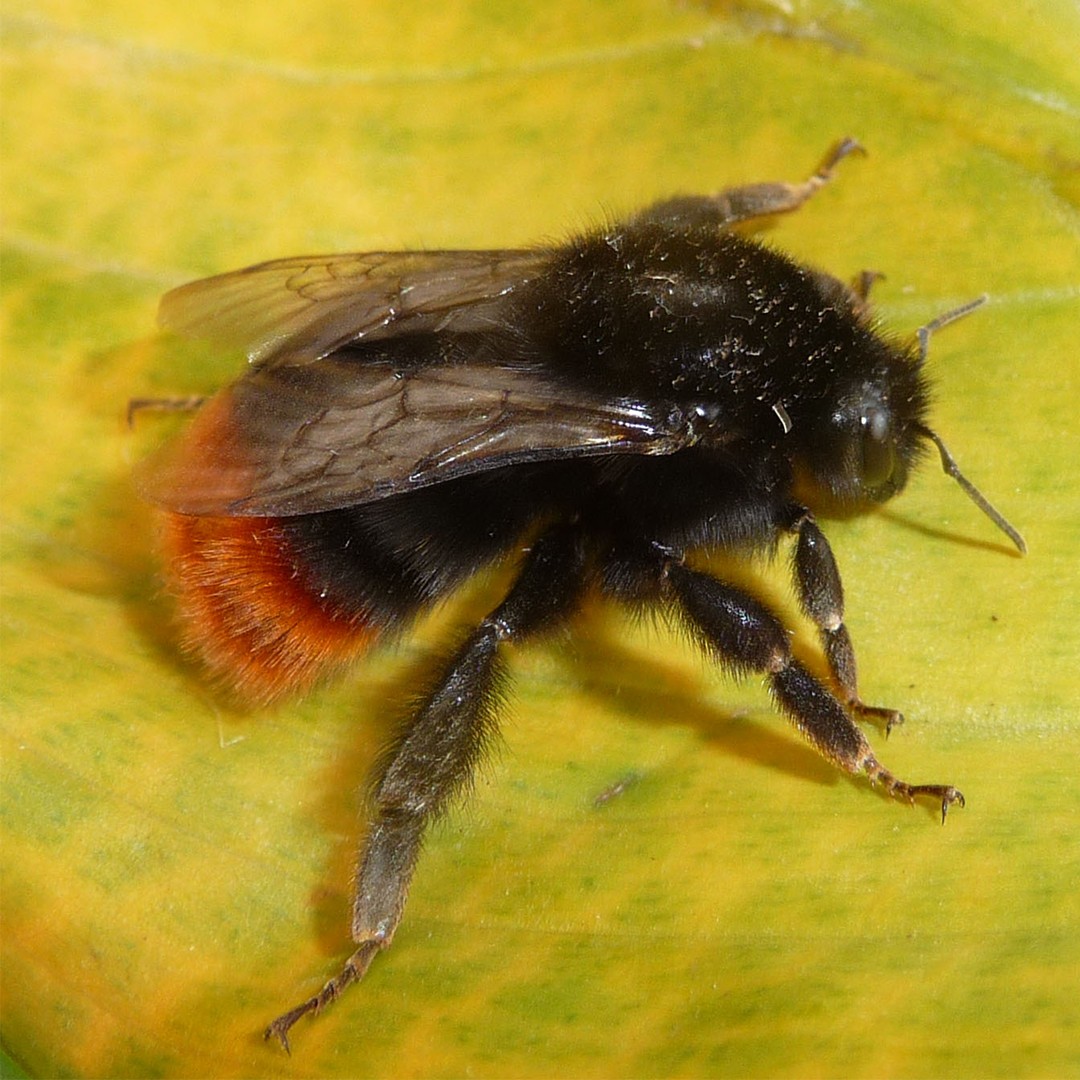
10. Red-tailed bumblebee
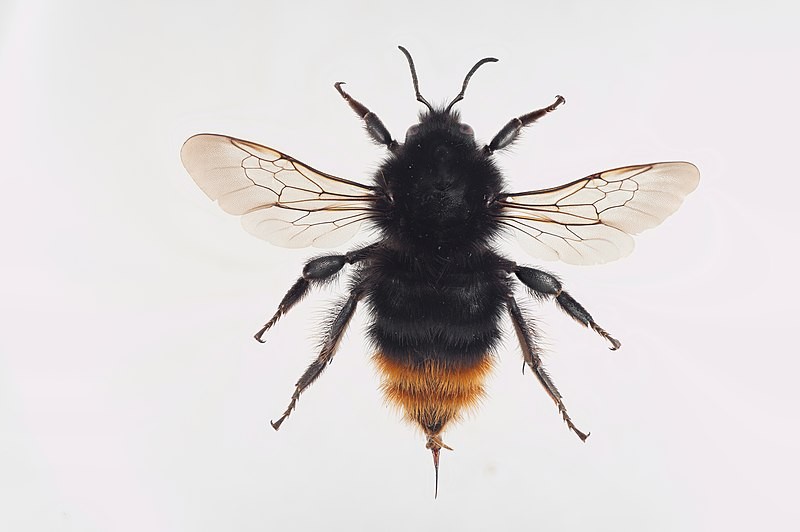
Named for its red-colored lower body, red-tailed bumblebee (Bombus lapidarius) is considered an important pollinator species for farmers in central Europe. This species is more egalitarian than other bumblebees: while the queen remains the dominant figure, there does not appear to be any form of hierarchy between worker bees themselves. The colonies are small, with fewer than two hundred workers at any time.
More







