




Top 4 Most Common Insects in Somalia
Insects, remarkably diverse creatures in every corner of the world, are as complex as the environments they inhabit. From the sun-drenched Somali coastlines to the arid plains of the interior, Somalia's distinct geographic regions offer dynamic habitats for a diverse range of these tiny creatures. In fact, the most common insects - the '4' - reflect this diversity with striking clarity. Equally pestilent and beneficial, these insects embody symbiotic relationships with their surroundings, offering unique insights into how the environment shapes its inhabitants.

Most Common Insects
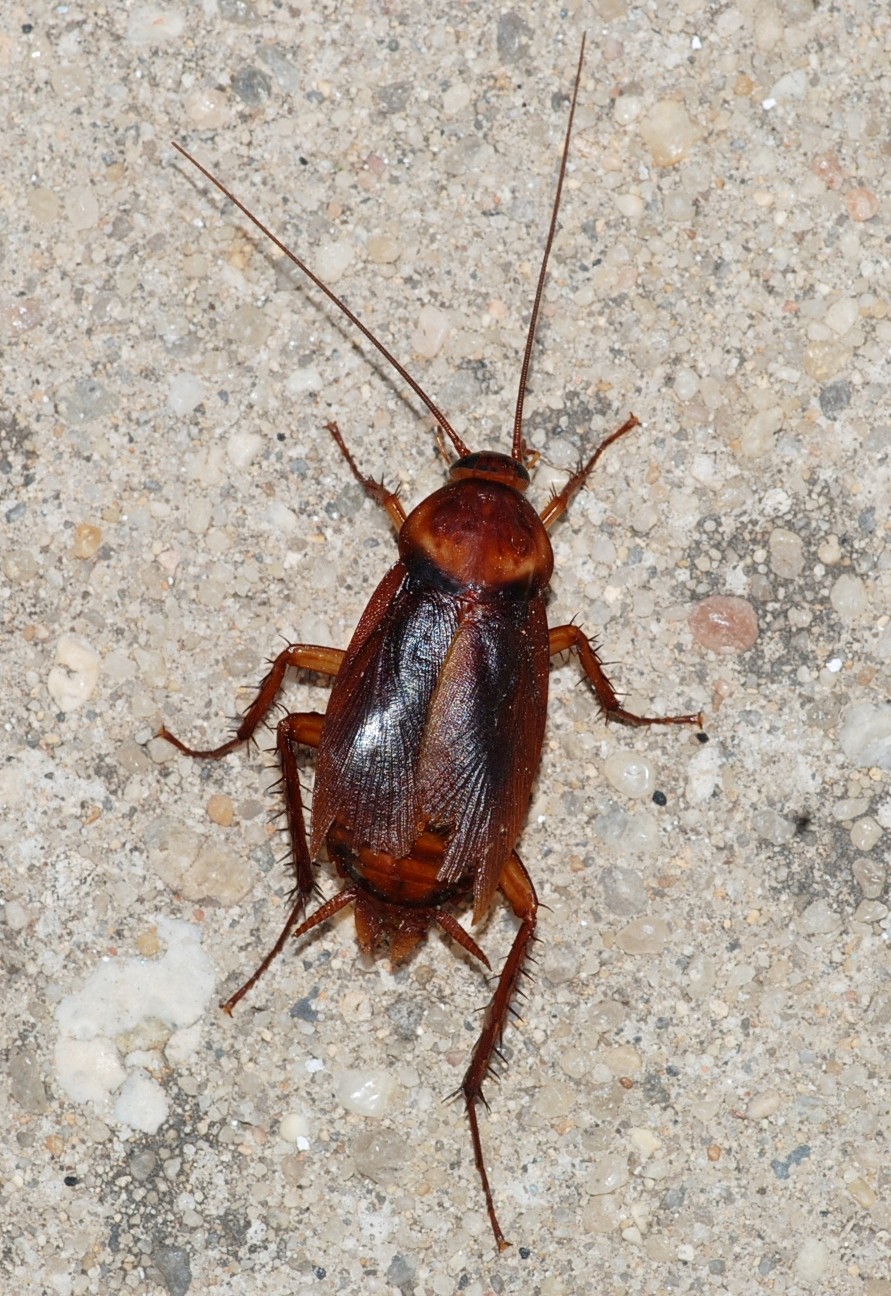
1. American cockroach
Despite its name, american cockroach (Periplaneta americana) is not native to the Americas but rather to Africa and the Middle East, from which it arrived as a result of human commercial patterns. Notably quick and rather resilient, this species is capable of limb regeneration. It requires a certain level of moisture to thrive, and it will avoid drier areas unless it has access to the required level of water.
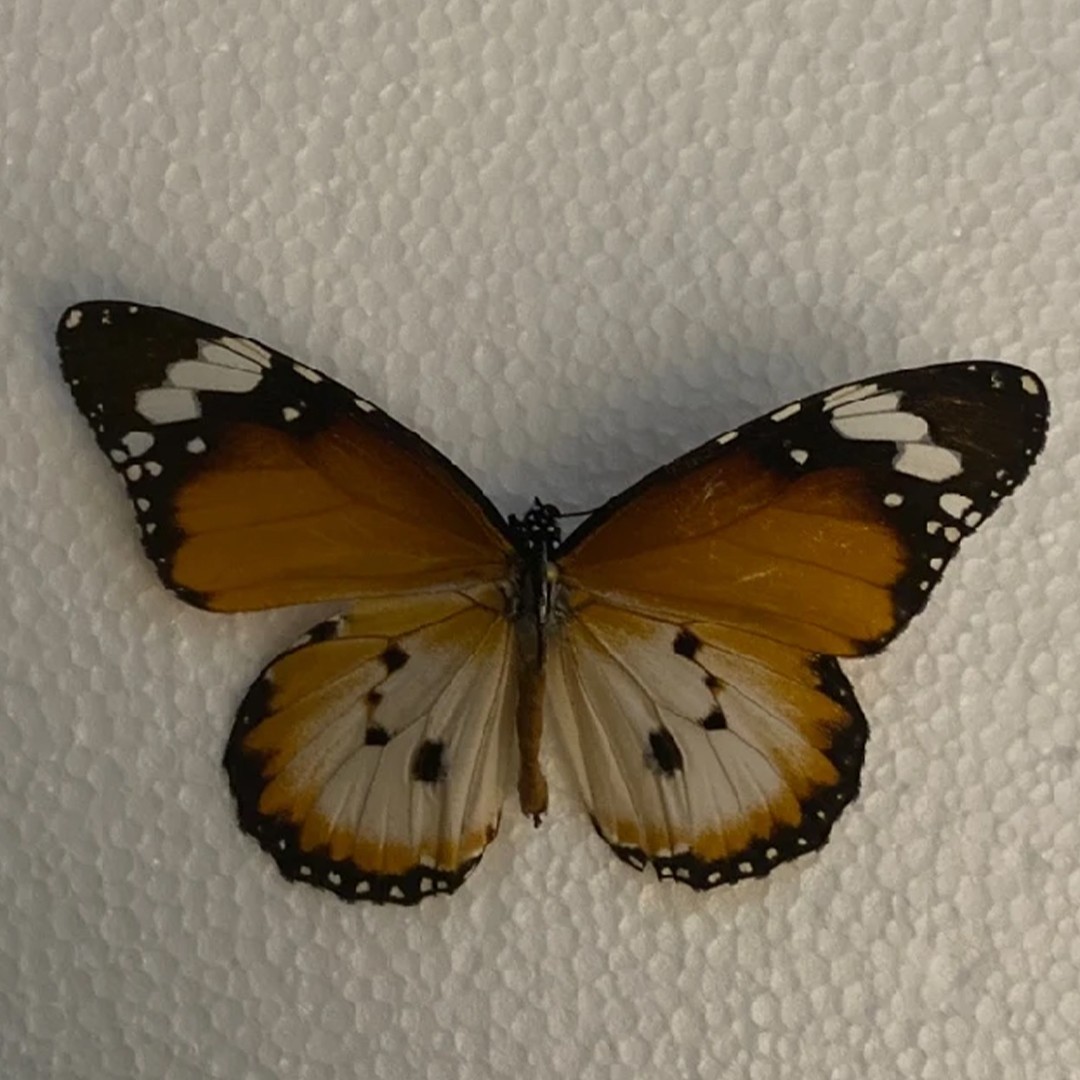
2. Plain tiger butterfly
D. chrysippus is a medium-sized butterfly with a wingspan of about 7–8 cm (2.8–3.1 in). The body is black with many white spots. The wings are orange, the upperside brighter and richer than the underside. The apical half of the forewing is black with a white band. The hindwing has three black spots in the center. The wings are bordered in black and outlined with semicircular white spots. This species exhibits slight sexual dimorphism, as the Male has large scent glands on his hindwings, which the female lacks. They appear as a large black spot with a white centre if viewed from the underside D. chrysippus is a polymorphic species, so the exact coloring and patterning vary within and between populations. It is similar in appearance to the Indian fritillary (Argynnis hyperbius), which may coexist with it. 
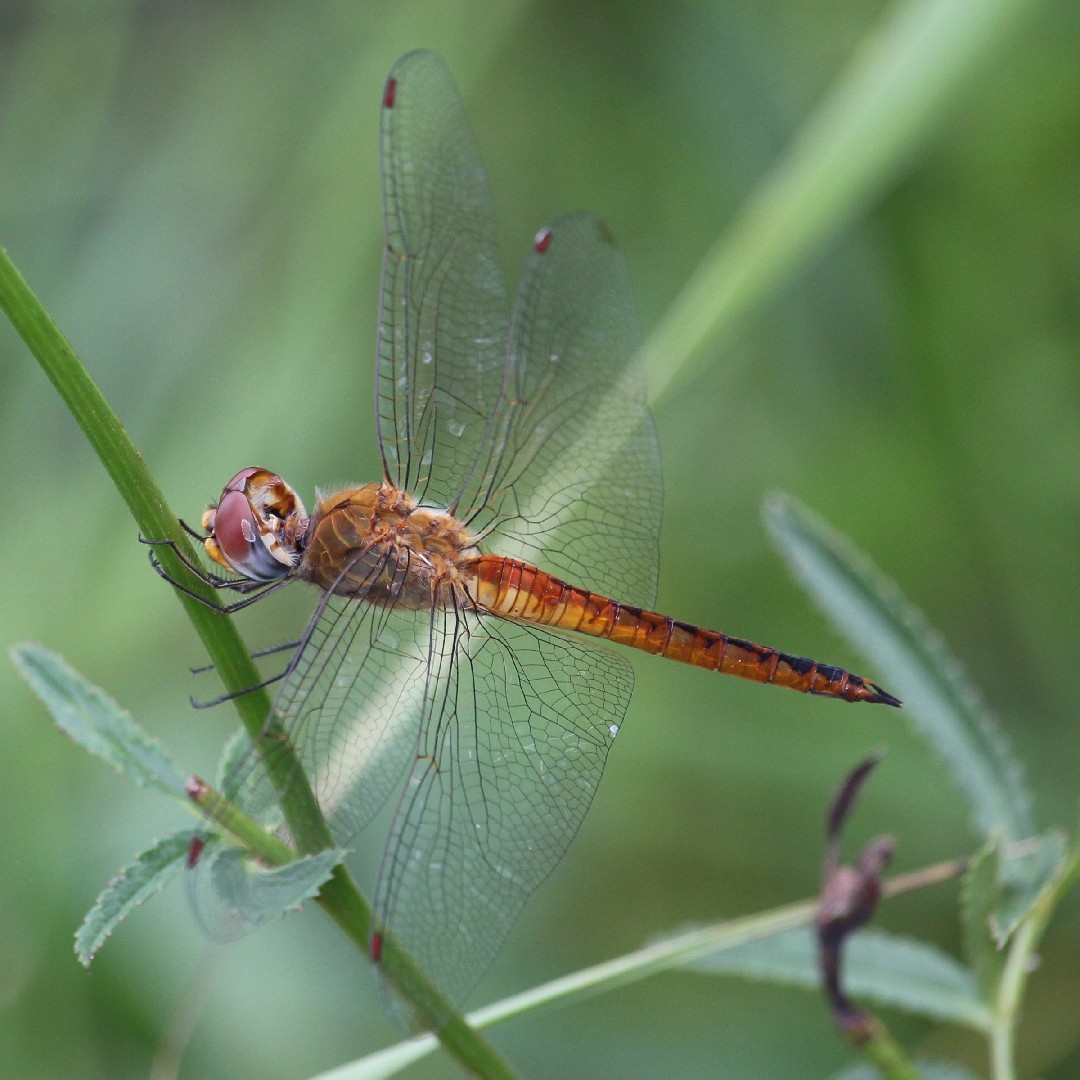
3. Wandering glider
The wandering glider (Pantala flavescens) is a yellow dragonfly that migrates long distances. It's easily recognized by its elegant flight pattern, where it seems to glide across the sky effortlessly, even when it's windy outside. It often lands near still water, which includes ponds and puddles.
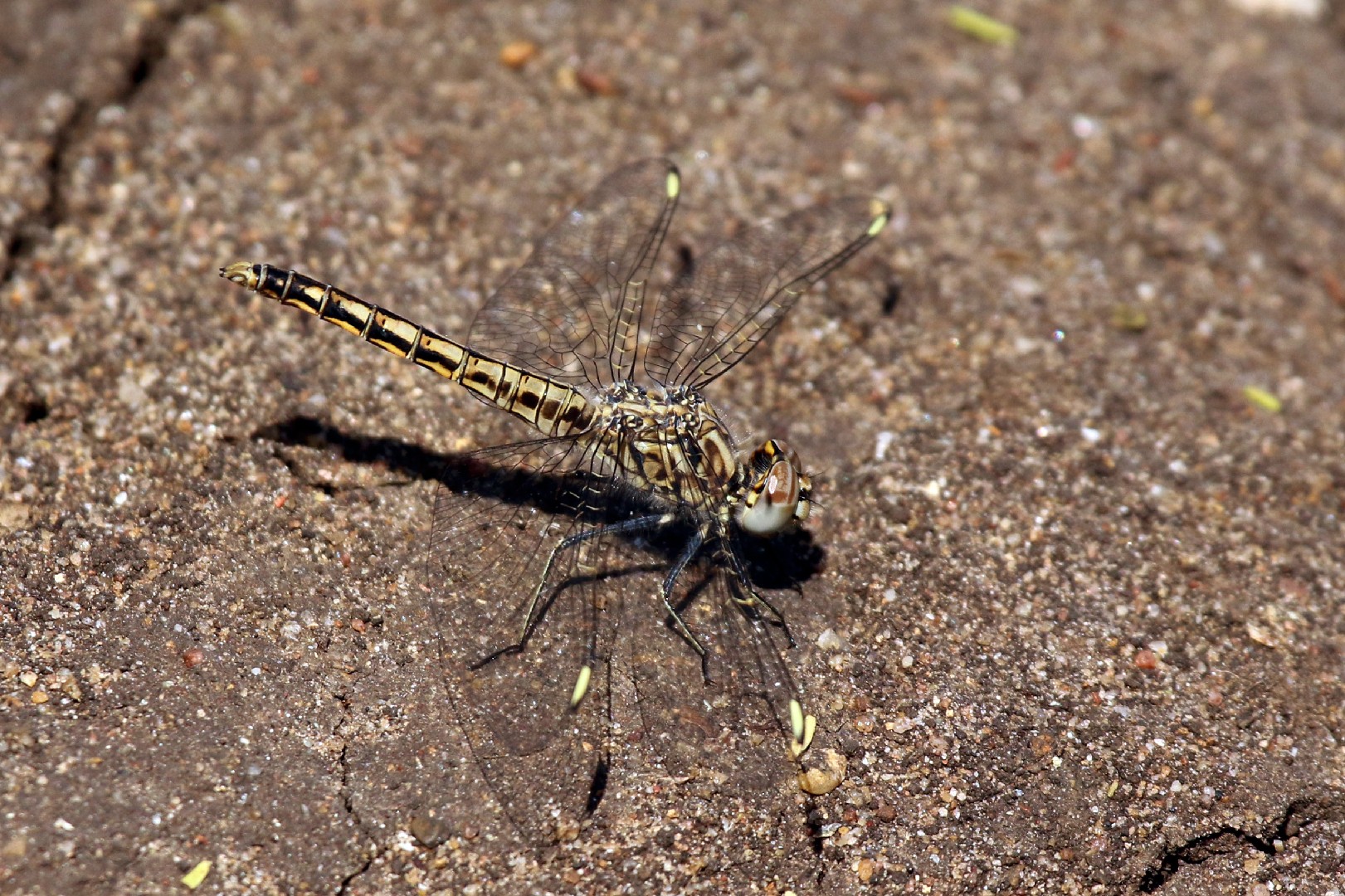
4. Banded groundling
The southern belt soil dragonfly is on the IUCN Red List as non-endangered, assessment year 2009. The species is found in Africa, the Middle East and Southern Europe, including in Zimbabwe.







