




Top 19 Most Common Insects in Durban
Insects, with their myriad forms and staggering adaptability, flourish in diverse habitats within Durban. The region's varying geographical landscapes considerably enhance this insect diversity, housing both pestilent and beneficial species. Their pivotal role in maintaining ecological balance underscores the reciprocal relation between Durban's environments and its insect inhabitants. In this list, we unveil the 'Top 19 most common insects' in Durban, highlighting each species' unique characteristics and ecological role.

Most Common Insects
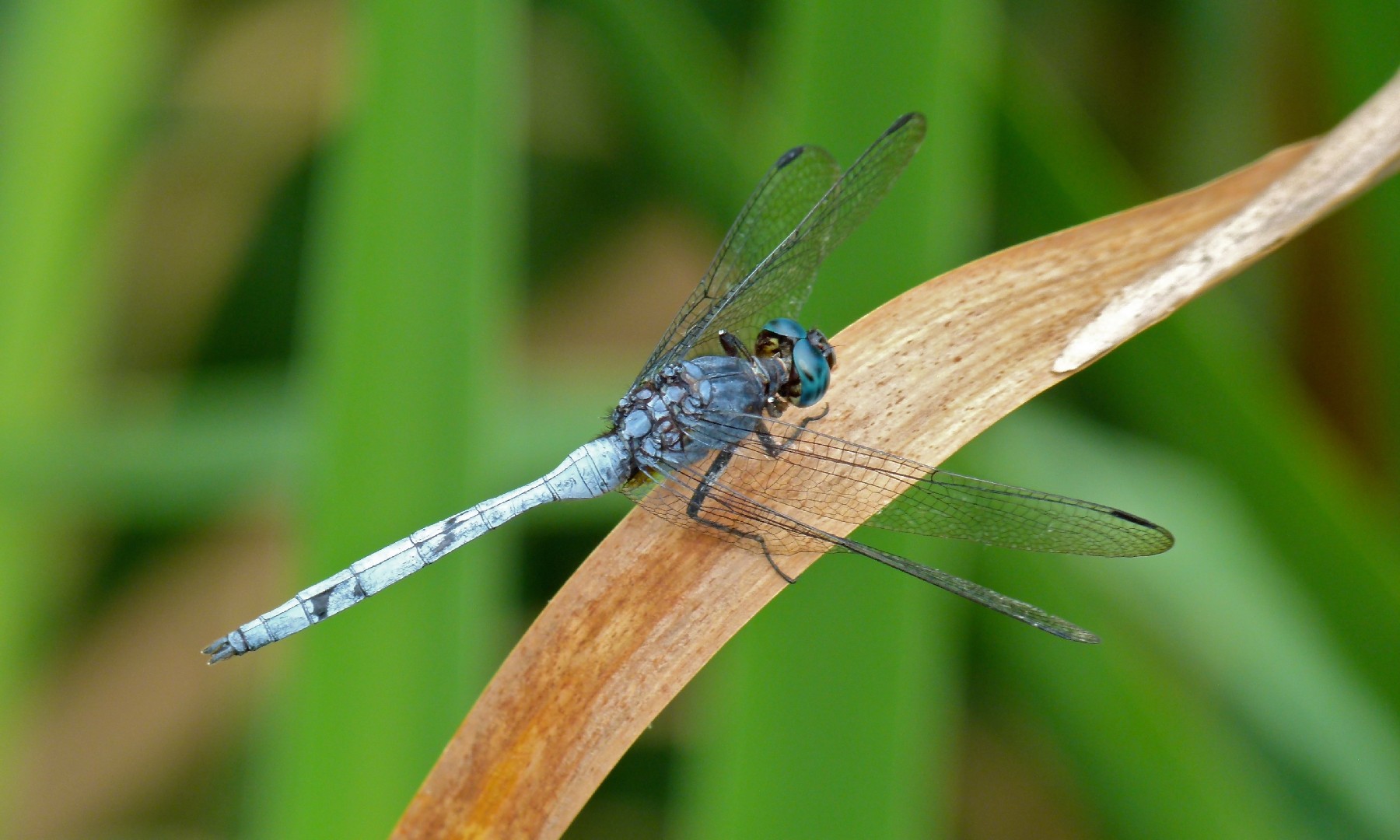
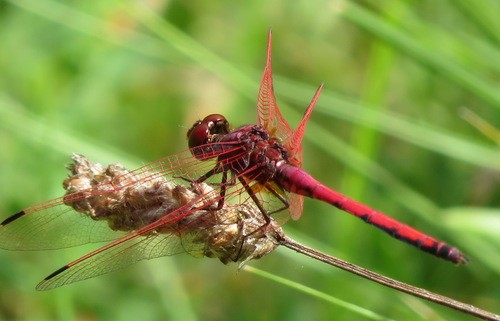
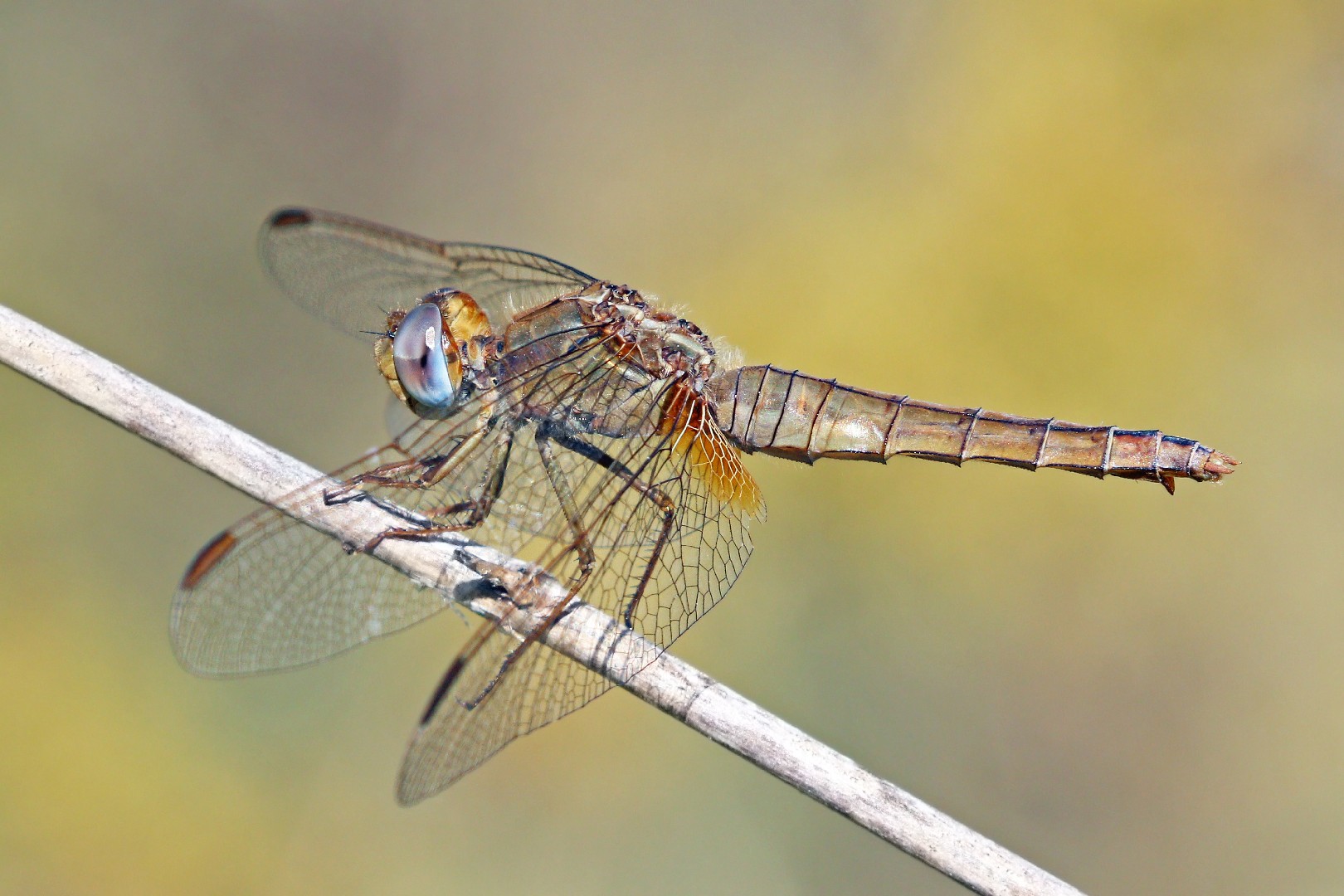
1. Julia skimmer
The species is on the IUCN Red List as not endangered, year of assessment 2009.
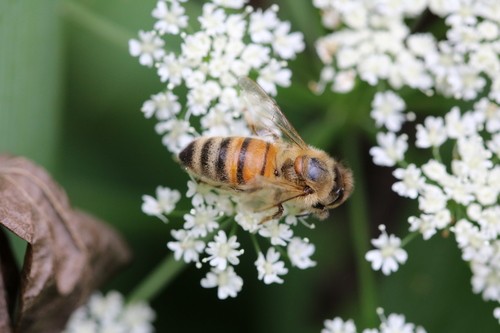
2. Western honey bee
Western honey bee(Apis mellifera) is the most common species of honeybee in the world. Among the first domesticated insects, its cultural and economic impact on humanity has been vast and far-reaching, providing honey, wax and its services as a pollinator. Western honey bee faces challenges worldwide, such as colony collapse disorder, and populations are thought to be decreasing.
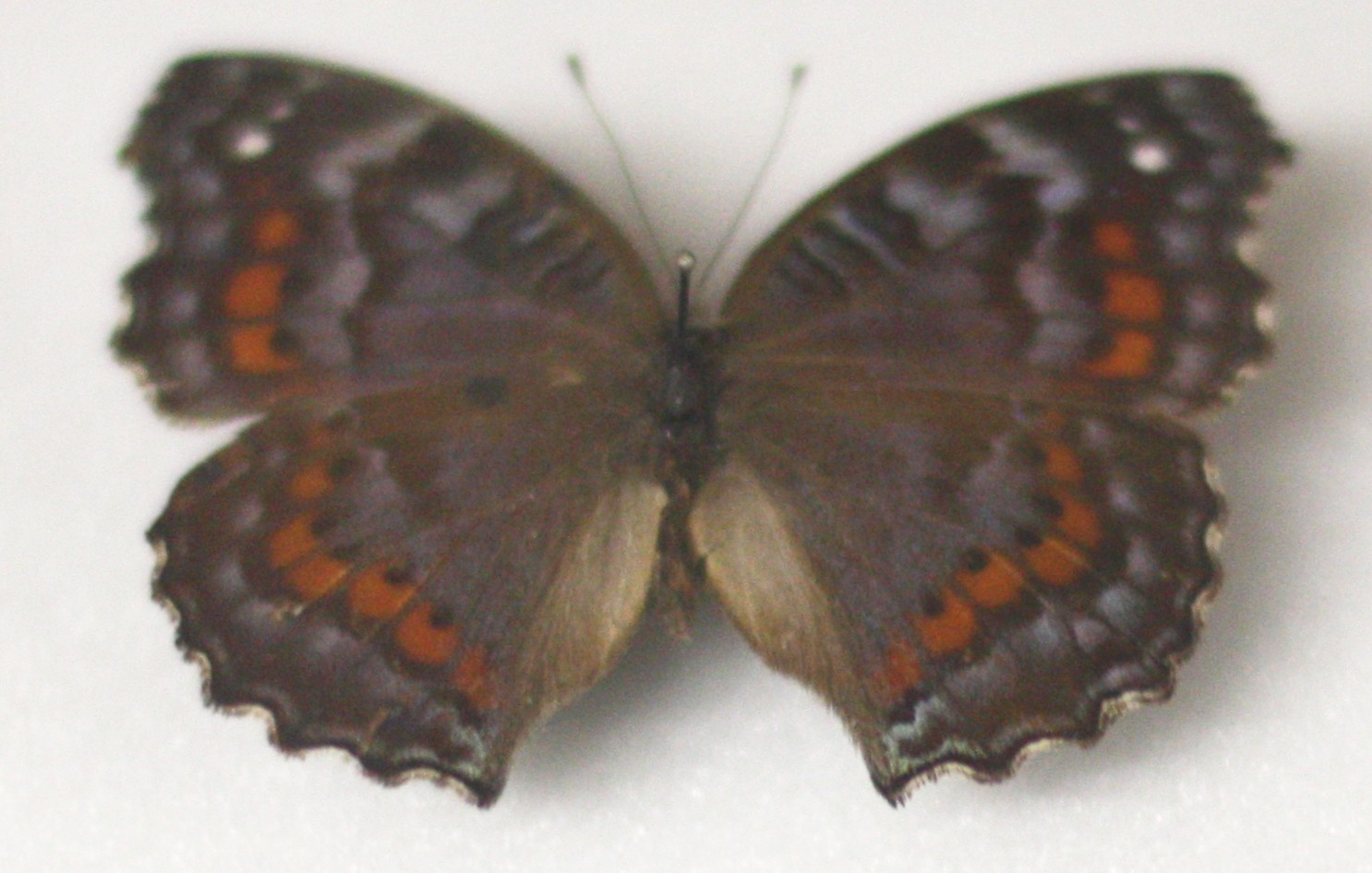
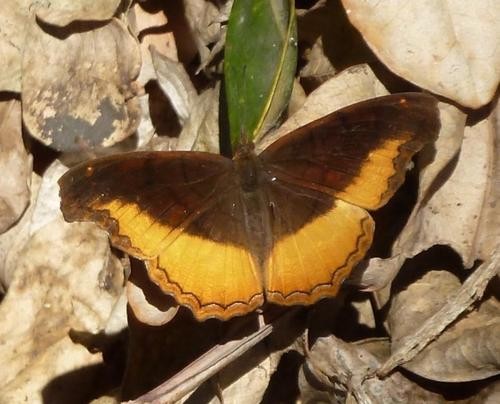
3. Gaudy commodore
It has a wet season form, which is orange with a pinkish flush and black markings on the upperside, and a dry season form which is shining blue with a vivid red band on the hindwing. 
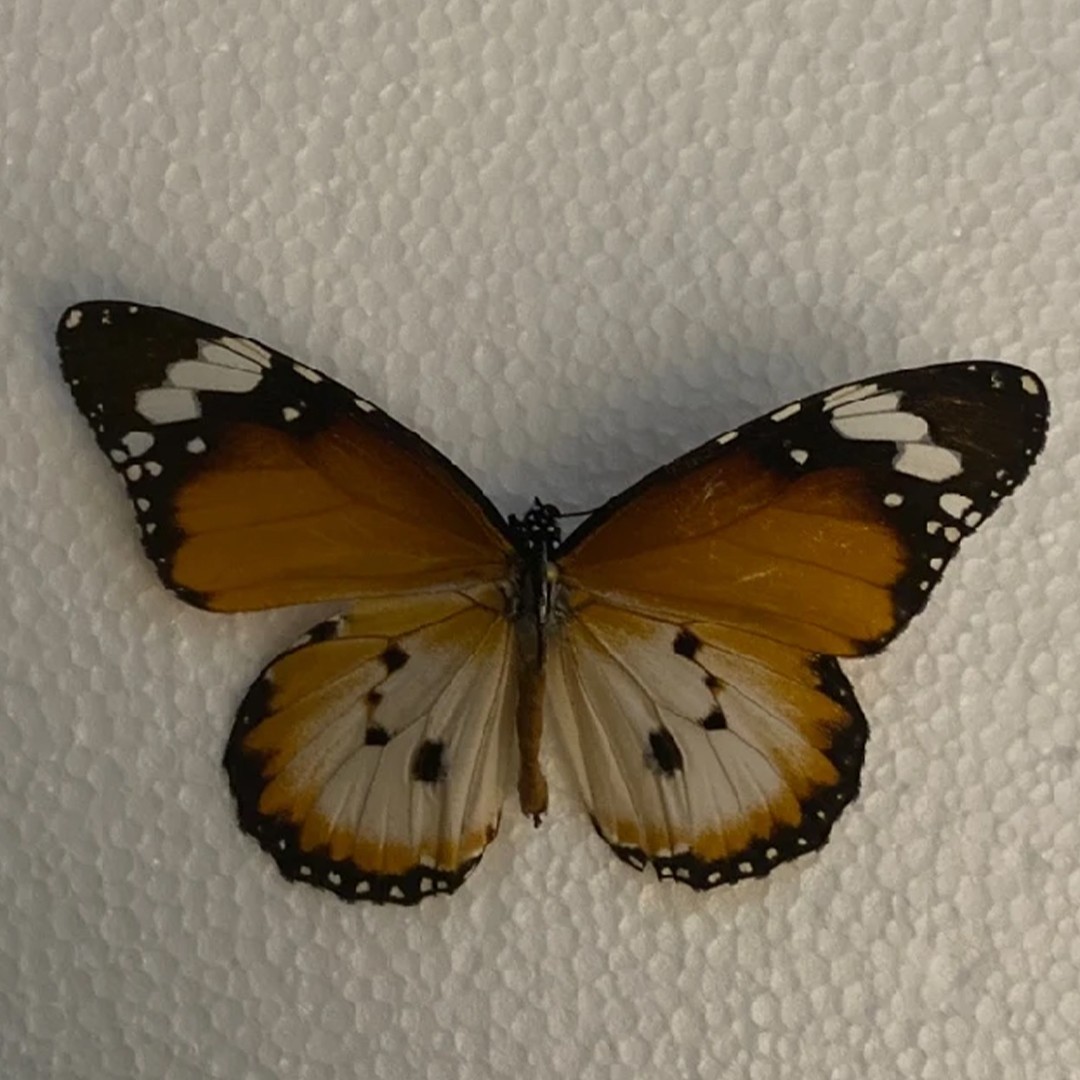
4. Plain tiger butterfly
D. chrysippus is a medium-sized butterfly with a wingspan of about 7–8 cm (2.8–3.1 in). The body is black with many white spots. The wings are orange, the upperside brighter and richer than the underside. The apical half of the forewing is black with a white band. The hindwing has three black spots in the center. The wings are bordered in black and outlined with semicircular white spots. This species exhibits slight sexual dimorphism, as the Male has large scent glands on his hindwings, which the female lacks. They appear as a large black spot with a white centre if viewed from the underside D. chrysippus is a polymorphic species, so the exact coloring and patterning vary within and between populations. It is similar in appearance to the Indian fritillary (Argynnis hyperbius), which may coexist with it.

5. Blue pansy
The wingspan is 4 - 5 cm. The upper surface of the forewings is black with white markings towards the apex. The upper surface of the hindwings is black with white markings on the outer edge, and a characteristic large metallic-blue spot. This blue spot is smaller and more a dull purple in females. The underside of the forewings is brown with white markings corresponding to those on the upper surface. The under surface of the hindwings is almost uniform brown.

6. Dark grass blue
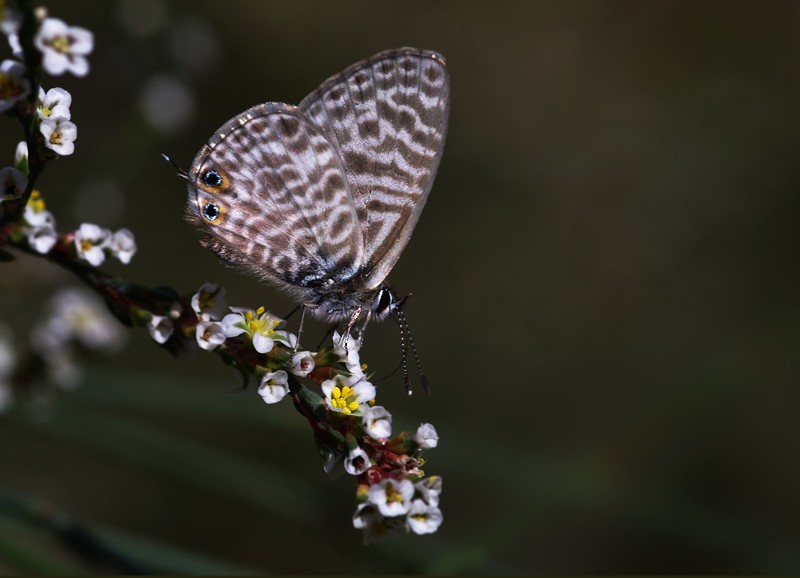
The wingspan is 1.8 - 2.5 cm for males and 2 - 2.5 cm for females.
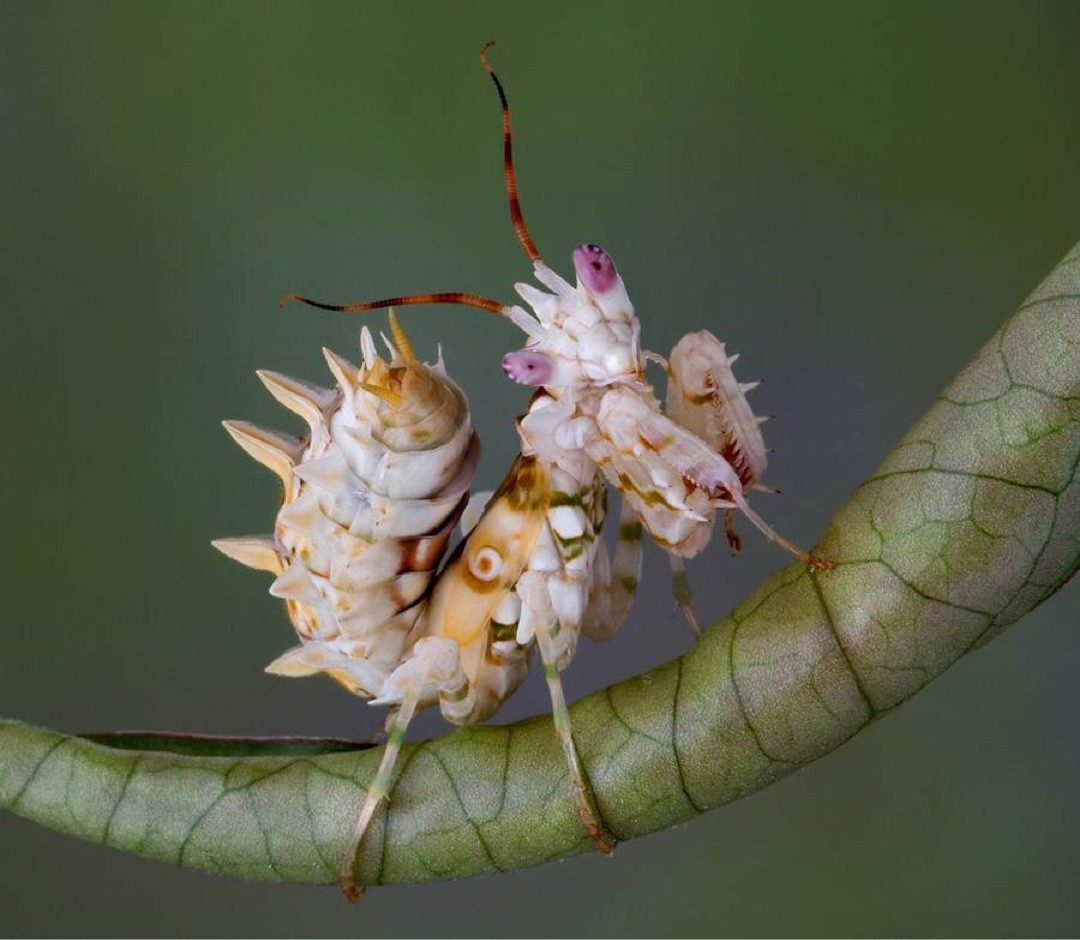
7. Spiny flower mantis
Pseudocreobotra wahlbergi, or spiny flower mantis, is a small Flower Mantis (4 cm) native to southern and eastern Africa.

8. Citrus swallowtail
Papilio demodocus , also known under the English name Citrus Swallowtail ("Citrus Swallowtail"), is a butterfly from the family of the knight butterflies (Papilionidae).
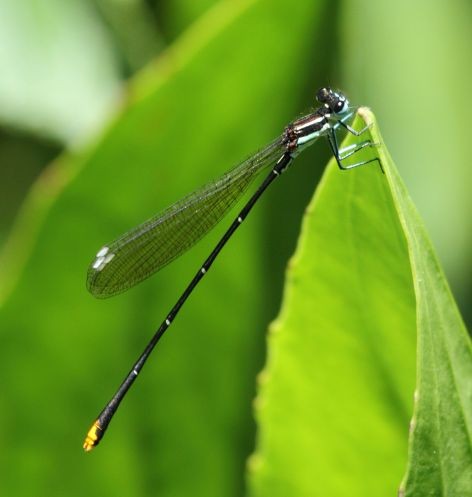
9. Goldtail
The species is on the IUCN Red List as not endangered, assessment year 2008, the trend of the population is stable according to the IUCN.
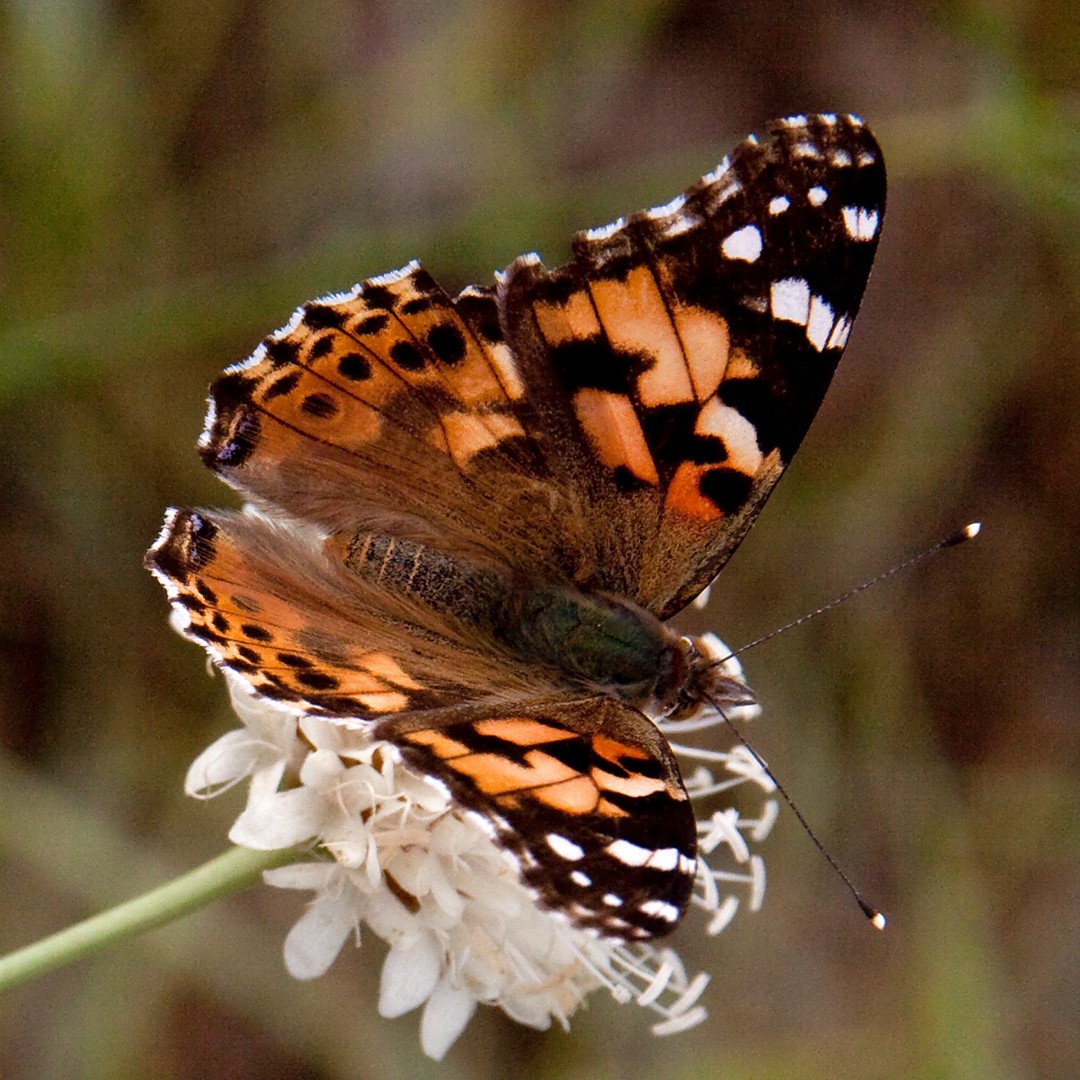
10. Painted lady
The painted lady is a migratory butterfly that spends part of the year in Northern Africa and then migrates to Europe during the warmer months. Although the adults feed on nectar from flowers, the larvae feed on the leaves of nettles and thistles.

More







