




Top 20 Most Common Insects in Cape Town
Insects, with their notable exoskeletons and segmented bodies, boast a remarkable range of biodiversity within Cape Town's diverse habitats. The varied geography across the region significantly influences Cape Town's insect population, making our list of the top 20 common insects a captivating exploration. Insects, whether pests or beneficial, play a critical role in Cape Town's ecosystem, underlining the profound connection between a region's environments and its six-legged cohabitants.

Most Common Insects
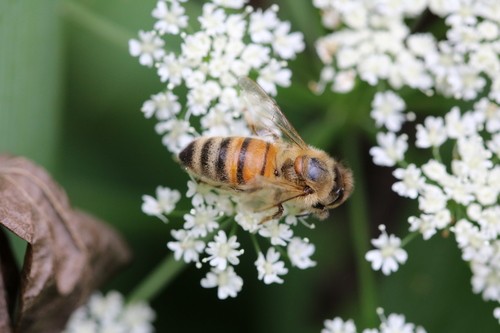
1. Western honey bee
Western honey bee(Apis mellifera) is the most common species of honeybee in the world. Among the first domesticated insects, its cultural and economic impact on humanity has been vast and far-reaching, providing honey, wax and its services as a pollinator. Western honey bee faces challenges worldwide, such as colony collapse disorder, and populations are thought to be decreasing.

2. Garden acraea
It has a typical wingspan of 45–50 mm for males and 49–53 mm for females. Adults are on wing year-round, but are more common from October to April. 
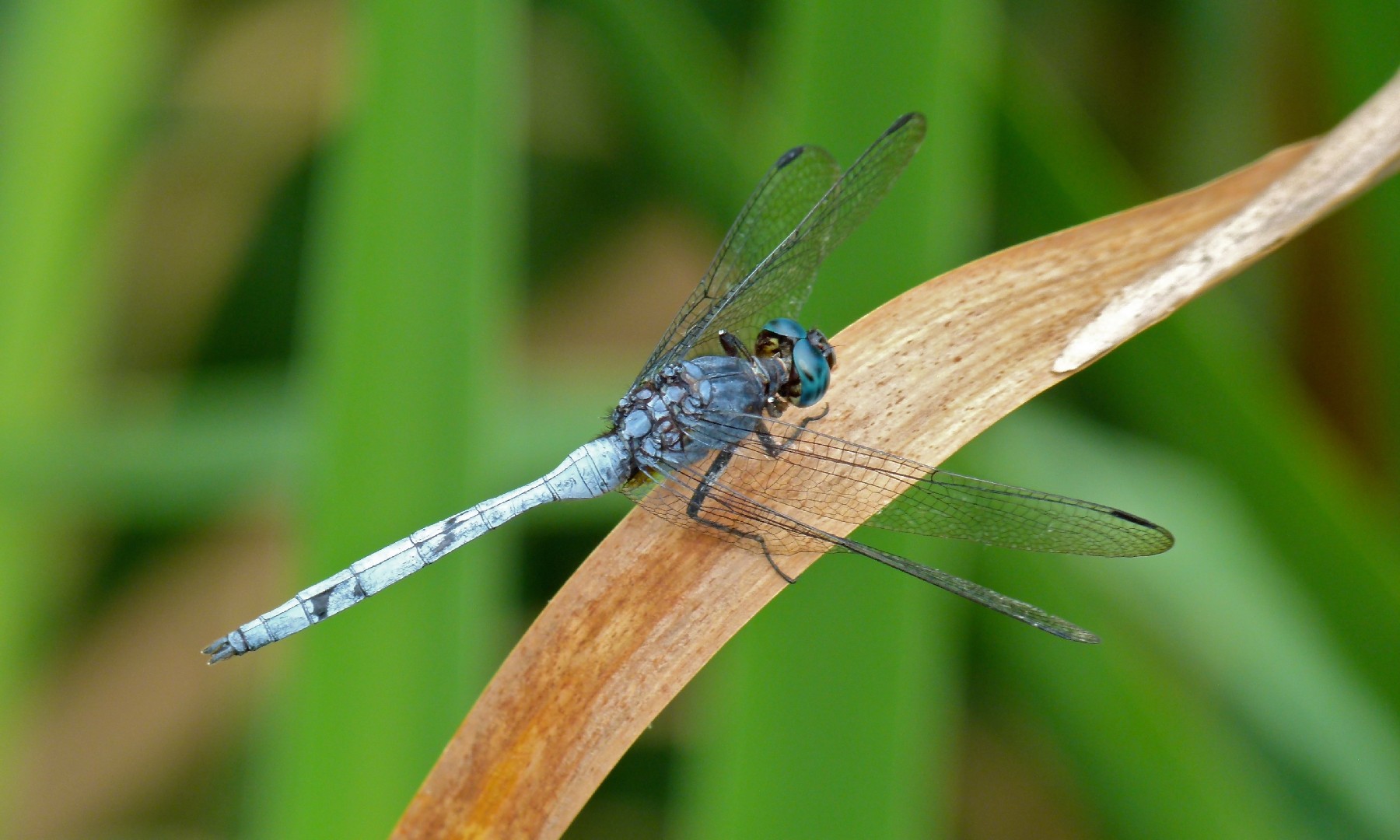
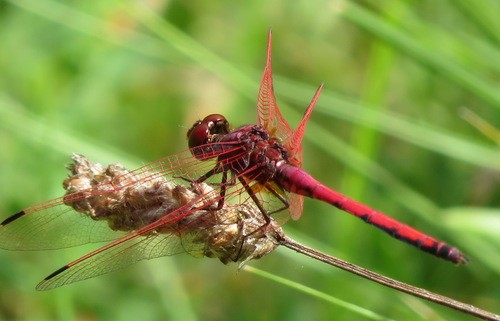
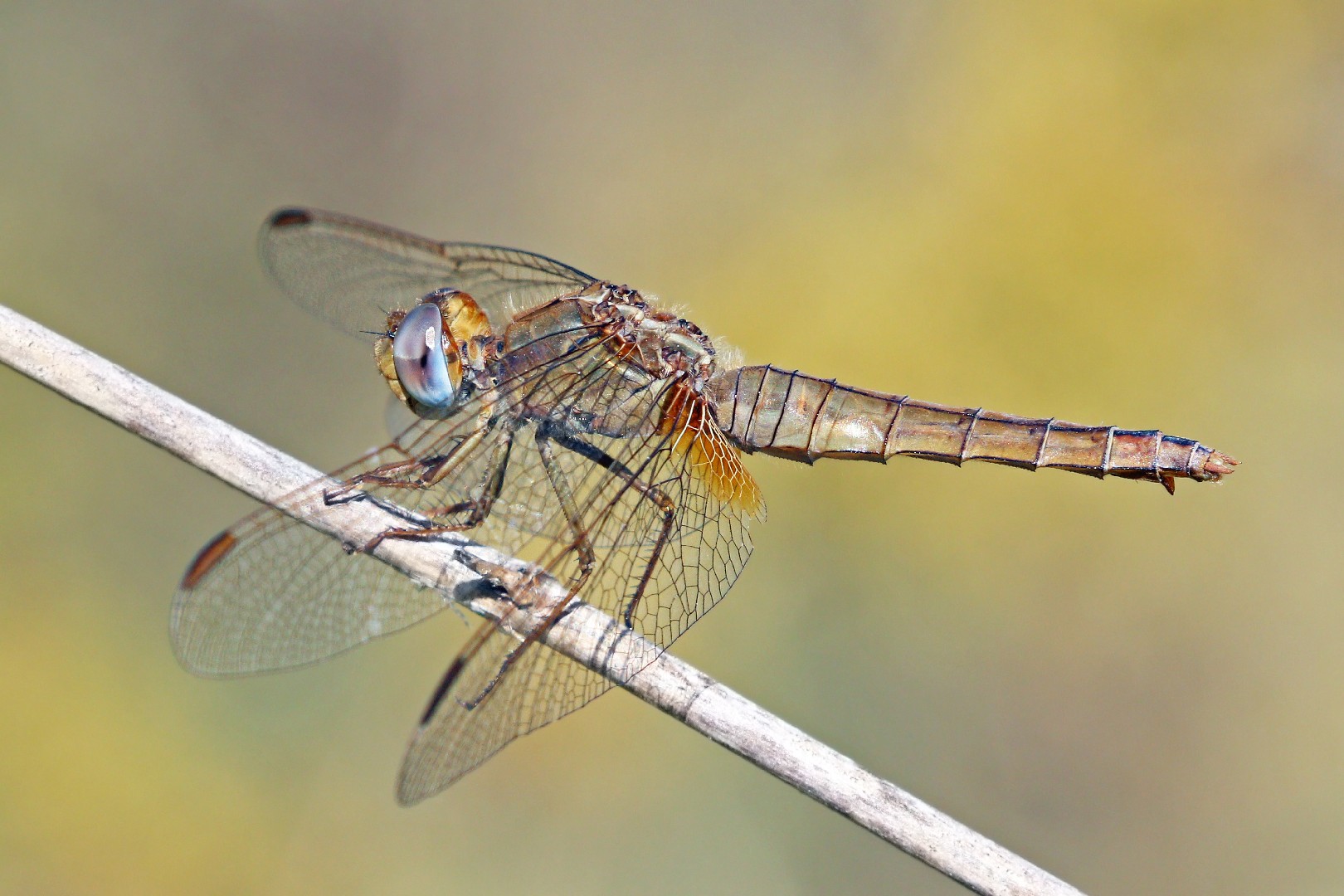
3. Julia skimmer
The species is on the IUCN Red List as not endangered, year of assessment 2009.
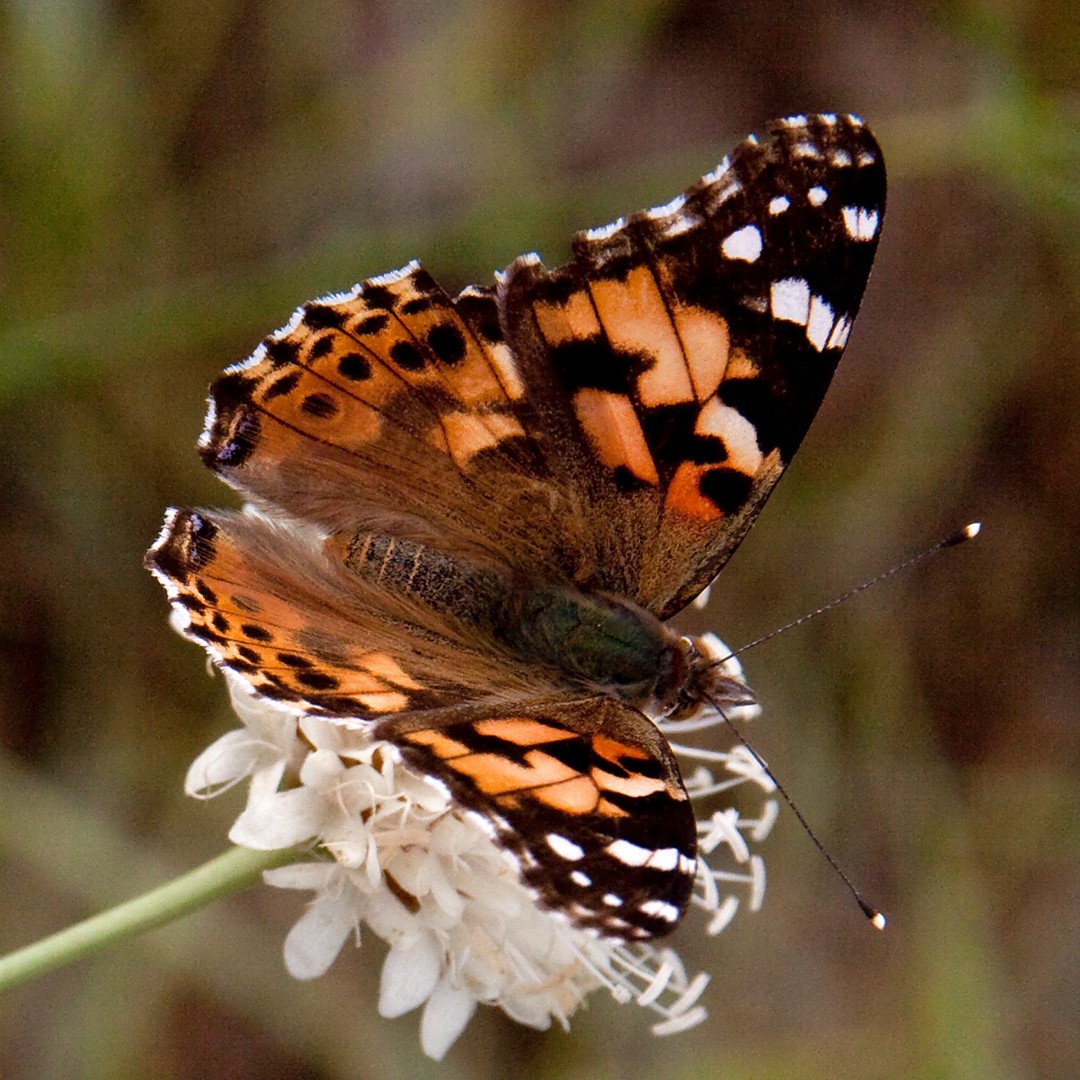
4. Painted lady
The painted lady is a migratory butterfly that spends part of the year in Northern Africa and then migrates to Europe during the warmer months. Although the adults feed on nectar from flowers, the larvae feed on the leaves of nettles and thistles.
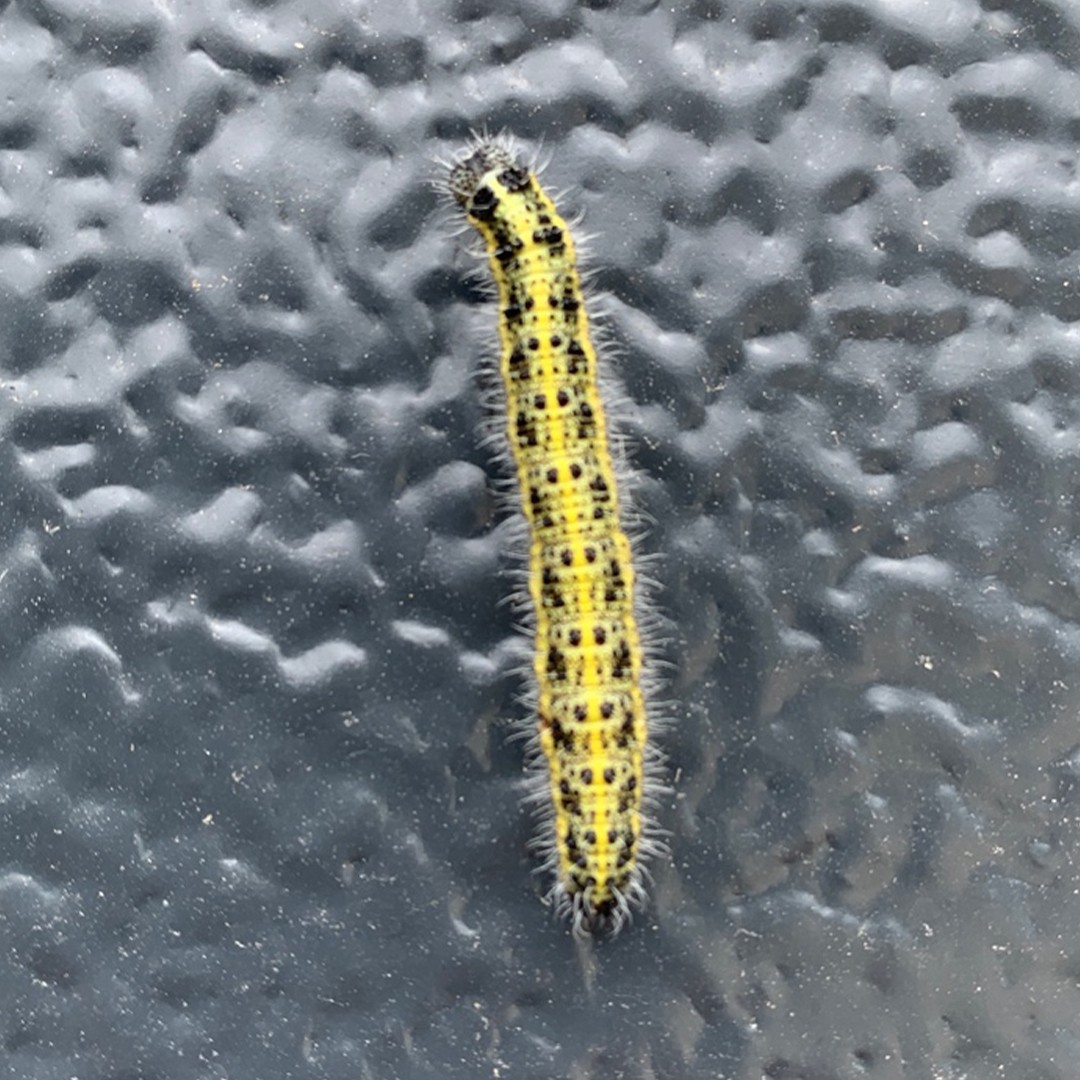
5. Large white
Large white (Pieris brassicae) is visually similar but quite larger than its close relative P. rapae. It lays its eggs on food plants such as cabbages – the origin of its common name – leading to many farmers' classifying this species as a pest.
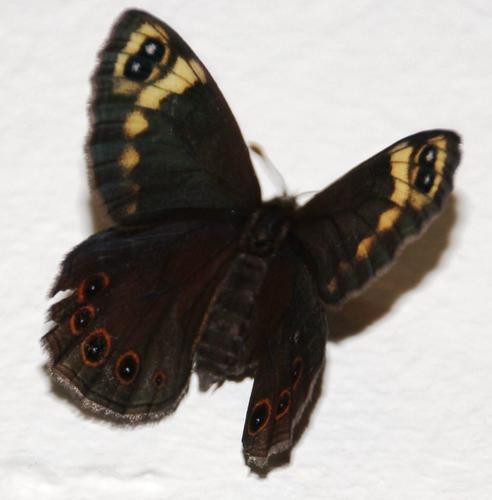
6. Cape autumn widow
The wingspan is 4.5 - 6 cm.

7. Citrus swallowtail
Papilio demodocus , also known under the English name Citrus Swallowtail ("Citrus Swallowtail"), is a butterfly from the family of the knight butterflies (Papilionidae).
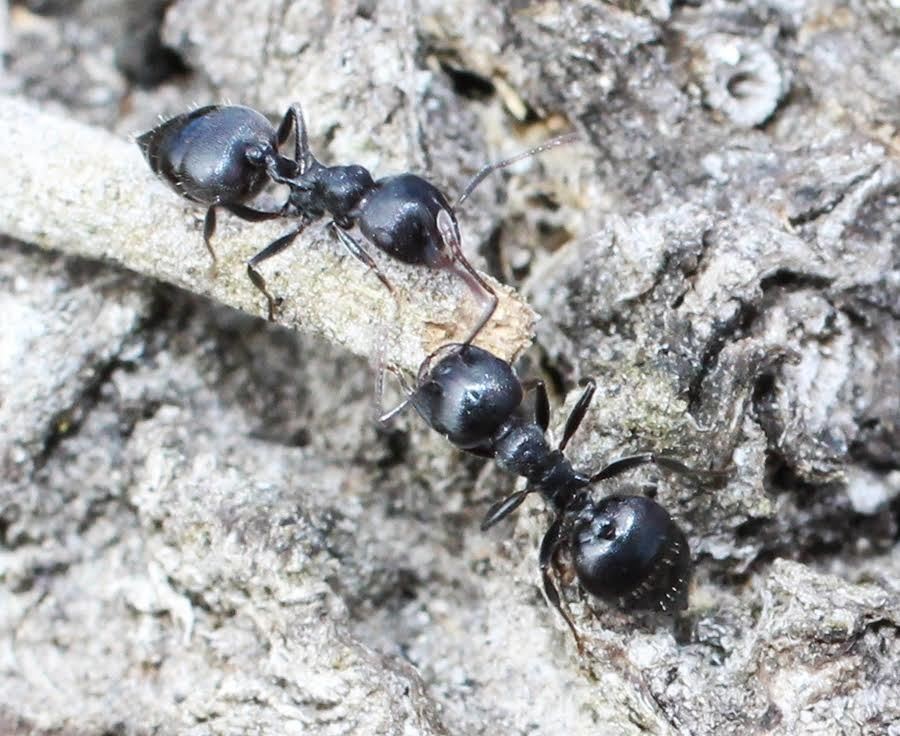
8. Black cocktail ant
Crematogaster peringueyi is an ant species from the subfamily of the Myrmicinae. The scientific name of the species was first validly published in 1895 by Emery.
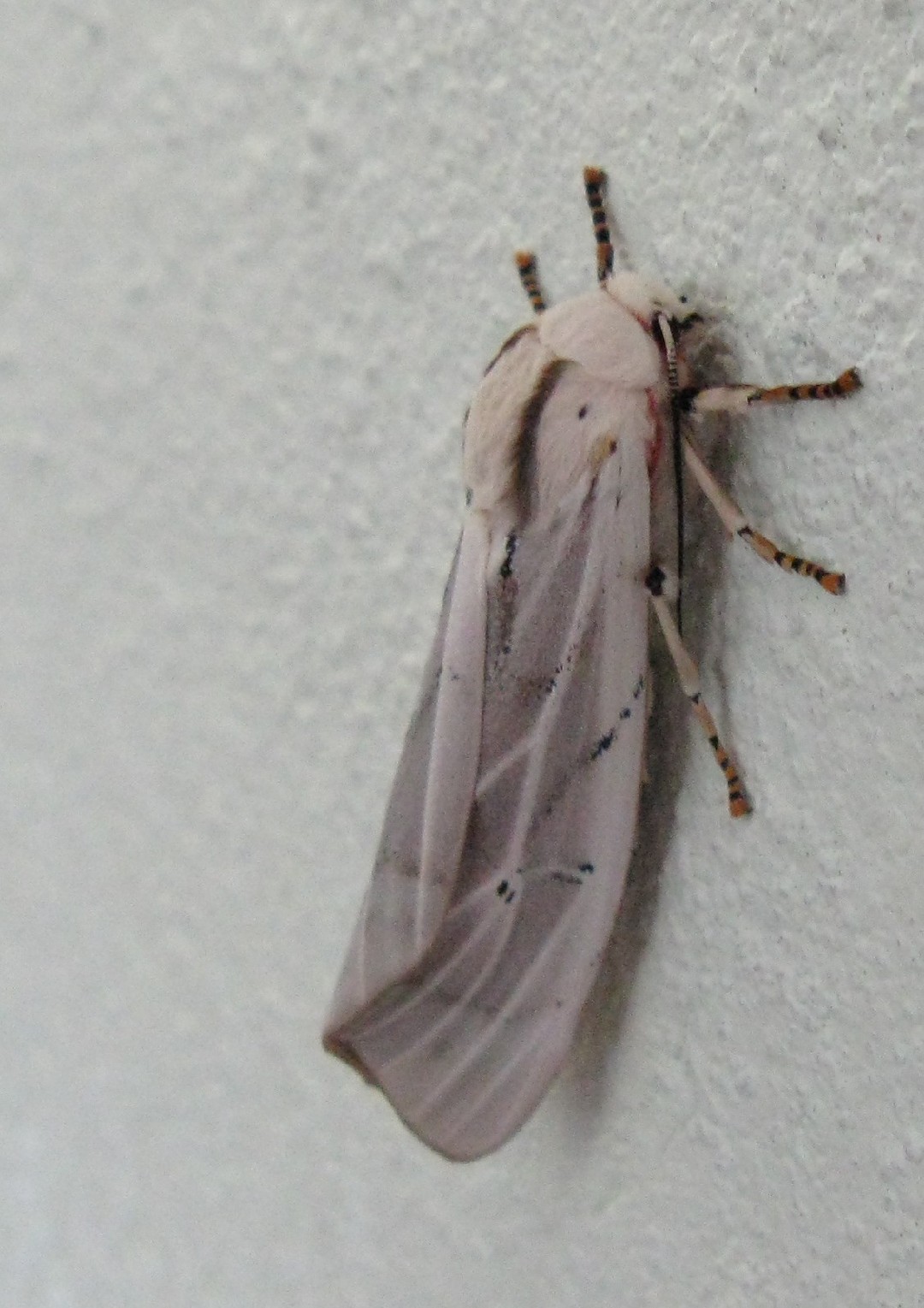
9. Tri-coloured tiger moth
This moth is found in tropical Africa.

10. Multicolored asian ladybeetle
Often confused for the ladybug, multicolored asian ladybeetle (Harmonia axyridis) is a separate species that, unlike the ladybug, is a household pest. It is considered particularly annoying for its habit of returning to places from which it is removed. One of the most variable species in the world, there are many different colors and patterns multicolored asian ladybeetle may display, making identification potentially difficult.

More







