




Top 20 Most Common Insects in Mossel Bay
Insects, with their notable exoskeletons and segmented bodies, boast a remarkable range of biodiversity within Mossel Bay's diverse habitats. The varied geography across the region significantly influences Mossel Bay's insect population, making our list of the top 20 common insects a captivating exploration. Insects, whether pests or beneficial, play a critical role in Mossel Bay's ecosystem, underlining the profound connection between a region's environments and its six-legged cohabitants.

Most Common Insects
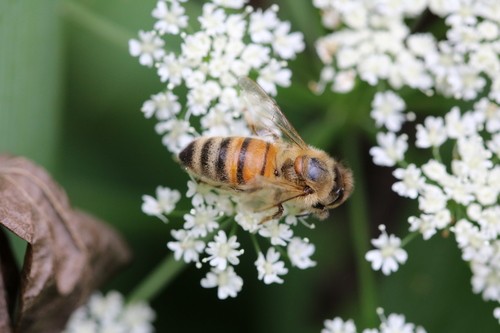
1. Western honey bee
Western honey bee(Apis mellifera) is the most common species of honeybee in the world. Among the first domesticated insects, its cultural and economic impact on humanity has been vast and far-reaching, providing honey, wax and its services as a pollinator. Western honey bee faces challenges worldwide, such as colony collapse disorder, and populations are thought to be decreasing.
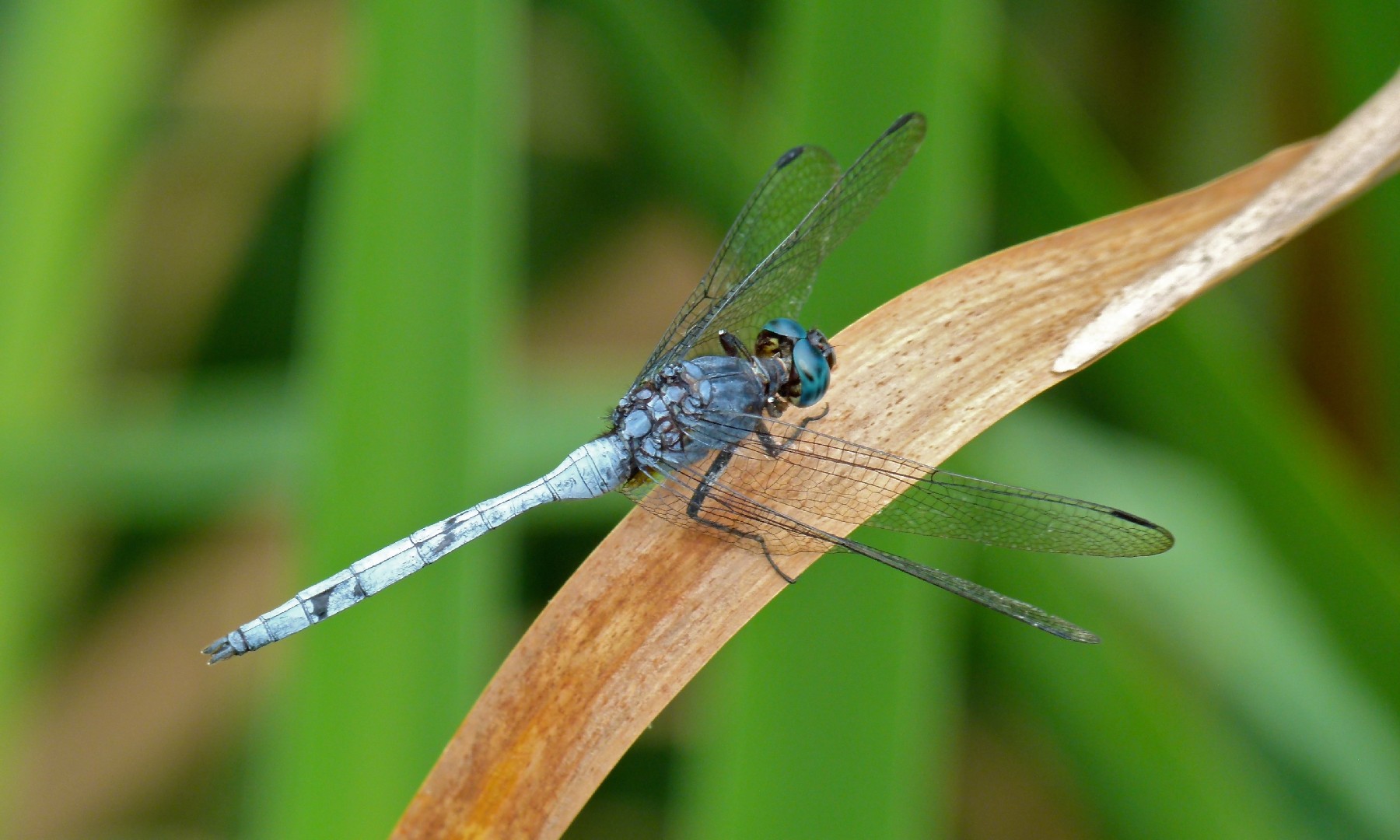
2. Julia skimmer
The species is on the IUCN Red List as not endangered, year of assessment 2009.
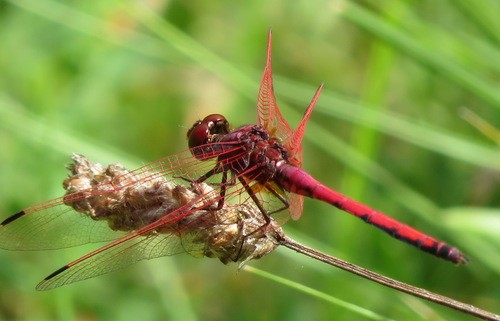
3. Red-veined dropwing
The face of the mature male is deep red, the vertex and top of the frons having a purple sheen. The eyes are deep red and the labium deep yellow with a dark brown stripe in the centre. The synthorax is red with black stripes; mature males often have a purple bloom on the upper thorax.The wings have bright red veins and orange makings at their bases. The pterostigmas are 2.5 - 2.5 mm long and dark brown. The slender abdomen is bright red; S6-S8 have black wedges on each side; S9 and S10 are black. Females have similar markings, but the abdomen and face are yellow to yellowish brown. The sides of the synthorax are pale yellow-brown, as are the lower sides of S1-S3. 
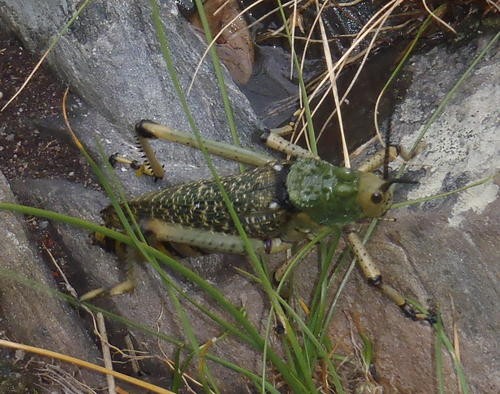
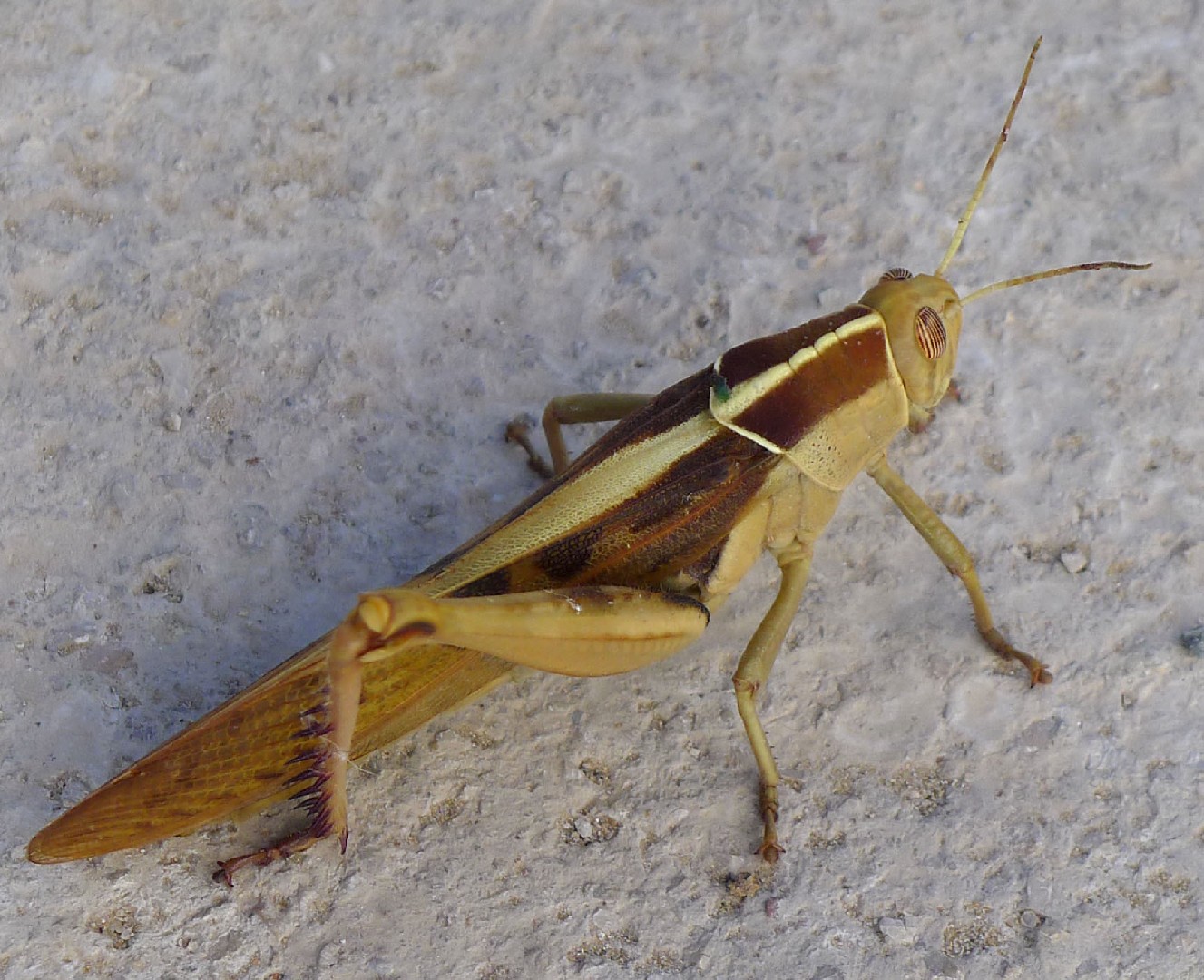
4. Phymateus leprosus
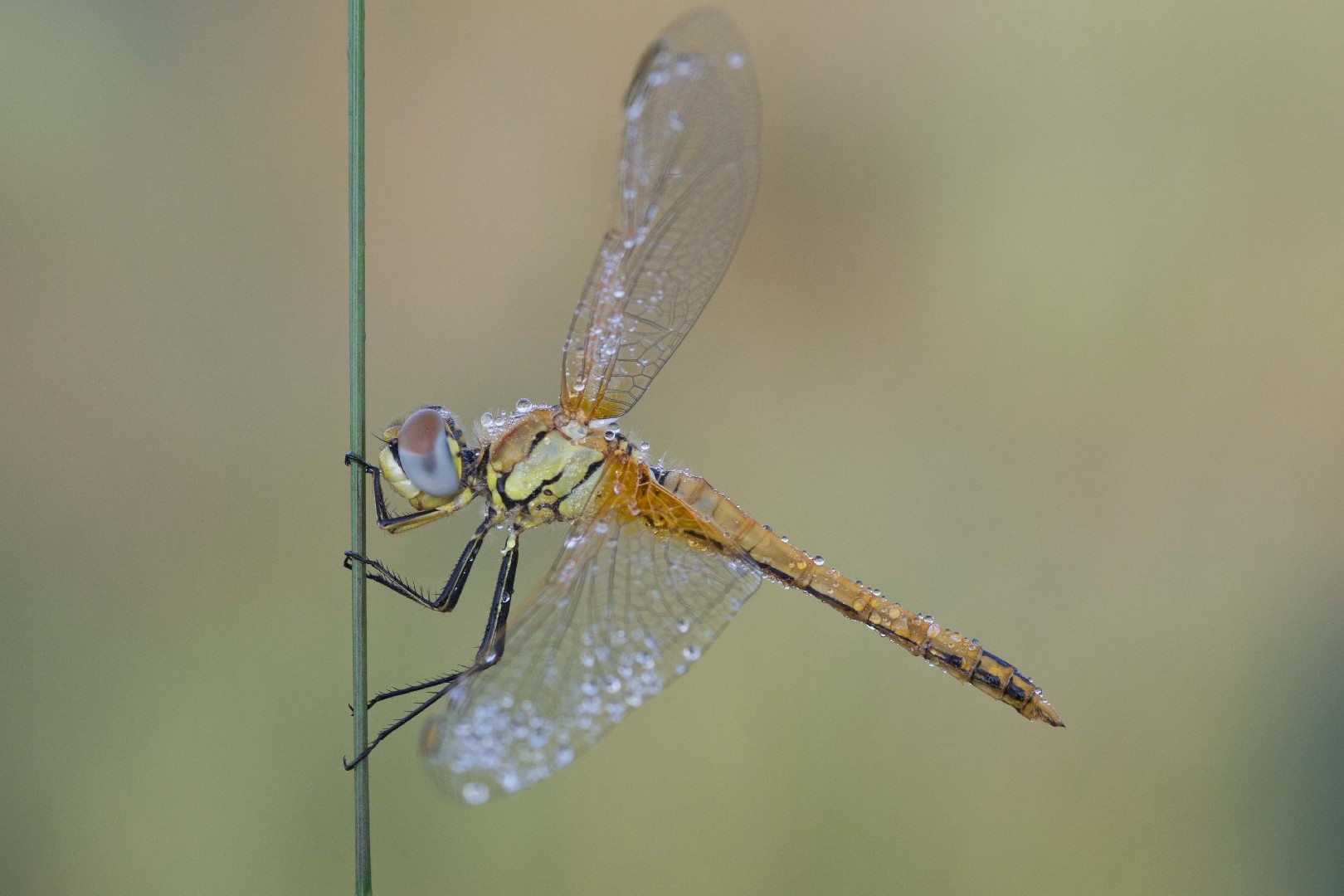
5. Red-veined darter
The Early Darter (Sympetrum fonscolombii) is a species of dragonfly in the family of the leaflets (Libellulidae), which belongs to the great dragonfly (Anisoptera).
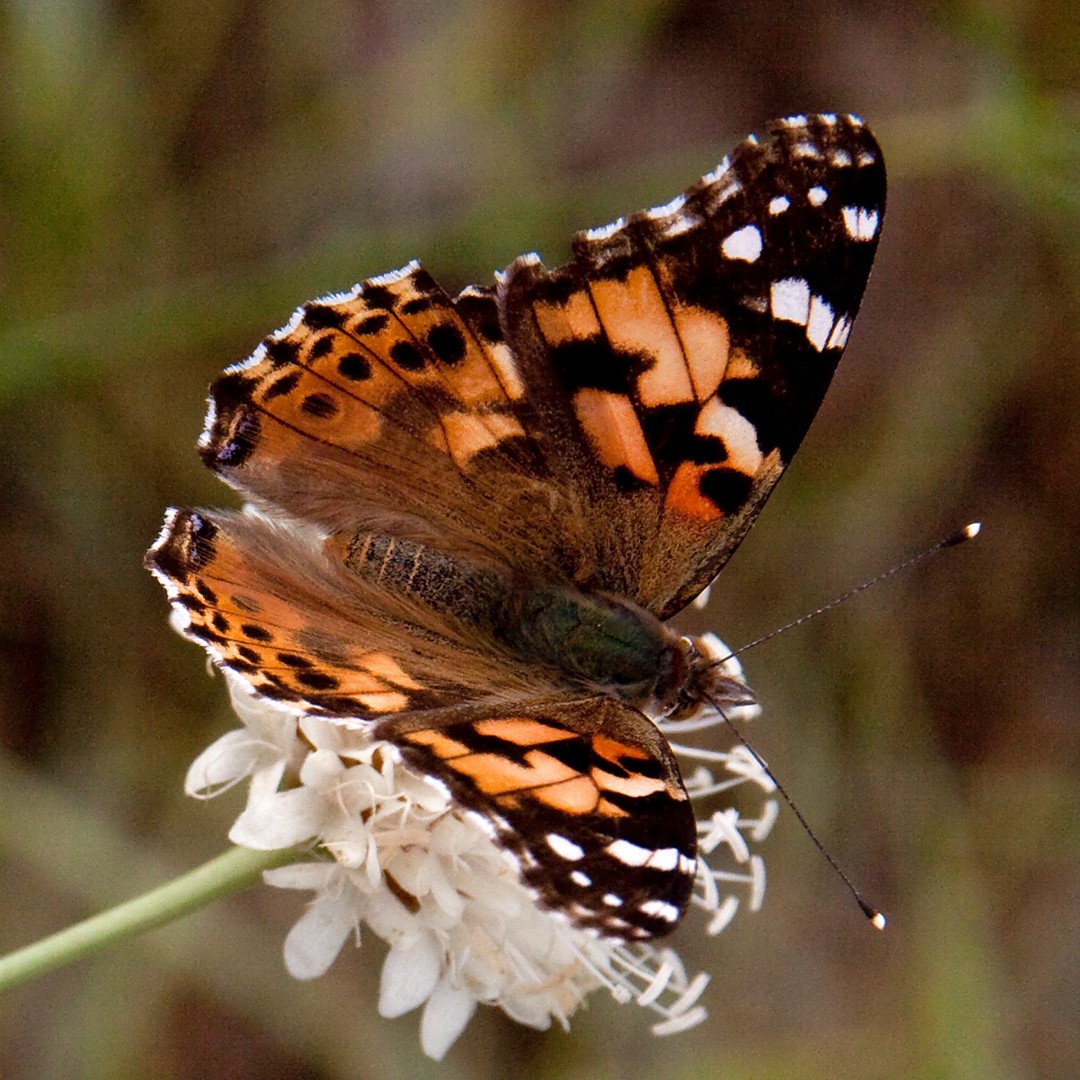
6. Painted lady
The painted lady is a migratory butterfly that spends part of the year in Northern Africa and then migrates to Europe during the warmer months. Although the adults feed on nectar from flowers, the larvae feed on the leaves of nettles and thistles.

7. Garden acraea
It has a typical wingspan of 45–50 mm for males and 49–53 mm for females. Adults are on wing year-round, but are more common from October to April.
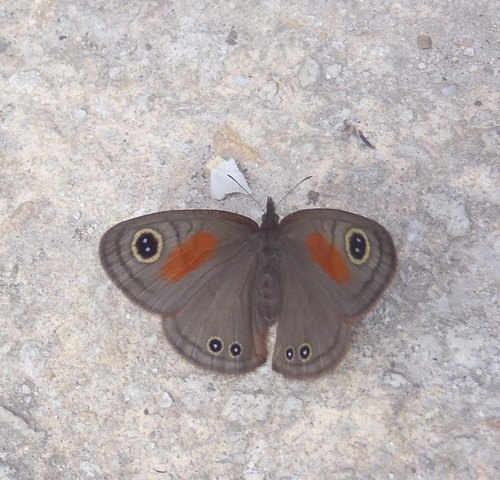
8. Rainforest brown
The wingspan is 3.5 - 4 cm for males and 3.5 - 4 cm for females.
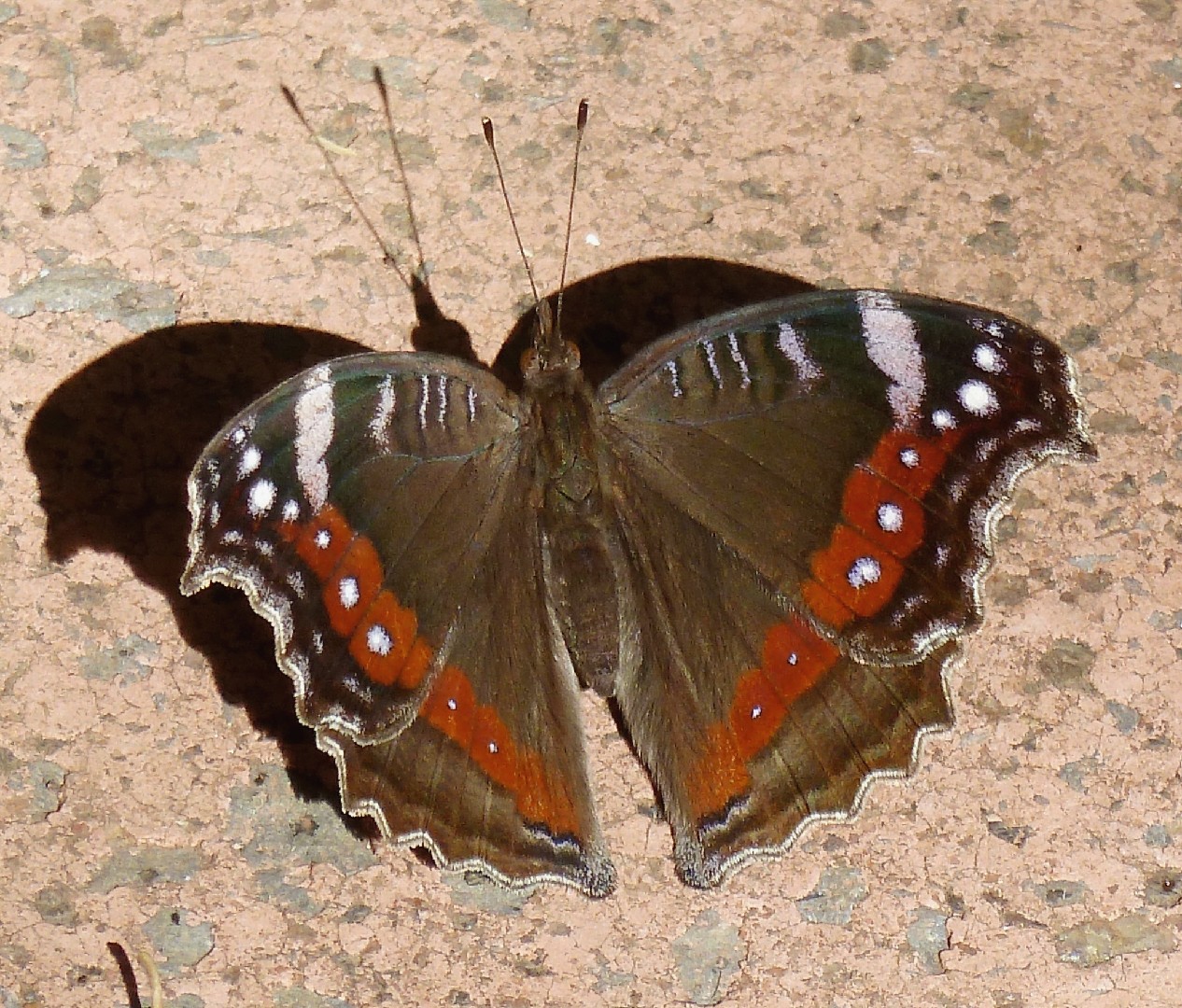
9. Garden inspector
Wingspan: 4.5 - 5 cm for males and 5 - 6 cm for females.
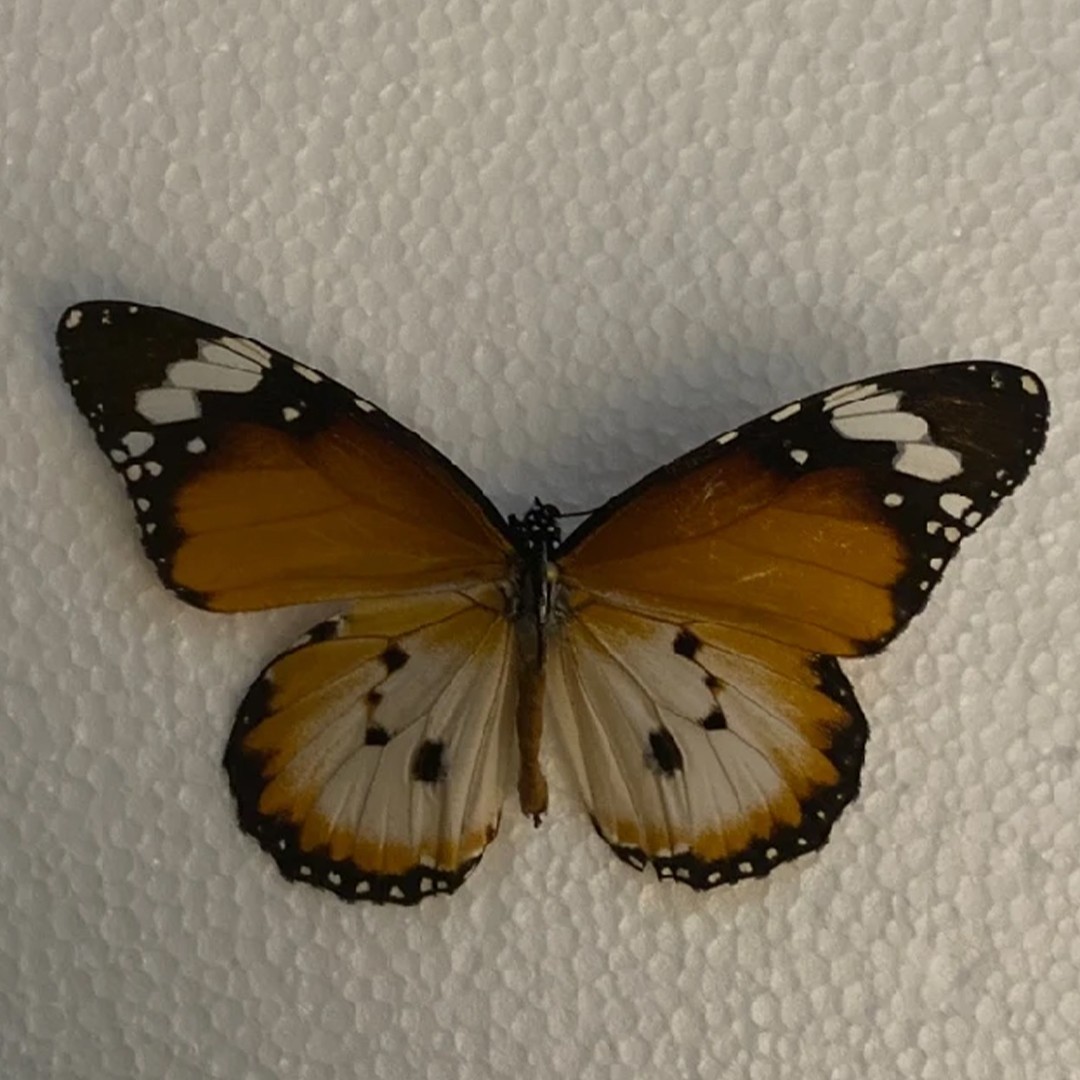
10. Plain tiger butterfly
D. chrysippus is a medium-sized butterfly with a wingspan of about 7–8 cm (2.8–3.1 in). The body is black with many white spots. The wings are orange, the upperside brighter and richer than the underside. The apical half of the forewing is black with a white band. The hindwing has three black spots in the center. The wings are bordered in black and outlined with semicircular white spots. This species exhibits slight sexual dimorphism, as the Male has large scent glands on his hindwings, which the female lacks. They appear as a large black spot with a white centre if viewed from the underside D. chrysippus is a polymorphic species, so the exact coloring and patterning vary within and between populations. It is similar in appearance to the Indian fritillary (Argynnis hyperbius), which may coexist with it.



More