




Top 20 Most Common Insects in Sri Lanka
Insect life in Sri Lanka is as colorful and diverse as its human culture, with insects occupying both urban and jungle habitats. The array of geography within the country, from coastline to mountains, drives the rich diversity of insects. This top 20 list illuminates the link between geography and insect life, including both pests and beneficial bugs, showcasing how one region's annoying mosquito might be another's essential pollinator.

Most Common Insects
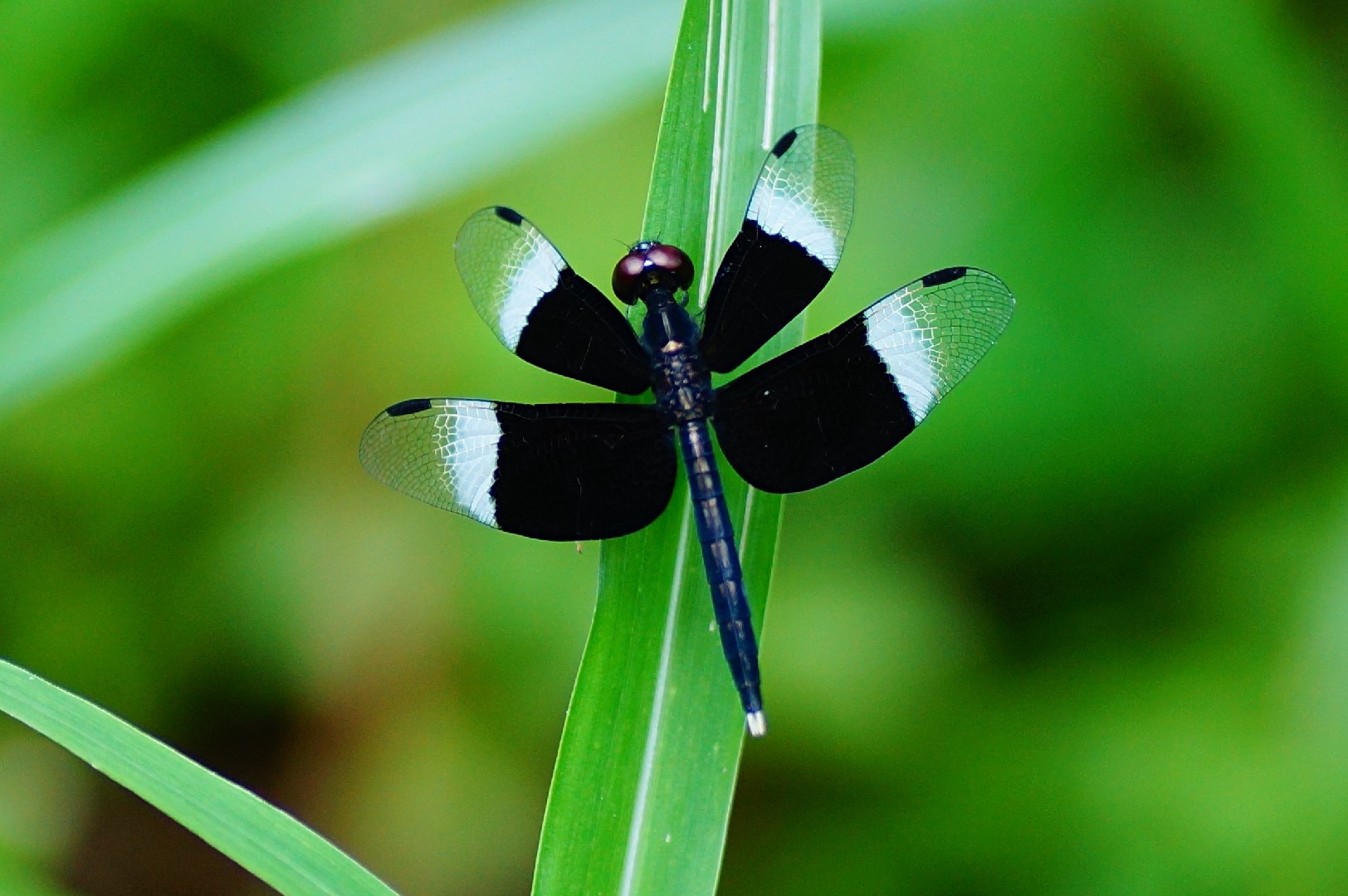
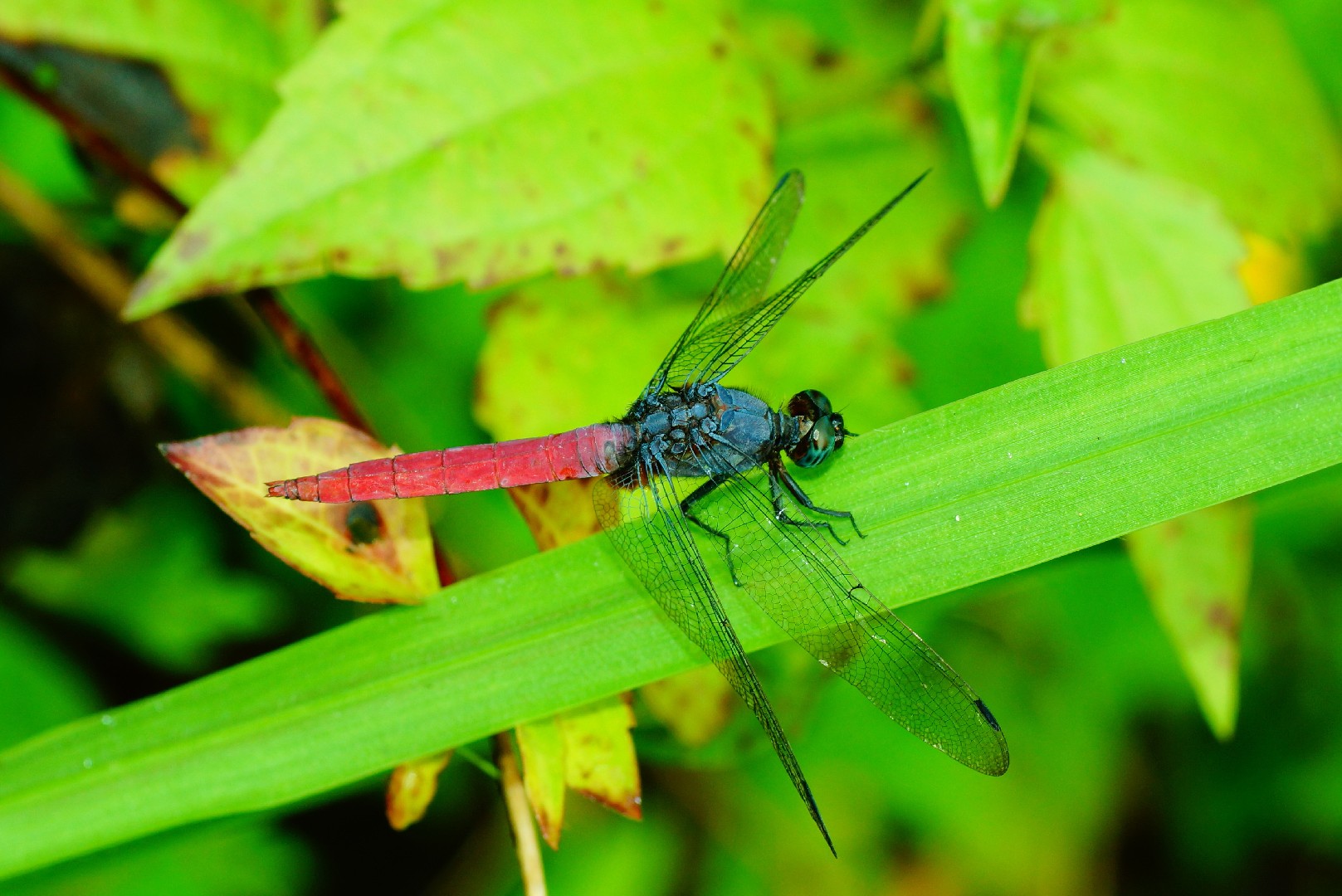
1. Pied paddy skimmer
The species is on the IUCN Red List as not endangered, year of assessment 2007.

2. Weaver ant
The weaver ant can be found in silk-woven nests in the foliage of Southeast Asia and Oceania. These ants have a painful bite and prey on other small insects. Larvae have many uses for local regions, including being a popular fishing bait and a good choice of bird food.
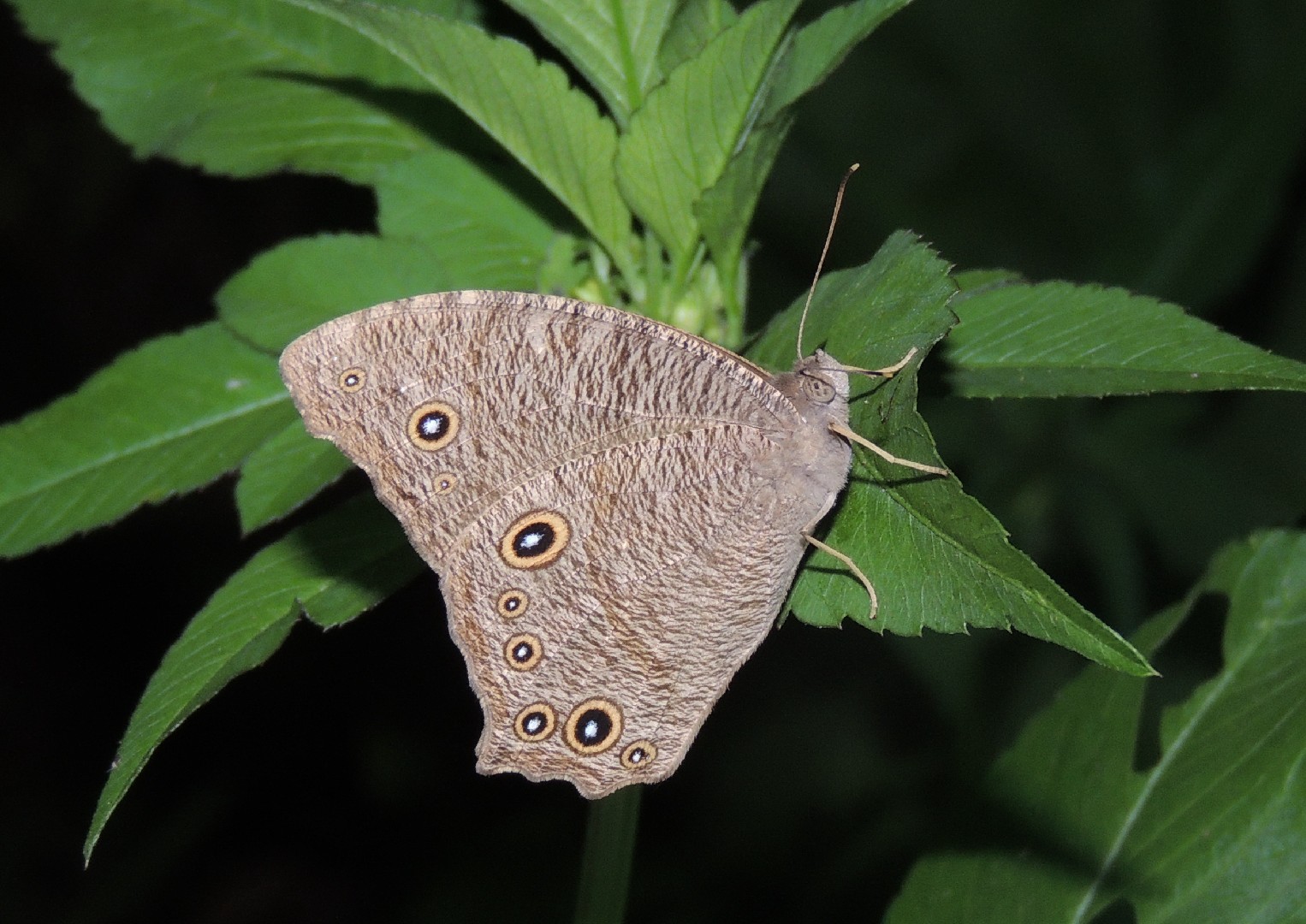
3. Common evening brown
The common evening brown (Melanitis leda) changes its appearance based on the season. During wet seasons, it has a pale brown underside and a dark brown top. Then, during dry seasons, it often has more distinguished bands or spots. It uses these neutral colors to help it blend into leaves and trees. It usually only flies during the evening, resting during daylight.
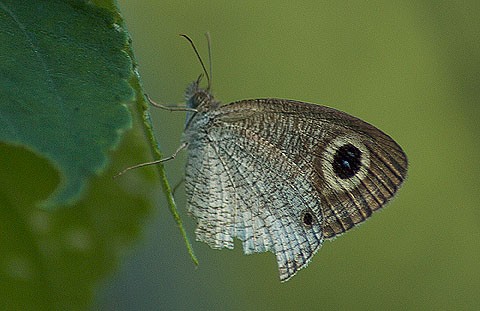
4. White fourring
Ypthima ceylonica, the white fourring, is a species of Satyrinae butterfly found in Sri Lanka and India. 
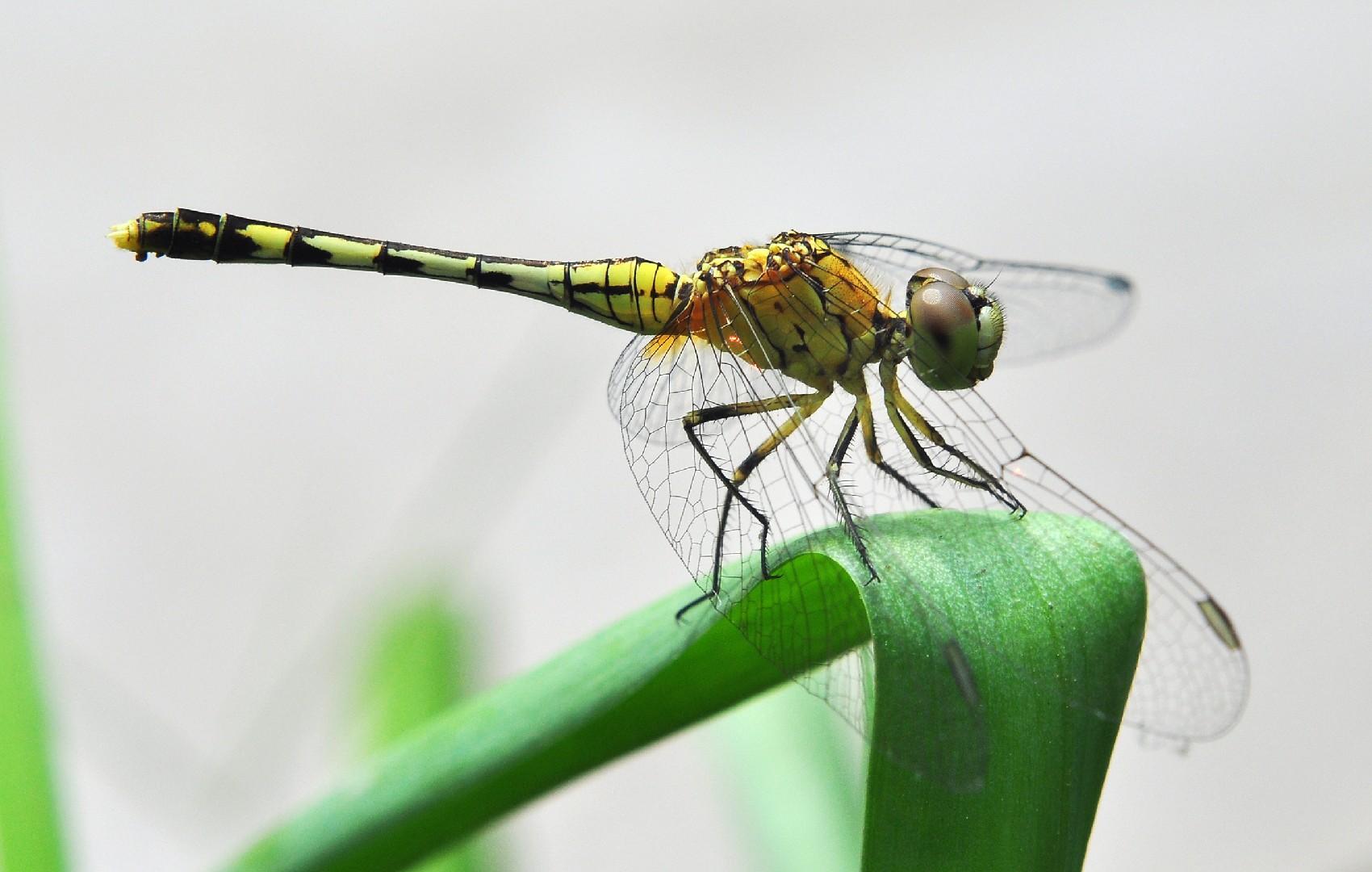
5. Chalky percher
Diplacodes trivialis is small dragonfly with bluish eyes and greenish-yellow or olivaceous thorax and abdomen with black marks. In very old adults, the whole thorax and abdomen become uniform pruinosed blue. Clear wings, without apical or basal markings, and the creamy white anal appendages and deep pruinescence in adults help to distinguish this species from others in its genus.
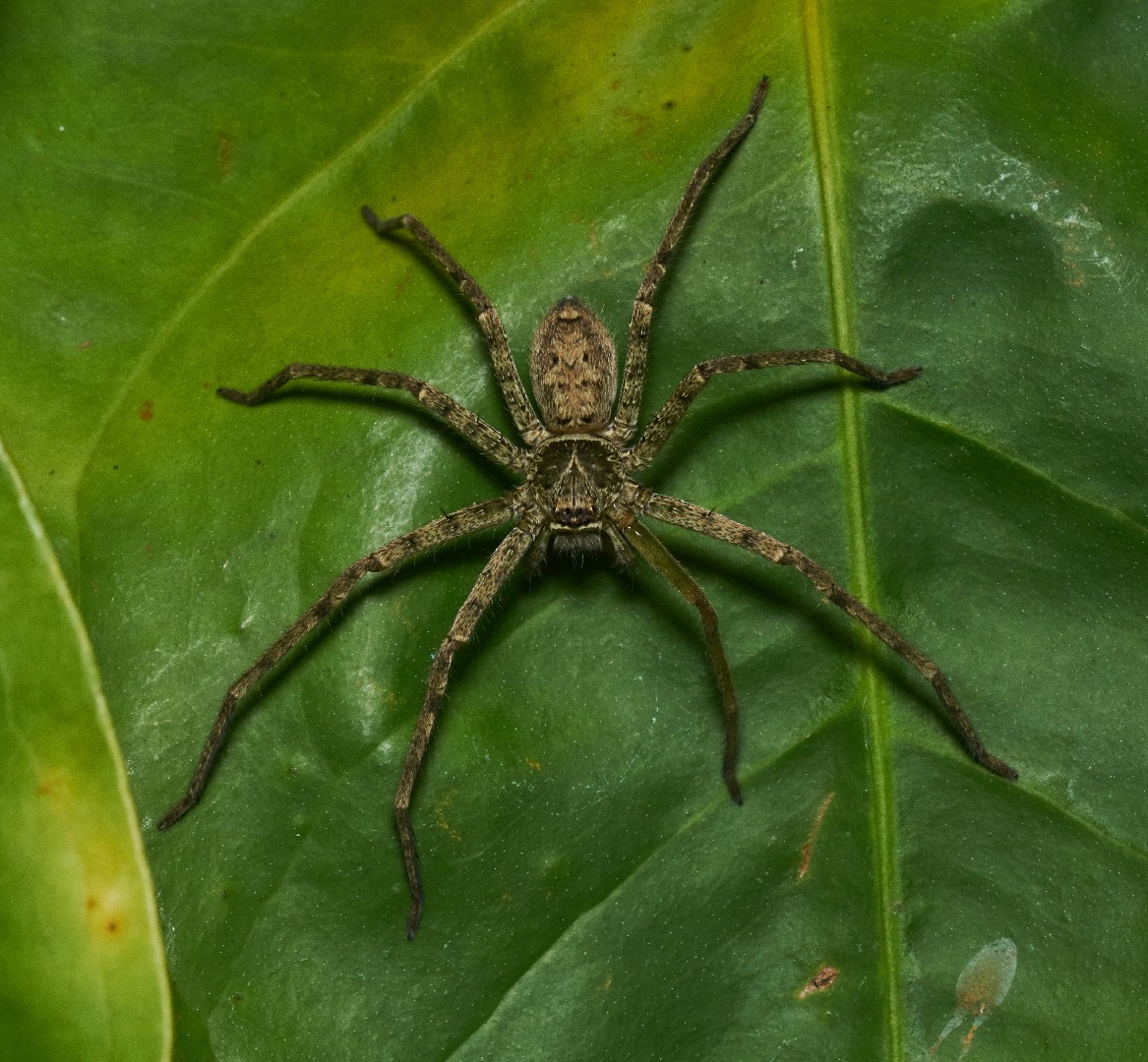
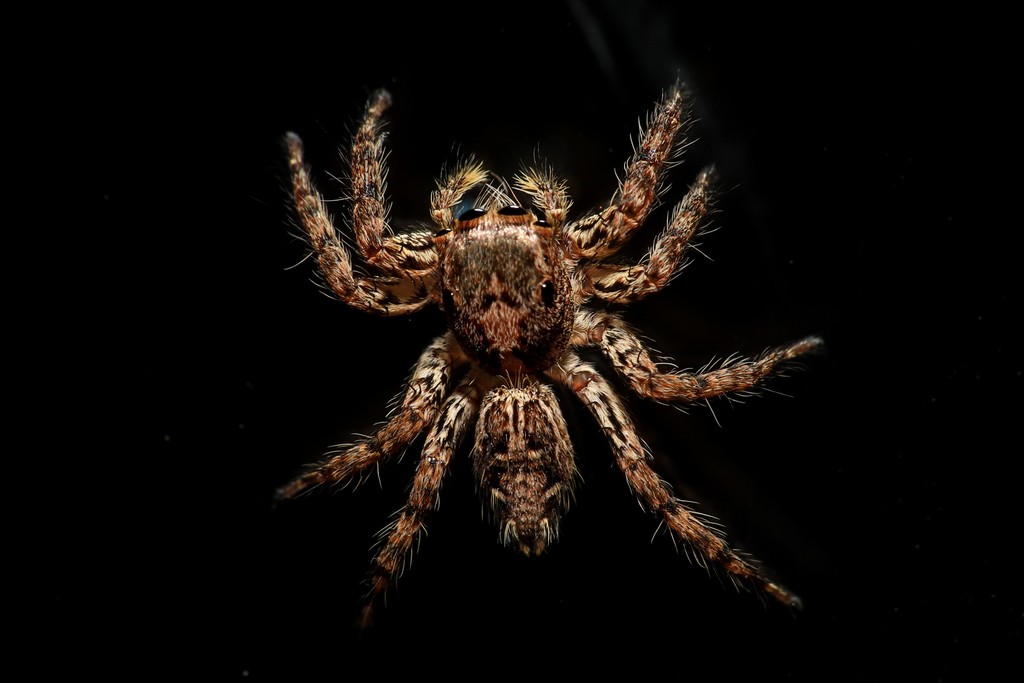
6. Giant Crab Spider
The giant Crab Spider is a large spider native to the tropics; the largest reported individual had a leg span of 30 cm. This cosmopolitan spider is highly valued in some areas, as it's able to catch cockroaches and other indoor pests. Reportedly, it hunts even scorpions and bats. This spider is venomous and sometimes bites humans, but it's considered harmless.
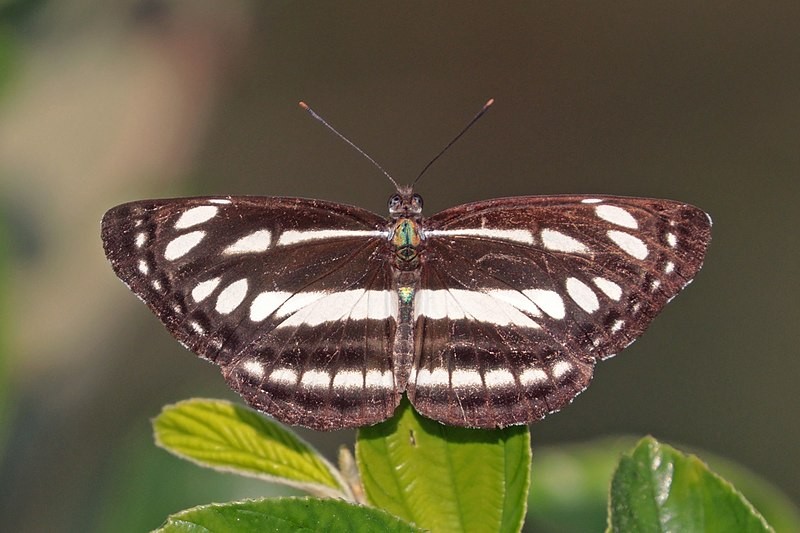
7. Common sailor
Dry-season form - Upperside black, with pure white markings. Forewing discoidal streak clavate (club shaped), apically truncate, subapically either notched or sometimes indistinctly divided; triangular spot beyond broad, well defined, acute at apex, but not elongate; discal series of spots separate, not connate (united), each about twice as long as broad; postdiscal transverse series of small spots incomplete, but some are always present. Hindwing: subbasal band of even or nearly oven width; discal and subterminal pale lines obscure; postdiscal series of spots well separated, quadrate or subquadrate, very seldom narrow. Underside from pale golden ochraceous to dark ochraceous almost chocolate; white markings as on the upperside, but broader and defined in black. Forewing: interspaces 1a and 1 from base to near the apex shaded with black, some narrow transverse white markings on either side of the transverse postdiscal series of small spots. Hindwing a streak of white on costal margin at base, a more slender white streak below it; the discal and subterminal pale lines of the upperside replaced by narrow white lines with still narrower margins of black. Antennae, head, thorax and abdomen black; the palpi, thorax and abdomen beneath dusky white. Wet-season form - Differs only in the narrowness of the white markings and in the slightly darker ground colour and broader black margins to the spots and bands on the underside. More than 20 subspecies have been described. This species has been observed to make sounds whose function has not been established.
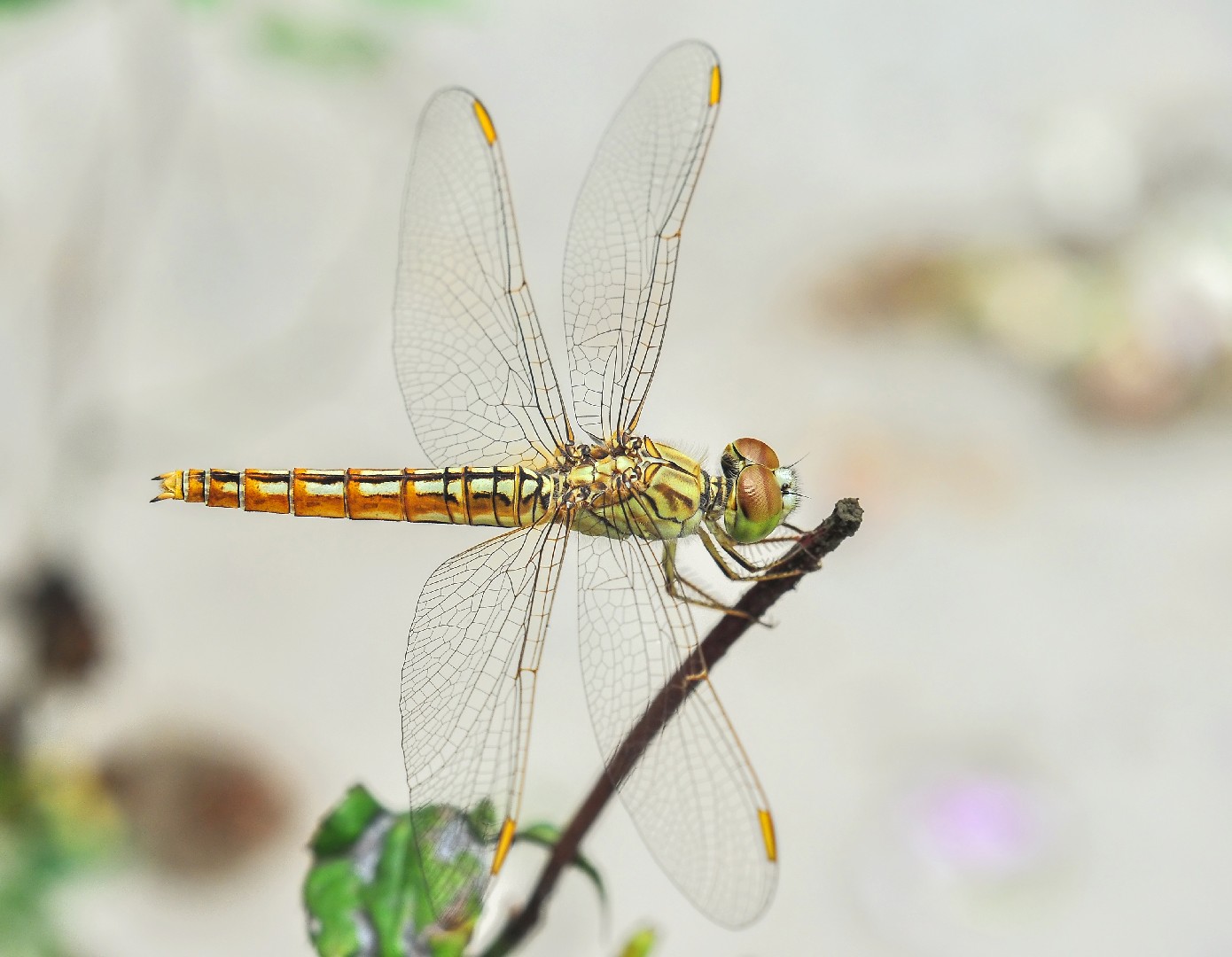
8. Ditch jewel
The species is on the IUCN Red List as not endangered, year of assessment 2010.
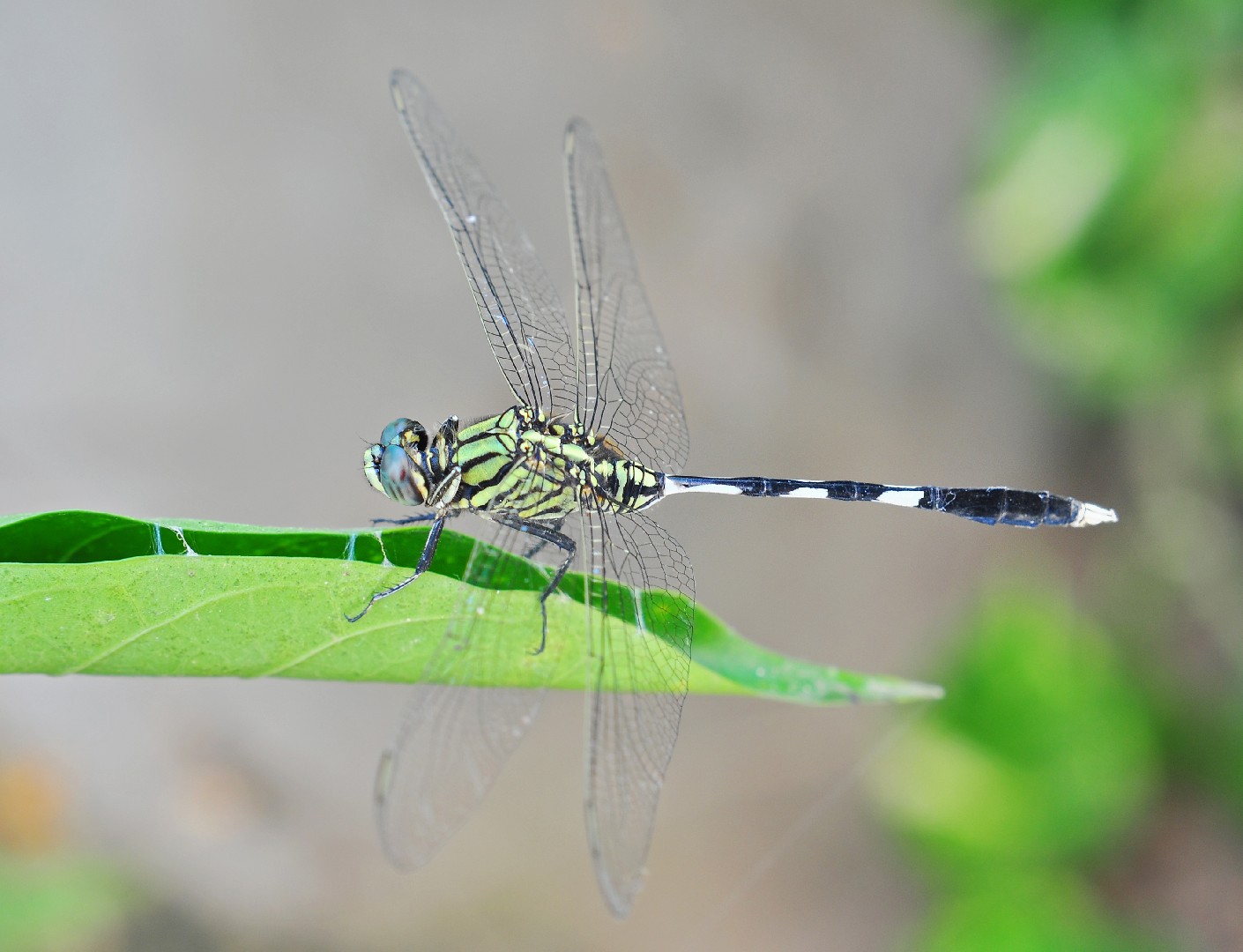
9. Slender skimmer
The species is on the IUCN Red List as not endangered, year of assessment 2009. The slender bank dragonfly occurs from Southeastern Europe and North Africa to Japan and Australia
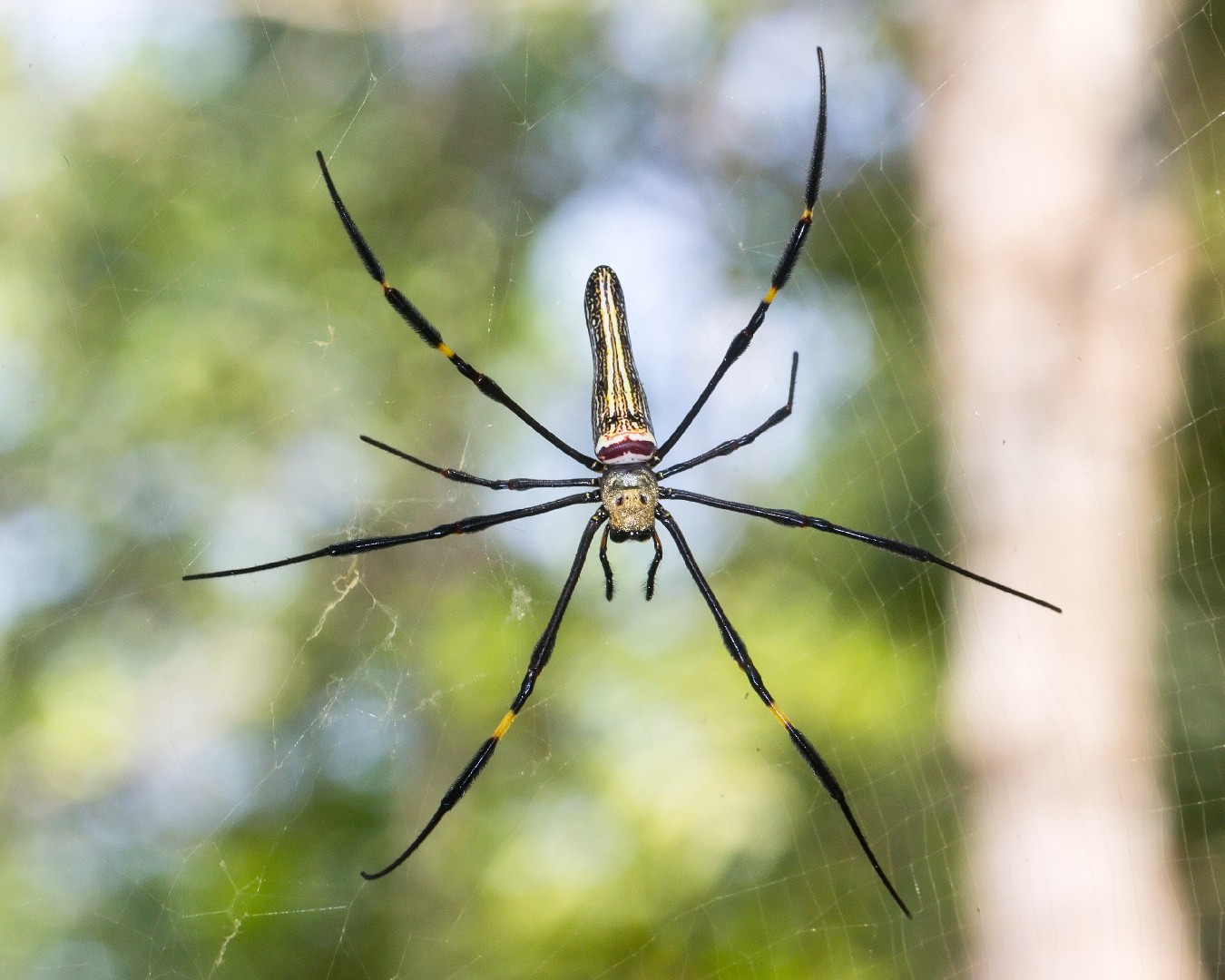
10. Giant golden orb weaver
The giant golden orb weaver (Nephila pilipes) is known for spinning a golden web. Despite that being neat, that isn't the weirdest part about them. Females are known to favor gigantism, causing males to be much smaller than average females. Males are known to have mating plugs which attempt to prevent other males from mating, but the size difference can make this tricky.


More







