




Top 17 Most Common Insects in River Nile
Insects, fascinating beings with incredible diversity, inhabit River Nile, a state where geographical variances of the River Nile region forge a dynamic insect population. The rich insect diversity in River Nile plays a vital role in maintaining its ecosystem balance. Top 17 most common insects, intriguingly, serve both as beneficial pollinators and unwanted pests, displaying an intricate relationship with River Nile's environmental elements.

Most Common Insects
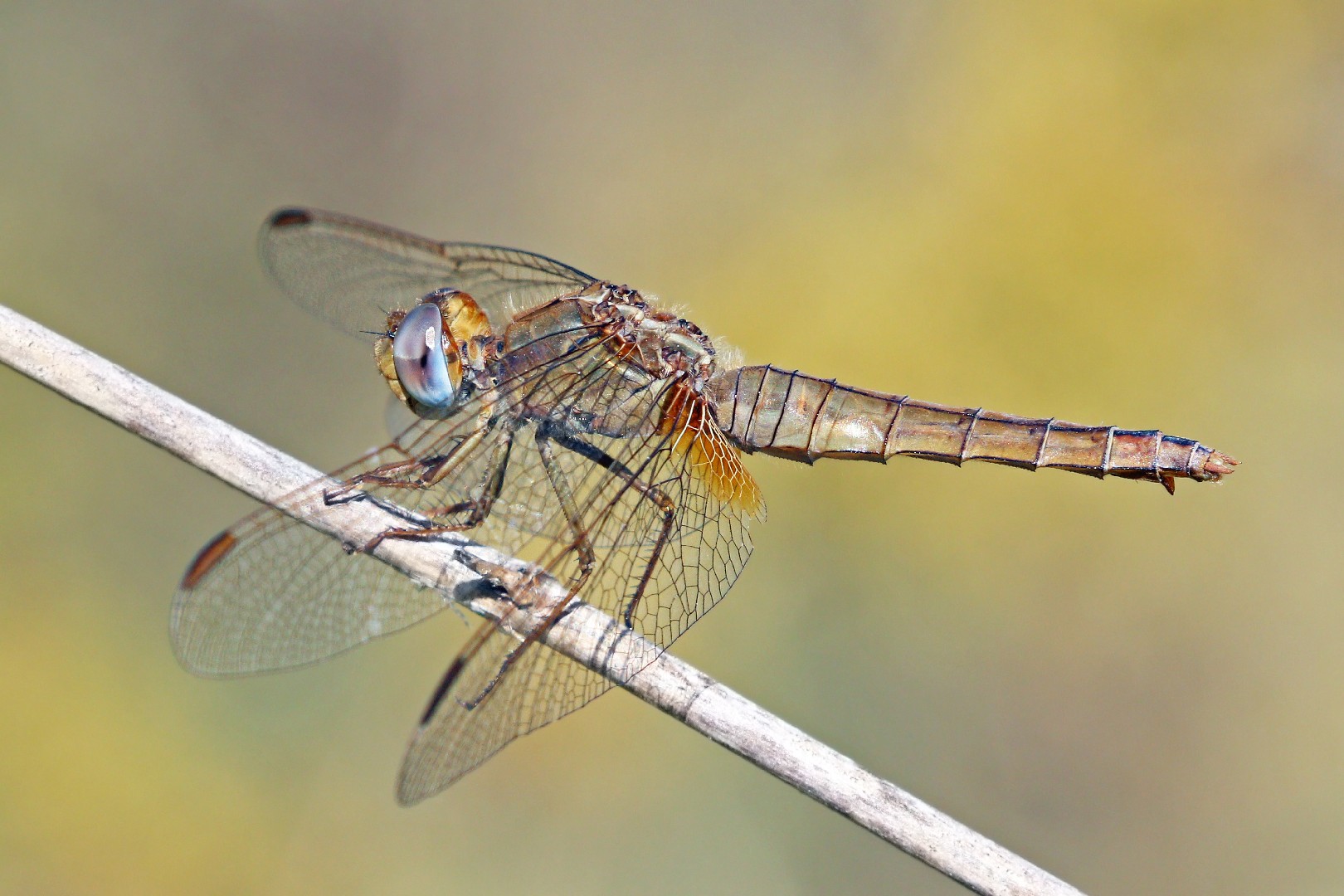
1. Scarlet dragonfly
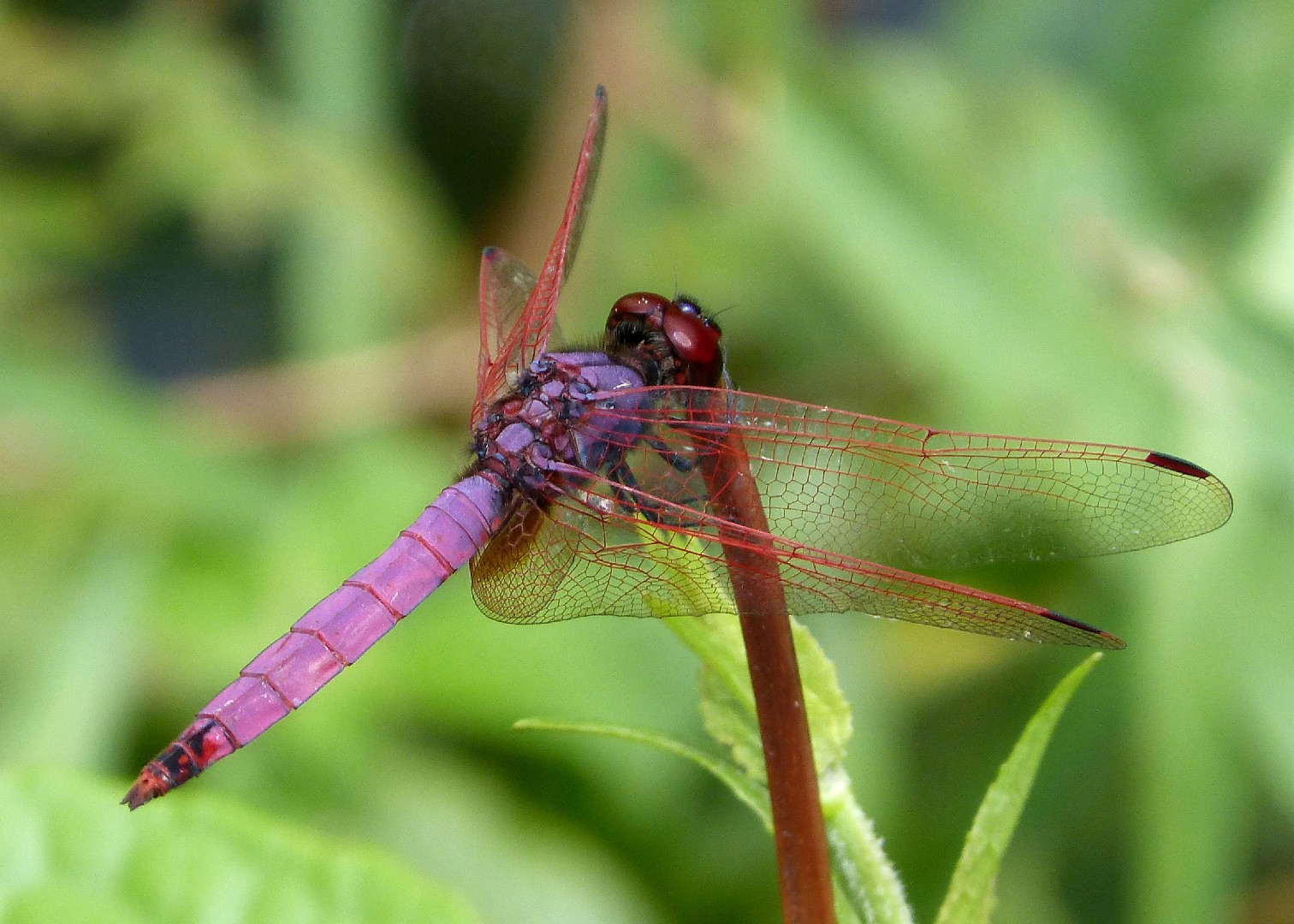
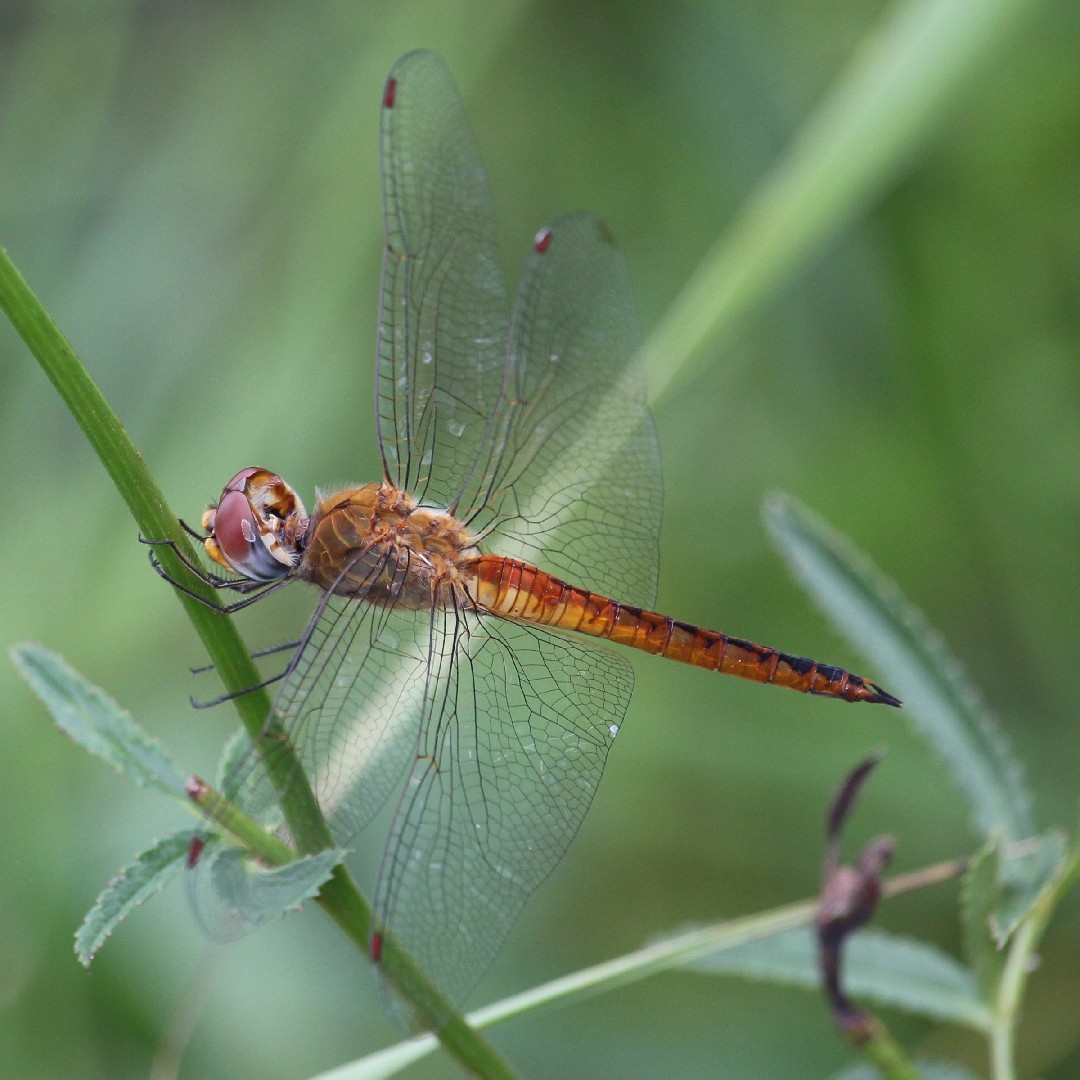
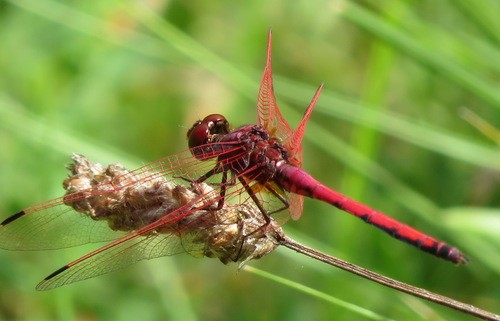
Crocothemis erythraea can reach a length of 3.5 - 4.5 cm. These dragonflies haves a flattened and rather broad abdomen. The adult male scarlet dragonfly has a bright scarlet red, widened abdomen, with small amber patches at the bases of the hindwings. Also the veins on the leading edges of the wings are red. Females and immatures are yellow-brown and have a conspicuous pale stripe along the top of the thorax. 
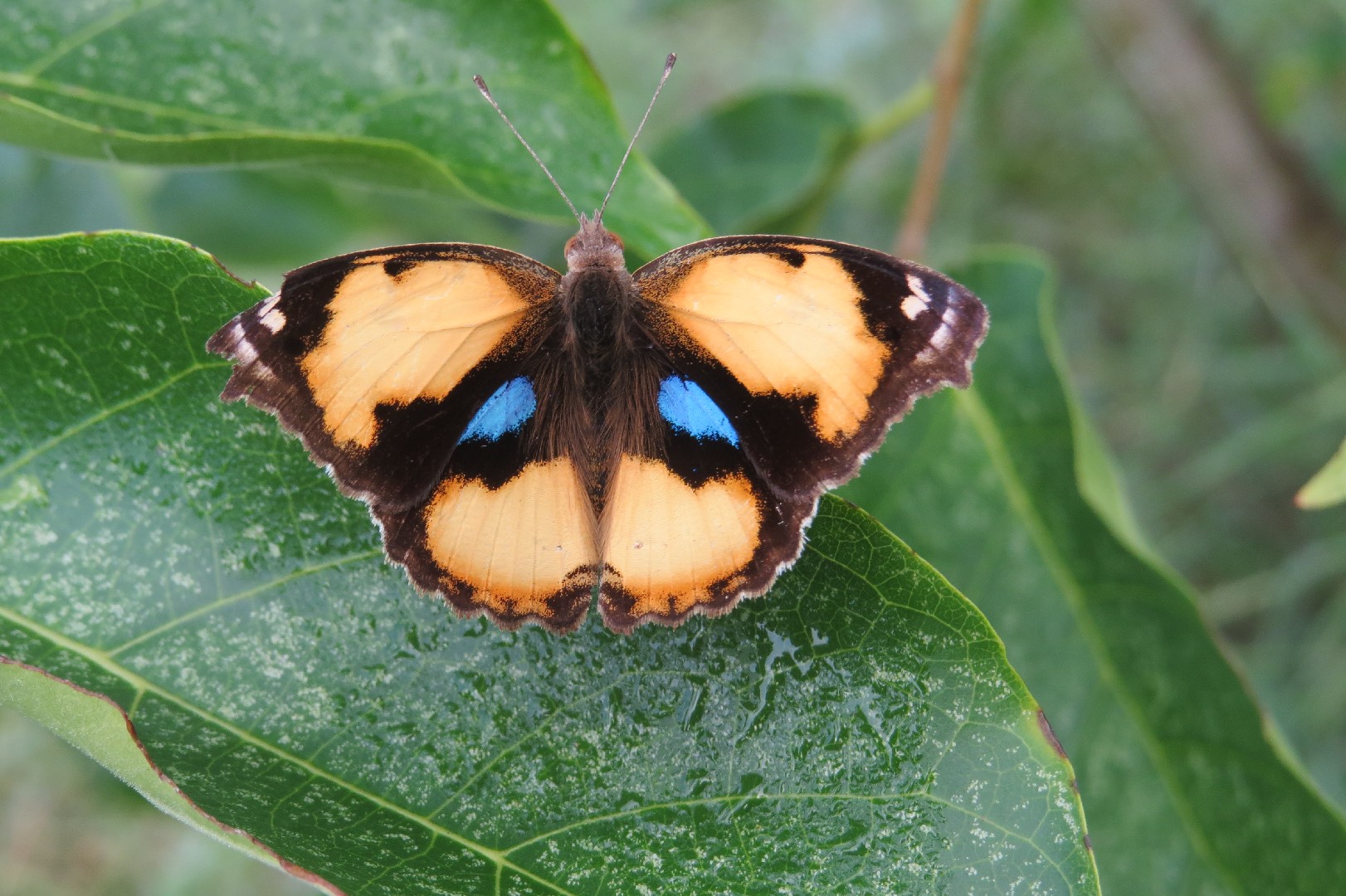
2. Yellow pansy butterfly
The male upperside is bright yellow. The costa of the forewing has a broad triangular jet-black projection downwards at the discocellulars, and the dorsum has a triangular projection upwards near the tornus; this black margin narrows near the middle of the termen and bears on the apex two short transverse preapical white streaks crossed by the black veins. Below these is an obscure ocellus that is sometimes absent. The anterior half and the terminal margin of the hindwing is black, and the dorsum is broadly shaded with brown while the anterior black area has a large brilliant blue spot. The cilia of both forewings and hindwings are white alternated with brown.The underside of the forewing is pale yellow. The cell is crossed by three laterally black-margined orange-yellow bars, beyond that is a short, broad, irregular jet-black oblique band from costa to base of vein 4. The hindwing is greyish yellow, and in the dry season its form is strongly irrorated (sprinkled) with dusky scales. With a prominent transverse brown discal fascia, its margins are highly sinuous. There is a brownish broad shade on the middle of the termen and some obscure lunular marks on the basal area. The antennae is pale, and the head, thorax and abdomen are dark brownish black; beneath that is a dull ochraceous white. The female is similar, although the colours are duller. The cell of the upperside forewing has a more or less complete transverse black fascia and another at the discocellulars. A blue-centred well-marked ocelli is in interspaces 2 and 5 on the disc of the forewing, and smaller ocelli in interspaces 2 and 5 on the disc of the hindwing. The forewings and hindwings have a fairly well-defined pale subterminal line, though the blue spot on the anterior black area on the hindwing is small and ill-defined; the rest is as the male. The underside is also as the male, but generally has heavier and more clearly defined markings.
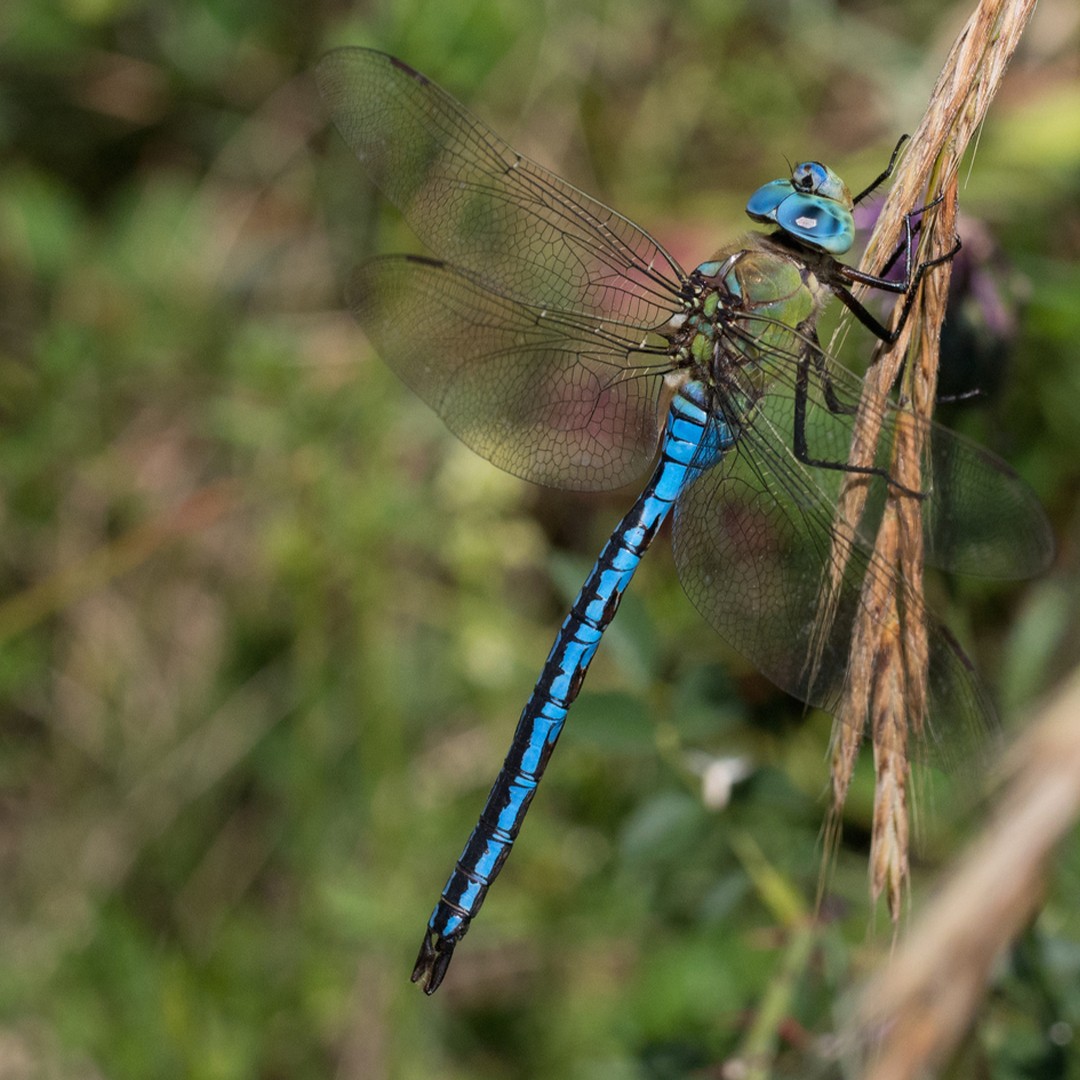
3. Emperor dragonfly
The emperor dragonfly or blue emperor (Anax imperator) is a large species of hawker dragonfly of the family Aeshnidae, averaging 78 millimetres (3.1 in) in length.
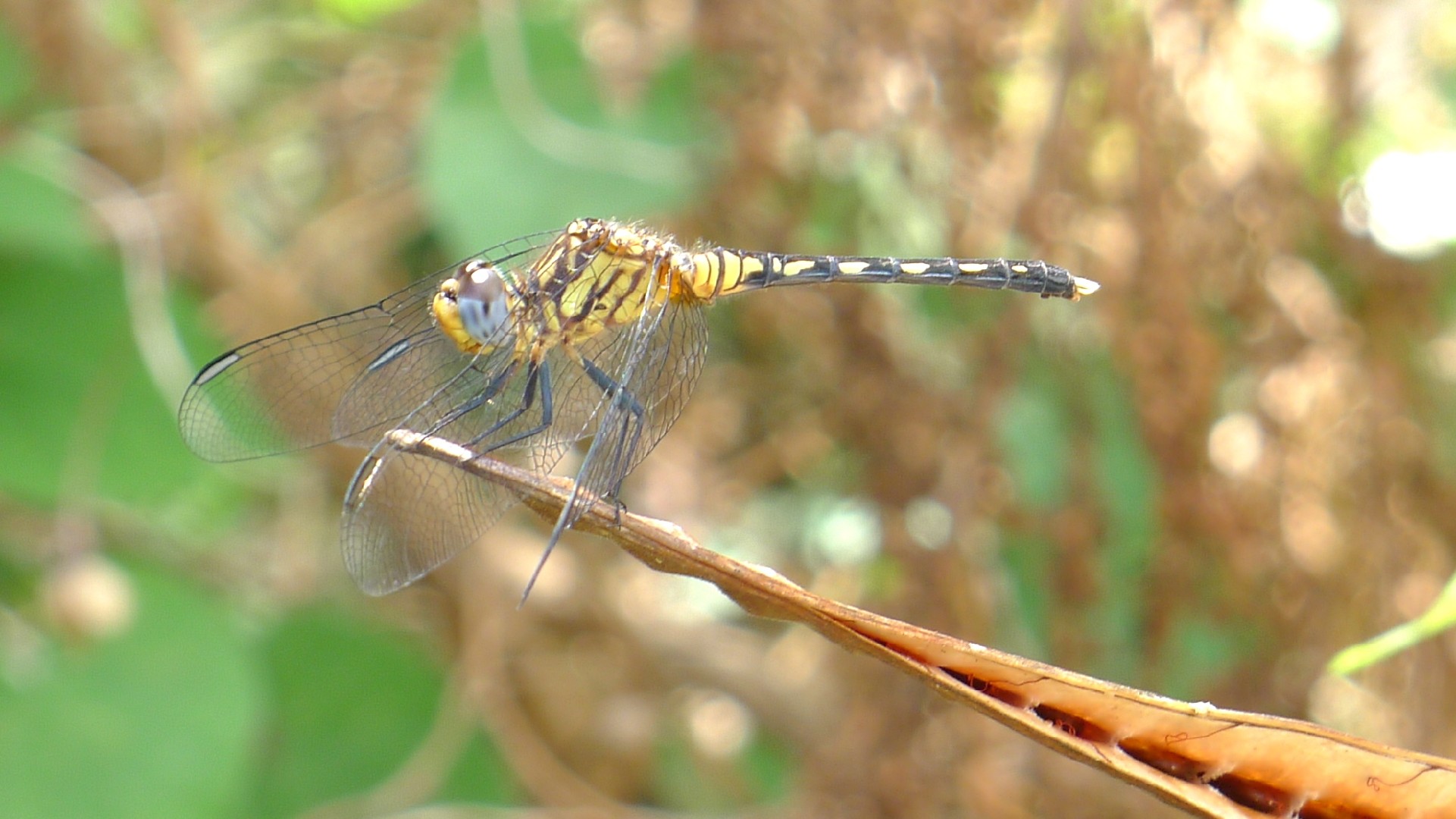
4. Black percher
The species is on the IUCN Red List as not endangered, year of assessment 2010, the trend of the population is stable according to the IUCN. The moriaantje is found in Africa and the Mediterranean.
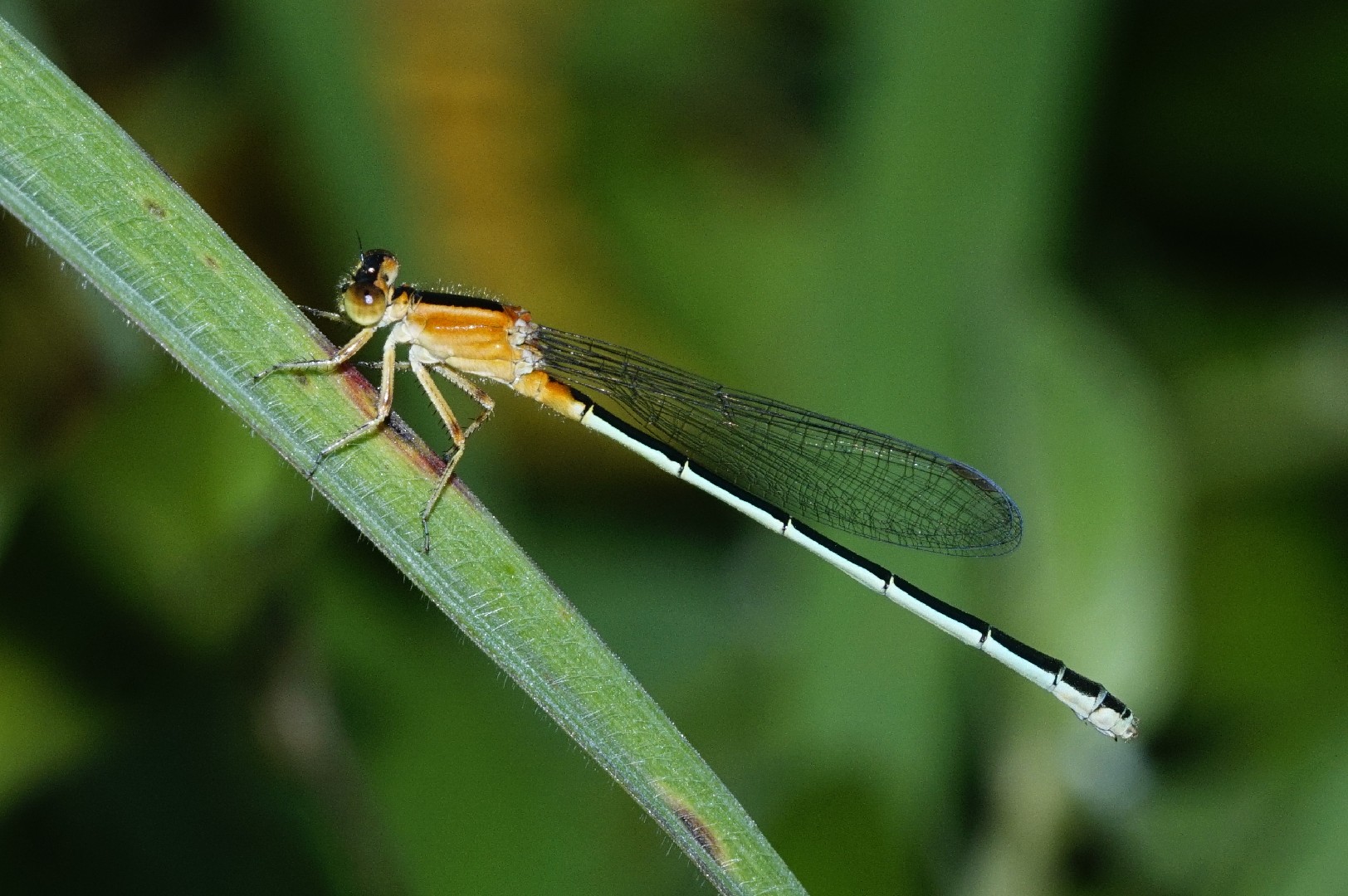
5. Common bluetail
The Senegal Pechlibelle (Ischnura senegalensis) is a dragonfly from the family of the slender dragonflies (Coenagrionidae).
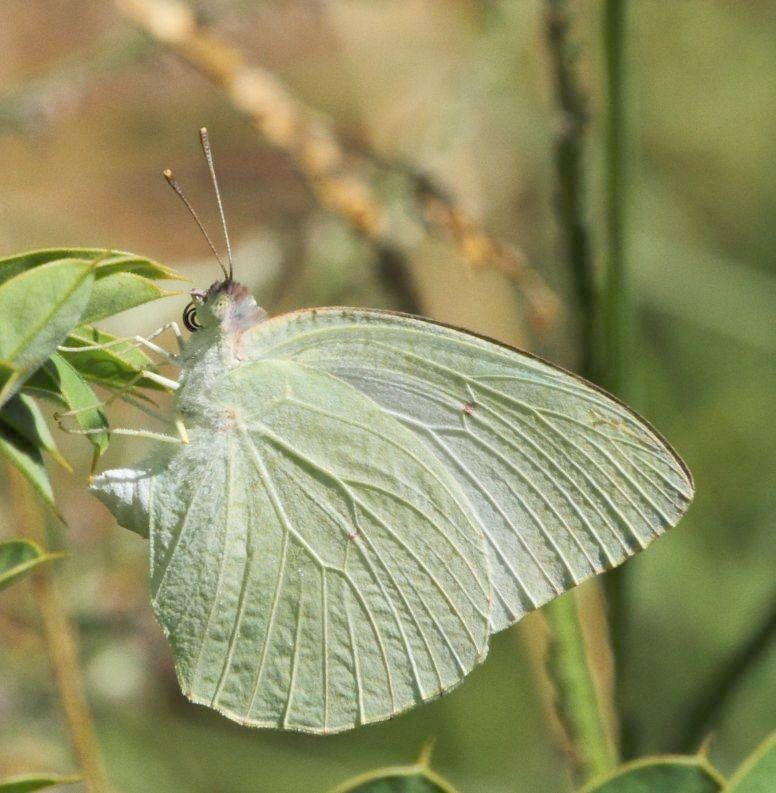
6. African emigrant
The wingspan is 5 - 6 cm for males and 6 - 7 cm for females.
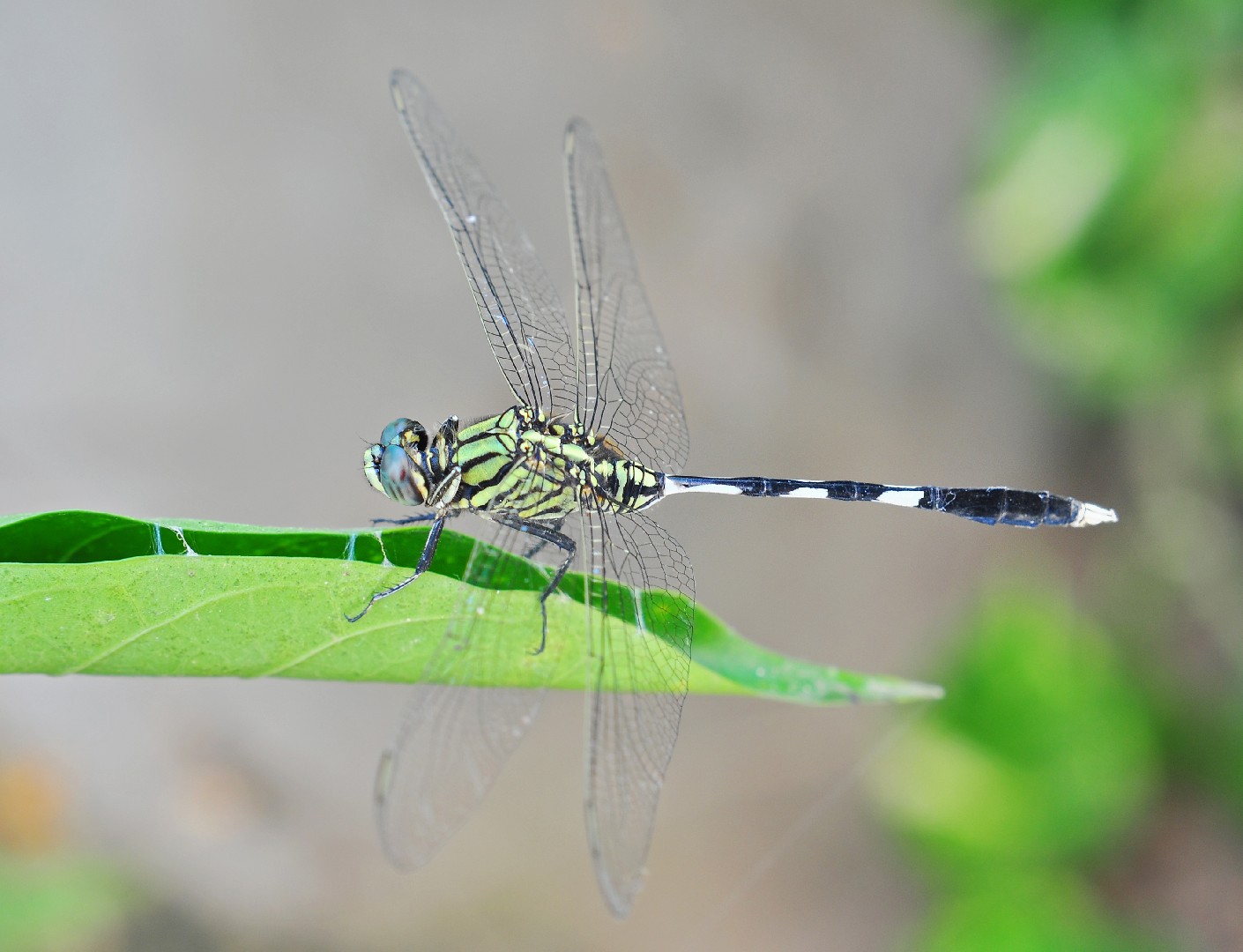
7. Slender skimmer
The species is on the IUCN Red List as not endangered, year of assessment 2009. The slender bank dragonfly occurs from Southeastern Europe and North Africa to Japan and Australia
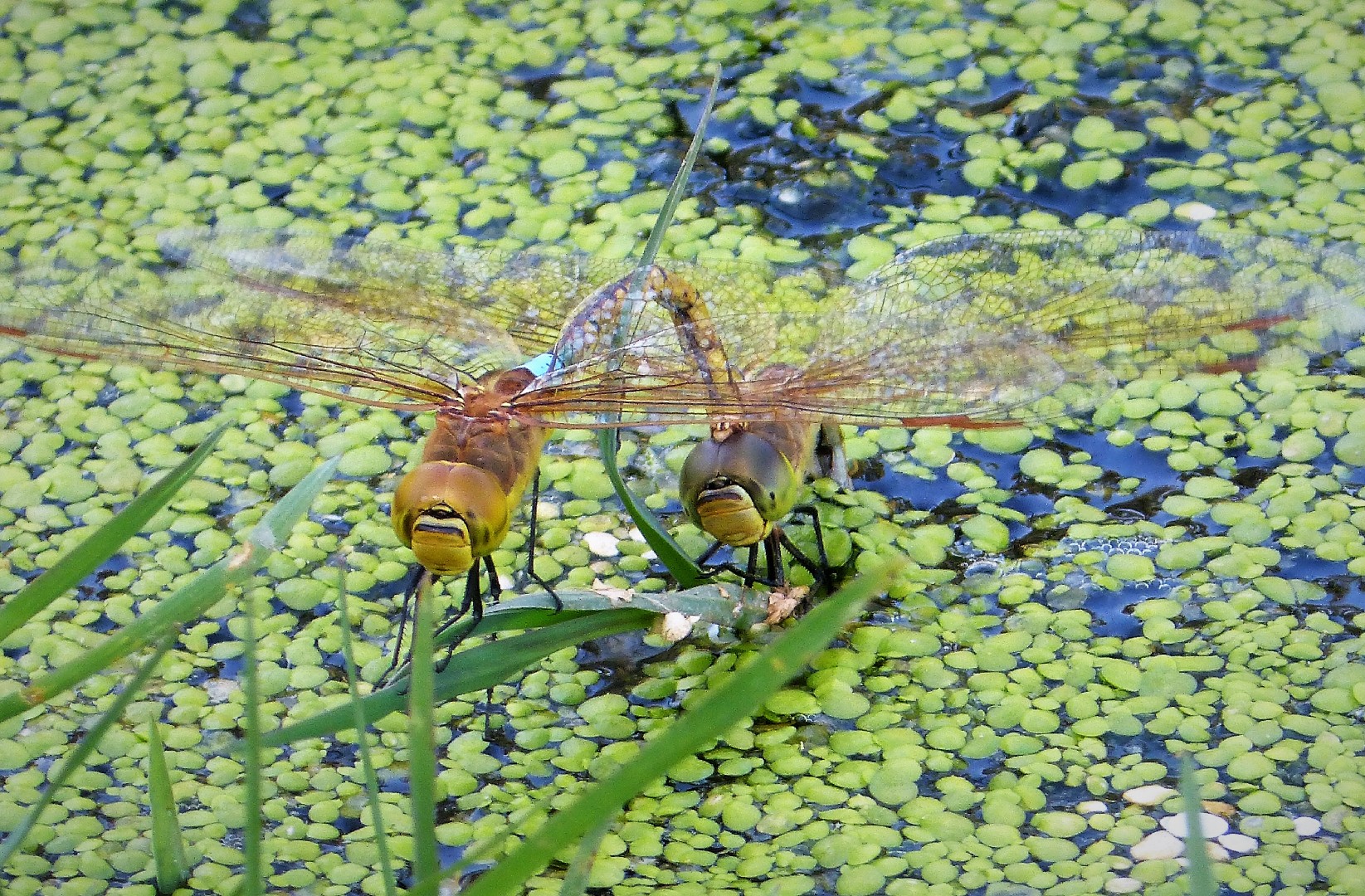
8. Vagrant Emperor
It is a large dragonfly with greenish-yellow eyes. Its thorax is olivaceous-brown, paler on sides. Wings are transparent with an amber-yellow patch. Abdomen is ochreous, marked with azure-blue and reddish-brown. Segment 2 is blue on dorsum and pale green on the sides. Segments 3 to 7 are olivaceous-yellow with irregular reddish-brown stripes on mid-dorsum and narrow black apical annules. There is a broad mid-dorsal blackish-brown stripe on segments 8 and 9, enclosing a pair of triangular yellow apical spots. Segment 10 is bright yellow, with its base and mid-dorsum broadly black. Female is similar to the male. Its natural habitats are shrub-dominated wetlands, swamps, freshwater lakes, intermittent freshwater lakes, freshwater marshes, intermittent freshwater marshes, and freshwater springs. It breeds in shallow tanks and marshes. A rare long-distance migrant to the British Isles, occasionally seen even in winter.
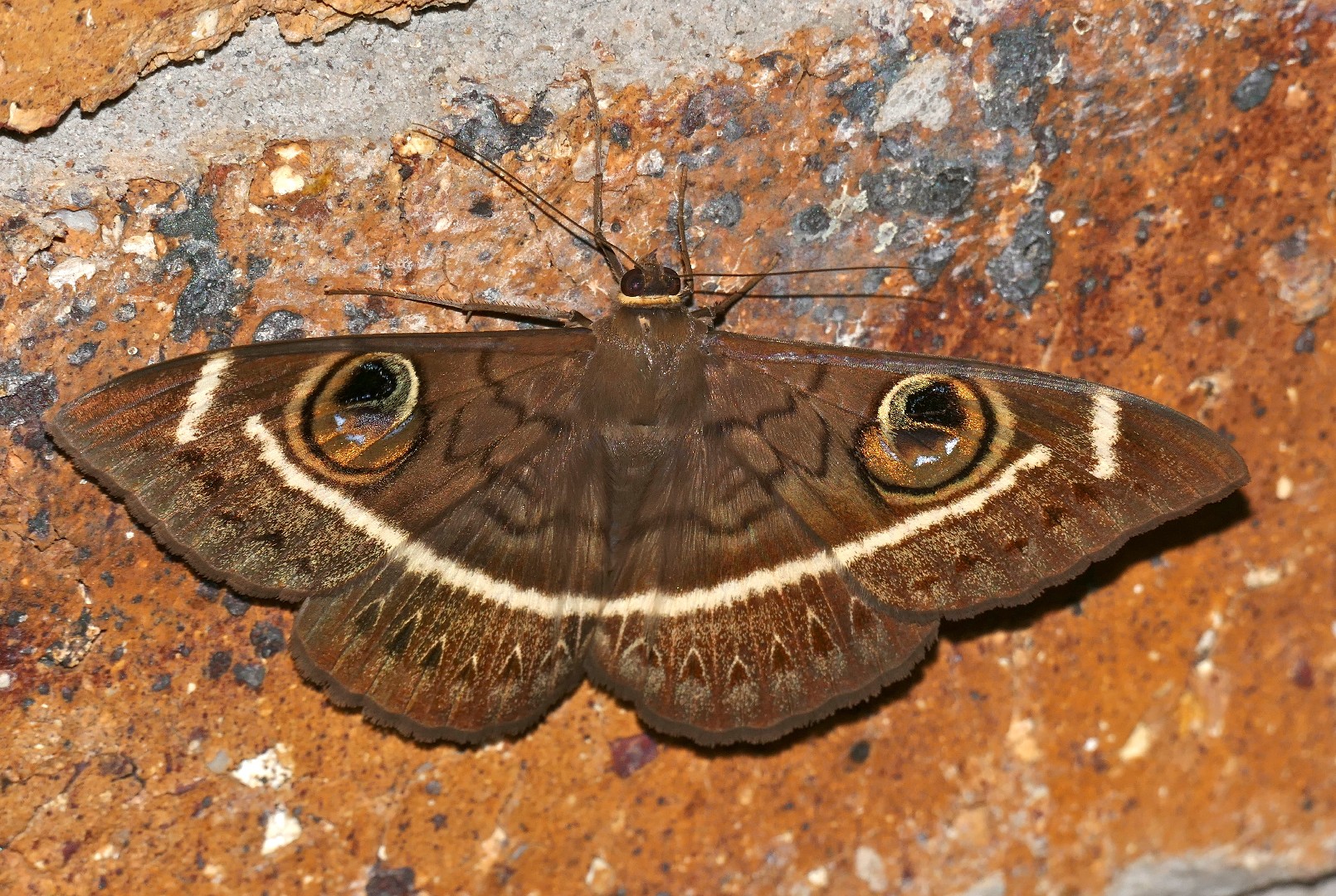
9. Cream-striped owl
Cyligramma latona has a wingspan reaching 8 - 10 cm. The uppersides of the wings are brown, with a yellowish band crossing all the wings and a large eyespot on the forewings.

10. Crimson speckled footman
The wingspan of Utetheisa pulchella can reach 3 - 4 cm. The front wings are narrow, white or cream coloured with a variable pattern of numerous small black spots located between the larger-sized bright red spots. Sometimes the red spots are merged to transversal bands. The hindwings are wide, white, with an irregular black border along the outer edge and two black markings in the middle of the cell. The head and thorax range from cream colour to buff yellow, with the same pattern as the wings. The antennae are long and monofiliform. The abdomen is smooth, with a white background. Caterpillars are warty, dark brown or greyish, with tufts of greyish hairs, an orange crossline on each segment, a wide whitish line along the back and two other lateral white lines.
More







