




Top 20 Most Common Insects in Switzerland
Insects, with their limitless variety and adaptability, are fascinating creatures. Accustomed to Switzerland's diverse topography, these inhabitants exhibit a fascinating spectrum of biodiversity. Notwithstanding the scale from pests to helpful pollinators, Switzerland's geography and climate largely dictate which insects are most prevalent. So, let's dive into the world of the top 20 most common insects in Switzerland, unraveling how their existence is intricately tied to our intriguing ecosystem.

Most Common Insects
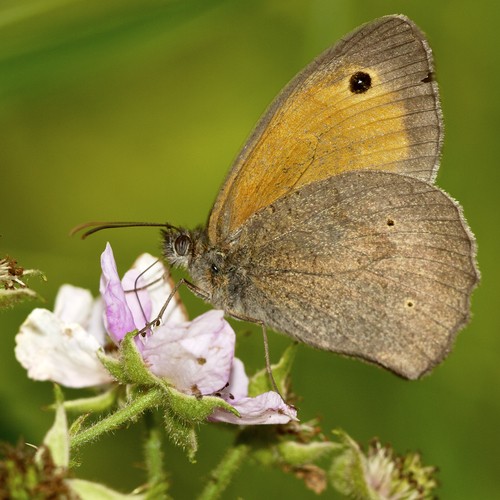
1. Meadow brown
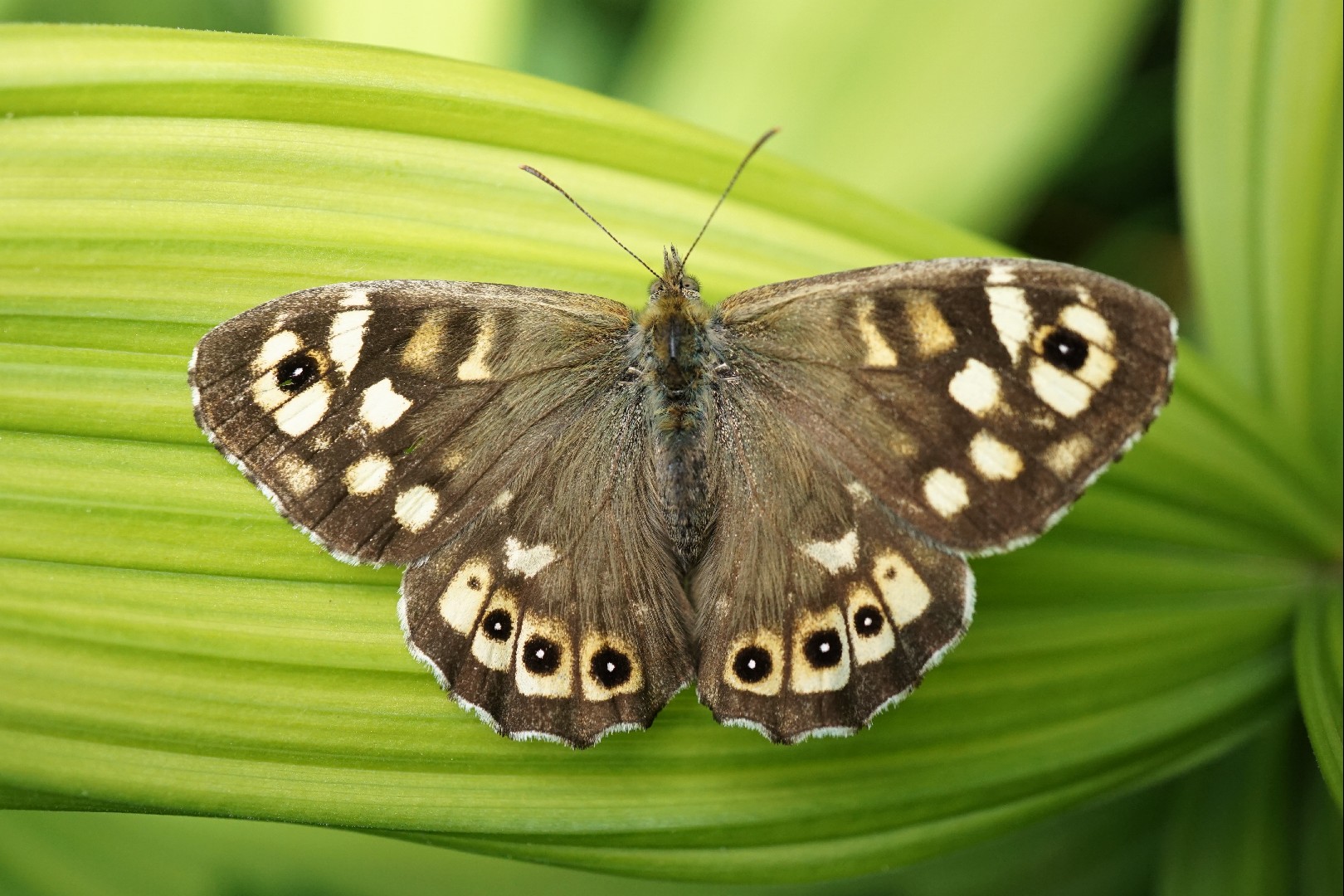
The meadow brown (Maniola jurtina) is similar to the Gatekeeper in the way that it rests with its wings open due to the "eye spots" on either end of its wings that ward off predators. While the color is a deep brown, the caterpillar form is a beautiful bright green with little, white hairs and a dark line leading down its back.
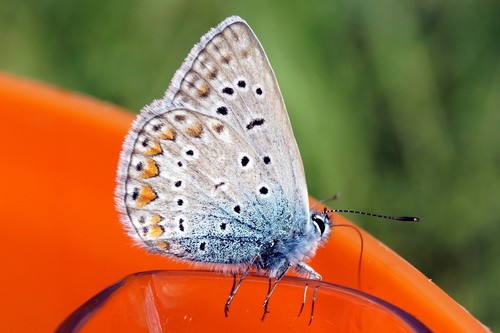
2. Common blue butterfly
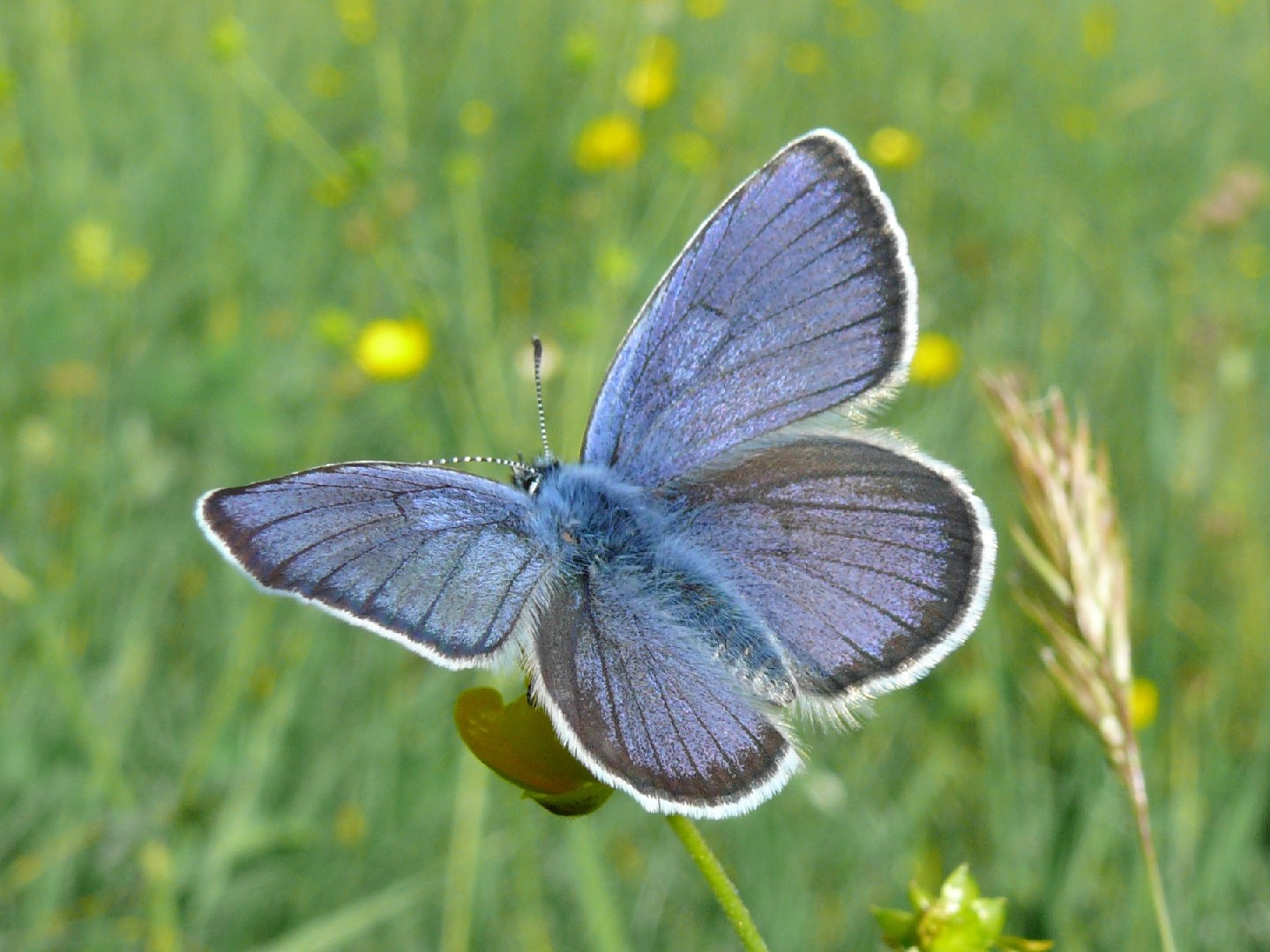
Despite its common name, only male specimens of common blue butterfly (Polyommatus icarus) can accurately be described as blue; the females are predominately gray-brown, with only a dusting of blue and a scattering of orange spots. The adults live for only three weeks before dying.
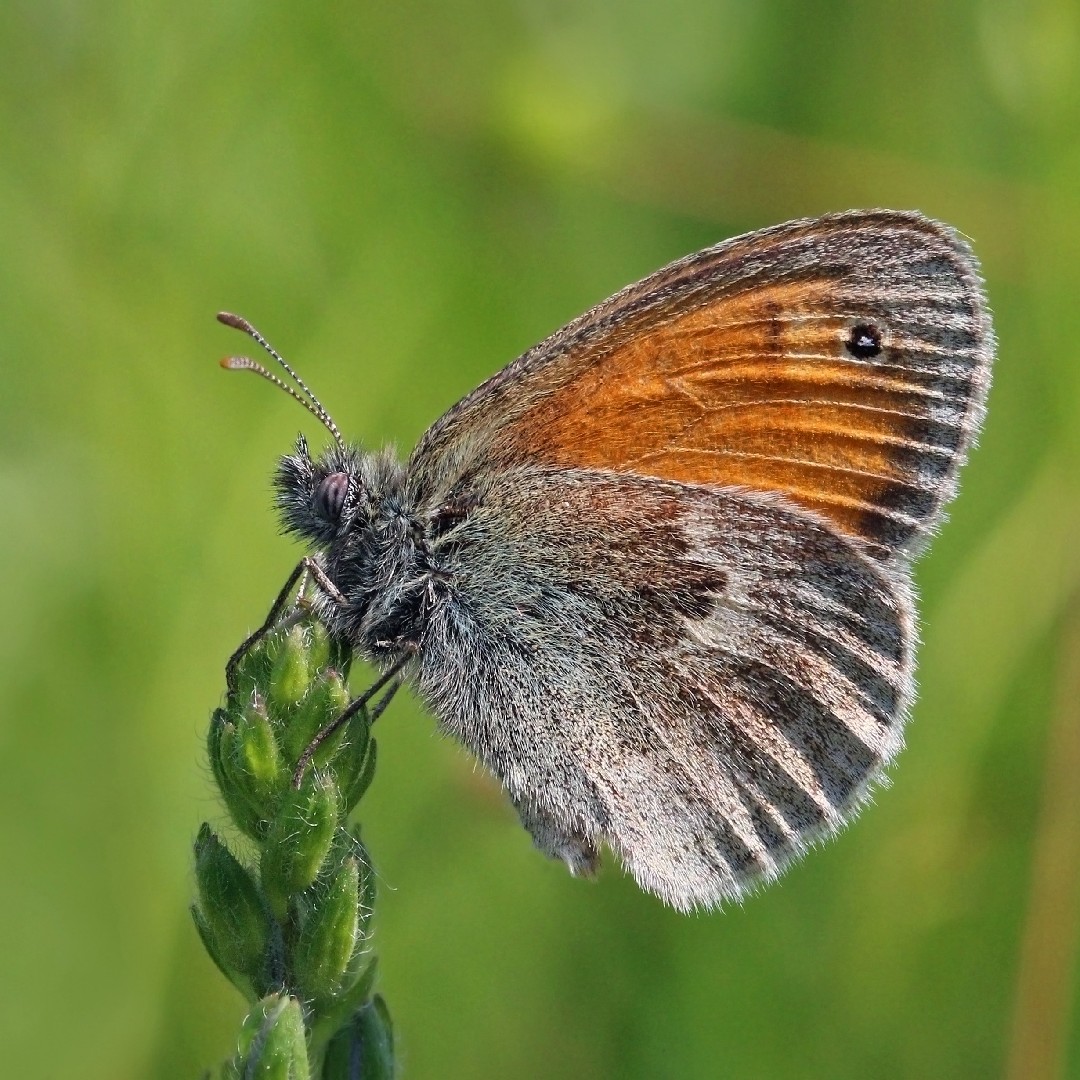
3. Small heath
It rests with closed wings when not in flight. 
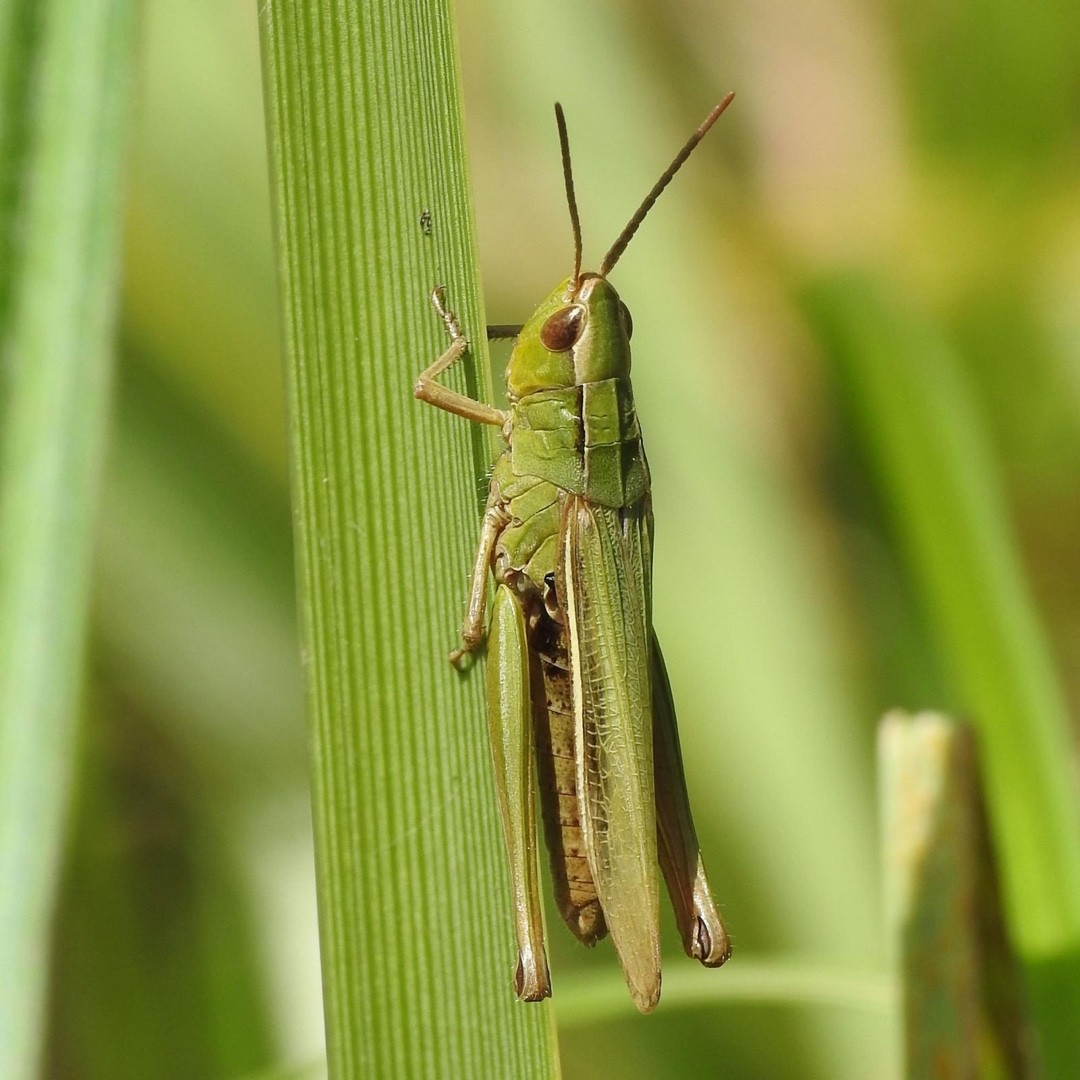
4. Meadow grasshopper
The meadow grasshopper (Pseudochorthippus parallelus) is a grasshopper that enjoys its fair share of green. Regardless of their love of green, this insect has some major color variance that includes green, pink, purple, red, and brown. They are also known to cross-fertilize with other similar insects.
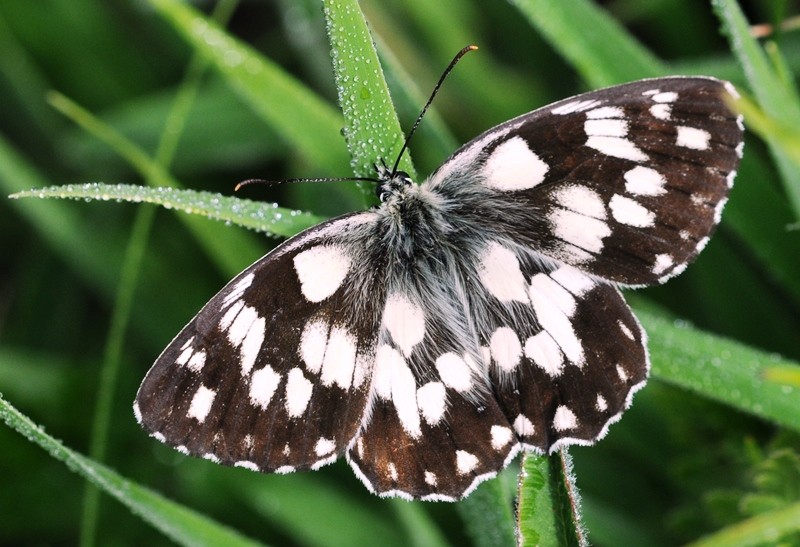
5. Marbled white
Melanargia galathea has a wingspan of 1.8–2.2 in. In these medium-sized butterflies the upper side of the wings is decorated with white and gray-black or dark brown markings, but it is always gray-black or dark brown checkered in the basal and distal areas. The underside is similar to the upper side but the drawings is light gray or light brown. On the underside of the hindwings is present a row of gray eye spots. The males and the females are quite similar, except that some females may have a yellowish nuance on the underside of the wings. The larvae are a lime-green colour, with a dark green line running down the middle of their back. The caterpillars are about 3 cm long. They are green or yellow with some lighter and darker narrow longitudinal lines. The head is always light brown.
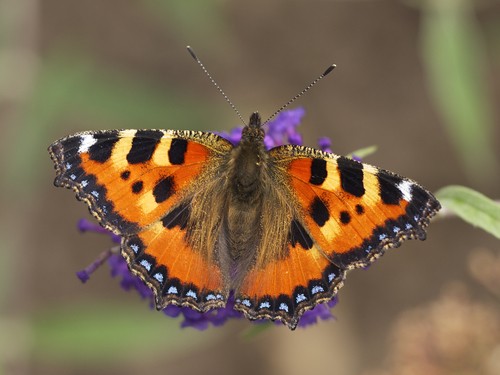
6. Small tortoiseshell
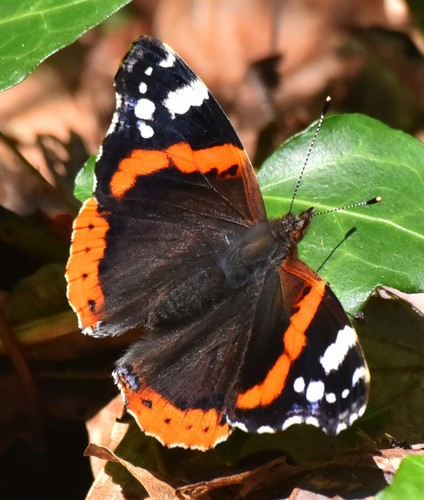
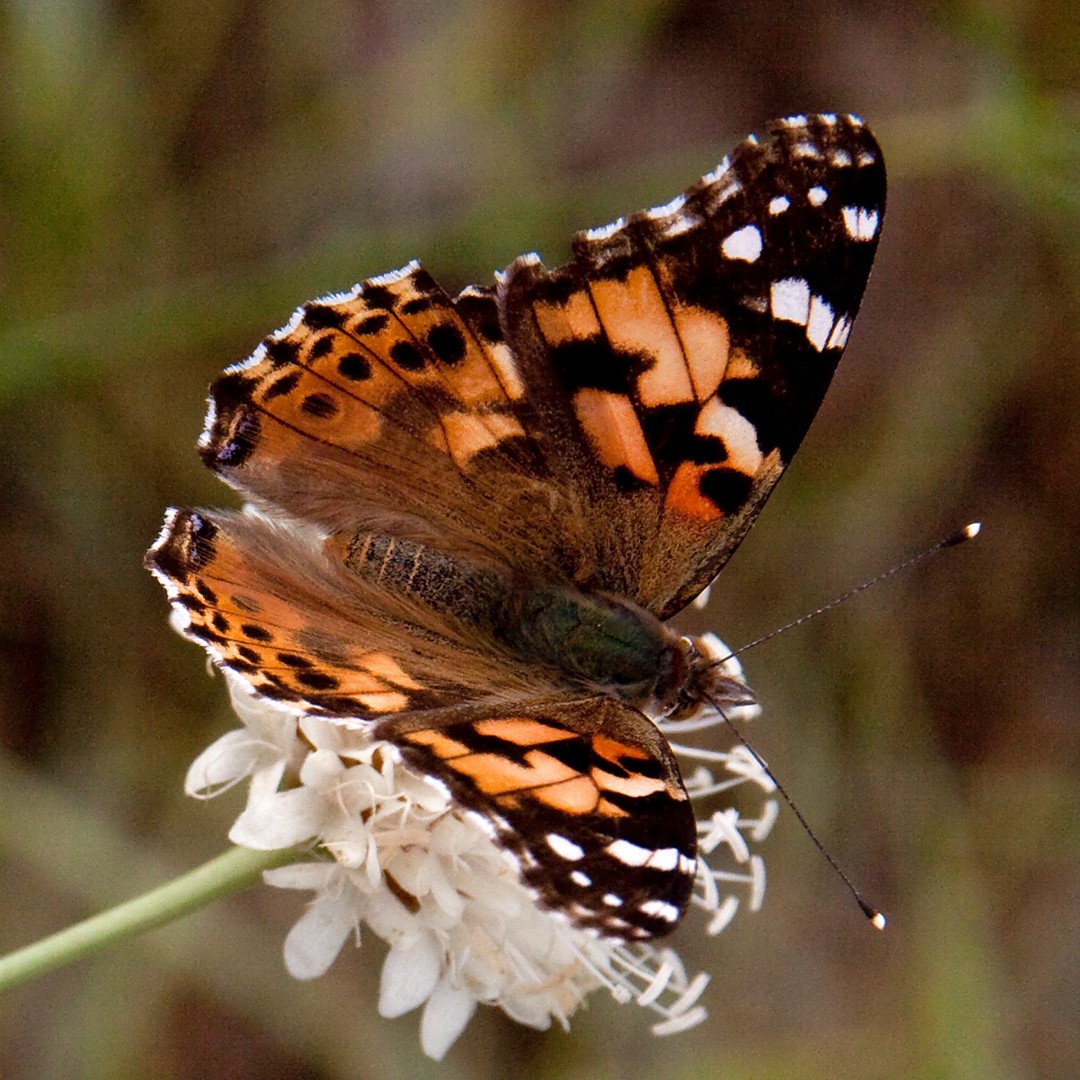
Small and colorful, small tortoiseshell (Aglais urticae) is the national butterfly of Denmark. However, it is capable of surviving anywhere the common nettle leaf may be found, which the larvae of this species depend on. Once among the most common butterflies in Europe and temperate Asia, this species is experiencing rapid declines for reasons still being investigated.
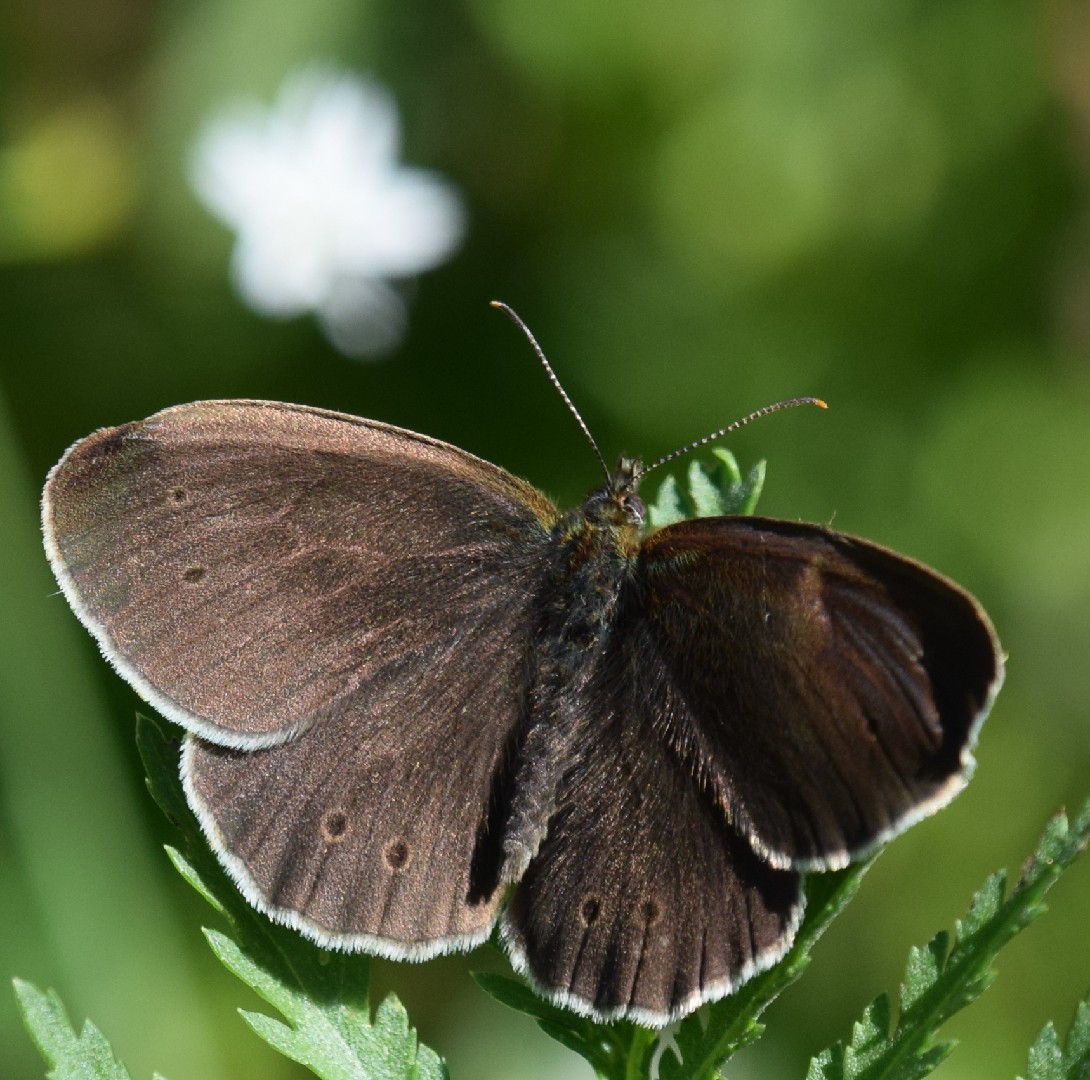
7. Ringlet
Aphantopus hyperantus is a medium-sized butterfly with a wingspan of up to 3.5 - 4 cm . The wing upper and lower sides are solid brown with small, yellowish-rimmed eyespots. The newly emerged ringlet has a velvety appearance and is almost black with a white fringe to the wings. The number and size of the eyespots is variable, they may be missing on the upper wing surface. The eggs are pale yellow when first laid, but become pale brown.The caterpillars are about 2.5 cm long. They are gray or light reddish brown and have dark, reddish brown and very fine dots. Dorsally there is a dark longitudinal line, which is widened at the segment boundaries. Toward the rear, this line is more intensely colored. The head is darker and has several faint longitudinal stripes.
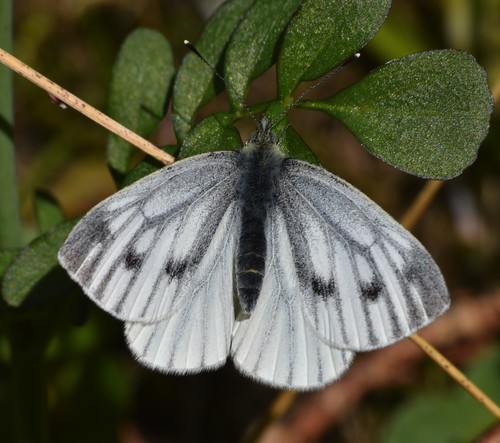
8. Green-veined white
Green-veined white (Pieris napi) is a distinctively white-winged butterfly that lays its eggs in a variety of food plants. This species displays observable differences dependent on sex: males possess only one dark spot on each forewing, whereas females display two. Unlike several of its cousin species, green-veined white prefers not to lay eggs in garden cabbages, rendering it less of a pest to farmers.
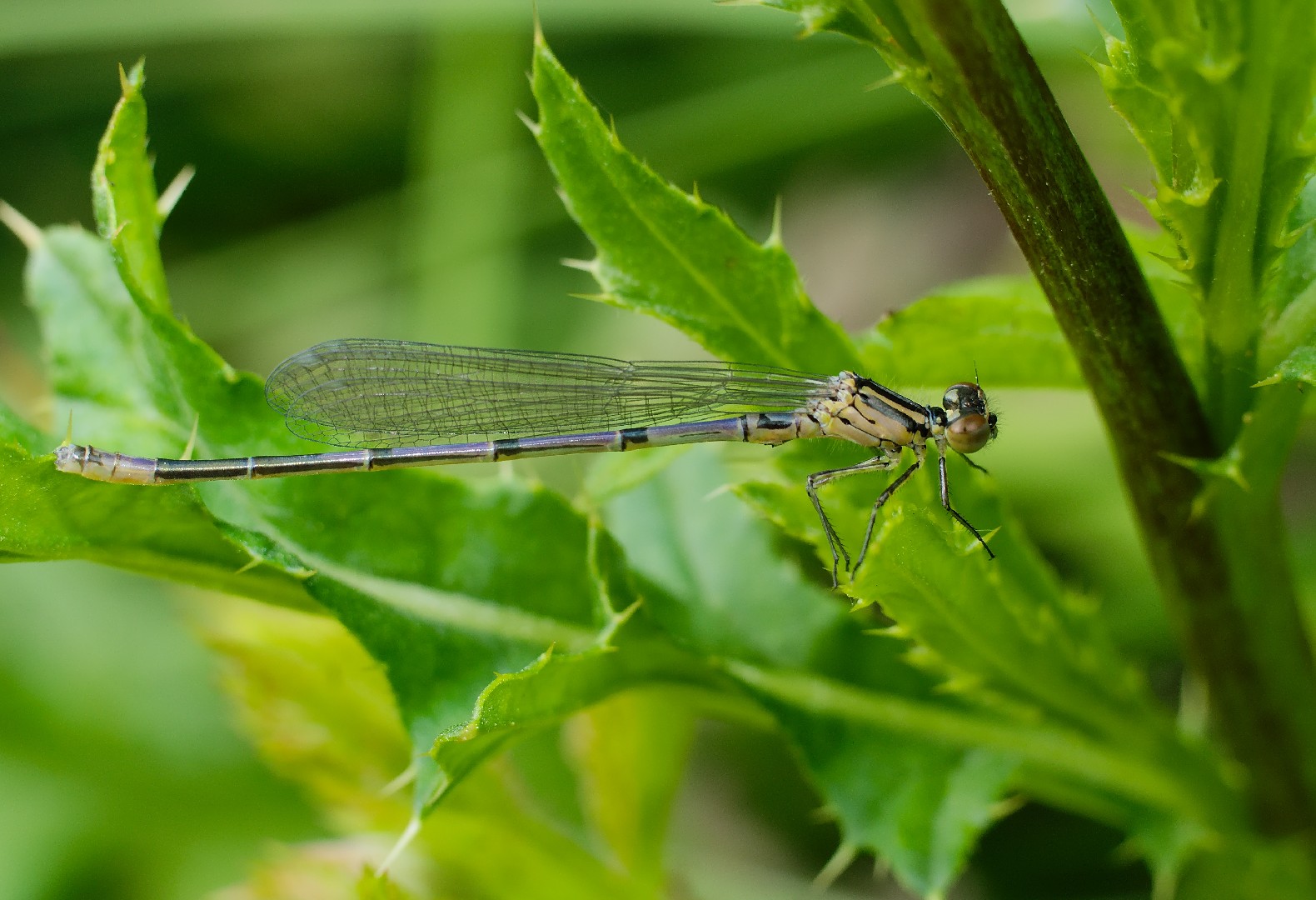
9. Azure damselfly
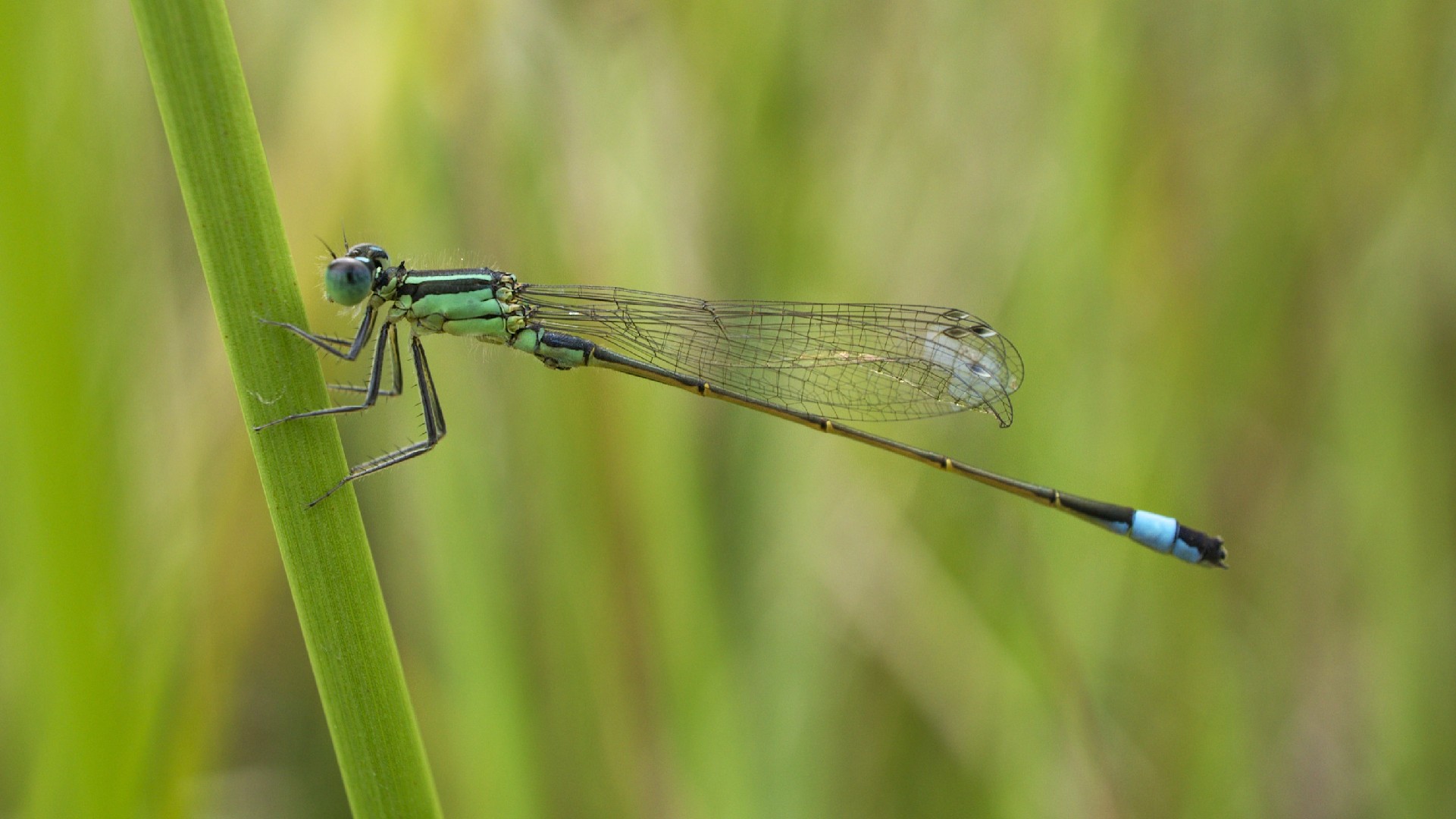
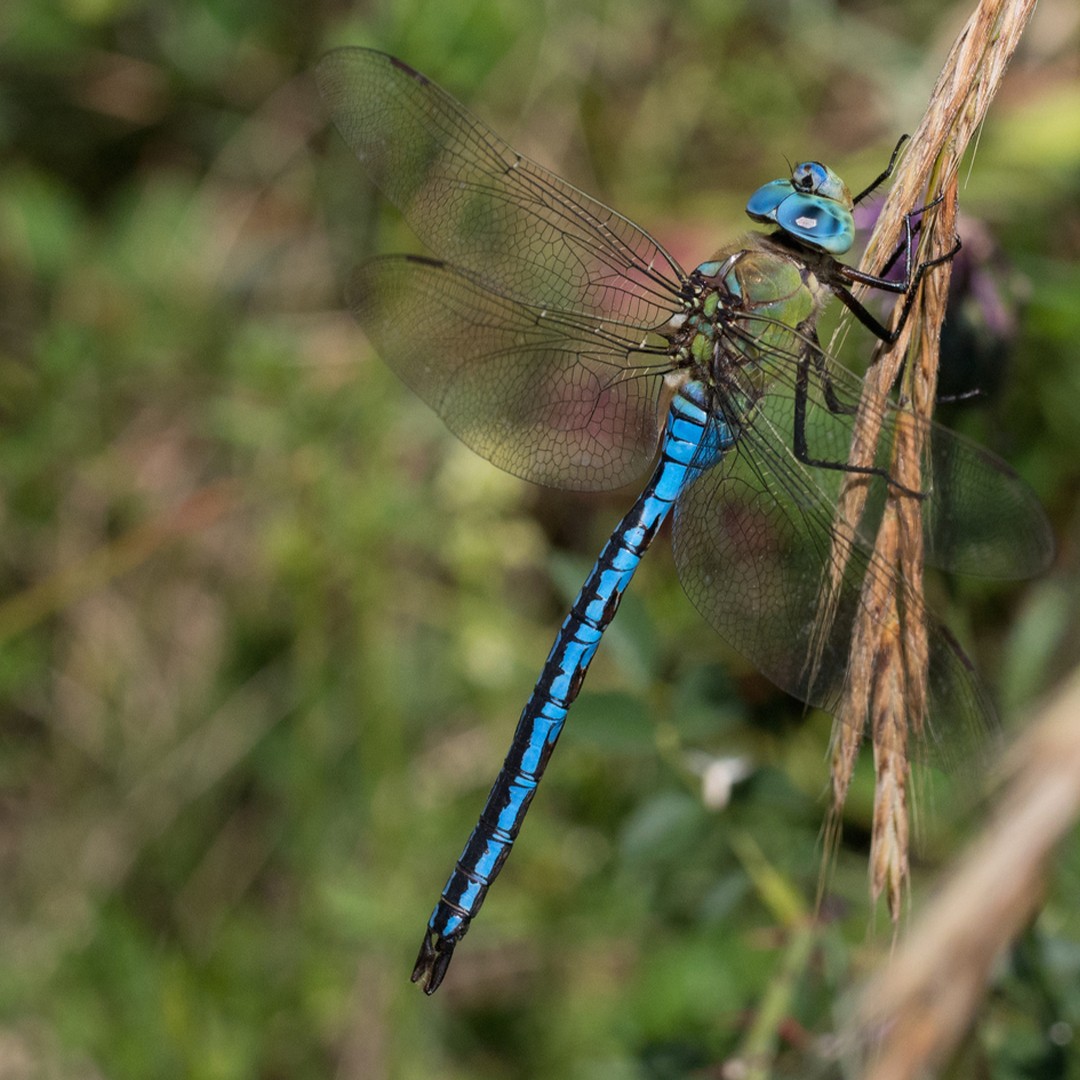
The azure damselfly (Coenagrion puella) is a species of damselfly found in most of Europe. It is notable for its distinctive black and blue colouring. They are commonly found around ponds and lakesides during the summer.
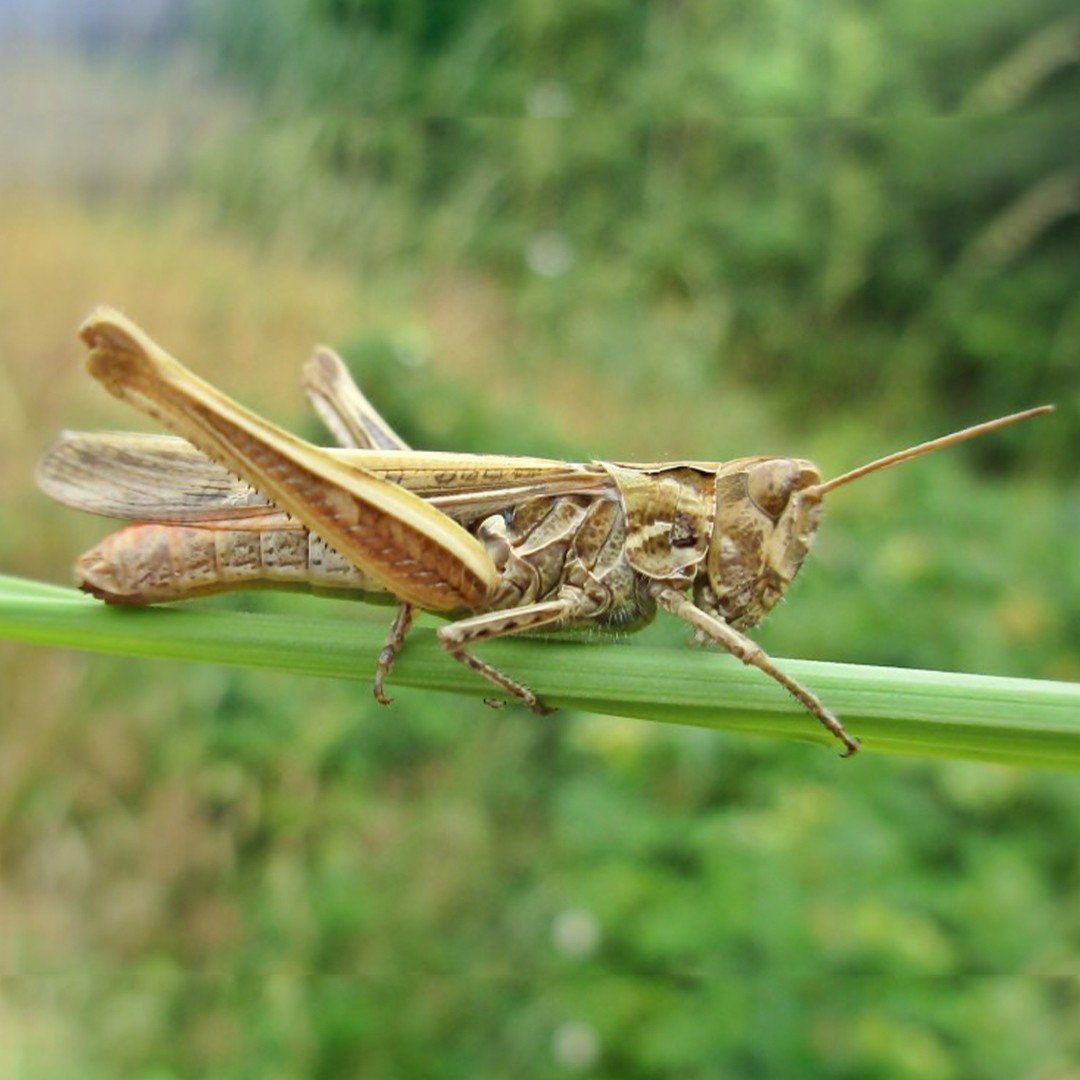
10. Bow-Winged Grasshopper
Chorthippus biguttulus, the bow-winged grasshopper, is one of the most common species of grasshopper found in the dry grassland of northern and central Europe. It is part of a group of species (biguttulus-group) that are very difficult to identify morphologically. Chorthippus biguttulus was previously classified (with C. brunneus and C. mollis) as a single species Stauroderus variabilis. The three species were distinguished using song characteristics.
More