




Top 20 Most Common Insects in Nyon
Insects are the most diverse group of animals in the world with distinct physical features, adapted to various habitats, even within Nyon. Different geographies influence insect diversity uniquely. These tiny creators hold immense importance in our ecosystem, acting as both pests and beneficial insects. Our 'Top 20 most common insects in Nyon' allows you to discover the link between our environments and these fascinating creatures.

Most Common Insects
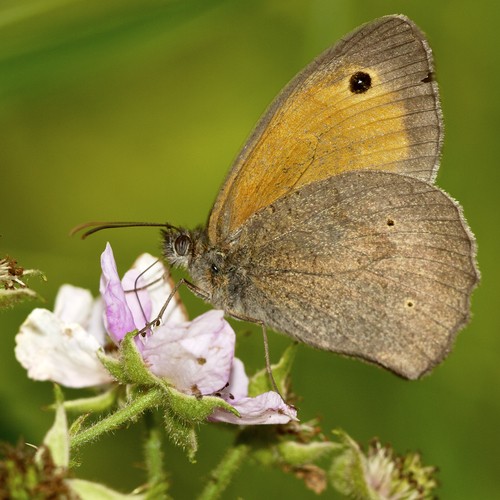
1. Meadow brown
The meadow brown (Maniola jurtina) is similar to the Gatekeeper in the way that it rests with its wings open due to the "eye spots" on either end of its wings that ward off predators. While the color is a deep brown, the caterpillar form is a beautiful bright green with little, white hairs and a dark line leading down its back.
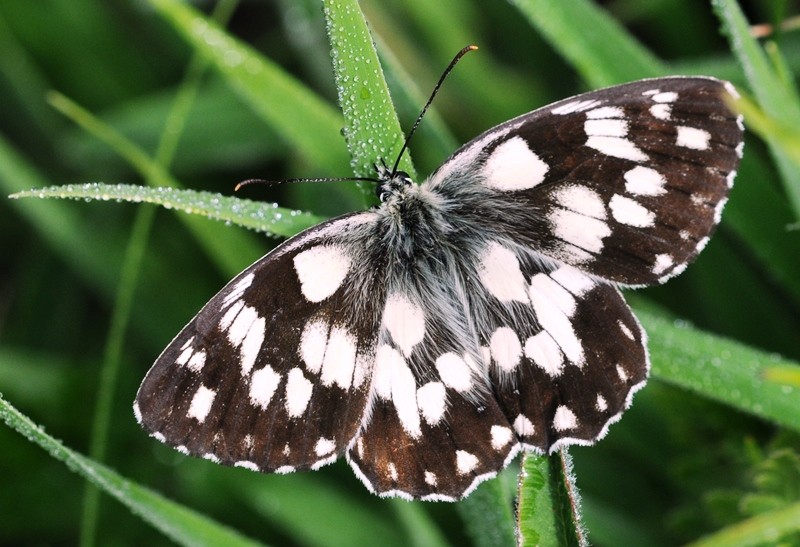
2. Marbled white
Melanargia galathea has a wingspan of 1.8–2.2 in. In these medium-sized butterflies the upper side of the wings is decorated with white and gray-black or dark brown markings, but it is always gray-black or dark brown checkered in the basal and distal areas. The underside is similar to the upper side but the drawings is light gray or light brown. On the underside of the hindwings is present a row of gray eye spots. The males and the females are quite similar, except that some females may have a yellowish nuance on the underside of the wings. The larvae are a lime-green colour, with a dark green line running down the middle of their back. The caterpillars are about 3 cm long. They are green or yellow with some lighter and darker narrow longitudinal lines. The head is always light brown. 
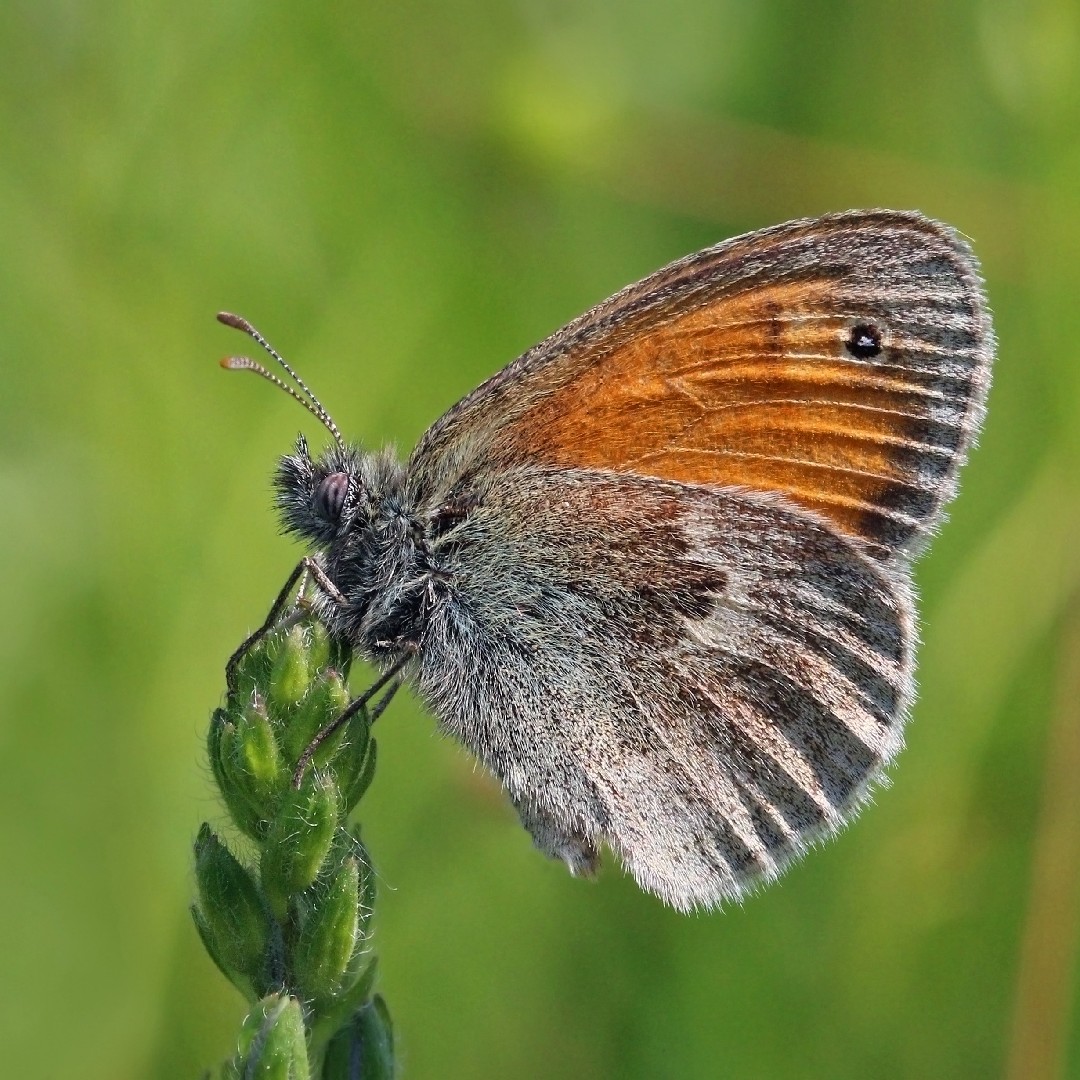
3. Small heath
It rests with closed wings when not in flight.
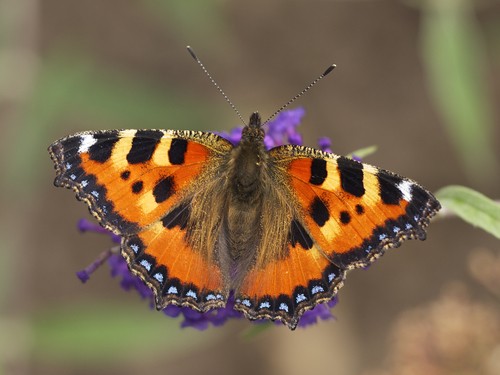
4. Small tortoiseshell
Small and colorful, small tortoiseshell (Aglais urticae) is the national butterfly of Denmark. However, it is capable of surviving anywhere the common nettle leaf may be found, which the larvae of this species depend on. Once among the most common butterflies in Europe and temperate Asia, this species is experiencing rapid declines for reasons still being investigated.
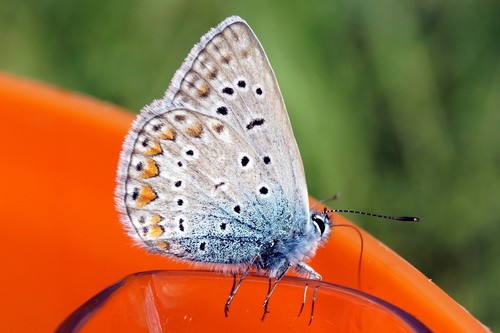
5. Common blue butterfly
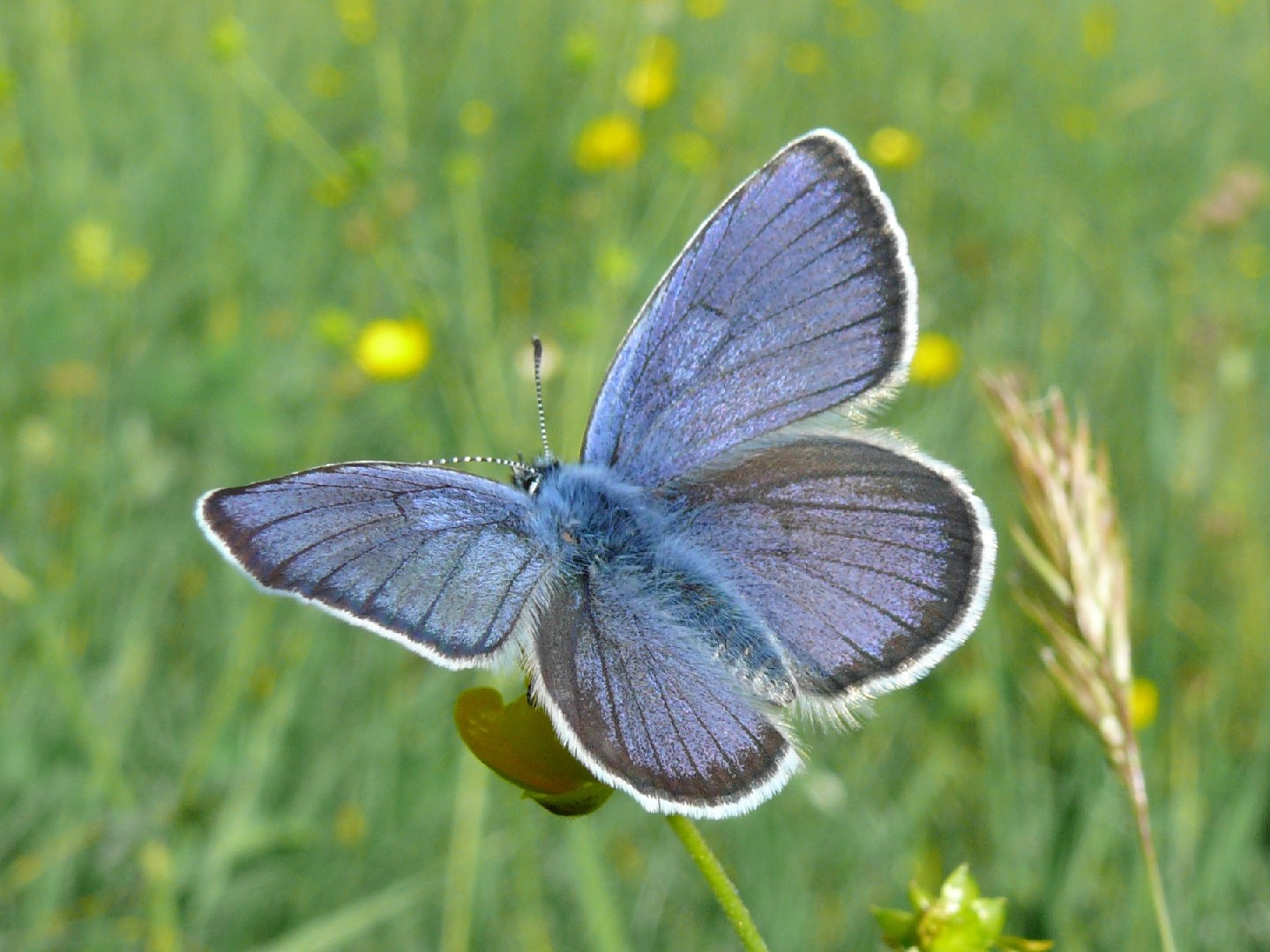
Despite its common name, only male specimens of common blue butterfly (Polyommatus icarus) can accurately be described as blue; the females are predominately gray-brown, with only a dusting of blue and a scattering of orange spots. The adults live for only three weeks before dying.
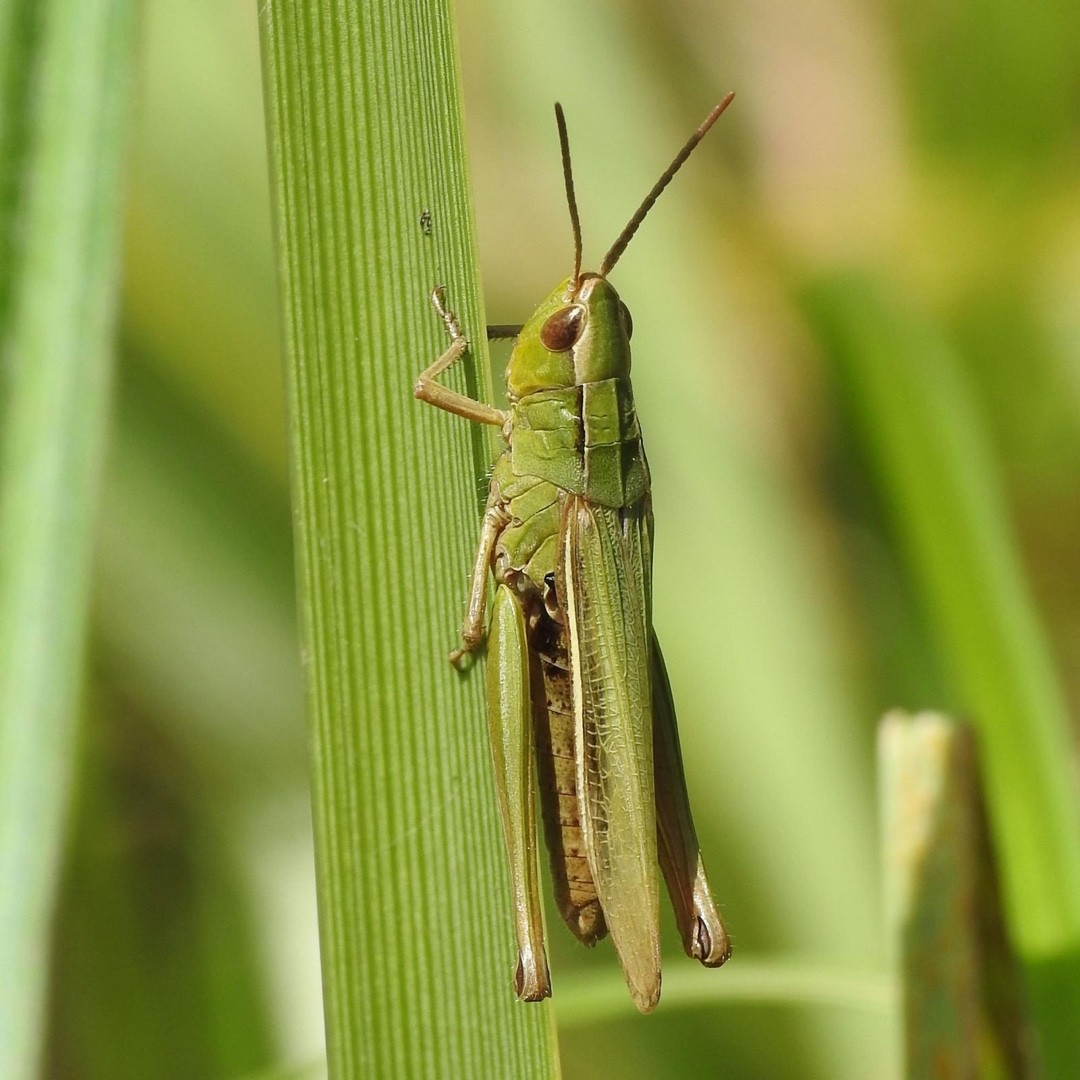
6. Meadow grasshopper
The meadow grasshopper (Pseudochorthippus parallelus) is a grasshopper that enjoys its fair share of green. Regardless of their love of green, this insect has some major color variance that includes green, pink, purple, red, and brown. They are also known to cross-fertilize with other similar insects.
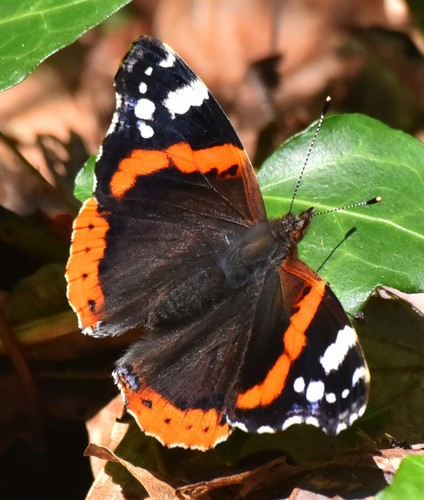
7. Red admiral
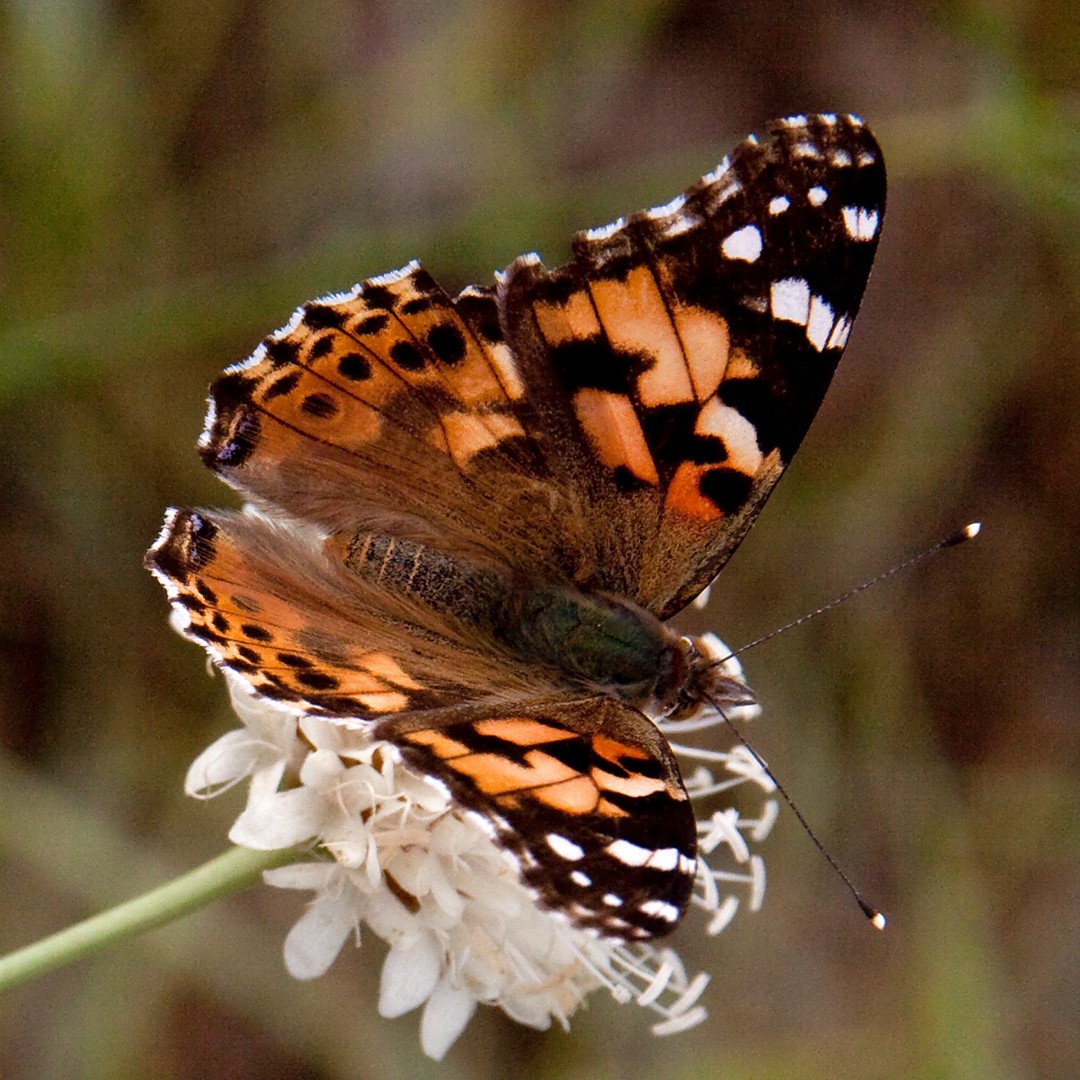
Red admiral (Vanessa atalanta) is a visually striking species of butterfly. Unusually territorial, males will compete for choice areas, and females will only mate with males that maintain their own territories. This butterfly is known for being particularly patient with human interactions, even to the point of perching on clothing or flesh.
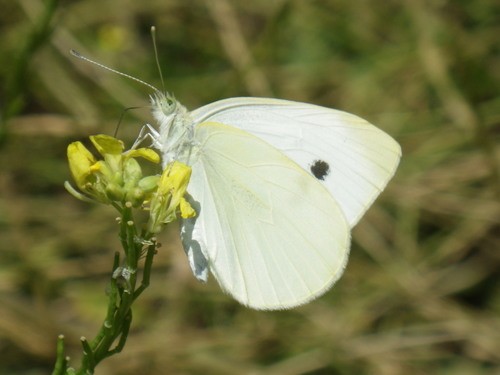
8. Cabbage white
Cabbage white (Pieris rapae) derives its common name from its habits as a caterpillar, which is a ferocious pest for cabbage, kale and broccoli farmers. In North America, it is one of the first butterflies to emerge in spring, heralding the beginning of the season.

9. Chalkhill blue
Lysandra coridon has a wingspan of 30–36 millimetres (1.2–1.4 in). These small butterflies present a sexual dimorphism. The males having pale silvery-blue upperside of the wings with a submarginal line of grey spots on the hindwings and a thin brown and white chequered fringe. Females have dark brown upperside of wings, with marginal orange spots and also with chequered fringes. The underside of the wings show a light ochre colouration, several dark spots surrounded by white, a submarginal line of black marks, a series of marginal orange spots on the hindwings and a blue dusting near the body. As with many blue butterflies, separation from similar species in the field is on the underside markings. Aberrations are common.
10. Azure damselfly
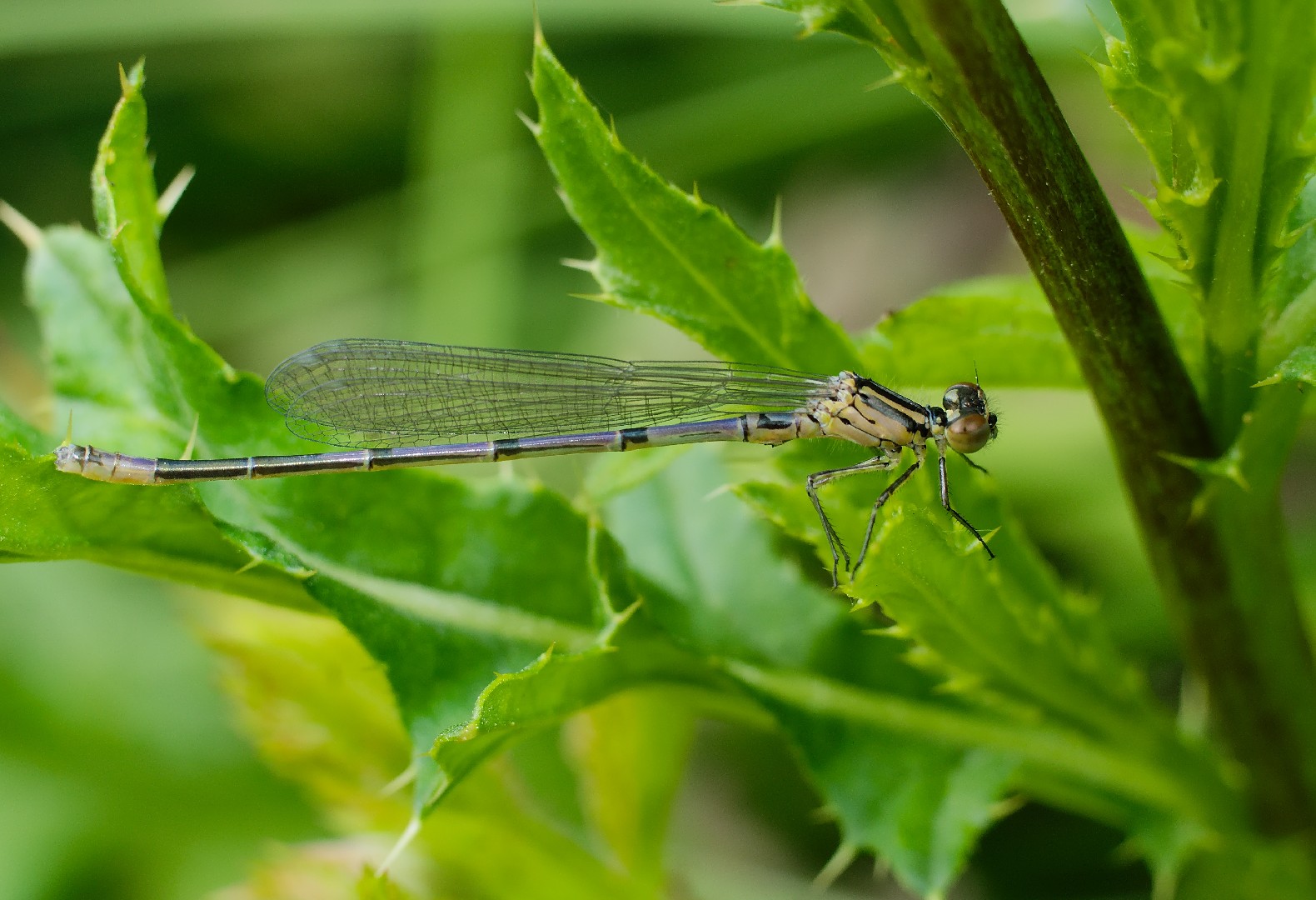
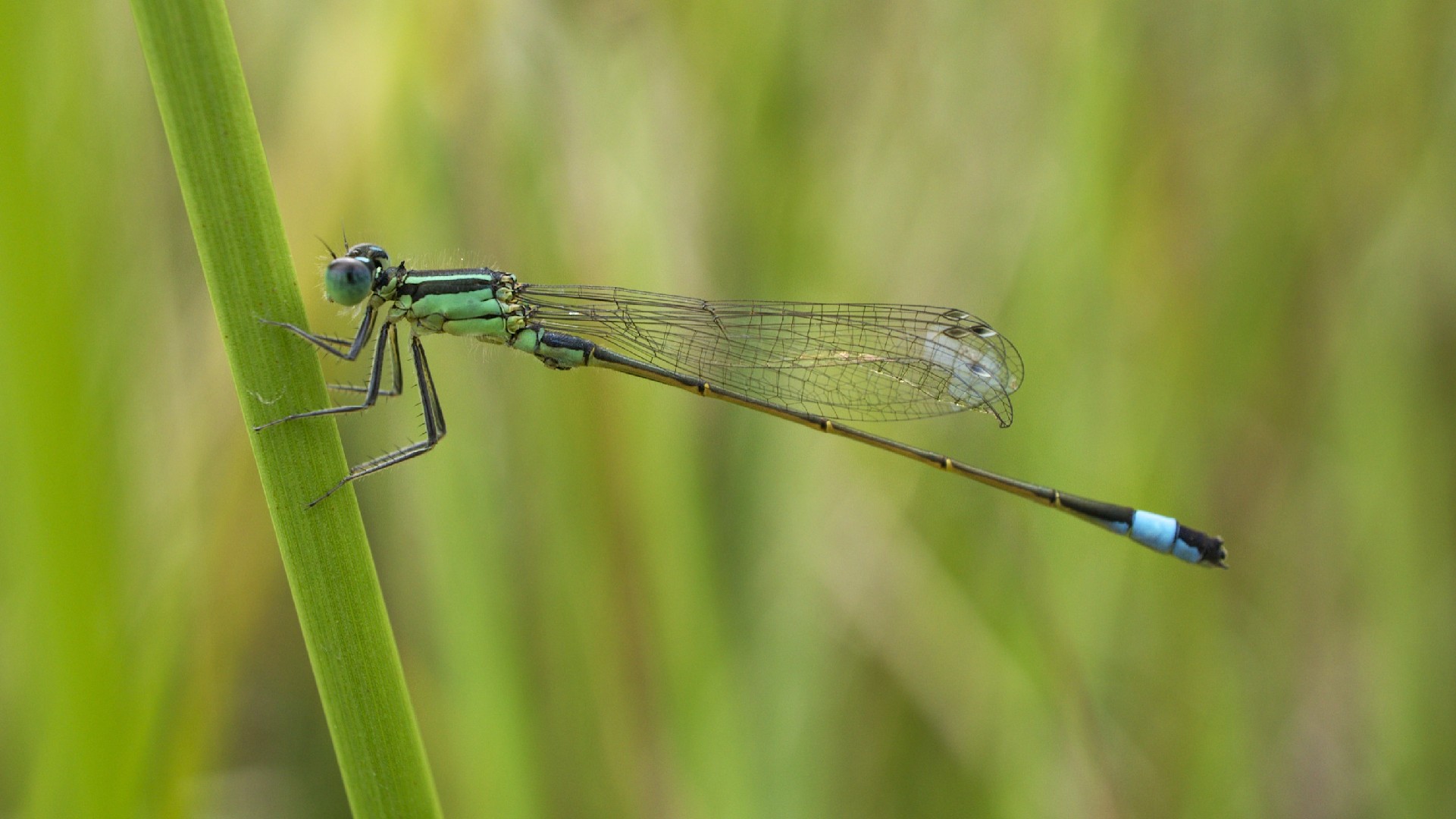
The azure damselfly (Coenagrion puella) is a species of damselfly found in most of Europe. It is notable for its distinctive black and blue colouring. They are commonly found around ponds and lakesides during the summer.
More







