




Top 20 Most Common Insects in Hualien
Insects, richly diverse with fascinating features, are an integral part of the ecosystem in Hualien, their diversity shaped by the region's varying geographical landscapes. They play multifaceted roles, providing invaluable ecological services while some may also pose challenges as pests. Stay with us as we explore the top 20 most common insects in Hualien, and uncover the environmental correlations that shape their existence.

Most Common Insects
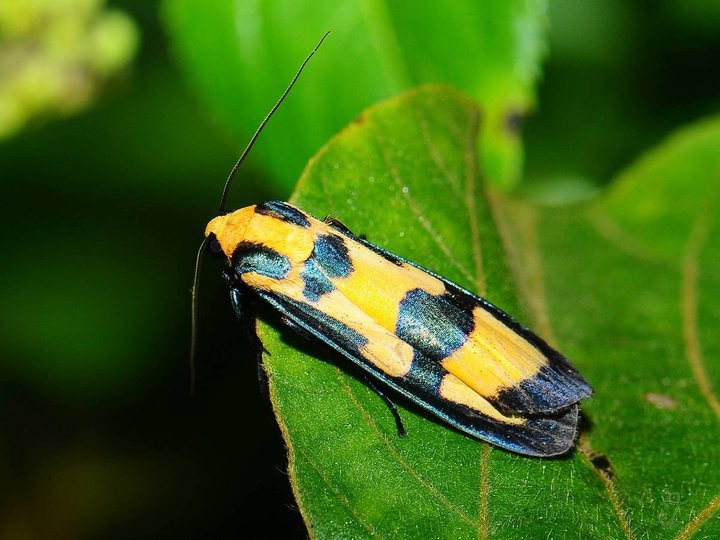
1. Chrysaeglia magnifica
Chrysaeglia magnifica is a Chrysaeglia magnifica butterfly from the spider Chrysaeglia magnifica family (Erebidae). The scientific name of the species was first validly published in 1862 by Walker.
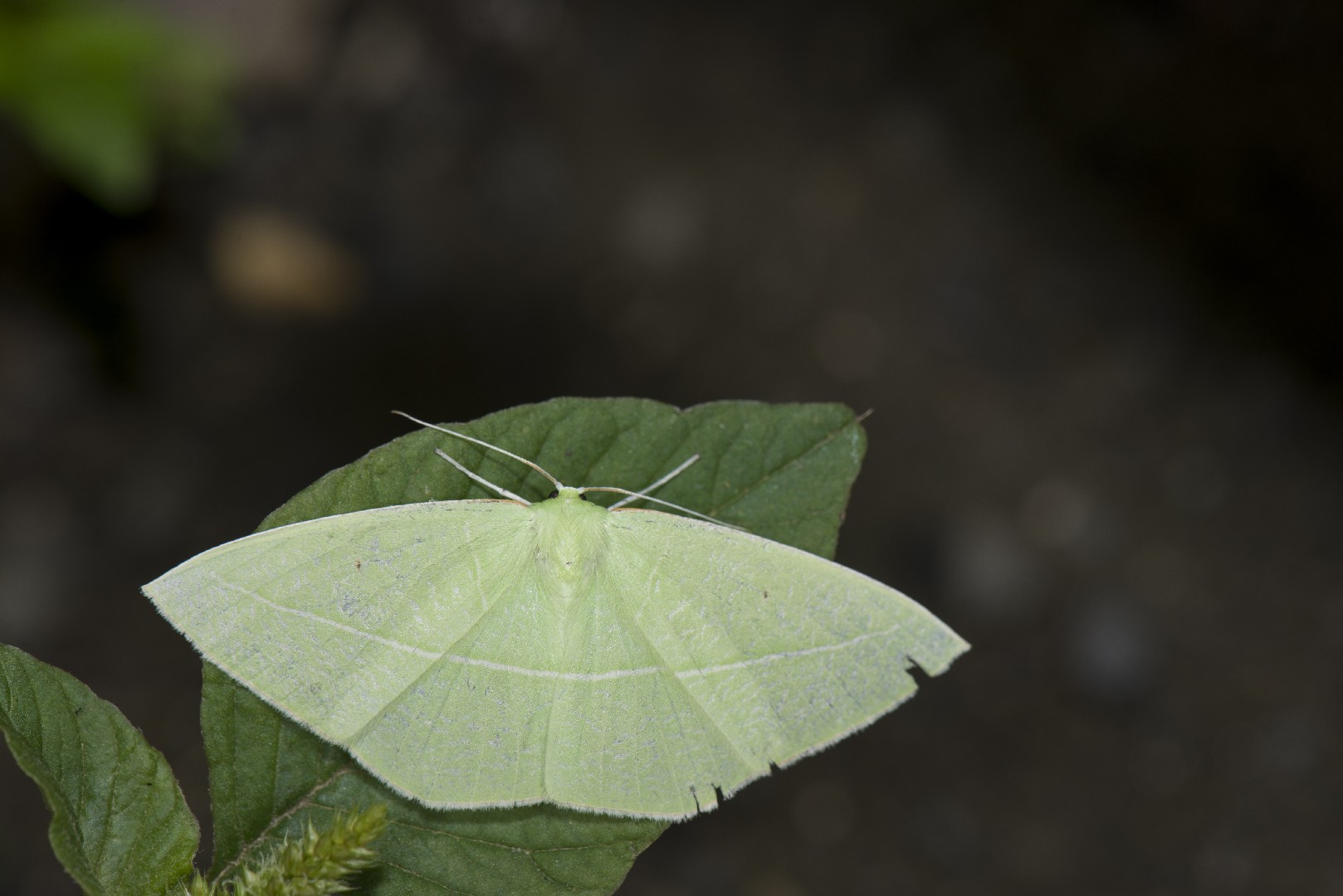
2. Tanaoctenia haliaria
Tanaoctenia haliaria is a species of moth of the family Geometridae first described by Francis Walker in 1861. It is found in Taiwan, Nepal, China (Xizang), north-eastern India and Myanmar. The wingspan is 31–45 mm. 
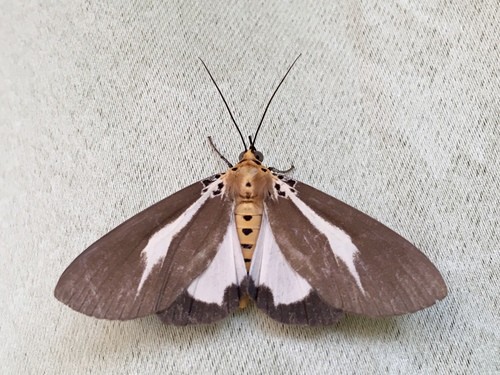
3. Asota heliconia
The wingspan is 5 cm.
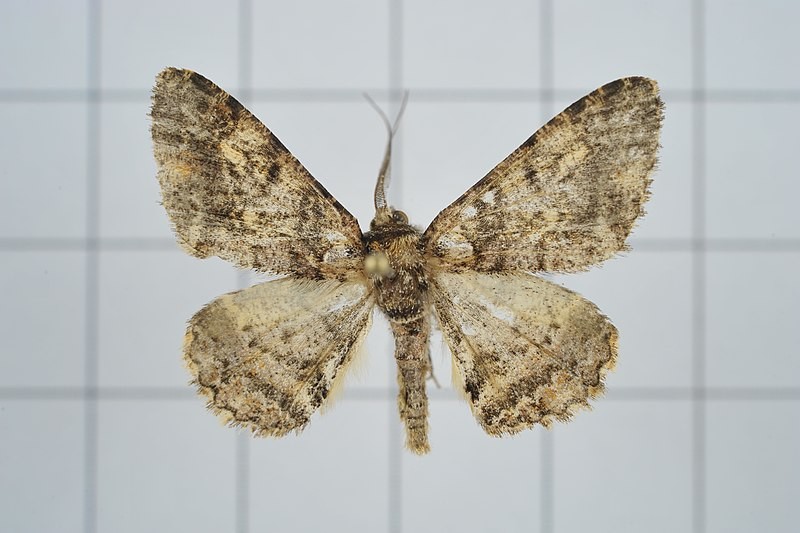
4. Alcis taiwanovariegata
Alcis taiwanovariegata is a moth of the family Geometridae. It is found in Taiwan.
5. Black inch worm
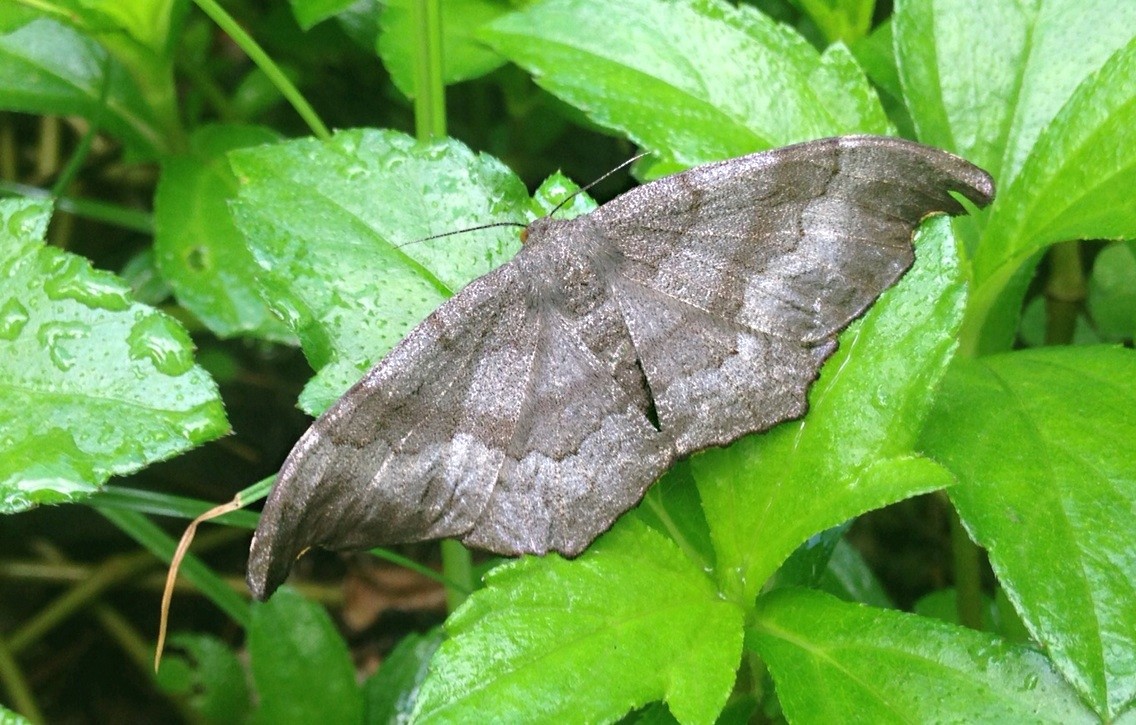
The wingspan is about 3 cm. Female with outer margin of hindwings hardly crenulate. Male with outer margin of neither wing excised. Antennae pectinated. Hindwings with outer margin angled at vein 4. Body dark olive fuscous, more or less irrorated and suffused with grey. Both wings faint traces of medial and crenulate postmedial lines. The cilia dark. Forewings with traces of antemedial line and more or less distinct sub-apical patch in male. Underside with crenulate postmedial line to both wings. Larva is a looper, with body pinkish olive green, irrorated with black, and with dark patches on 4th and 6th somites. Later instars are uniform brown.
6. Macrobrochis gigas
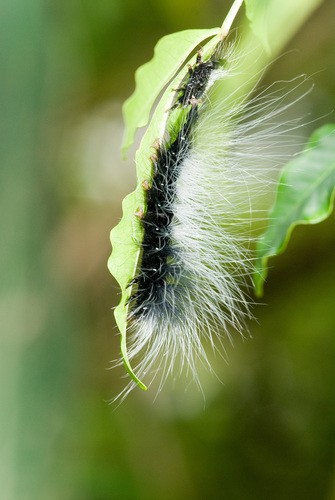
Macrobrochis gigas is a Macrobrochis gigas butterfly from the spider Macrobrochis gigas family (Erebidae). The scientific name of the species was first validly published in 1854 by Walker.
7. Yellow tail tussock moth
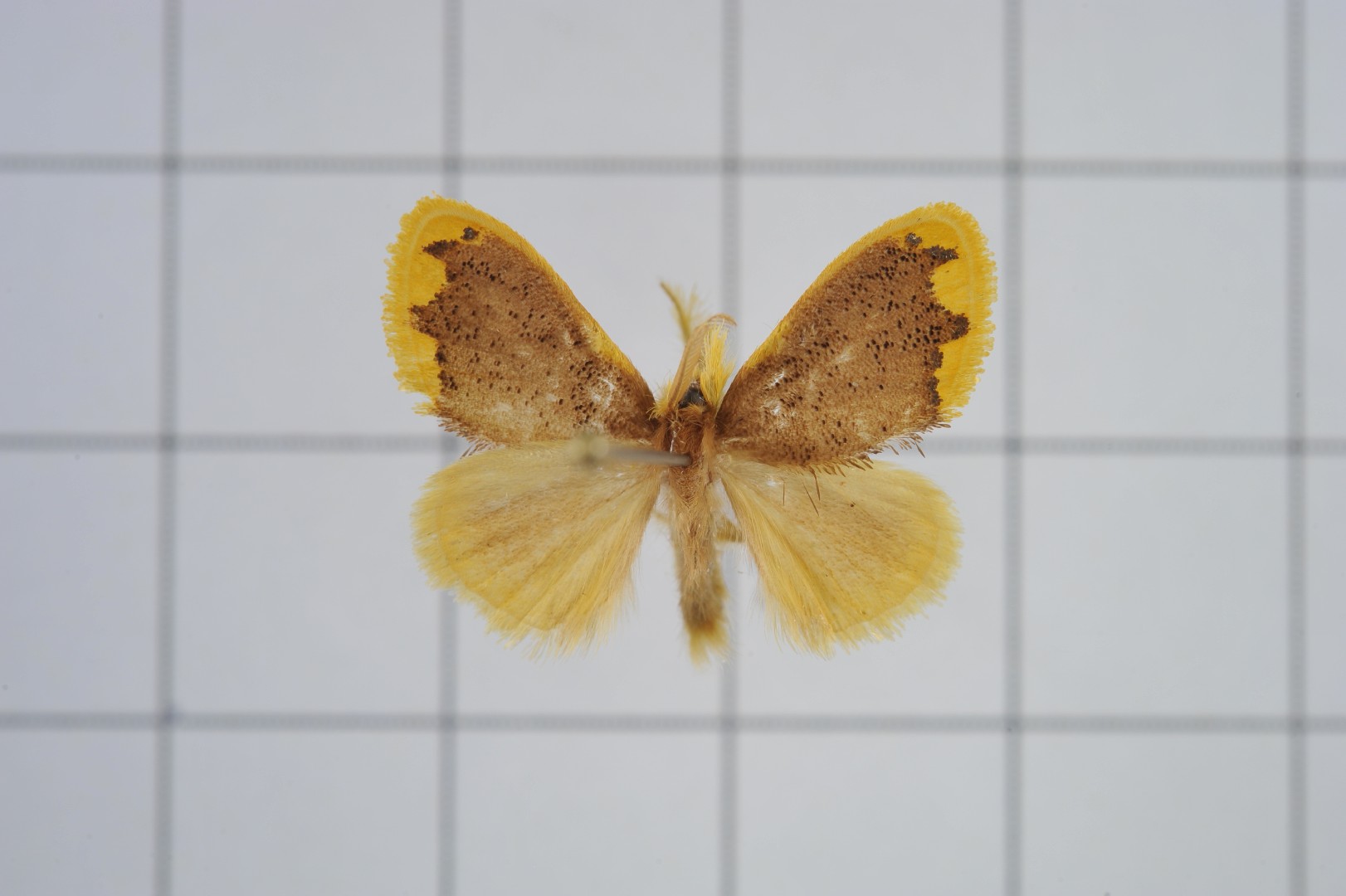
Head yellow. Thorax brownish. Abdomen black or yellow with orange anal tuft. Forewing vinous brown, irrorated (sprinkled) with dark scales, which colour extends as two spurs across the yellow marginal area below the apex and to center of margin, but sometimes not reaching the margin. Costa often yellowish. Hindwings yellow, or in some specimens fuscous brown with a broad yellow margin. Larva dark brown with a series of crimson lateral tubercles on a yellow line bearing tufts of grey hair. The third somite banded with yellow. Dorsal tufts of short brown hair on fourth, fifth and eleventh somites. Fifth to tenth somites with a broad, dorsal yellow stripe. There is a yellow spot on the anal somite.
8. Krananda semihyalina
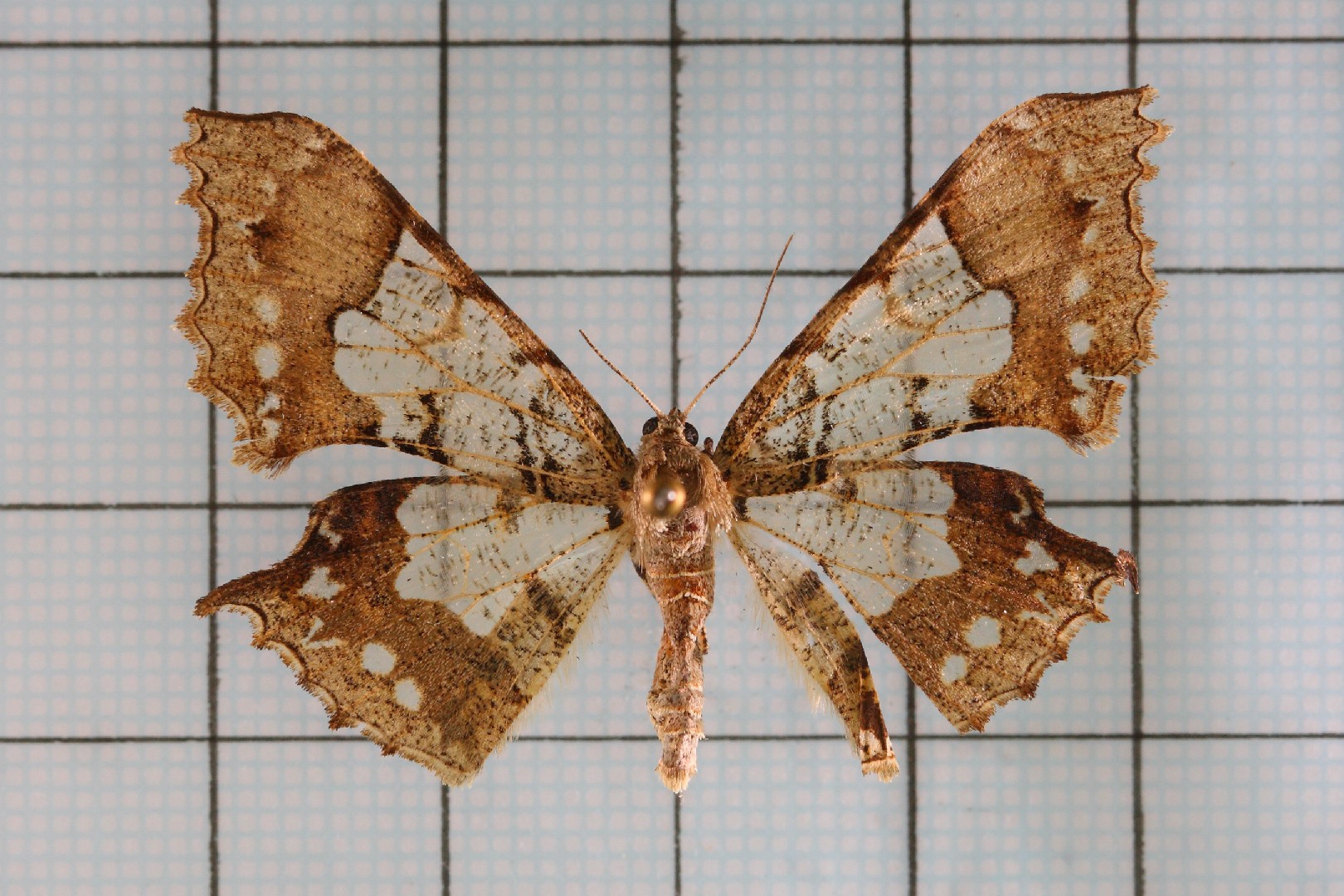
The wingspan is 4 - 4.5 cm.
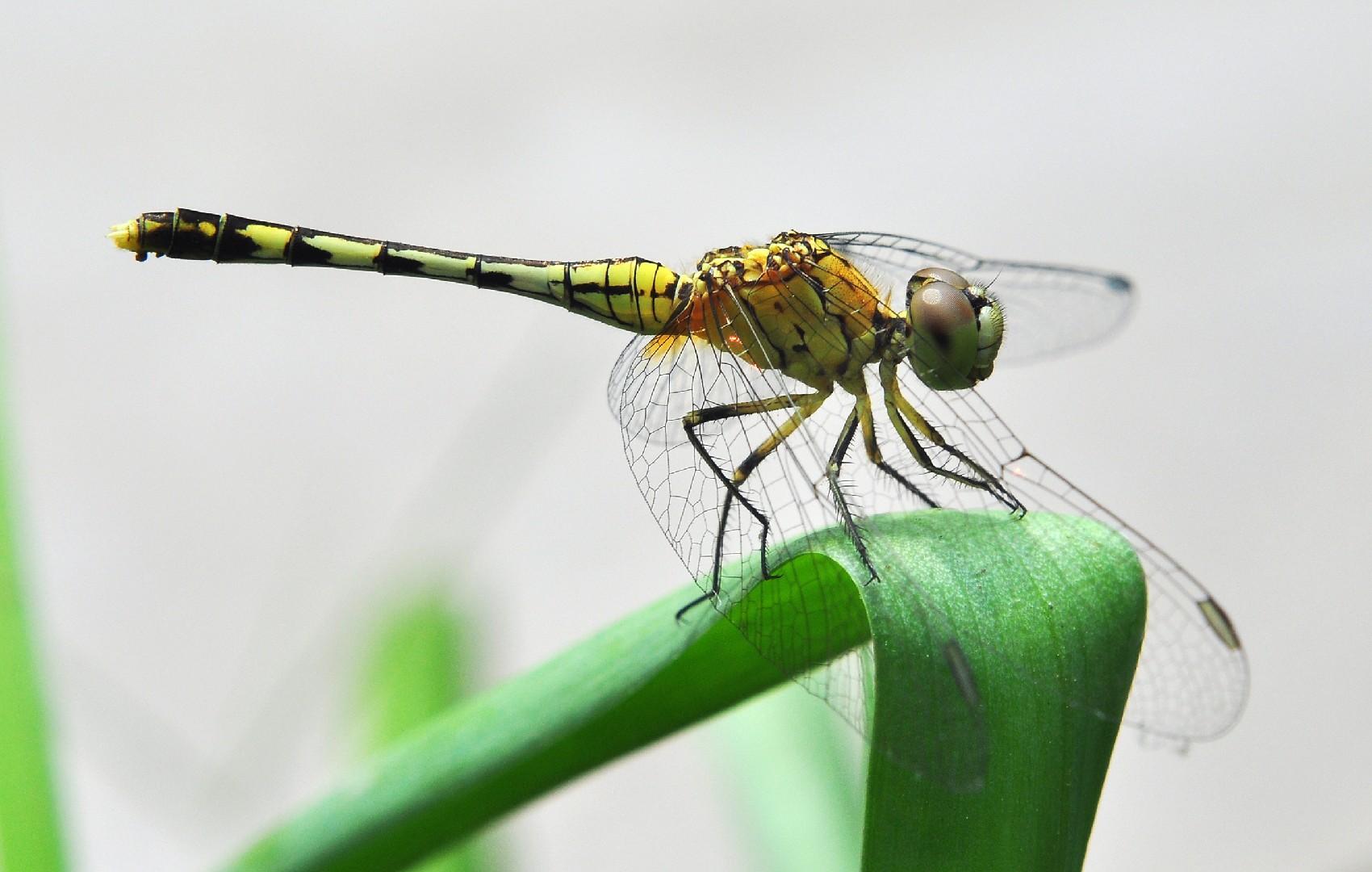
9. Chalky percher
Diplacodes trivialis is small dragonfly with bluish eyes and greenish-yellow or olivaceous thorax and abdomen with black marks. In very old adults, the whole thorax and abdomen become uniform pruinosed blue. Clear wings, without apical or basal markings, and the creamy white anal appendages and deep pruinescence in adults help to distinguish this species from others in its genus.
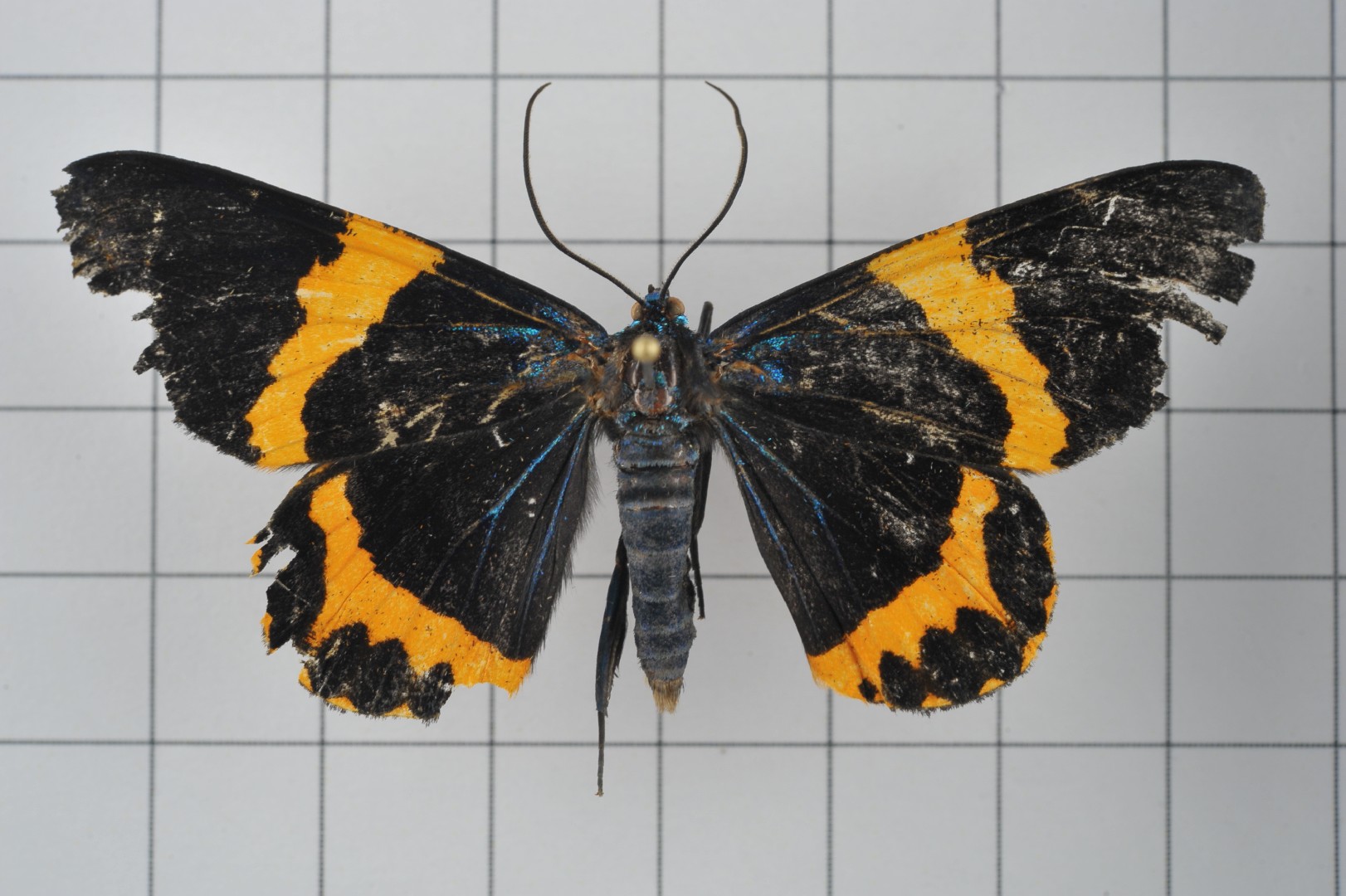
10. Milionia basalis
Milionia basalis is a moth of the family Geometridae first described by Francis Walker in 1854. It is found in Japan, the north-eastern parts of the Himalayas, Myanmar and Sundaland. The wingspan is 50–56 mm. The larvae feed on Dacrydium and Podocarpus species. The adult is day flying. It feed on the nectar flowers of Leptospermum flavescens in the mountains of Peninsular Malaysia.


More







