




Top 20 Most Common Insects in Taipei
Insects, with their unique features and diverse habitats, are a crucial part of the ecosystem in Taipei. Varying geographical landscapes in Taipei contribute to its vast array of insect diversity. These creatures, both pests and beneficial, significantly shape our environment. So, join us as we explore the top 20 common insects in Taipei, discovering their roles within our fascinating ecosystem.

Most Common Insects
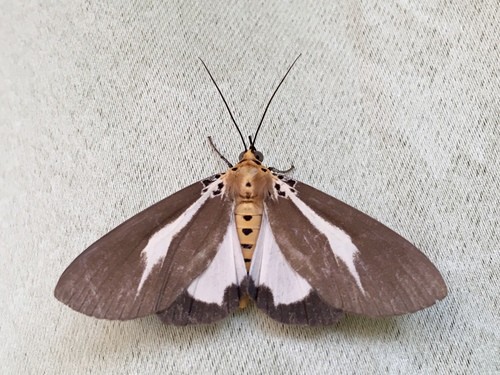
1. Asota heliconia
The wingspan is 5 cm. 
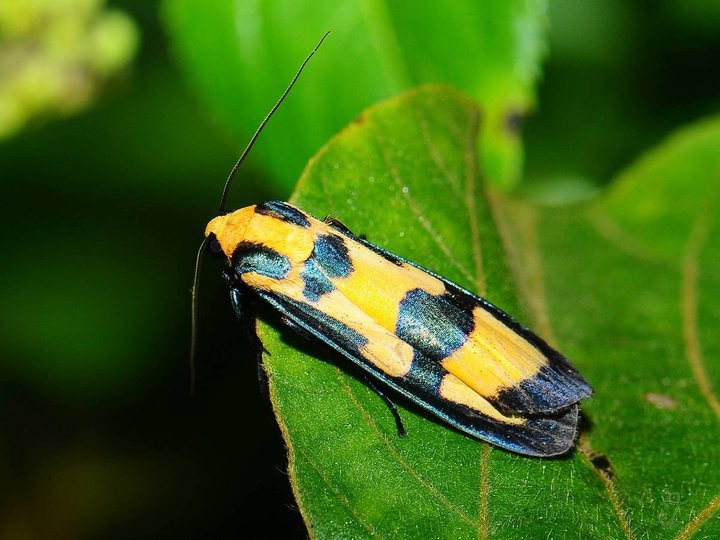
2. Chrysaeglia magnifica
Chrysaeglia magnifica is a Chrysaeglia magnifica butterfly from the spider Chrysaeglia magnifica family (Erebidae). The scientific name of the species was first validly published in 1862 by Walker.
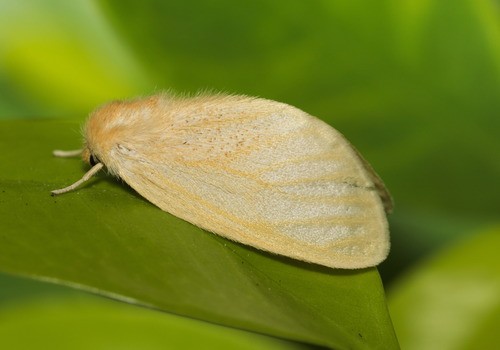
3. Clearwing tussock moth
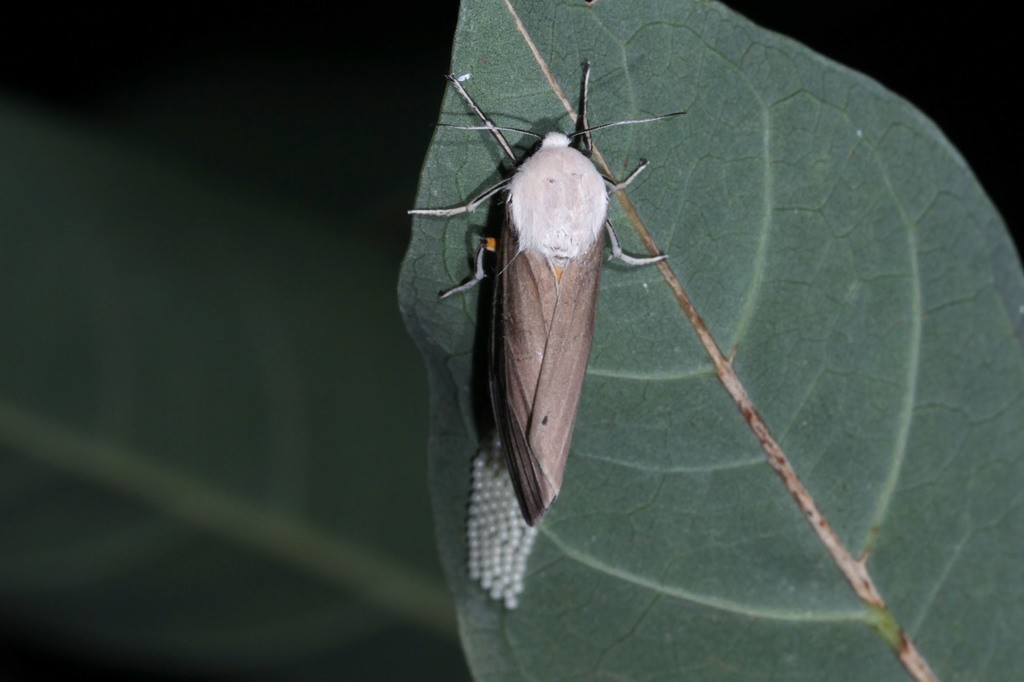
The clearwing tussock moth (Perina nuda) is a minor pest to mangoes and some species of ficus. As a larva, it has a white body with a dark stripe and blue spots on its back. As an adult, the males and females can be easily distinguished from each other because the males have transparent wings while the females have solid white wings.
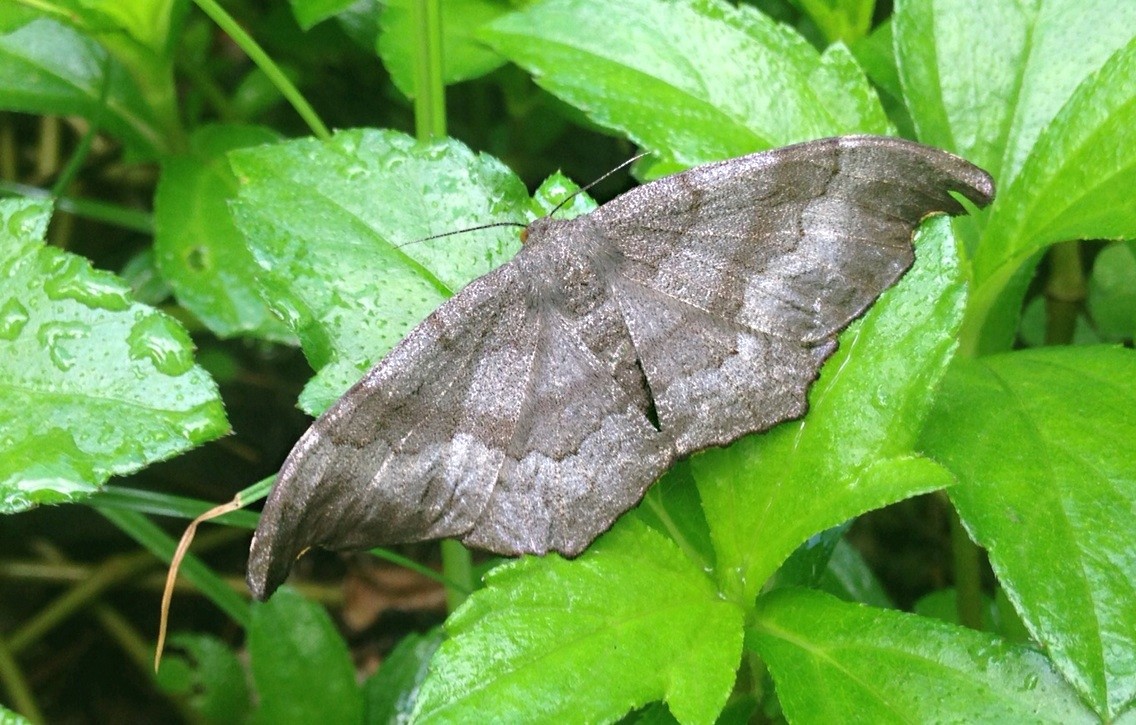
4. Black inch worm
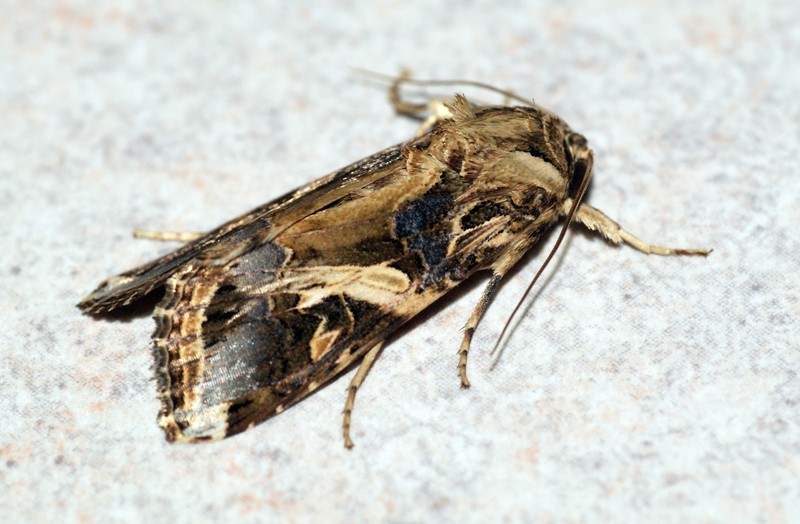
The wingspan is about 3 cm. Female with outer margin of hindwings hardly crenulate. Male with outer margin of neither wing excised. Antennae pectinated. Hindwings with outer margin angled at vein 4. Body dark olive fuscous, more or less irrorated and suffused with grey. Both wings faint traces of medial and crenulate postmedial lines. The cilia dark. Forewings with traces of antemedial line and more or less distinct sub-apical patch in male. Underside with crenulate postmedial line to both wings. Larva is a looper, with body pinkish olive green, irrorated with black, and with dark patches on 4th and 6th somites. Later instars are uniform brown.
5. Cocoa tussock moth
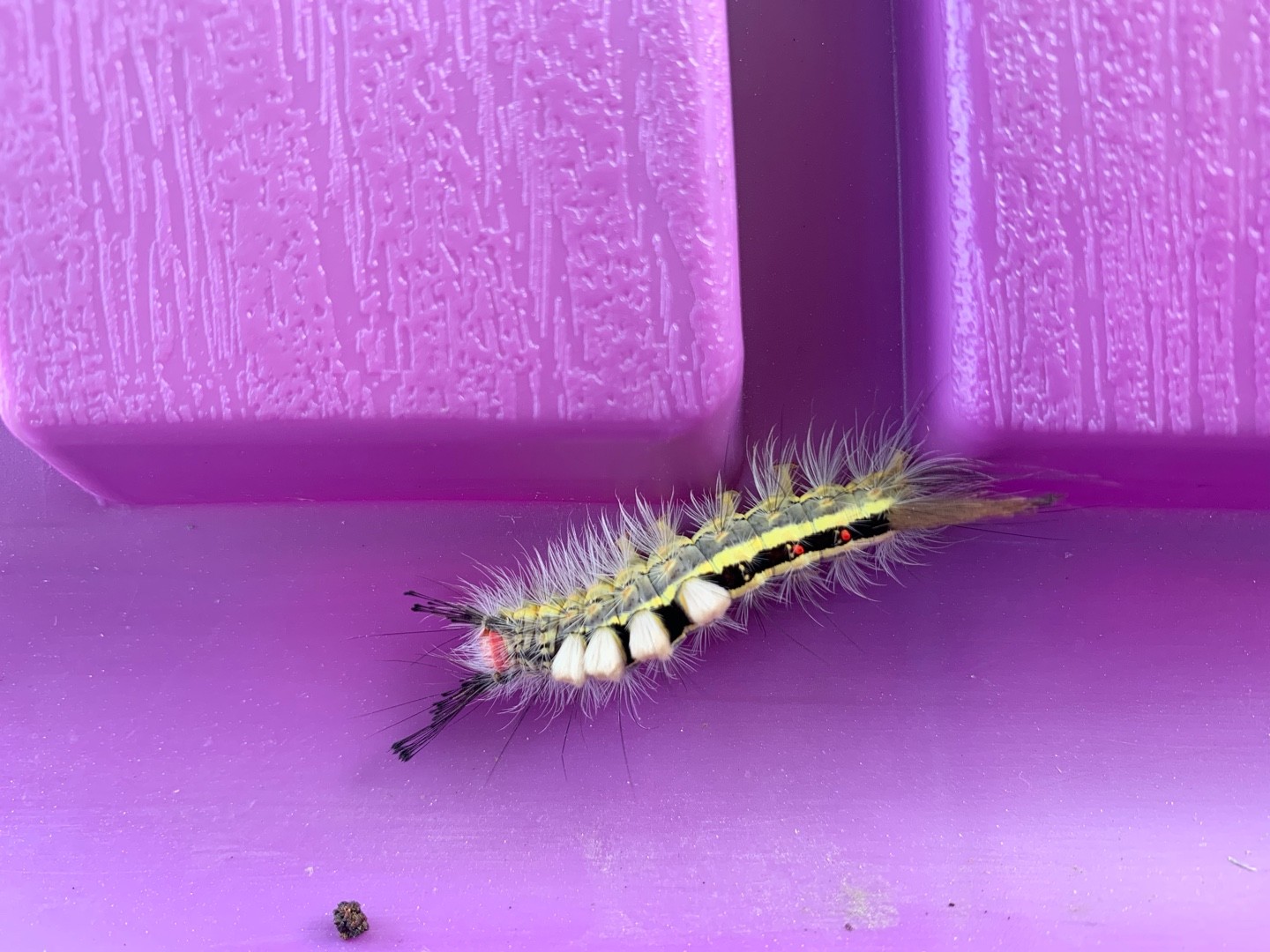
The cocoa tussock moth (Orgyia postica) are not picky eaters. Their preferred host plants are too long to list, and the larva has a wider diet than the adults. They are identified by resembling the color of cocoa, explaining the name. Some can also have bluish-grey lines across the wings.
6. Gnamptoloma aventiaria
7. Ernolatia moorei
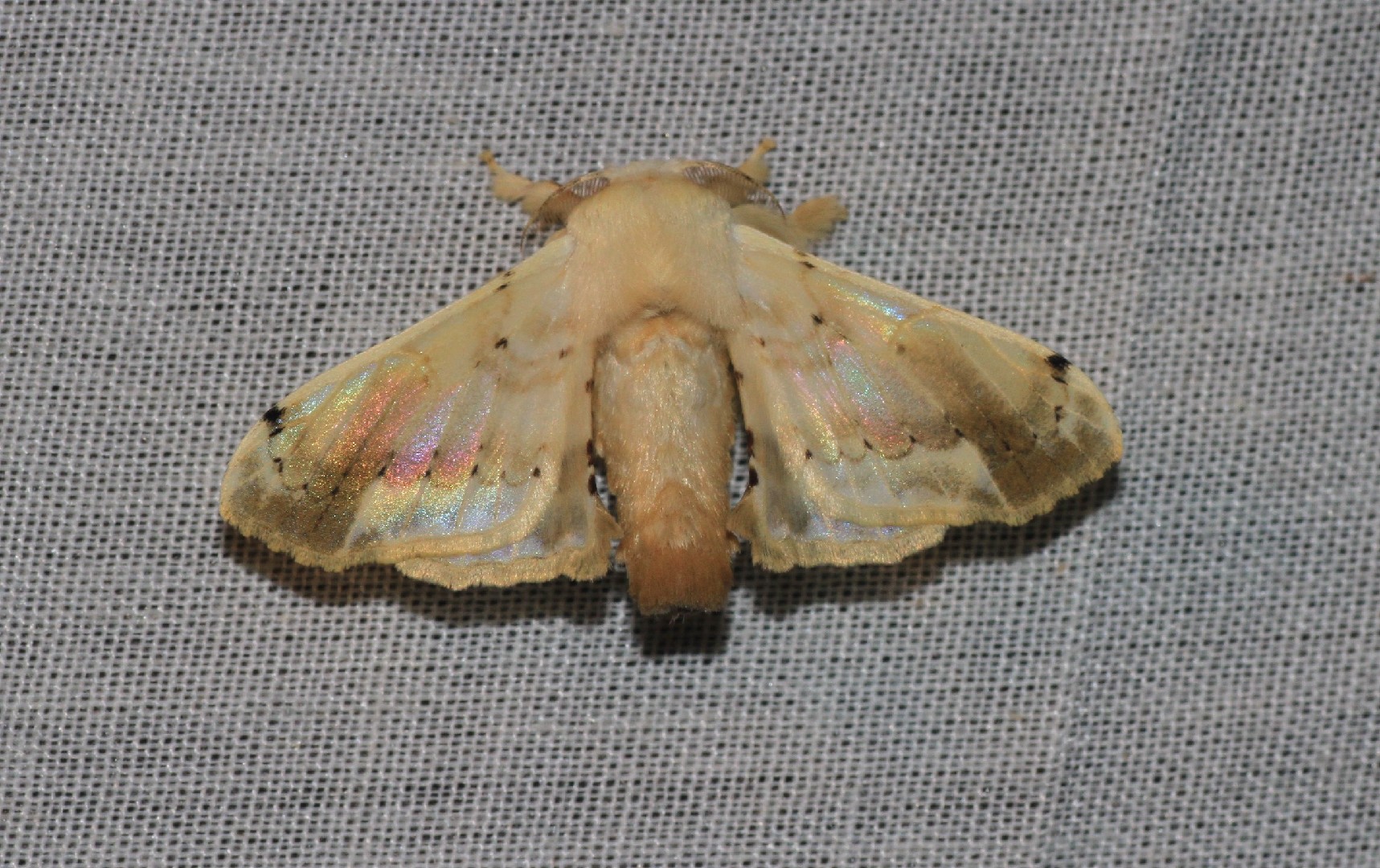
The wingspan is 3 - 3.5 cm. The larvae have a greyish-brown body and a white head. They reach a length of 4.5 mm when full grown.
8. Milionia basalis
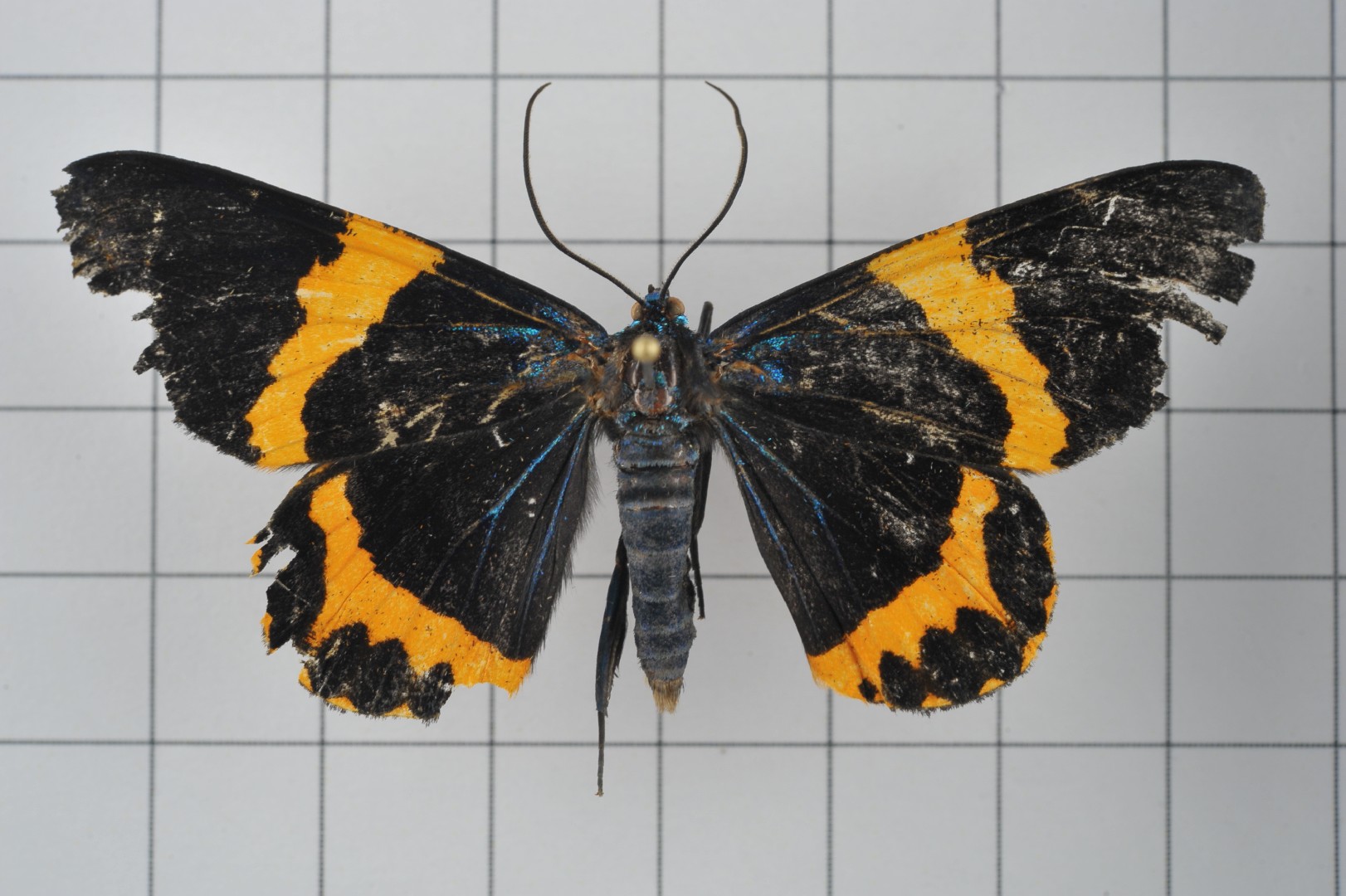
Milionia basalis is a moth of the family Geometridae first described by Francis Walker in 1854. It is found in Japan, the north-eastern parts of the Himalayas, Myanmar and Sundaland. The wingspan is 50–56 mm. The larvae feed on Dacrydium and Podocarpus species. The adult is day flying. It feed on the nectar flowers of Leptospermum flavescens in the mountains of Peninsular Malaysia.
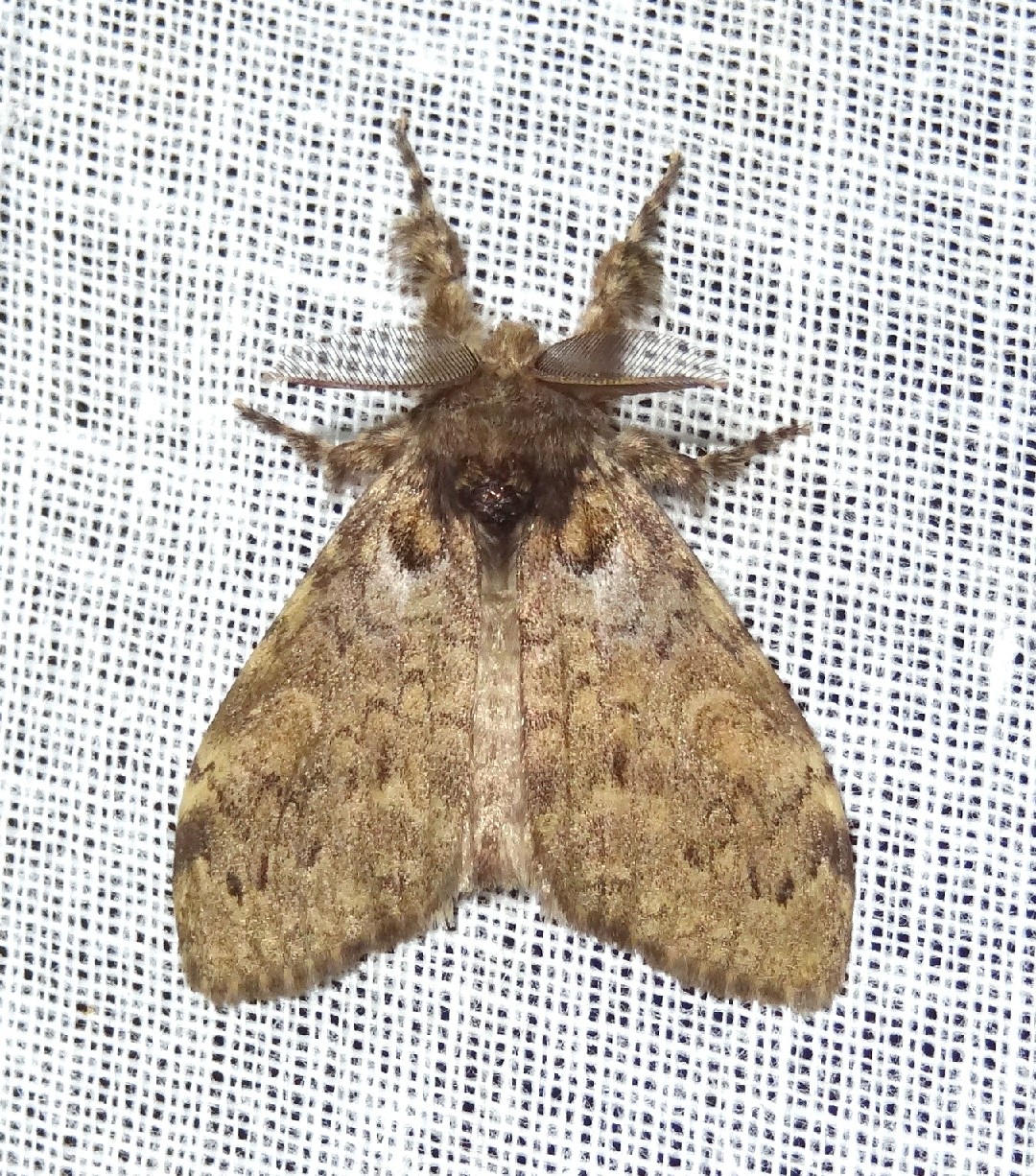
9. Olene dudgeoni
The wingspan is 3 - 4 cm.
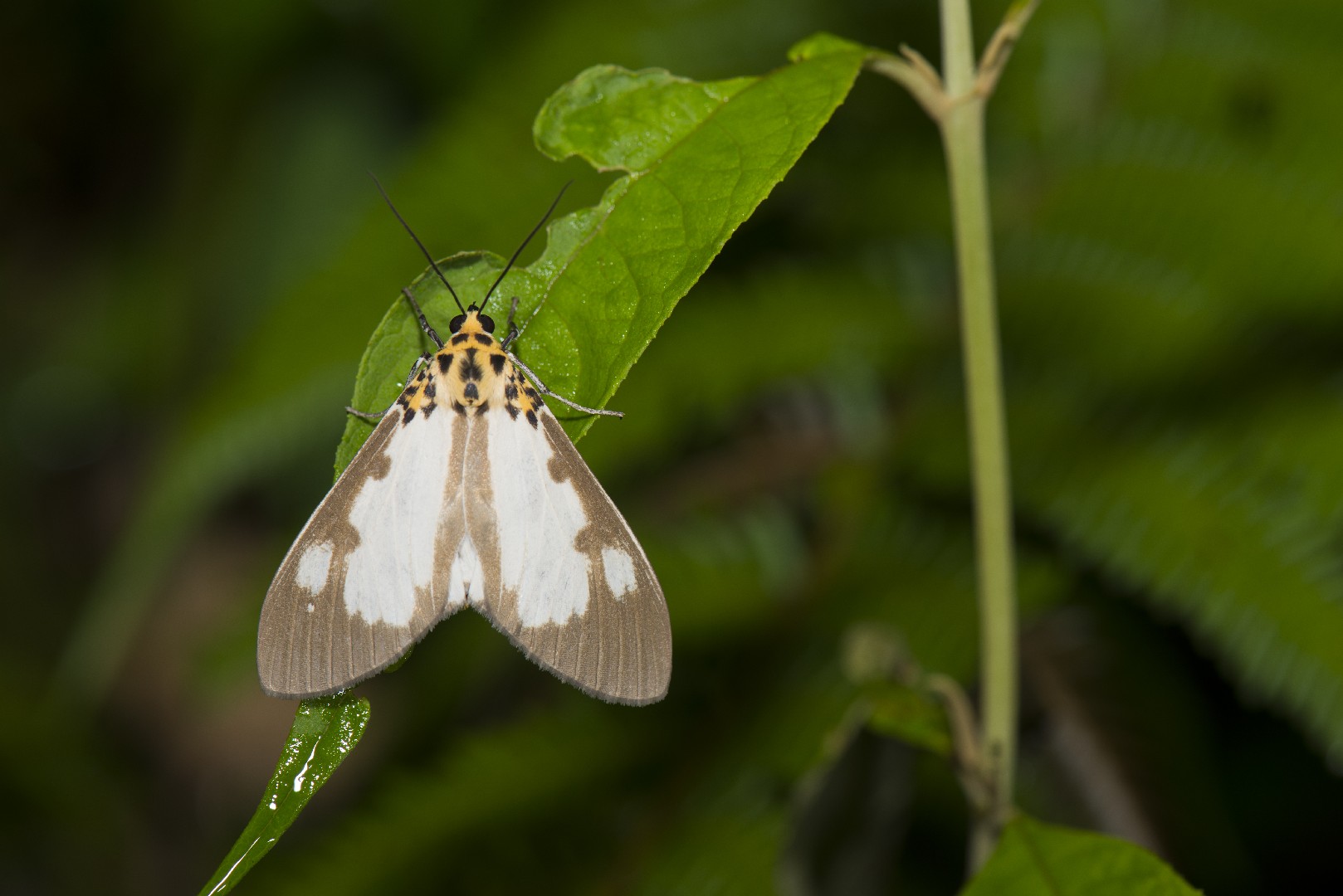
10. Asota plana
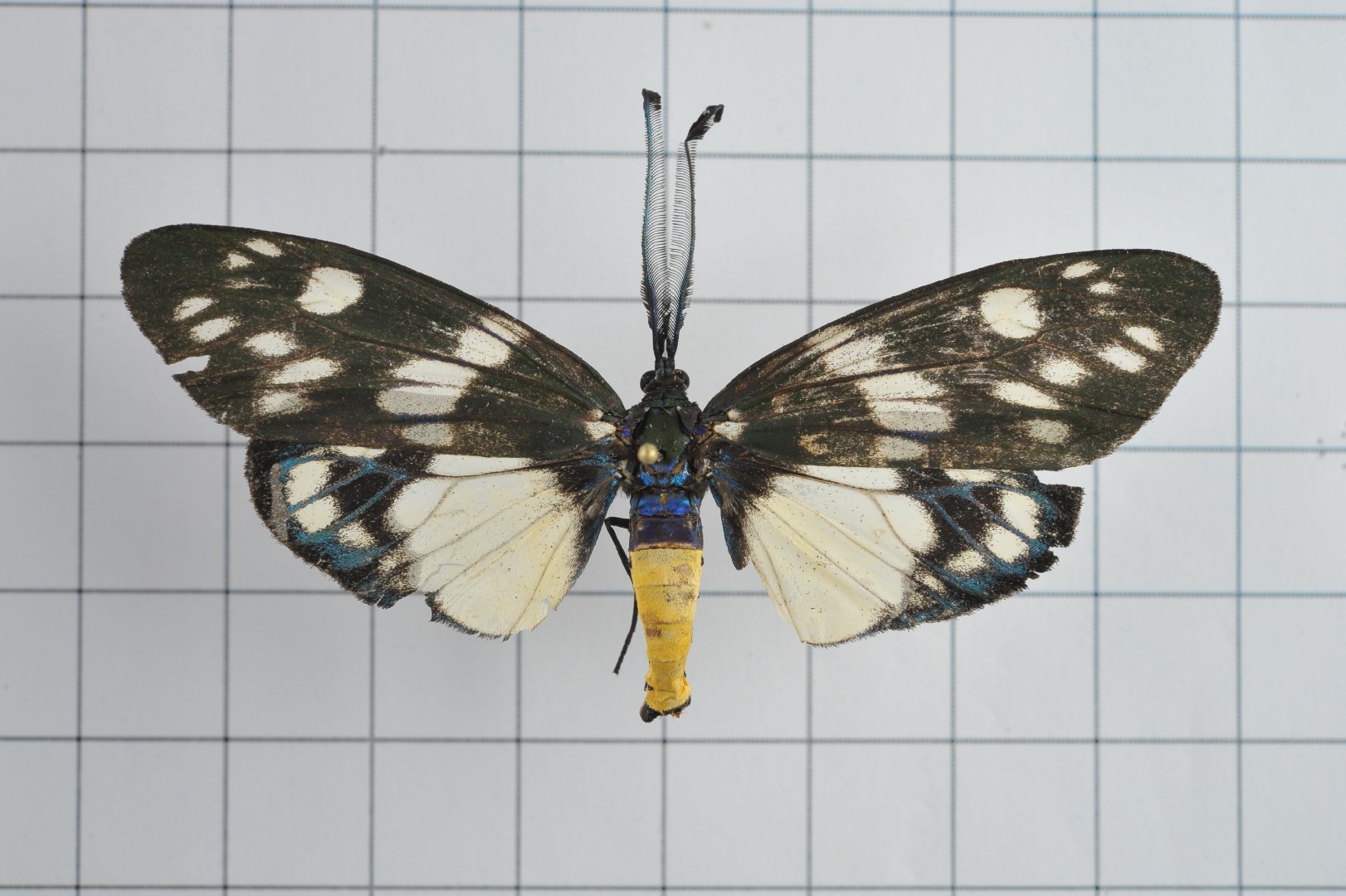
The wingspan is about 56 mm. The forewings have a large white patch filling the lower half of the cell and the whole area below except inner margin and extending to near outer margin. Its upper edge has two dentitions, its outer edge is irregular and a large white spot at upper angle of cell. Hindwings with the narrow marginal band. There is an extra spot towards anal angle. Larva have a large head with sparsely distributed hairs on its body with dark purplish-brown ground color. The thoracic somites are pale red and there is a narrow transverse yellow band on fourth to terminal somites.
More







