




Top 18 Most Common Insects in Coast
Insects, diverse and ubiquitous, are fundamental to the natural ecosystems in Coast. These creatures, varying widely in species and size, can be found in almost every habitat. The coastal regions of Coast present a unique mix of insect life, influenced by varying geographical and climatic conditions. Whether they serve as pests or beneficial pollinators, insects play crucial roles in maintaining our environment's balance. Stay tuned as we unveil the 18 most common insects that inhabit our beautiful coastlines.

Most Common Insects

1. Citrus swallowtail
Papilio demodocus , also known under the English name Citrus Swallowtail ("Citrus Swallowtail"), is a butterfly from the family of the knight butterflies (Papilionidae).
2. African emigrant
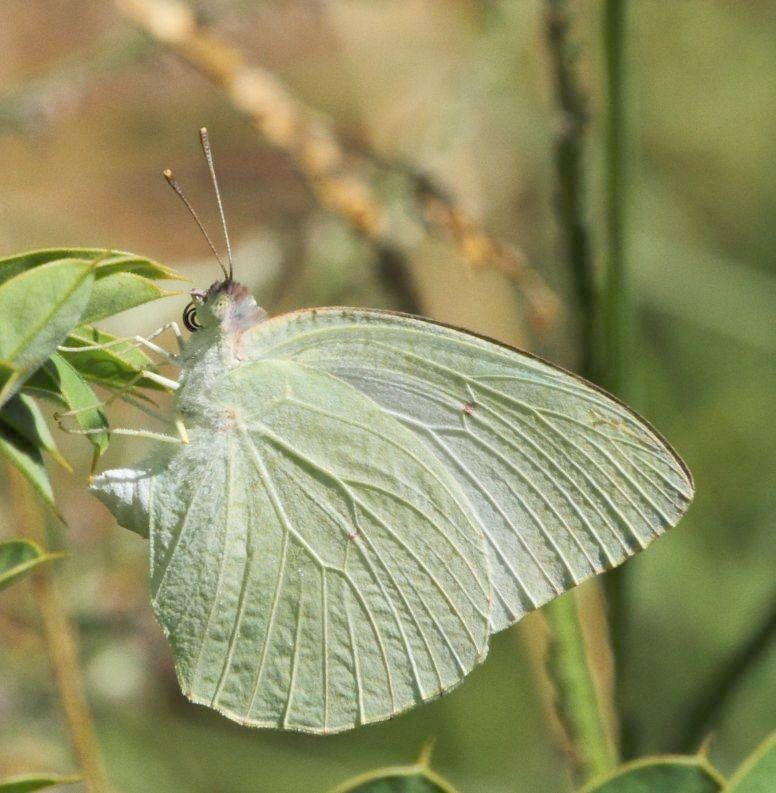
The wingspan is 5 - 6 cm for males and 6 - 7 cm for females. 

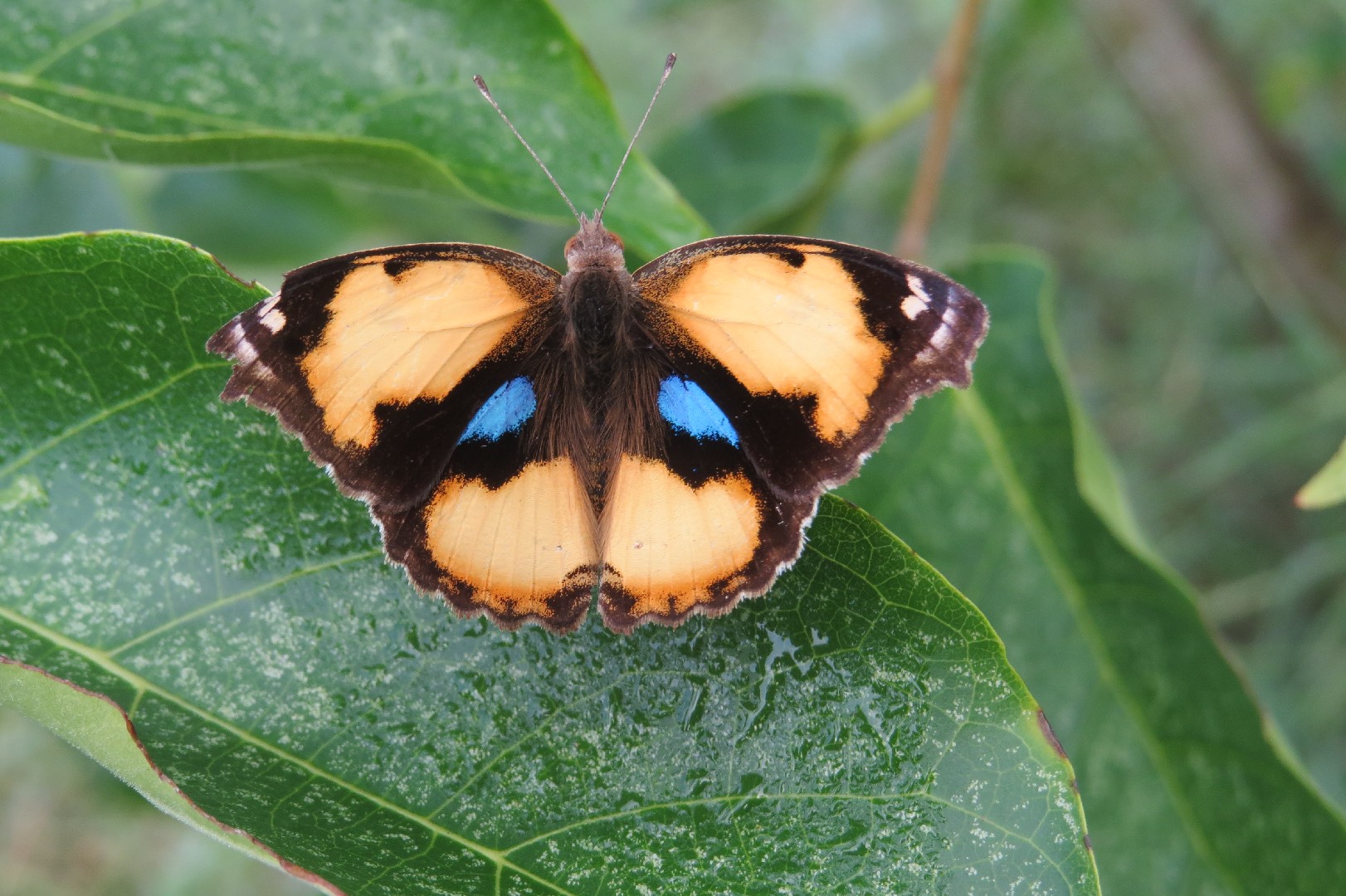
3. Blue pansy
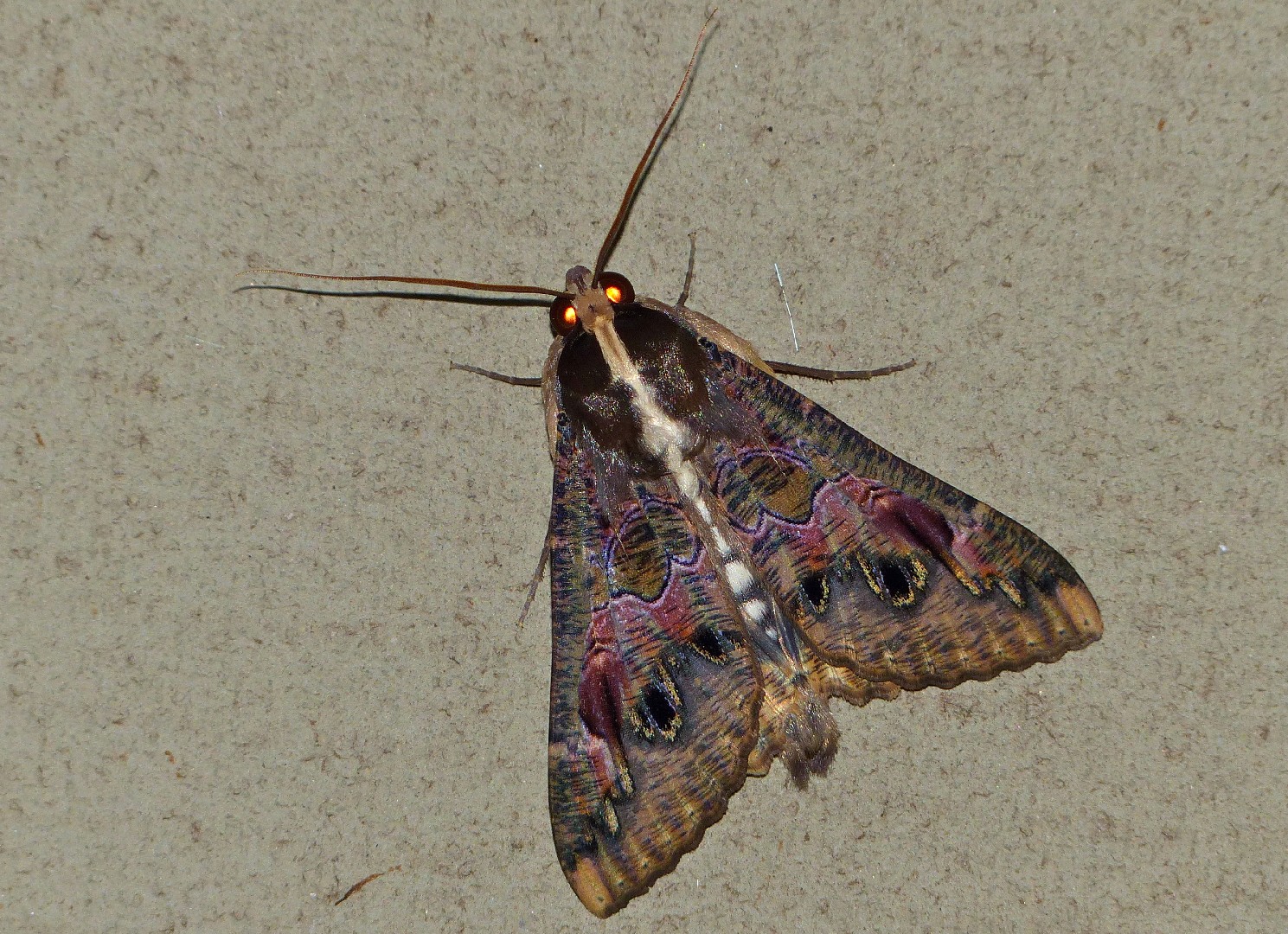
The wingspan is 4 - 5 cm. The upper surface of the forewings is black with white markings towards the apex. The upper surface of the hindwings is black with white markings on the outer edge, and a characteristic large metallic-blue spot. This blue spot is smaller and more a dull purple in females. The underside of the forewings is brown with white markings corresponding to those on the upper surface. The under surface of the hindwings is almost uniform brown.
4. Sundowner moth
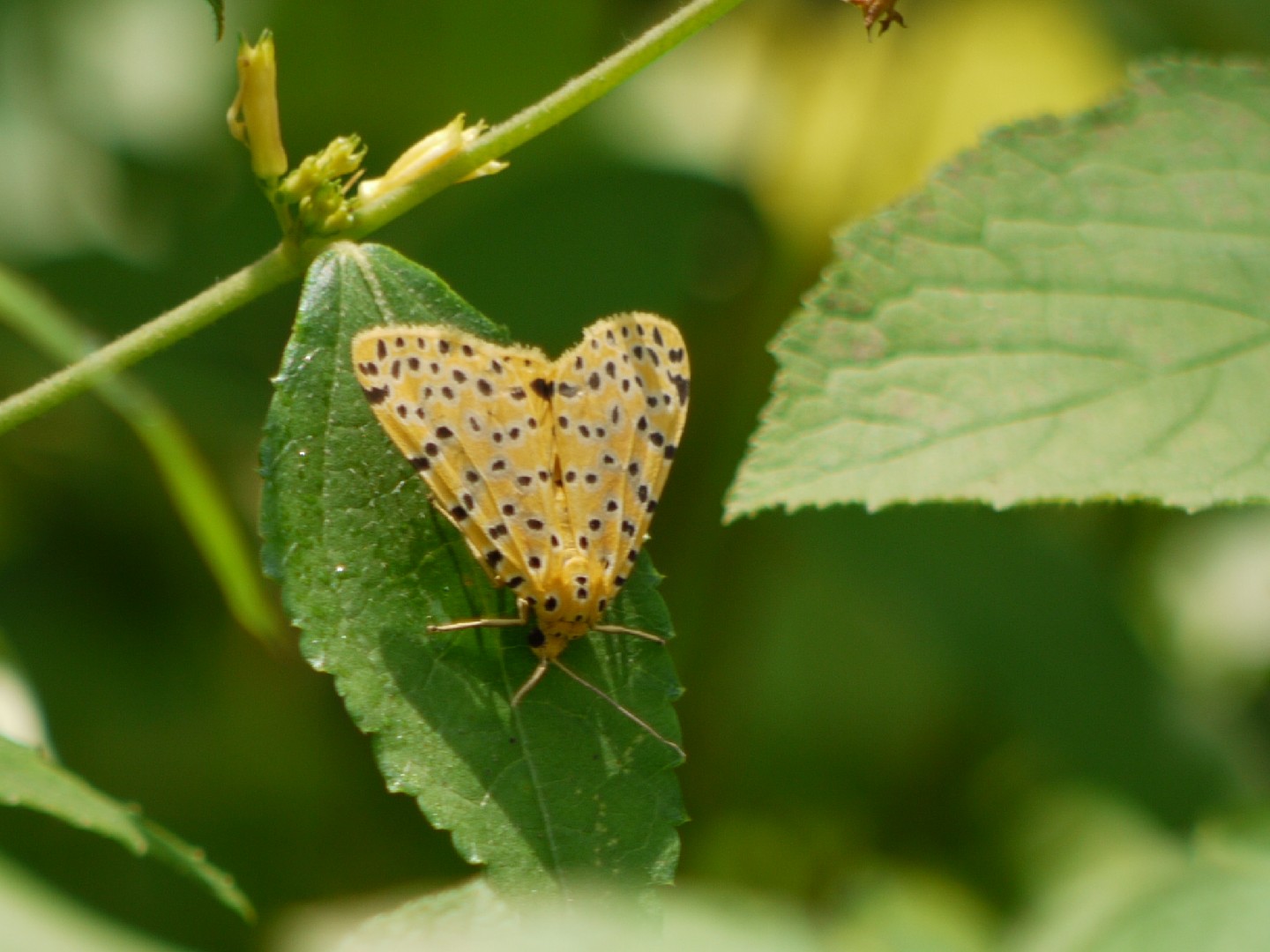
Its wingspan is about 60–84 mm. Head ochreous white, the basal joint of palpi dark brown. Thorax dark brown above with a broad ochreous-white stripe on vertex. Abdomen dark brown above, with a series of dorsal ochreous-white spots. Forewings reddish-brown with dark stria. There is a pale patch at base of inner margin and an indistinct antemedial angulate line. An irregularly waved medial line with pale outer edge and somewtimes tinged with purple and rufous. Some vinous patches beyond it. Reniform is a narrow lunule with a vinous dash beyond it. There is a crenulate postmedial line found with medial black lunules on it and one towards inner margin, and joined by a crenulate line from near apex. A marginal black specks series also present. Hindwings are fuscous brown where the base and a diffused medial irregular band are pale. An ochreous patch with black strai on it at center of outer margin. Cilia pale. Ventral side pale with fuscous submarginal band towards inner margin of each wing.
5. Crotalaria pod borer
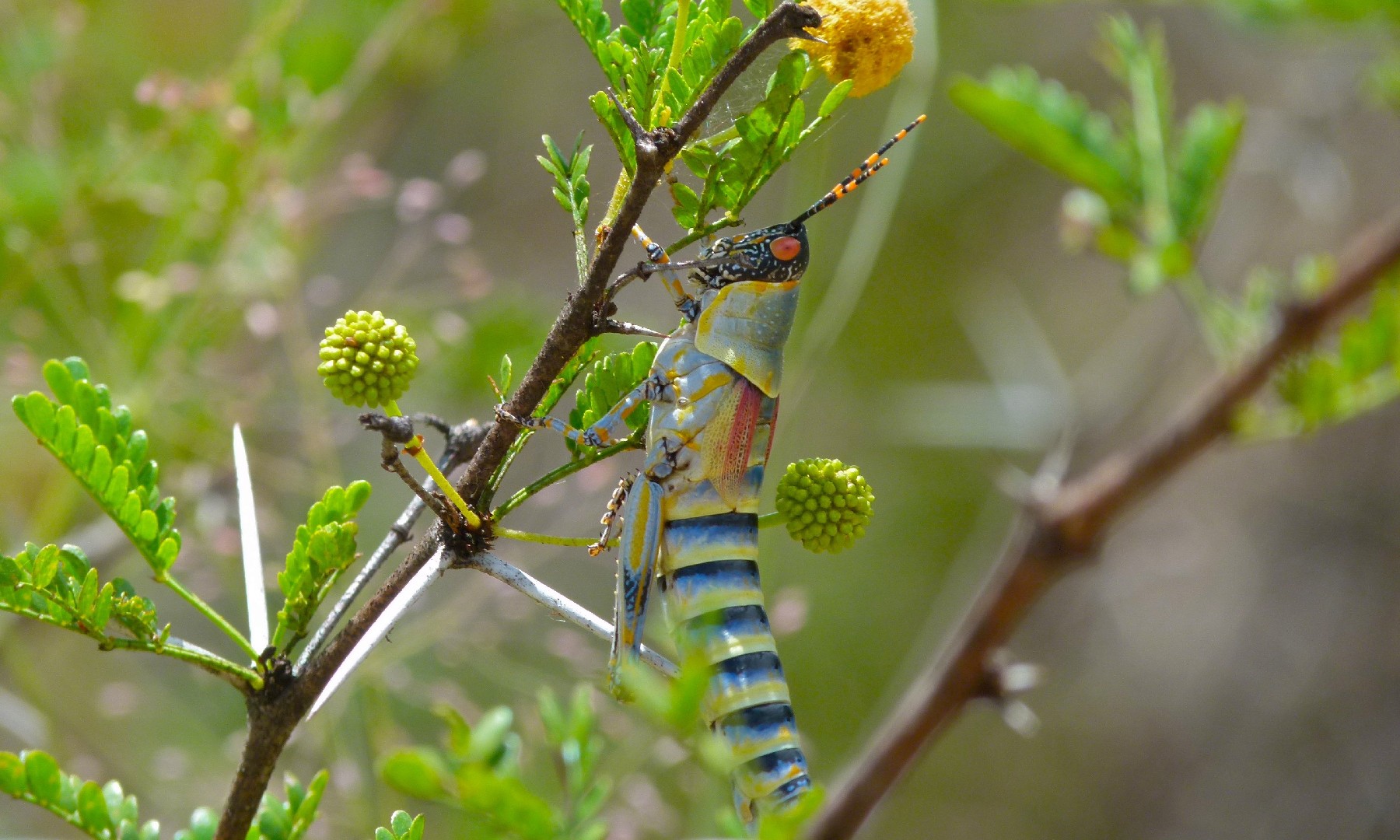
The wingspan is about 40 mm. The species is extremely variable in wing pattern as well as ground colour. It differs from Mangina argus in the head, thorax and forewing being orange yellowish or whitish. The abdomen and hindwings are bright orange. Markings and spots are similar to its neighbor species. The head of the caterpillar is reddish brown when fully grown. Its body is black with white intersegmental rings that contain broken black transverse lines. Spiracles are in orange patches.
6. Elegant grasshopper
Zonocerus elegans is a right-wing insect from the Pyrgomorphidae family. The scientific name of this species was first validly published in 1815 by Thunberg.
7. Scimitar-horn kitespider
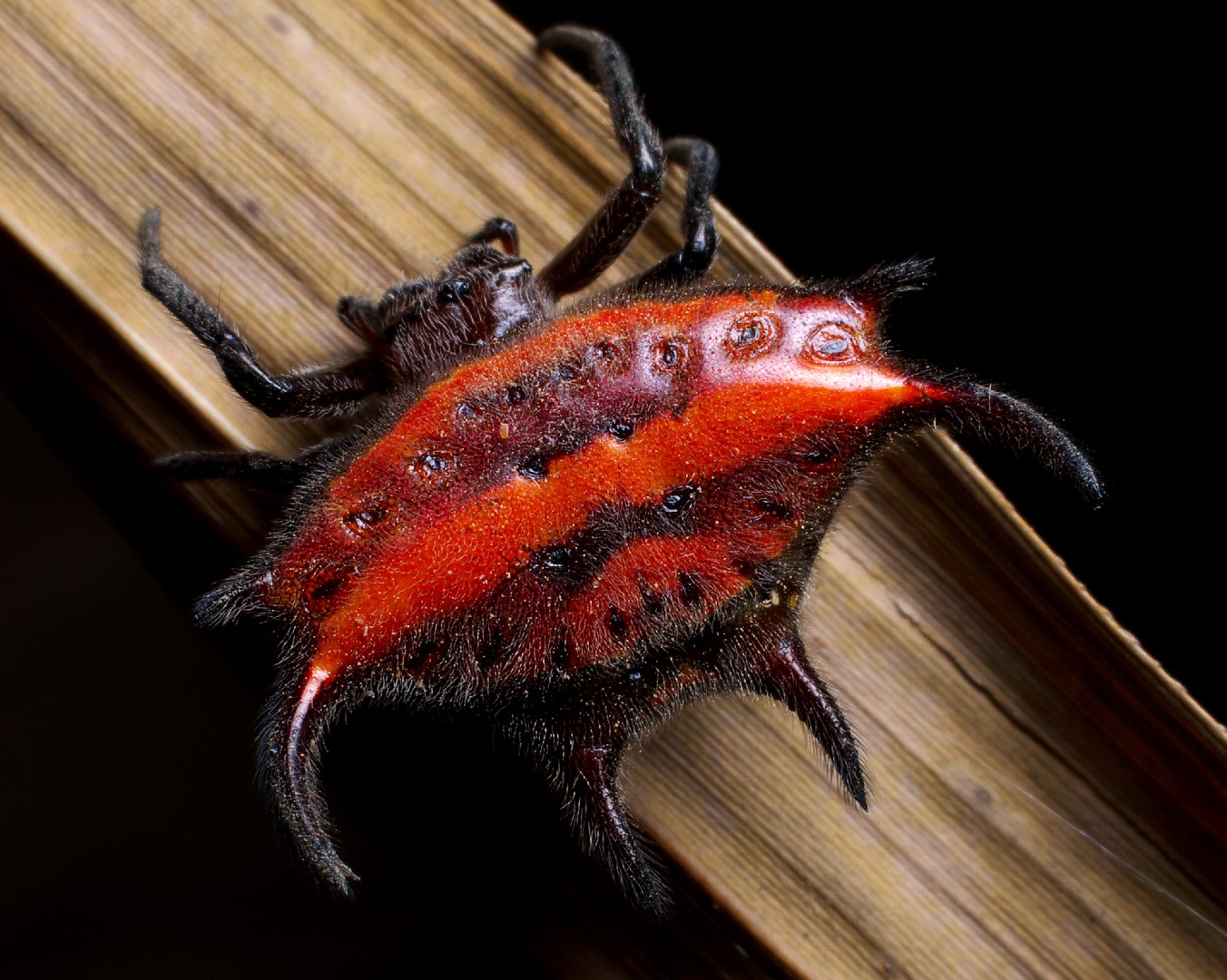
The female, larger and more colourful than the male, has a bright red abdomen decorated with many deep black pits. There is a long, curved black horn at each side and two shorter, straight horns at the front and rear.
8. Walker's owl
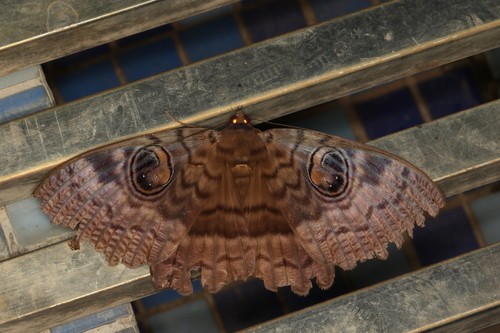
Erebus walkeri is a moth of the family Erebidae. It is found in Angola, the Comoros, the Democratic Republic of Congo, Ghana, Kenya, La Réunion, Madagascar, Malawi, Mauritius, Mozambique, Nigeria, Rwanda, the Seychelles, South Africa (KwaZulu-Natal), São Tomé & Principe, Tanzania, Gambia, Uganda, Zambia and Zimbabwe.
9. Ferruginous glider
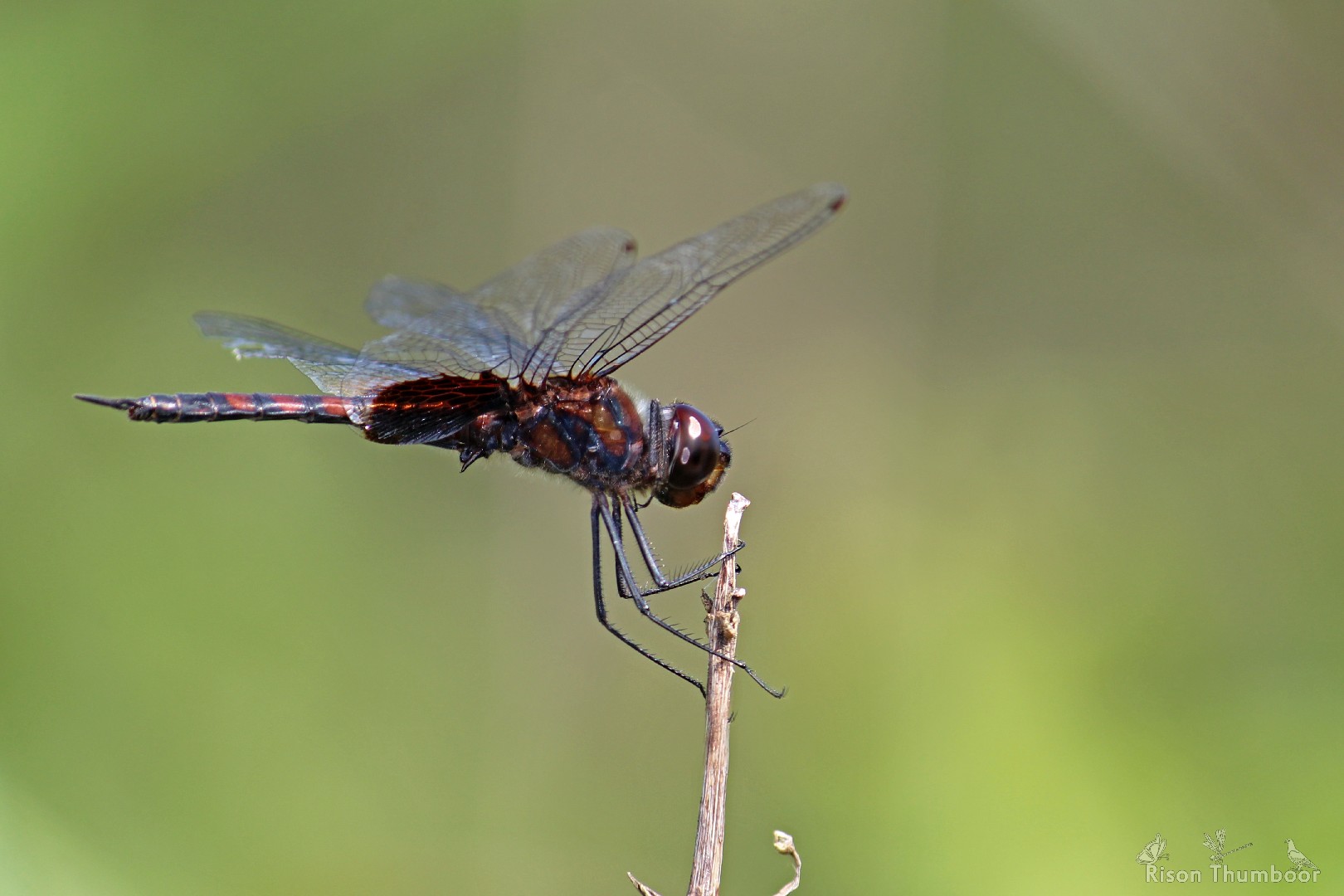
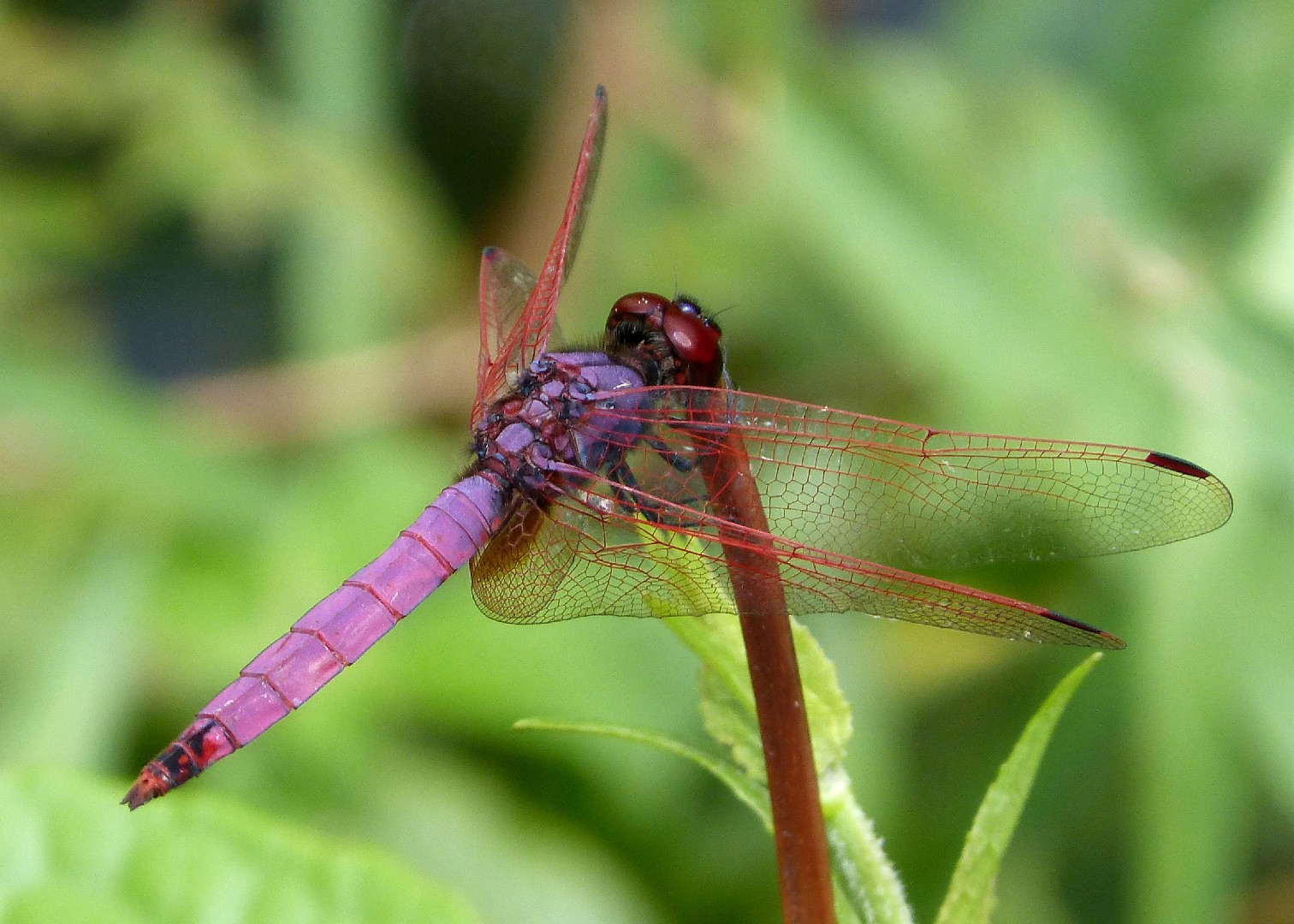
It is a medium sized red dragonfly with extremely long anal appendages. It can be distinguished from other species of this genus by the dark-brown hind-wing patch, not surrounded by a golden yellow areola, in the base. Female is similar to male; but may be red as the male or yellowish in color. This species reproduces in open pools, ponds and in grassy marshes. Adults are often found in bushy areas and around woodlands around them. This dragonfly is commonly seen patrolling over water bodies and open space in sunny days. Pairs in copula or in tandem can also sometimes be seen flying low above water bodies.
10. Apollo moth
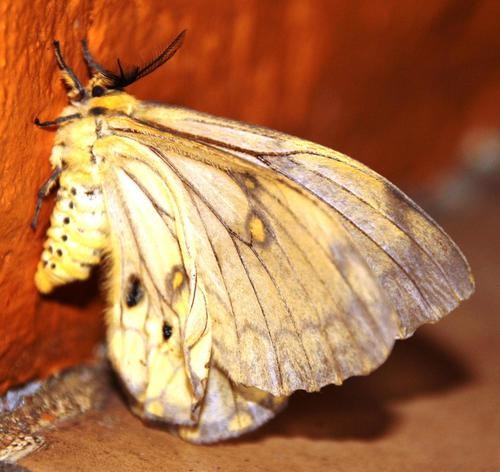
Apollo moth is a species of moth in the family Saturniidae first described by Jean Baptiste Boisduval in 1847.

More







