




Top 9 Most Common Insects in Tanga
Insects are a vibrant part of our biodiversity, uniquely adapted to virtually every environment within Tanga. Varying geographical terrains across the region enrich Tanga's insect diversity. These tiny beings play crucial roles within our ecosystem as pollinators, recyclers or even pests, impacting agriculture and our everyday lives. By exploring the ‘Top 9 most common insects,' we'll uncover the inseparable relationship between Tanga's flora, fauna, and these often-overlooked residents.

Most Common Insects
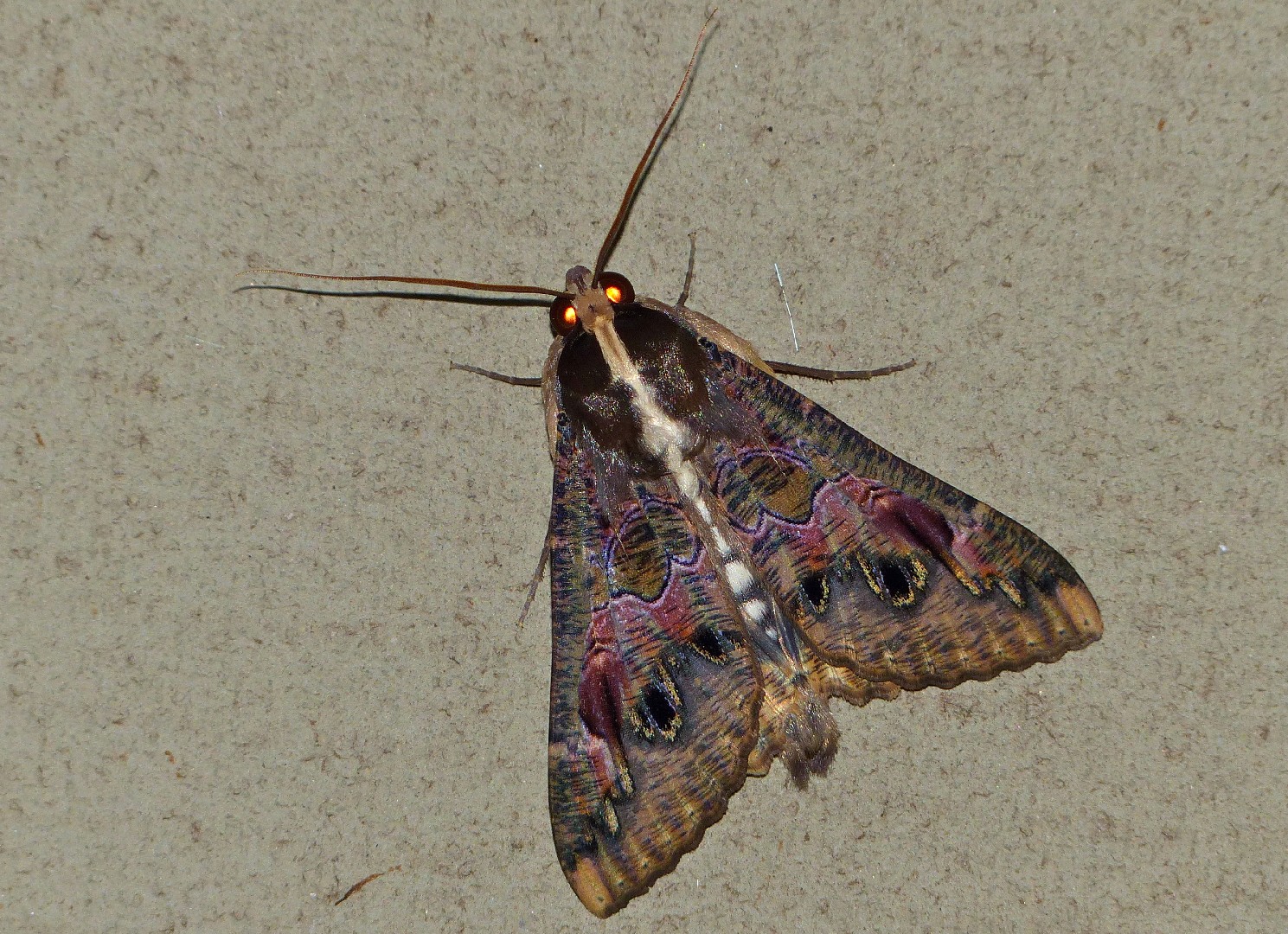
1. Sundowner moth
Its wingspan is about 60–84 mm. Head ochreous white, the basal joint of palpi dark brown. Thorax dark brown above with a broad ochreous-white stripe on vertex. Abdomen dark brown above, with a series of dorsal ochreous-white spots. Forewings reddish-brown with dark stria. There is a pale patch at base of inner margin and an indistinct antemedial angulate line. An irregularly waved medial line with pale outer edge and somewtimes tinged with purple and rufous. Some vinous patches beyond it. Reniform is a narrow lunule with a vinous dash beyond it. There is a crenulate postmedial line found with medial black lunules on it and one towards inner margin, and joined by a crenulate line from near apex. A marginal black specks series also present. Hindwings are fuscous brown where the base and a diffused medial irregular band are pale. An ochreous patch with black strai on it at center of outer margin. Cilia pale. Ventral side pale with fuscous submarginal band towards inner margin of each wing. 
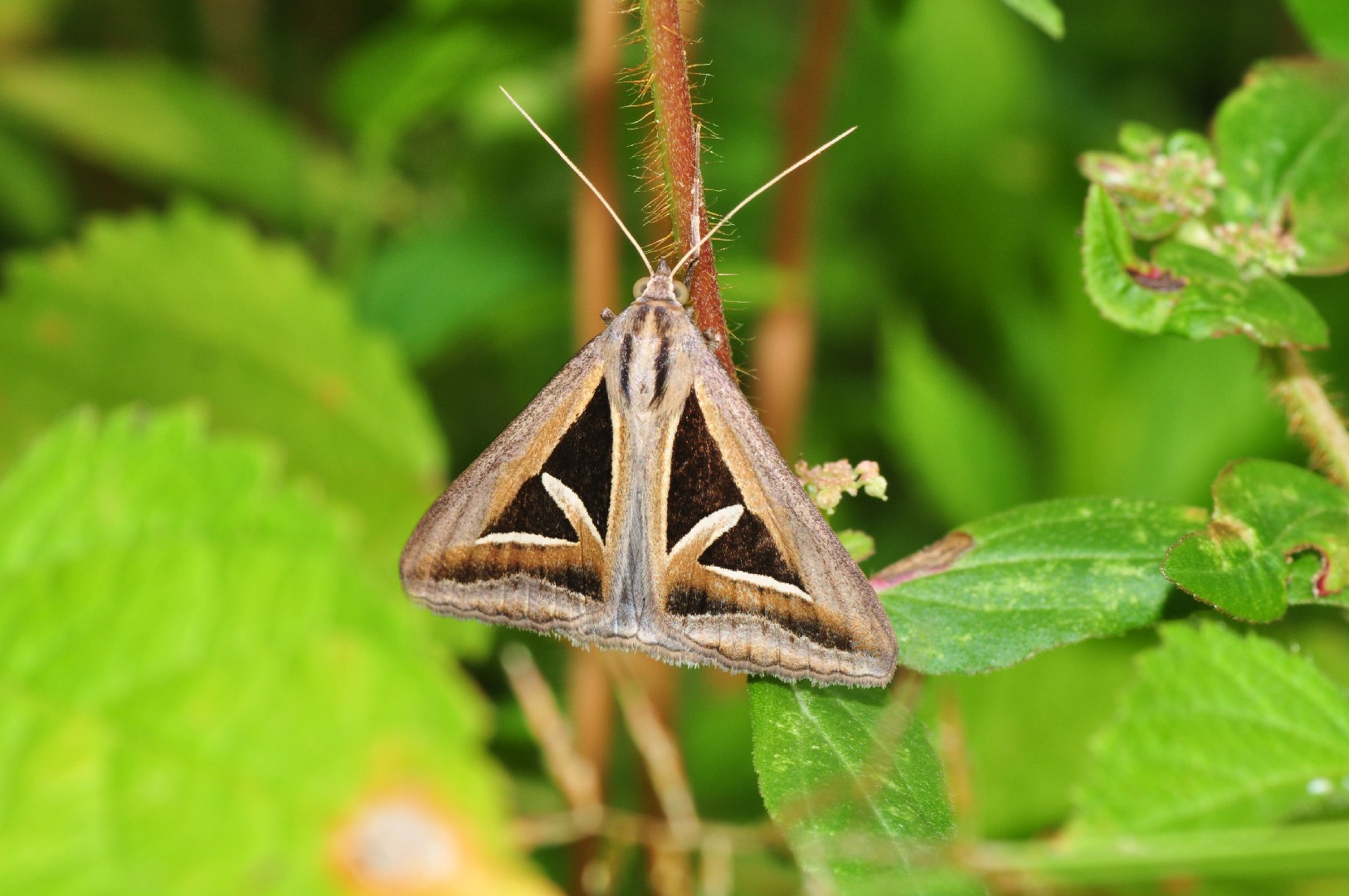
2. Triangles
The wingspan is about 3 - 4.5 cm. Antennae of male ciliated. Mid and hind tibia hairy. Body pale ochreous brown, slightly suffused with fuscous or dark grey brown. Forewings with a large black white-edged triangular patch easily distinguished below the cell from near base to towards outer angle. A similar smaller patch found beyond the cell on vein 5, with some pale fulvous behind it. A slightly sinuous submarginal pale line with patches of black suffusion found inside it and a series of black specks beyond it. A dark marginal line can be seen as well. Hindwings with indistinct medial line and fuscous suffused outer area. Larva has yellow upper half and brown ventral part. The yellow part is broken by longitudinal brown bands, which faints towards posterior and becomes intensive again in prolegs. Eggs olive green and speckled rusty red. First few instars are green with three lateral purple brown lines. Late instars are yellowish. Pupa within a slight cocoon of white silk, which spun amongst leaves.
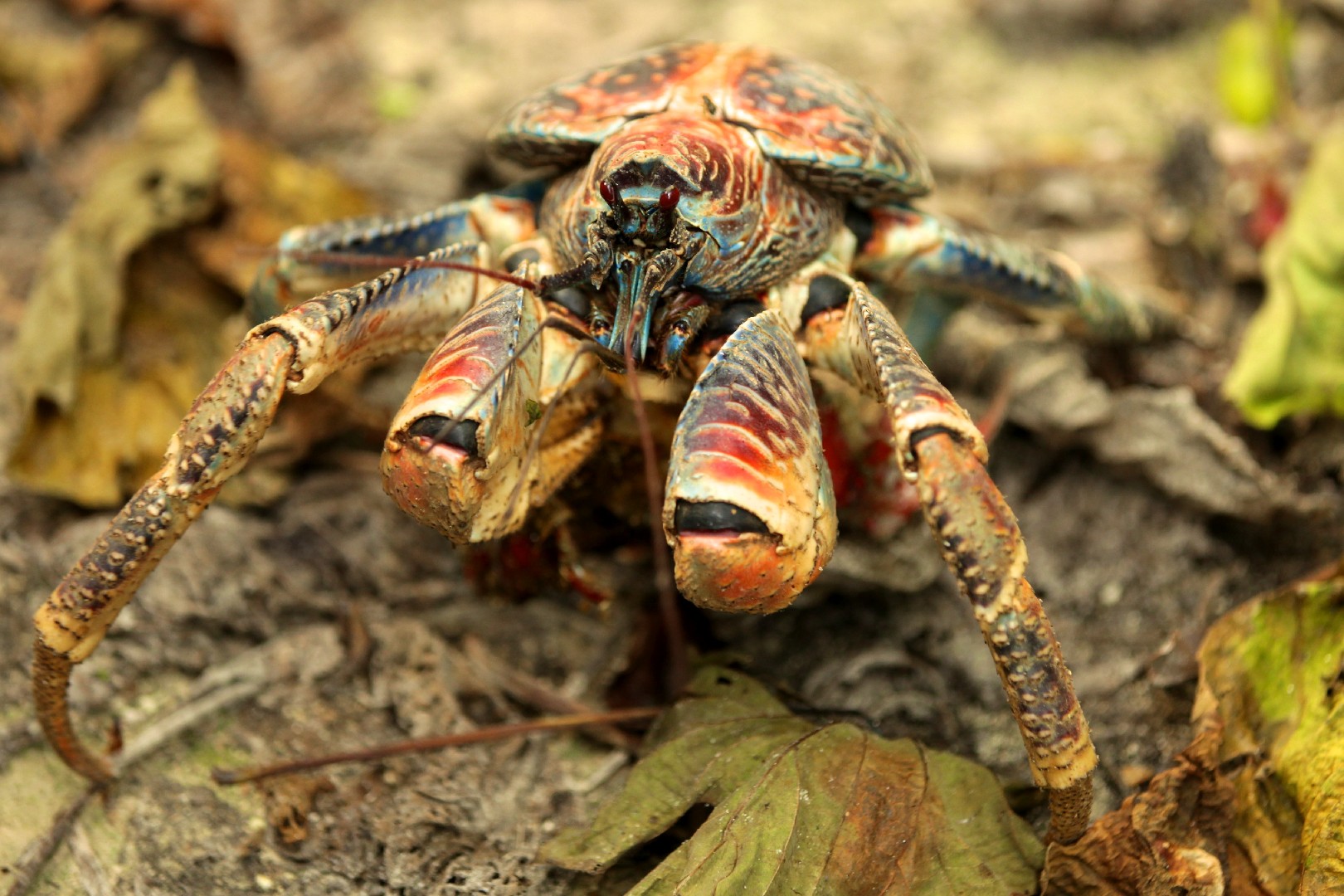
3. Coconut crab
Coconut crab (Birgus latro) is a terrestrial hermit crab found on islands of the Indian ocean, Impressively, it is the largest land arthropod in the world. Coconut crab is an opportunistic feeder, consuming nuts, fruits, tree pith, carrion, or any food source left on the ground. Despite being popularly associated with coconuts palms, coconuts do not make a significant part of its diet.
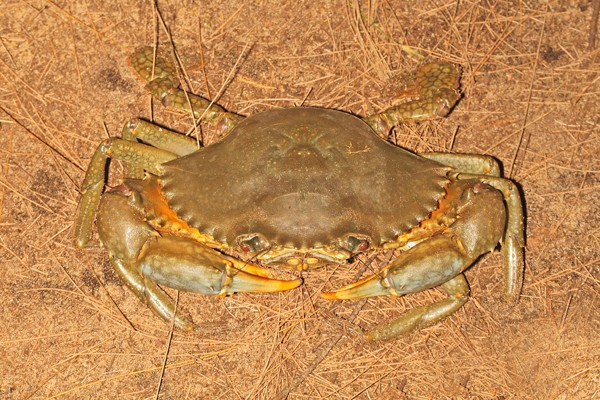
4. Mud crab
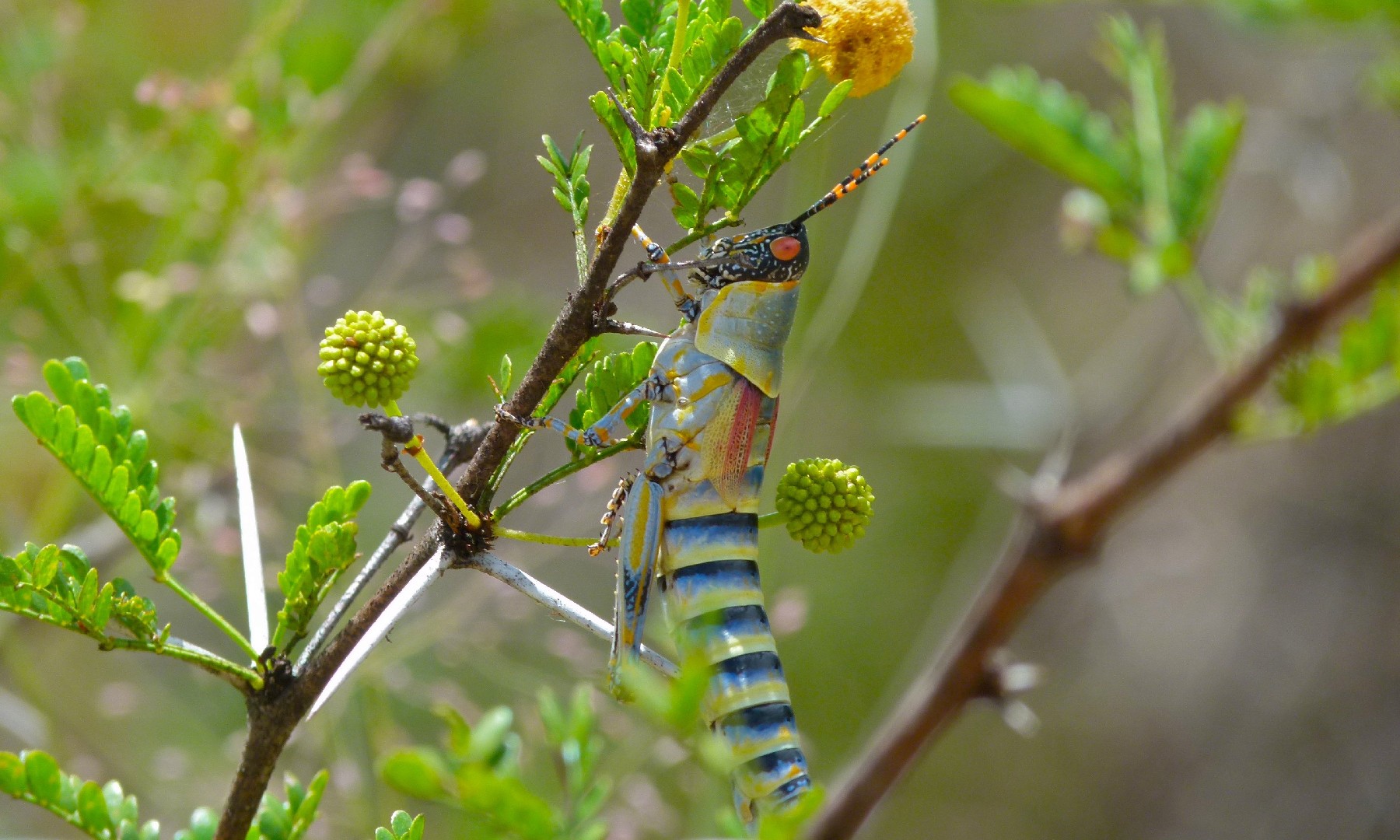
5. Elegant grasshopper
Zonocerus elegans is a right-wing insect from the Pyrgomorphidae family. The scientific name of this species was first validly published in 1815 by Thunberg.
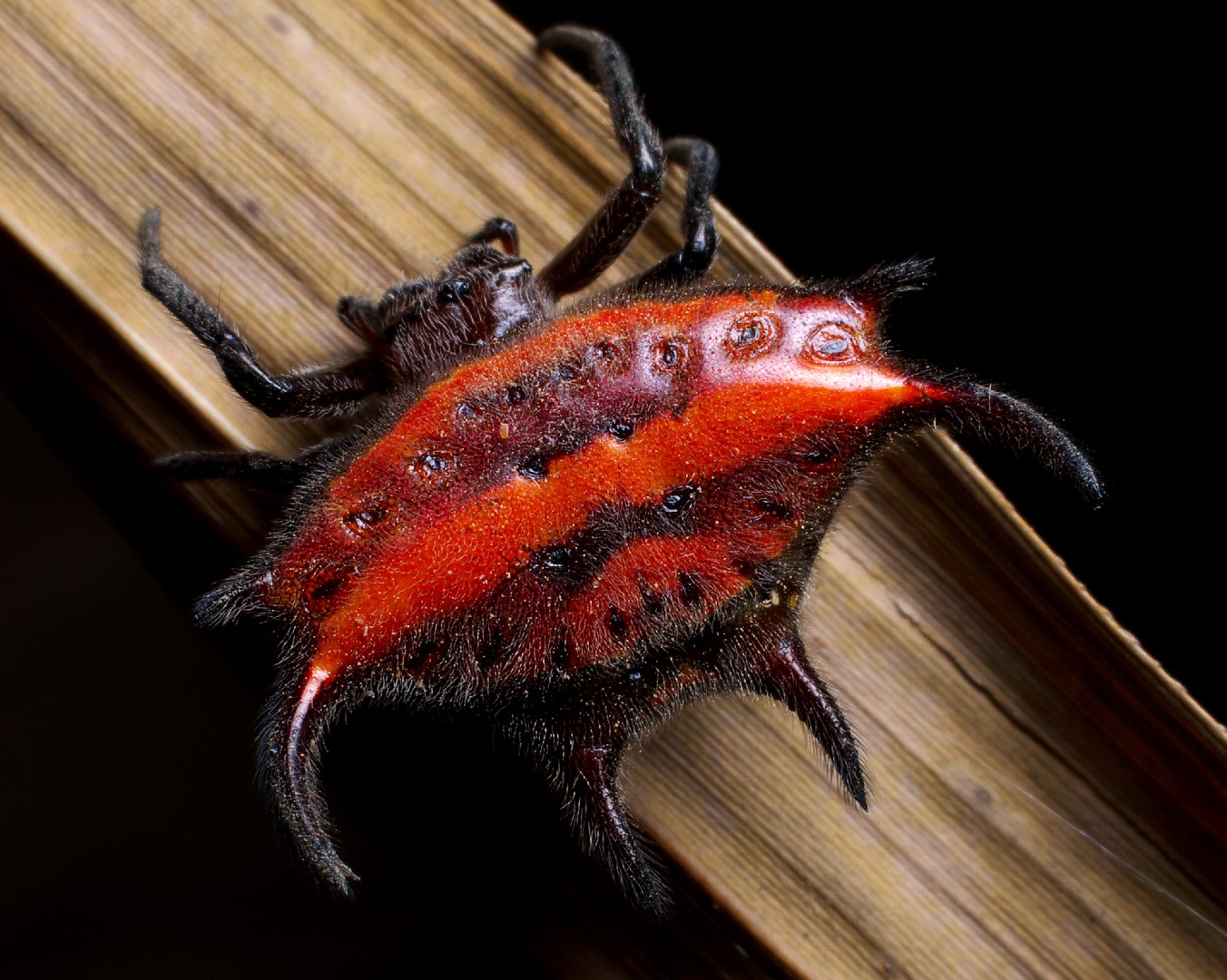
6. Scimitar-horn kitespider
The female, larger and more colourful than the male, has a bright red abdomen decorated with many deep black pits. There is a long, curved black horn at each side and two shorter, straight horns at the front and rear.
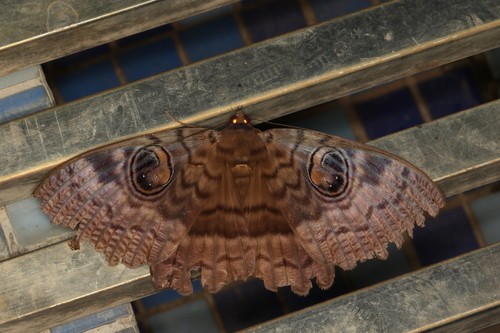
7. Walker's owl
Erebus walkeri is a moth of the family Erebidae. It is found in Angola, the Comoros, the Democratic Republic of Congo, Ghana, Kenya, La Réunion, Madagascar, Malawi, Mauritius, Mozambique, Nigeria, Rwanda, the Seychelles, South Africa (KwaZulu-Natal), São Tomé & Principe, Tanzania, Gambia, Uganda, Zambia and Zimbabwe.
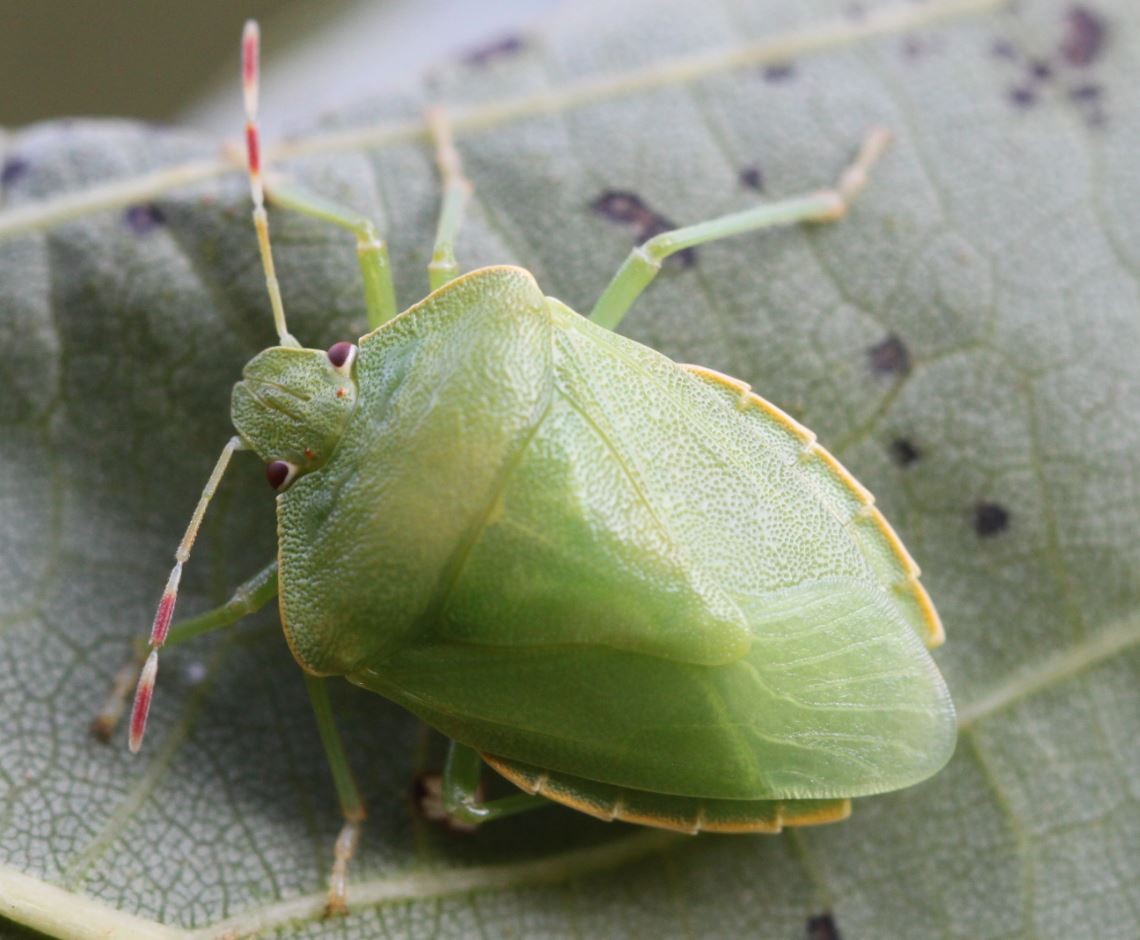
8. Southern green shield bug
The southern green shield bug larvae molt five times before they reach their mature size. They are named for their unpleasant scent and are considered pests due to their preference for feeding on leguminous plants such as soybeans. Wasps and flies that parasitize the southern green shield bug are sometimes used as biological controls for its population.
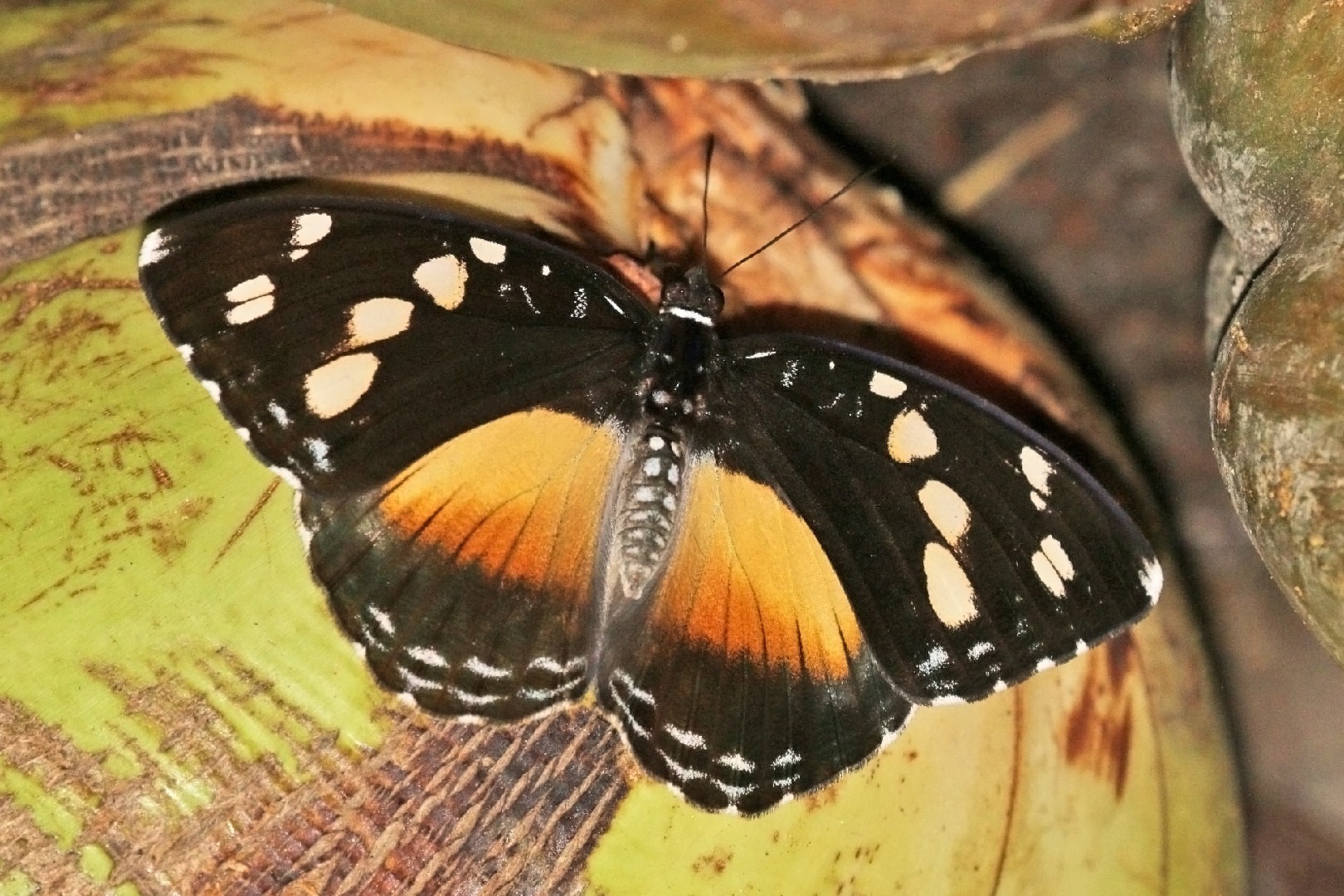
9. Forest glade nymph
The wingspan is 4.5 - 6 cm.







