




Top 20 Most Common Insects in Bangkok
Insects, with their distinct features and varied habitats within Bangkok, are remarkable creatures. With diverse geography, Bangkok's insect biodiversity flourishes. These tiny beings play vital roles in our ecosystem, from pest control to pollen transport. The symbiotic relationship between Bangkok's habitats and its insect inhabitants, including beneficial bugs and pests, is truly magnificent. Join us as we explore the 20 most common insects in Bangkok.

Most Common Insects
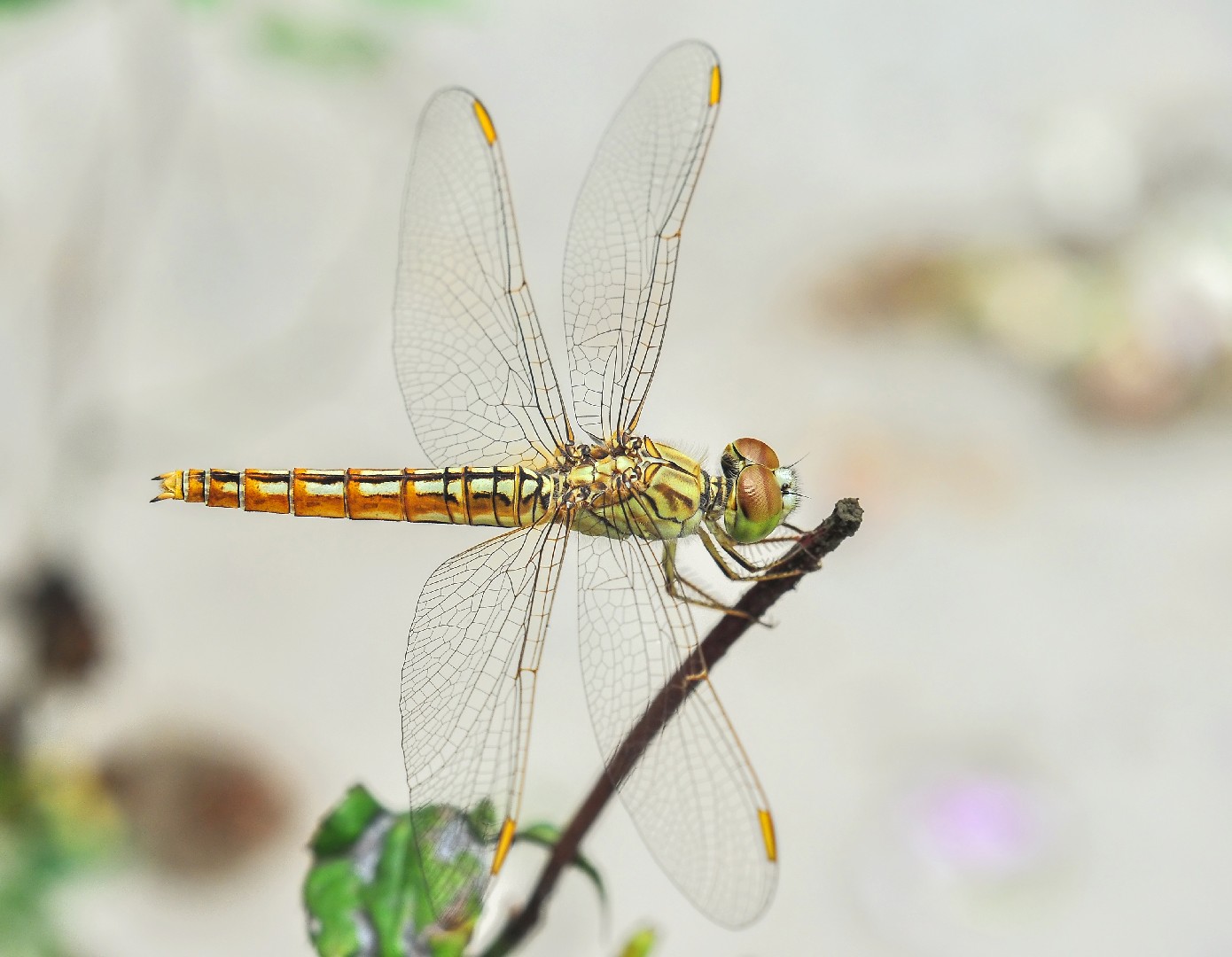
1. Ditch jewel
The species is on the IUCN Red List as not endangered, year of assessment 2010.
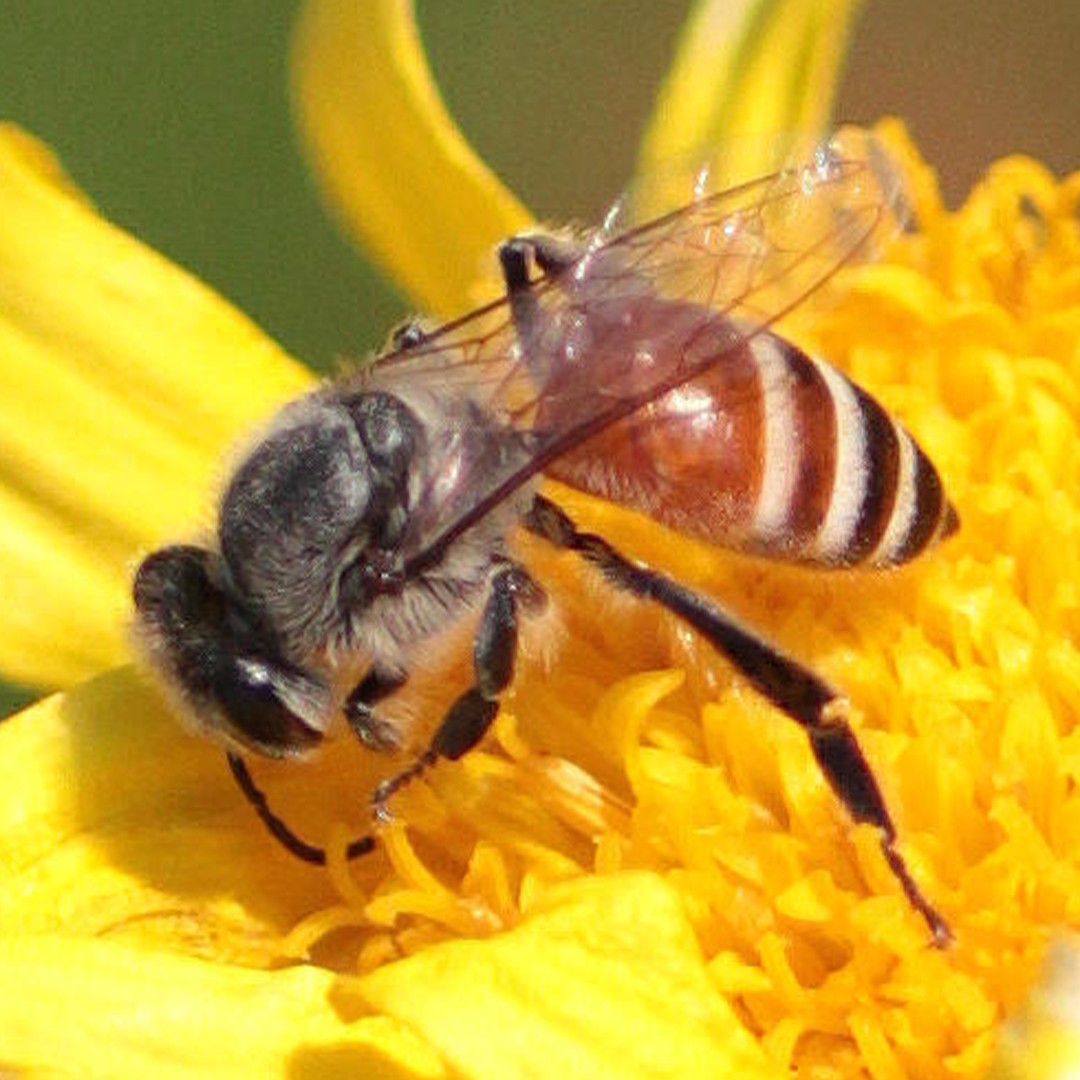
2. Dwarf honey bee
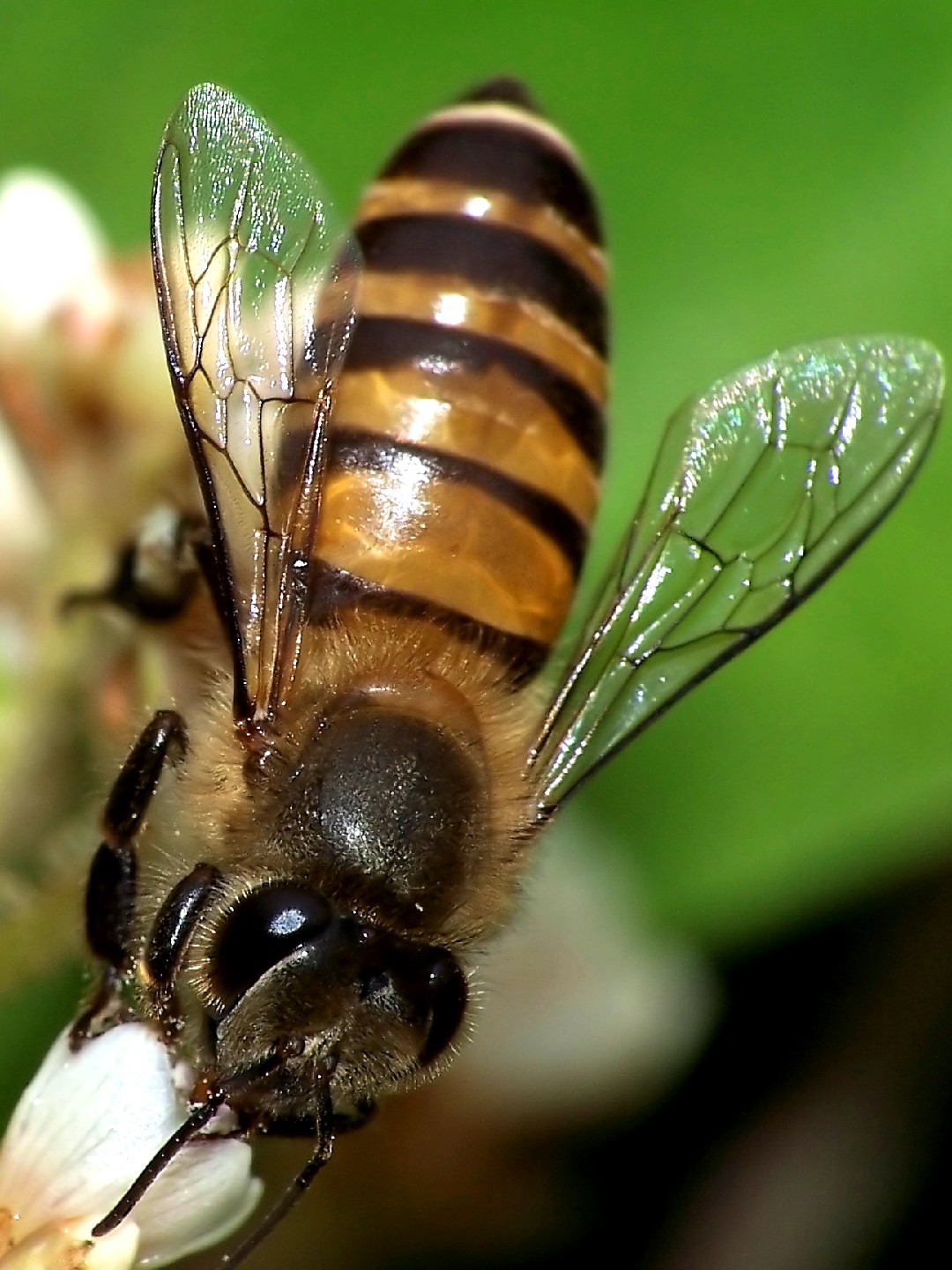
A. florea is called the dwarf honey bee due to its small size compared to other honeybees. A worker is typically 7–10 mm in body length and its overall coloration is red-brown. A colony builds a single, exposed comb usually on tree branches or shrubs. A. florea produce honey that is harvested and eaten in Thailand and Cambodia. They are excellent pollinators, which gives them an important ecological role in the places they inhabit. Drones carry a thumb-like bifurcation called the basitarsus, which is located two-thirds along the length of the tibia. The fimbriate lobe of A. florea has three protrusions and they sting using two stylet barbs. Apis florea and its sister species together comprise the subgenus Micrapis, and are the most primitive of the living species of Apis, reflected in their small colony size, and simple nest construction. The exposed single combs are built on branches of shrubs and small trees. The forager bees do not perform a gravity-oriented waggle dance on the vertical face of the comb to recruit nestmates as in the domesticated Apis mellifera and other species. Instead, they perform the dance on the horizontal upper surface where the comb wraps around the supporting branch. The dance is a straight run pointing directly to the source of pollen or nectar the forager has been visiting. The distinctiveness of the two species A. florea and A. andreniformis was established unequivocally in the 1990s. A. florea is redder and old workers always have a red first abdomen (younger workers are paler in colour, as is the case in giant honey bees); A. andreniformis is generally darker and the first abdomen segment is completely black in old bees. Distinguishing characteristics of the dwarf honey bees are outlined below: 
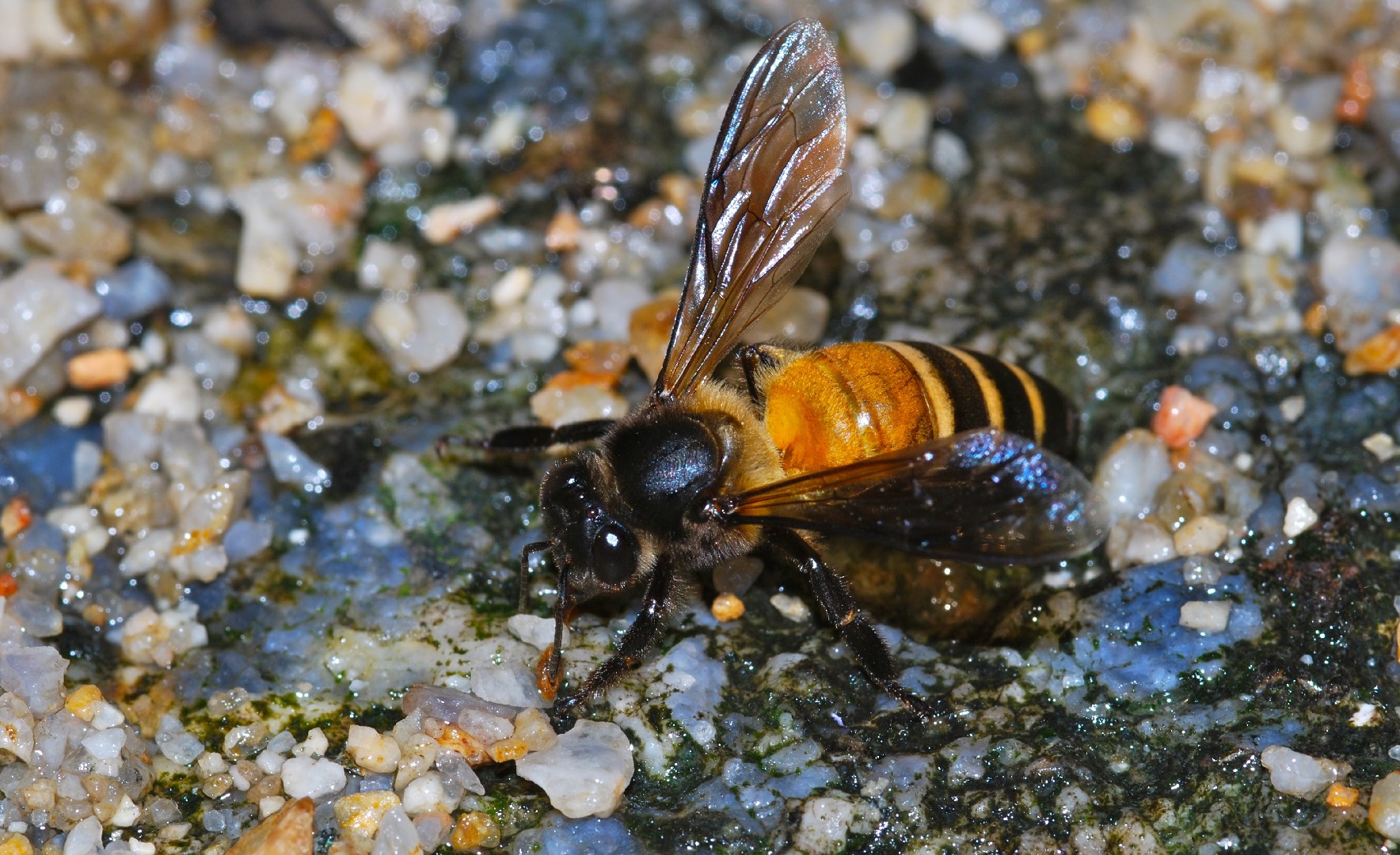
3. Giant honey bee
The giant honey bee (Apis dorsata) is incredibly defensive of their territory. This may be related to humans' honey hunting, where honey is stolen from wild bees. Their nests are built from high, overhanging locations. Much like humans, they are unlikely to build onto an old building due to safety issues. Their nests need to be sturdy, as a colony can reach up to 100 thousand workers.
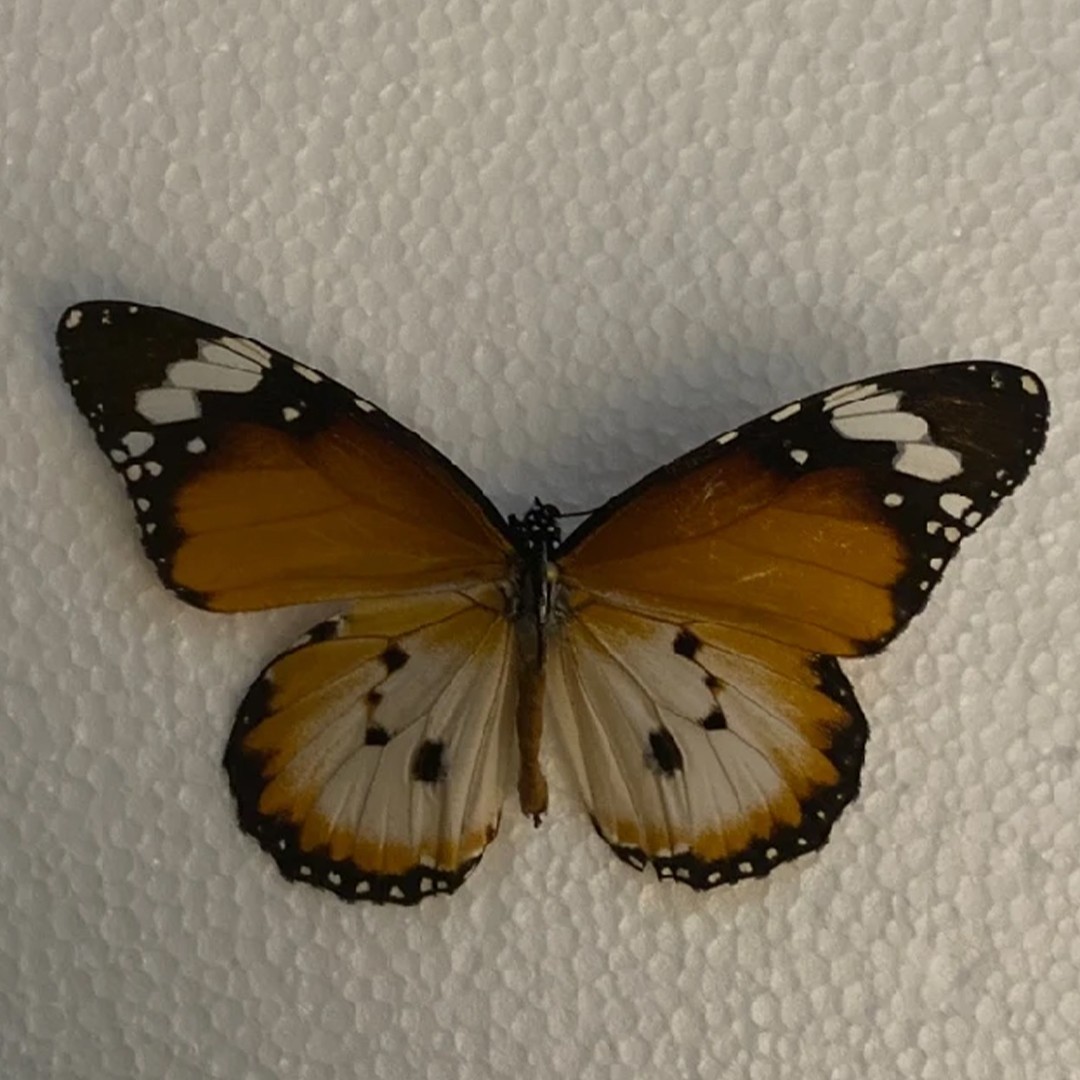
4. Plain tiger butterfly
D. chrysippus is a medium-sized butterfly with a wingspan of about 7–8 cm (2.8–3.1 in). The body is black with many white spots. The wings are orange, the upperside brighter and richer than the underside. The apical half of the forewing is black with a white band. The hindwing has three black spots in the center. The wings are bordered in black and outlined with semicircular white spots. This species exhibits slight sexual dimorphism, as the Male has large scent glands on his hindwings, which the female lacks. They appear as a large black spot with a white centre if viewed from the underside D. chrysippus is a polymorphic species, so the exact coloring and patterning vary within and between populations. It is similar in appearance to the Indian fritillary (Argynnis hyperbius), which may coexist with it.
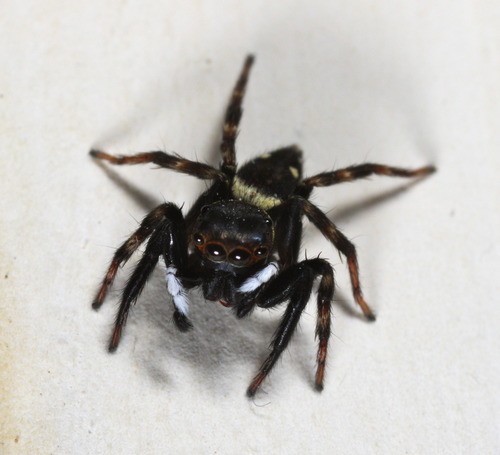
5. Adanson's house jumper
Adanson's house jumper is a type of jumping spiders that can be found in areas with a warm climate. The male spiders have sometimes been found to eat young female spiders, though it is unclear why this behavior occurs. They primarily live on walls in houses and feed on mosquitos.
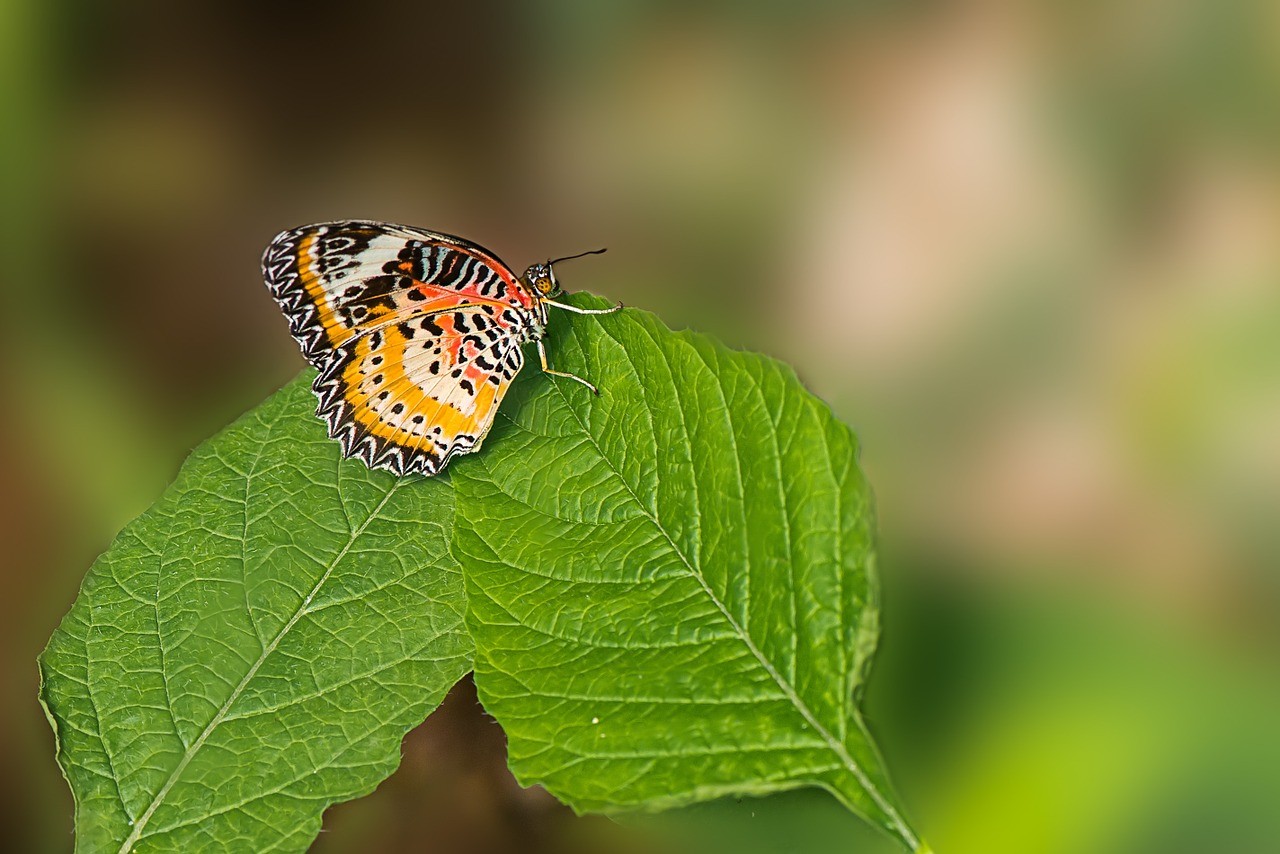
6. Leopard lacewing
Cethosia cyane, the leopard lacewing, is a species of heliconiine butterfly found from India to southern China (southern Yunnan), and Indochina. Its range has expanded in the last few decades, and its arrival in the southern part of the Malay Peninsula, including Singapore, is relatively recent.

7. Weaver ant
The weaver ant can be found in silk-woven nests in the foliage of Southeast Asia and Oceania. These ants have a painful bite and prey on other small insects. Larvae have many uses for local regions, including being a popular fishing bait and a good choice of bird food.

8. Blue moon butterfly
Hypolimnas bolina, the great eggfly, common eggfly or in New Zealand the blue moon butterfly is a species of nymphalid butterfly found from Madagascar to Asia and Australia.
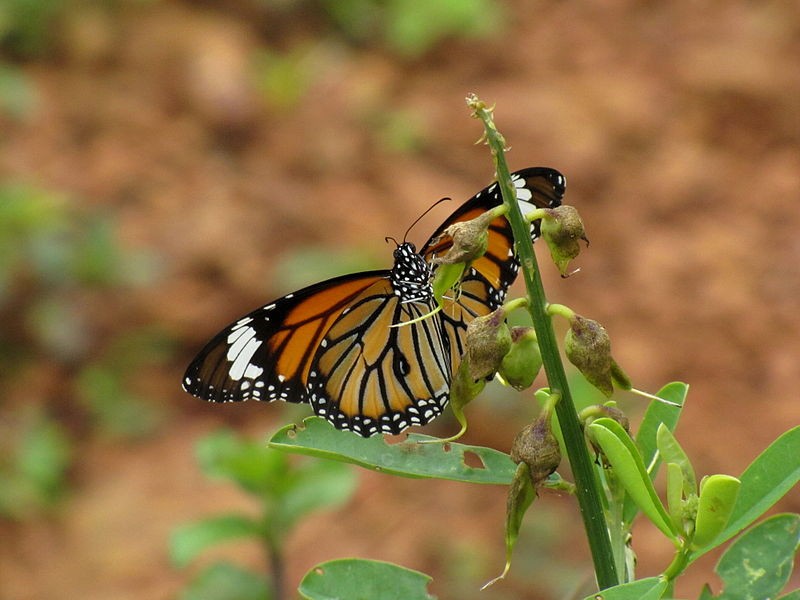
9. Striped tiger
The butterfly closely resembles the monarch butterfly (Danaus plexippus) of the Americas. The wingspan is 70 to 95 millimetres (2.8 to 3.7 in). Both sexes of the butterfly have tawny wings with veins marked with broad black bands. The male has a pouch on the hindwing. The margins of the wings are black with two rows of white spots. The underside of the wings resembles the upperside but is paler in colouration. The male common tiger has a prominent black-and-white spot on the underside of the hindwing. In drier regions the tawny part of the hindwing pales and approaches white in colour making it very similar to the white tiger (D. melanippus).
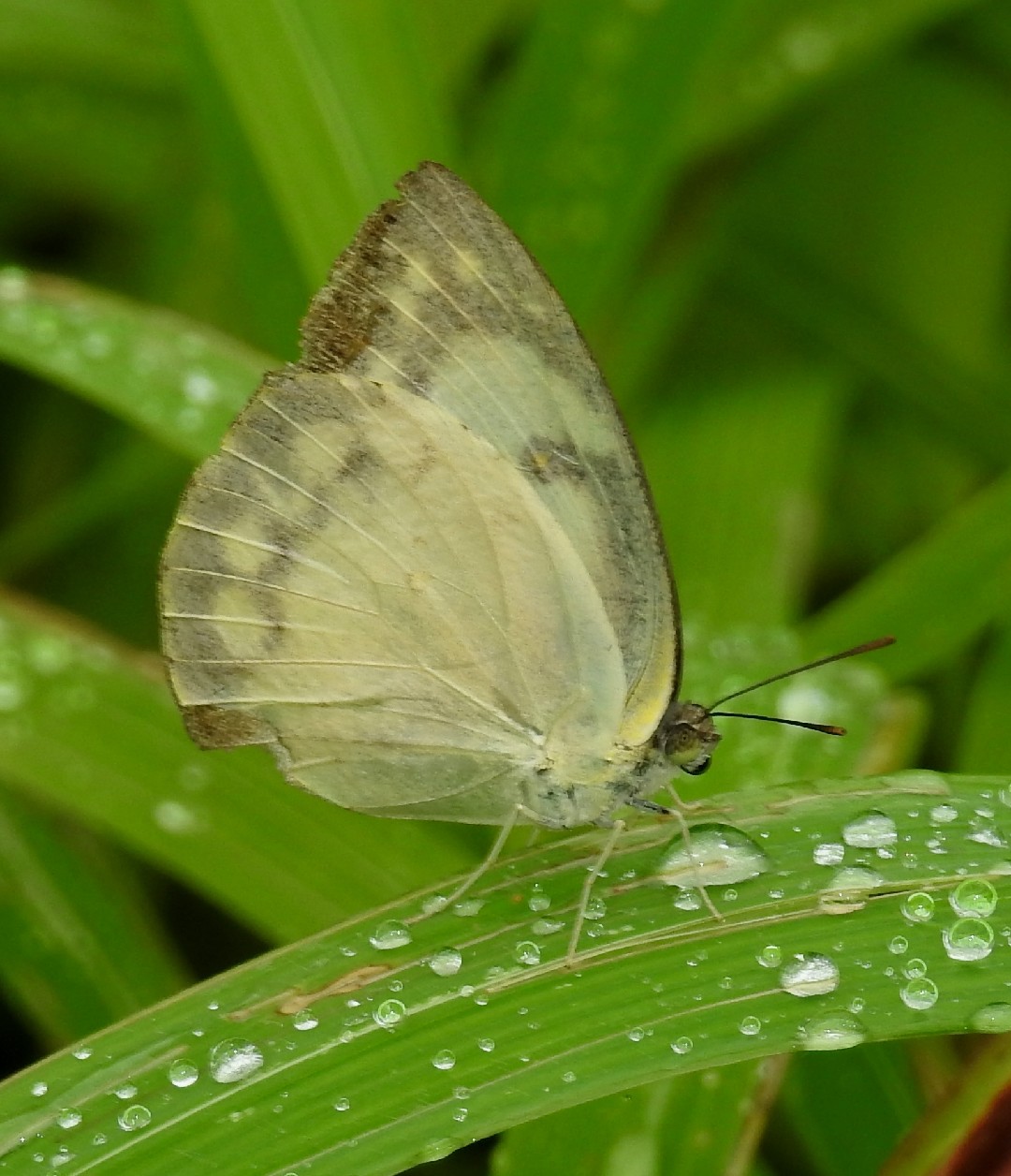
10. Common emigrant
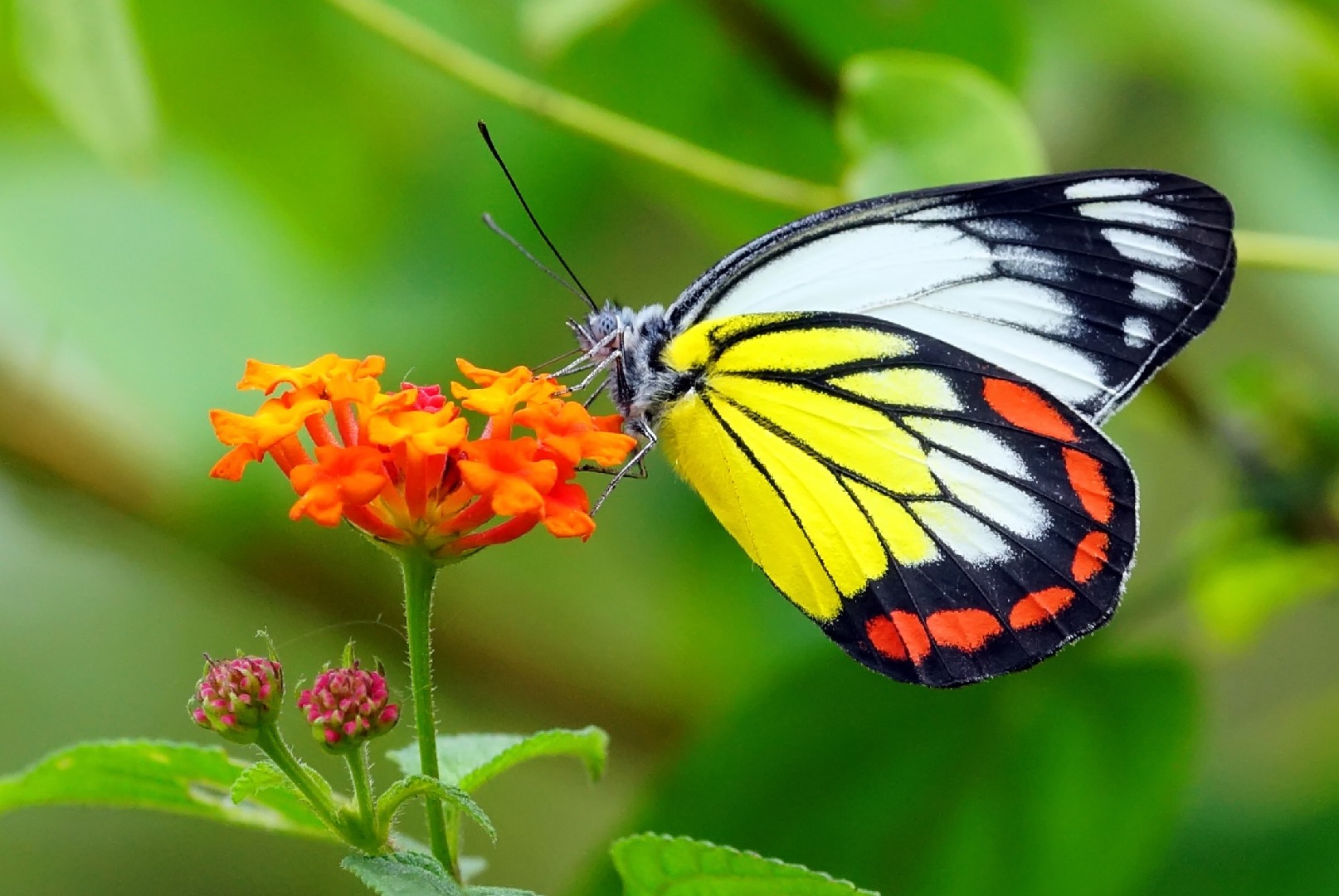
Male. "The upperside of the male is chalky-white, sometimes with a more or less broad and clearly defined basal sulphur-yellow area on both fore and hind wings; this sulphur-yellow colour is at times diffused over the whole surface of the wings, though generally it becomes paler towards the terminal margins. For the fore wing, the whole, or sometimes only the apical half, of the costa narrowly black, this color widened out irregularly at the apex; termen widely black at the apex, the colour narrowed posteriorly. This border in some specimens almost reaches the tornus, in others terminates above vein 4; occasionally it is continued posteriorly by a series of block dots at the apices of the veins. The Hind wing generally are uniform, unmarked, and some specimens bear minute black dots at the apices of the veins. "On the underside the groundcolour is very variable, with white with a slight to strong ochraceous tinge, greenish white or sulphur-yellow. The fore wing is typically without markings, in some specimens with a patch of sulphur-yellow on either side of base of median nervure, in the very yellow examples the tornal area is often widely greenish white, in others (Catopsilia catilla, Cramer) it bears a spot variable in size on the discocellulars. This spot has a pearly centre and an outer reddish line. Many specimens have an irregular angulated narrow discal reddish line (the colour varies in intensity) that runs from the costa obliquely outwards to vein 7, and then obliquely inwards to vein 2, though this line is often absent in specimens that bear the discocellular spot; apex and termen sometimes very narrowly reddish. The hind wing is typically uniform, without markings." Female. "On the female upperside the ground-color varies as in the male, but sometimes it is chalky white at the bases of the wings, with the terminal margins more or less broadly sulphur-yellow. Fore wings always with a round, occasionally quadrate, black discocellular spot variable in size; in some specimens the costa is black only towards the apex of the wing, in others broadly black throughout and opposite the apex of cell so widened out as to touch the discocellular spot. In lightly marked specimens in addition to the discocellular spot, there is only an irregular terminal black band dentate inwardly and widest at the apex of the wing; in others there is in addition a more or less diffuse highly curved macular postdiscal band that extends from the costa obliquely outwards down to vein 7, where it often touches the terminal black band, and thence is continued downward and slightly inclined inwards to interspace 1, getting gradually paler and fainter posteriorly. Hind wing are a series of terminal inter-spacial black spots that vary in size, and in the dark forms coalesce into a terminal black band."



More







