




Top 12 Most Common Insects in Monastir
Insects, characterized by their six legs, segmented bodies, and exoskeletons, are integral parts of our vibrant ecosystem in Monastir. These remarkable creatures display impressive diversity, enhanced by varying geographic locations within Monastir. Mighty mountains to sun-devoid caves bestow distinct habitats that stimulate this biodiversity. Both unwelcome pests and advantageous insects play crucial roles, reflecting Monastir's diverse terrain. With this backdrop, join us in uncovering the 12 most common insects enriching Monastir's fauna.

Most Common Insects
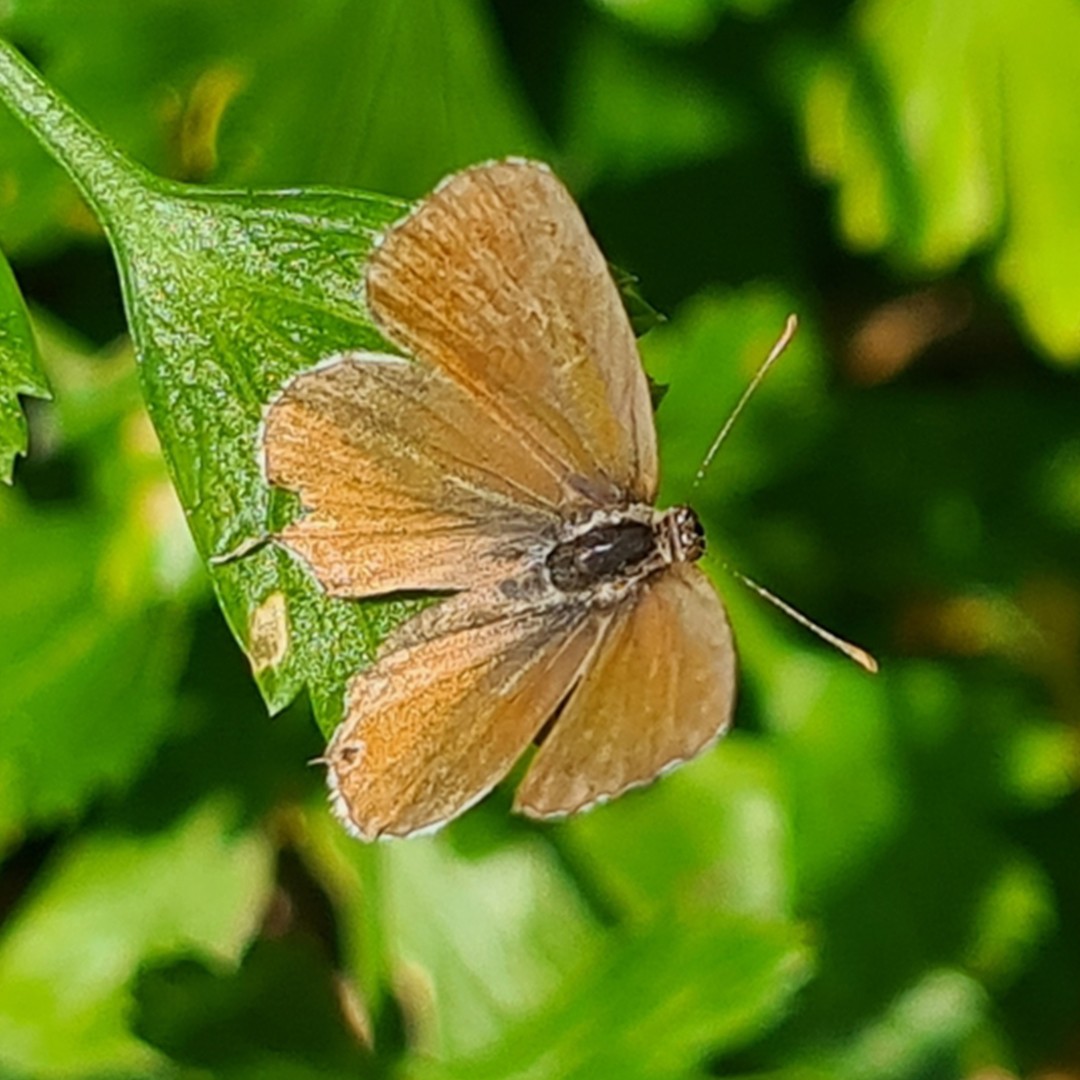
1. Geranium bronze
The adult geranium bronze butterfly's wingspan ranges from 15–23 mm in males and 18–23 mm in females. The wings are brown/bronze with a white border outlining the wings. The underside is a grey-brown with darker bands interlaced with white, creating an intricate pattern. The hindwings contain an eye spot in order to divert predators from attacking. The male and female are similar in appearance. 
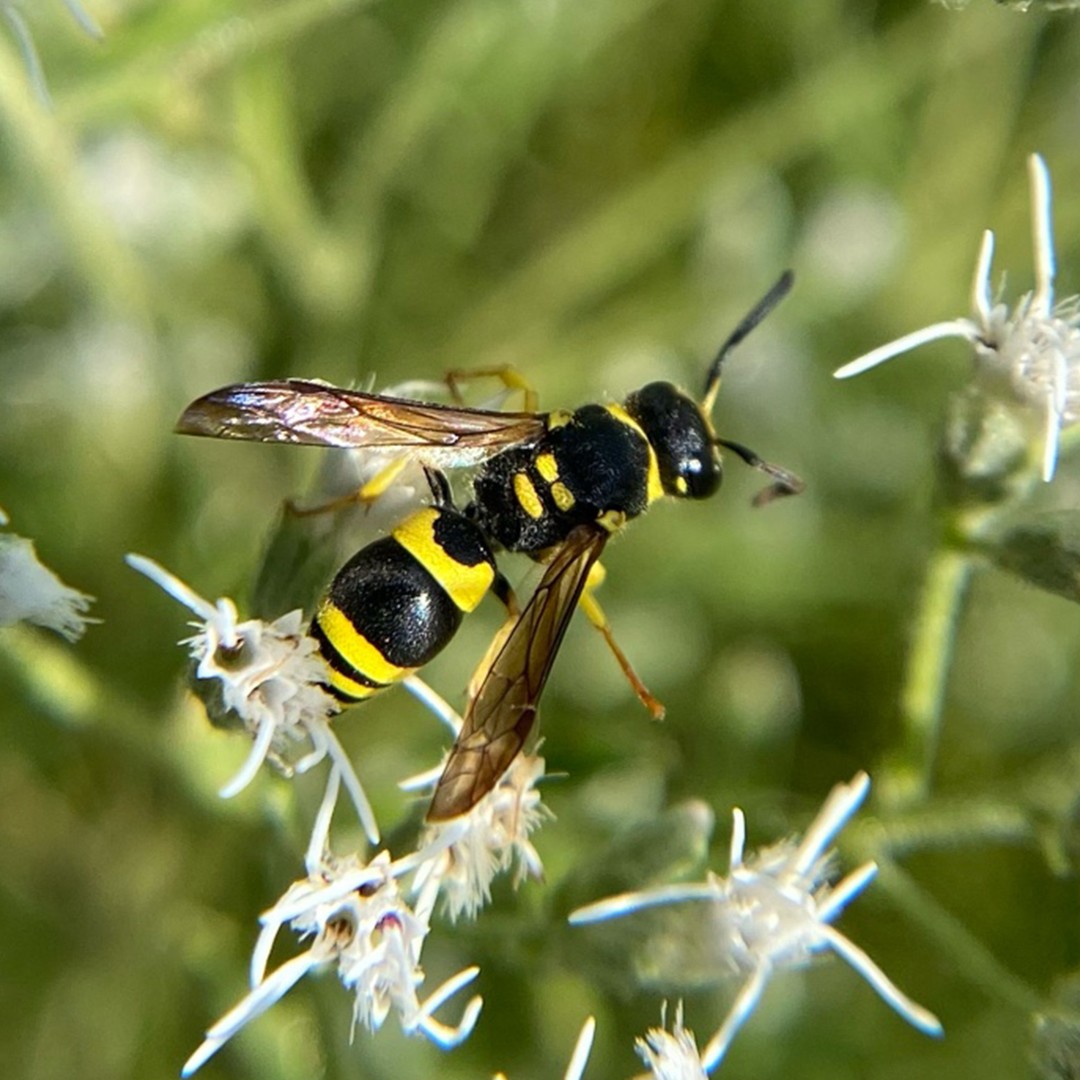
2. European potter wasp
The European potter wasp or European tube wasp (Ancistrocerus gazella) is a species of potter wasp. As an imago (adult), the female collects as many as 20 caterpillars for each nest, which consists of a single cell. Her larval offspring then feed on these inside the nest, which is sealed with mud arranged by her. As adults, they eat nectar and aphid honeydew. Males cannot sting, and the sting of a female is not painful. They can be found on windows, foraging for nectar on flowers, or searching out small cracks or holes in which to nest.
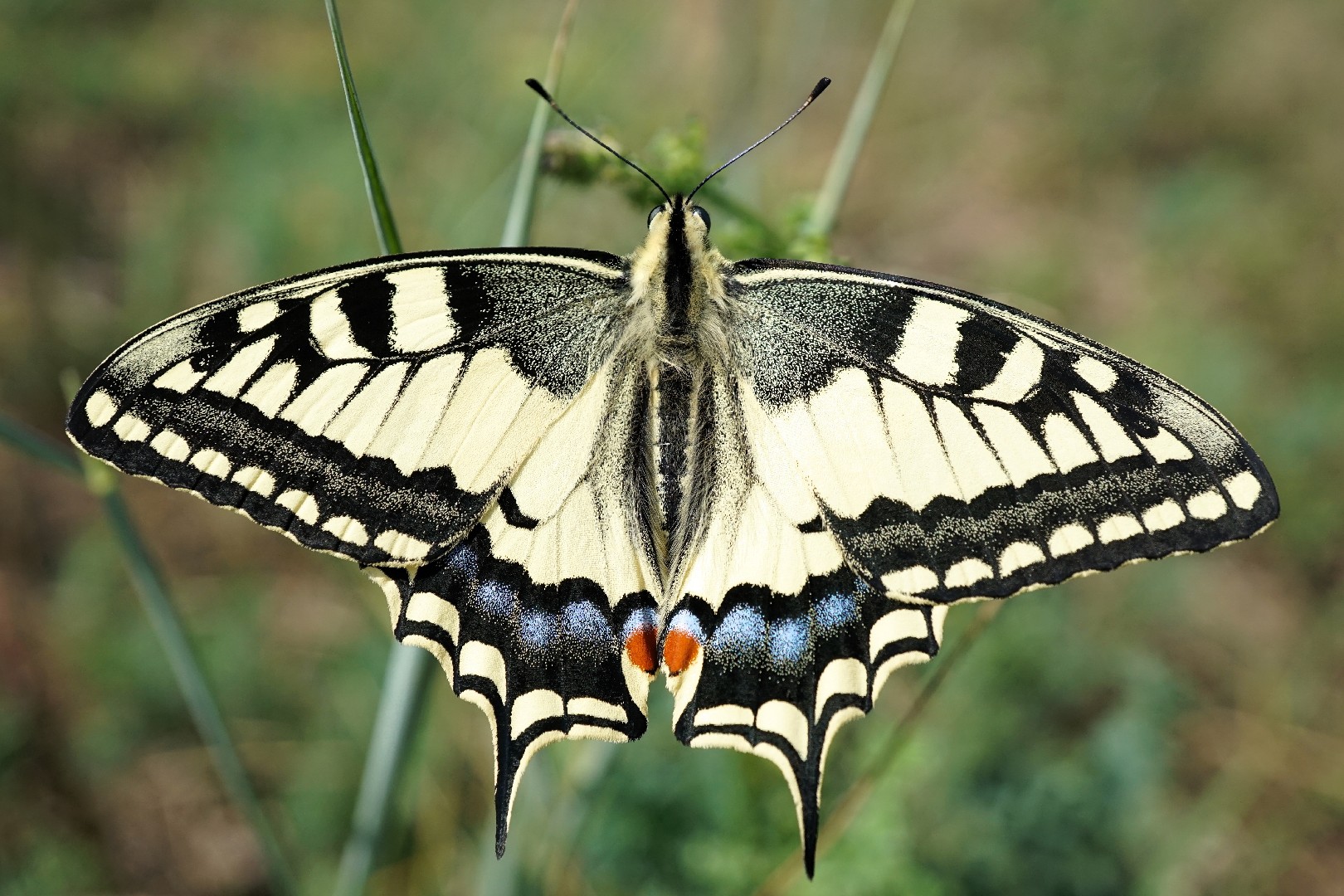
3. Old World swallowtail
The old World swallowtail (Papilio machaon) is commonly just called the "swallowtail," giving it the added title of "old world" to distinguish it and remind us that it comes from the "old world" (Asia, Africa, Europe). The upper side of them is a beautiful combination of pure white with black striping, the underside being a brownish version of the same thing. There is blue and two red dots on its back side.
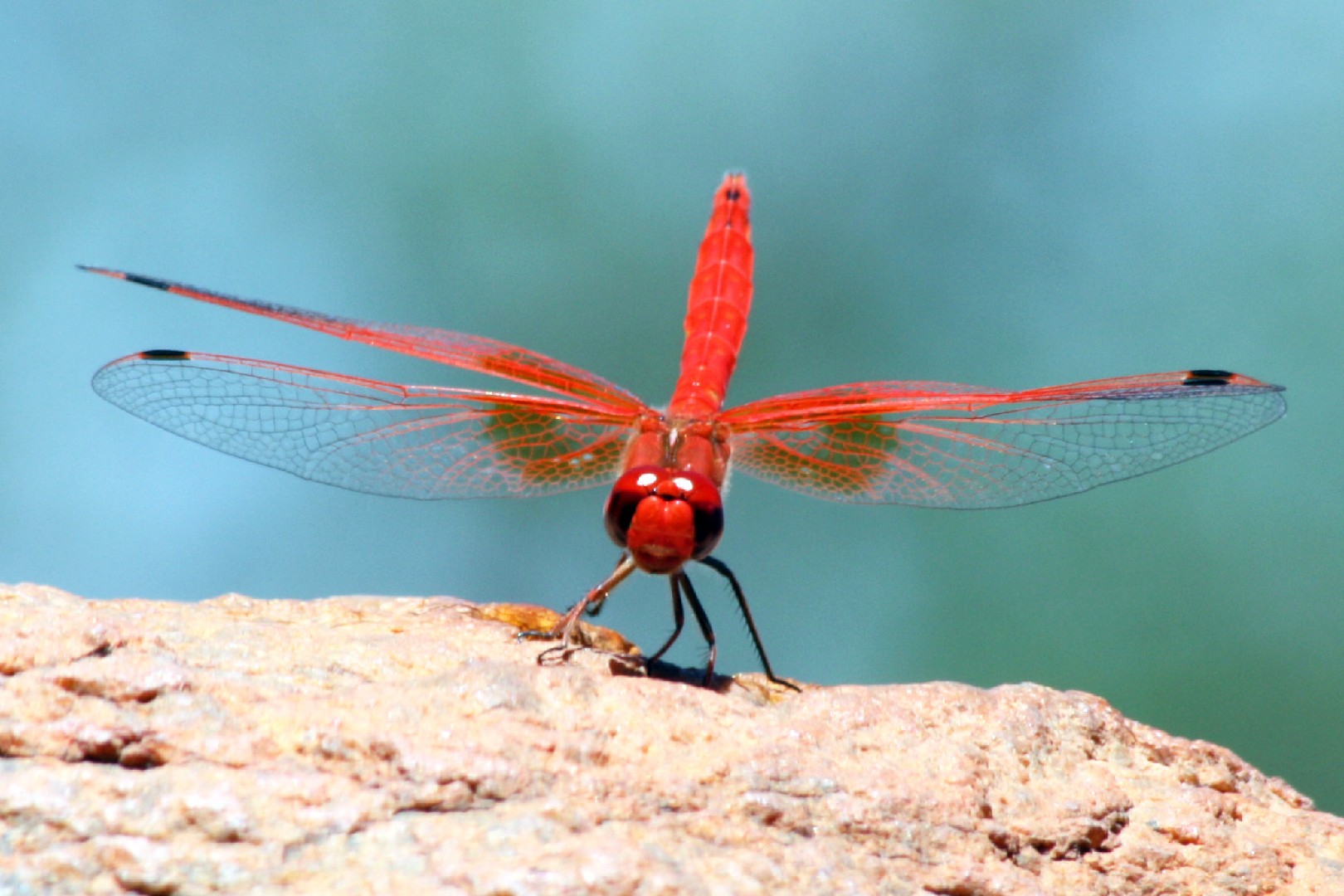
4. Kirby's dropwing
The spotted sun pointer (Trithemis kirbyi) is a dragonfly species from the family of the dragonflies (Libellulidae). Two subspecies are described. The nominate subspecies occurs in India and Sri Lanka, while the insufficiently defined taxon Trithemis kirbyi ardens occurs in the rest of the distribution area, which mainly includes Africa.
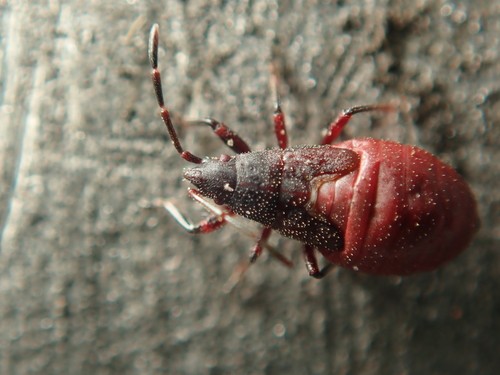
5. Lime Seed Bug
Oxycarenus lavaterae can reach a length of 4.5–5.4 millimetres (0.18–0.21 in) in adult females, and 4.2–5 millimetres (0.17–0.20 in) in males. Adult bugs are mostly red, white and black colored. The head, the entire prothorax, the scutellum and the antennae are black. The upper part of the abdomen is brick-red, while the connexivum is blackish. The front wings are colorless and transparent and reach the top of the abdomen or are a little longer. The nymphs can be easily recognized by their black head and the red-colored abdomen. The wing pads of the nymphs are completely black.
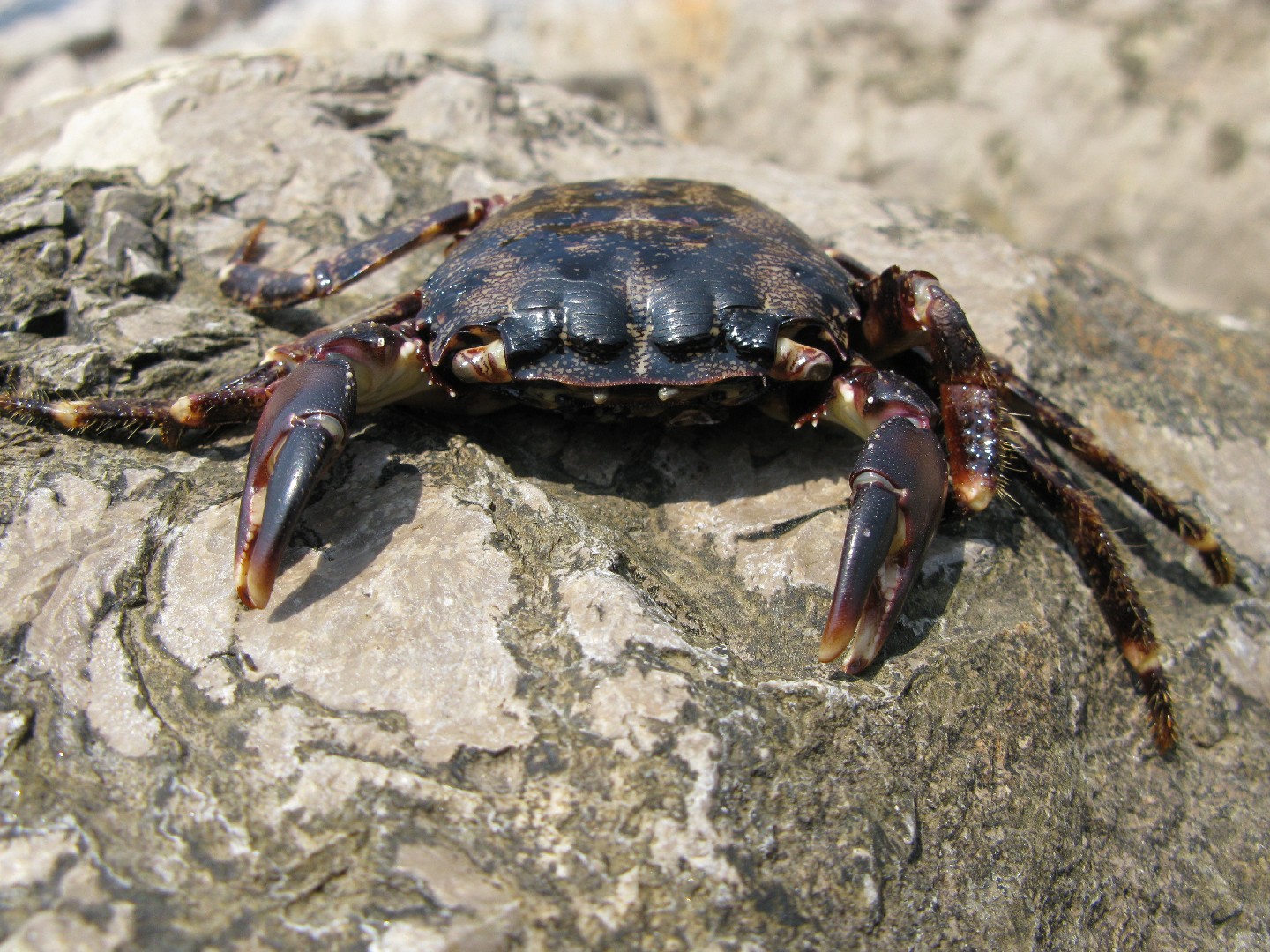
6. Marbled rock crab
P. marmoratus has a square carapace 22–36 millimetres (0.87–1.42 in) long, which is dark violet brown with marbling in yellow. It can be distinguished from related species of Pachygrapsus in the Mediterranean Sea (Pachygrapsus maurus and Pachygrapsus transversus) by the presence of three teeth on each side of the carapace. It is capable of very rapid movements, and it uses this ability to dart into crevices, making it difficult to catch.
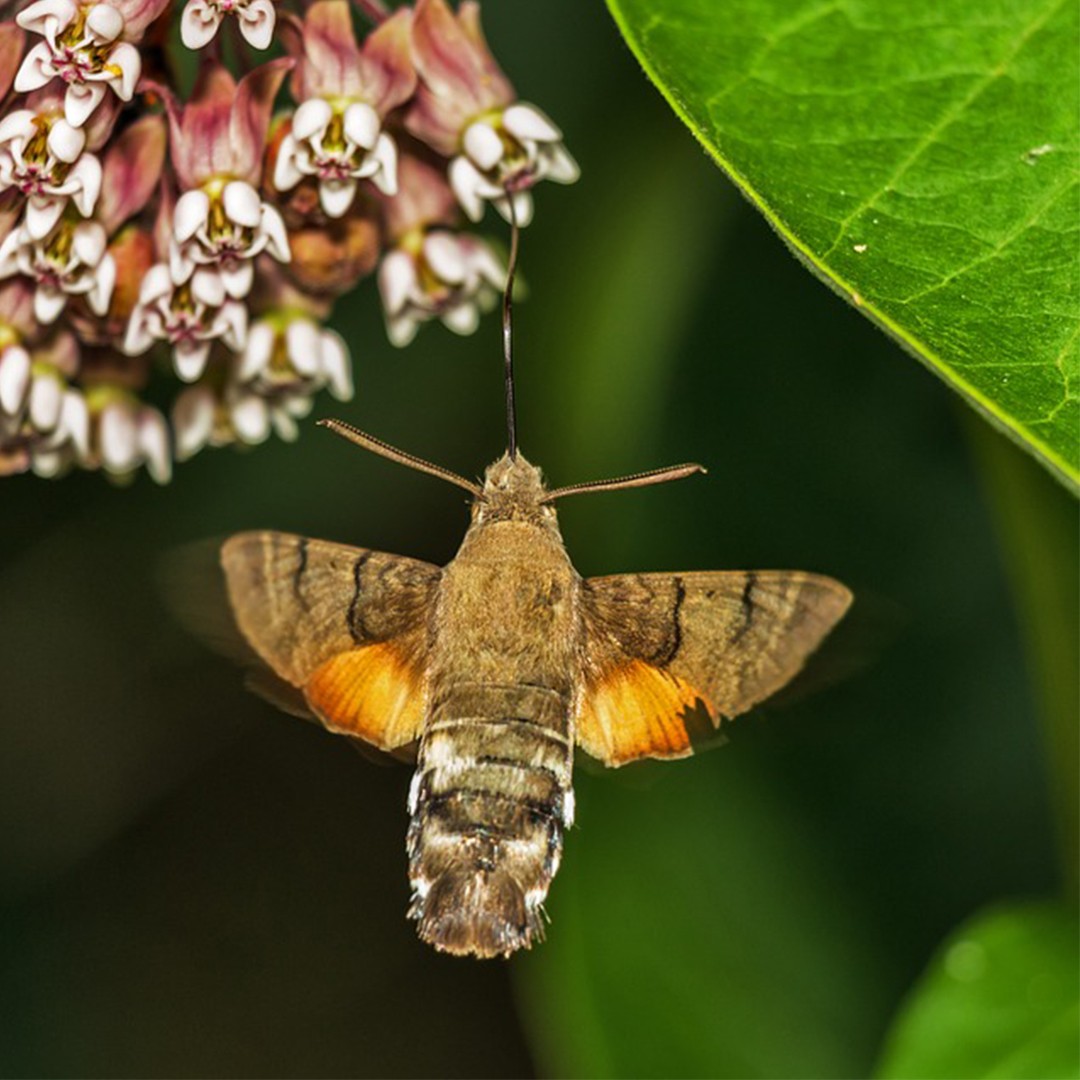
7. Hummingbird hawk-moth
Named after its resemblance to hummingbirds, the hummingbird hawk-moth feeds on nectar-rich, tube-shaped flowers. This large, fast, buzzing insect is known for its ability to learn colors; its food preferences are based on visual recognition. It is a migratory species that starts its journey in Africa. The hummingbird hawk-moth is considered a lucky omen.
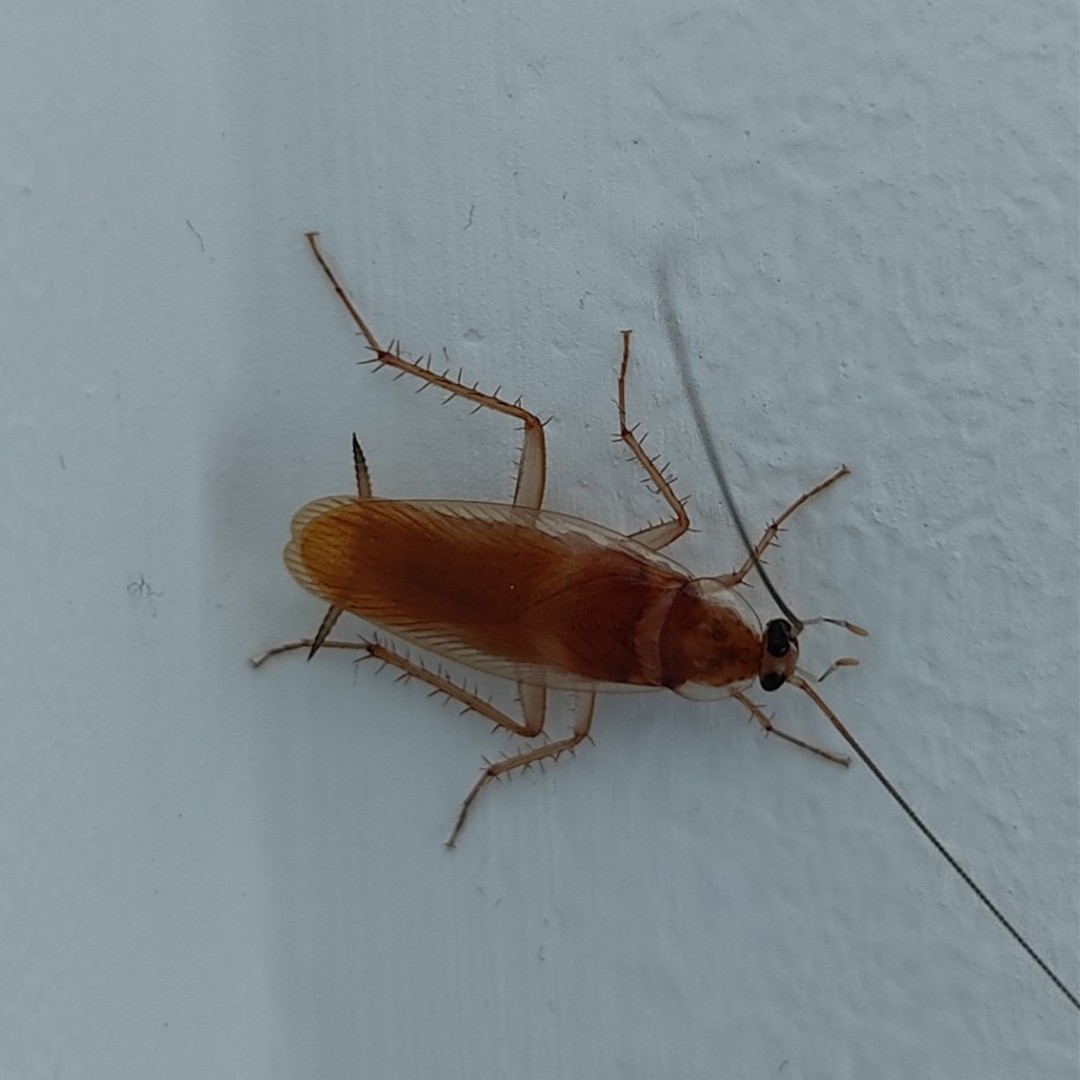
8. Brown-banded cockroach
The brown-banded cockroach is aptly named. Its common name comes from the bands that mark the nymph and adult insects. Its stripes also set it apart from the German cockroach. The brown-banded cockroach spends its entire life indoors and prefers to lay its eggs up high in places like ceiling corners and behind hanging pictures.
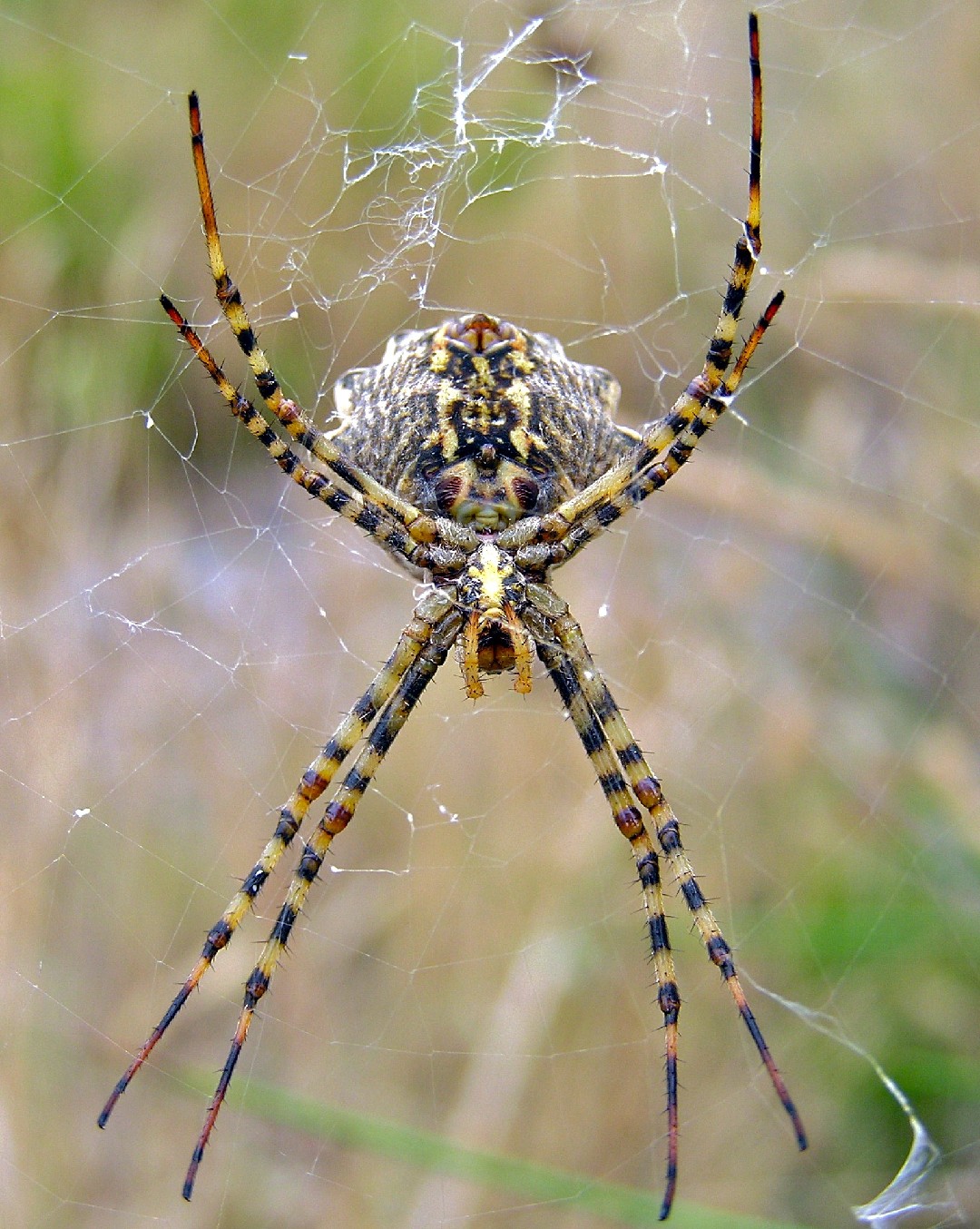
9. Lobed argiope
The male of this species is small (body length 6 mm ) but the female is large and spectacular at up to 2.5 cm in length. The silver abdomen is marked with black and red spots and carries deep furrows and distinctive lobes around the edge. As with other spiders in this genus, the large web is usually decorated with prominent zig-zag stabilimenta.
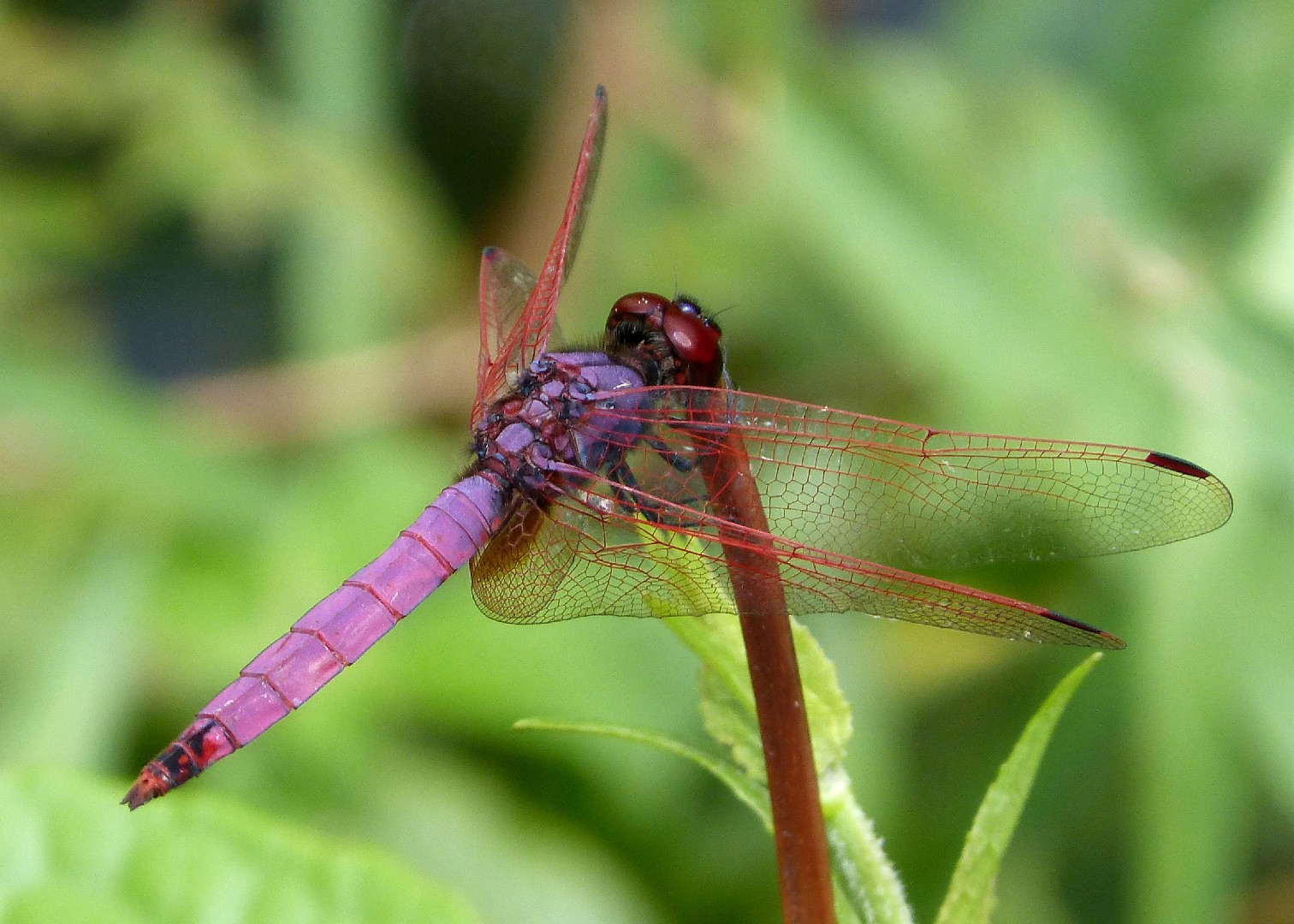
10. Violet dropwing
Trithemis annulata is a robust medium-sized species with a wingspan of 6 cm. The mature male has a dark red head and a yellow labium with brown central spot. The eyes are red with white spots on the rear edge, and the frons is dark metallic purplish-red. The prothorax is violet with slightly darker longitudinal stripes. The membranous wings have distinctive red veins, the pterostigma is orange-brown and there is a large orange-brown splash at the base of the hind wings. The abdomen is fairly broad and is pinkish-violet, with purple markings on the top of each segment and blackish markings on the terminal three segments. Females are a similar size to males but the thorax is brownish and the abdomen is yellow with dark brown markings. The wings of females lack the red veins of males but have similar orange-brown patches.
More







