




Top 16 Most Common Insects in Lake Havasu City
Insects, with their unique features and versatile habitats, are an integral part of Lake Havasu City's vibrant ecosystem. These tiny creatures, marking both the roles of pests and helpers, influence Lake Havasu City's environment significantly. Our list of top '16' most common insects in Lake Havasu City unveils the fascinating interdependence between a city and its insect inhabitants. Stay tuned!

Most Common Insects

1. White-Lined Sphinx
The white-Lined Sphinx ( Hyles lineata) is a colorful furry moth with striped wings. It has a similar size of a hummingbird, and behaves like a hummingbird as well. It can fly extremely fast, and instantly swing from side to side while hovering just like a hummingbird. It feeds on nectar from a variety of flowers including petunia, honeysuckle, lilac, clovers, thistles, and jimson weed.
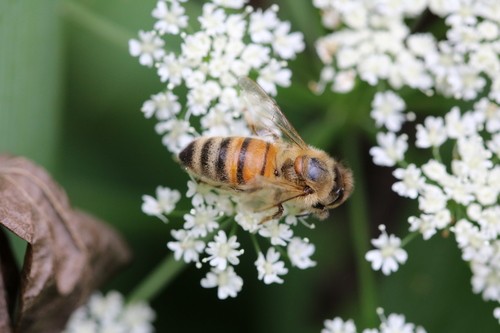
2. Western honey bee
Western honey bee(Apis mellifera) is the most common species of honeybee in the world. Among the first domesticated insects, its cultural and economic impact on humanity has been vast and far-reaching, providing honey, wax and its services as a pollinator. Western honey bee faces challenges worldwide, such as colony collapse disorder, and populations are thought to be decreasing.
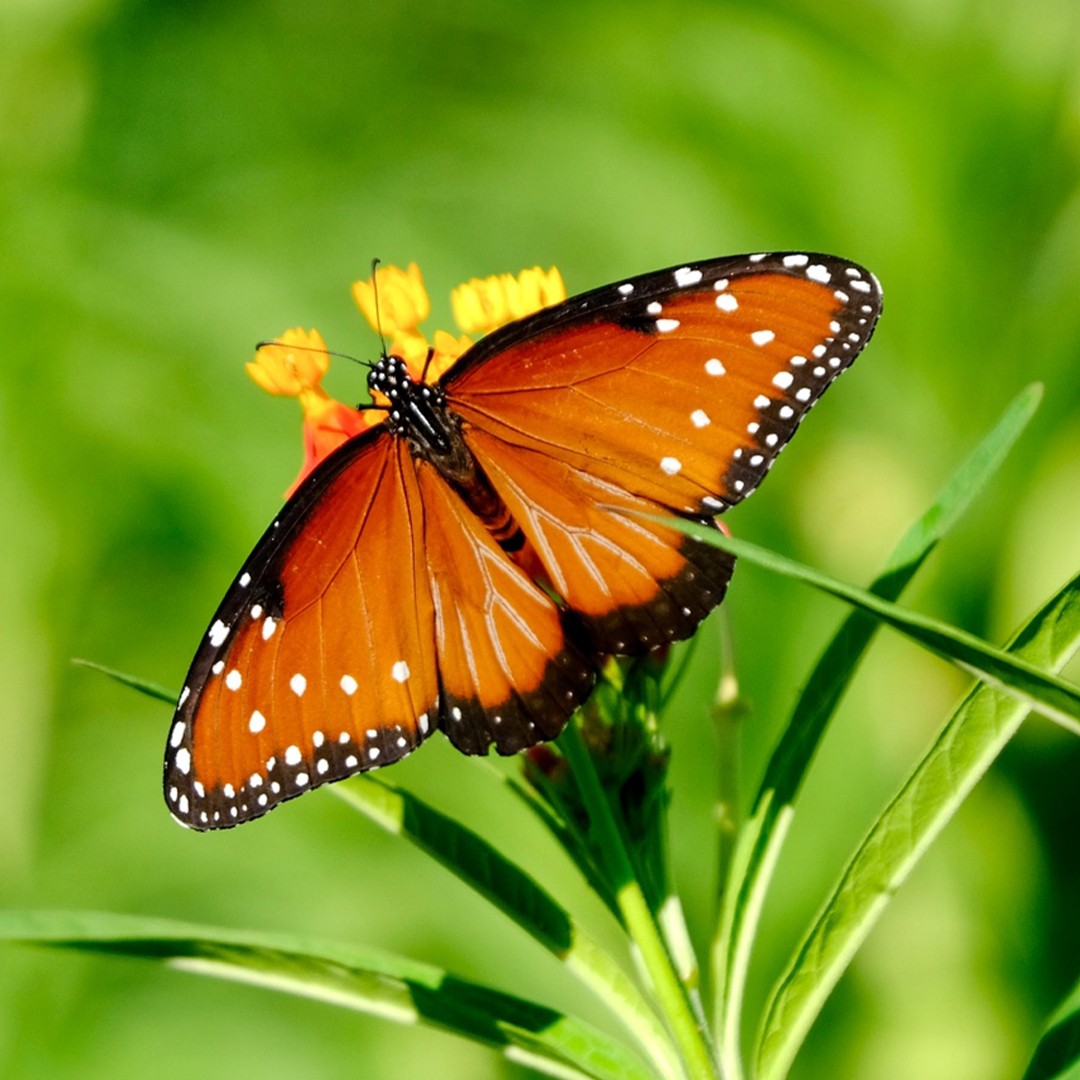
3. Queen
The queen butterfly (Danaus gilippus) is a North and South American butterfly in the family Nymphalidae with a wingspan of 70–88 mm (2.8–3.5 in). It is orange or brown with black wing borders and small white forewing spots on its dorsal wing surface, and reddish ventral wing surface fairly similar to the dorsal surface. The ventral hindwings have black veins and small white spots in a black border. The male has a black androconial scent patch on its dorsal hindwings. It is found throughout the tropics and into the temperate regions of the Americas, Asia and Africa. It can be found in meadows, fields, marshes, deserts, and at the edges of forests. This species is possibly a close relative to the similarly colored soldier butterfly (or tropic queen; Danaus eresimus); in any case, it is not close to the plain tiger (Danaus chrysippus) as was long believed. There are seven subspecies. Females lay one egg at a time on larval host plants. Larvae use these plants as a food source, whereas adult butterflies feed mainly on nectar from flowers. Unpalatability to avian predators is a feature of the butterfly; however, its level is highly variable. Unpalatability is correlated with the level of cardenolides obtained via the larval diet, but other compounds like alkaloids also play a part in promoting distastefulness. Males patrol to search for females, who may mate up to 15 times a day. Male organs called hair-pencils play an important role in courtship, with males with lower hair-pencil levels being selected against. These hair-pencils may be involved in releasing pheromones during courtship that could attract female mates. 
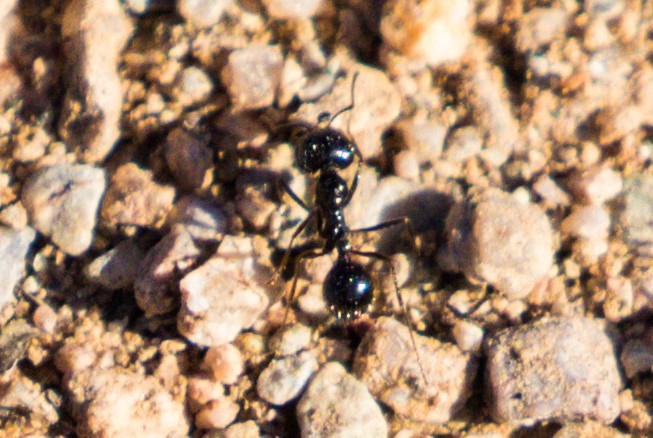
4. Messor pergandei
M. pergandei has a head of equal length and width, with very large mandibles. It has short white or yellow hair and a large thorax. Males typically measure about 8.5 mm (0.33 in) and females about 10 mm (0.39 in). However, individual size can vary based on factors such as availability of food and interspecific competition. The species is named after American myrmecologist Theodore Pergande.
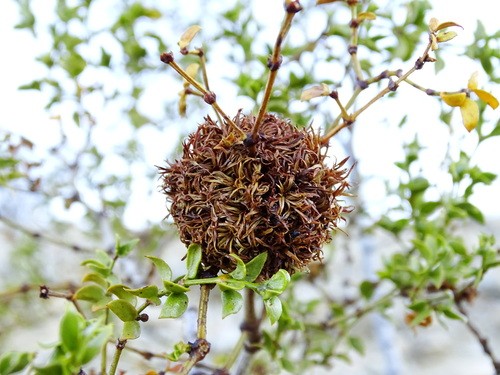
5. Creosote gall midge
Asphondylia auripila is a mosquito species from the family of the gall mosquitoes (Cecidomyiidae). The scientific name of the species was first validly published in 1907 by Felt.
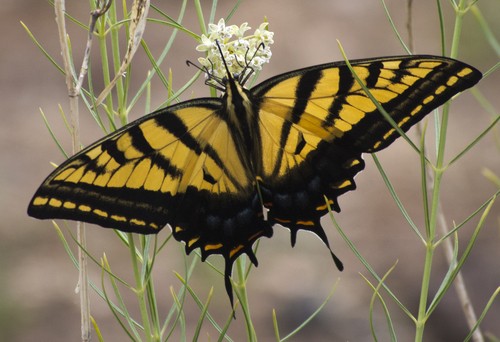
6. Two-tailed swallowtail
The two-tailed swallowtail (Papilio multicaudata) is easily identified with its yellow body and tiger-like stripes. It also has two tails, or spikes, coming off the back of its wings. Also, females are commonly larger and more brightly colored than males. They also have eyespots near the rear of their wings, which fool predators and give them a chance to escape.
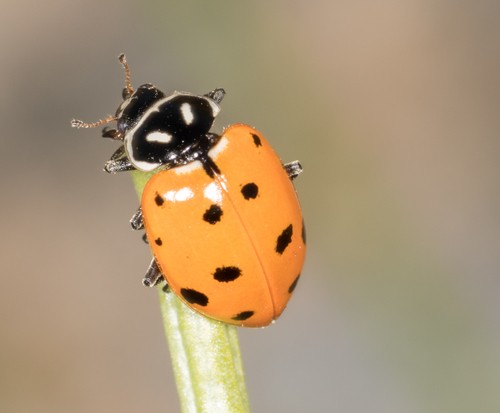
7. Convergent lady beetle
The convergent lady beetle (Hippodamia convergens) is one of the most common lady beetles in North America, which is a great thing given that it is a common biological control agent of aphids. They lay a good chunk of eggs over a couple of months. If you have ever seen a small, black alligator-like insect, you may have seen one of its larva.
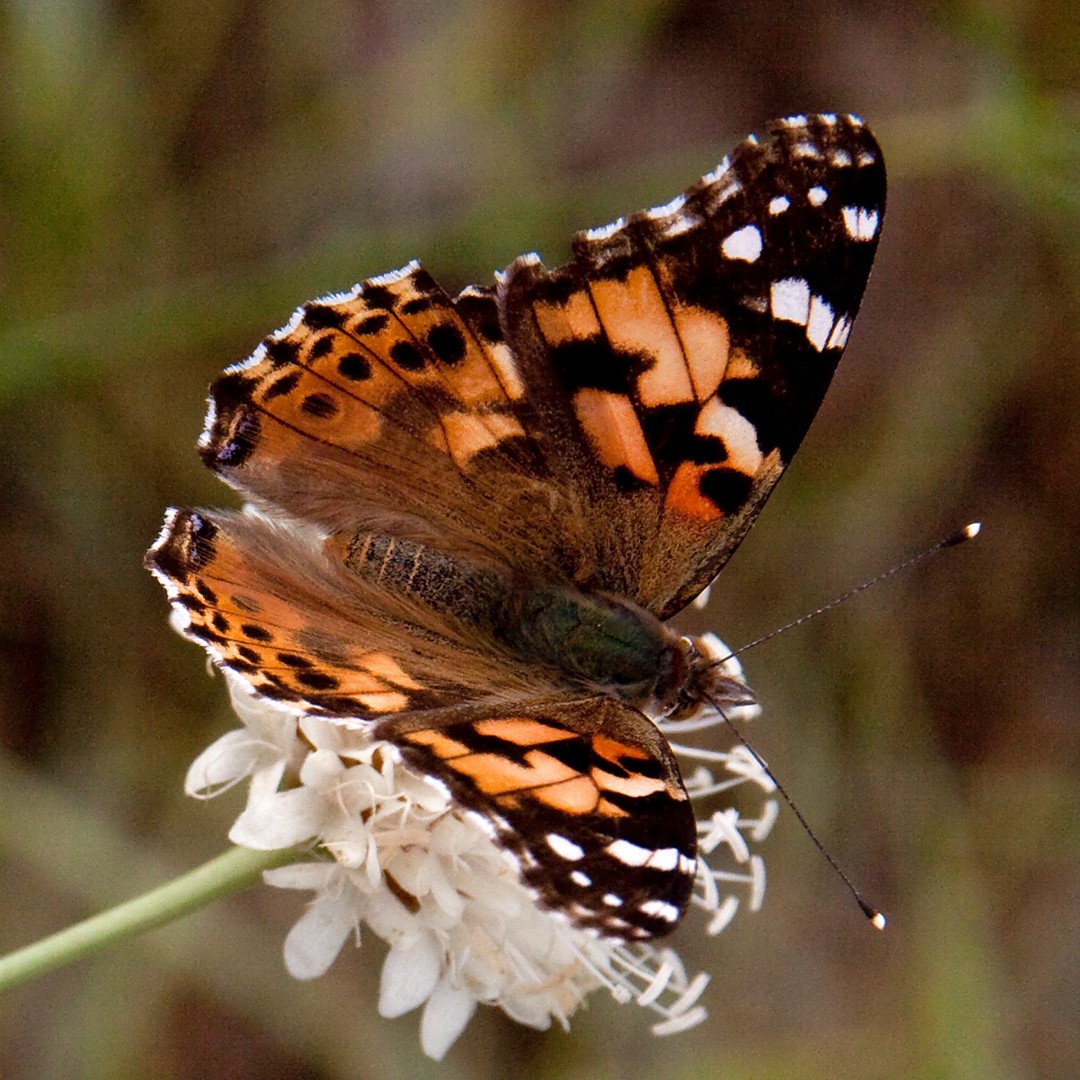
8. Painted lady
The painted lady is a migratory butterfly that spends part of the year in Northern Africa and then migrates to Europe during the warmer months. Although the adults feed on nectar from flowers, the larvae feed on the leaves of nettles and thistles.
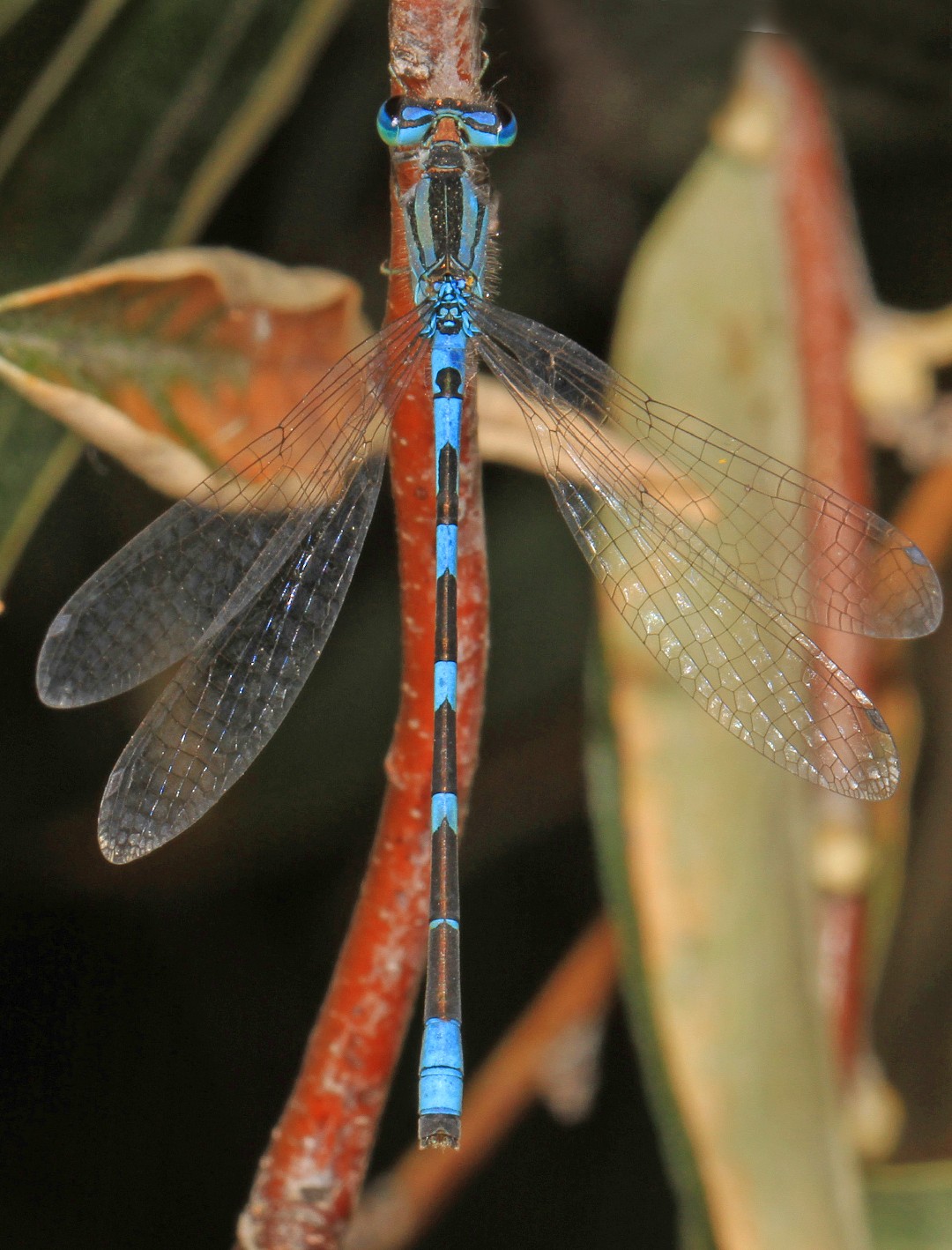
9. Tule bluet
Enallagma carunculatum is a dragonfly in the family of the brown dragonflies (Coenagrionidae). It is native to North America.
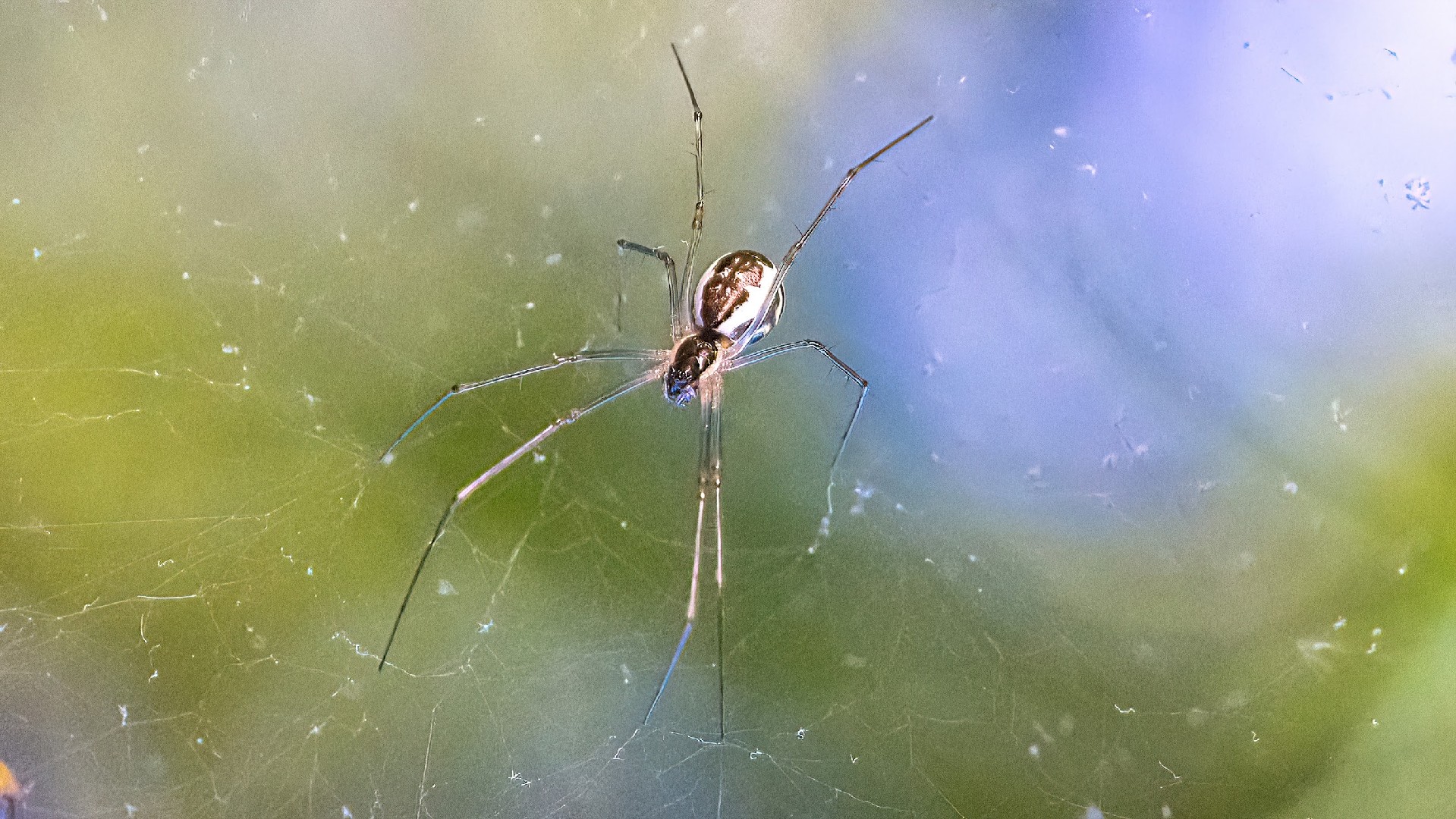
10. Sierra dome spider
The animal belongs to the genus Neriene. The scientific name of the species was first validly published in 1886 by Eugen von Keyserling.
More







