




Top 20 Most Common Insects in Prescott
Insects, tiny creatures with distinguishing features, are a crucial part of Prescott's ecosystem. The landscape of Prescott is rich with both pest and beneficial insects, playing pivotal roles in the city's ecological balance. As we delve into the top 20 most common insects, we will uncover their unique connections to Prescott's environments, deriving invaluable biological insights.

Most Common Insects
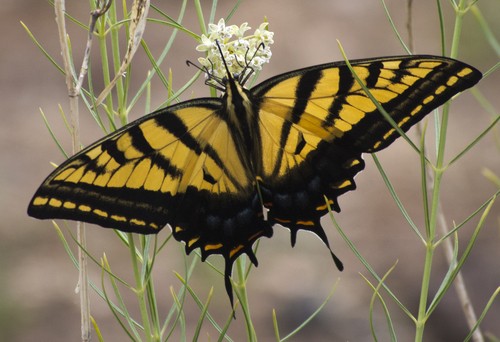
1. Two-tailed swallowtail
The two-tailed swallowtail (Papilio multicaudata) is easily identified with its yellow body and tiger-like stripes. It also has two tails, or spikes, coming off the back of its wings. Also, females are commonly larger and more brightly colored than males. They also have eyespots near the rear of their wings, which fool predators and give them a chance to escape.
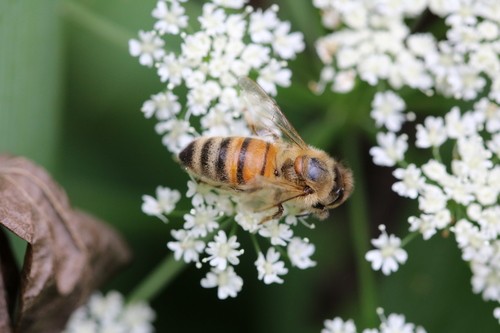
2. Western honey bee
Western honey bee(Apis mellifera) is the most common species of honeybee in the world. Among the first domesticated insects, its cultural and economic impact on humanity has been vast and far-reaching, providing honey, wax and its services as a pollinator. Western honey bee faces challenges worldwide, such as colony collapse disorder, and populations are thought to be decreasing.
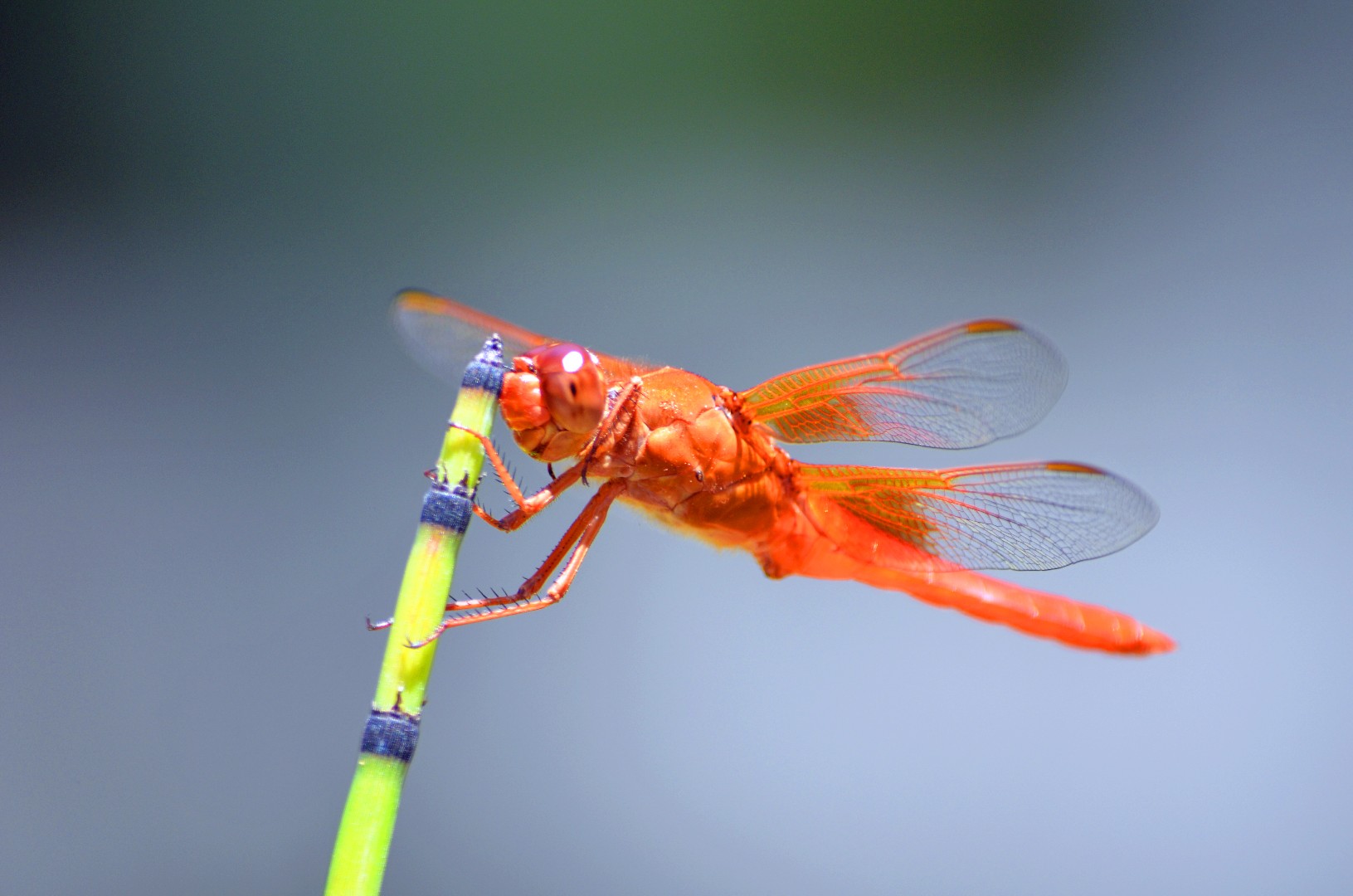
3. Flame skimmer
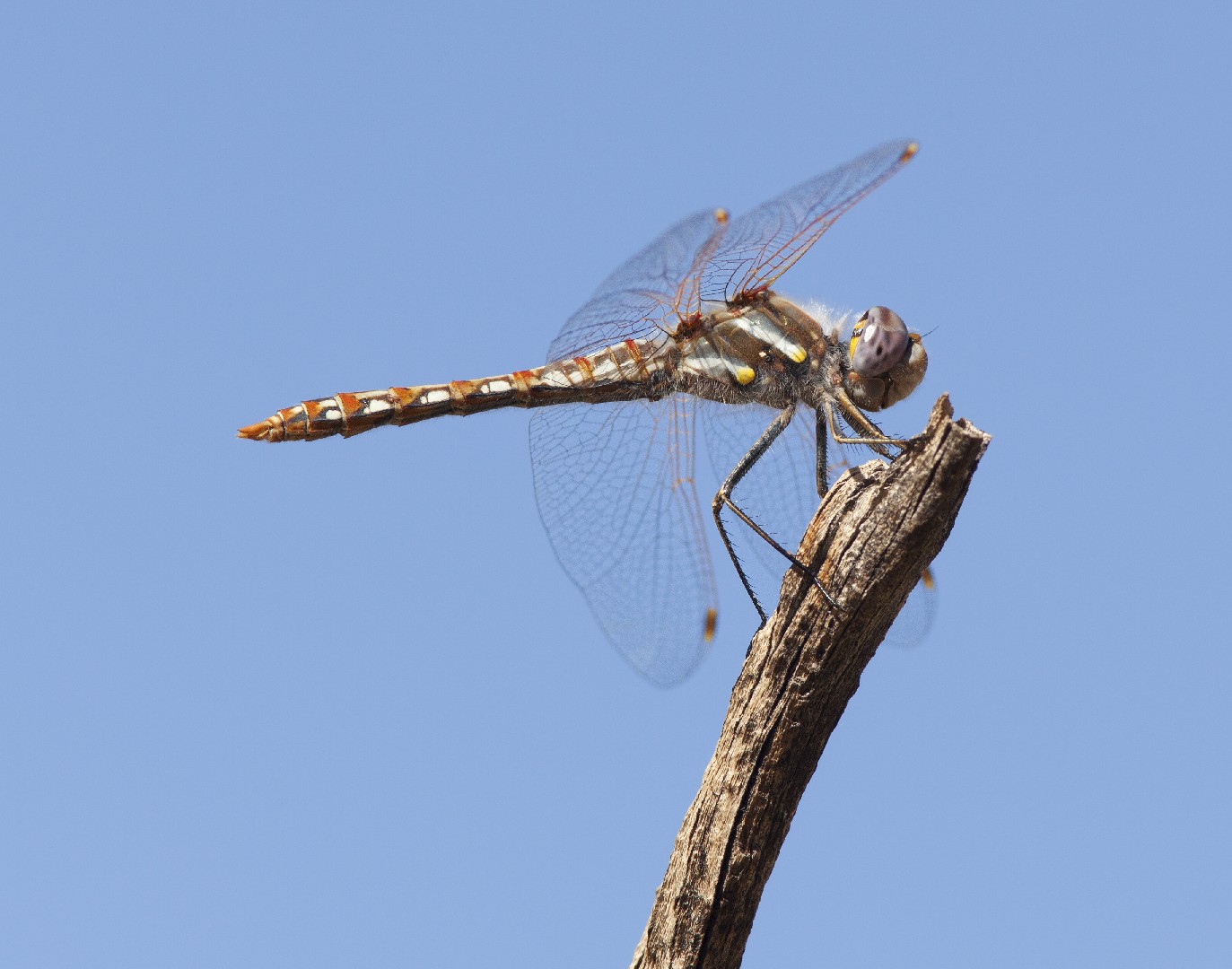
Male flame skimmers are known for their entirely red or dark orange body, this includes eyes, legs, and even wing veins. Females are usually a medium or darker brown with some thin, yellow markings. This particular type of skimmer varies in size but is generally measured somewhere between 5 cm and 8 cm long. These naiads are known for being rather large and chubby-looking due to their rounded abdomen. They are covered with hair but, unlike most young dragonflies, they lack hooks or spines. 
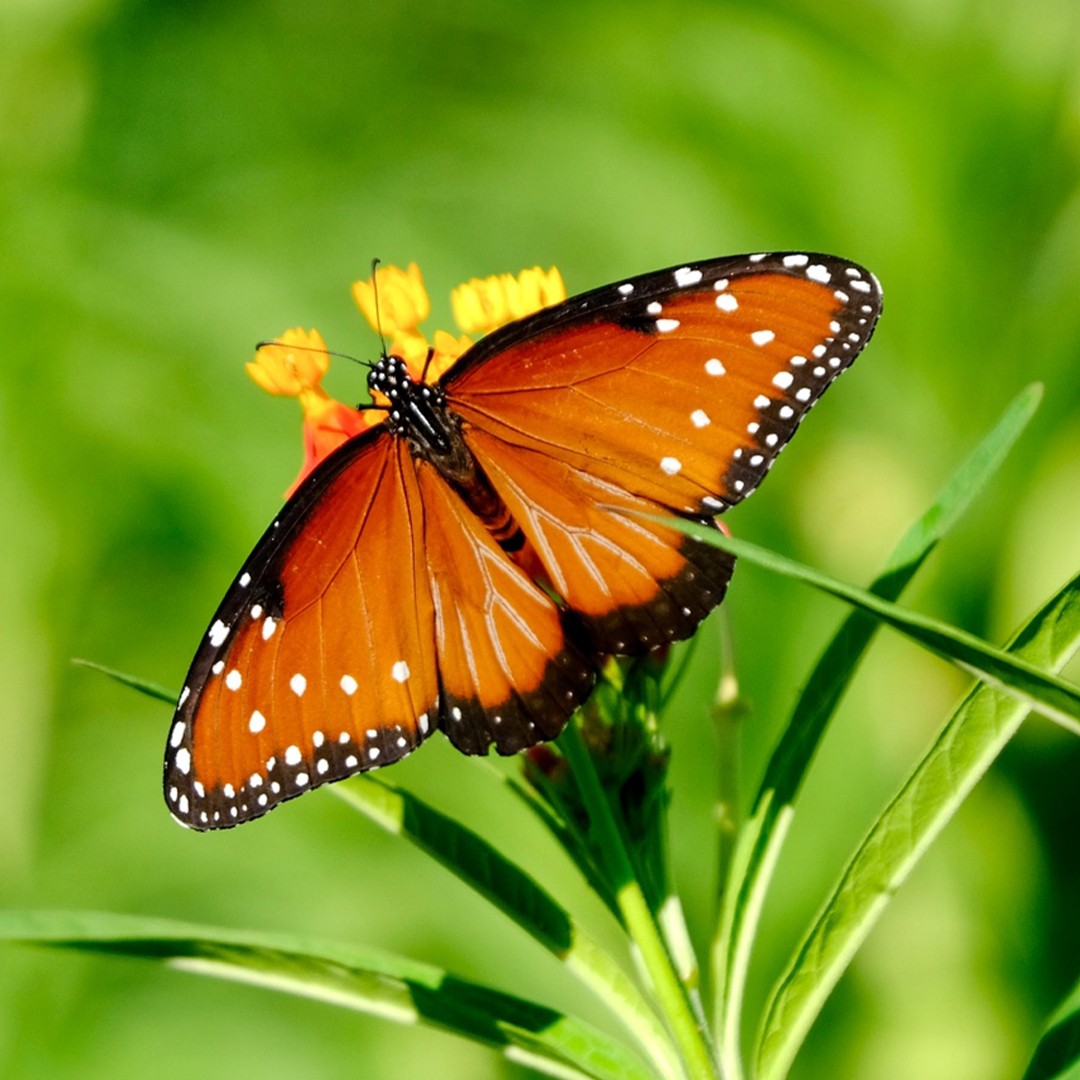
4. Queen
The queen butterfly (Danaus gilippus) is a North and South American butterfly in the family Nymphalidae with a wingspan of 70–88 mm (2.8–3.5 in). It is orange or brown with black wing borders and small white forewing spots on its dorsal wing surface, and reddish ventral wing surface fairly similar to the dorsal surface. The ventral hindwings have black veins and small white spots in a black border. The male has a black androconial scent patch on its dorsal hindwings. It is found throughout the tropics and into the temperate regions of the Americas, Asia and Africa. It can be found in meadows, fields, marshes, deserts, and at the edges of forests. This species is possibly a close relative to the similarly colored soldier butterfly (or tropic queen; Danaus eresimus); in any case, it is not close to the plain tiger (Danaus chrysippus) as was long believed. There are seven subspecies. Females lay one egg at a time on larval host plants. Larvae use these plants as a food source, whereas adult butterflies feed mainly on nectar from flowers. Unpalatability to avian predators is a feature of the butterfly; however, its level is highly variable. Unpalatability is correlated with the level of cardenolides obtained via the larval diet, but other compounds like alkaloids also play a part in promoting distastefulness. Males patrol to search for females, who may mate up to 15 times a day. Male organs called hair-pencils play an important role in courtship, with males with lower hair-pencil levels being selected against. These hair-pencils may be involved in releasing pheromones during courtship that could attract female mates.

5. White-Lined Sphinx
The white-Lined Sphinx ( Hyles lineata) is a colorful furry moth with striped wings. It has a similar size of a hummingbird, and behaves like a hummingbird as well. It can fly extremely fast, and instantly swing from side to side while hovering just like a hummingbird. It feeds on nectar from a variety of flowers including petunia, honeysuckle, lilac, clovers, thistles, and jimson weed.
6. Sooty dancer
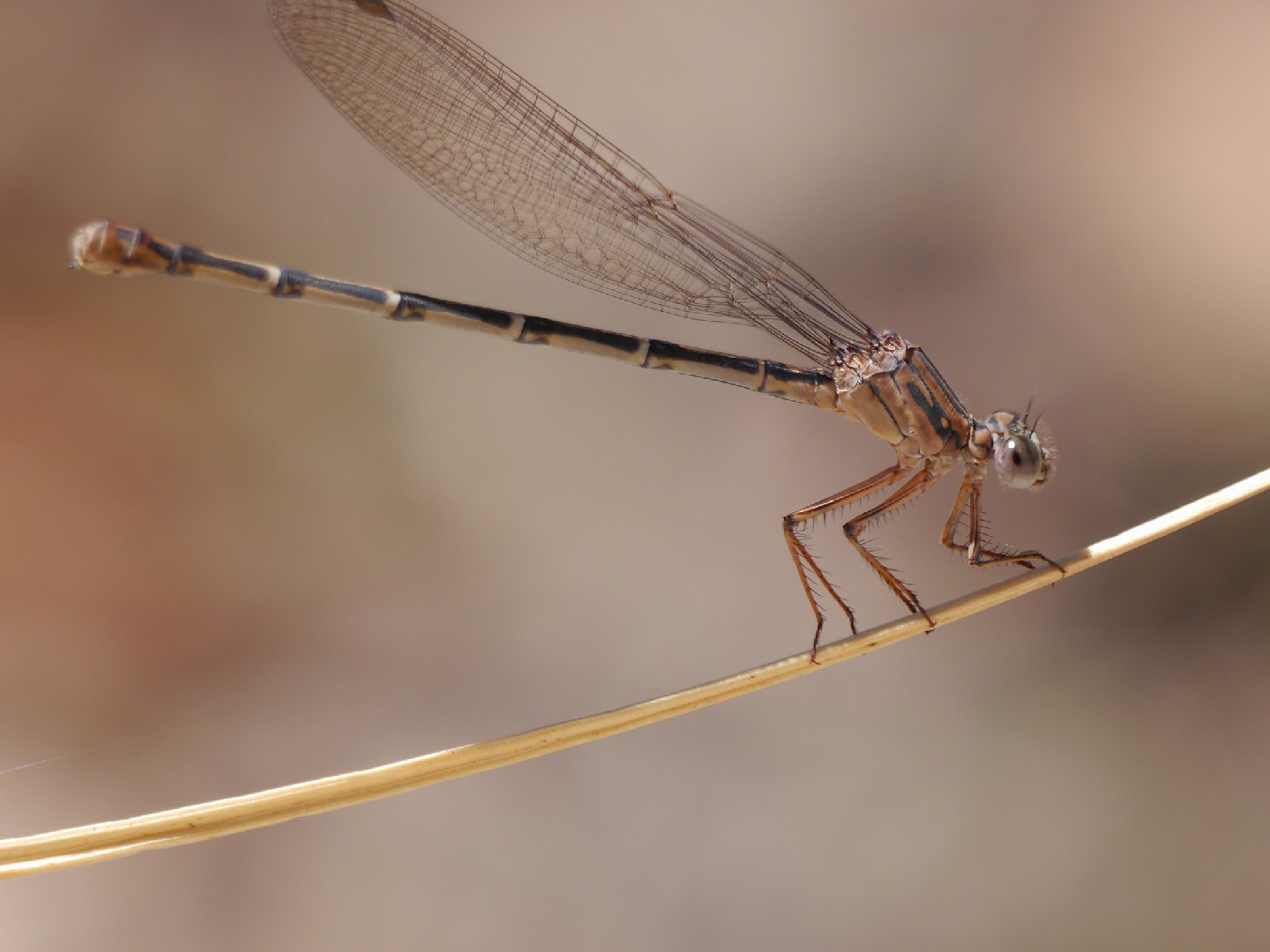
The species is on the Red List of the IUCN as not endangered, year of assessment 2007, the trend of the population is stable according to the IUCN.
7. Sonoran bumble bee
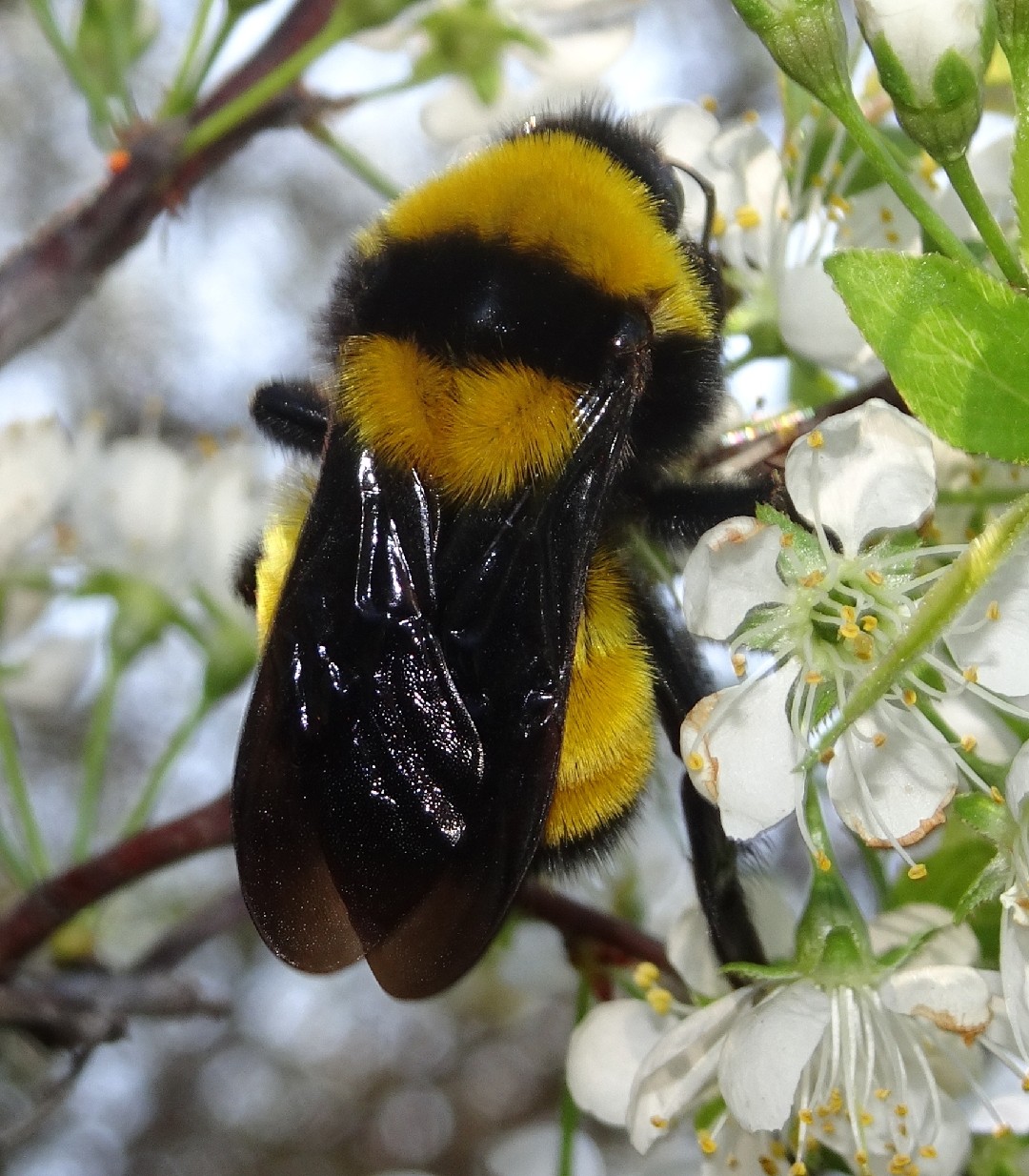
Bombus sonorus is a non-woven insect from the family of bees and bumblebees (Apidae). The scientific name of the species was first validly published in 1837 by Say.

8. Variegated fritillary
The variegated fritillary (Euptoieta claudia) earns its name from the greek work Eutptoietos, which means "easily scared." This is because they are incredibly difficult to approach, darting away if anyone comes close. They are identified with a checkered orange and black on its wings. The variegated fritillary is unique among butterflies for its ability to have two or three broods per year, resulting in many potential children.
9. Obscure darkling beetle
10. Springwater dancer
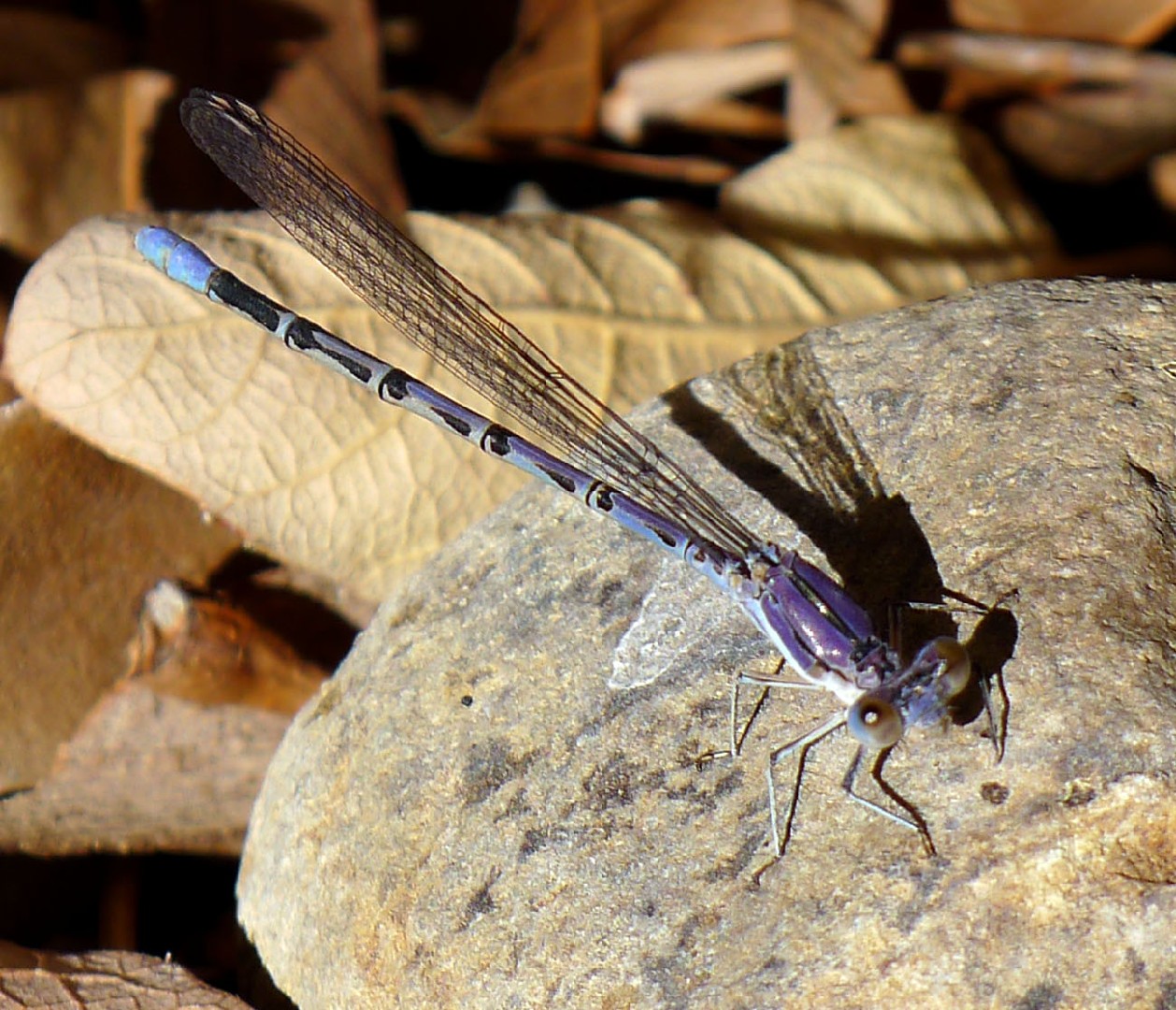
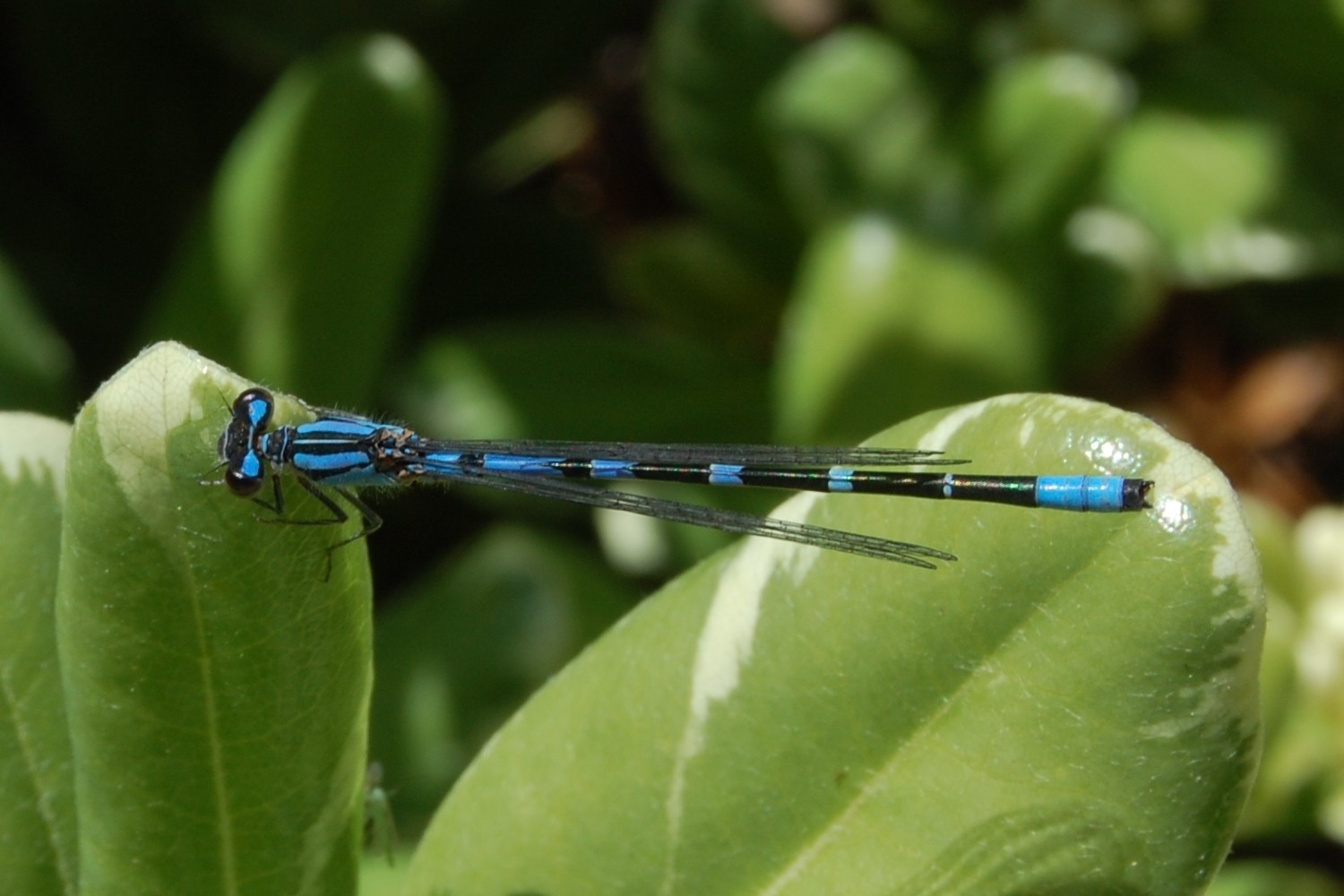
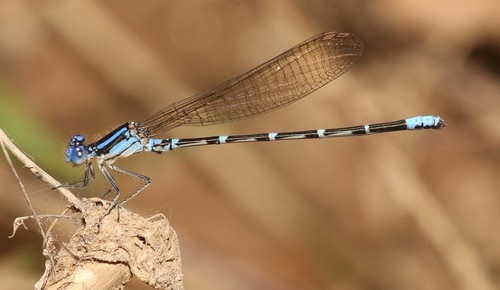
The springwater dancer has a black stripe along the side of its thorax. The male is typically blue, but some can be violet. The female is pale brown.
More







