




Top 20 Most Common Insects in Hanford
Insects, with their striking features and versatility, find a myriad of habitats within Hanford. These creatures play a critical role in maintaining this city's ecological balance. The various environmental factors in Hanford foster a rich variety of insects, both beneficial and otherwise. Uncover the top 20 most common insects and their fascinating lives in the city.

Most Common Insects
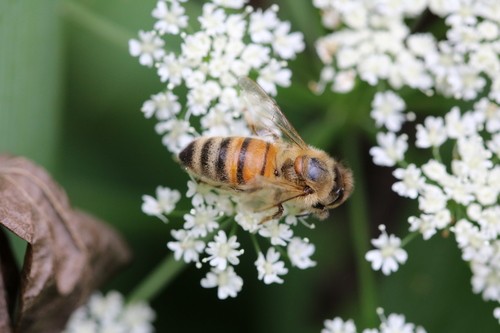
1. Western honey bee
Western honey bee(Apis mellifera) is the most common species of honeybee in the world. Among the first domesticated insects, its cultural and economic impact on humanity has been vast and far-reaching, providing honey, wax and its services as a pollinator. Western honey bee faces challenges worldwide, such as colony collapse disorder, and populations are thought to be decreasing.
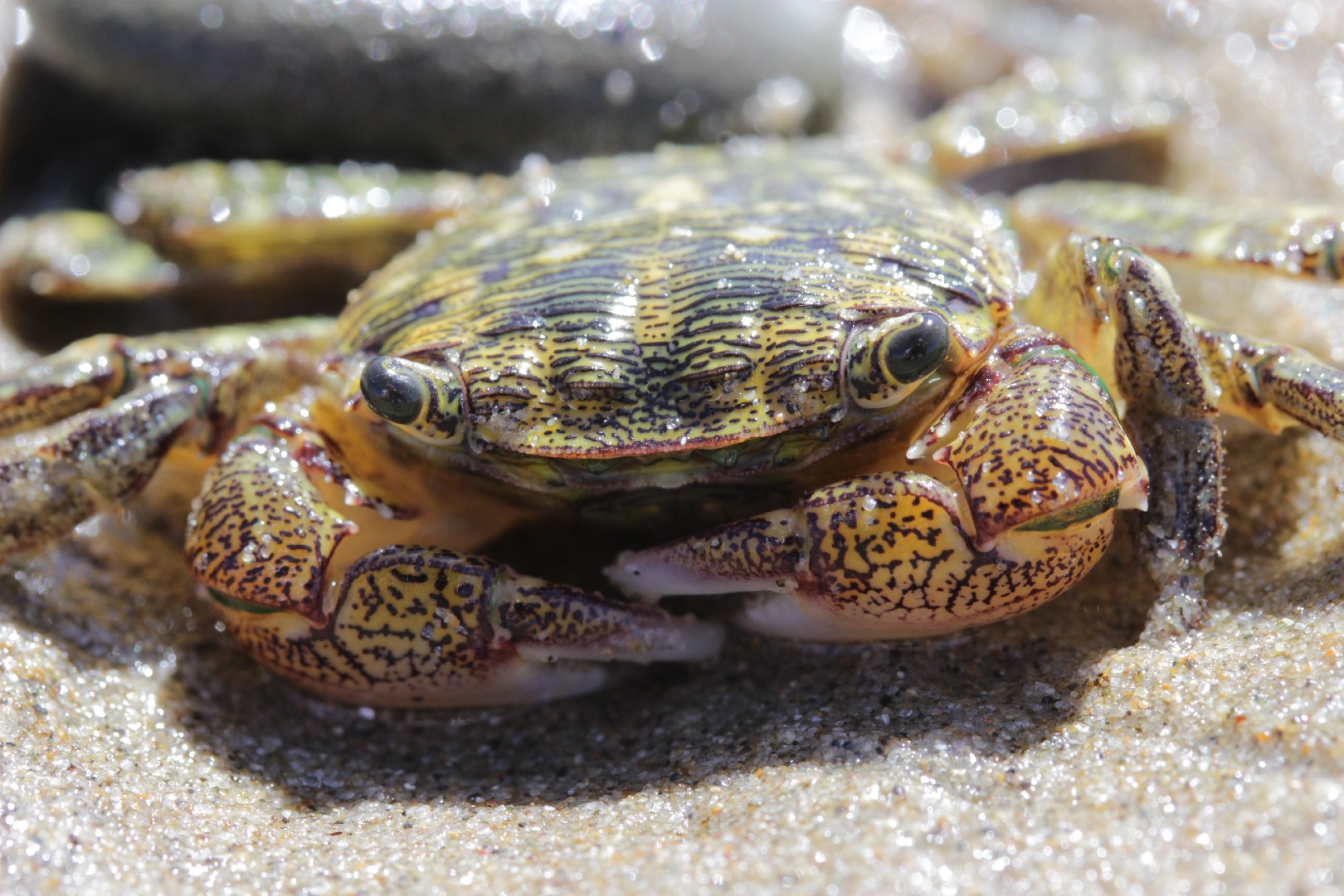
2. The striped shore crab
The striped shore crab spends half of its time out of the water, usually hiding in small cracks among rocks. It is well adapted to semi-terrestrial life and said to be able to thrive on land for up to 70 hours. When night falls and its predators are not active, the the striped shore crab emerges out from rock cervices, seeking food.
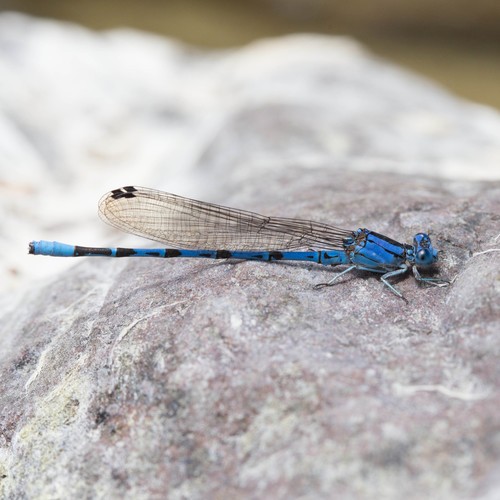
3. Vivid dancer
The scientific name of the species was first validly published in 1865 by Hagen in Selys.
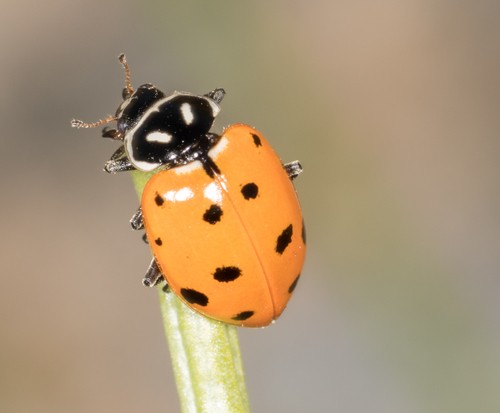
4. Convergent lady beetle
The convergent lady beetle (Hippodamia convergens) is one of the most common lady beetles in North America, which is a great thing given that it is a common biological control agent of aphids. They lay a good chunk of eggs over a couple of months. If you have ever seen a small, black alligator-like insect, you may have seen one of its larva.
5. Painted lady
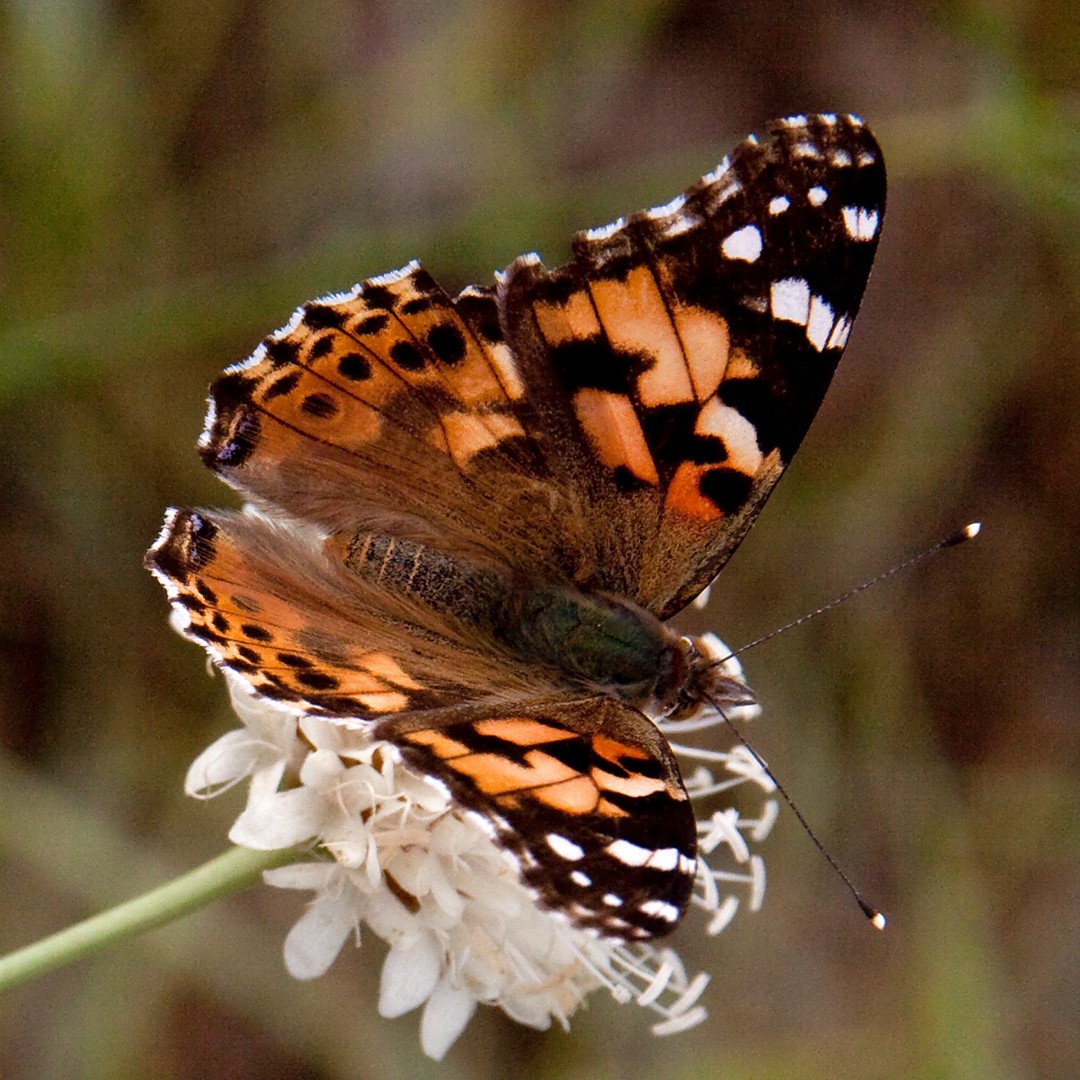
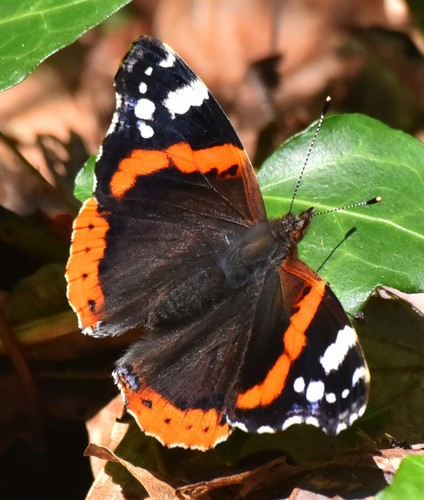
The painted lady is a migratory butterfly that spends part of the year in Northern Africa and then migrates to Europe during the warmer months. Although the adults feed on nectar from flowers, the larvae feed on the leaves of nettles and thistles.
6. California sister
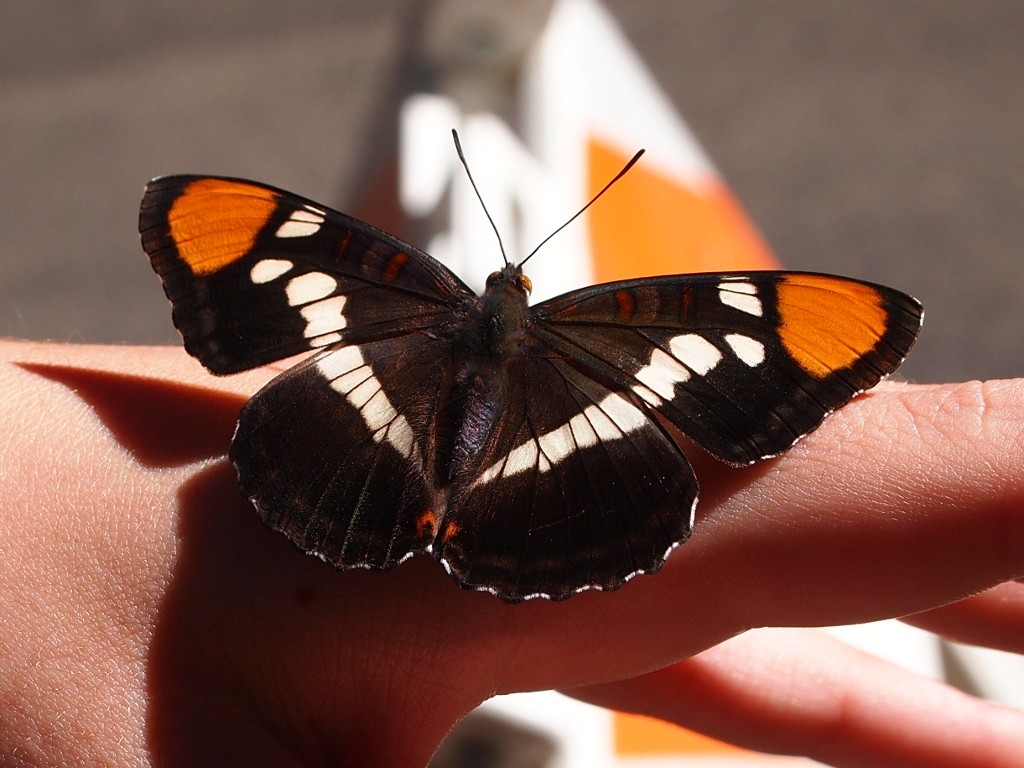
Adelpha eulalia belongs to the serpa species group in the genus Adelpha (sisters). It was previously treated as a subspecies of Bredow's sister (Adelpha bredowii). Recent phylogenetic studies, however, conclude that morphological, geographical, and genetic evidence make it clear that it is a separate species. 
7. Flame skimmer
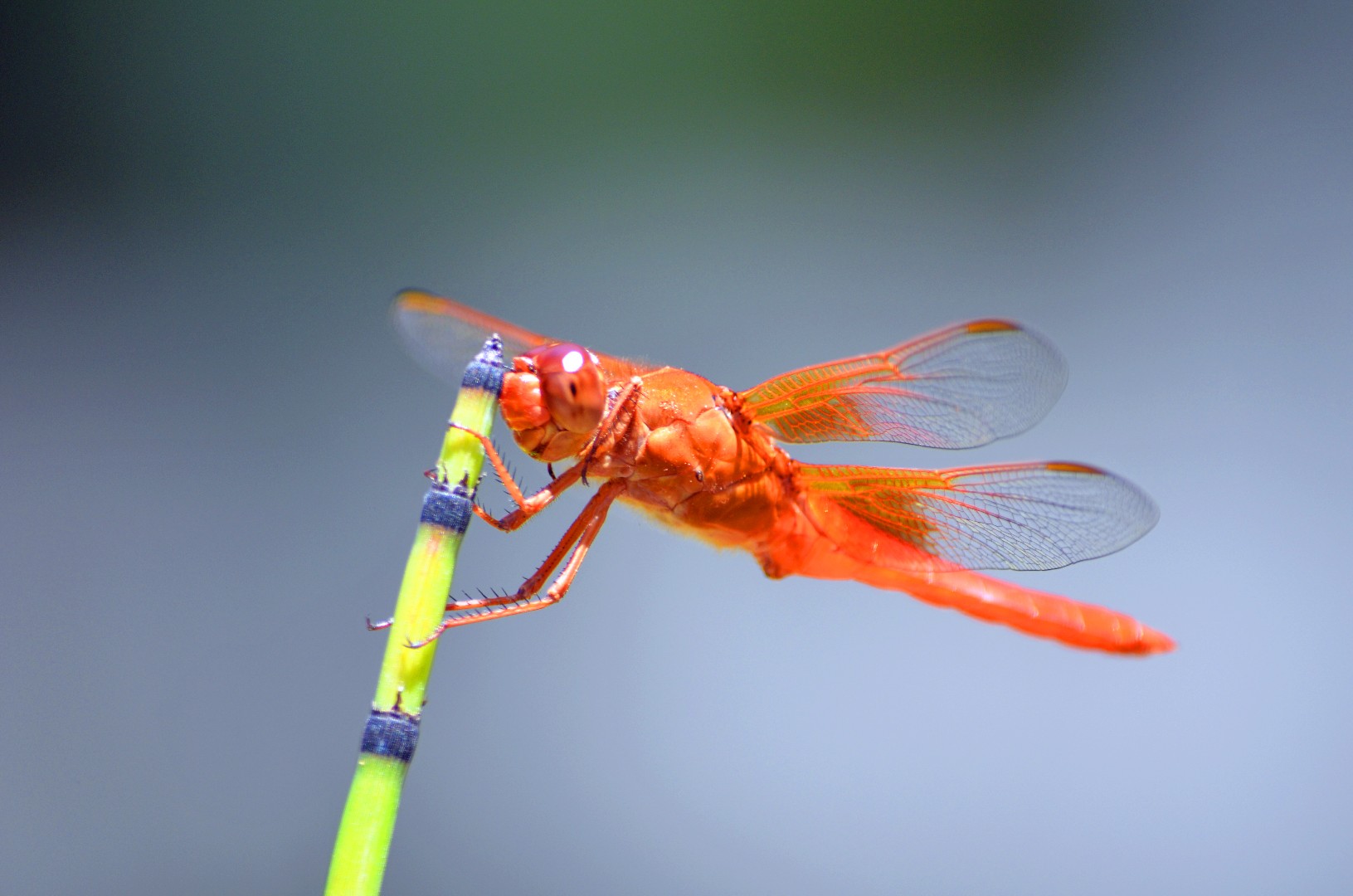
Male flame skimmers are known for their entirely red or dark orange body, this includes eyes, legs, and even wing veins. Females are usually a medium or darker brown with some thin, yellow markings. This particular type of skimmer varies in size but is generally measured somewhere between 5 cm and 8 cm long. These naiads are known for being rather large and chubby-looking due to their rounded abdomen. They are covered with hair but, unlike most young dragonflies, they lack hooks or spines.
8. Gabb's checkerspot
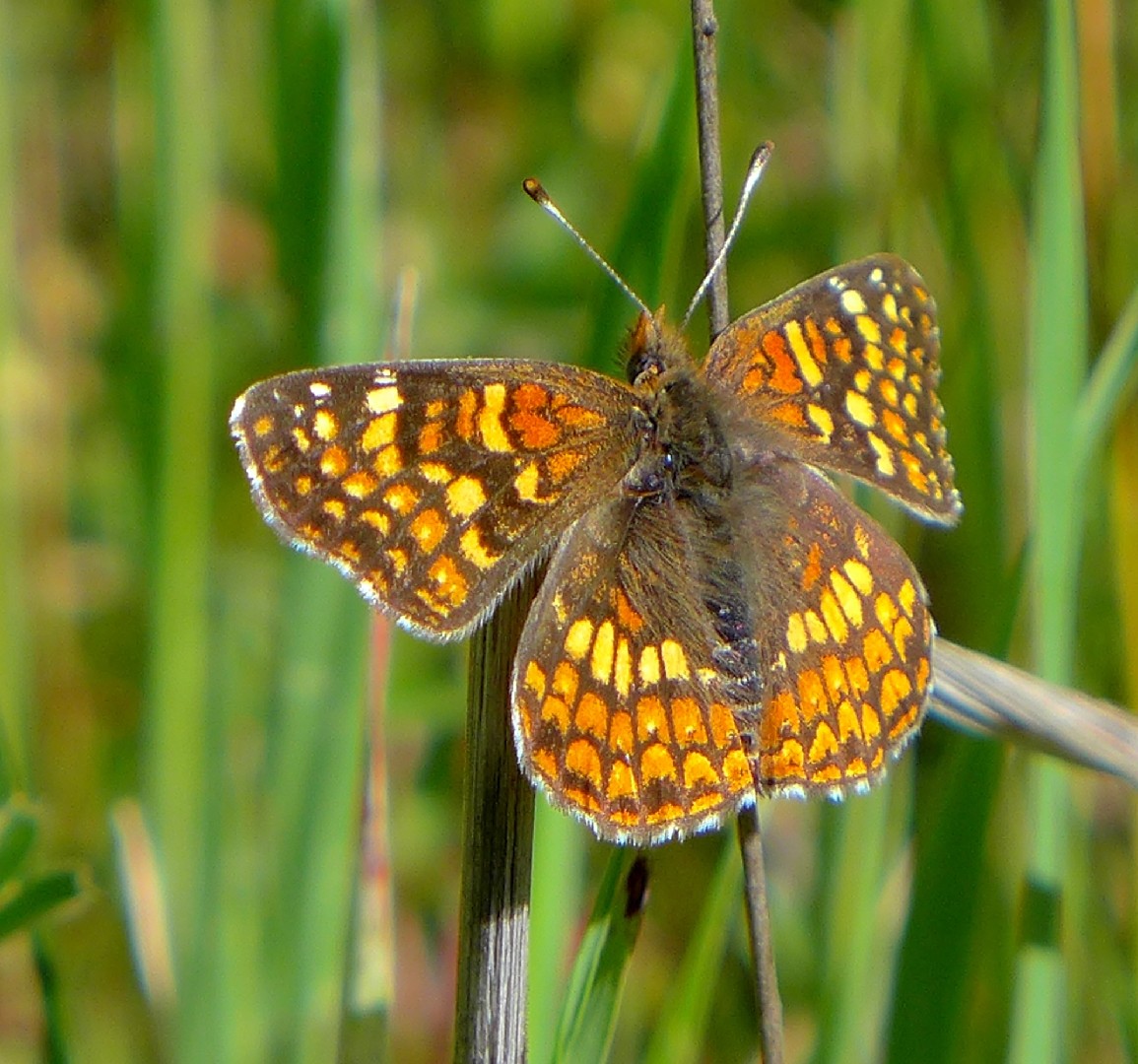
Chlosyne gabbii has a wingspan of about 3.5 - 4.5 cm. The upperside of the wings is checkered with bright orange-brown and black, while the underside of hindwing shows pearly-white spots.
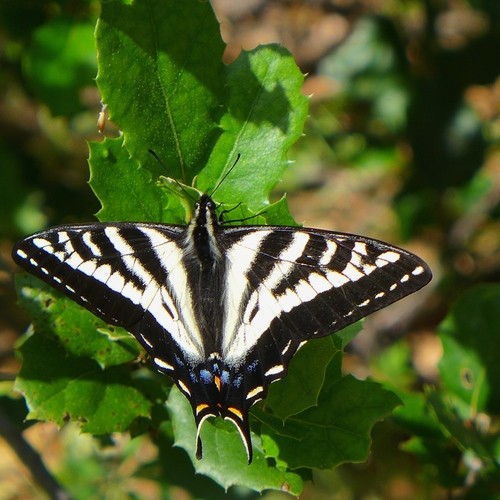
9. Pale swallowtail
Their appearance is quite similar to that of the western tiger swallowtail, except they are a white-cream color or very pale yellow. Some pale swallowtails also have differing amounts of red-orange patches on the wings just above the tail. Tiger stripes and borders are thicker than those of western tiger swallowtails. The wingspan is typically 9 - 11 cm .Caterpillars are plump green with a single yellow band behind the thorax. They have two eye-shaped spots on the upper thorax, which may help frighten predators. Like most swallowtails, they have a red wishbone-shaped organ called the osmeterium, which pops out from behind the head and releases a foul odor to warn off predators. Caterpillars turn brown just before the fifth moult. The pupa is brown and looks like a piece of bark.
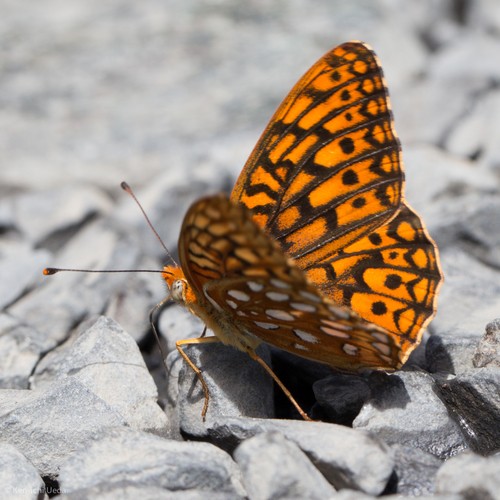
10. Callippe fritillary
Speyeria callippe is a butterfly from the Nymphalidae family. The scientific name of the species was first validly published in 1852 by Jean Baptiste Boisduval.
More







