




Top 20 Most Common Insects in Morro Bay
Welcome to the fascinating world of insects! Residents of Morro Bay are all too familiar with these creatures, hosting a variety from pests to beneficial pollinators. Insects in Morro Bay have great ecological importance, playing instrumental roles in maintaining the urban and natural ecosystem balance. Today, join us as we explore 20 of the most common bugs making Morro Bay their home.

Most Common Insects
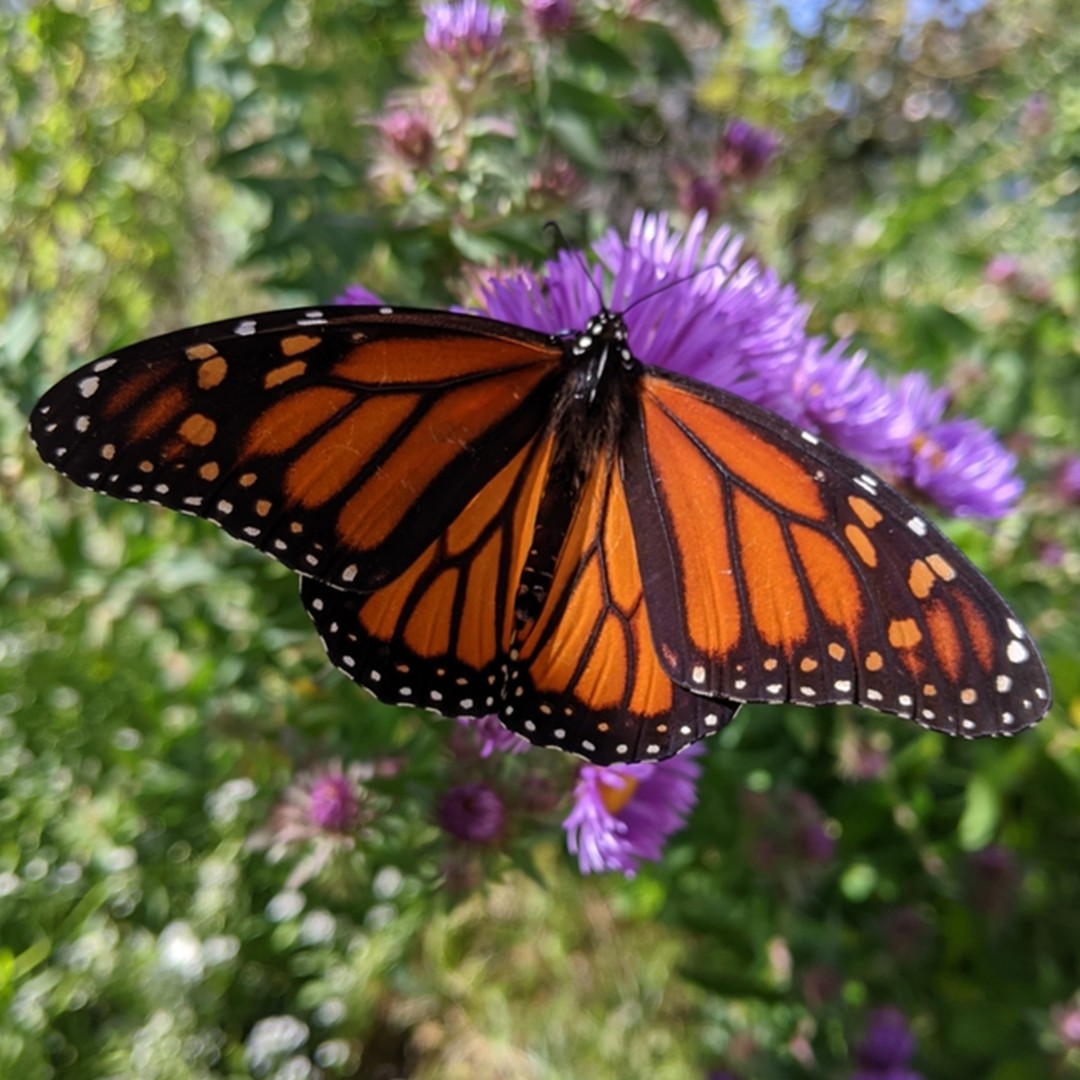
1. Monarch butterfly
The monarch butterfly (Danaus plexippus) is the most recognizable butterfly in North America. It is best known for its appearance, but should be better known for the fact that it has a 3000-mile migration that takes the butterfly 4 generations to complete. Their diet is also a natural deterrent for predators, as they eat milkweed, a poison that induces vomiting.
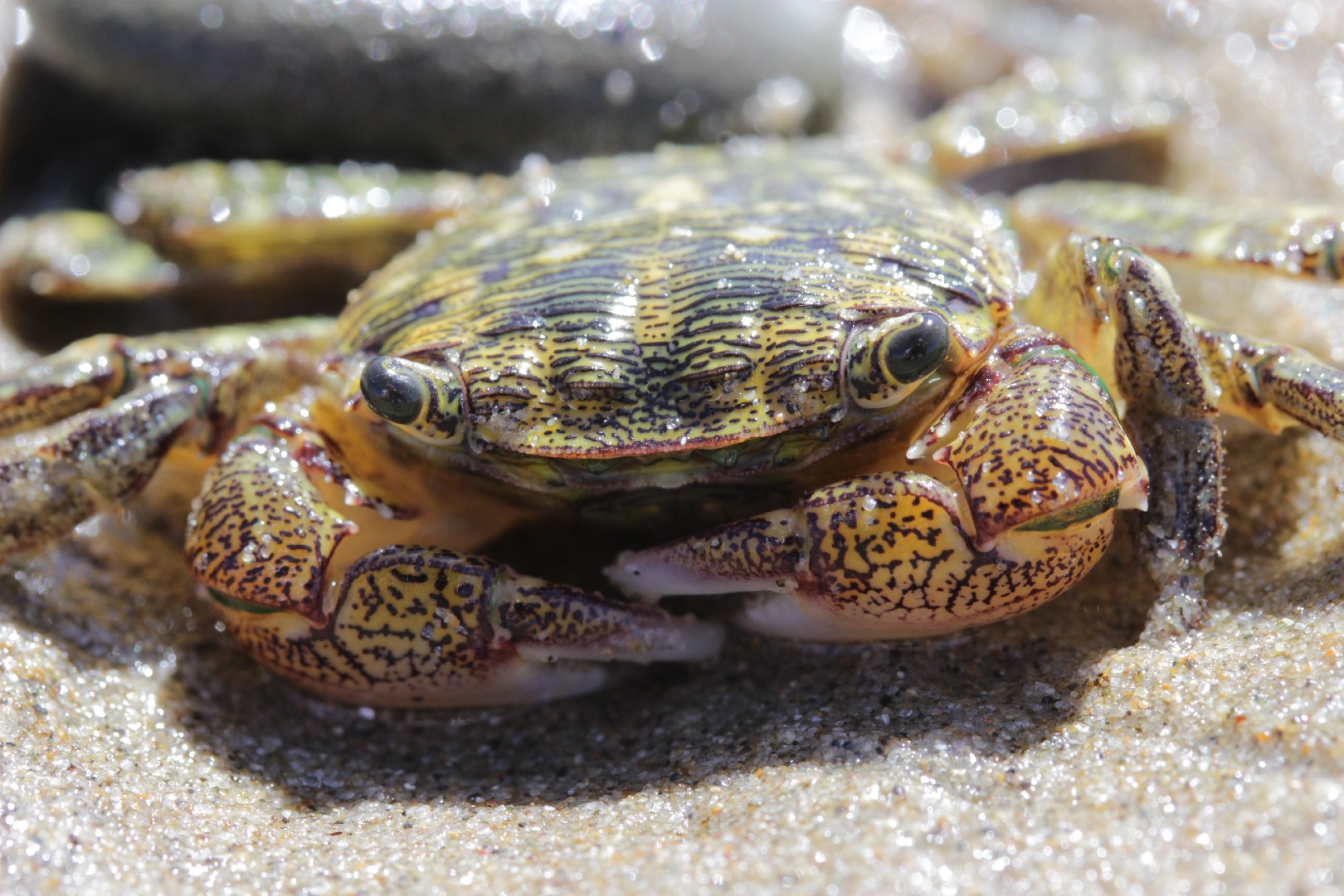
2. The striped shore crab
The striped shore crab spends half of its time out of the water, usually hiding in small cracks among rocks. It is well adapted to semi-terrestrial life and said to be able to thrive on land for up to 70 hours. When night falls and its predators are not active, the the striped shore crab emerges out from rock cervices, seeking food.
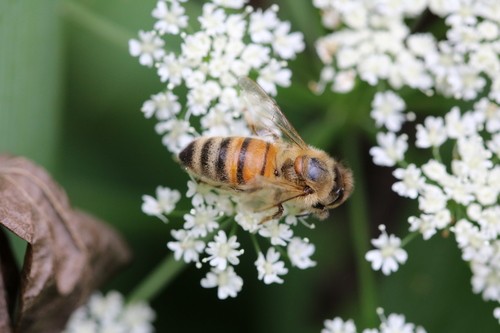
3. Western honey bee
Western honey bee(Apis mellifera) is the most common species of honeybee in the world. Among the first domesticated insects, its cultural and economic impact on humanity has been vast and far-reaching, providing honey, wax and its services as a pollinator. Western honey bee faces challenges worldwide, such as colony collapse disorder, and populations are thought to be decreasing.
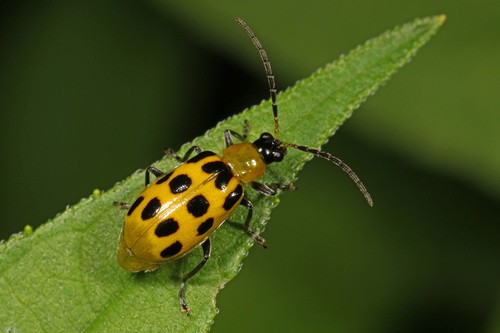
4. Spotted Cucumber Beetle
The spotted Cucumber Beetle (Diabrotica undecimpunctata) is an agricultural pest with a bright yellow body and dark spots. It causes damage to corn and other crops by feeding on roots, seedlings, and flowers. Its larvae are often called "rindworms" because they also damage the rind and skin of fruits.
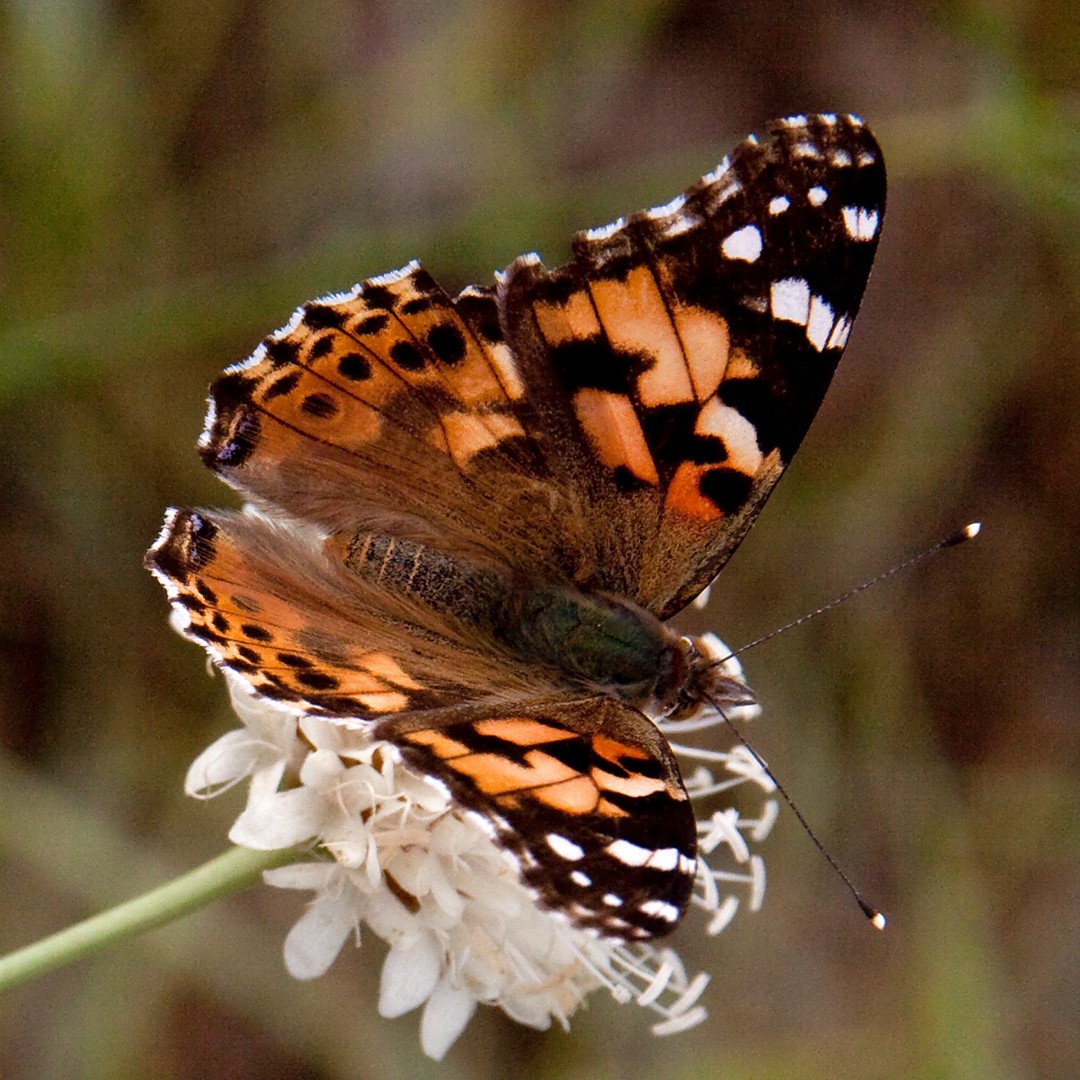
5. Painted lady
The painted lady is a migratory butterfly that spends part of the year in Northern Africa and then migrates to Europe during the warmer months. Although the adults feed on nectar from flowers, the larvae feed on the leaves of nettles and thistles.
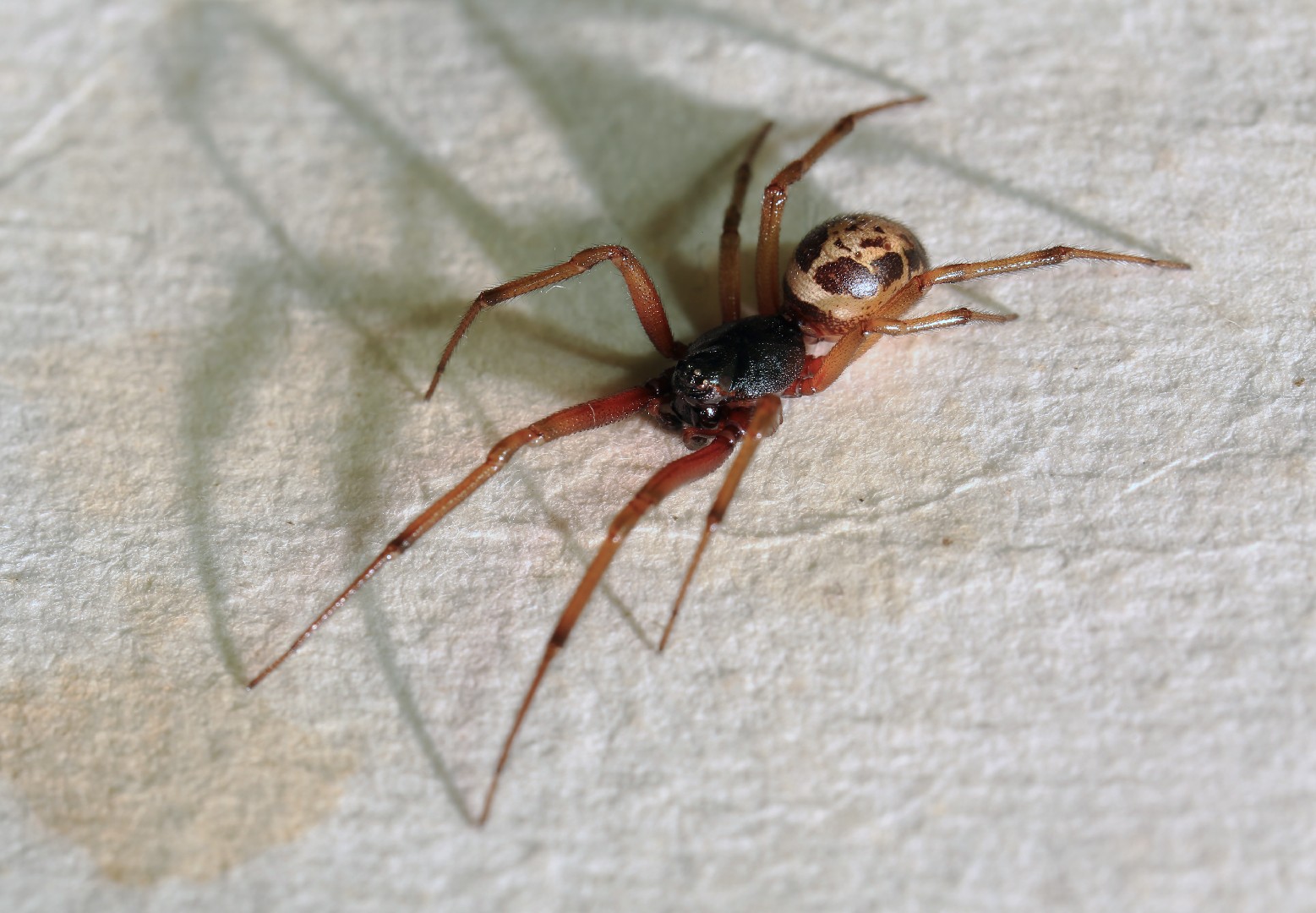
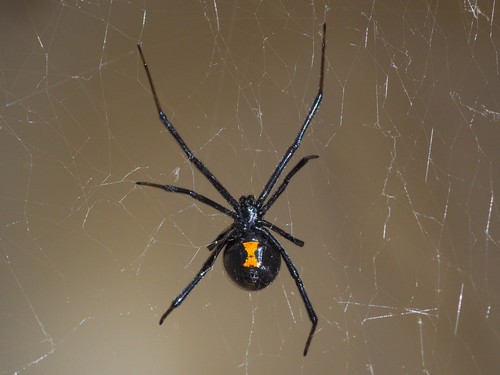
6. Noble false widow
The noble false widow (Steatoda nobilis) is named because it tends to be confused with the black widow spider (Latrodectus mactans). Despite its natural acting abilities, the venom it has can still cause a painful, but not harmful, bite. Despite the venom's non-lethal nature, people in the UK have still taken the time to post about it in the news.
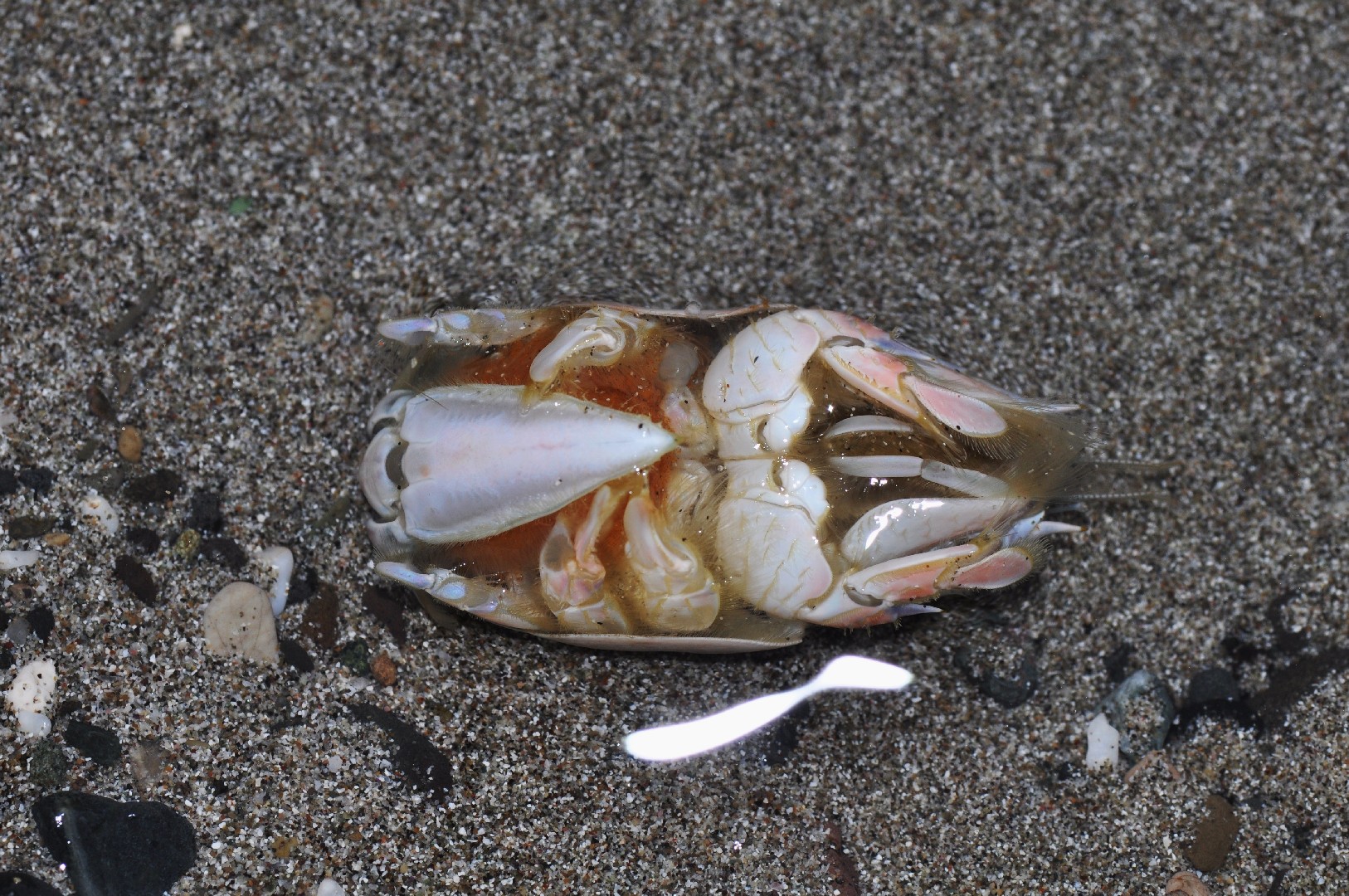
7. Pacific sand crab
Commonly found along the beaches on the Pacific Coast, the pacific sand crab buries itself in the wet sand awaiting the incoming tide. As the waves roll in, this little crustacean extends its eyes and antennae, projecting them above the surface to catch its share of the plankton floating past. It is often used by surf fisherman for bait.
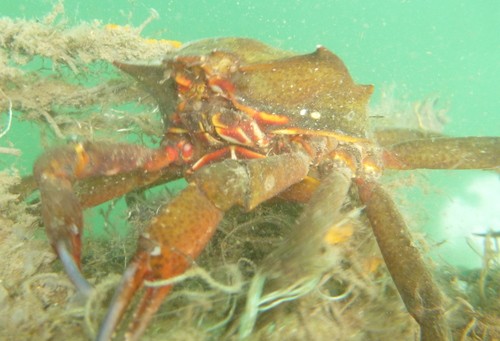
8. Northern kelp crab
Sometimes greenish or reddish in color, the northern kelp crab is a vegetarian that enjoys eating kelp. This nocturnal feeder is commonly found around pier pilings and intertidal areas. The northern kelp crab switches its diet seasonally, turning to mussels and barnacles in winter when the kelp is less plentiful. A favorite food of the sea otter, it often meets its fate when this predator is nearby.
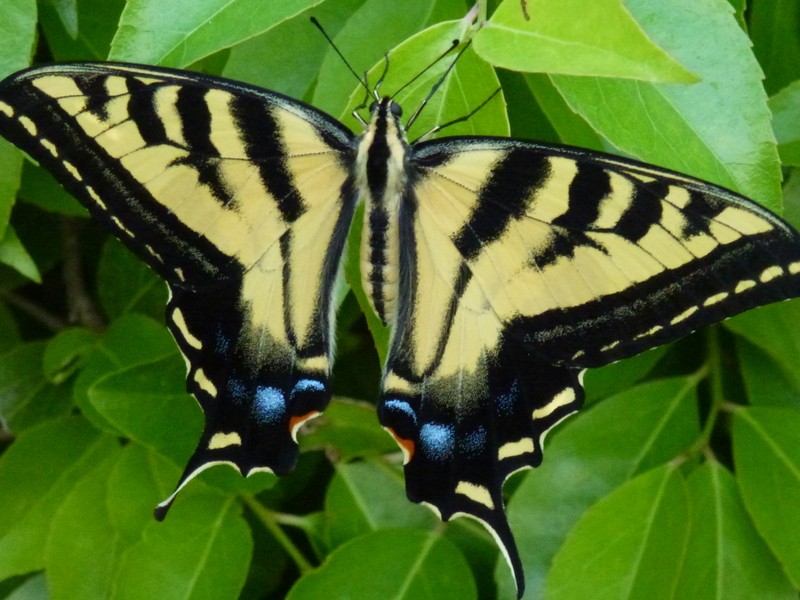
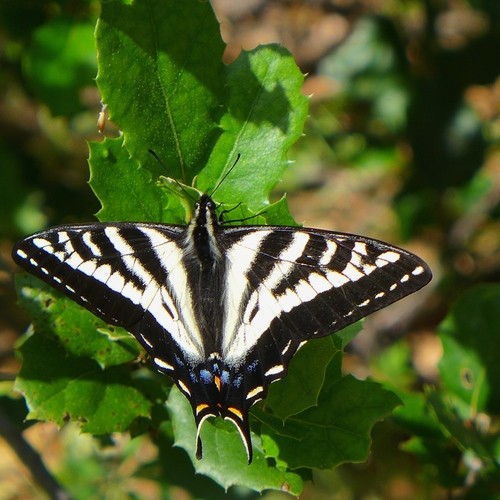
9. Western tiger swallowtail
It is a large, brightly colored and active butterfly, rarely seen at rest; its wingspan is 8 - 10 cm, and its wings are yellow with black stripes, and it has blue and orange spots near its tail. It has the "tails" on the hindwings that are often found in swallowtails. The eggs are deep green, shiny, and spherical. Young caterpillars resemble bird droppings, and as they molt, they eventually turn bright green, with a pair of large yellow eyespots with black and blue pupils. The caterpillars molt five times, eventually reaching a length up to 5 cm before pupating. 
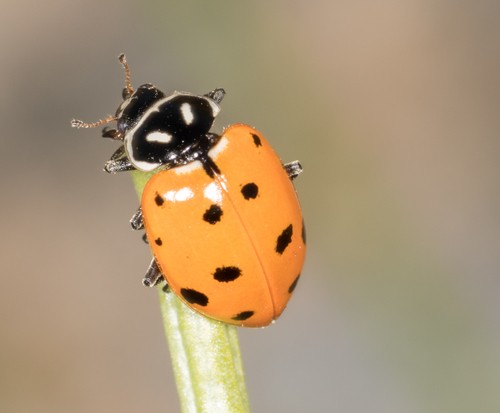
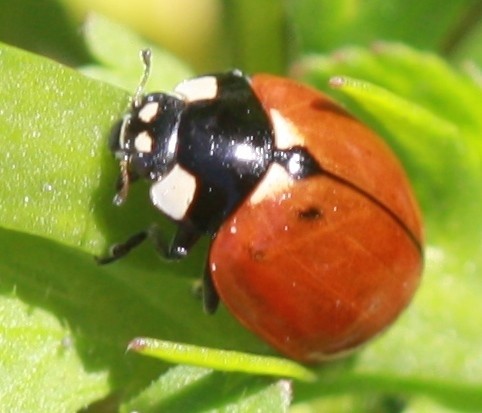
10. Convergent lady beetle
The convergent lady beetle (Hippodamia convergens) is one of the most common lady beetles in North America, which is a great thing given that it is a common biological control agent of aphids. They lay a good chunk of eggs over a couple of months. If you have ever seen a small, black alligator-like insect, you may have seen one of its larva.
More







