




Top 20 Most Common Insects in Porterville
Insects, with their multifaceted roles and fascinating features, thrive remarkably in Porterville. These creatures make up a vital part of Porterville's ecosystem, offering beneficial services yet being pests sometimes. Through our list of '20 most common insects in Porterville,' we will unravel how these insects shape and mirror the unique environmental aspects of Porterville.

Most Common Insects
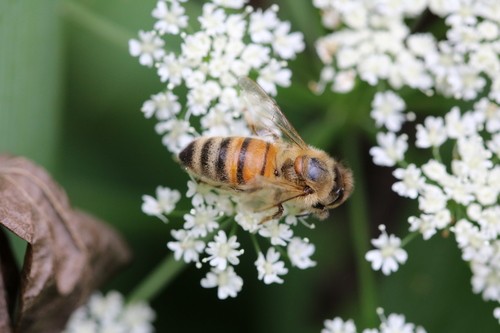
1. Western honey bee
Western honey bee(Apis mellifera) is the most common species of honeybee in the world. Among the first domesticated insects, its cultural and economic impact on humanity has been vast and far-reaching, providing honey, wax and its services as a pollinator. Western honey bee faces challenges worldwide, such as colony collapse disorder, and populations are thought to be decreasing.
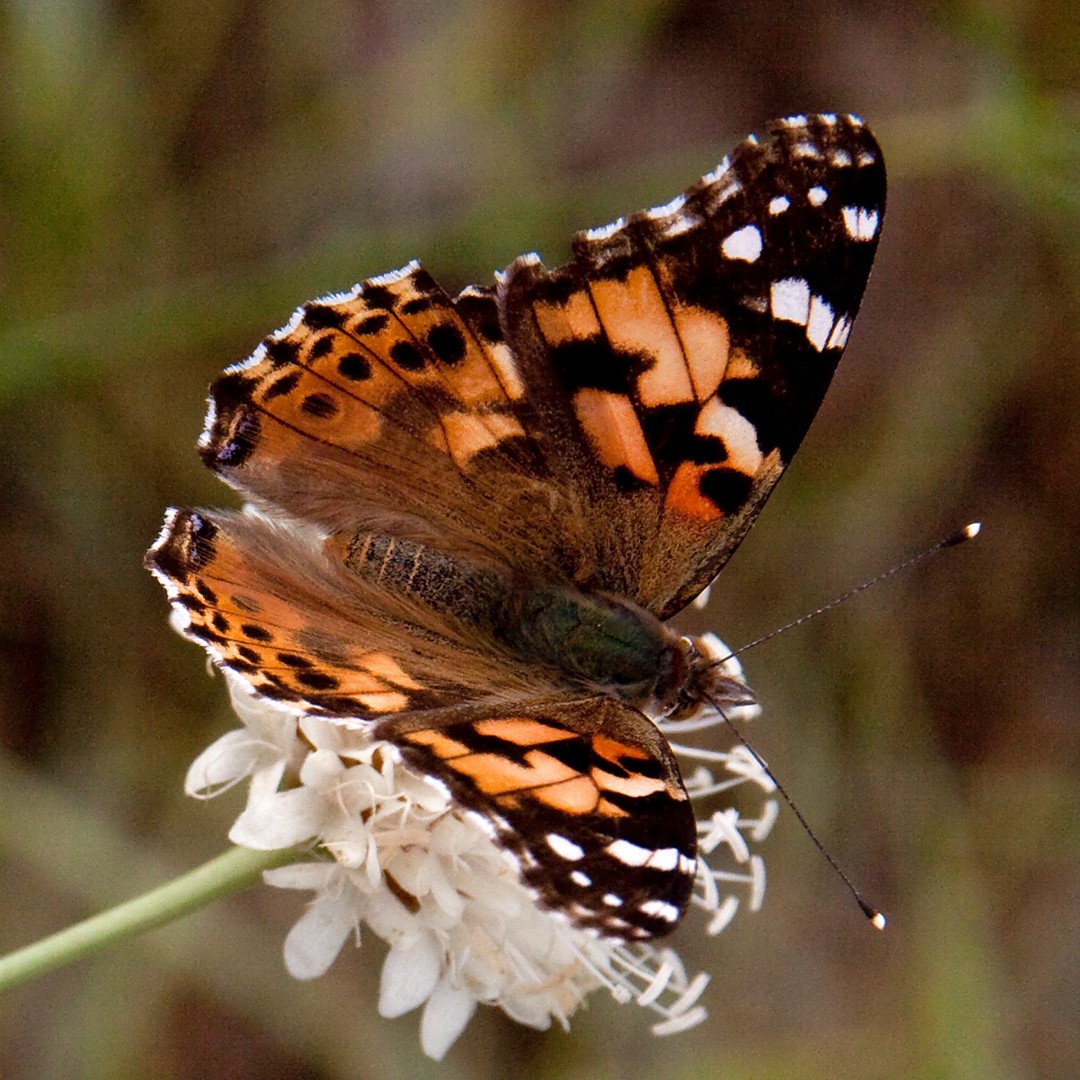
2. Painted lady
The painted lady is a migratory butterfly that spends part of the year in Northern Africa and then migrates to Europe during the warmer months. Although the adults feed on nectar from flowers, the larvae feed on the leaves of nettles and thistles.
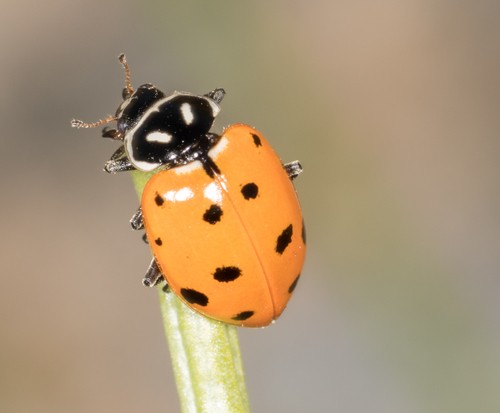
3. Convergent lady beetle
The convergent lady beetle (Hippodamia convergens) is one of the most common lady beetles in North America, which is a great thing given that it is a common biological control agent of aphids. They lay a good chunk of eggs over a couple of months. If you have ever seen a small, black alligator-like insect, you may have seen one of its larva.
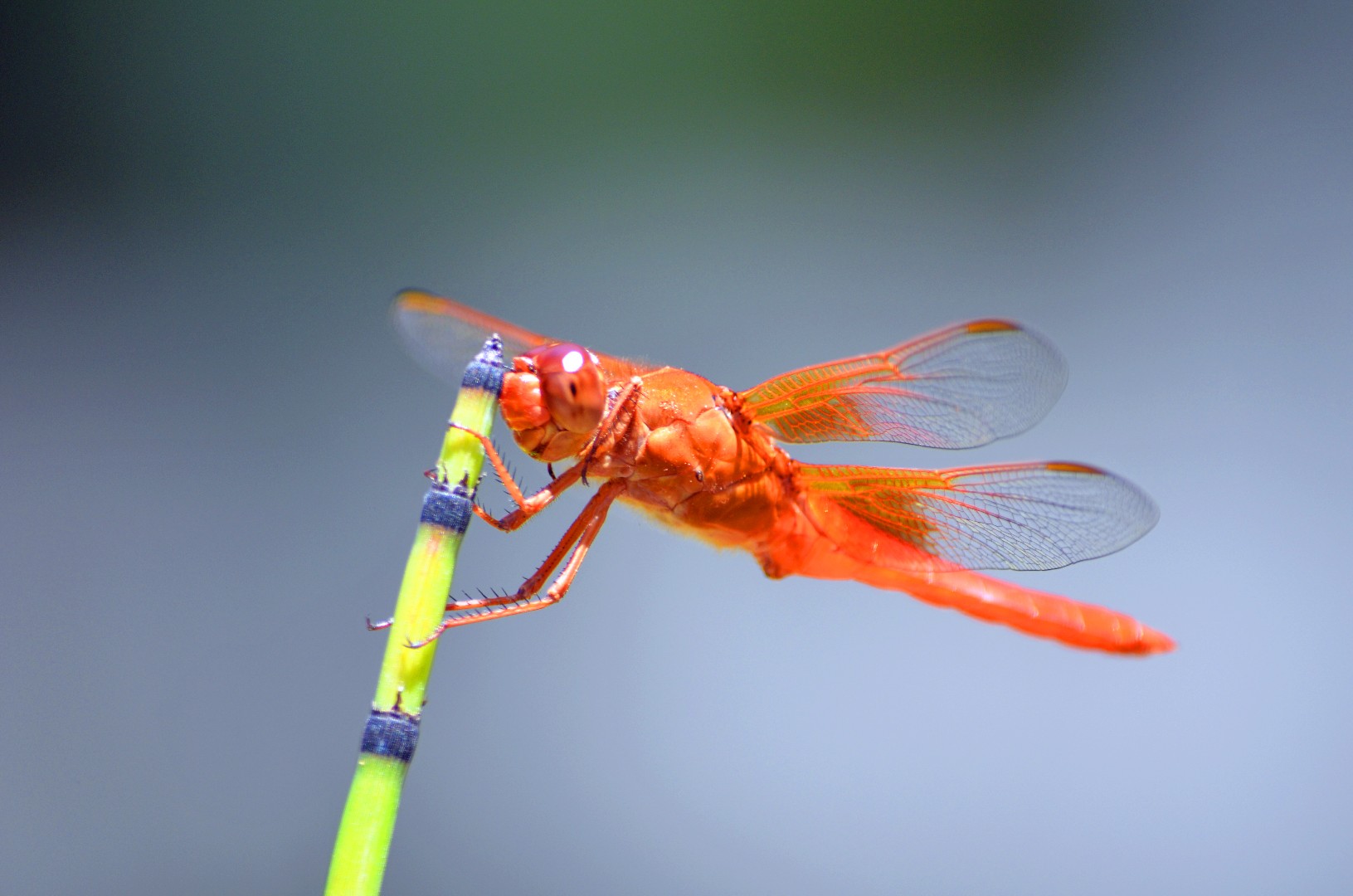
4. Flame skimmer
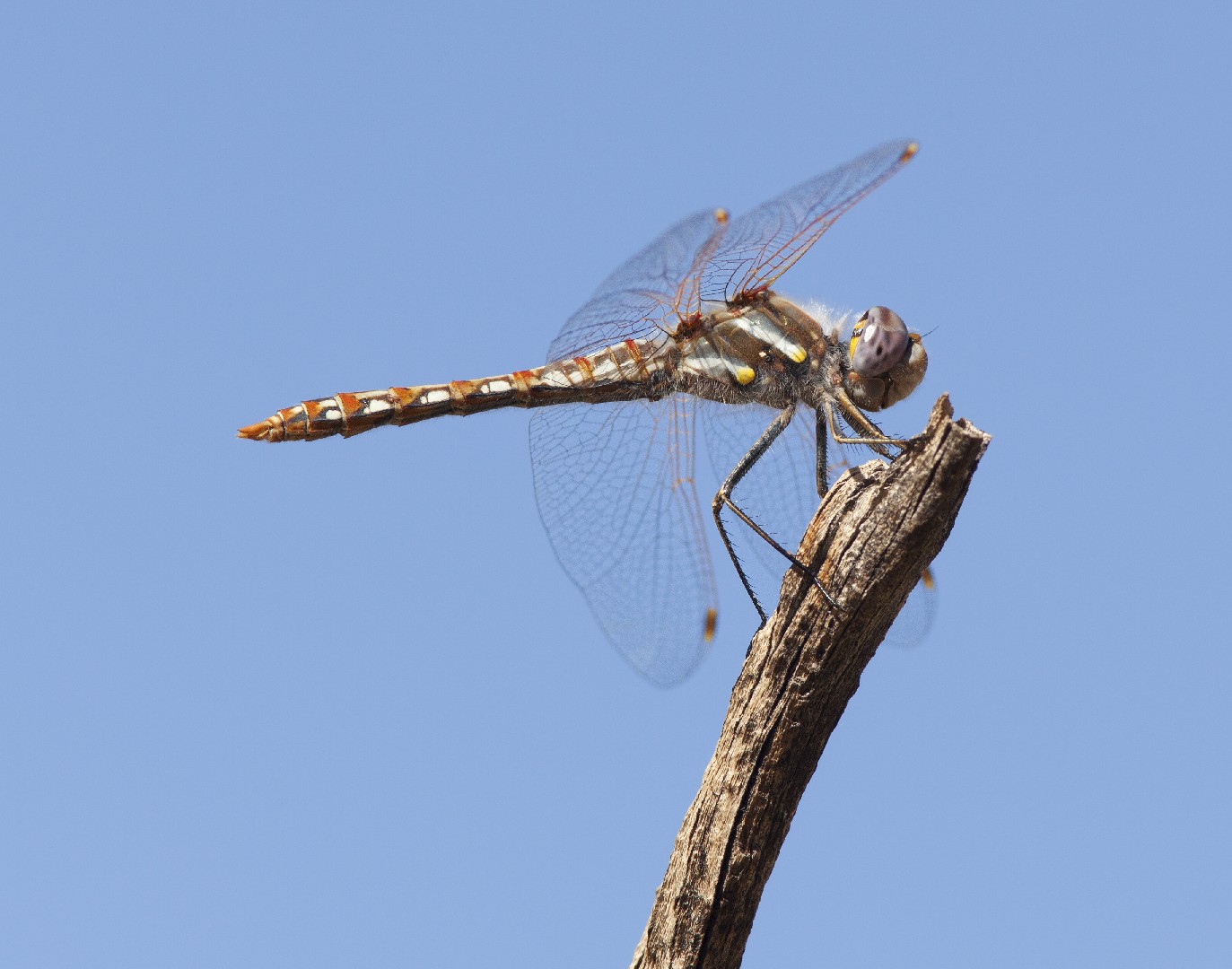
Male flame skimmers are known for their entirely red or dark orange body, this includes eyes, legs, and even wing veins. Females are usually a medium or darker brown with some thin, yellow markings. This particular type of skimmer varies in size but is generally measured somewhere between 5 cm and 8 cm long. These naiads are known for being rather large and chubby-looking due to their rounded abdomen. They are covered with hair but, unlike most young dragonflies, they lack hooks or spines. 
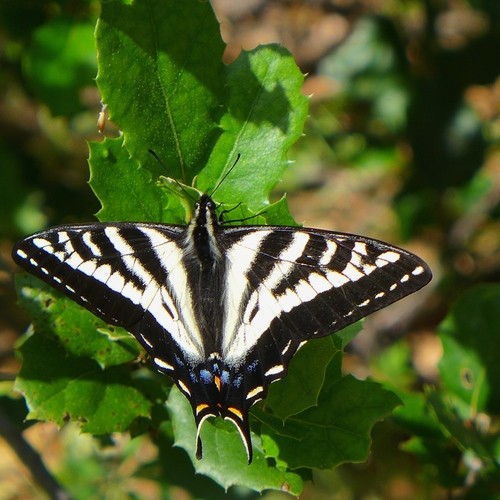
5. Pale swallowtail
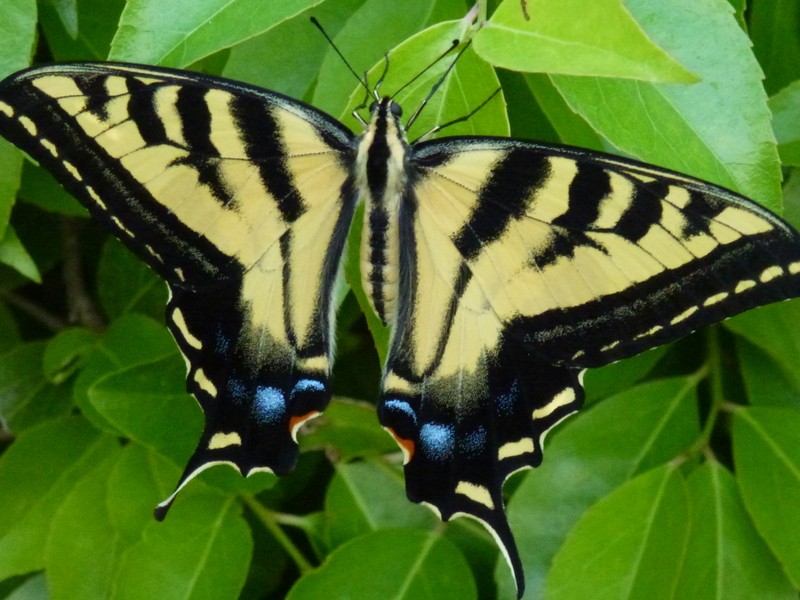
Their appearance is quite similar to that of the western tiger swallowtail, except they are a white-cream color or very pale yellow. Some pale swallowtails also have differing amounts of red-orange patches on the wings just above the tail. Tiger stripes and borders are thicker than those of western tiger swallowtails. The wingspan is typically 9 - 11 cm .Caterpillars are plump green with a single yellow band behind the thorax. They have two eye-shaped spots on the upper thorax, which may help frighten predators. Like most swallowtails, they have a red wishbone-shaped organ called the osmeterium, which pops out from behind the head and releases a foul odor to warn off predators. Caterpillars turn brown just before the fifth moult. The pupa is brown and looks like a piece of bark.
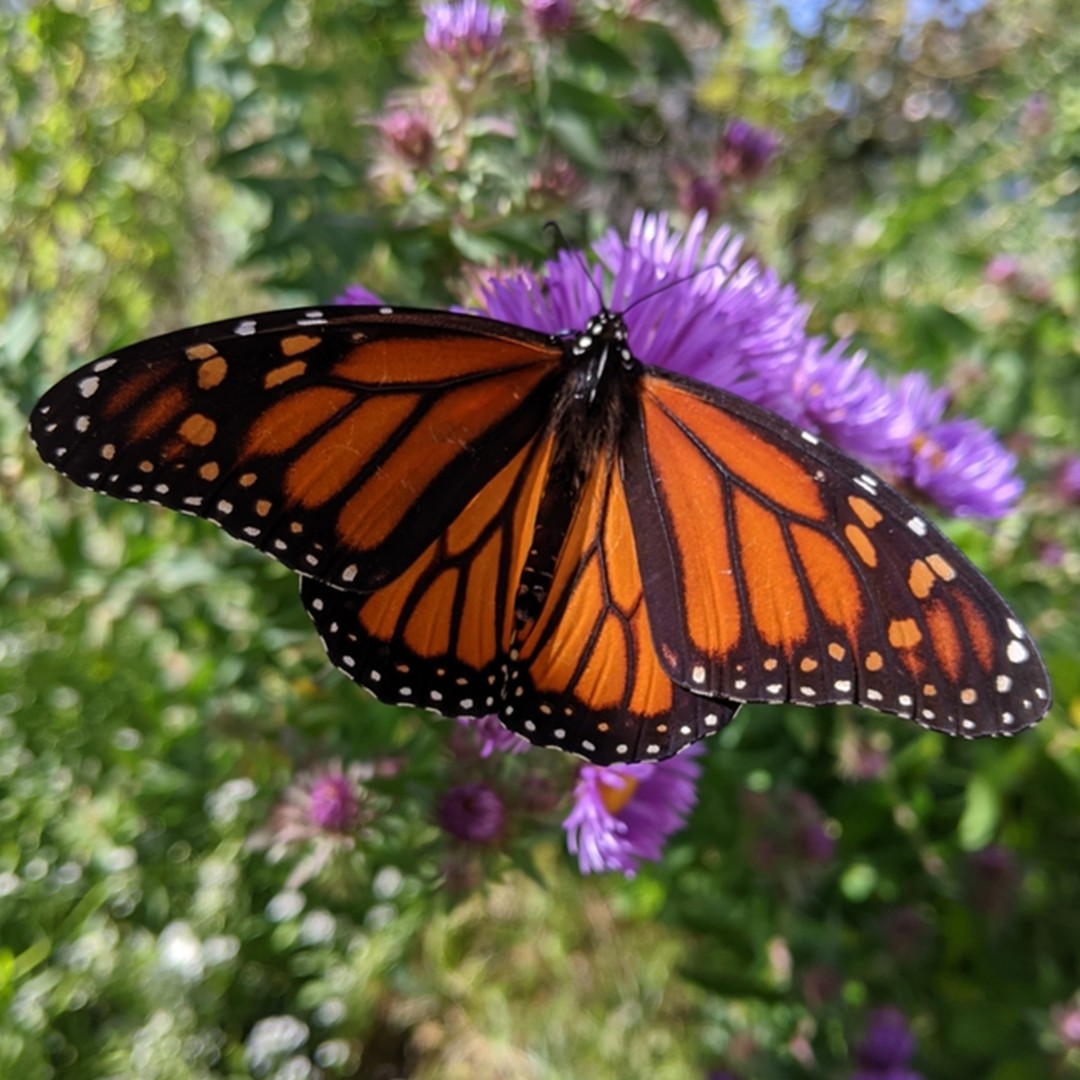
6. Monarch butterfly
The monarch butterfly (Danaus plexippus) is the most recognizable butterfly in North America. It is best known for its appearance, but should be better known for the fact that it has a 3000-mile migration that takes the butterfly 4 generations to complete. Their diet is also a natural deterrent for predators, as they eat milkweed, a poison that induces vomiting.

7. Multicolored asian ladybeetle
Often confused for the ladybug, multicolored asian ladybeetle (Harmonia axyridis) is a separate species that, unlike the ladybug, is a household pest. It is considered particularly annoying for its habit of returning to places from which it is removed. One of the most variable species in the world, there are many different colors and patterns multicolored asian ladybeetle may display, making identification potentially difficult.
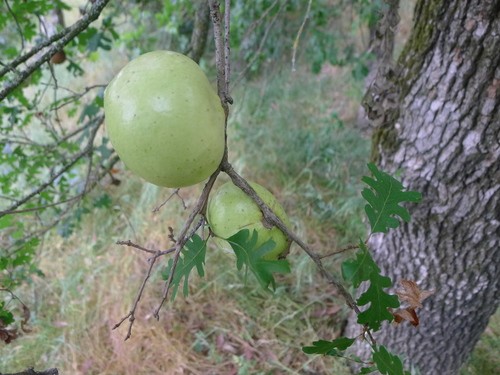
8. California Gall Wasp
The california Gall Wasp ( Andricus quercuscalifornicus ), is known for its ability to induce galls on oak tree stems. The galls form a persistent shelter for various kinds of fungi as well as many other insects. If it wasn’t for the reproduction, they would stay in the galls forever.
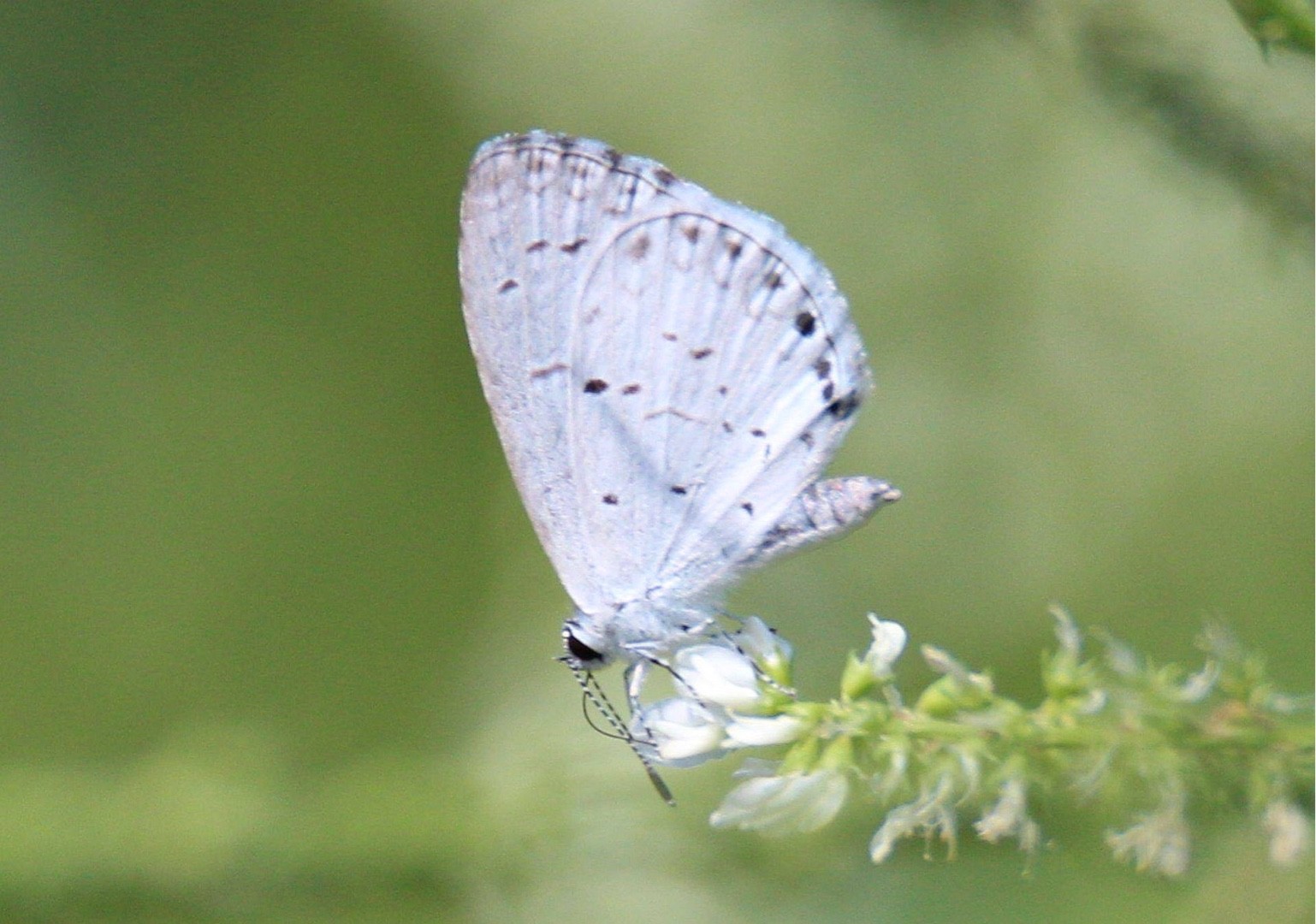
9. Spring azure
Celastrina argiolus ladon is a butterfly from the Lycaenidae family, the small pages, fire butterflies and blues. This subspecies used to be considered as a separate species, but in a revision it is classified as a subspecies of the blue tree. This revision is not accepted by all authors.
10. Vivid dancer
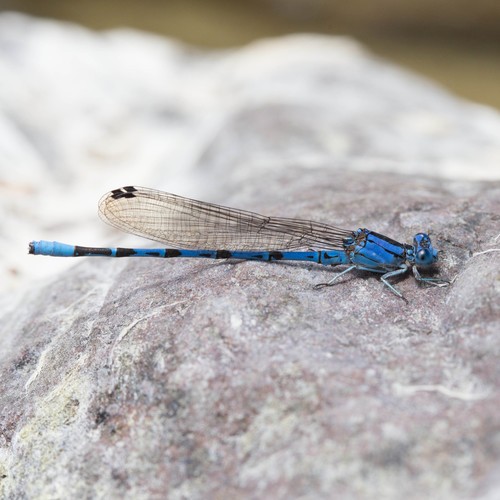
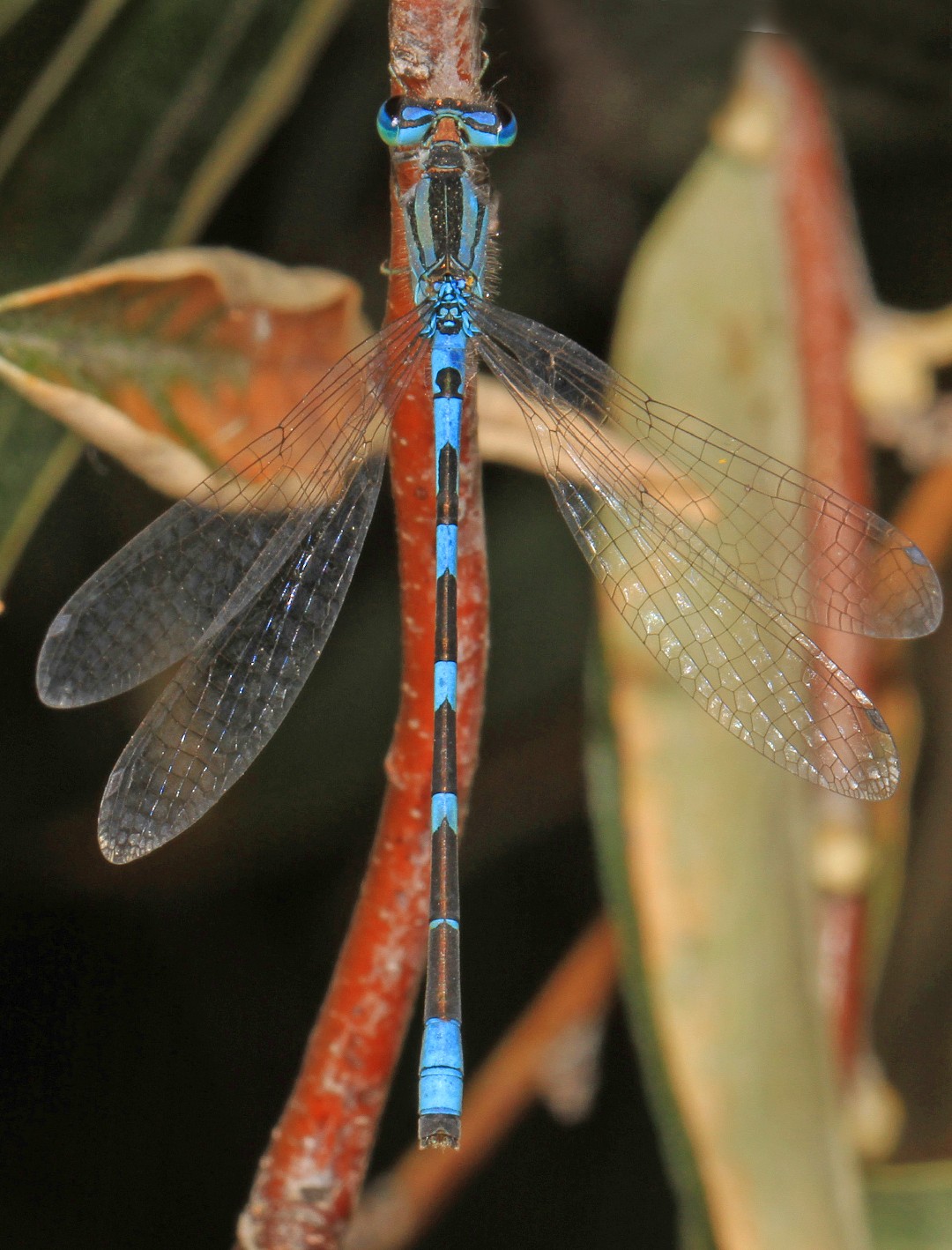
The scientific name of the species was first validly published in 1865 by Hagen in Selys.

More







