




Top 20 Most Common Insects in Red Bluff
Insects, small yet remarkably diverse creatures, make their home amidst the varied landscapes of Red Bluff. From backyard gardens to riverbanks, these environments shape insect populations, promoting fascinating diversity. Insects play vital roles in Red Bluff's ecosystem, some as pests, others as vital pollinators, underlining the complex relationship between our city and these underrated creatures. Stay with us as we explore the top 20 most common insects in Red Bluff.

Most Common Insects
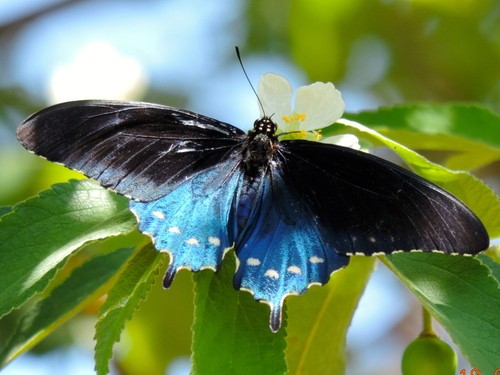
1. Pipevine Swallowtail
The pipevine Swallowtail (Battus philenor) is an insect that is protected globally but is considered a species of special concern in the northern part of their range in Michigan. The name pipevine Swallowtail comes from the common plants that they are hosts of. They are also known as the blue swallowtail due to their brilliant, blue color.
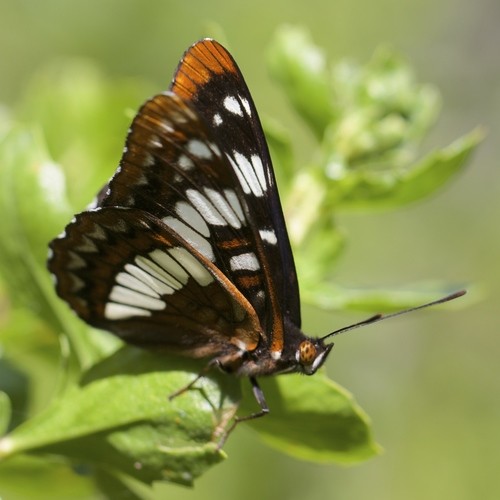
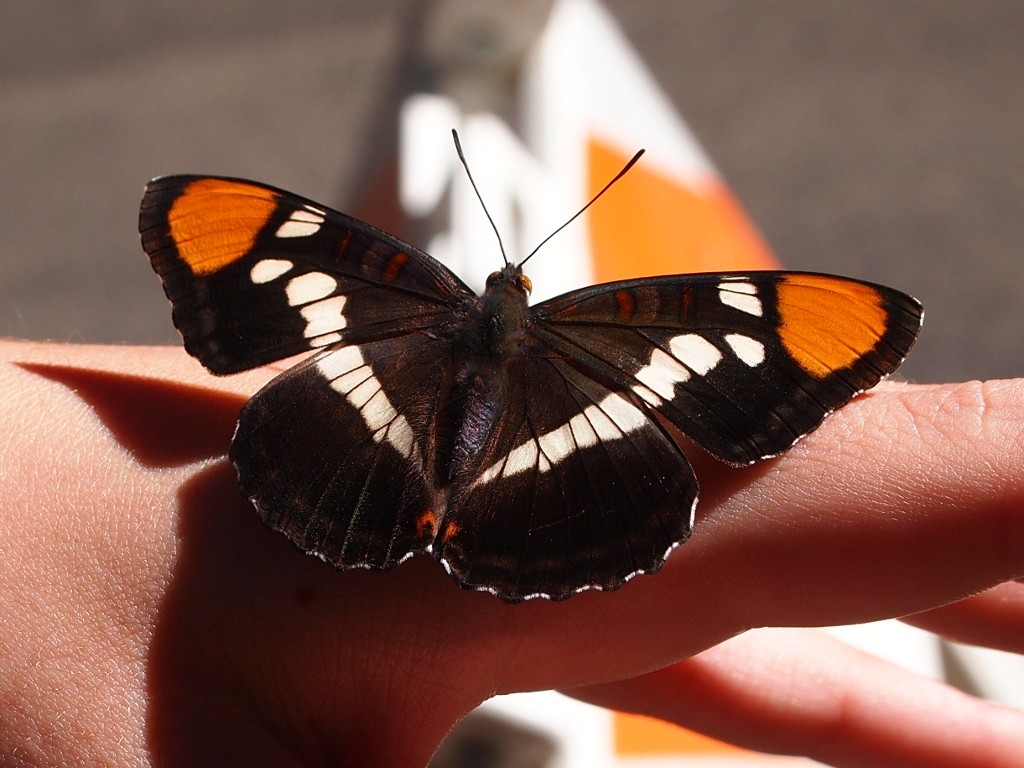
2. Lorquin's admiral
The lorquin's admiral has brown-black wings, each with a row of white spots across it. Its forewings have orange tips. The wingspan is 4.5 - 7 cm; females are generally larger than males. Larvae are usually yellow with a patch of white on the back. 
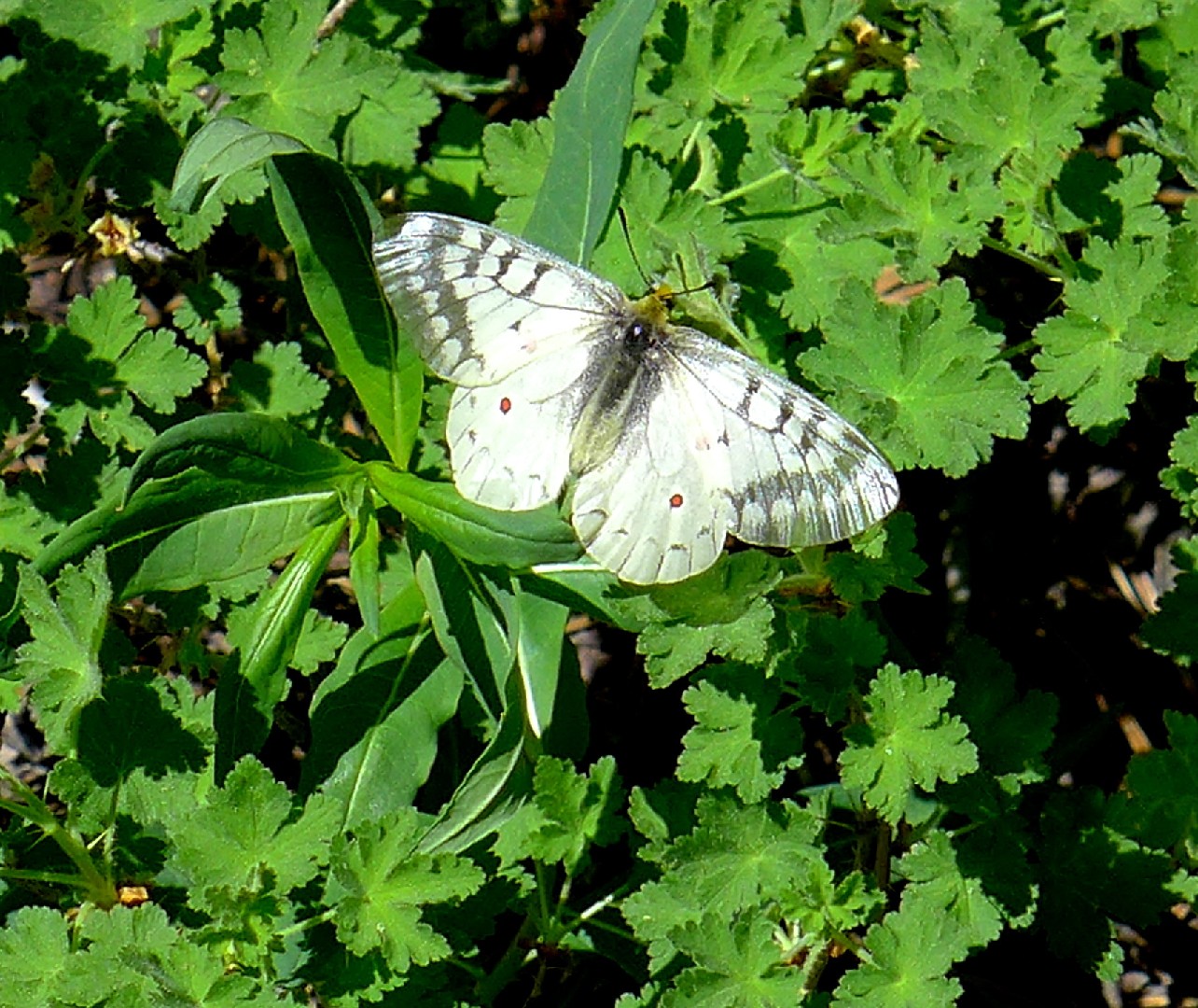
3. Clodius parnassian
Ground-colour white, only in the female the short costal band placed outside the cell connected with the hindmarginal spot by an irregular dusty band, the glossy submarginal band of the forewing sharp but narrow, the male with small, the female with larger, crescent-shaped submarginal spots on the hindwing; on the latter the anal spot mostly centred with red.
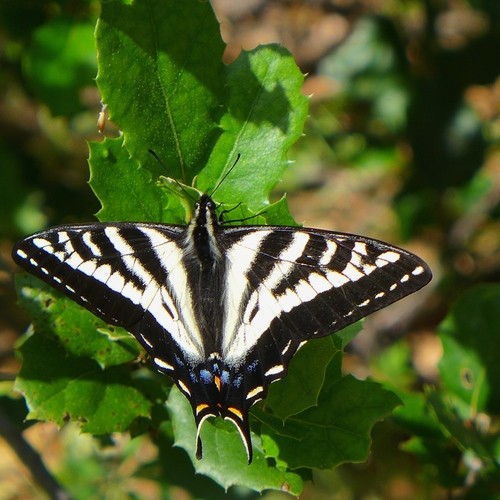
4. Pale swallowtail
Their appearance is quite similar to that of the western tiger swallowtail, except they are a white-cream color or very pale yellow. Some pale swallowtails also have differing amounts of red-orange patches on the wings just above the tail. Tiger stripes and borders are thicker than those of western tiger swallowtails. The wingspan is typically 9 - 11 cm .Caterpillars are plump green with a single yellow band behind the thorax. They have two eye-shaped spots on the upper thorax, which may help frighten predators. Like most swallowtails, they have a red wishbone-shaped organ called the osmeterium, which pops out from behind the head and releases a foul odor to warn off predators. Caterpillars turn brown just before the fifth moult. The pupa is brown and looks like a piece of bark.
5. Hydaspe fritillary
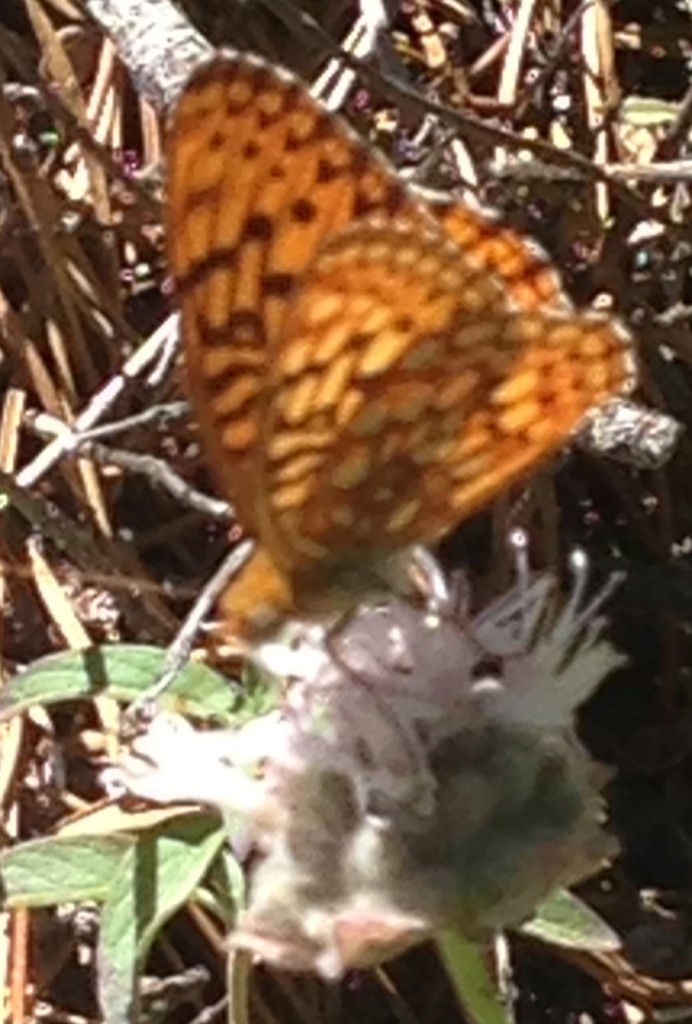
Speyeria hydaspe, the Hydaspe fritillary, is a species of orange-brown butterfly found in the western portions of the United States and Canada. A small fritillary, it usually has cream-colored underwing spots, but the Vancouver Island subspecies has silver spots. It is similar to S. zerene and S. atlantis, but may be distinguished by the smooth and even appearance of its postmedian spotband. The caterpillars feed on violets including Viola glabella. A single brood flies from July through September and feeds on flower nectar. They may be found in moist forests, in clearings and subalpine meadows.
6. Black-tailed bumble bee
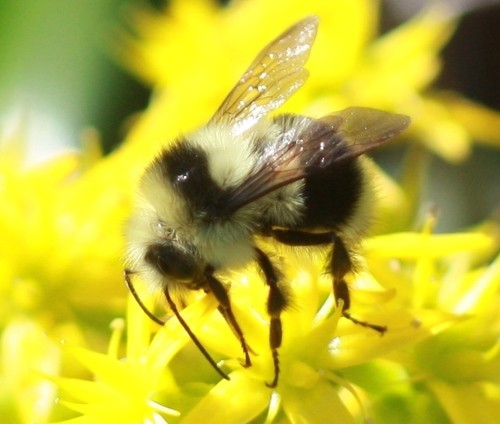
Bombus melanopygus is a non-woven insect from the family of bees and bumblebees (Apidae). The scientific name of the species was first validly published in 1848 by Nylander.
7. Western tiger swallowtail
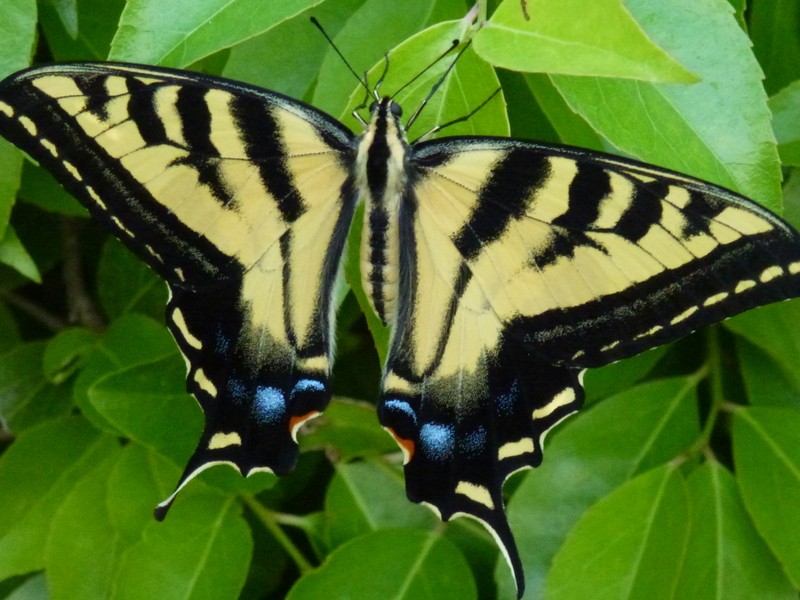
It is a large, brightly colored and active butterfly, rarely seen at rest; its wingspan is 8 - 10 cm, and its wings are yellow with black stripes, and it has blue and orange spots near its tail. It has the "tails" on the hindwings that are often found in swallowtails. The eggs are deep green, shiny, and spherical. Young caterpillars resemble bird droppings, and as they molt, they eventually turn bright green, with a pair of large yellow eyespots with black and blue pupils. The caterpillars molt five times, eventually reaching a length up to 5 cm before pupating.
8. Western honey bee
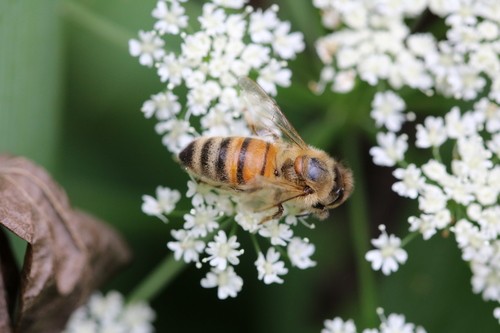
Western honey bee(Apis mellifera) is the most common species of honeybee in the world. Among the first domesticated insects, its cultural and economic impact on humanity has been vast and far-reaching, providing honey, wax and its services as a pollinator. Western honey bee faces challenges worldwide, such as colony collapse disorder, and populations are thought to be decreasing.
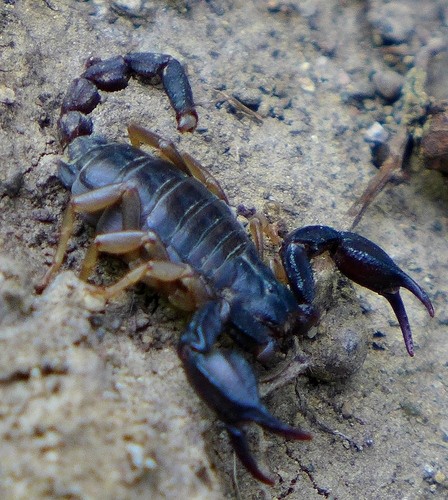
9. Western forest scorpion
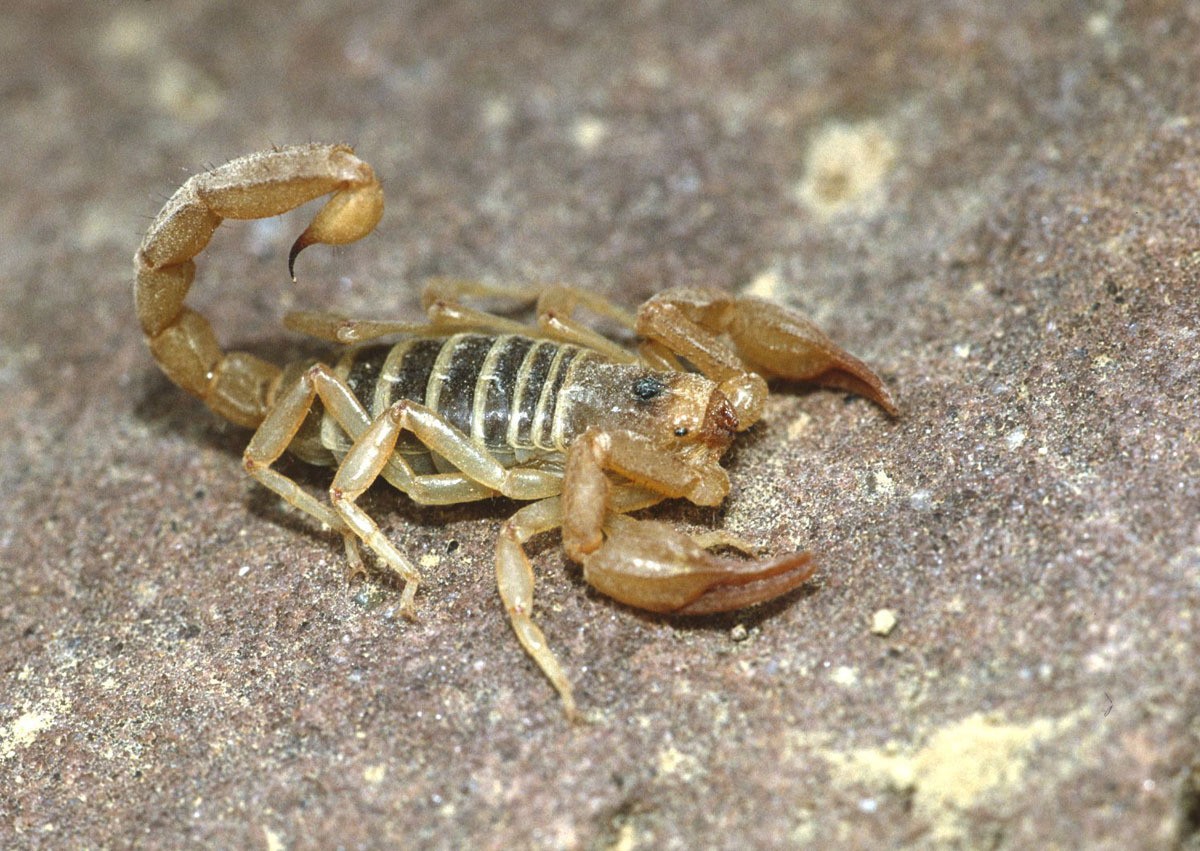
The western forest scorpion (Uroctonus mordax) is a deep blood-red scorpion that looks very intimidating at first glance. It does reportedly sting if aggravated, but they aren't known to hurt much more than a honeybee. They are also often sold as pets. If you buy one, be sure to give it a nice, sturdy, and humid home.
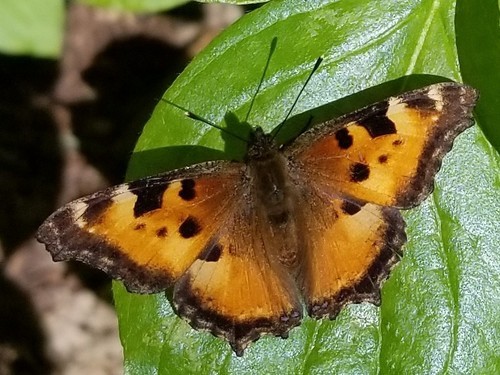
10. California tortoiseshell
It is recognized for the top of its wings being orange with big black spots (used mainly for camouflage). The browns and grays of the wing underside make it resemble a dead leaf when the wings are closed. Its wingspan varies from 1.25–2.75 in.
More







