




Top 20 Most Common Insects in San Luis Obispo
Insects, teeming with unique features, are vital players in San Luis Obispo's remarkable ecosystem. Whether viewed as pests or protectors, these creatures are intrinsically linked with the city's diverse environments. Our list of the top 20 insects in San Luis Obispo explores this intricate relationship, affirming how urban landscapes influence insect populations and vice versa. A fascinating journey into the microcosm of San Luis Obispo awaits!

Most Common Insects
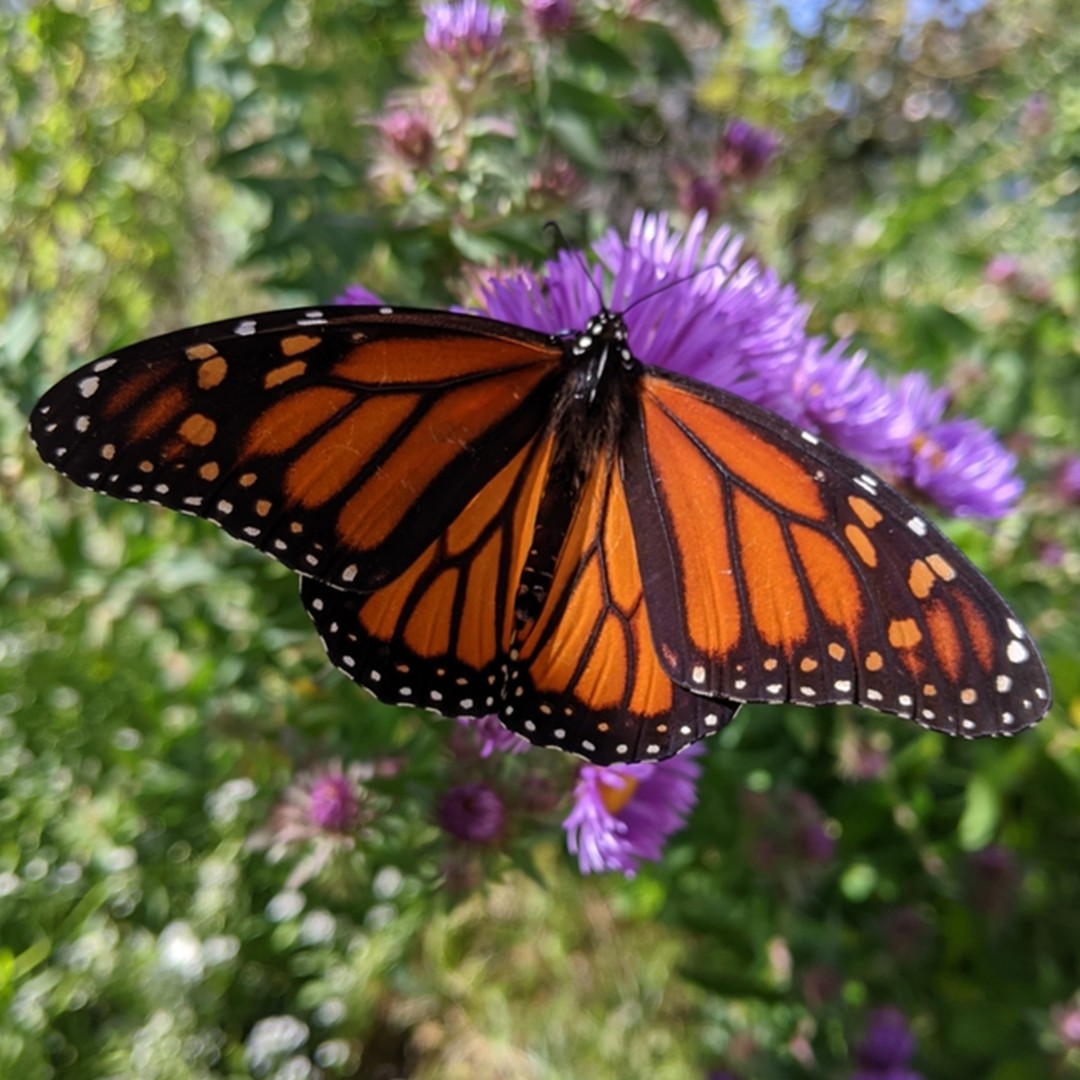
1. Monarch butterfly
The monarch butterfly (Danaus plexippus) is the most recognizable butterfly in North America. It is best known for its appearance, but should be better known for the fact that it has a 3000-mile migration that takes the butterfly 4 generations to complete. Their diet is also a natural deterrent for predators, as they eat milkweed, a poison that induces vomiting.
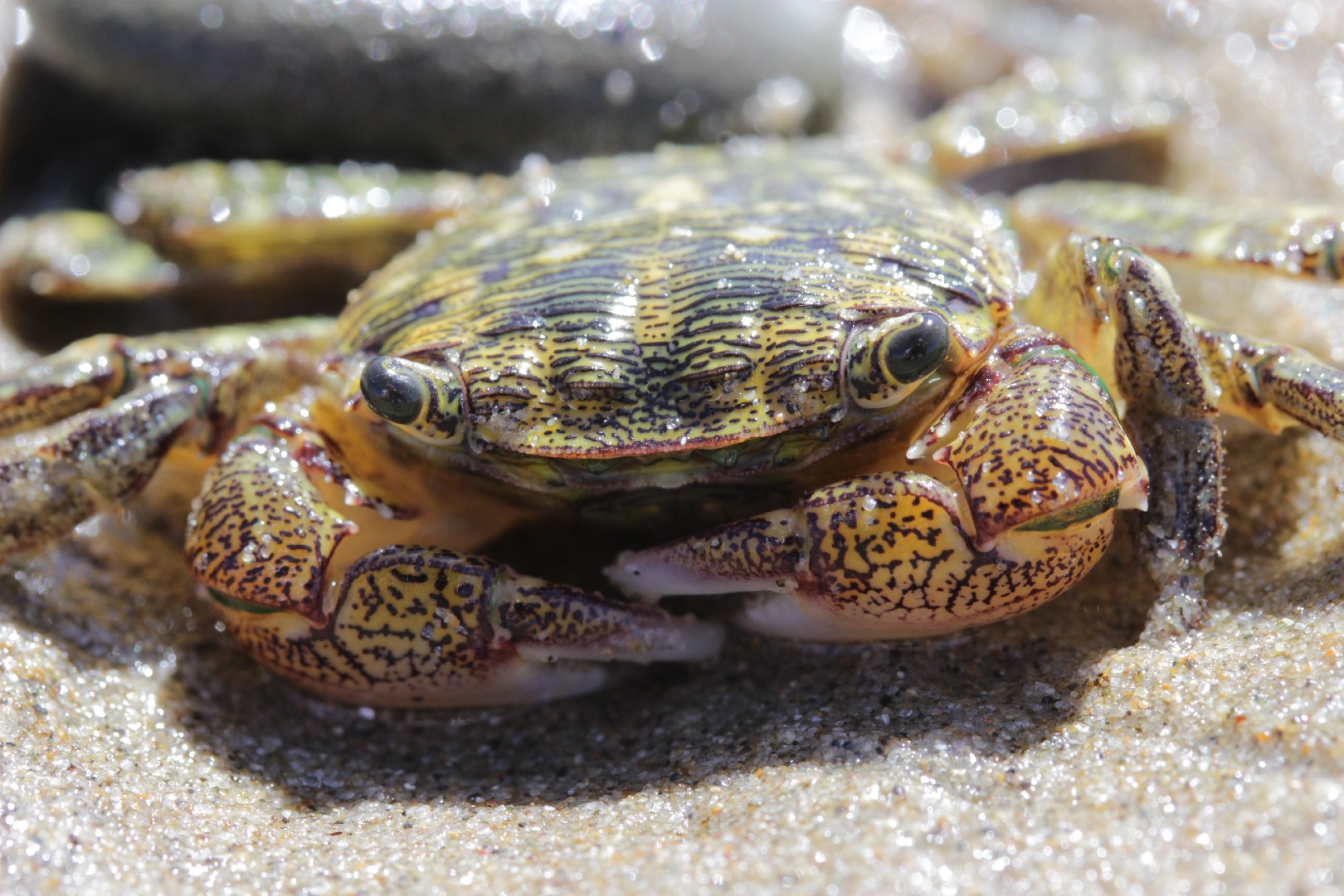
2. The striped shore crab
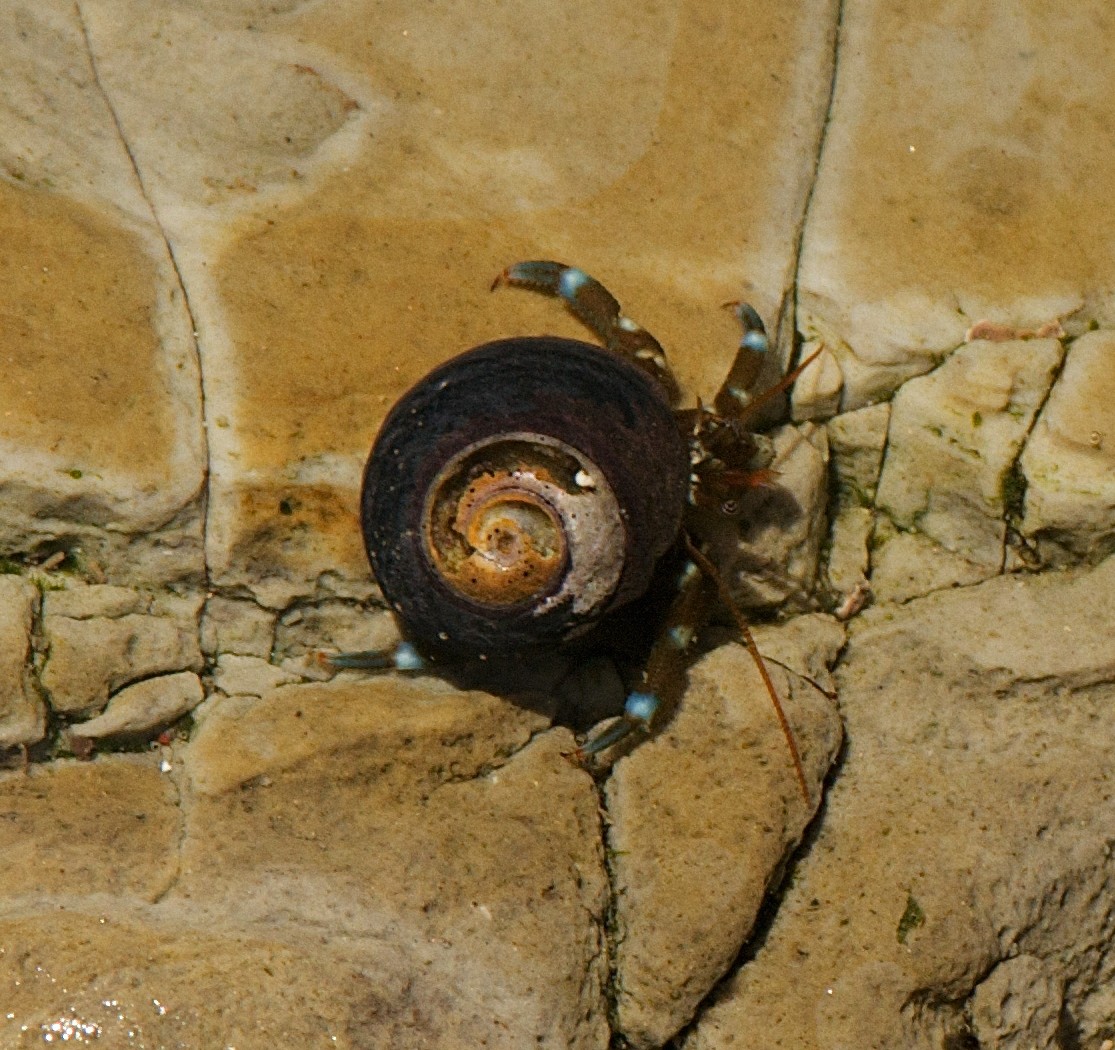
The striped shore crab spends half of its time out of the water, usually hiding in small cracks among rocks. It is well adapted to semi-terrestrial life and said to be able to thrive on land for up to 70 hours. When night falls and its predators are not active, the the striped shore crab emerges out from rock cervices, seeking food.
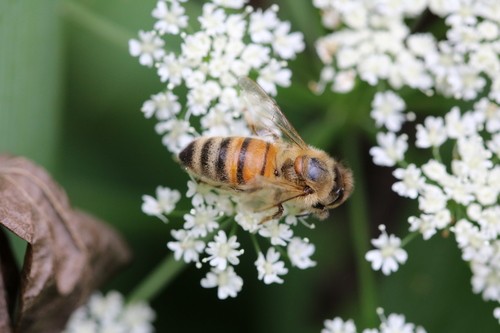
3. Western honey bee
Western honey bee(Apis mellifera) is the most common species of honeybee in the world. Among the first domesticated insects, its cultural and economic impact on humanity has been vast and far-reaching, providing honey, wax and its services as a pollinator. Western honey bee faces challenges worldwide, such as colony collapse disorder, and populations are thought to be decreasing.
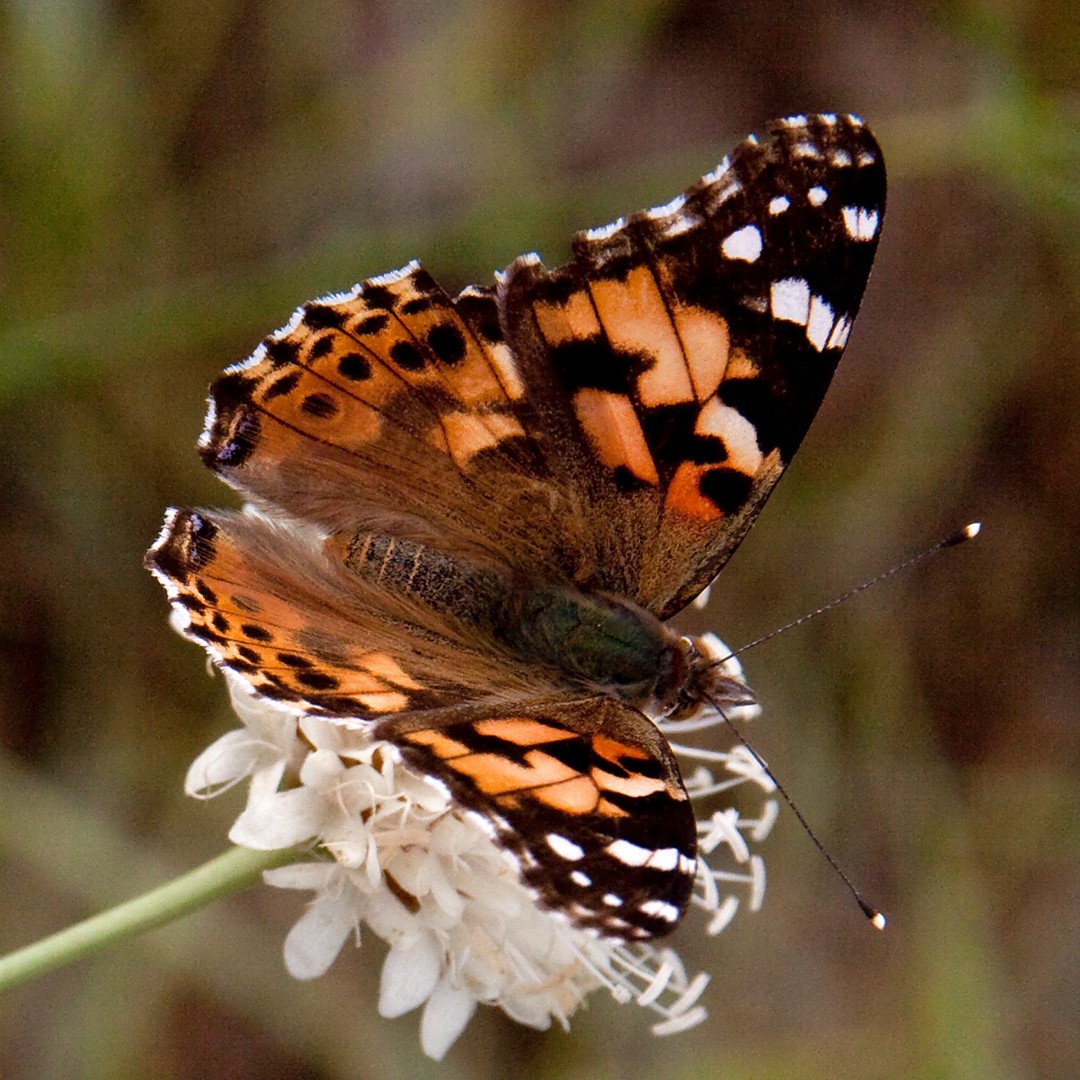
4. Painted lady
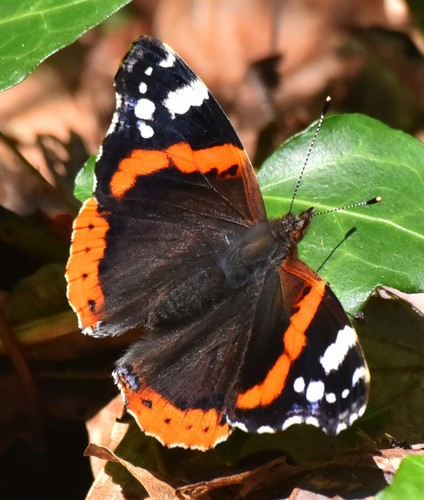
The painted lady is a migratory butterfly that spends part of the year in Northern Africa and then migrates to Europe during the warmer months. Although the adults feed on nectar from flowers, the larvae feed on the leaves of nettles and thistles.
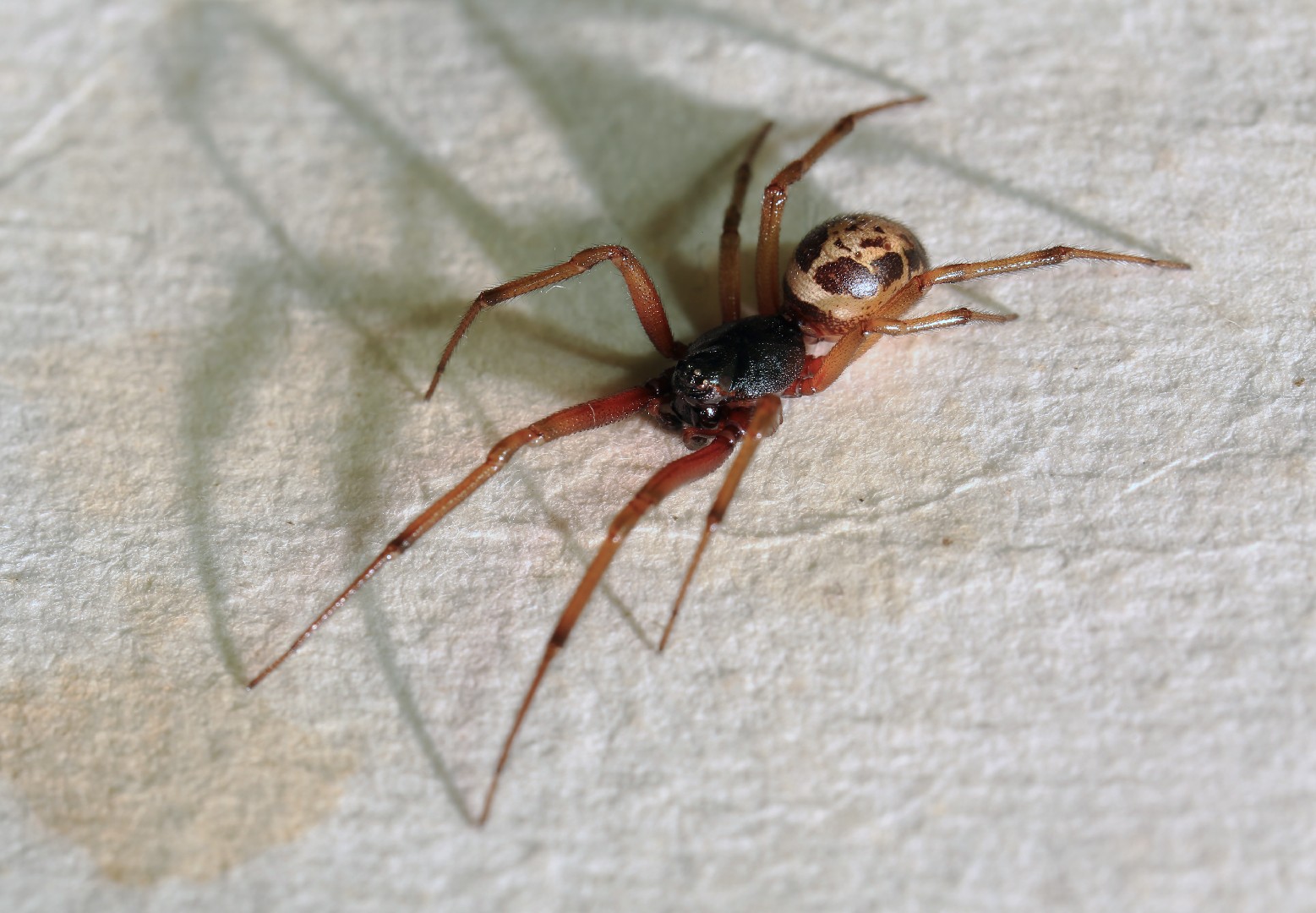
5. Noble false widow
The noble false widow (Steatoda nobilis) is named because it tends to be confused with the black widow spider (Latrodectus mactans). Despite its natural acting abilities, the venom it has can still cause a painful, but not harmful, bite. Despite the venom's non-lethal nature, people in the UK have still taken the time to post about it in the news.
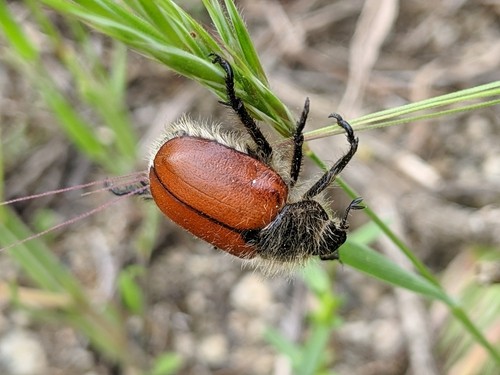
6. Little bear scarab beetle
Paracotalpa ursina is a species of beetle from the family of Paracotalpa ursina beetles (Scarabaeidae). The scientific name of the species was first validly published in 1867 by G.Horn.
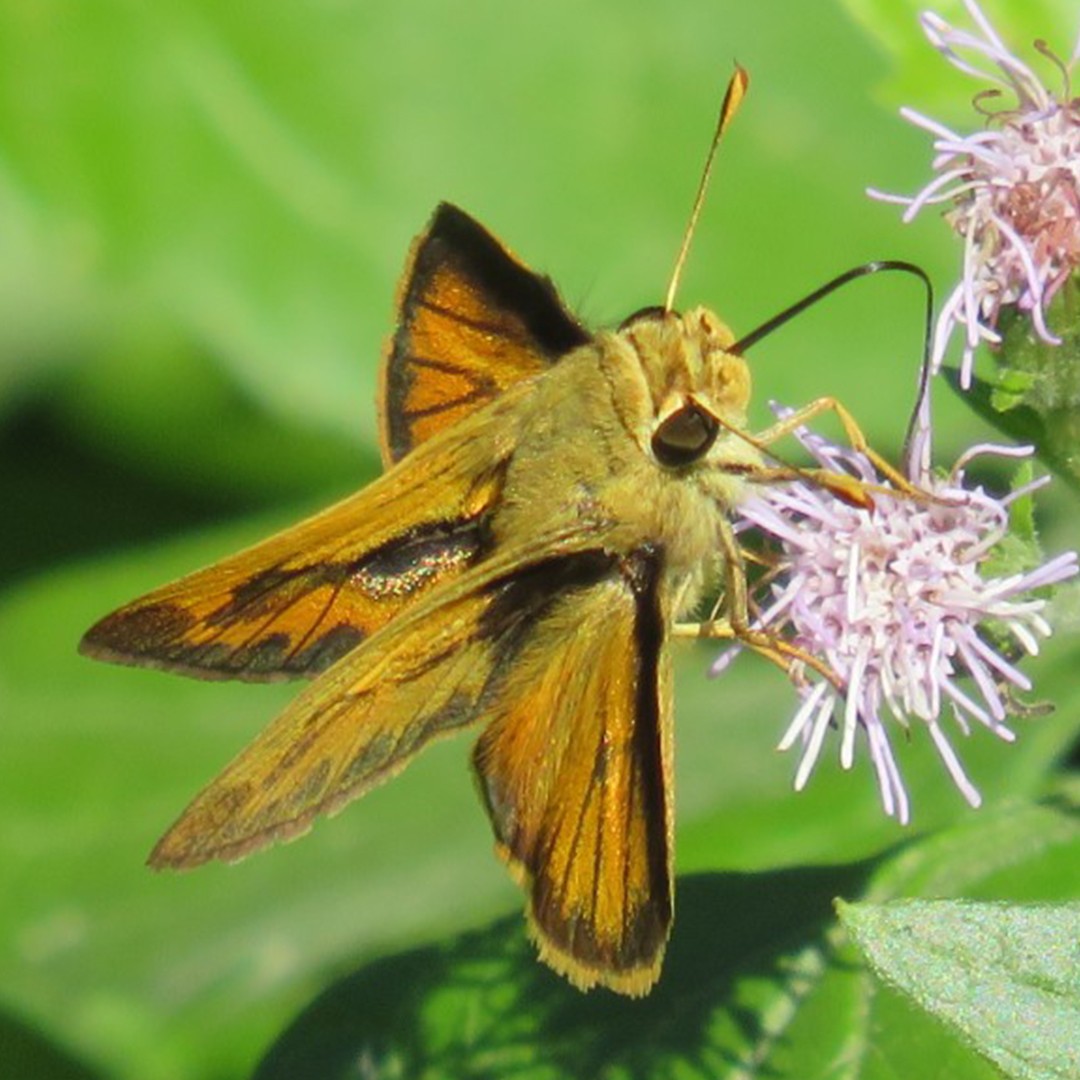
7. Fiery skipper
The fiery skipper (Hylephila phyleus) is a butterfly of the family Hesperiidae and is approximately 1 inch (2.5 cm) long. The males are orange or yellow with black spots while the females are dark brown with orange or yellow spots. The caterpillars are greenish pink with a black head. The caterpillars are often considered pests and can feed on Bermudagrass, creeping bentgrass, and St. Augustine grass. Fiery skippers, along with all other species of skippers and skipperlings, can hold their wings in a "triangle" shape. The forewings are held upright, and the hindwings are folded flat. This position is thought to better absorb the sun's rays. The fiery skipper lives in North and South America, from Canada to Argentina. It is a migratory species. 
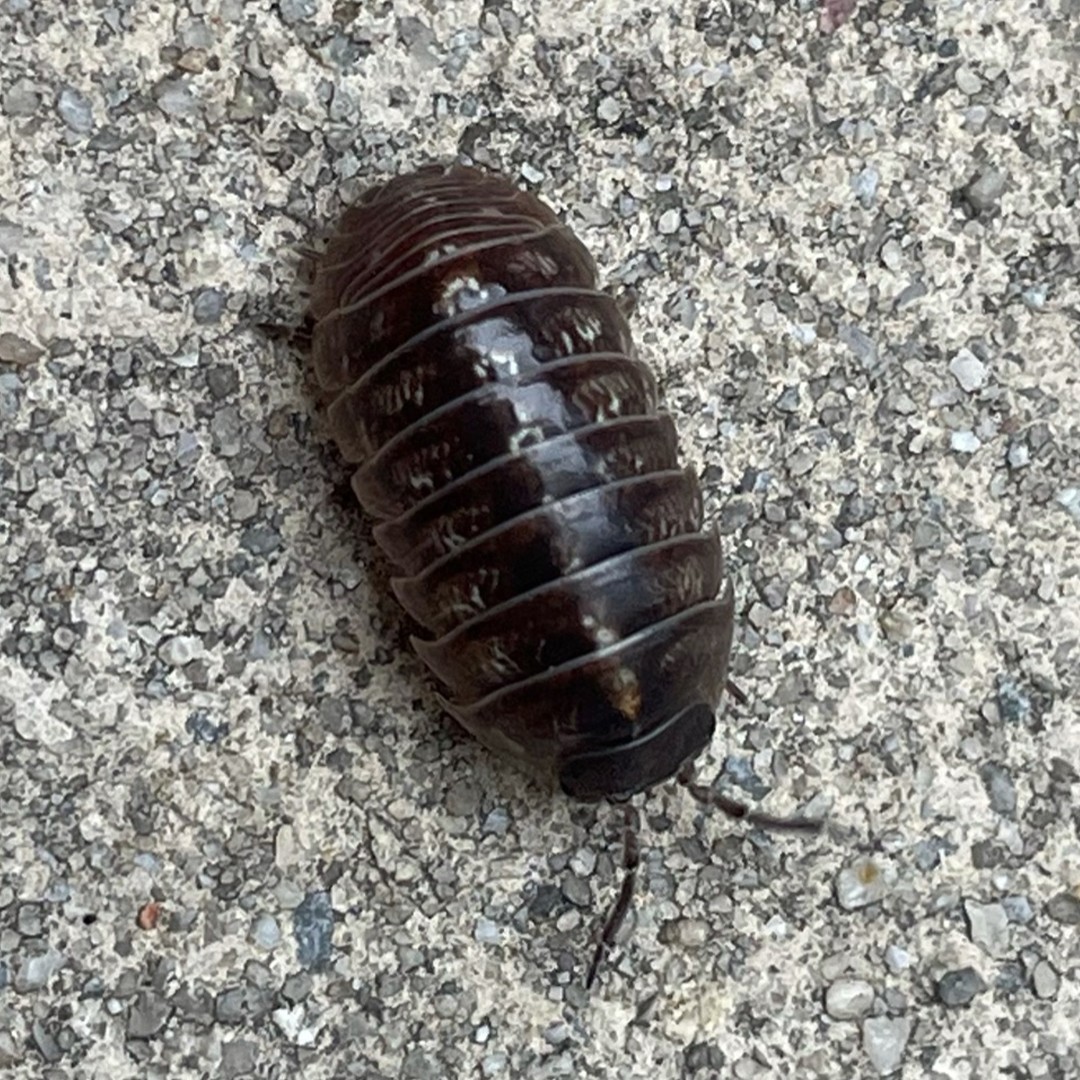
8. Common Pill-Bug
The common Pill-Bug is a nocturnal woodlouse species that's fairly popular among hobbyists and sometimes kept as a pet. When disturbed, this small bug rolls into a ball, resembling a pill or armadillo, hence both its Latin and common English names. Compared to other Armadillidium species, this one is able to withstand drought more than any other.
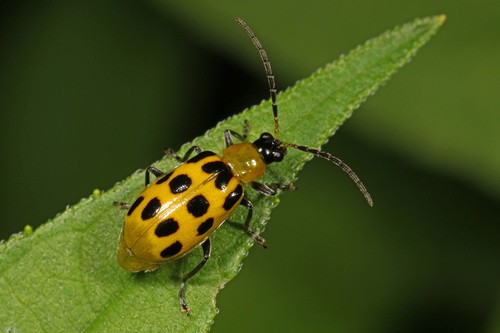
9. Spotted Cucumber Beetle
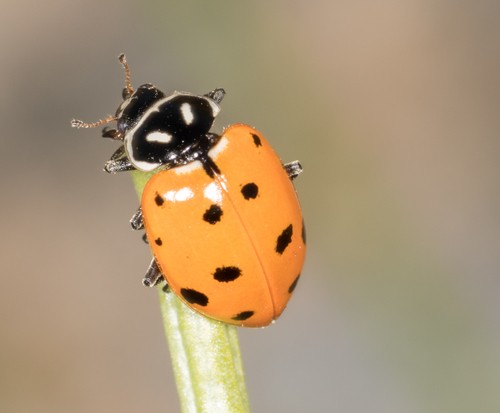
The spotted Cucumber Beetle (Diabrotica undecimpunctata) is an agricultural pest with a bright yellow body and dark spots. It causes damage to corn and other crops by feeding on roots, seedlings, and flowers. Its larvae are often called "rindworms" because they also damage the rind and skin of fruits.
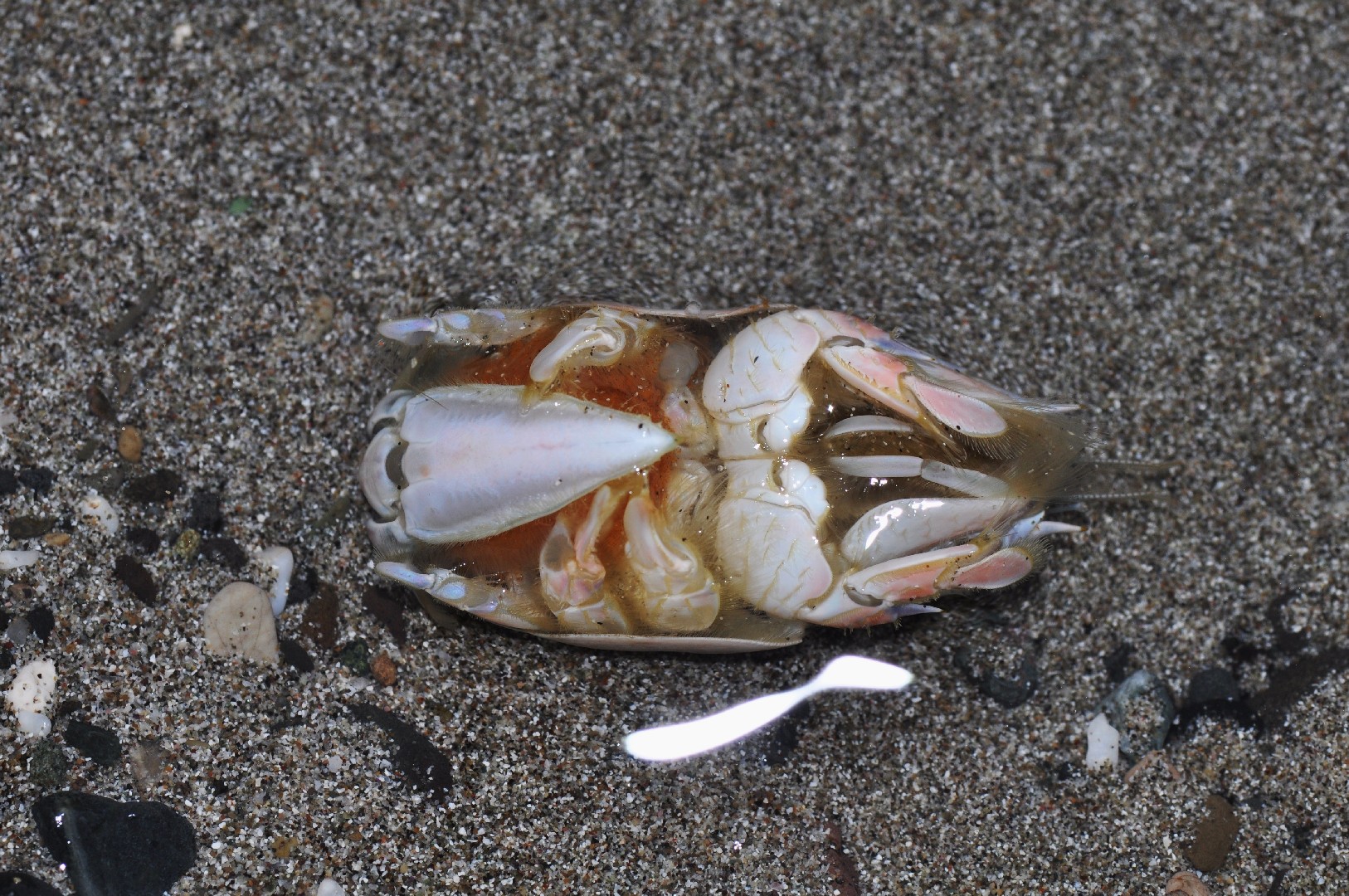
10. Pacific sand crab
Commonly found along the beaches on the Pacific Coast, the pacific sand crab buries itself in the wet sand awaiting the incoming tide. As the waves roll in, this little crustacean extends its eyes and antennae, projecting them above the surface to catch its share of the plankton floating past. It is often used by surf fisherman for bait.
More







