




Top 15 Most Common Insects in Grand Junction
Insects, remarkable creatures defined by their segmented bodies and three pairs of jointed legs, play pivotal roles within Grand Junction's diverse ecosystems. From pollinating plants to breaking down organic materials, these organisms contribute significantly to Grand Junction's natural balance. Stay tuned as we explore the '15 most common insects in Grand Junction' and discover how each species, both pests and beneficial ones, adapt and thrive within our urban landscapes.

Most Common Insects
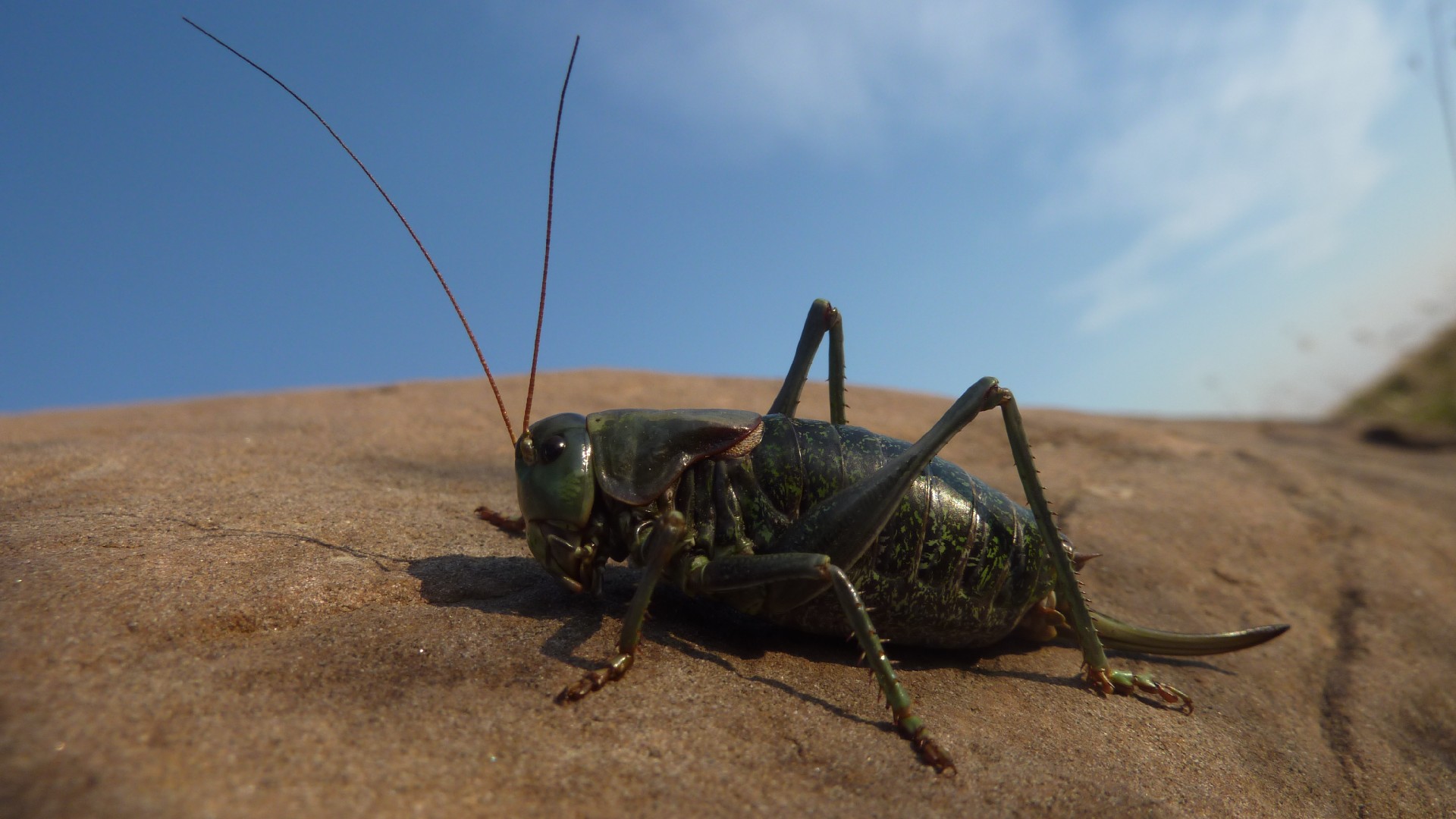
1. Mormon cricket
The mormon cricket (Anabrus simplex) is a wingless katydid species, but it sometimes travels in swarms on foot. It will eat just about anything in its path, which means it can create destruction to crops. This species' eggs can lay dormant in the soil for years, waiting until the temperature is ideal before hatching.
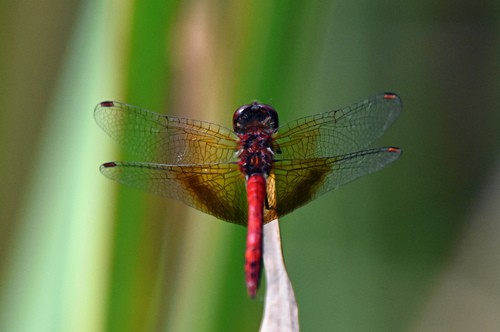
2. Band-winged meadowhawk
Sympetrum semicinctum can reach a length of 2.5 - 3.5 cm, with a wingspan of 4.5 - 6 cm. The male has a bright red abdomen with black markings on the lower sides and on the top of the segments 8 and 9, creating a U like pattern. The thorax is brownish red and the sides show three irregular black stripes. Face and eyes are dark red. The legs are black. The hind wings have a rusty patch at the base, covering one-third of the wings, while the front wings are almost completely transparent. Pterostigma is blackish red. The female is mainly greenish-yellowish or orange, with red over green on eyes and extended blackish markings on the abdomen. Mature females sometimes turn red like males, while immature males are yellow like females and slowly reach their red coloration. 
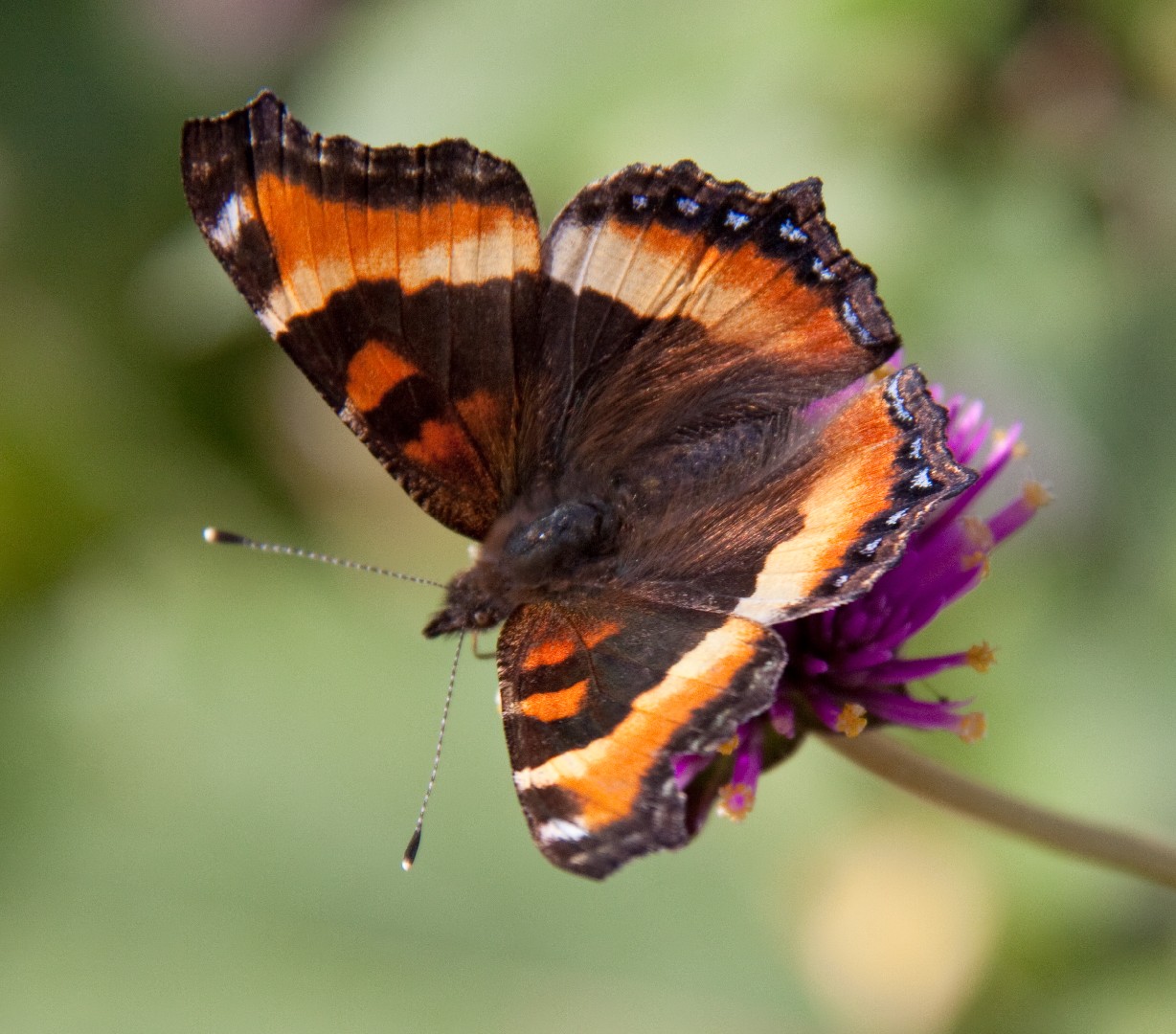
3. Milbert's tortoiseshell
Milbert's tortoiseshell (Aglais milberti) is a beautiful butterfly that is identified with their black coloring. The upperside of them is anywhere from red to brown and often fades into white. They are the only species under the Tortoiseshell butterflies that occur in North America.

4. White-Lined Sphinx
The white-Lined Sphinx ( Hyles lineata) is a colorful furry moth with striped wings. It has a similar size of a hummingbird, and behaves like a hummingbird as well. It can fly extremely fast, and instantly swing from side to side while hovering just like a hummingbird. It feeds on nectar from a variety of flowers including petunia, honeysuckle, lilac, clovers, thistles, and jimson weed.
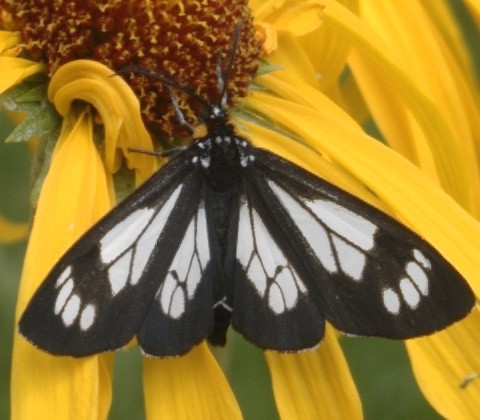
5. Police car moth
Gnophaela vermiculata, sometimes known as the police-car moth or green lattice, is a moth of the family Erebidae. The species was first described by Augustus Radcliffe Grote in 1864. It is found in the Rocky Mountain region of the United States and in western parts of North America, from British Columbia to California, east to New Mexico and north to Manitoba. It is often mistaken to be the Gnophaela Latipennis because of the similarity in their pattern. The wingspan is about 54 millimetres (2.1 in). Adults are on wing in late summer and fly during the day. There is one generation per year. The larvae is born with yellower patches but eventually grows into the adult coloring. As larvae, they feed on Mertensia, Lithospermum and Hackelia species. Adults feed on nectar of various herbaceous flowers, including Cirsium and Solidago. It is often mistaken to be the Gnophaela Latipennis because of the similarity in their pattern. The forewing margins are what make them distinguishable.
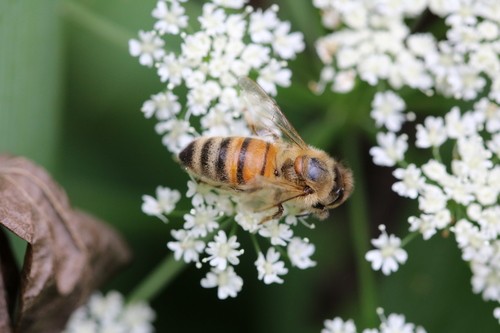
6. Western honey bee
Western honey bee(Apis mellifera) is the most common species of honeybee in the world. Among the first domesticated insects, its cultural and economic impact on humanity has been vast and far-reaching, providing honey, wax and its services as a pollinator. Western honey bee faces challenges worldwide, such as colony collapse disorder, and populations are thought to be decreasing.
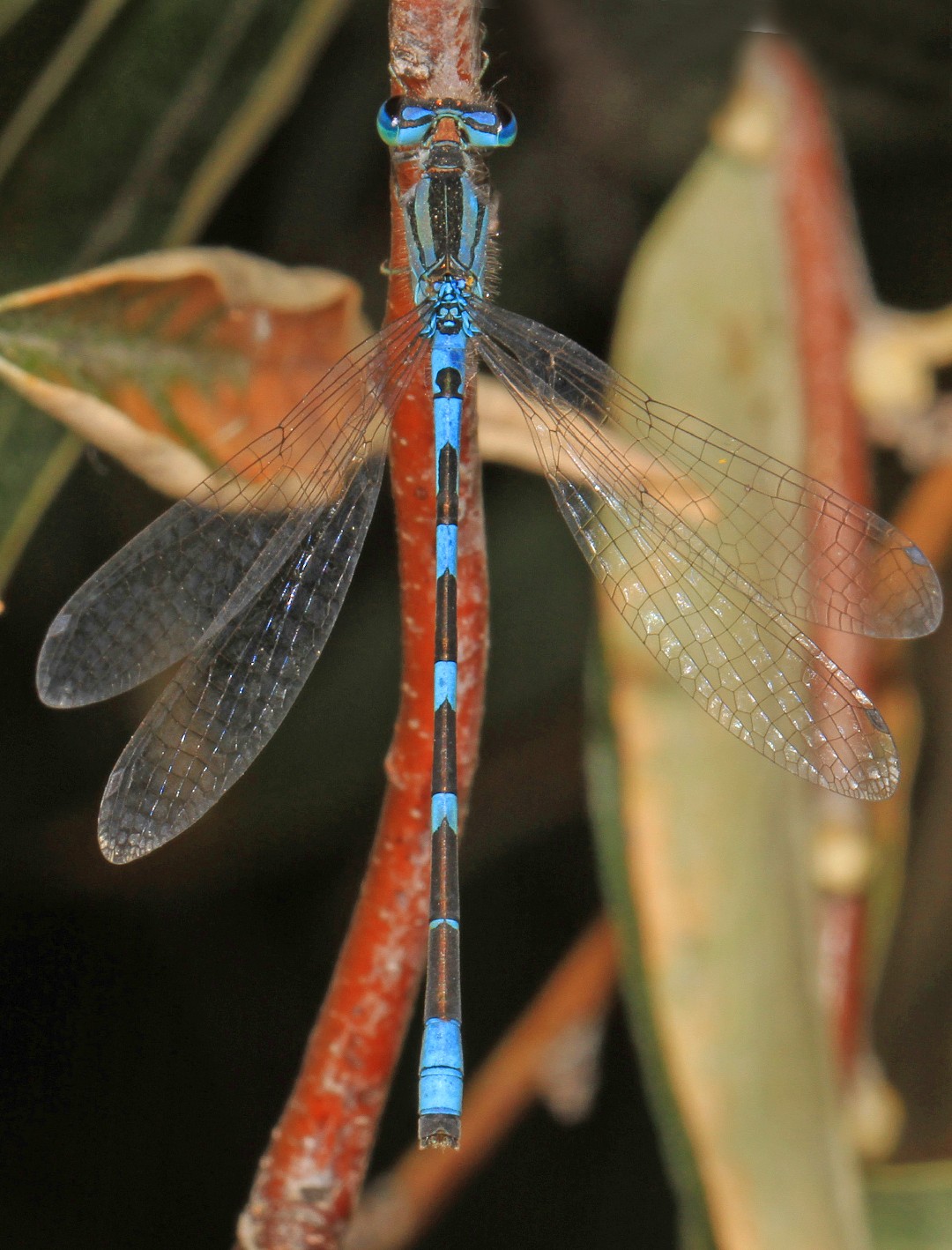
7. Tule bluet
Enallagma carunculatum is a dragonfly in the family of the brown dragonflies (Coenagrionidae). It is native to North America.
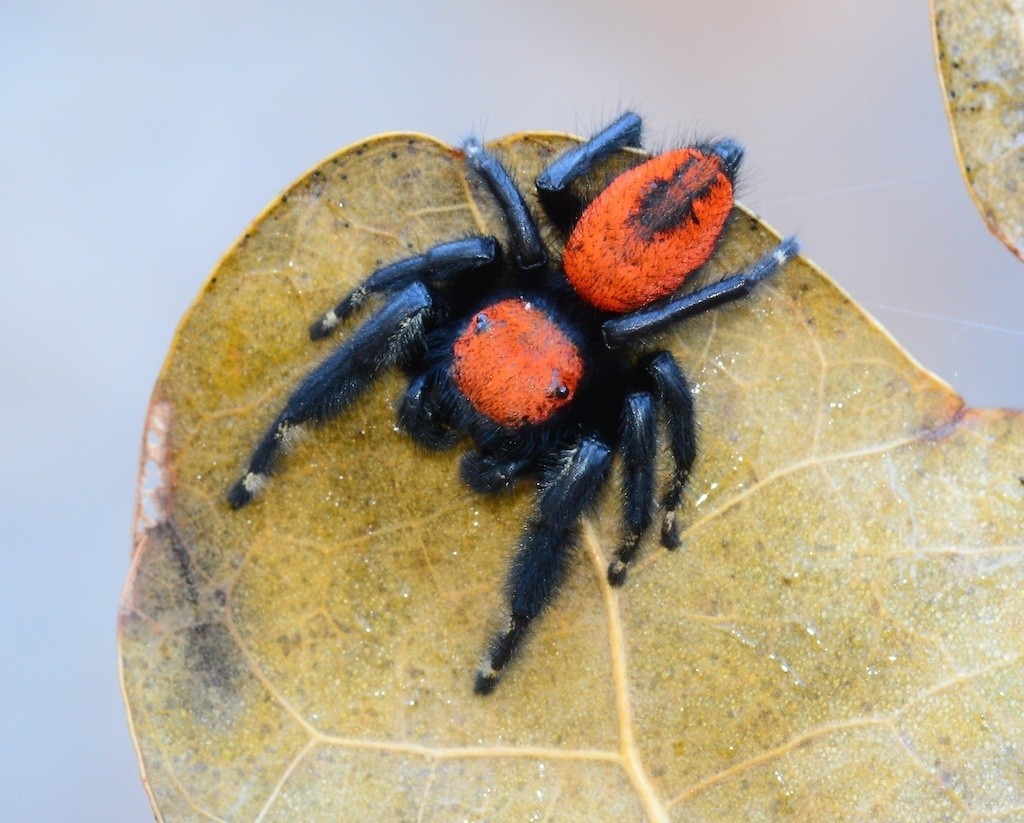
8. Red velvet jumping spider
Phidippus apacheanus is a species of jumping spider in the family Salticidae. It is found in the United States, Mexico, and Cuba.
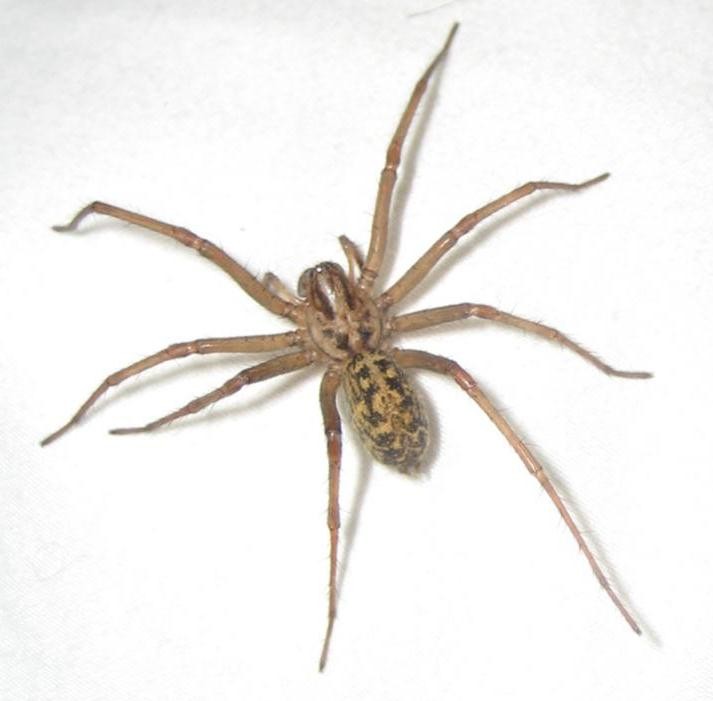
9. Hobo spider
Contrary to what you might believe, the hobo spider (Eratigena agrestis) did not reach its current hails while hoisting a bindle staff. However, they did reach us by being shipped from Europe to the Pacific Northwest. Hobo spiders are known for being incredibly difficult to identify, you will likely need to contact an expert to do so. It is easier to identify these as not being hobo spiders.
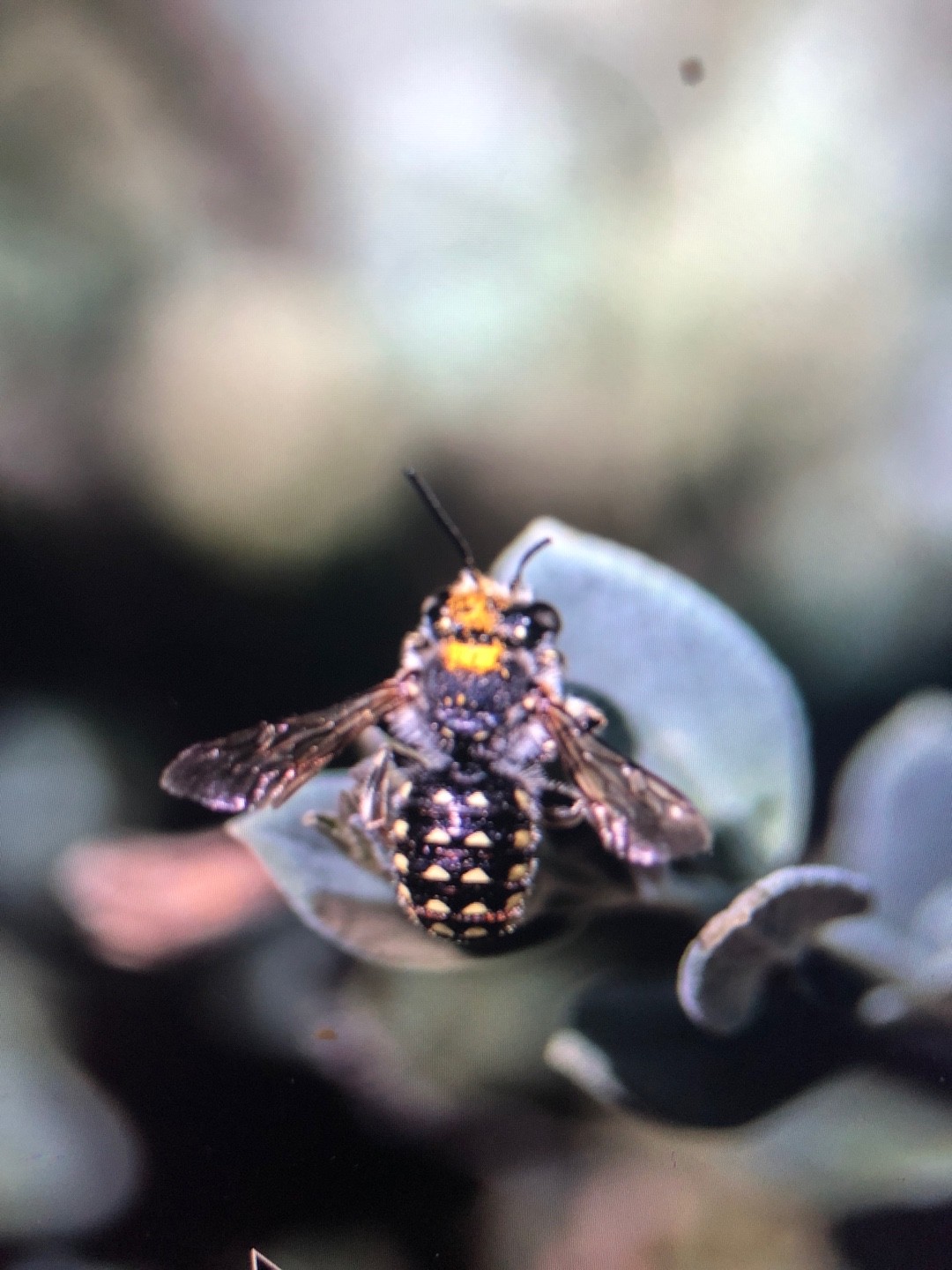
10. Anthidium maculosum
The middle tibia of A. maculosum shows apical spines. Body sizes of these bees seem to correlate with head-widths. Therefore, a bigger head is correlated with a bigger body size. The body sizes of territorial and non-territorial bees are different. Territorial males have larger body sizes and thus correlate with holding territory, while the non-territorial bees are smaller. This smaller size is indicative of them being subordinate. In addition, males are larger than females, which is common in the family Megachilidae. However, this is rare in other bee families where the female is normally larger than the drone or male. A. maculosum nests are built in holes excavated in wood.
More







