




Top 17 Most Common Insects in Pueblo West
Insects, an abundant and diverse group with distinctive characteristics, thrive in virtually all environments within Pueblo West. The varied landscapes, from prairies to aquatic ecosystems, provide a hotbed for a multitude of insects leading to an increase in the number of 17 most common species. Their crucial role spans from pest activities disrupting human comfort to pollination and being food sources in the ecosystem. Understanding the interplay between Pueblo West's environments and its insect inhabitants provides insights into the broader ecological community.

Most Common Insects
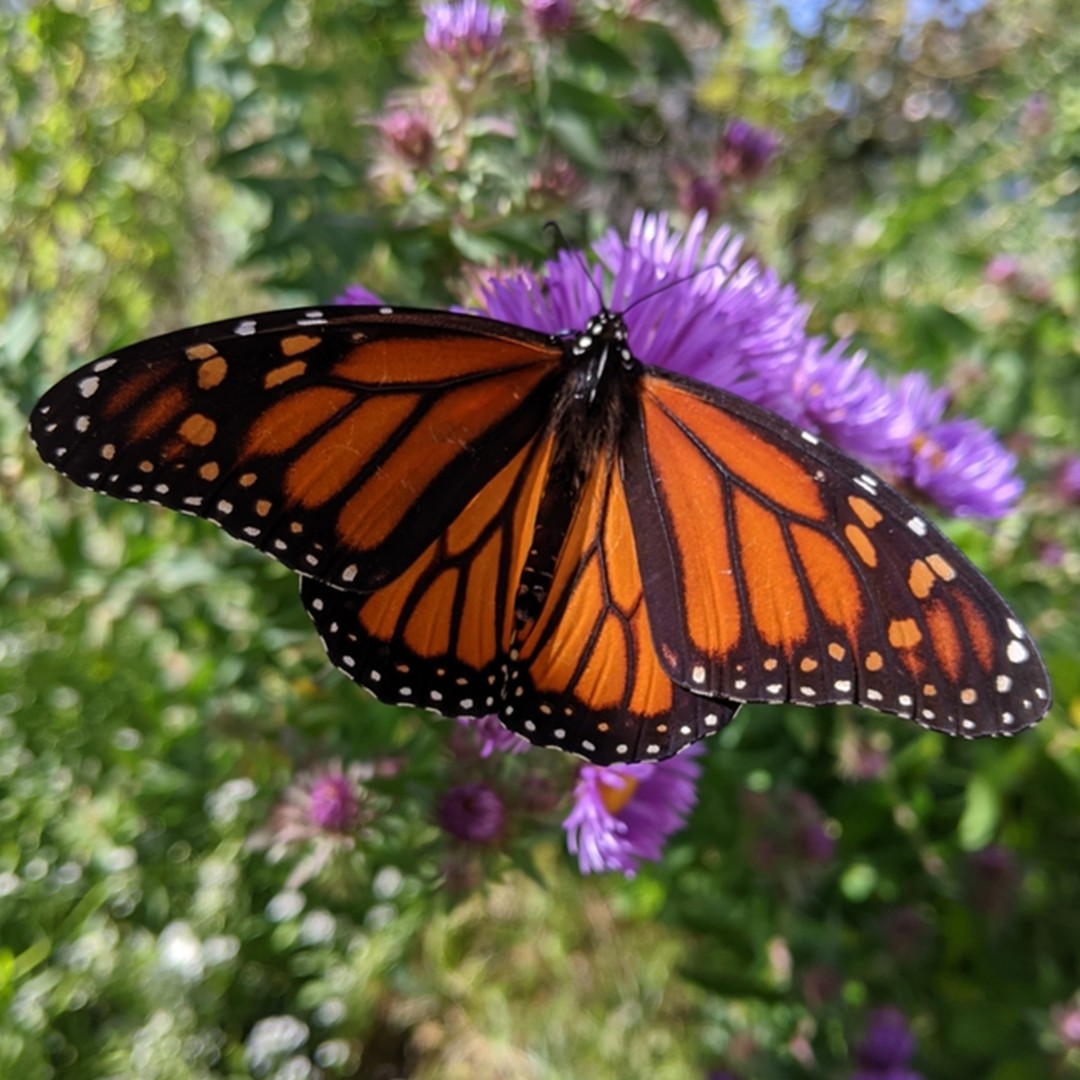
1. Monarch butterfly
The monarch butterfly (Danaus plexippus) is the most recognizable butterfly in North America. It is best known for its appearance, but should be better known for the fact that it has a 3000-mile migration that takes the butterfly 4 generations to complete. Their diet is also a natural deterrent for predators, as they eat milkweed, a poison that induces vomiting.

2. White-Lined Sphinx
The white-Lined Sphinx ( Hyles lineata) is a colorful furry moth with striped wings. It has a similar size of a hummingbird, and behaves like a hummingbird as well. It can fly extremely fast, and instantly swing from side to side while hovering just like a hummingbird. It feeds on nectar from a variety of flowers including petunia, honeysuckle, lilac, clovers, thistles, and jimson weed.
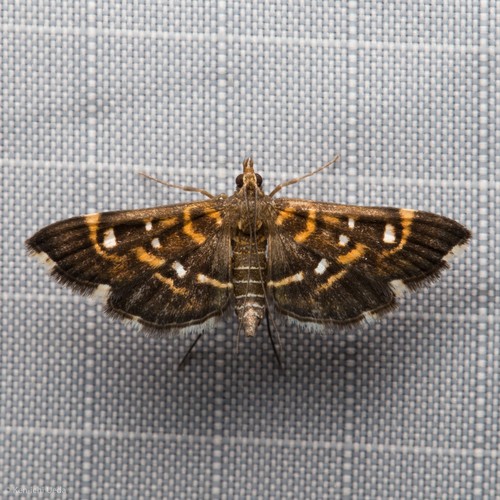
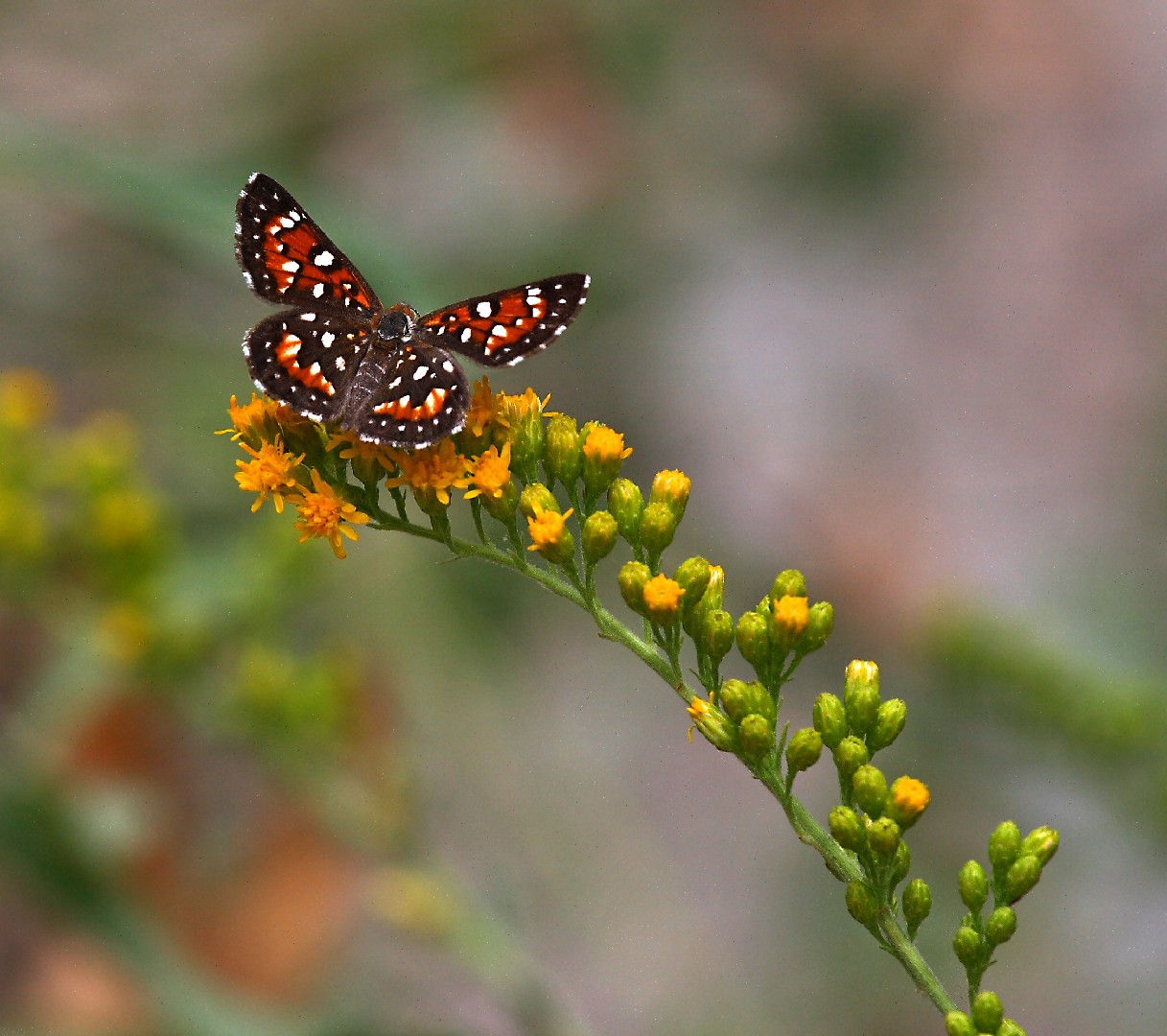
3. Harlequin webworm moth
The wingspan is 1.3 cm. 
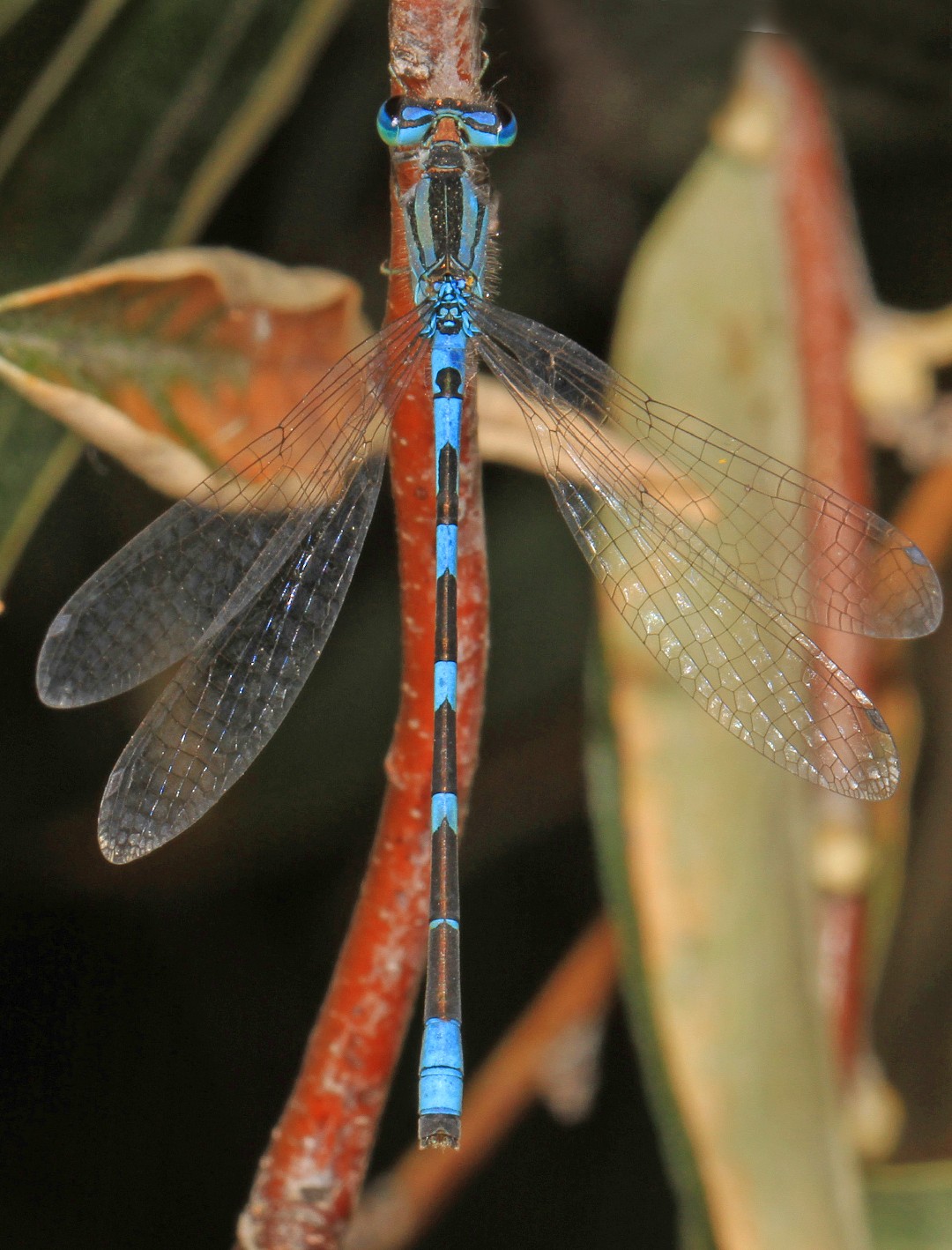
4. Tule bluet
Enallagma carunculatum is a dragonfly in the family of the brown dragonflies (Coenagrionidae). It is native to North America.
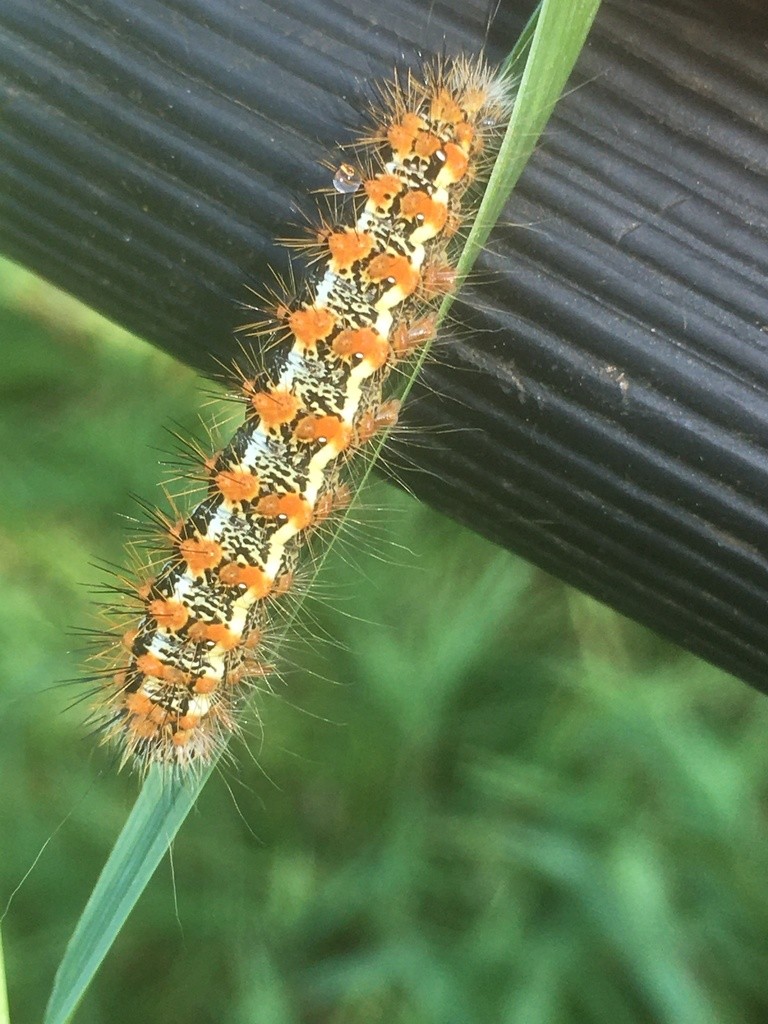
5. Cattail Caterpillar
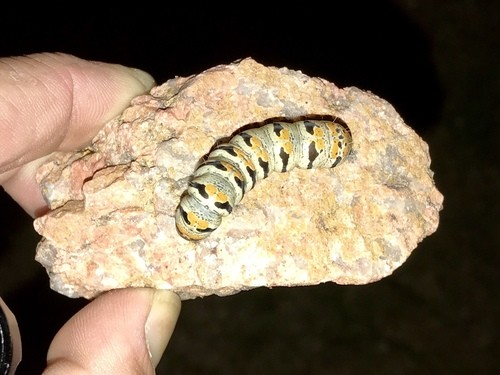
Acronicta insularis, the cattail caterpillar (when referring to the larva) or Henry's marsh moth (when referring to the adult), is a moth of the family Noctuidae. The species was first described by Gottlieb August Wilhelm Herrich-Schäffer in 1868. It is found from coast to coast throughout the United States and southern Canada (Ontario, Quebec, New Brunswick, Nova Scotia, British Columbia, Alberta, Saskatchewan and Manitoba). The wingspan is 35–40 mm. Adults are on wing from April to September. The larvae feed on Typha and Polygonum species, as well as various grasses and sedges, poplar and willow. Acronicta insularis was formerly called Simyra insularis. In 2015, the genus Simyra, along with Oxicesta and Eogena, were moved to Acronicta based on phylogenetic analysis. The MONA or Hodges number for Acronicta insularis is 9280.
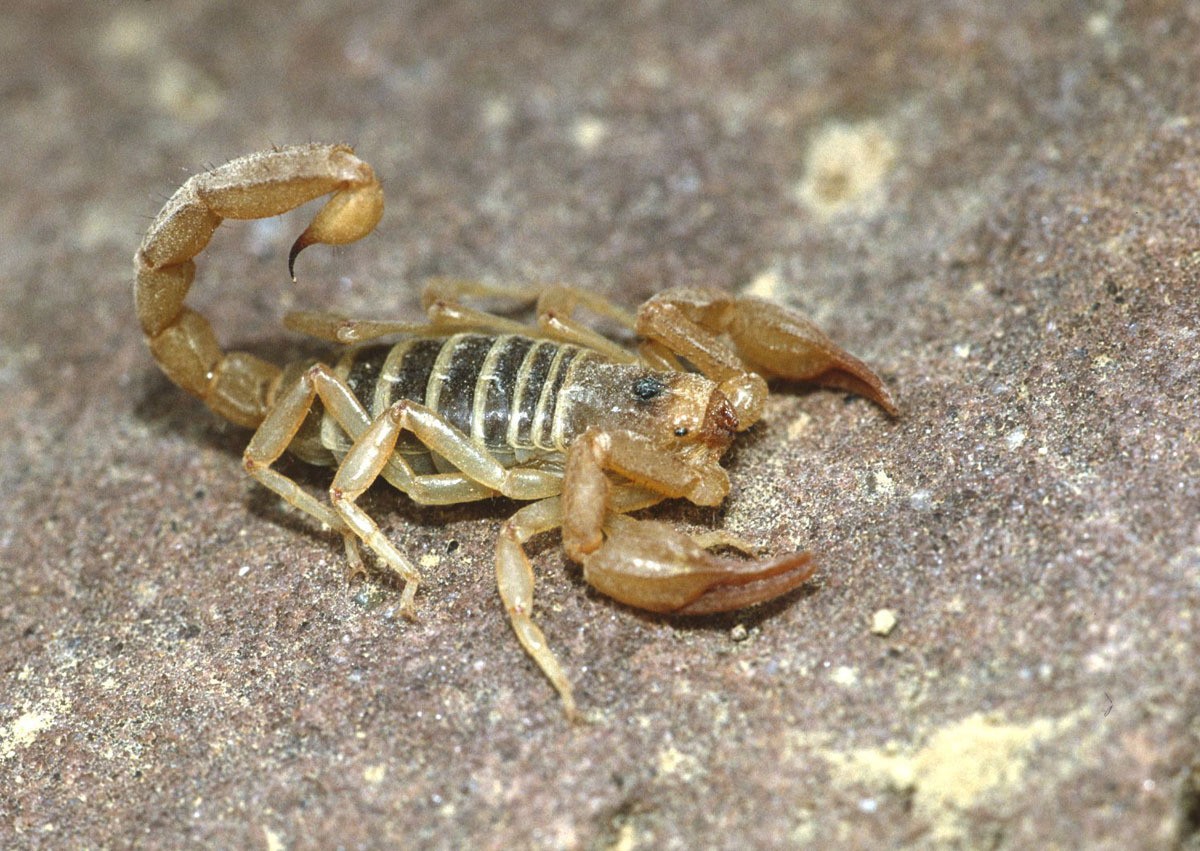
6. Northern scorpion
Paruroctonus boreus is a species of scorpions of the family Vaejovidae.
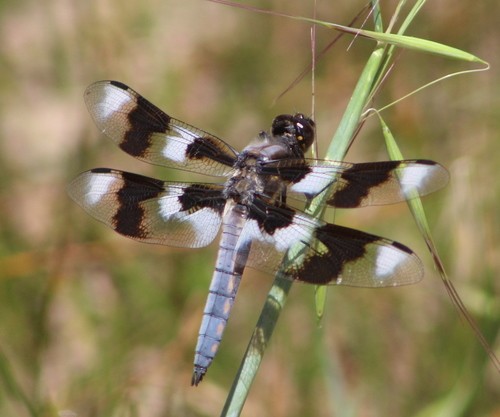
7. Eight-spotted skimmer
The eight-spotted skimmer (Libellula forensis) is identified by the eight black markings on its wings. It is occasionally confused with the Twelve-spotted skimmer that is sometimes called the Ten-spotted skimmer. You may attempt to desperately count the number of spots on these fast-moving skimmers, but the major differentiation in this one is the lack of black tips on their wings.
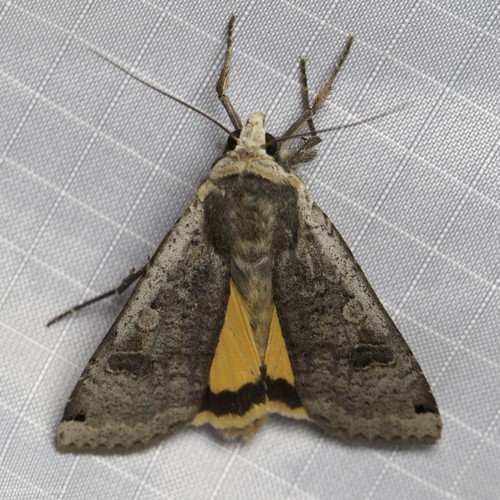
8. Large yellow underwing
An unusually large and heavy species of moth, large yellow underwing (Noctua pronuba) is dreaded by gardeners for the larvae's habit of causing fatal damage to the base of virtually any herbaceous plant. Large migrations occur some years, but how those years are determined is not yet known. Its contrasting colors (yellow-orange and brown) are thought to confuse would-be predators.
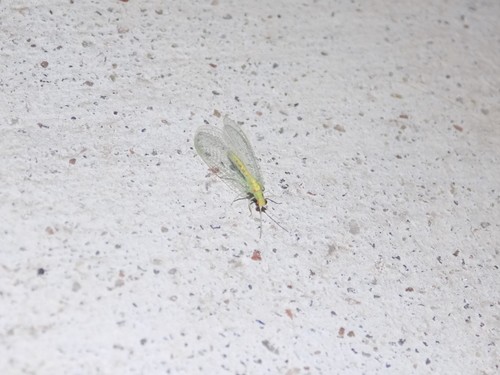
9. Four-spotted Green Lacewing
Chrysopa quadripunctata is a species of green lacewing in the family Chrysopidae. It is found in North America.
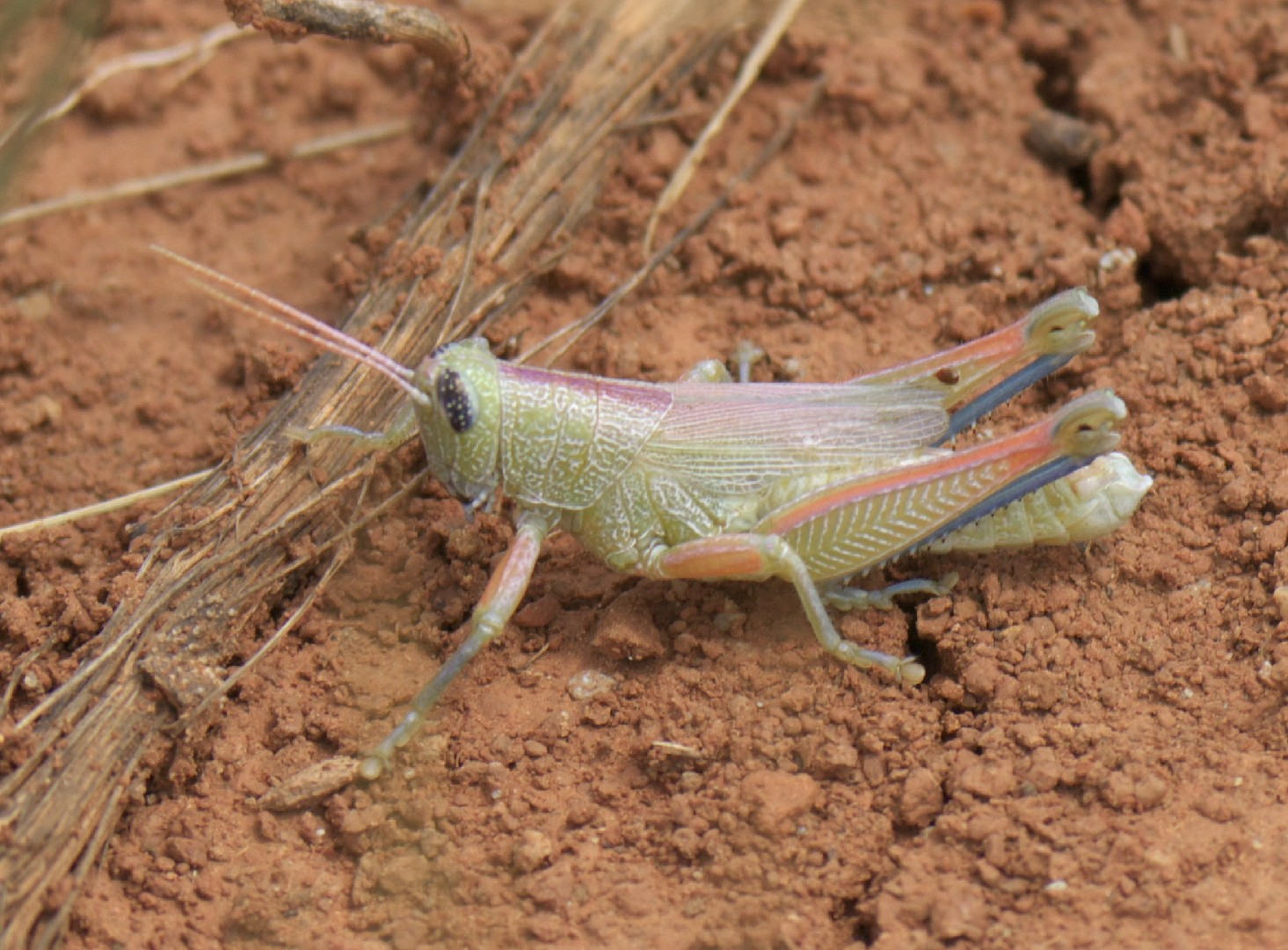
10. Showy grasshopper
Hesperotettix speciosus is a right-winged insect from the field locust family (Acrididae). The scientific name of this species was first validly published in 1872 by Scudder.
More







