




Top 20 Most Common Insects in Hawaii
Venture with us into Hawaii's remarkable insect world, filled with astounding 20 common species coexisting in various environments-from volcanic landscapes to serene beaches. These tiny creatures perform vital ecosystem roles, from pest control to pollination. Understanding this delicate relationship between our environment and its inhabitants can guide our appreciation of these diverse, sometimes unwanted, yet beneficial denizens.

Most Common Insects
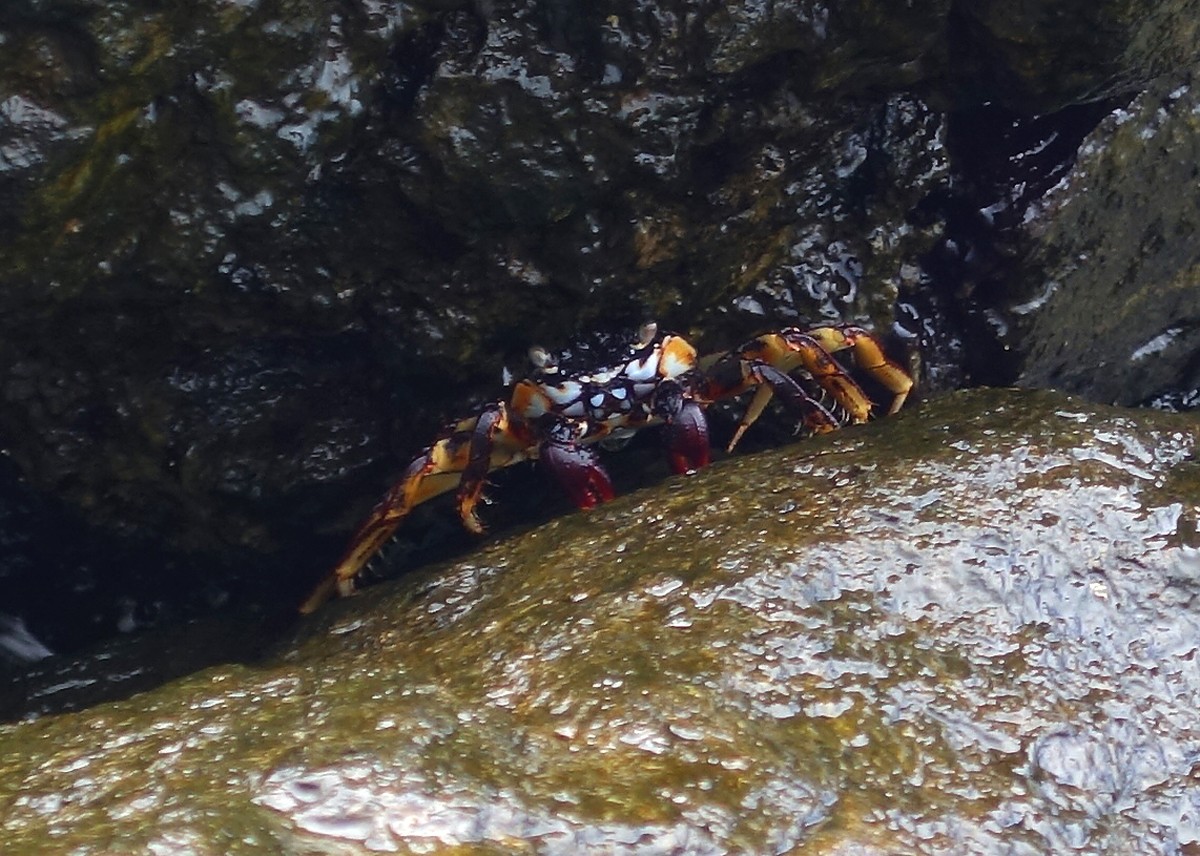
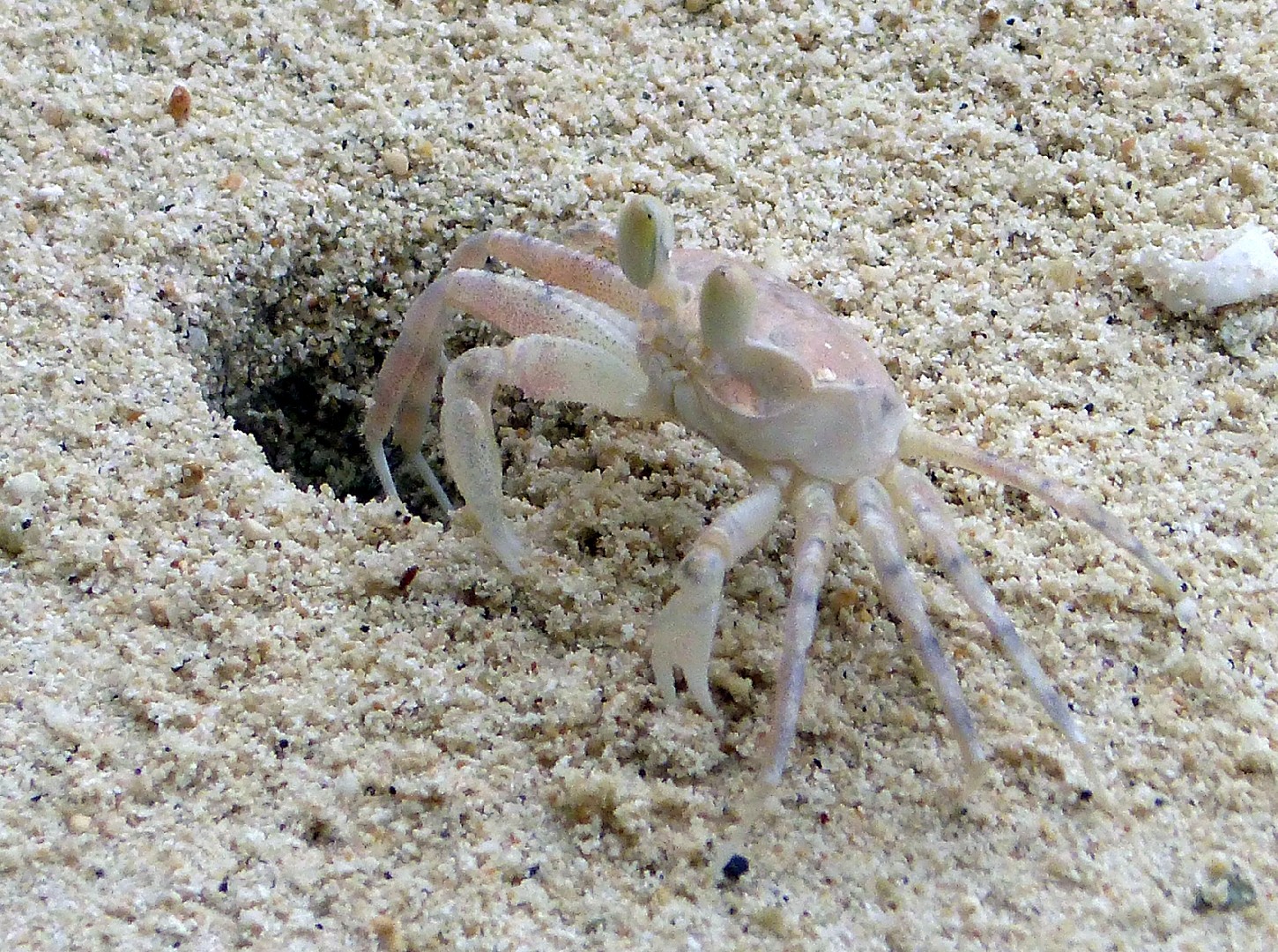
1. Natal lightfoot crab
Grapsus tenuicrustatus is a crab species from the Grapsidae family. The scientific name of the species was first validly published in 1783 by Herbst.
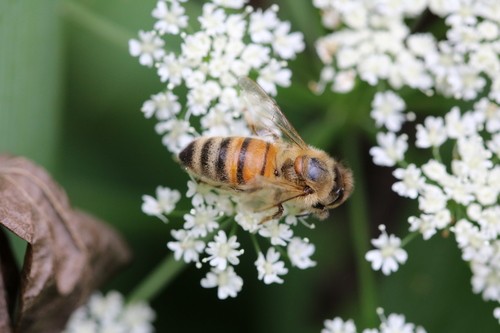
2. Western honey bee
Western honey bee(Apis mellifera) is the most common species of honeybee in the world. Among the first domesticated insects, its cultural and economic impact on humanity has been vast and far-reaching, providing honey, wax and its services as a pollinator. Western honey bee faces challenges worldwide, such as colony collapse disorder, and populations are thought to be decreasing.
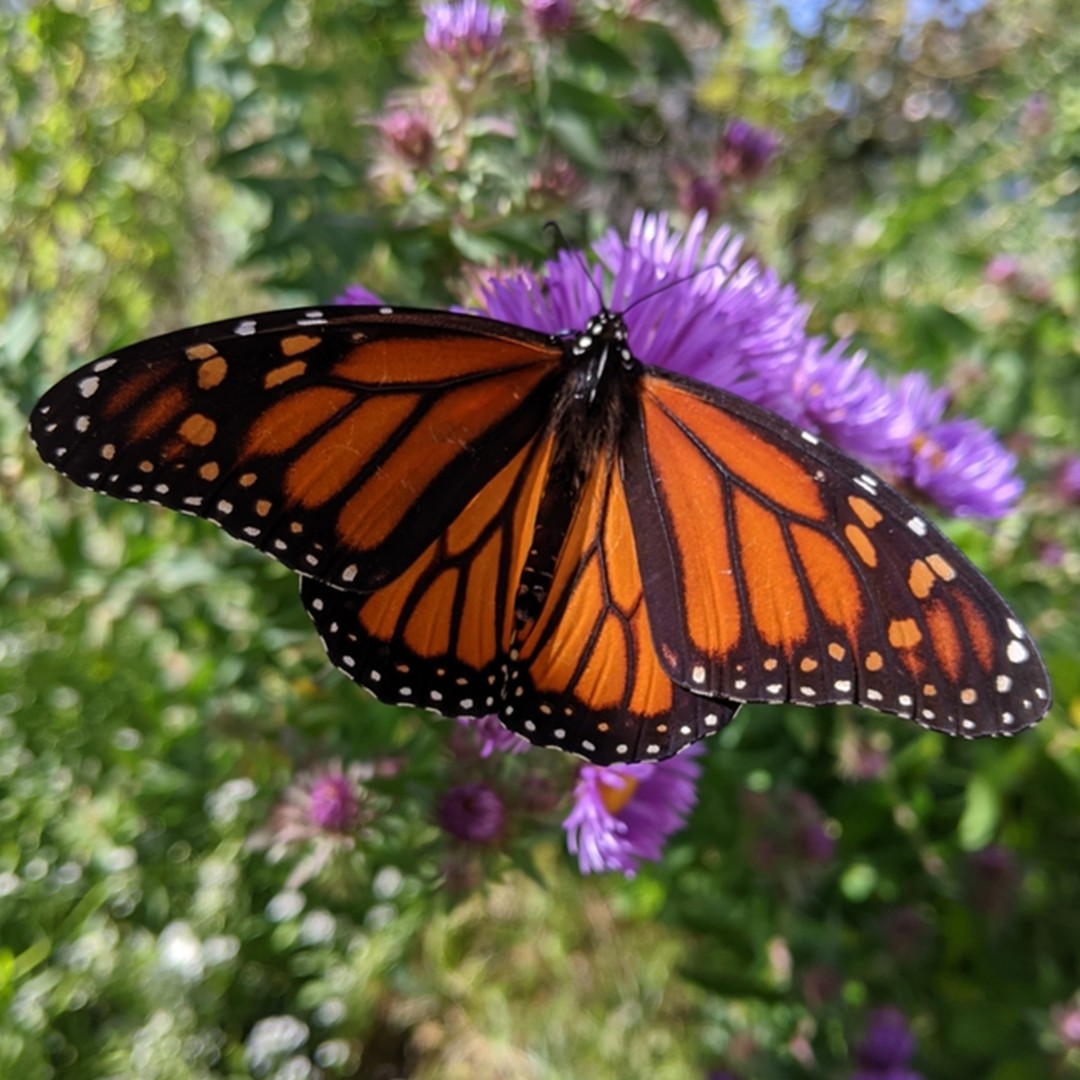
3. Monarch butterfly
The monarch butterfly (Danaus plexippus) is the most recognizable butterfly in North America. It is best known for its appearance, but should be better known for the fact that it has a 3000-mile migration that takes the butterfly 4 generations to complete. Their diet is also a natural deterrent for predators, as they eat milkweed, a poison that induces vomiting.
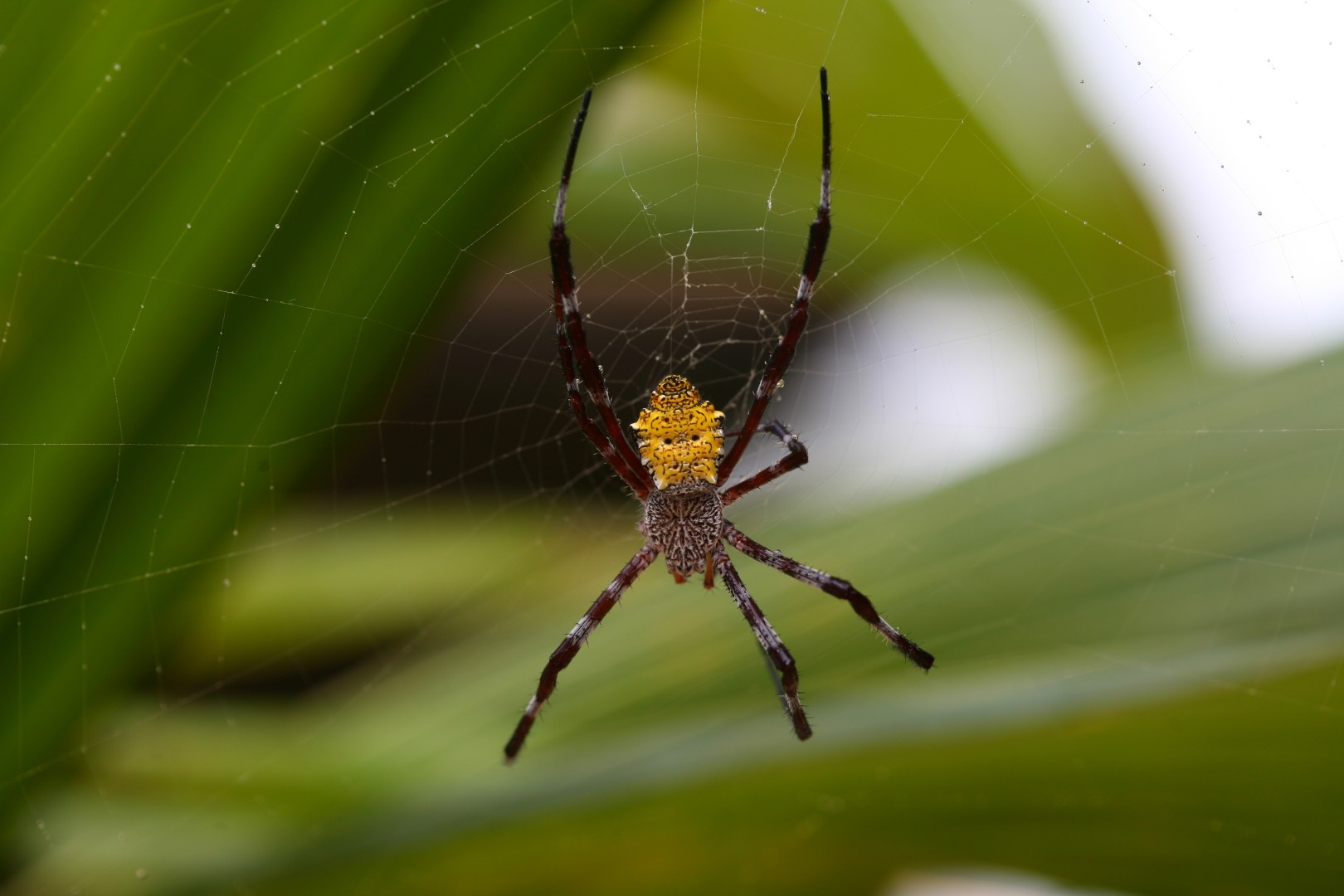
4. Hawaiian garden spider
This species shows an evident sexual dimorphism. The strikingly black and yellow females are 5.1–6.4 cm (2–2.5 in) long, including legs, while the brown males reach only about 1.9 cm (0.75 in). In Hawaii they are referred to as Hawaiian garden spiders. In Hawaii, they are known to be quite communal (see picture), with multi-generational specimens living within close quarters, using the same anchor lines for separate webs. On Guam, where Argiope appensa is ubiquitous, it is frequently visited by Argyrodes argentatus, that steals food from the host. Locals there refer to them as banana spiders. Following the introduction of the brown tree snake and the subsequent extinction or near-extinction of many of the island's small birds, spider populations on Guam exploded in response to decreasing predation and competition. Nature writer David Quammen has called Argiope appensa "almost certainly one of the larger species" which were encountered in vast numbers during his research trip to Guam for the book The Song of the Dodo. 
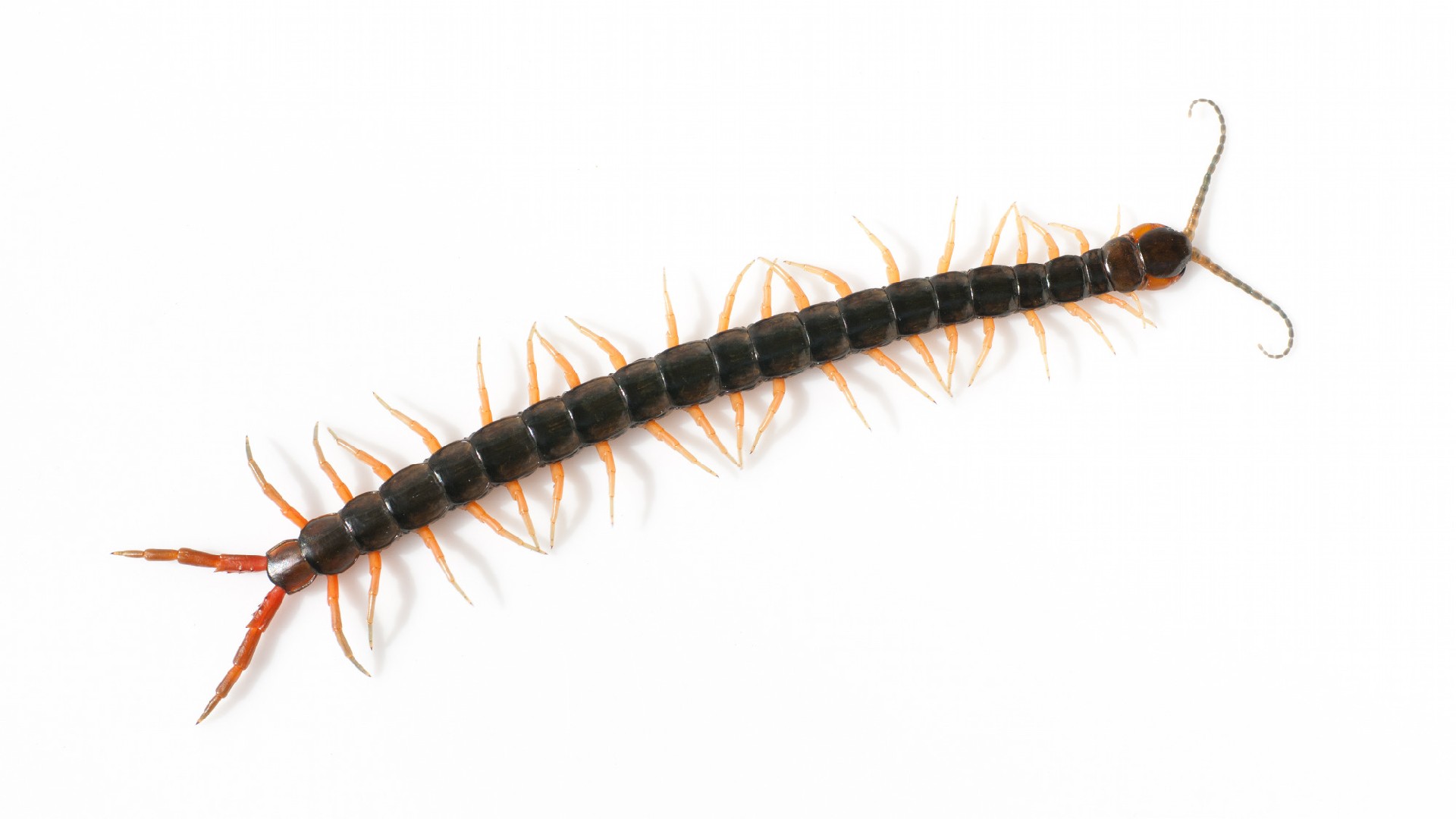
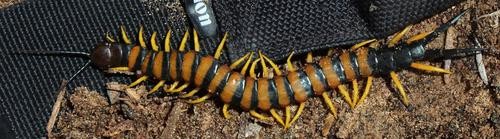
5. Pacific giant centipede
The pacific giant centipede (Scolopendra subspinipes) is often kept as a pet due to its beautiful appearance. It has a reddish-brown body, which is longer than most human hands. However, they shouldn't be handled because they can deliver a painful bite, which could cause serious swelling. Deaths from these bites are rare though.
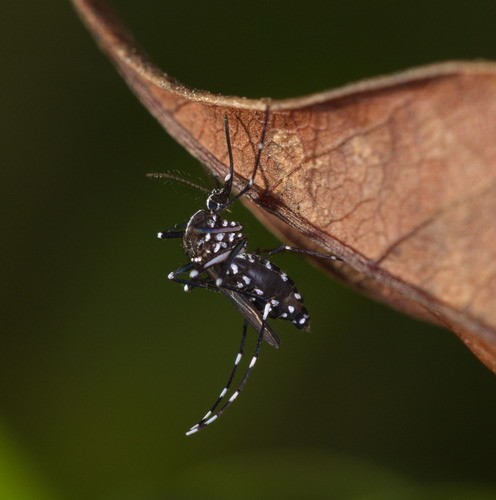
6. Asian Tiger Mosquito
The asian Tiger Mosquito (Aedes albopictus) has recently (the 1970s) infested every corner of the world through the shipment of used tired, lucky bamboo (Dracaena sanderiana), and other similar products. The asian Tiger Mosquito is known to transmit many deadly diseases that include West Nile Virus.
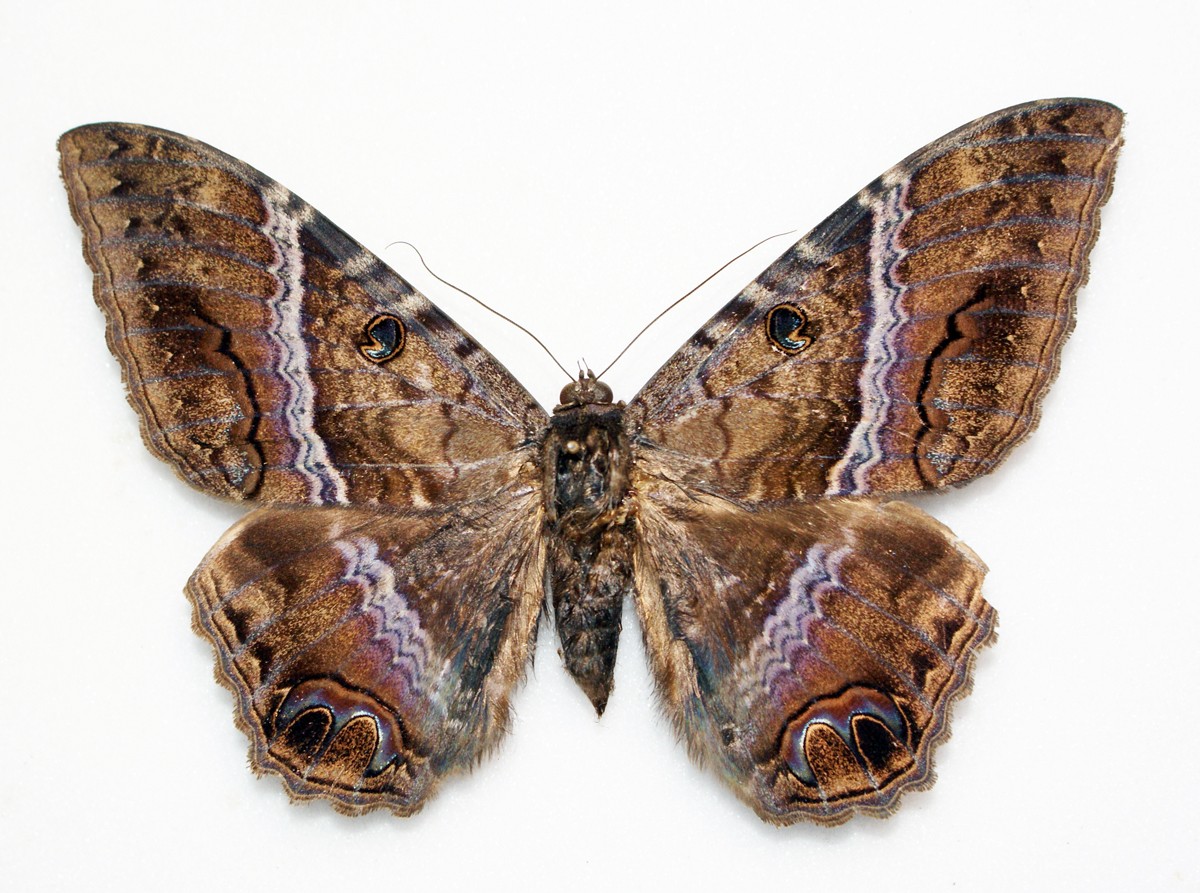
7. Black Witch
The black Witch (Ascalapha odorata) is given this spooky name because its part in folklore being associated with misfortune or death. In the novel, The Silence of the Lambs, they were placed in the mouths of the victims of Buffalo Bill. They can be identified with darker colorings and undertones of purple and pink.
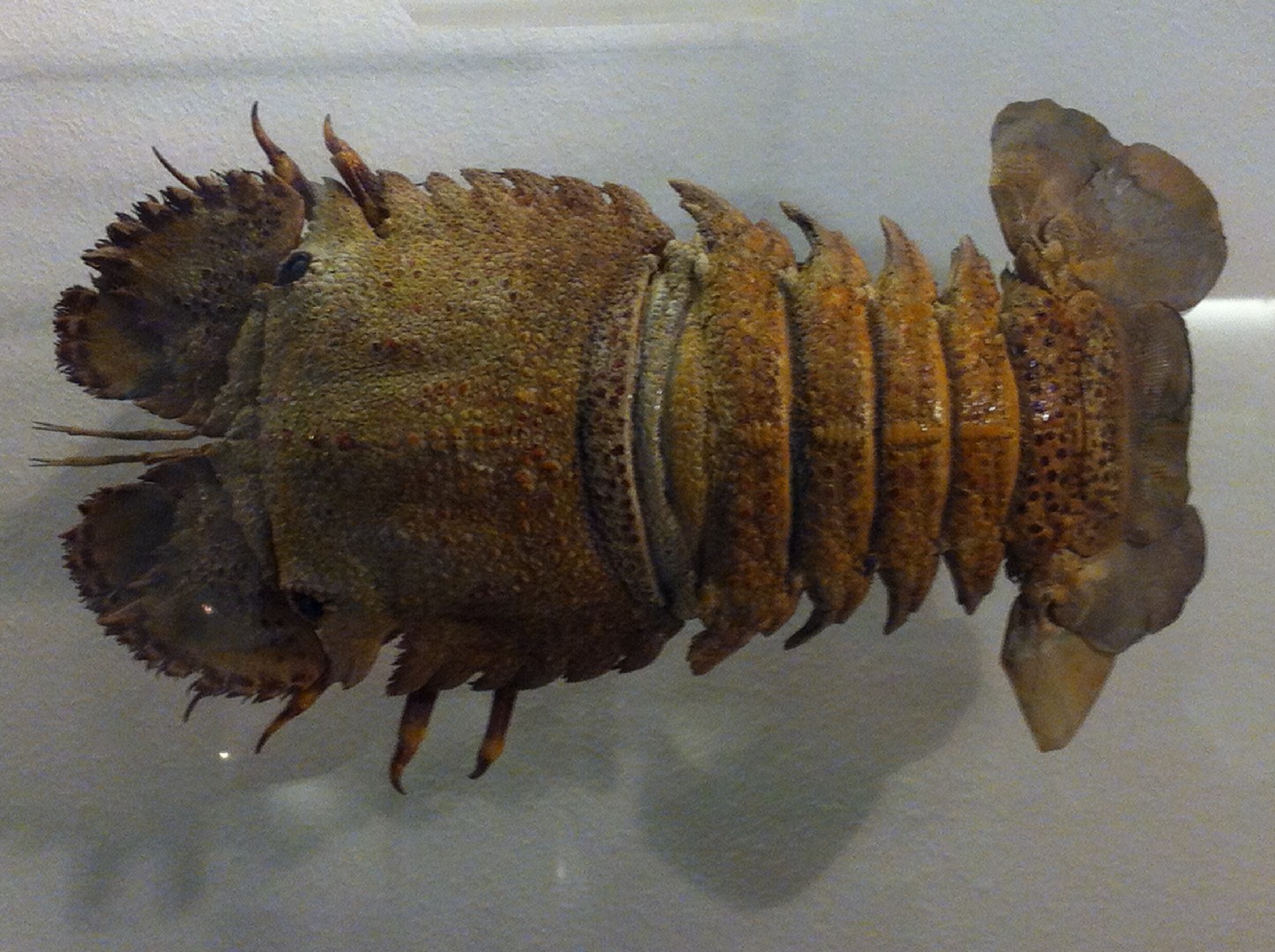
8. Sculptured mitten lobster
Parribacus antarcticus can reach a length of about 20 cm in males, but usually they are between 12 and 15 cm.. They are yellowish, mottled with brown and black patches, while rostrum and orbital margin are purplish. They have quite flattened bodies, with dorsal surface covered with tubercles and short hairs. The lateral margin shows large teeth banded with yellow, orange and light purple. In the abdominal somites the transverse groove is wide, with just a few hairs or tubercles. The small eyes are situated inside not closed orbits on the anterior margin of the carapace. This species is nocturnal and in the daytime it usually hides in crevices or underside of large slabs or ledges, frequently in small groups. It can swim backwards very quickly by using the tails. This slipper lobster eats a variety of molluscs, small shrimps, crabs and sea urchins.
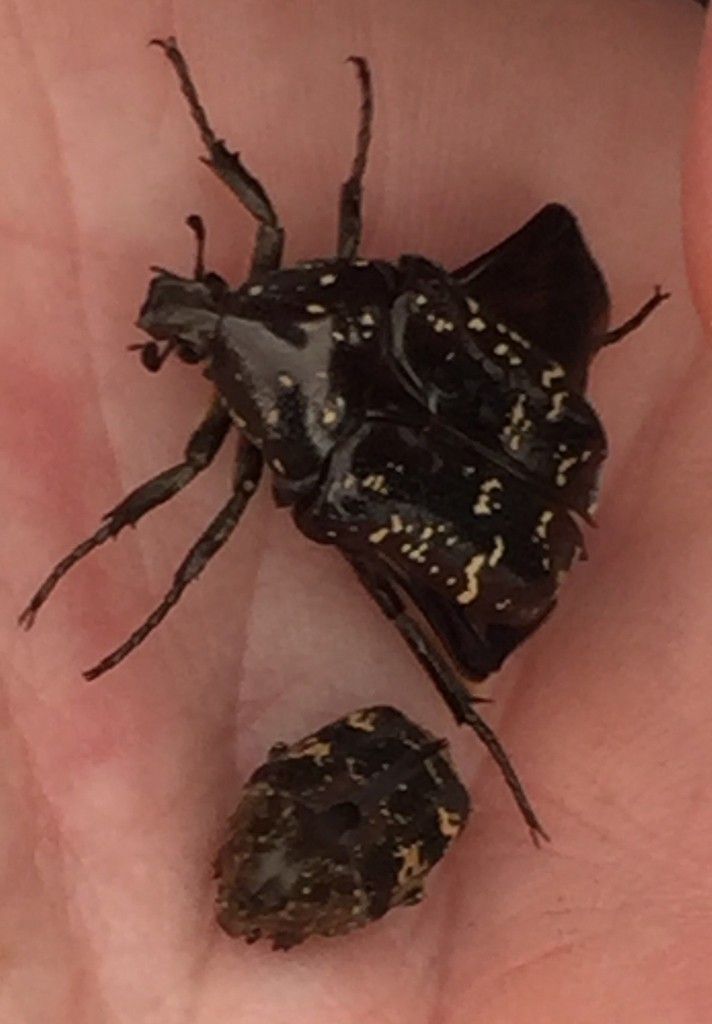
9. Oriental flower beetle

10. Banded coral shrimp
Banded coral shrimp (Stenopus hispidus) is a crustacean that occupies tropical waters in the Atlantic Ocean, the Gulf of Mexico, and reefs surrounding Australia and New Zealand. It acts as a cleaner fish, and removing parasites and fungi from other passing fish. This species is monogamous and mates for life.
More







