




Top 20 Most Common Insects in Idaho Falls
Insects, a captivating class of hexapod invertebrates, thrive in the diverse habitats of Idaho Falls. Vital to our ecosystem, they outperform as both agricultural guardians and pestering pests. As we explore the top 20 most common insects in Idaho Falls, we'll delve into their relationships with urban and natural environments, highlighting the enduring and multifaceted roles each species plays in our vicinity.

Most Common Insects
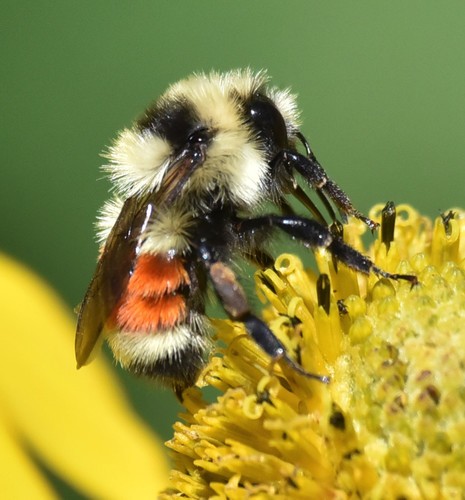
1. Hunt's bumble bee
Bombus huntii is a non-woven insect from the family of bees and bumblebees (Apidae). The scientific name of the species was first validly published in 1860 by Greene.
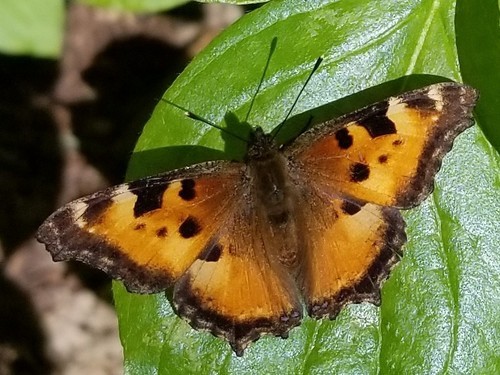
2. California tortoiseshell
It is recognized for the top of its wings being orange with big black spots (used mainly for camouflage). The browns and grays of the wing underside make it resemble a dead leaf when the wings are closed. Its wingspan varies from 1.25–2.75 in. 
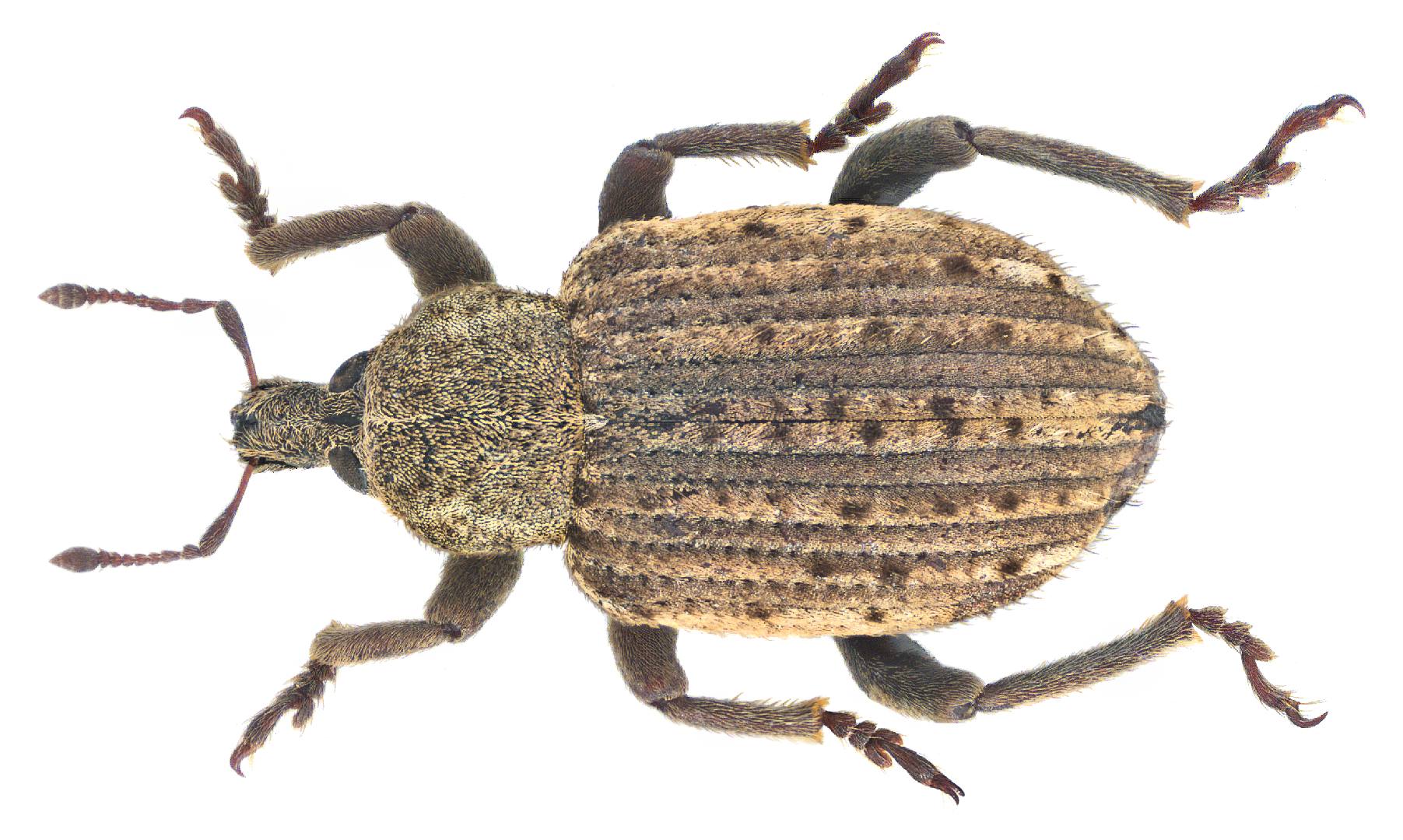
3. Clover leaf weevil
As its common name suggests, the clover leaf weevil takes up residence in clover and alfalfa fields. They spend the warm summer months in the ground feeding on these host plants. Its scientific name comes from the Greek philosopher Zoilus, who was known for being a harsh literary critic.
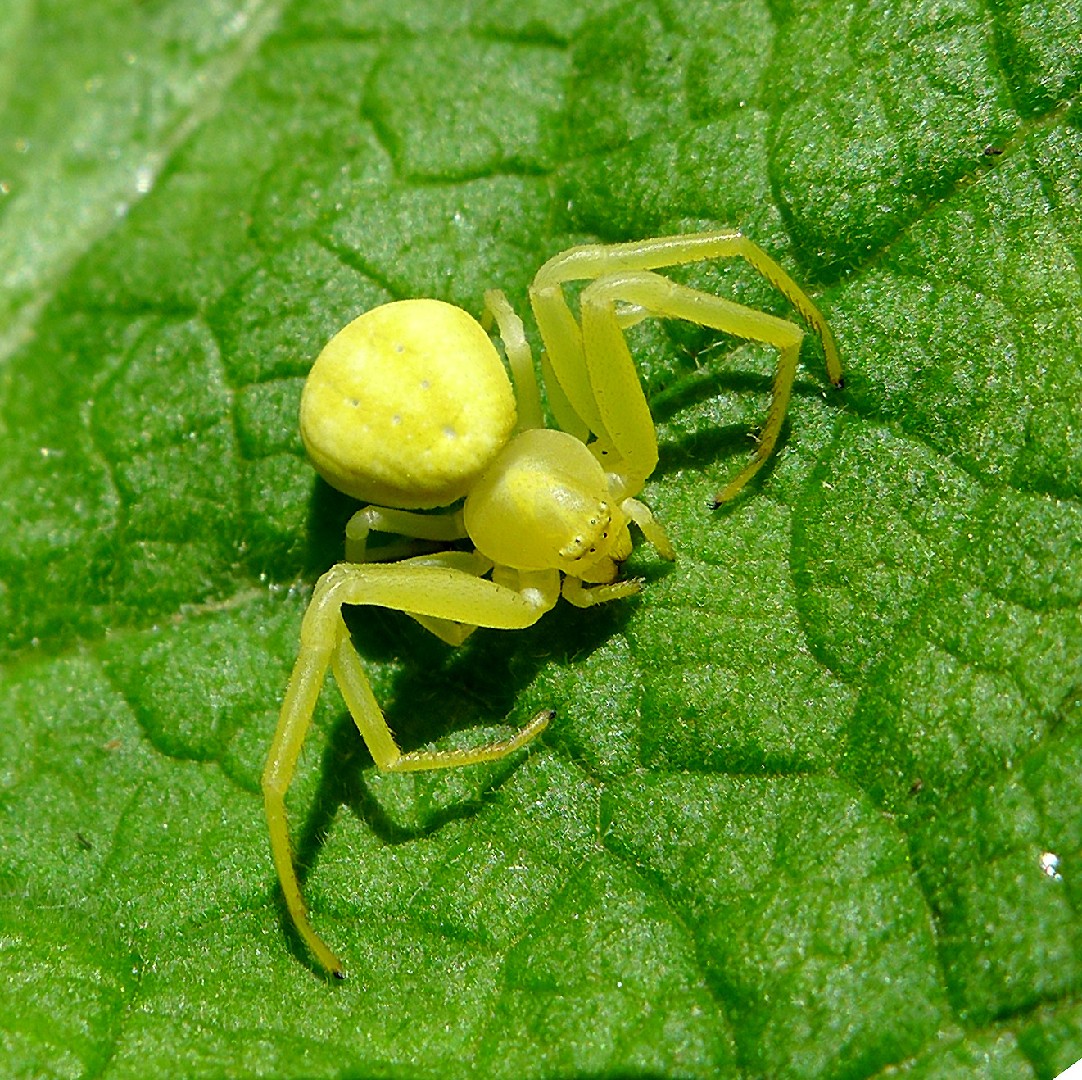
4. Goldenrod crab spider
Rather than for its coloring, goldenrod crab spider (Misumena vatia) is named for its tendency to hunt within sprays of goldenrod. This species is capable of catching and consuming prey several times larger than itself, such as dragonflies or grasshoppers. Loyal parents, the females will guard their eggs until they hatch and the tiny spiders disperse, after which the female will die.
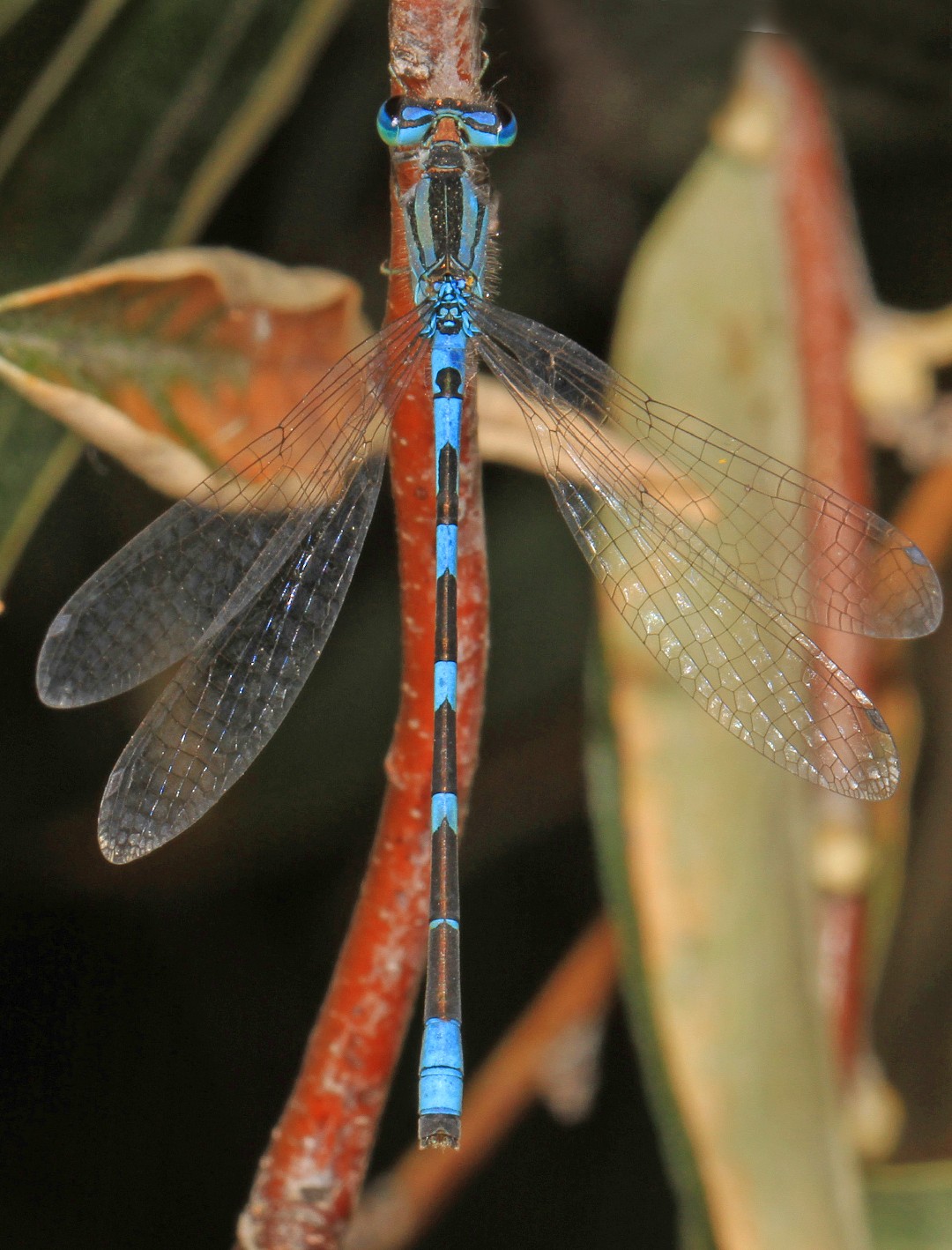
5. Tule bluet
Enallagma carunculatum is a dragonfly in the family of the brown dragonflies (Coenagrionidae). It is native to North America.

6. Strawberry root weevil
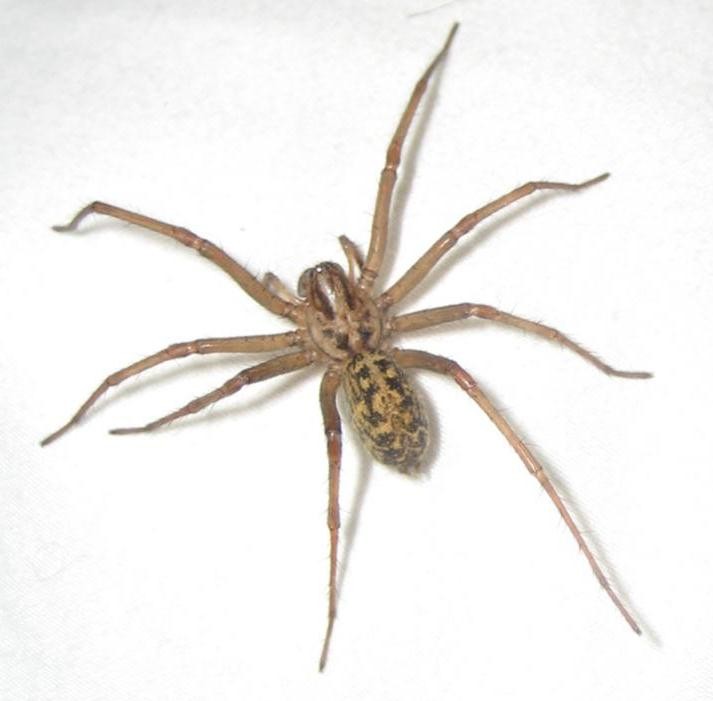
7. Hobo spider
Contrary to what you might believe, the hobo spider (Eratigena agrestis) did not reach its current hails while hoisting a bindle staff. However, they did reach us by being shipped from Europe to the Pacific Northwest. Hobo spiders are known for being incredibly difficult to identify, you will likely need to contact an expert to do so. It is easier to identify these as not being hobo spiders.
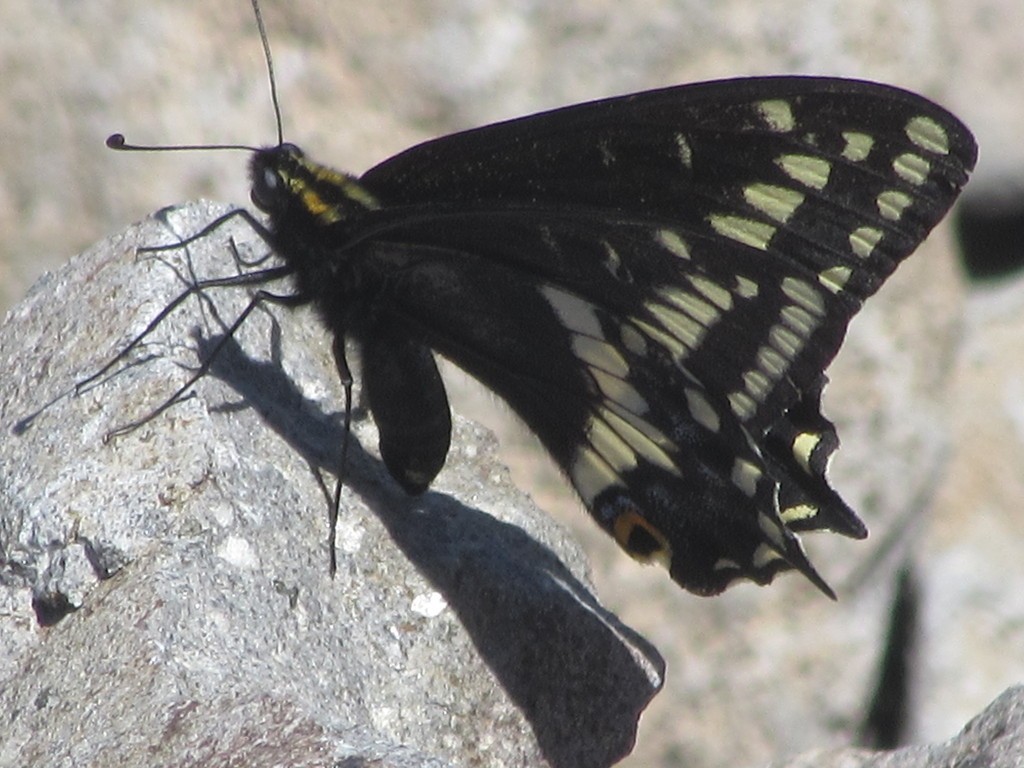
8. Indra swallowtail
The Indra swallowtail is a black swallowtail similar in coloration to the black swallowtail and the short-tailed swallowtail. It has very short tails and has dark blue crescents on the topside of the hindwing.
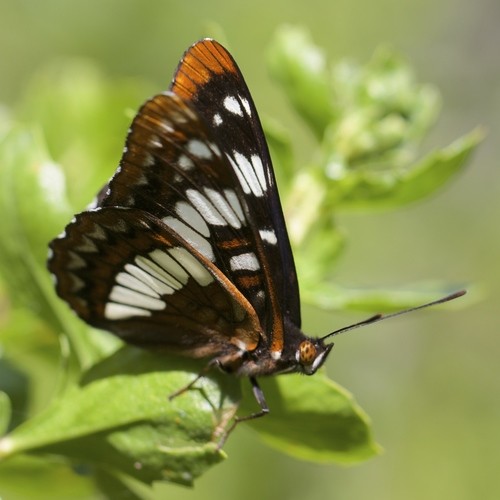
9. Lorquin's admiral
The lorquin's admiral has brown-black wings, each with a row of white spots across it. Its forewings have orange tips. The wingspan is 4.5 - 7 cm; females are generally larger than males. Larvae are usually yellow with a patch of white on the back.
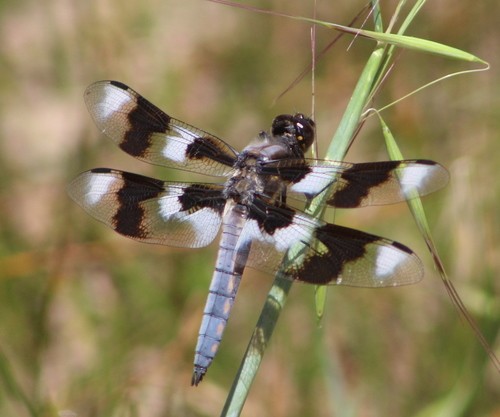
10. Eight-spotted skimmer
The eight-spotted skimmer (Libellula forensis) is identified by the eight black markings on its wings. It is occasionally confused with the Twelve-spotted skimmer that is sometimes called the Ten-spotted skimmer. You may attempt to desperately count the number of spots on these fast-moving skimmers, but the major differentiation in this one is the lack of black tips on their wings.
More







