




Top 20 Most Common Insects in Idaho
Insects, with their wide spectrum of shapes, sizes, and colors, are an integral part of the rich biodiversity in Idaho. Depending on the geographical area, from its lush forests to semi-arid deserts, Idaho's insect population varies, influencing the overall ecological balance. Our list gathers the 20 most commonly observed insects, each playing unique roles, some as pesky nuisances, others as beneficial aids, in shaping our local environment. It's a fascinating glimpse into how our surroundings interact with these tiny, yet influential, creatures.

Most Common Insects
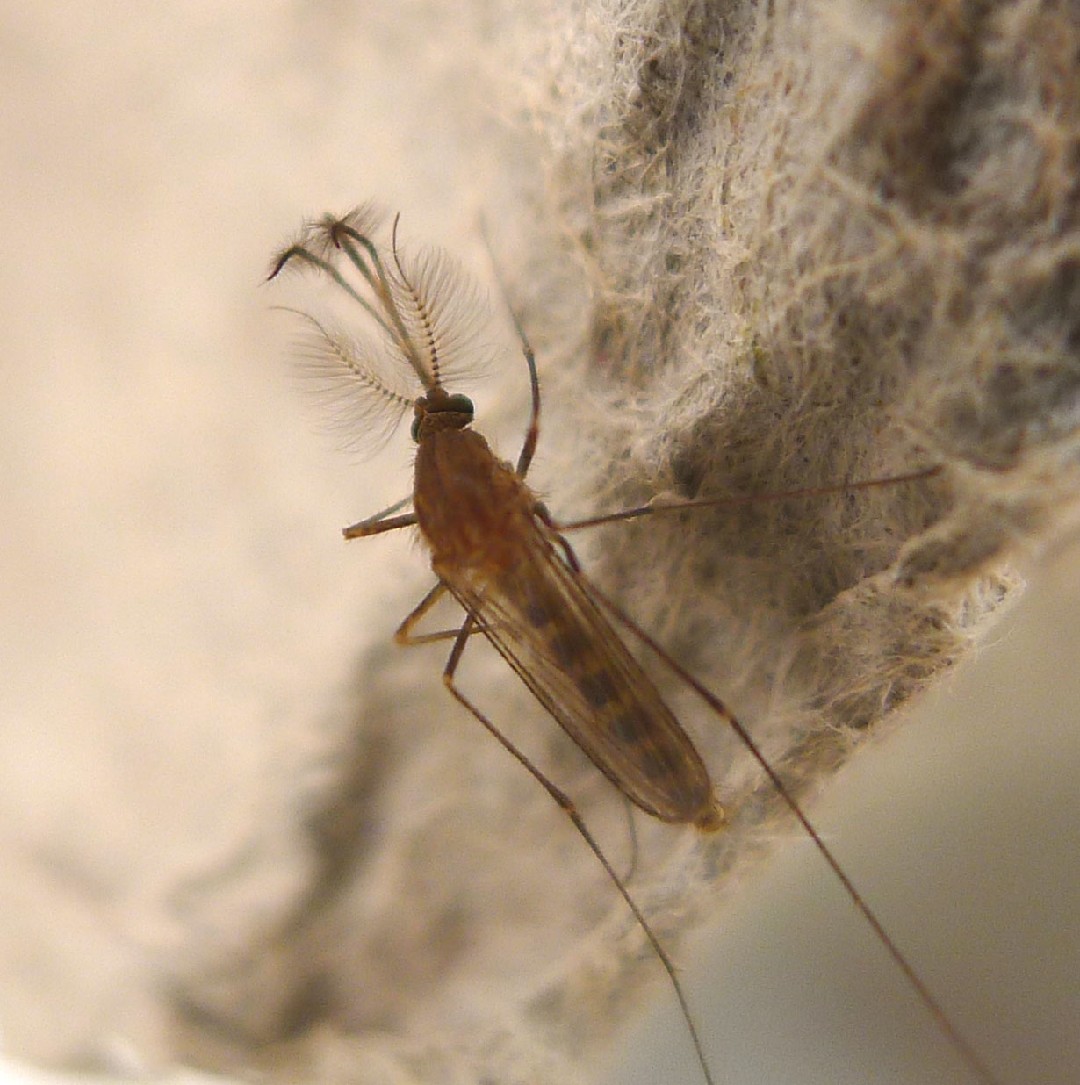
1. Common house mosquito
Among the most common mosquitos in the Unites States, common house mosquito (Culex pipiens) is a ubiquitous biting pest. It has adapted to thrive in human-touched conditions and even to feed on the blood of avian species closely connected to humans, such as pigeons and doves. However, only females consume blood; the males survive on sap and nectar.
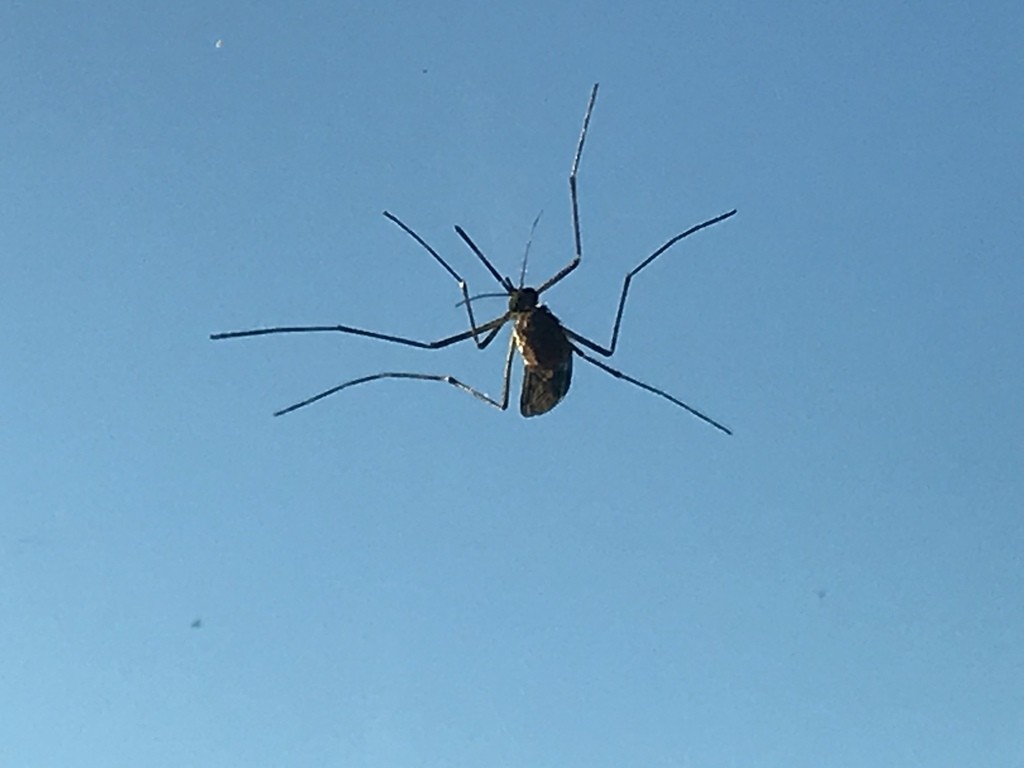
2. Western encephalitis mosquito
Depending on the species, the adult Culex mosquito may measure from 4–10 mm (0.2–0.4 in). The adult morphology is typical of flies in the suborder Nematocera with the head, thorax, and abdomen clearly defined and the two forewings held horizontally over the abdomen when at rest. As in all Diptera capable of flight, the second pair of wings is reduced and modified into tiny, inconspicuous halteres. Formal identification is important in mosquito control, but it is demanding and requires careful measurements of bodily proportions and noting the presence or absence of various bristles or other bodily features. In the field, informal identification is more often important, and the first question as a rule is whether the mosquito is anopheline or culicine. Given a specimen in good condition, one of the first things to notice is the length of the maxillary palps. Especially in the female, palps as long as the proboscis are characteristic of anopheline mosquitoes. Culicine females have short palps. Anopheline mosquitoes tend to have dappled or spotted wings, while culicine wings tend to be clear. Anopheline mosquitoes tend to sit with their heads low and their rear ends raised high, especially when feeding, while culicine females keep their bodies horizontal. Anopheline larvae tend to float horizontal at the surface of the water when not in motion, whereas culicine larvae float with head low and only the siphon at the tail held at the surface. 
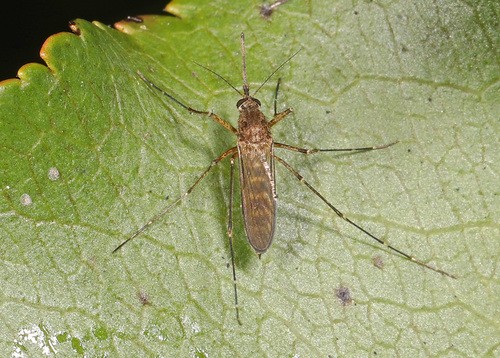
3. Inland floodwater mosquito
A common species of mosquito, inland floodwater mosquito (Aedes vexans) is often encountered near areas containing water such as grassy pools, shallow ponds, and even wet ditches. Only the females bite humans for their blood, as males subsist upon nectar and sap. Inland floodwater mosquito is a noted carrier of diseases such as Zika virus and myxomatosis.

4. Aedes dorsalis
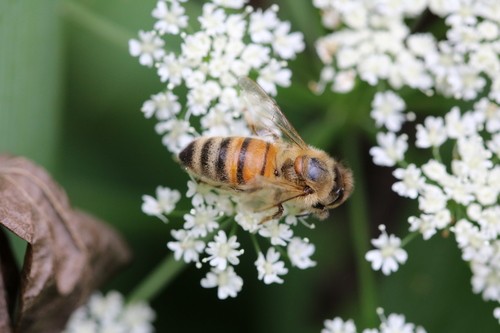
5. Western honey bee
Western honey bee(Apis mellifera) is the most common species of honeybee in the world. Among the first domesticated insects, its cultural and economic impact on humanity has been vast and far-reaching, providing honey, wax and its services as a pollinator. Western honey bee faces challenges worldwide, such as colony collapse disorder, and populations are thought to be decreasing.
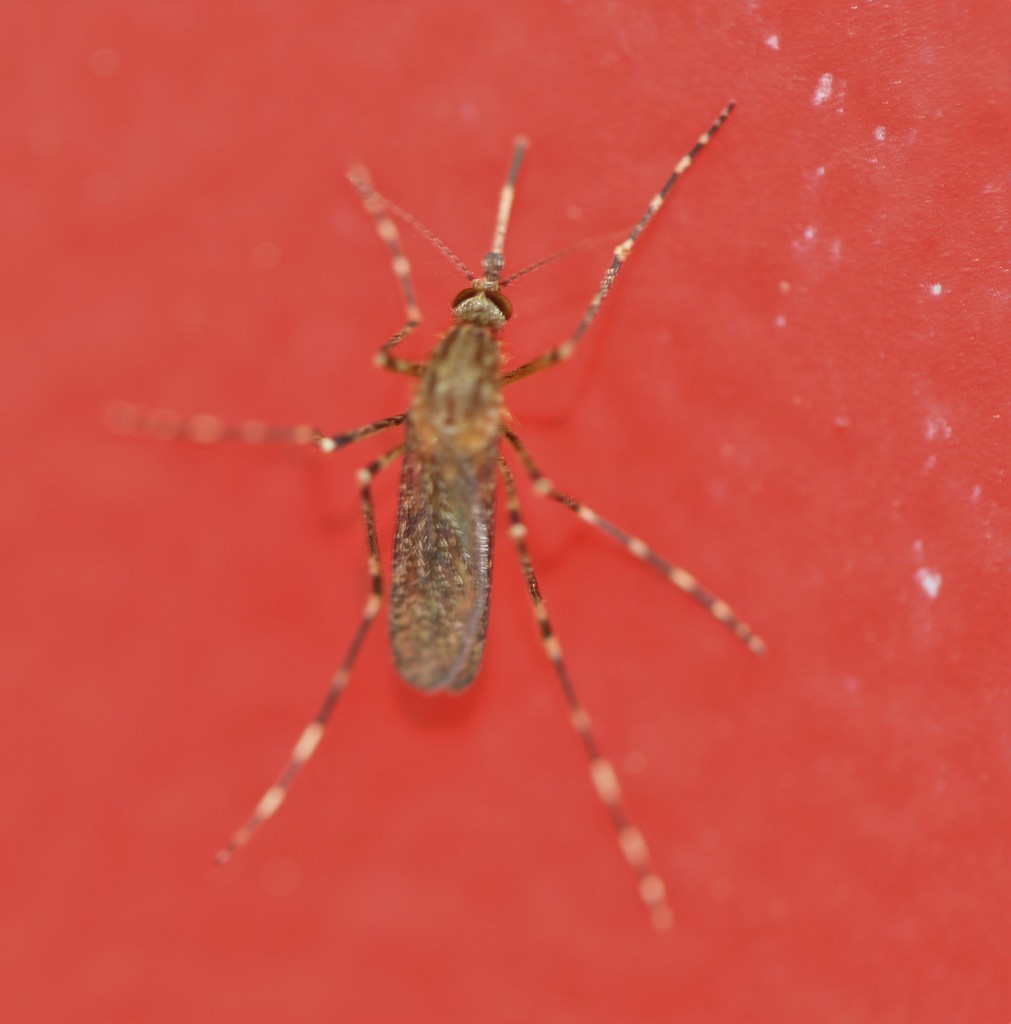
6. Cattail mosquito
Coquillettidia perturbans is a species of mosquito that have been documented in Africa, Asia, Australia, Europe, North America, and South America. This mosquito is a known as a vector of West Nile virus and Eastern equine encephalomyelitis. The geographic range of C. perturbans is increasing due to the growing extensity of the feeding area. They are known to exist throughout the United States, mainly with a southern distribution, and are mammalophilic.
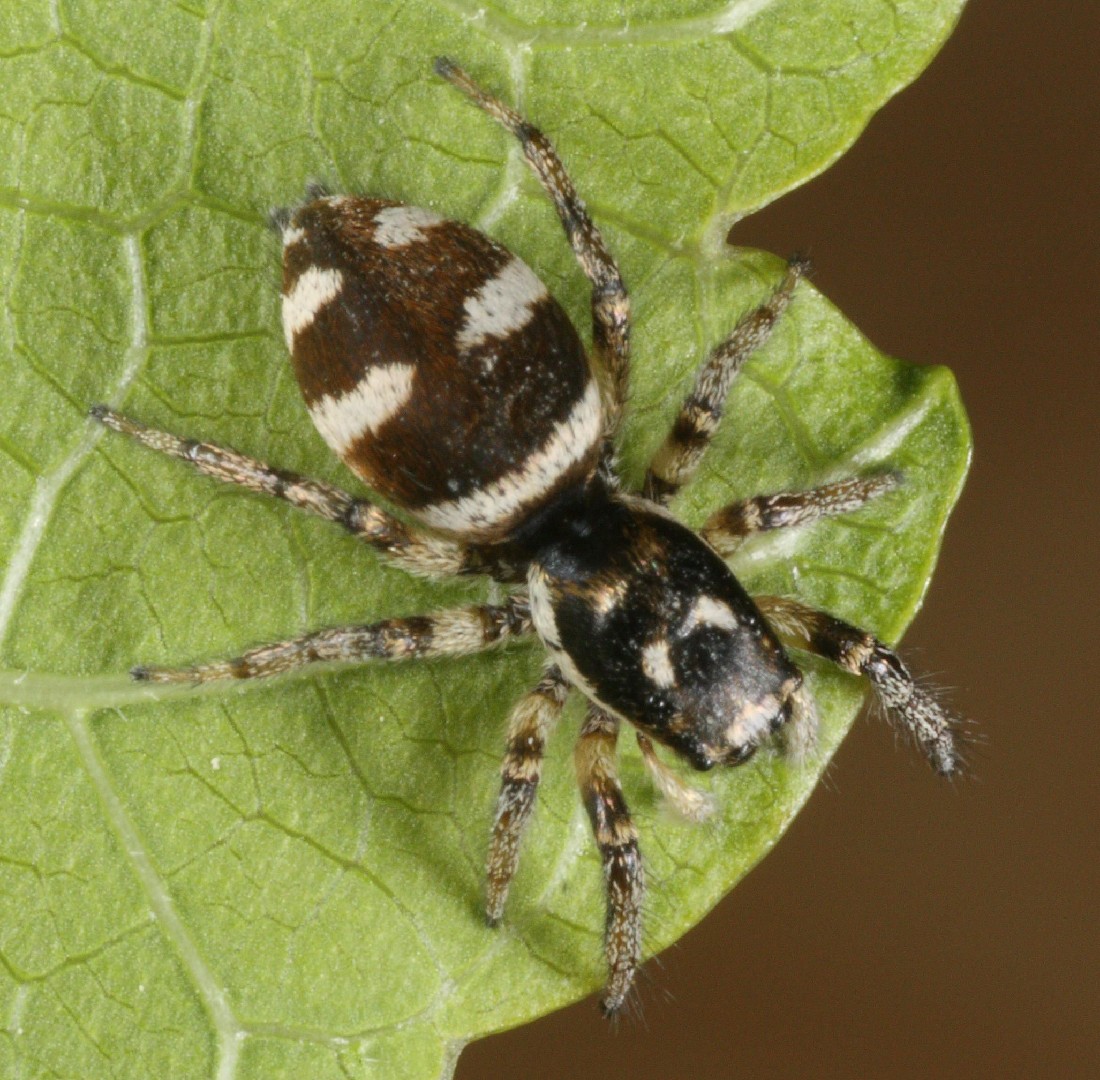
7. Zebra jumping spider
The zebra jumping spider gets its name from its distinctive black and white stripes. The genus name Salticus comes from the Latin word for "dancing", since it is an agile jumping spider, and the species name Scenicus comes from the Greek word "theatrical" due to its flashy appearance. Their speed and jumping skills make their hunting of other spiders and insects a bit cat-like.
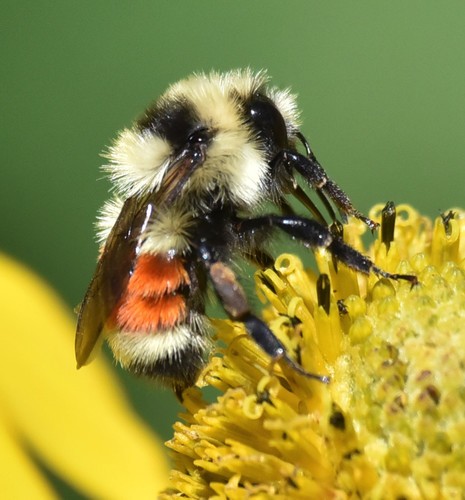
8. Hunt's bumble bee
Bombus huntii is a non-woven insect from the family of bees and bumblebees (Apidae). The scientific name of the species was first validly published in 1860 by Greene.
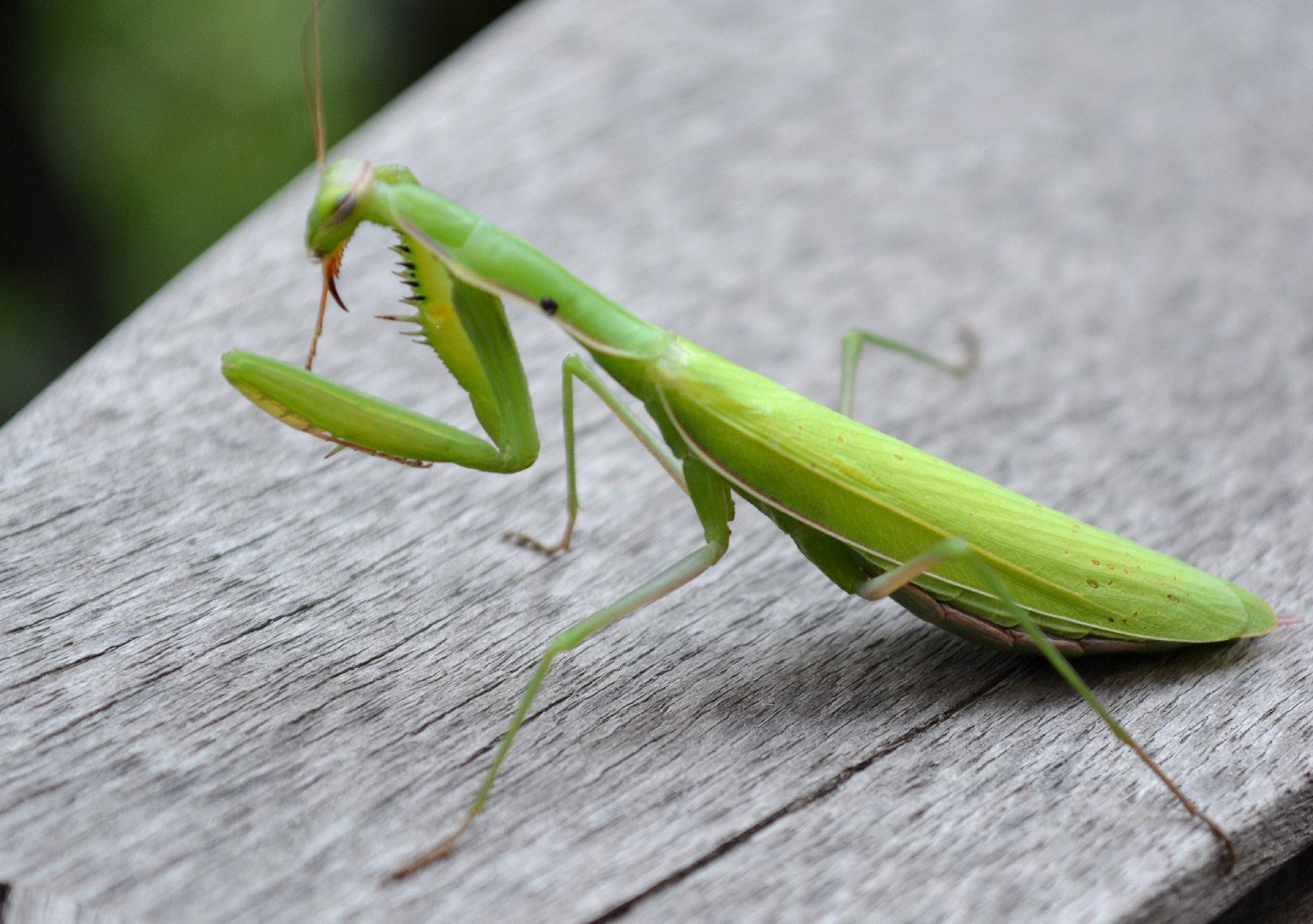
9. European mantis
The european mantis (Mantis religiosa) is a bright green mantis that can be distinguished by the two black spots with single white spots inside on its front legs. These spots resemble the eyes of a predator. If it's threatened, it will raise its wings and show off these intimidating "eyes". Also, it's a fierce species that will chase down its prey to catch it.
10. Brown-belted bumble bee
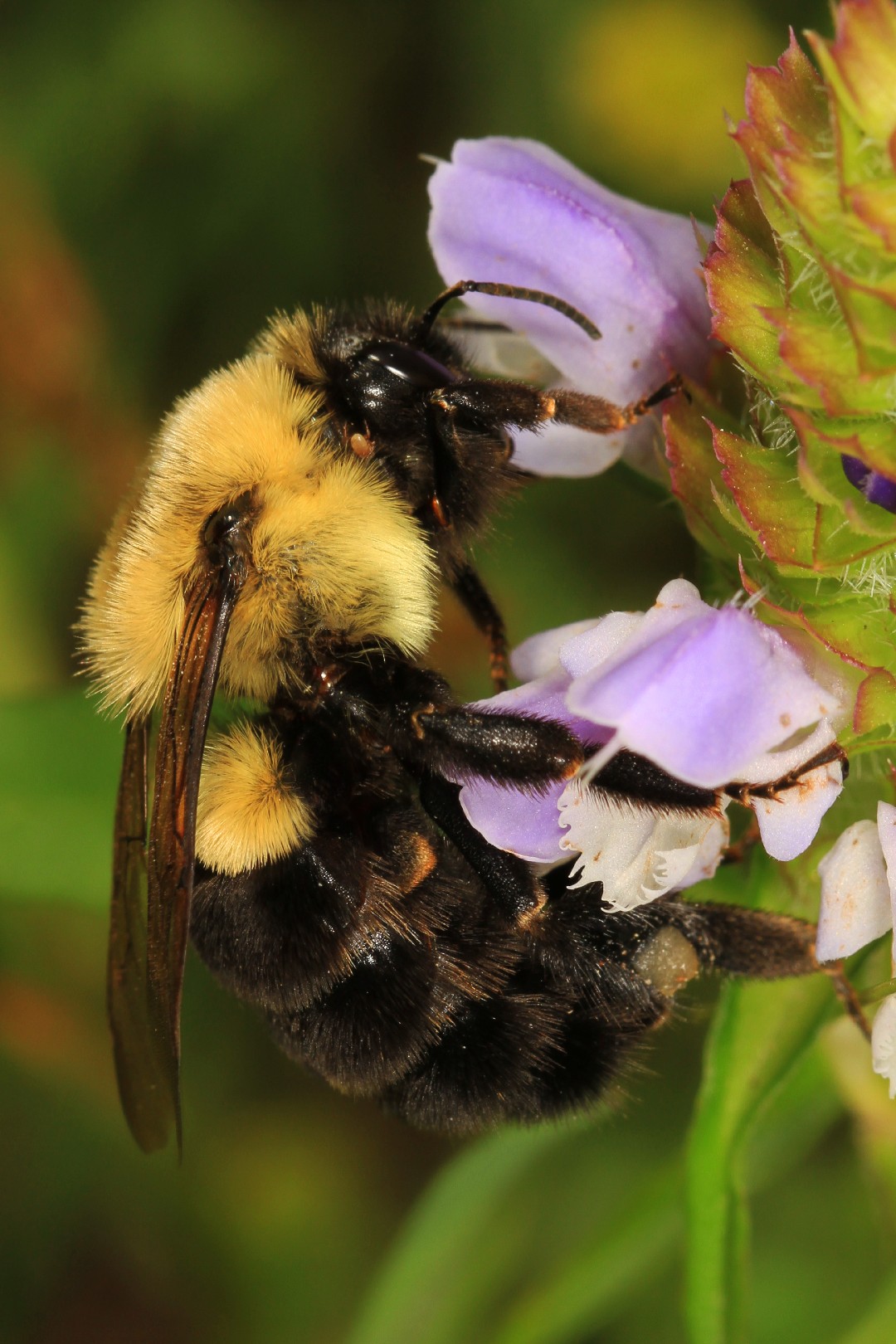
The brown-belted bumble bee (Bombus griseocollis) can be distinguished from other bumble bees because of the brown belt on its abdomen. It's often found in urban landscapes, near sunflowers, thistles, and milkweed. The males often fly very high in search of females, and they've even been spotted at the top of the Empire State Building.


More







