




Top 20 Most Common Insects in West Lafayette
Insects, with their distinctive features, shape the eco-narrative of West Lafayette in remarkable ways. These tiny creatures play crucial roles from pollinators to pests, creating a visceral impact on the city's environment. Immerse yourself into our list of 20 most common insects in West Lafayette, a vibrant testament to the city's ecological complexity.

Most Common Insects
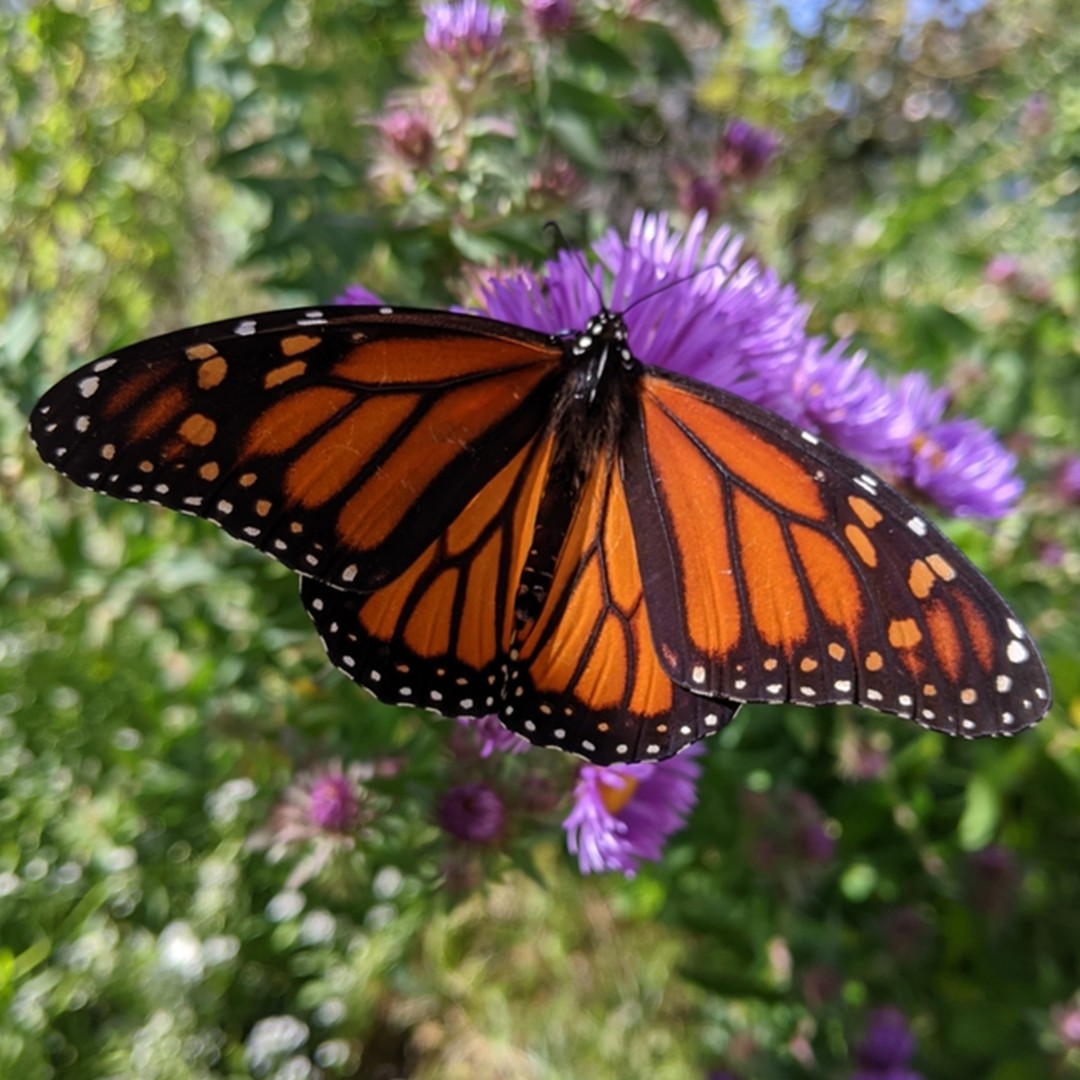
1. Monarch butterfly
The monarch butterfly (Danaus plexippus) is the most recognizable butterfly in North America. It is best known for its appearance, but should be better known for the fact that it has a 3000-mile migration that takes the butterfly 4 generations to complete. Their diet is also a natural deterrent for predators, as they eat milkweed, a poison that induces vomiting.

2. Multicolored asian ladybeetle
Often confused for the ladybug, multicolored asian ladybeetle (Harmonia axyridis) is a separate species that, unlike the ladybug, is a household pest. It is considered particularly annoying for its habit of returning to places from which it is removed. One of the most variable species in the world, there are many different colors and patterns multicolored asian ladybeetle may display, making identification potentially difficult.
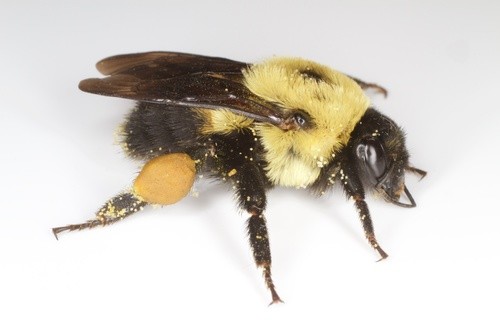
3. Common Eastern Bumble Bee
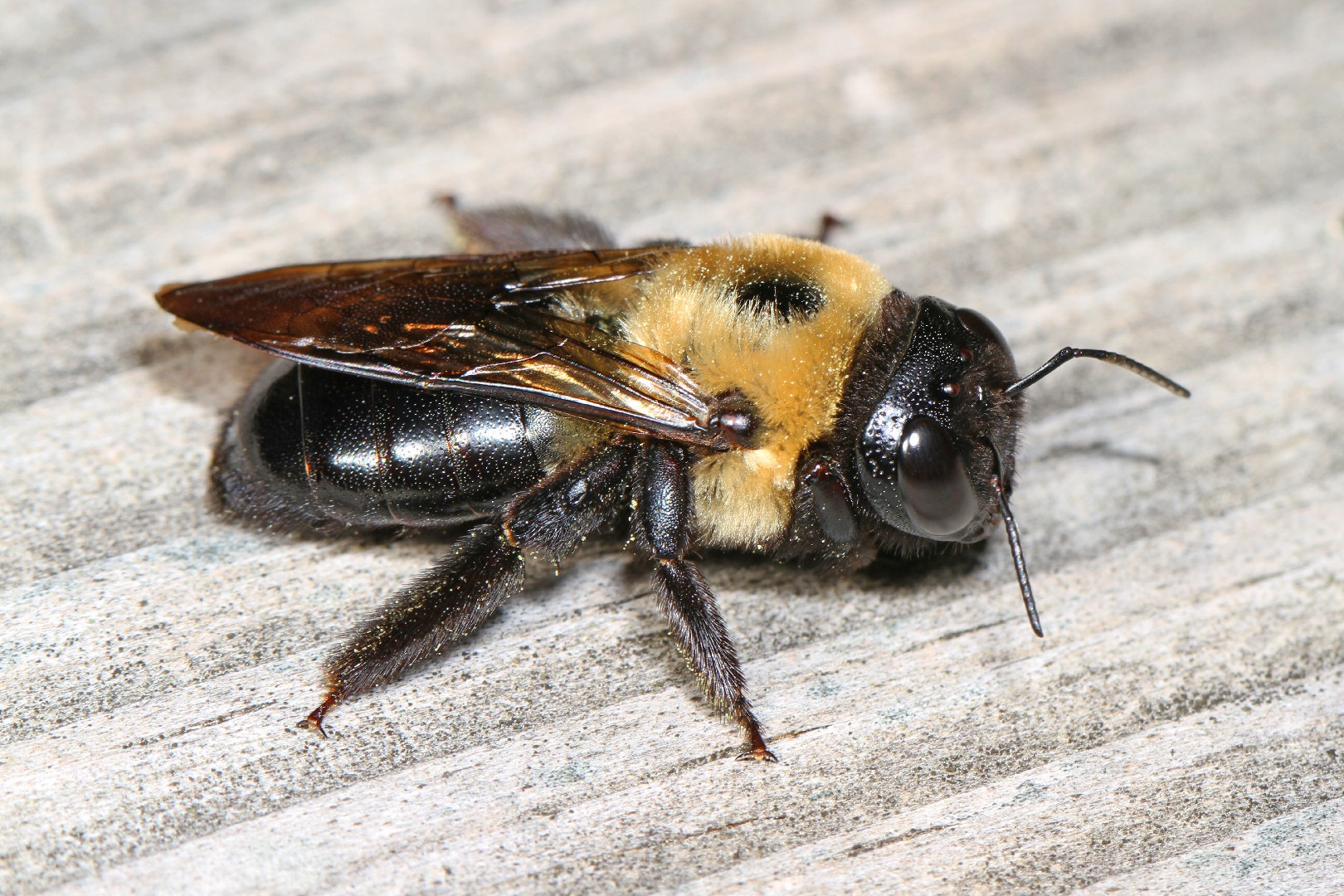
The common Eastern Bumble Bee (Bombus impatiens) is one of the most important pollinator bees in North America. A decline in the bee population will lead to financial hardships for farmers and reduced food yield. Their efficiency in pollination and foraging comes from their ability to drop "traplines." These lines guide other bees to the correct path for food while informing them of depleted locations.
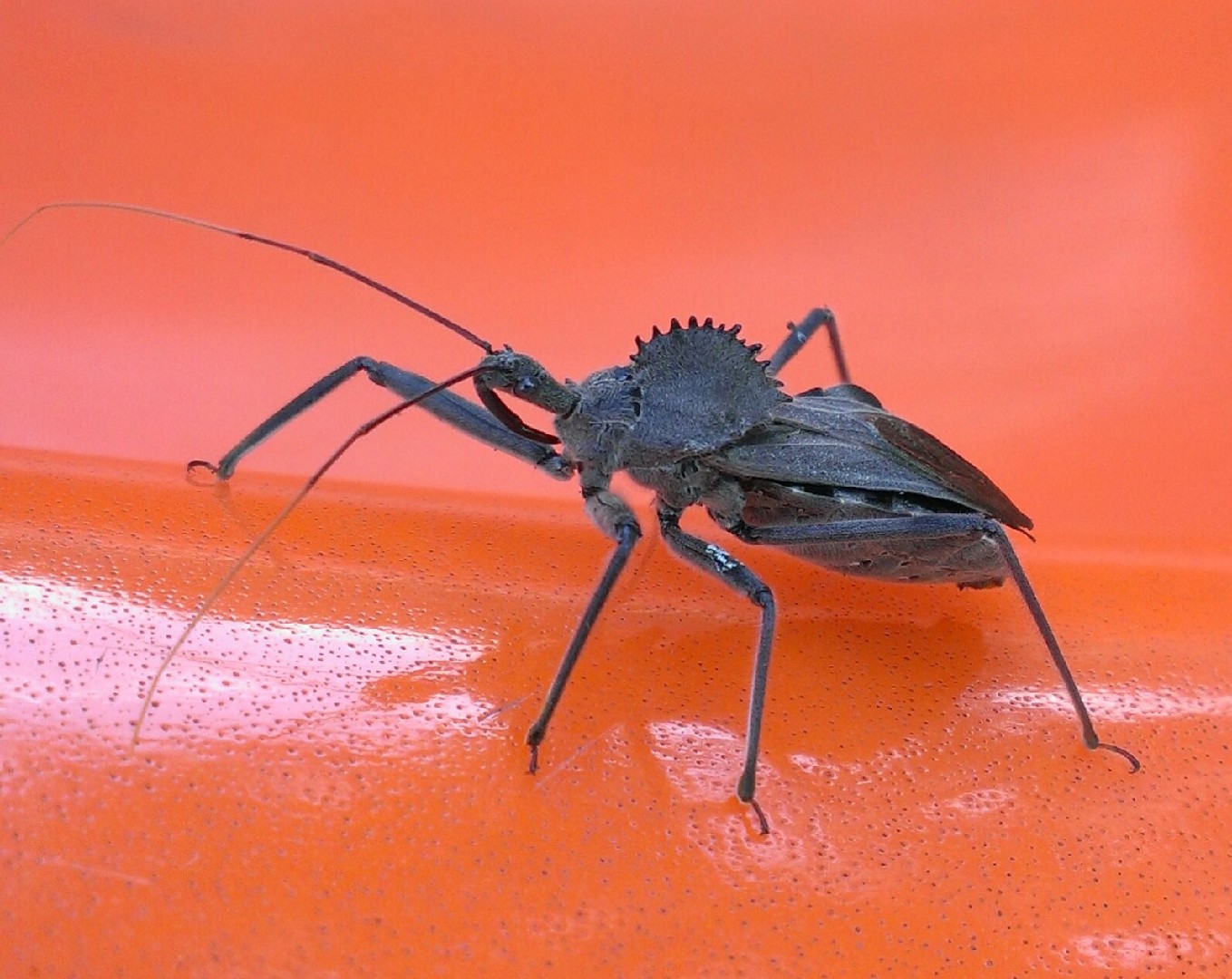
4. Wheel Bug
The wheel Bug (Arilus cristatus) gets its name from the spiked wheel on the top of his head. The punk rock look suits these bugs, as their bite tends to be more painful than a bee sting. Another nickname, assassin bug, is earned through its hunting of many bugs we would consider as crop pests and indoor pests. Their saliva is toxic, usually killing prey within 30 seconds of injection.
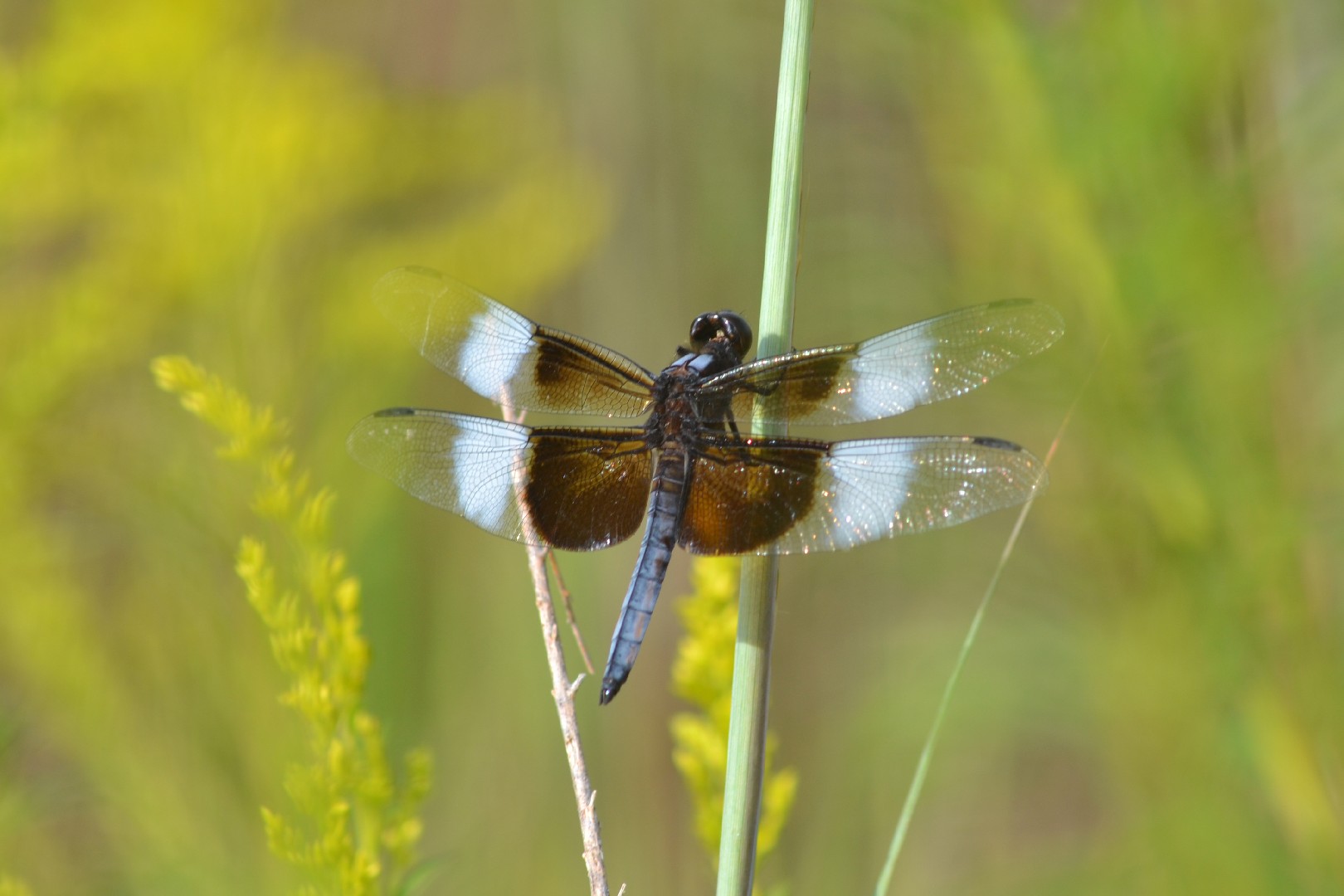
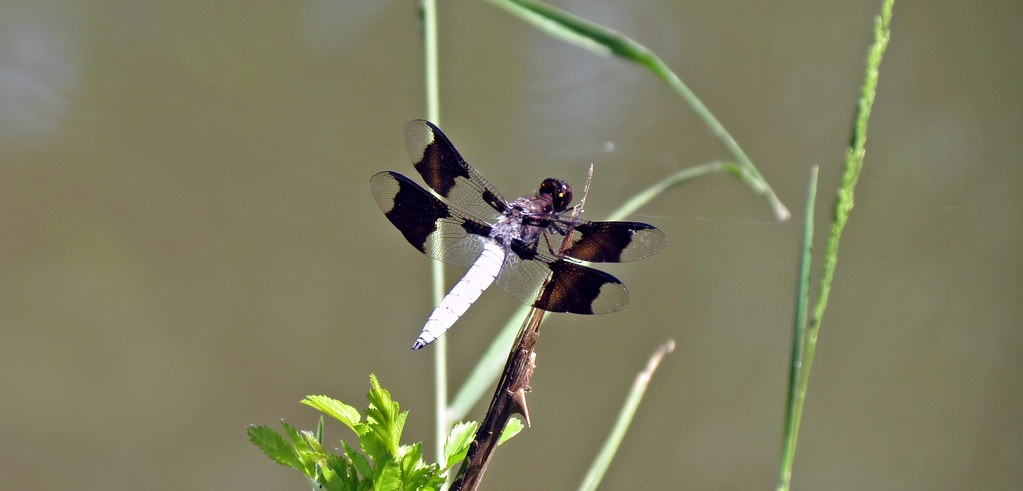
5. Widow skimmer
The widow skimmer (Libellula luctuosa) is a large insect that grows to be incredibly large with a bulbous head and body. As they age, they are known to grow whitish, much like our grandparents' hair. They live in the water until their final molt, where they reveal their wings, it is at this point it reveals why it has part of a group called the king skimmers.
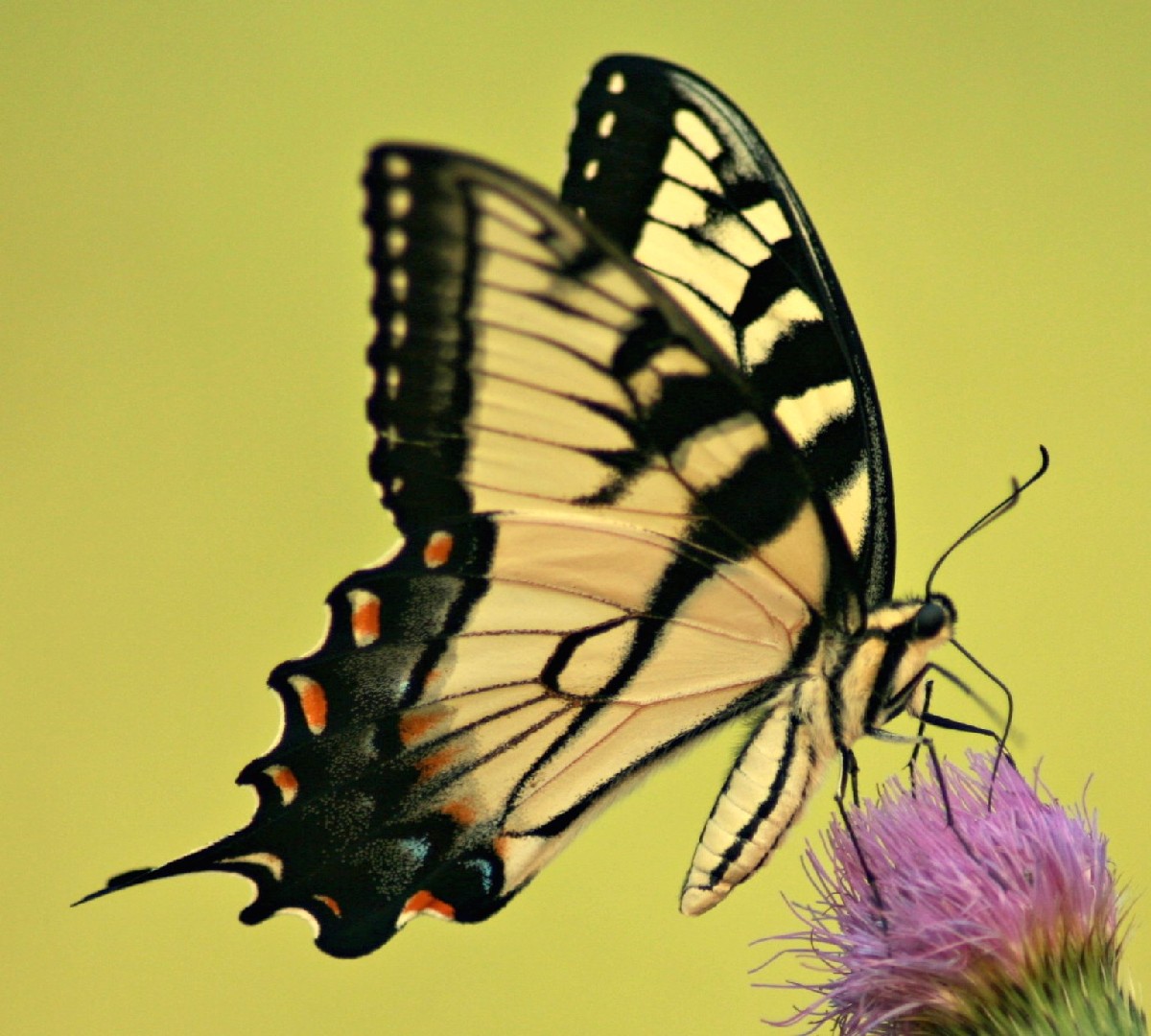
6. Eastern tiger swallowtail
Eastern tiger swallowtail (Papilio glaucus) is among the most recognizable butterflies in the eastern United States, where it inhabits a variety of habitats. This species is diurnal and usually solitary, preferring to fly high above the ground until the time comes to mate. Caterpillars display eyespots to deter birds in between some molting phases.
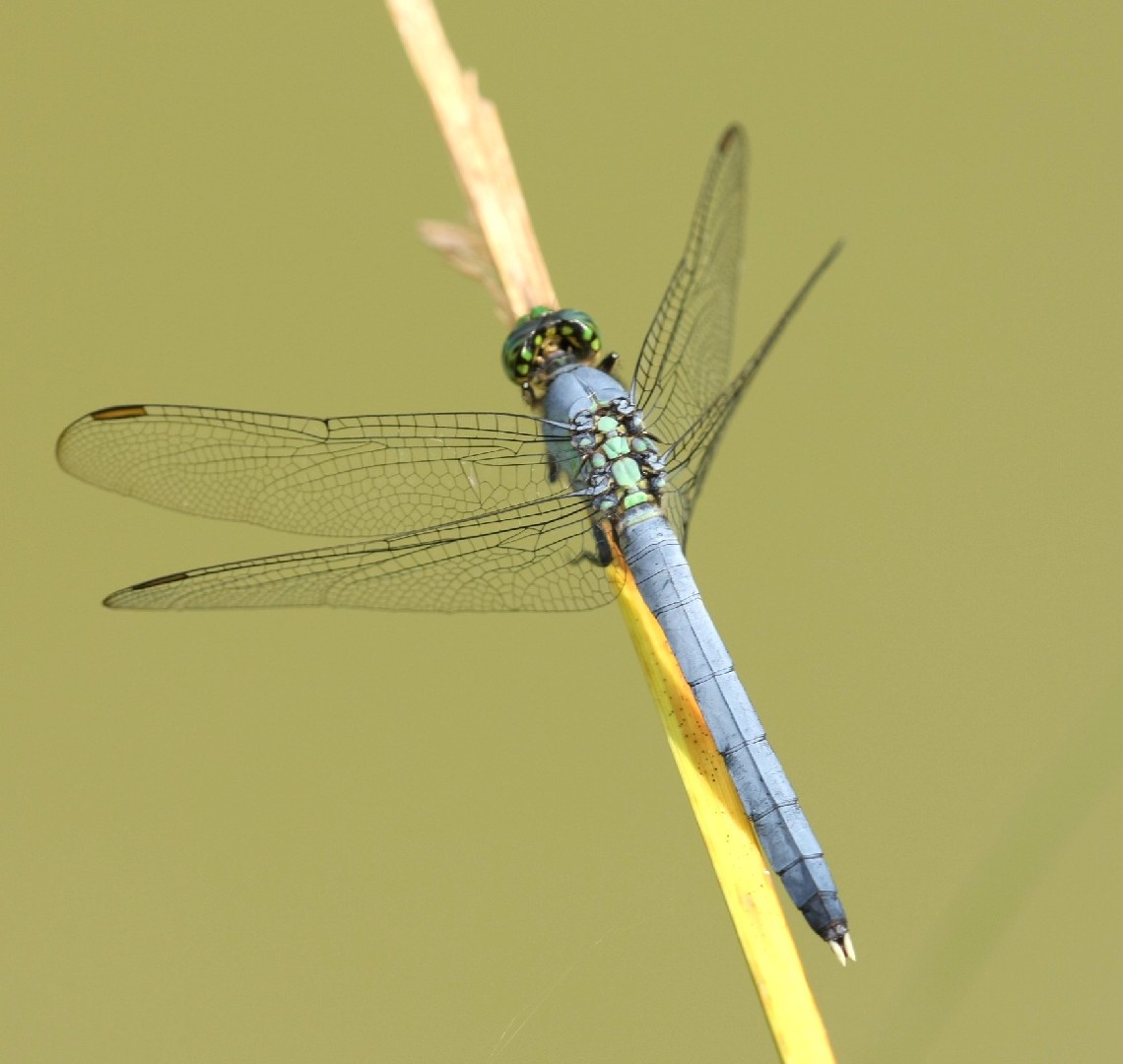
7. Eastern pondhawk
The eastern pondhawk (Erythemis simplicicollis) has much in common with American fishermen, they love living near the sides of ponds. They are a beautiful insect that is easy to distinguish when it comes to different genders. Females are bright green with bands around the abdomen and the males are bright blue with a green face.
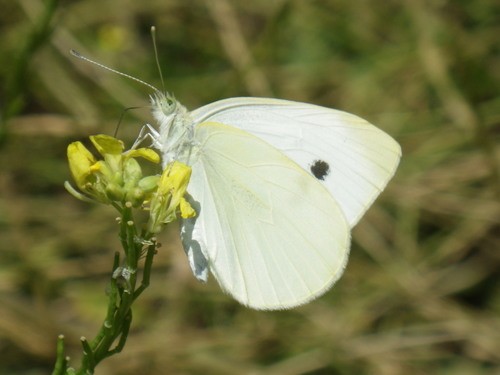
8. Cabbage white
Cabbage white (Pieris rapae) derives its common name from its habits as a caterpillar, which is a ferocious pest for cabbage, kale and broccoli farmers. In North America, it is one of the first butterflies to emerge in spring, heralding the beginning of the season.
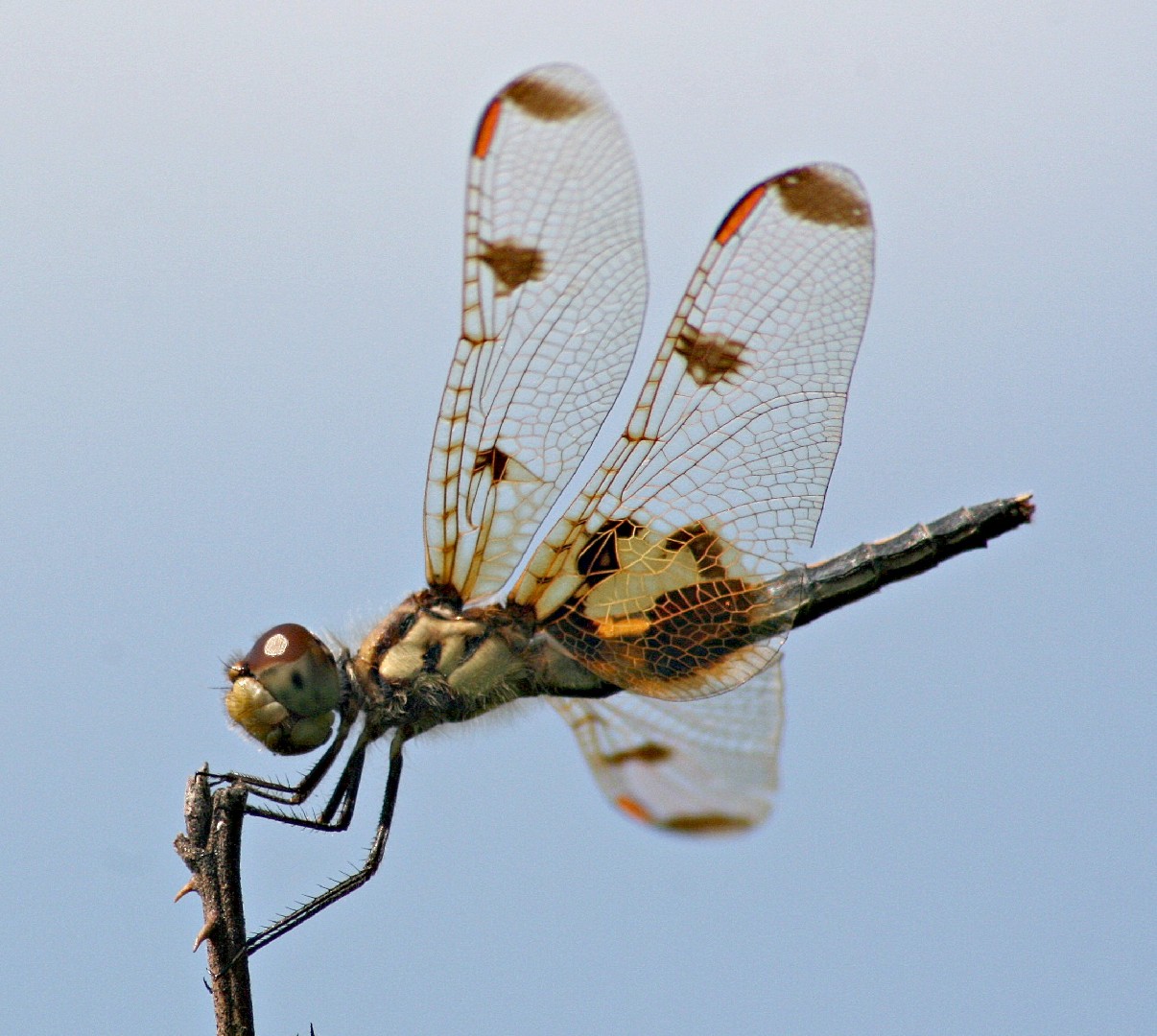
9. Eastern amberwing
The eastern amberwing (Perithemis tenera) is a beautiful insect that is amber in color. The amber coloring even includes its wings. It is also one of the few dragonflies that mimic wasps. This mimicry encourages potential predators to second guess their actions when considering this insect as a meal.
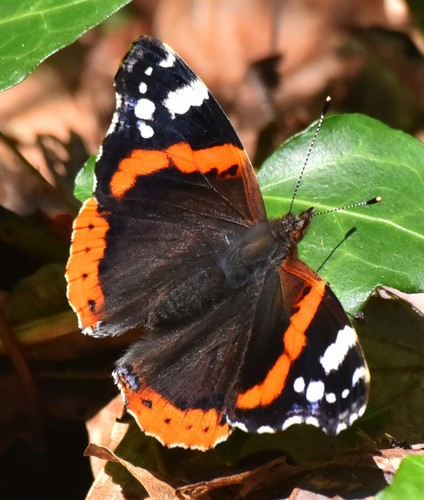
10. Red admiral
Red admiral (Vanessa atalanta) is a visually striking species of butterfly. Unusually territorial, males will compete for choice areas, and females will only mate with males that maintain their own territories. This butterfly is known for being particularly patient with human interactions, even to the point of perching on clothing or flesh.



More







