




Top 20 Most Common Insects in Kansas City
Insects, with their distinct exoskeletons and unique adaptability, have found diverse habitats within the urban sprawl of Kansas City. Playing key roles, from pollinators to pest control, these critters are crucial to our local ecosystem. Indeed, the flora and fauna of Kansas City significantly influences its most common insects- a fascinating relationship we will unravel as we explore the top 20 in this feature.

Most Common Insects
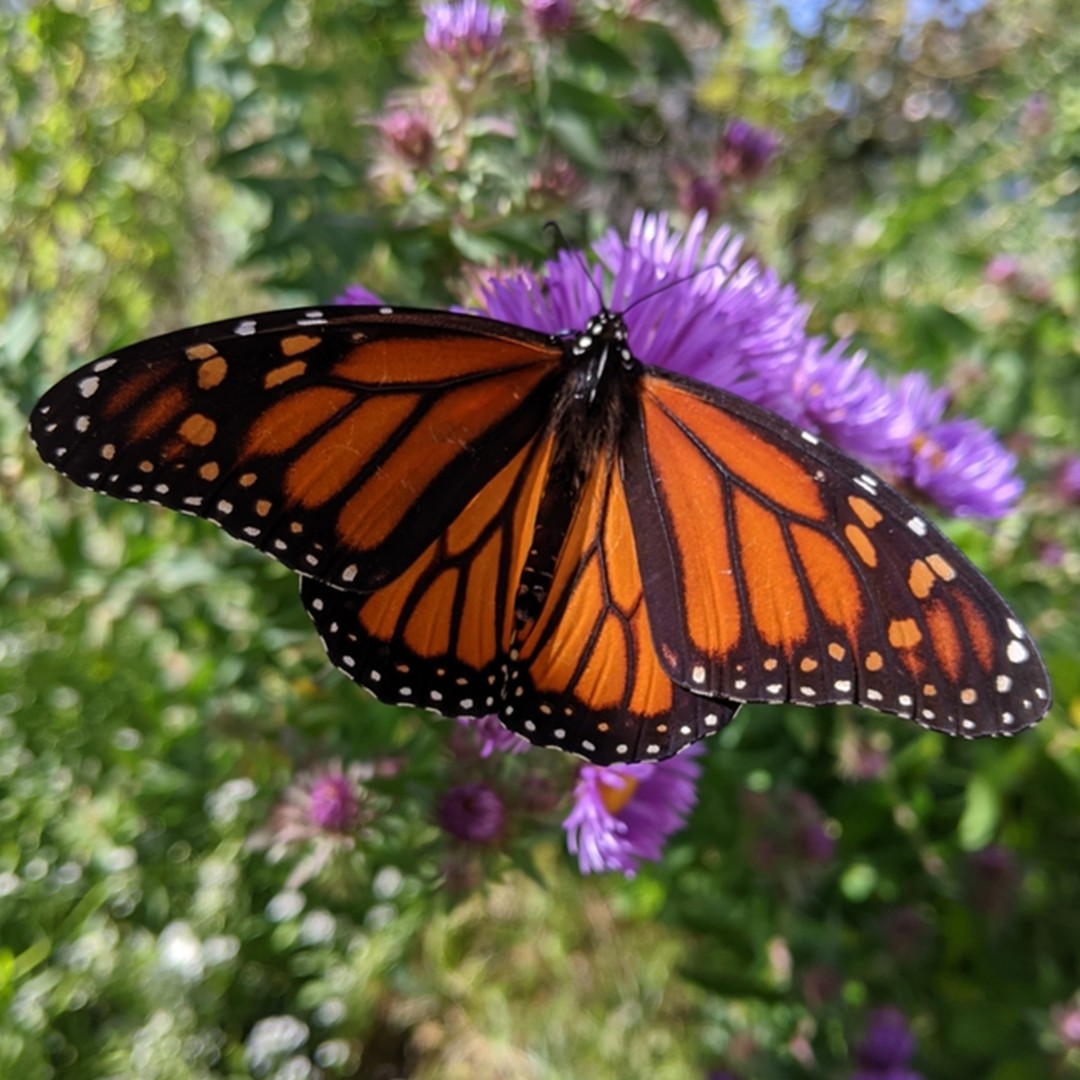
1. Monarch butterfly
The monarch butterfly (Danaus plexippus) is the most recognizable butterfly in North America. It is best known for its appearance, but should be better known for the fact that it has a 3000-mile migration that takes the butterfly 4 generations to complete. Their diet is also a natural deterrent for predators, as they eat milkweed, a poison that induces vomiting.
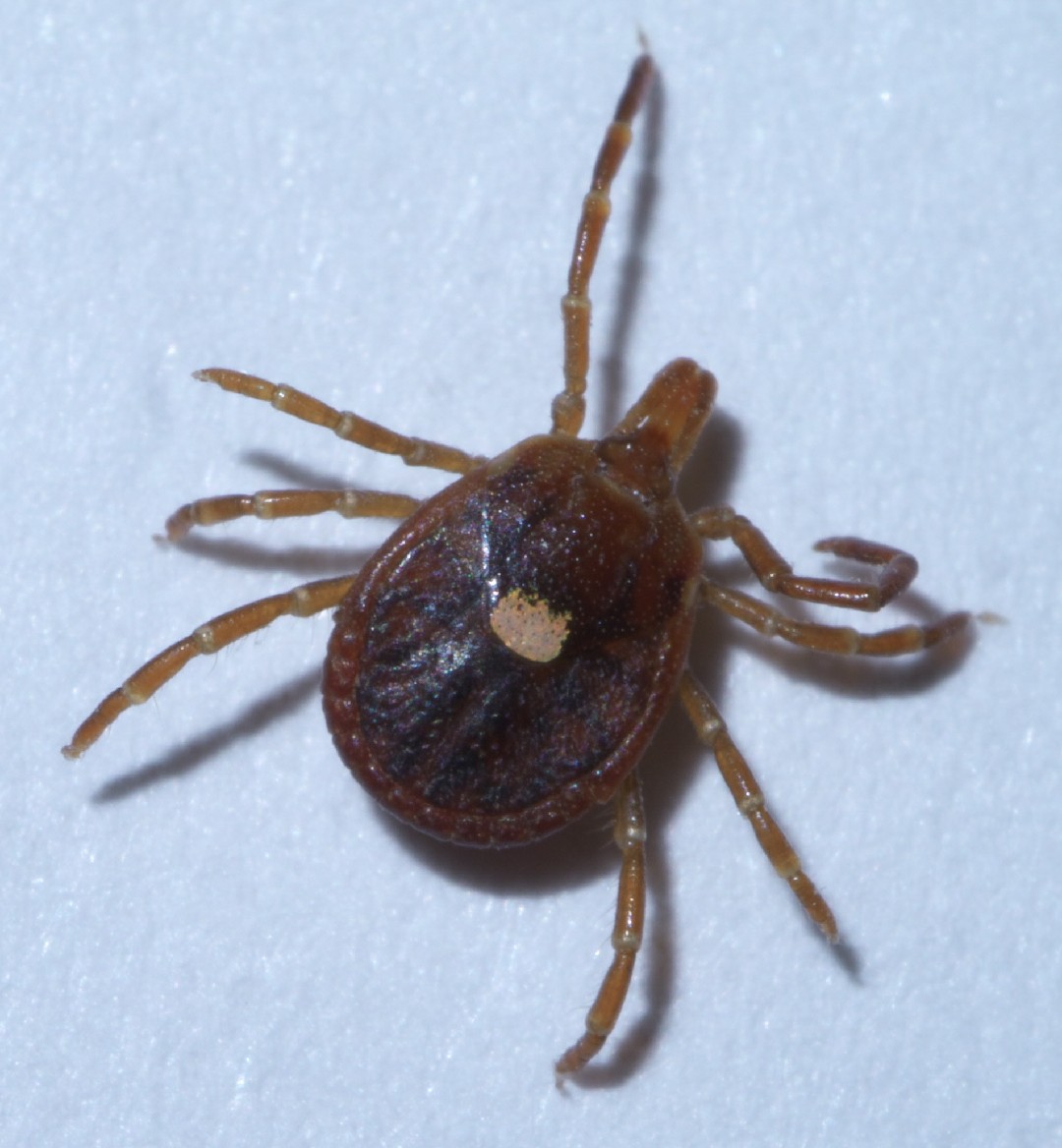
2. Lone star tick
The lone star tick (Amblyomma americanum) has a white dot on its abdomen. This bloodsucker has a taste for turkeys, giving it the nickname "turkey tick." They do not tend to be picky eaters, as they do latch onto humans as well. Humans that have been bitten by this often have Southern Tick Associated Rash Illness (STARI). Symptoms such as fever, headache, and joint pain are resolved quickly using antibiotics.
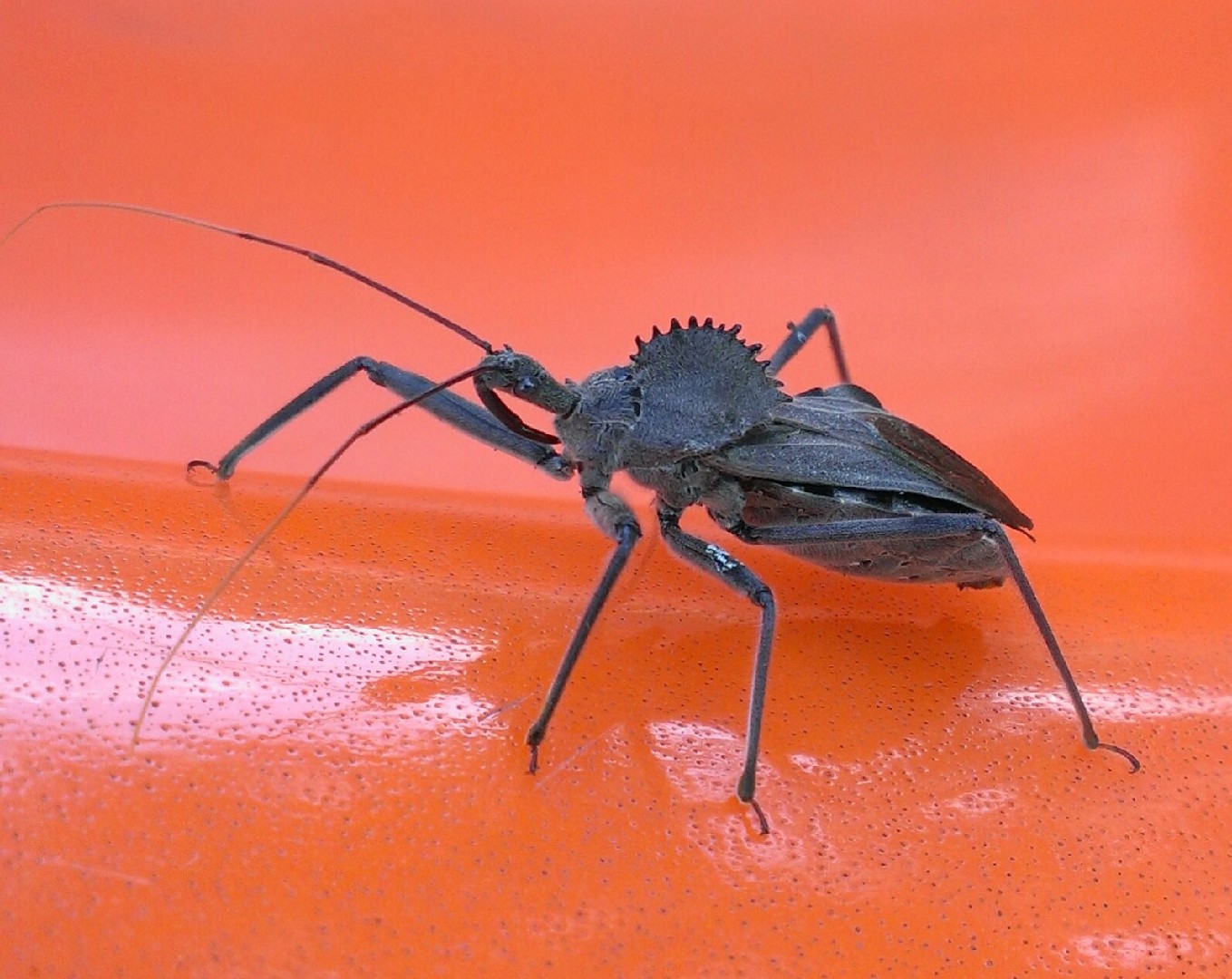
3. Wheel Bug
The wheel Bug (Arilus cristatus) gets its name from the spiked wheel on the top of his head. The punk rock look suits these bugs, as their bite tends to be more painful than a bee sting. Another nickname, assassin bug, is earned through its hunting of many bugs we would consider as crop pests and indoor pests. Their saliva is toxic, usually killing prey within 30 seconds of injection.
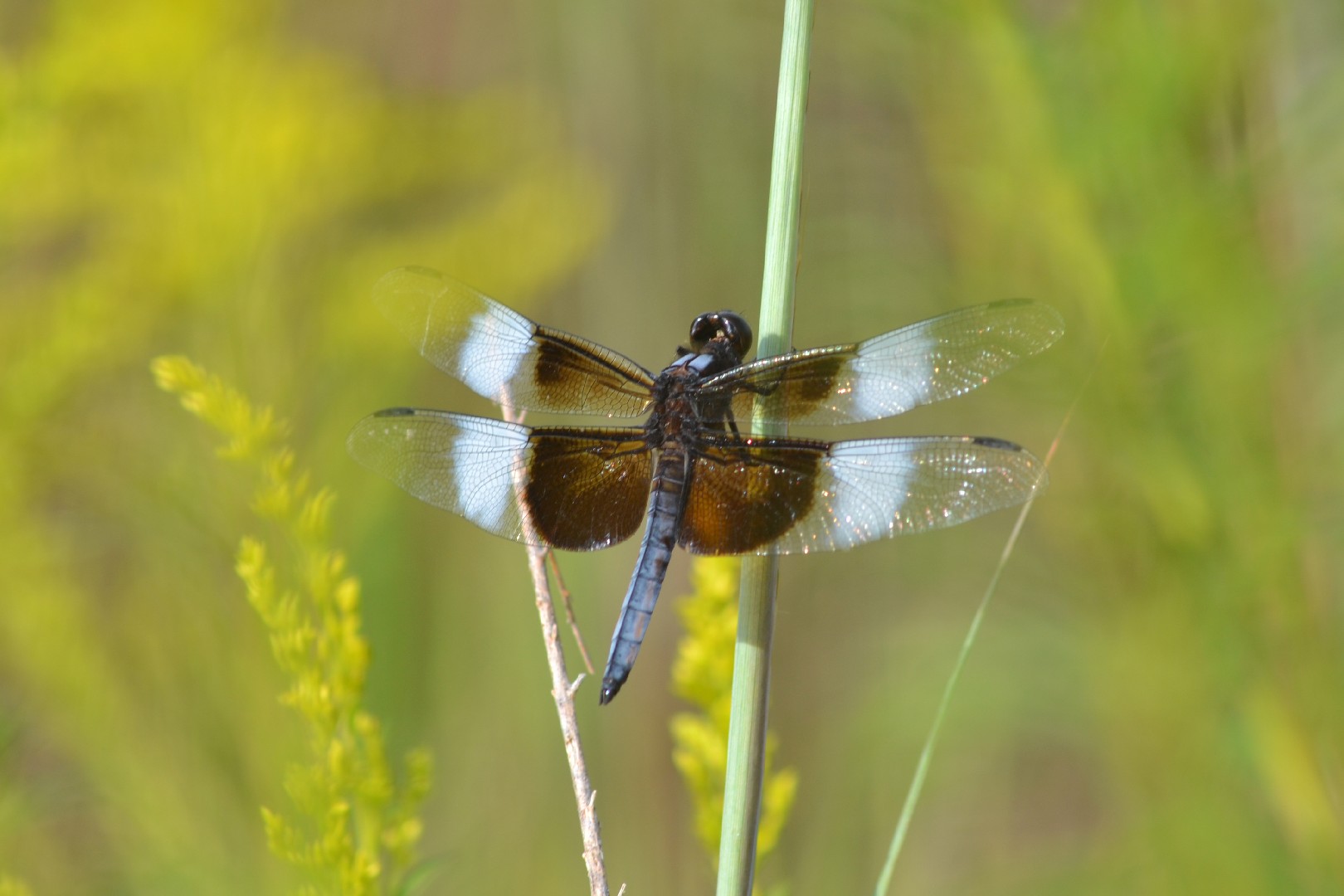
4. Widow skimmer
The widow skimmer (Libellula luctuosa) is a large insect that grows to be incredibly large with a bulbous head and body. As they age, they are known to grow whitish, much like our grandparents' hair. They live in the water until their final molt, where they reveal their wings, it is at this point it reveals why it has part of a group called the king skimmers.
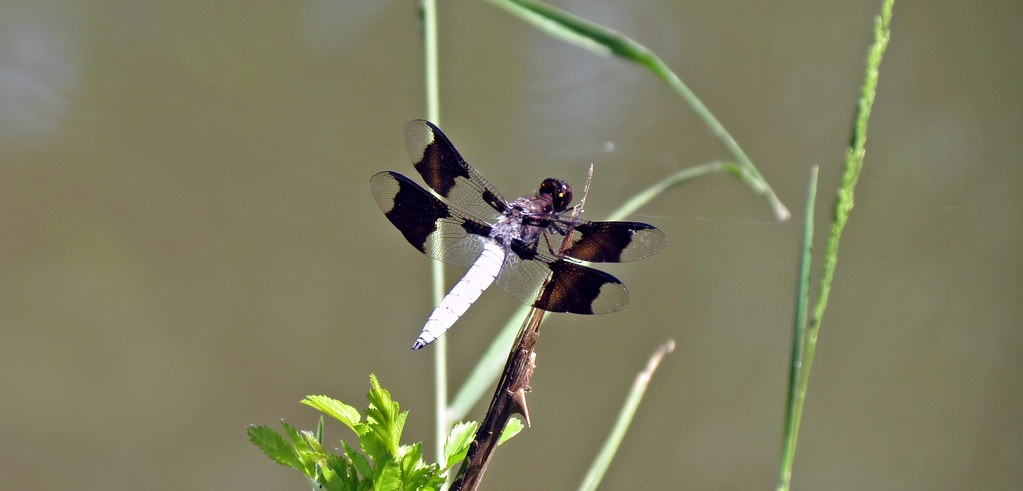
5. Common whitetail skimmer
Common whitetail skimmer has black bands on its translucent wings which make it easy to identify. The common whitetail skimmer is found throughout North America and serves a vital ecological purpose. The dragonfly’s compound eyes provide it with a 360-degree field of vision, allowing it to spot prey like spiders and other nuisance insects.
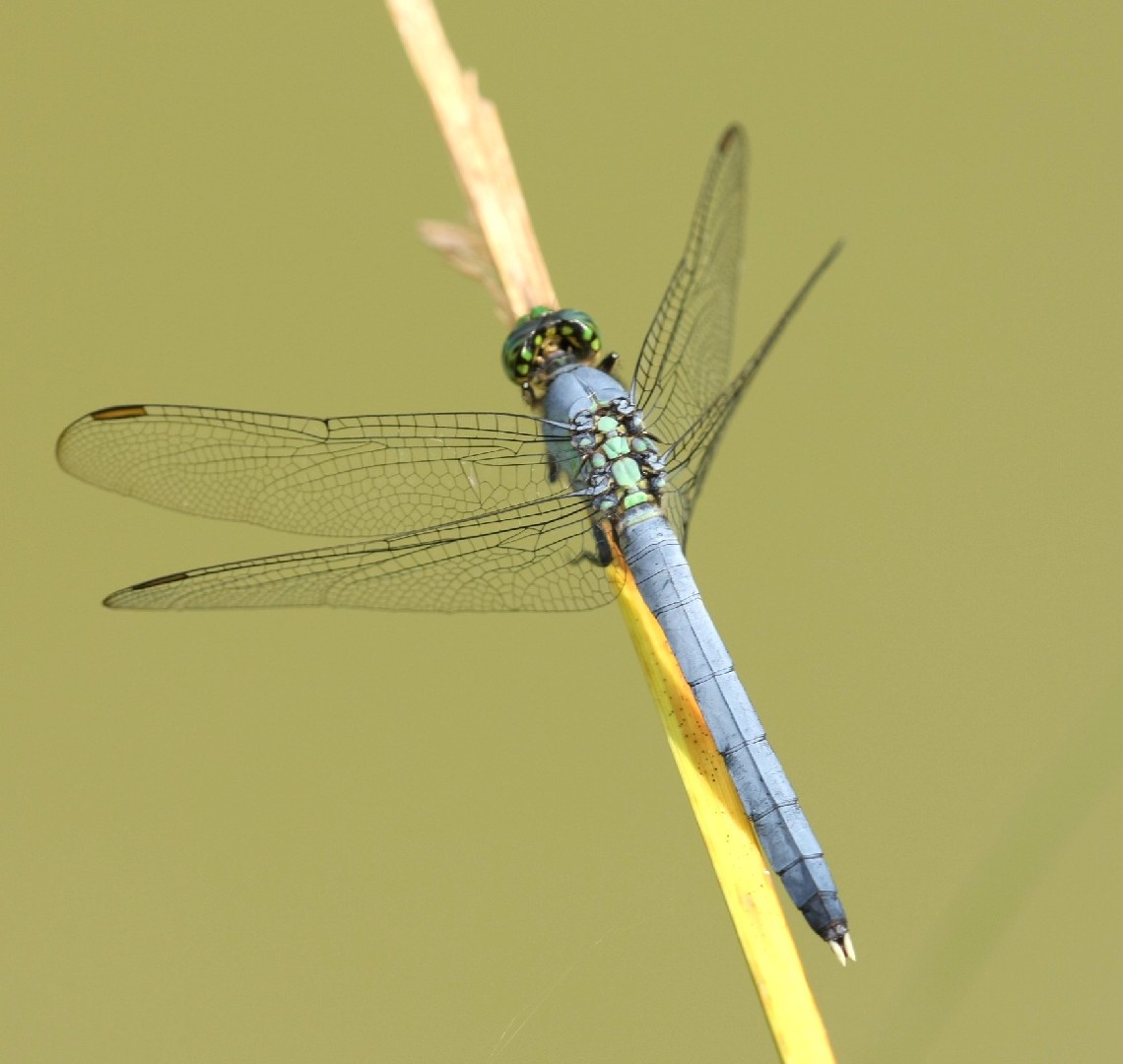
6. Eastern pondhawk
The eastern pondhawk (Erythemis simplicicollis) has much in common with American fishermen, they love living near the sides of ponds. They are a beautiful insect that is easy to distinguish when it comes to different genders. Females are bright green with bands around the abdomen and the males are bright blue with a green face.
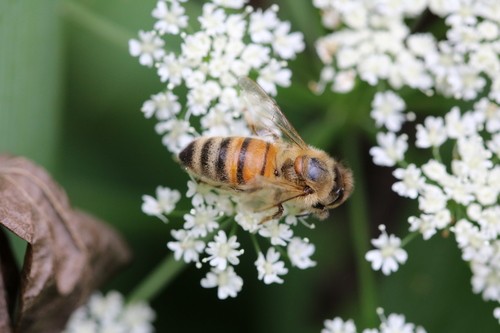
7. Western honey bee
Western honey bee(Apis mellifera) is the most common species of honeybee in the world. Among the first domesticated insects, its cultural and economic impact on humanity has been vast and far-reaching, providing honey, wax and its services as a pollinator. Western honey bee faces challenges worldwide, such as colony collapse disorder, and populations are thought to be decreasing.
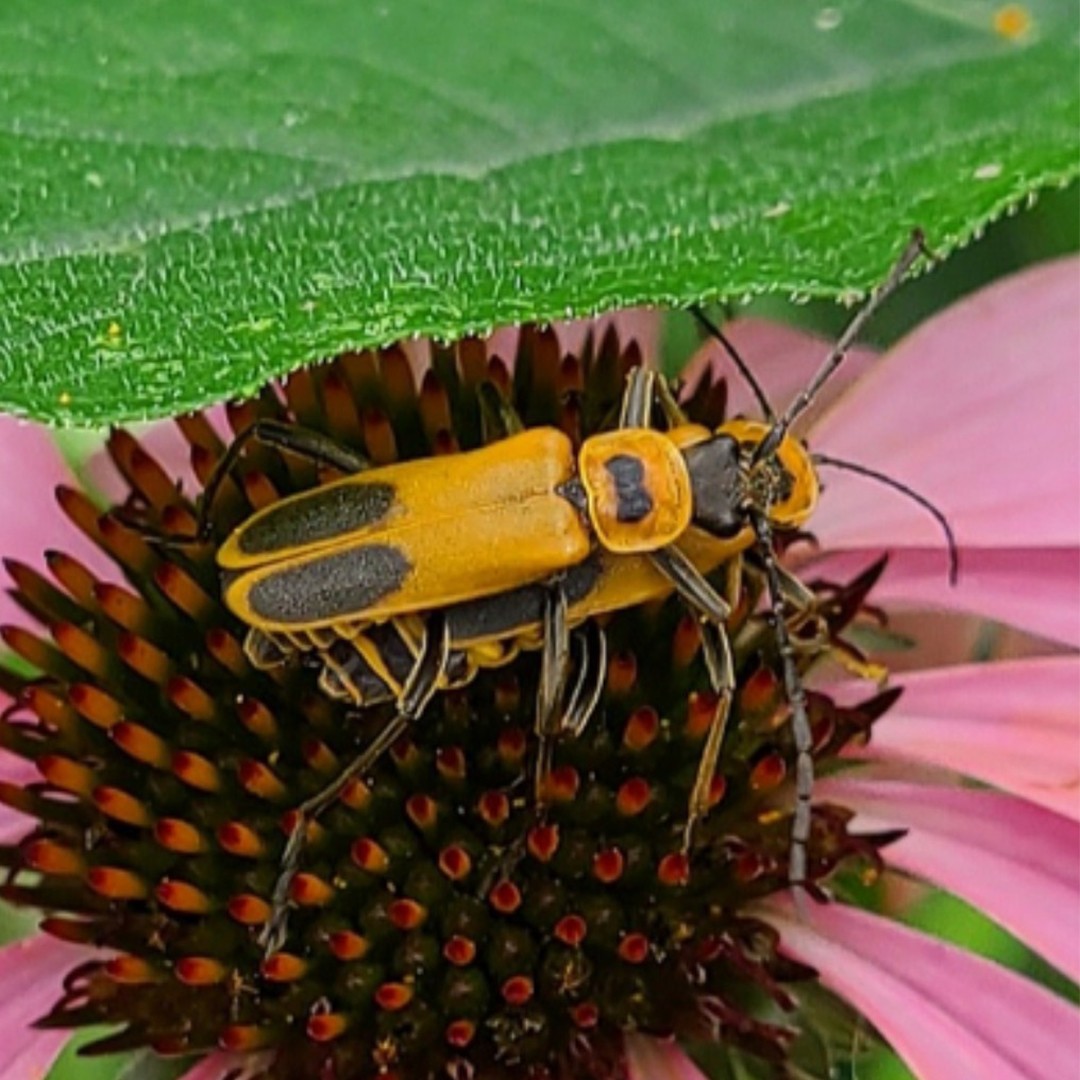
8. Goldenrod Soldier Beetle
The goldenrod Soldier Beetle is typically found in gardens, meadows, and fields where flowers are abundant. While the beetle is commonly seen on goldenrod plants, it also feeds on other late-blooming flowering plants. The insect’s diet is primarily nectar and pollen, but it will also eat aphids and other insects harmful to plants.
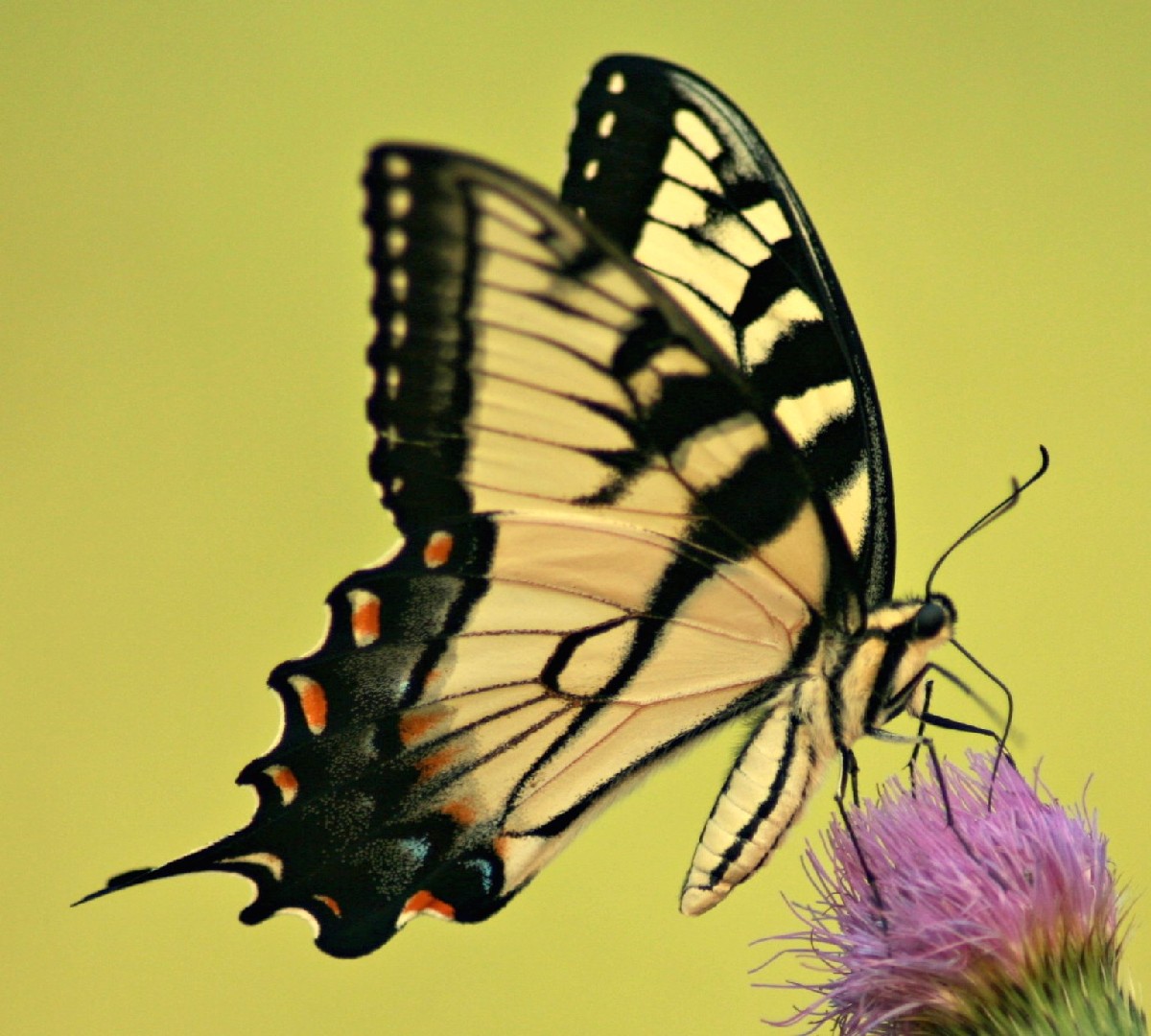
9. Eastern tiger swallowtail
Eastern tiger swallowtail (Papilio glaucus) is among the most recognizable butterflies in the eastern United States, where it inhabits a variety of habitats. This species is diurnal and usually solitary, preferring to fly high above the ground until the time comes to mate. Caterpillars display eyespots to deter birds in between some molting phases.
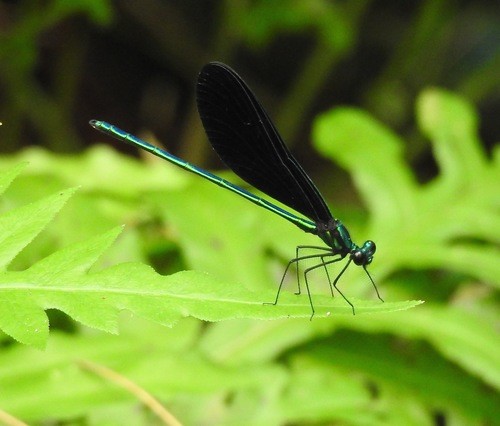
10. Ebony jewelwing
The ebony jewelwing (Calopteryx maculata) is a member of a family called the broad-winged damselflies. This one distinguishes itself by being bright green and metallic, which makes it a unique and beautiful creature. Females are brown and lack the same color as males. They typically hang out around the shaded riverside, giving them something in common with most fishermen.



More







