




Top 20 Most Common Insects in Lake Charles
Insects, remarkably distinct with countless species, find a thriving home in diverse habitats of Lake Charles. These tiny creatures, often overlooked, play pivotal roles in our ecosystem-ranging from pests that challenge our resilience, to beneficial pollinators boosting local biodiversity. Understanding the top 20 common insects in Lake Charles unravels the intricate connections between the city's unique environments and its fascinating insect denizens.

Most Common Insects
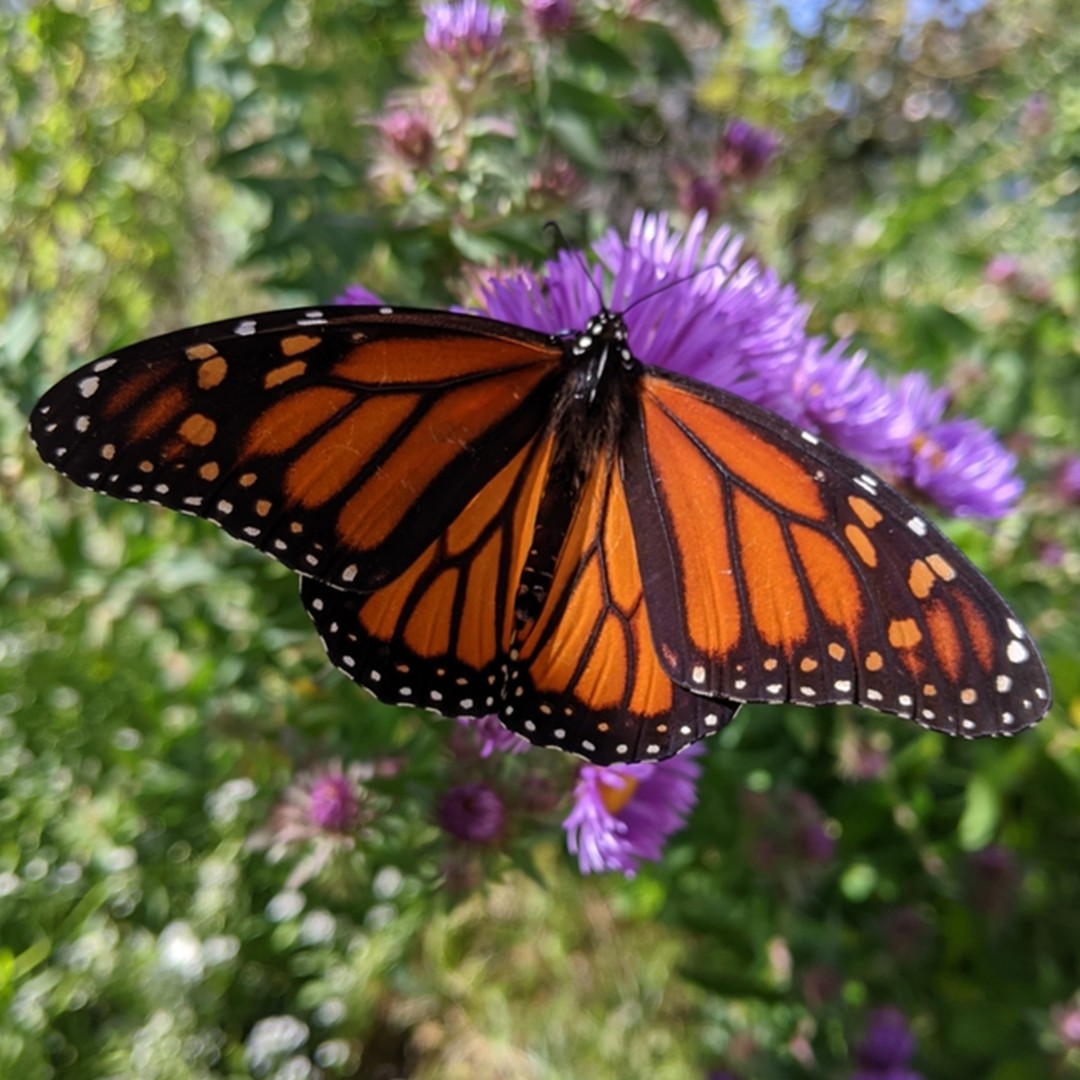
1. Monarch butterfly
The monarch butterfly (Danaus plexippus) is the most recognizable butterfly in North America. It is best known for its appearance, but should be better known for the fact that it has a 3000-mile migration that takes the butterfly 4 generations to complete. Their diet is also a natural deterrent for predators, as they eat milkweed, a poison that induces vomiting.
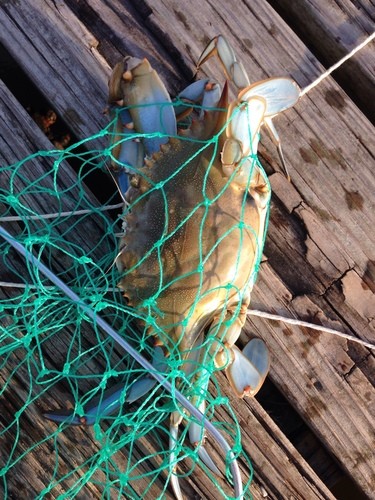
2. Blue crab
Thanks to its sapphire blue claws, blue crab is famous for its attractive appearance. Despite its lovely looks, the crab shows aggressive nature when it feels threatened. Blue crab has important commercial value and it's harvested for culinary use. Many people find its meat to be sweet and delicious.

3. Blue dasher
The name Pachydiplax longipennis implies that the blue dasher has long wings due to the "longipennis" section literally translating to it. But this would be misleading, as the insect does not have particularly long wings. Instead, they stick out with vibrant blue colors. The dasher part of their name may be in reference to their voracious diet, as they can eat up to 10 percent of their body weight daily.
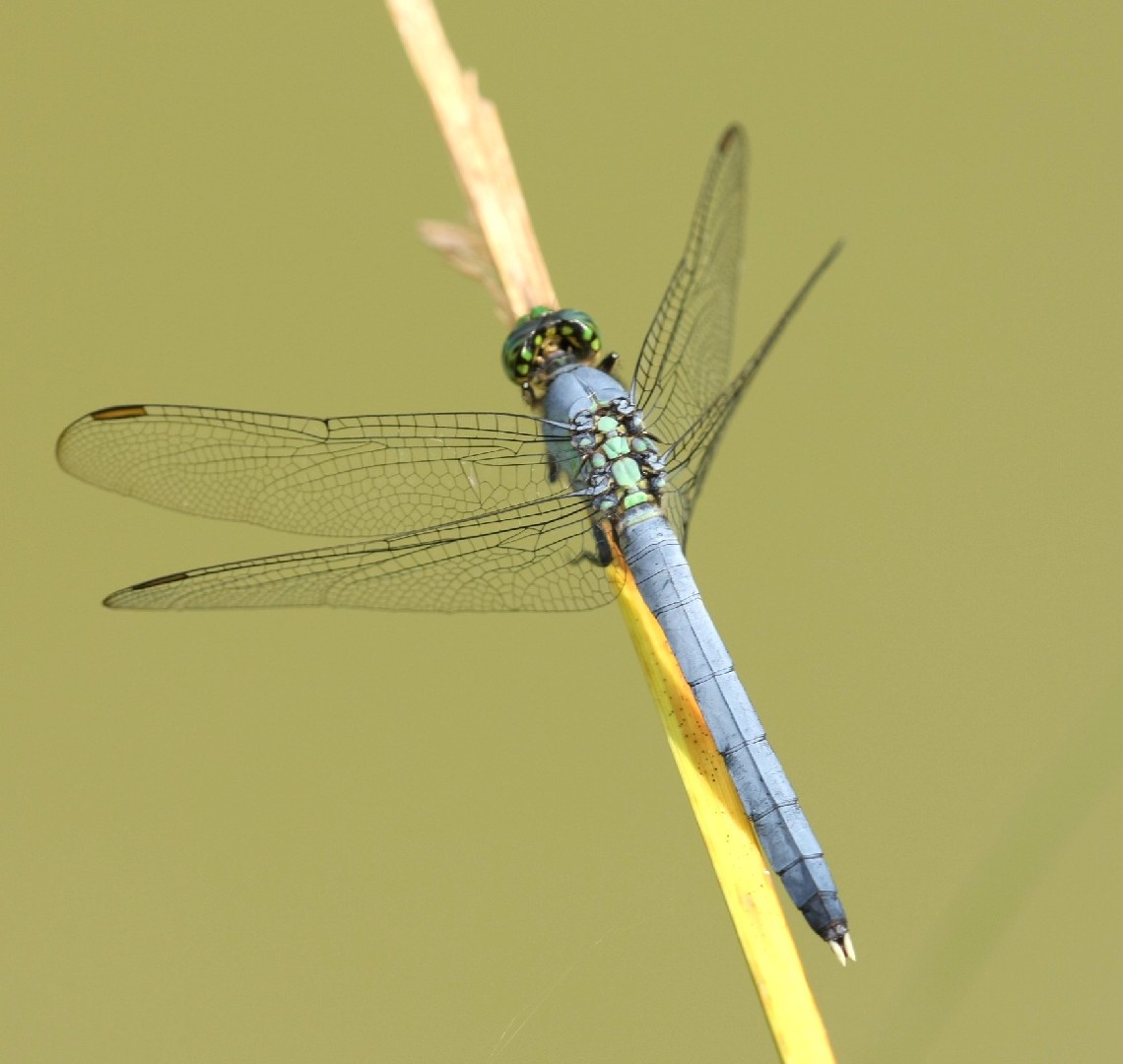
4. Eastern pondhawk
The eastern pondhawk (Erythemis simplicicollis) has much in common with American fishermen, they love living near the sides of ponds. They are a beautiful insect that is easy to distinguish when it comes to different genders. Females are bright green with bands around the abdomen and the males are bright blue with a green face.
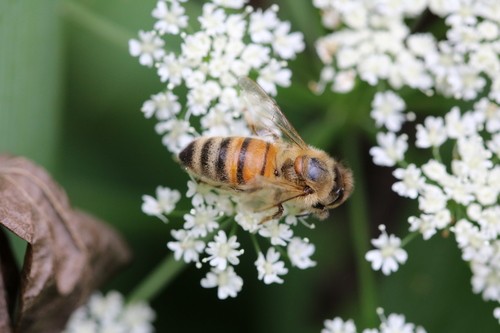
5. Western honey bee
Western honey bee(Apis mellifera) is the most common species of honeybee in the world. Among the first domesticated insects, its cultural and economic impact on humanity has been vast and far-reaching, providing honey, wax and its services as a pollinator. Western honey bee faces challenges worldwide, such as colony collapse disorder, and populations are thought to be decreasing.

6. Multicolored asian ladybeetle
Often confused for the ladybug, multicolored asian ladybeetle (Harmonia axyridis) is a separate species that, unlike the ladybug, is a household pest. It is considered particularly annoying for its habit of returning to places from which it is removed. One of the most variable species in the world, there are many different colors and patterns multicolored asian ladybeetle may display, making identification potentially difficult.
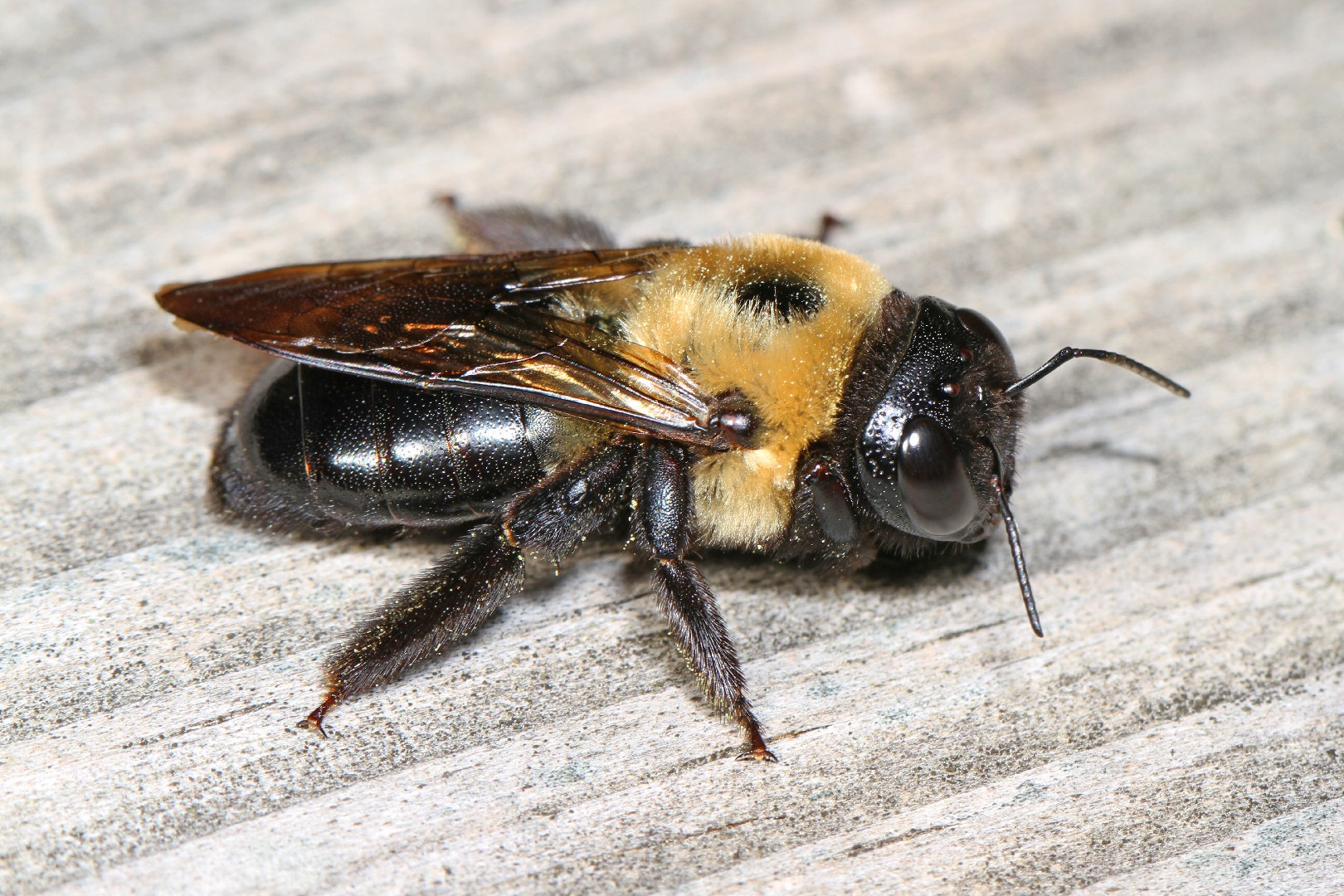
7. Eastern Carpenter Bee
The eastern Carpenter Bee (Xylocopa virginica) is considered a pest and a benefit in the same body. It has earned its pest status from its ability to tunnel into human-made structures and weaken them. They can also stain their excrement on the building as they leave the tunnel. Their benefits as pollinators heavily outweigh any damage they do to structures.
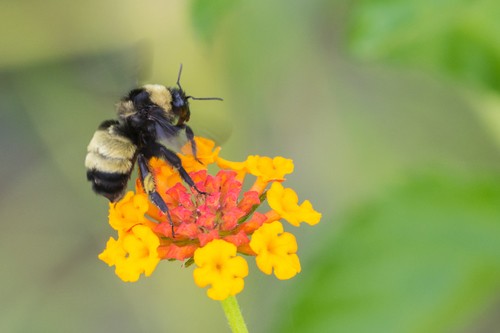
8. American bumble bee
The american bumble bee (Bombus pensylvanicus) used to be a prevalent bumblebee that lived in farmlands and enjoyed sunflowers. However, they are currently considered to be a vulnerable species given their population diminishing. They like hanging around their nests, but have been known to return from more than a mile away.
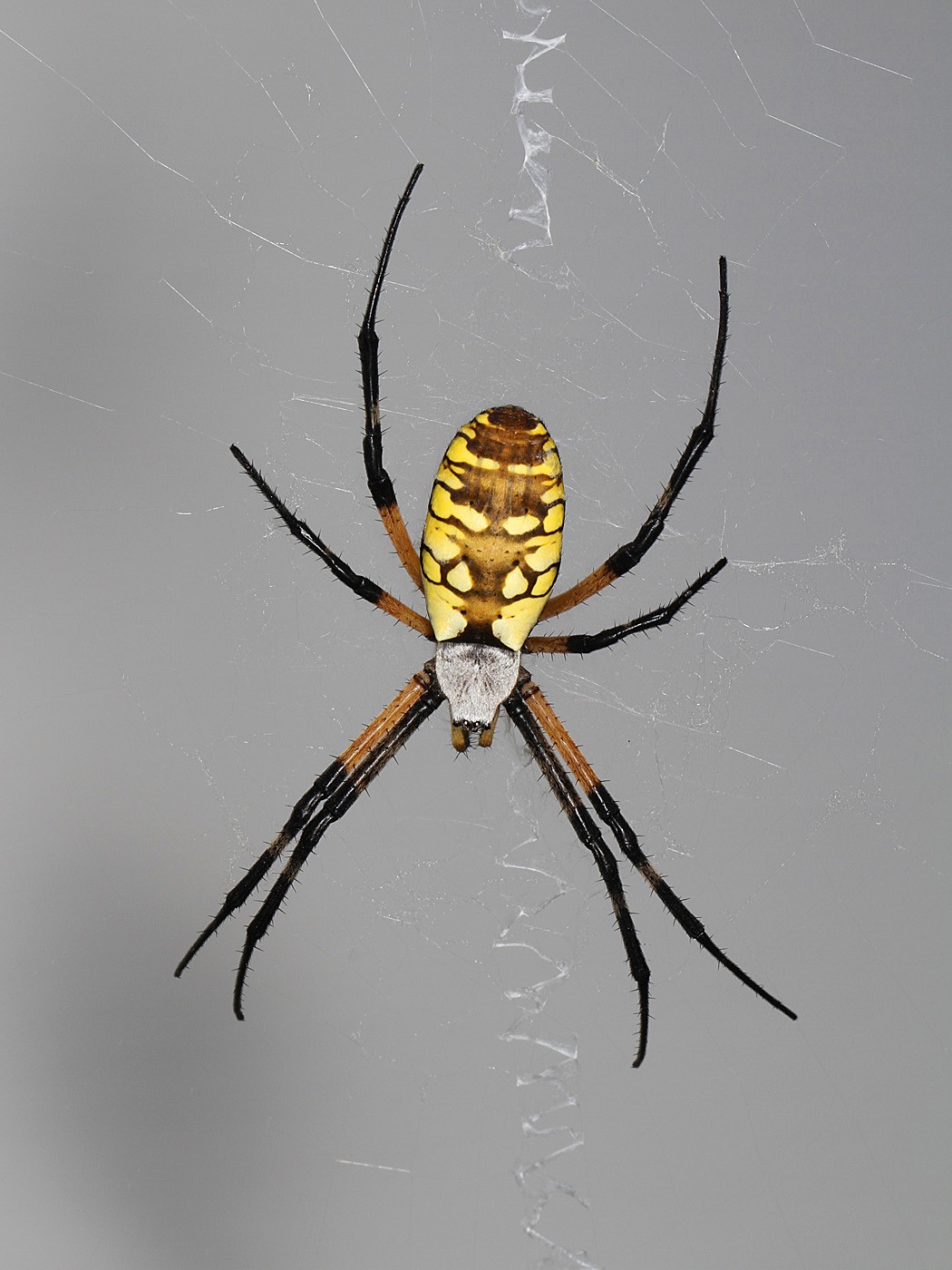
9. Yellow garden spider
The yellow garden spider (Argiope aurantia) is an arachnid that connects itself to its web to feel vibrations that signal to him prey has been caught. Its venom is harmless to humans but perfect for catching smaller insects that might cause harm to your garden. Yellow garden spiders web construction process includes bridge construction and scaffolding, making it among the more complicated web patterns.
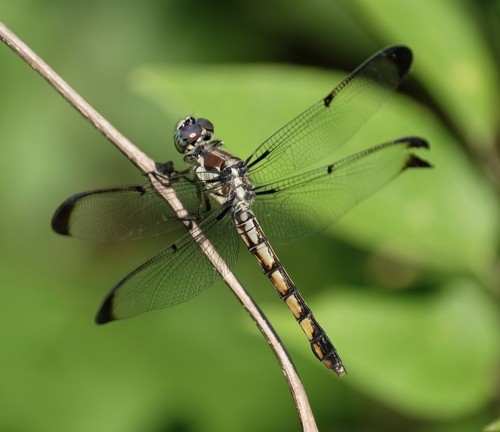
10. Great blue skimmer
With a total length of 5 - 6 cm, it is one of the largest skimmers. The immature forms of the skimmer are brown in color and mature forms are blue-hued. 
More







