




Top 20 Most Common Insects in East Bethel
Welcome to the mesmerizing world of insects! These remarkably diverse creatures play vital roles within the ecological dynamics of East Bethel. Intricately linked to their environment, insects serve as both pest controllers and, at times, pests themselves in East Bethel. The analysis of 20 most common insects reveals fascinating information about local interactions between organisms and their habitat.

Most Common Insects
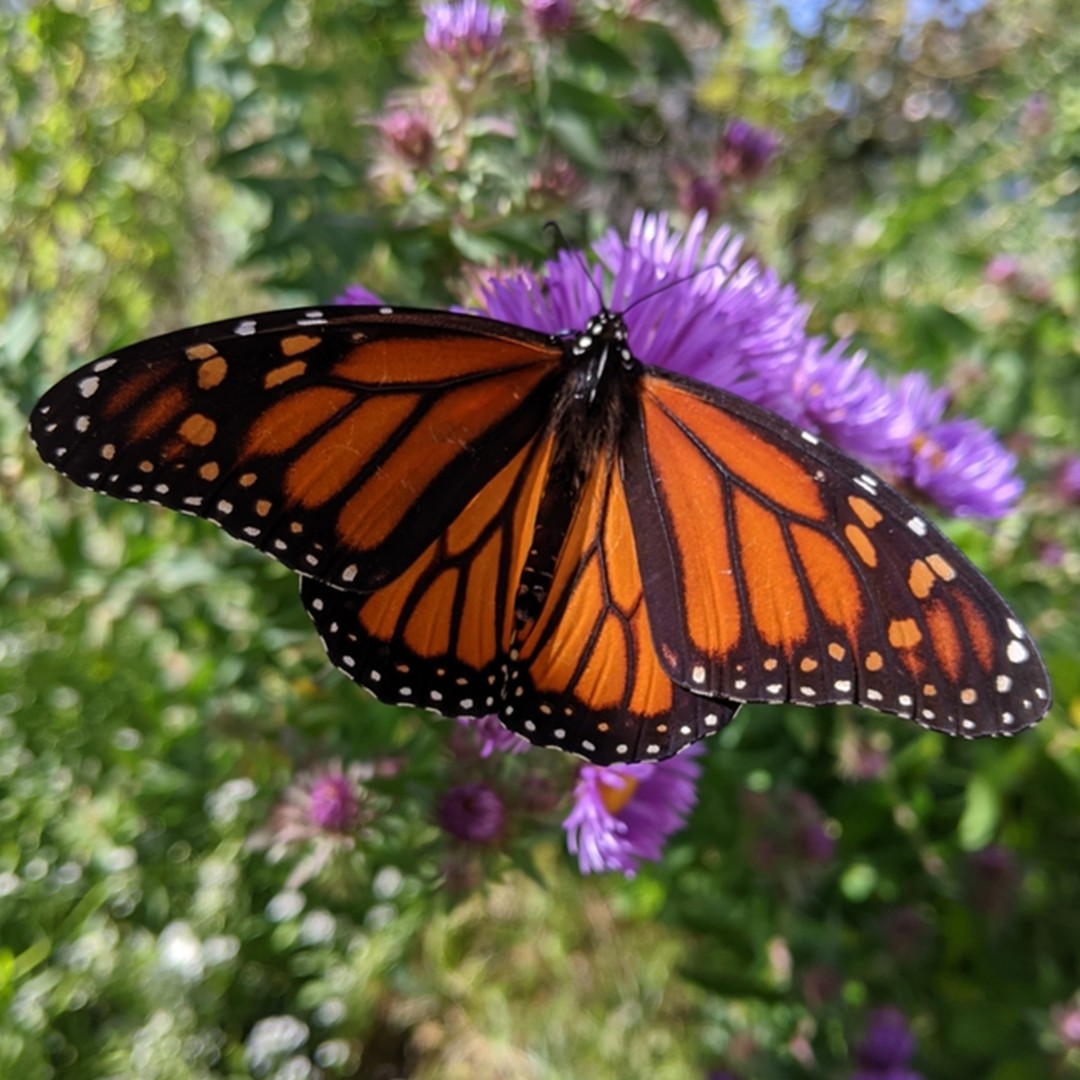
1. Monarch butterfly
The monarch butterfly (Danaus plexippus) is the most recognizable butterfly in North America. It is best known for its appearance, but should be better known for the fact that it has a 3000-mile migration that takes the butterfly 4 generations to complete. Their diet is also a natural deterrent for predators, as they eat milkweed, a poison that induces vomiting.
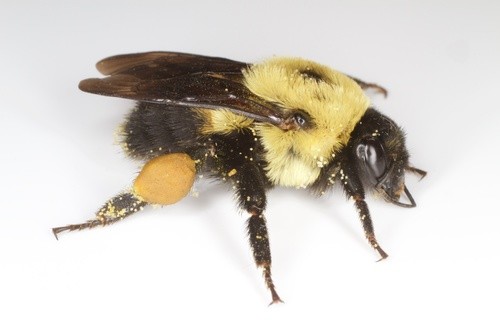
2. Common Eastern Bumble Bee
The common Eastern Bumble Bee (Bombus impatiens) is one of the most important pollinator bees in North America. A decline in the bee population will lead to financial hardships for farmers and reduced food yield. Their efficiency in pollination and foraging comes from their ability to drop "traplines." These lines guide other bees to the correct path for food while informing them of depleted locations.

3. Multicolored asian ladybeetle
Often confused for the ladybug, multicolored asian ladybeetle (Harmonia axyridis) is a separate species that, unlike the ladybug, is a household pest. It is considered particularly annoying for its habit of returning to places from which it is removed. One of the most variable species in the world, there are many different colors and patterns multicolored asian ladybeetle may display, making identification potentially difficult.
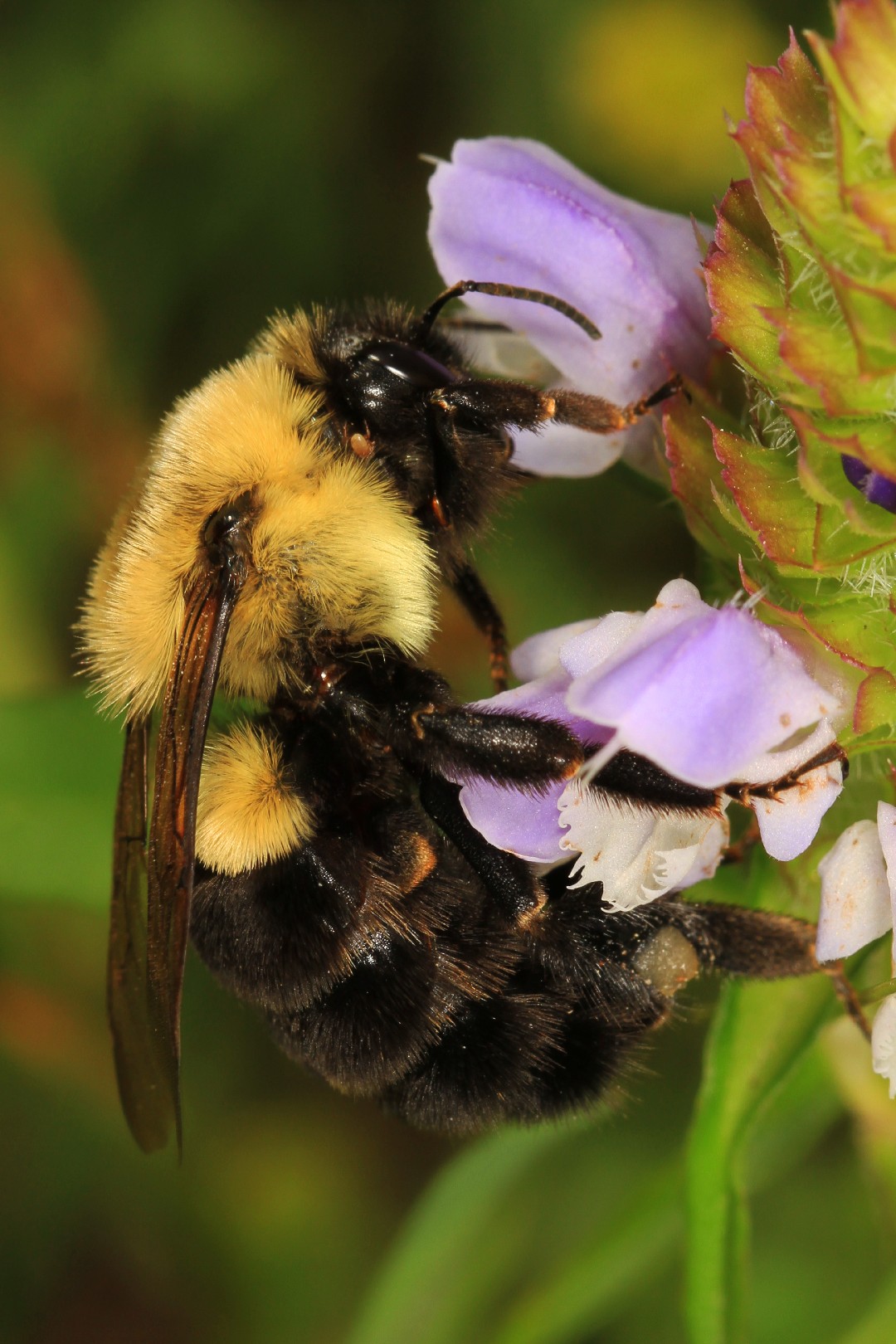
4. Brown-belted bumble bee
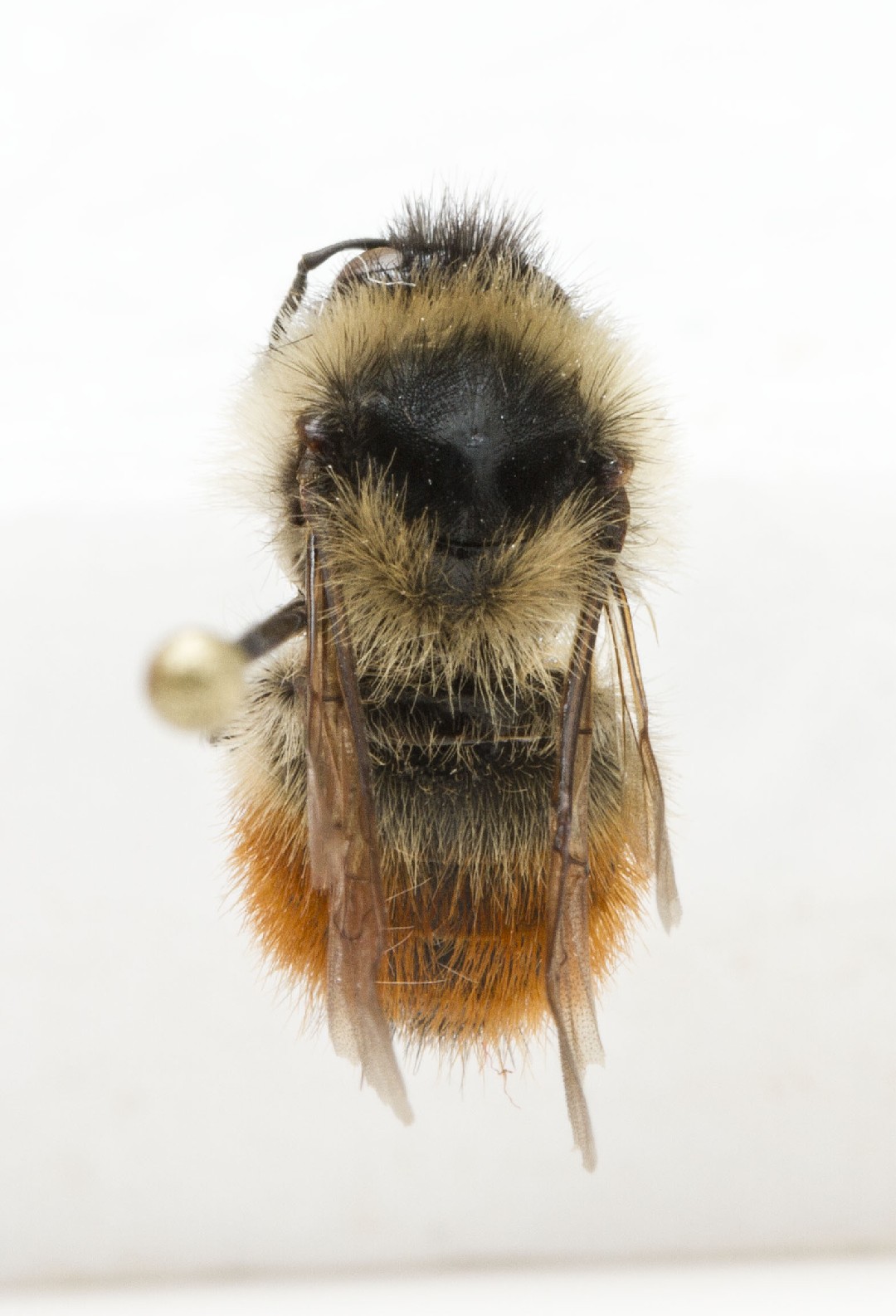
The brown-belted bumble bee (Bombus griseocollis) can be distinguished from other bumble bees because of the brown belt on its abdomen. It's often found in urban landscapes, near sunflowers, thistles, and milkweed. The males often fly very high in search of females, and they've even been spotted at the top of the Empire State Building.
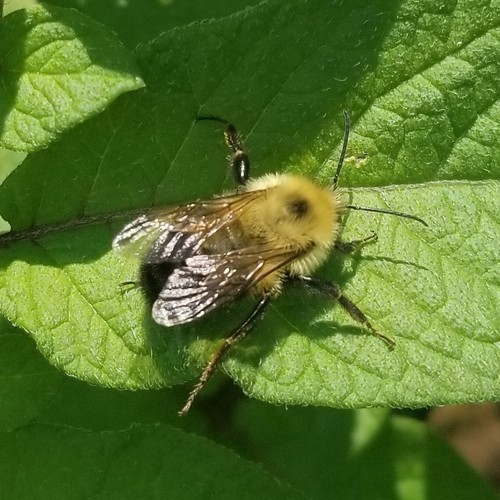
5. Two-spotted bumble bee
The name of two-spotted bumble bee (Bombus bimaculatus) comes from the two yellow spots found on its abdomen. Where other bees are on the decline, this one's population remains stable. For the first day of a young male's life, they are unable to fly. As a result, they pump their abdomens against the larva in order to generate heat flow.
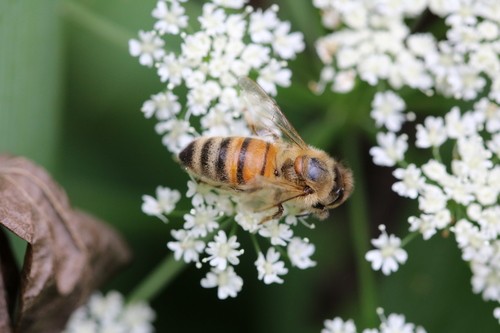
6. Western honey bee
Western honey bee(Apis mellifera) is the most common species of honeybee in the world. Among the first domesticated insects, its cultural and economic impact on humanity has been vast and far-reaching, providing honey, wax and its services as a pollinator. Western honey bee faces challenges worldwide, such as colony collapse disorder, and populations are thought to be decreasing.
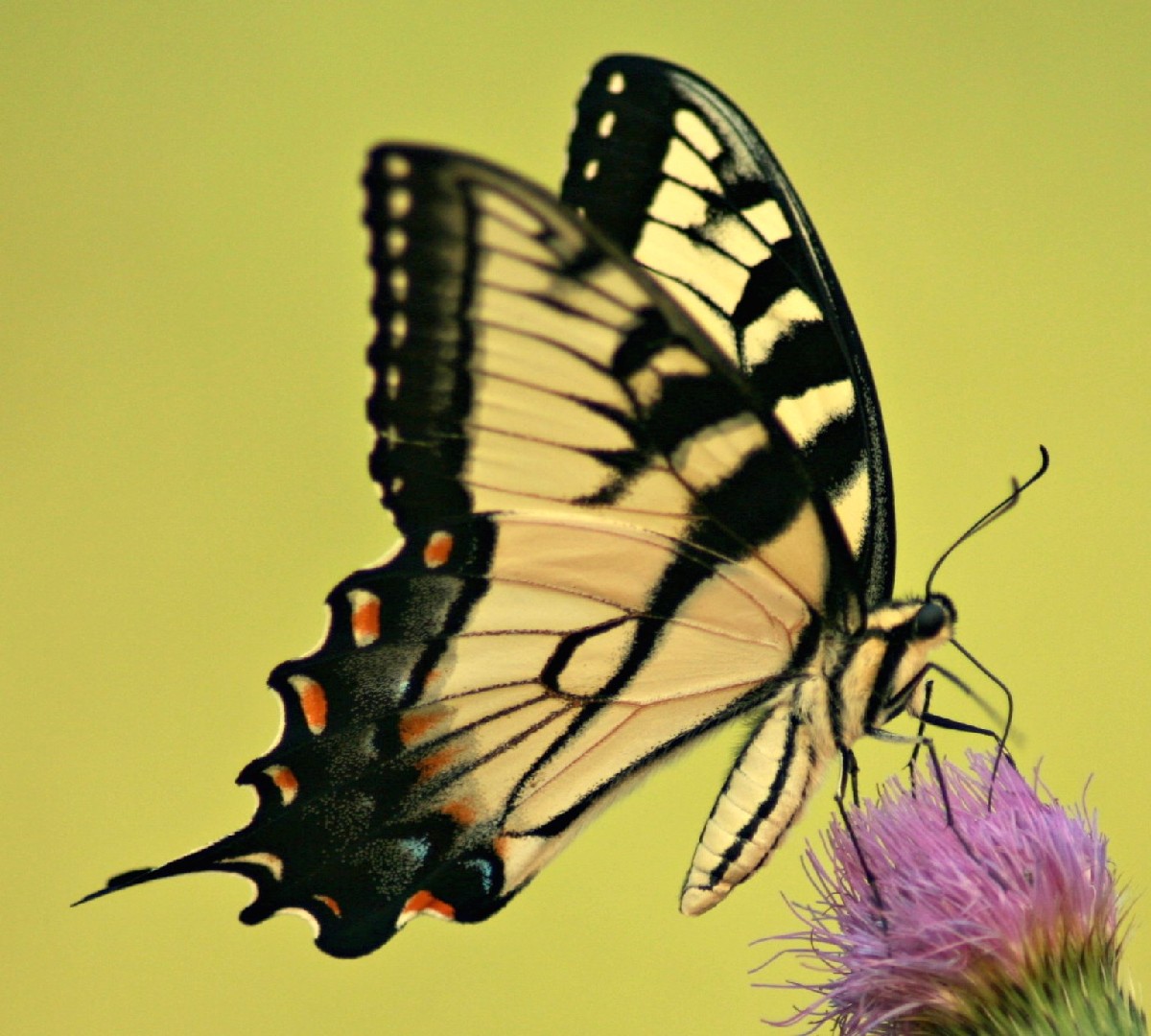
7. Eastern tiger swallowtail
Eastern tiger swallowtail (Papilio glaucus) is among the most recognizable butterflies in the eastern United States, where it inhabits a variety of habitats. This species is diurnal and usually solitary, preferring to fly high above the ground until the time comes to mate. Caterpillars display eyespots to deter birds in between some molting phases.
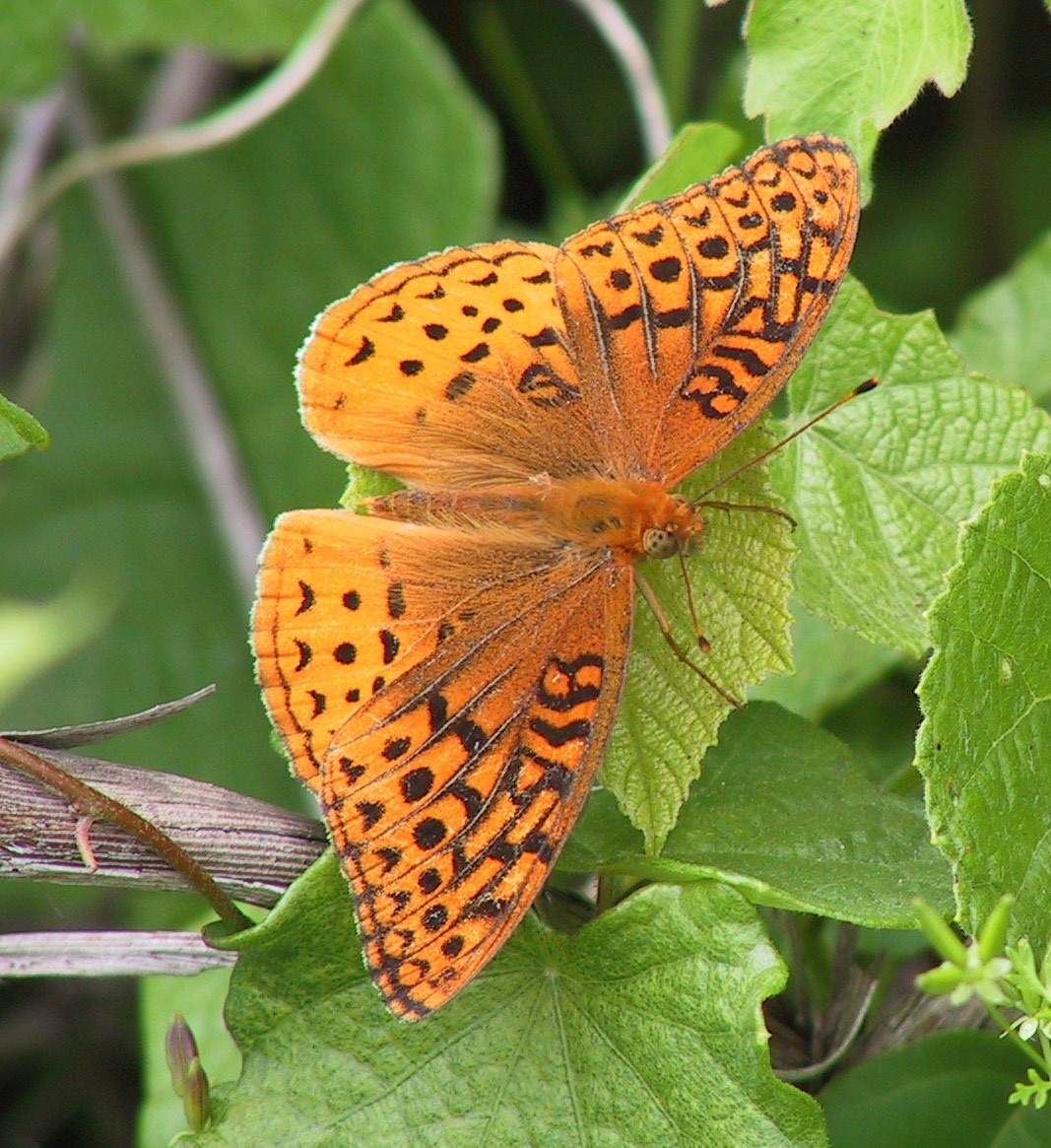
8. Great spangled fritillary
The great spangled fritillary (Speyeria cybele) is a beautiful butterfly that is orange in color and has a variety of spots on its body like a leopard. Females tend to be a bit darker than their male counterparts. Their caterpillars are black with orange spots and often caught feeding on violets.
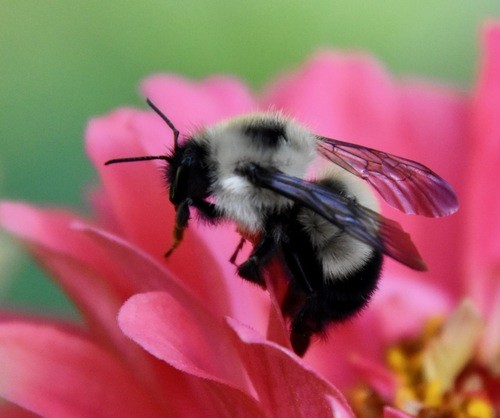
9. Half-black bumble bee
Bombus vagans is a common species of bumblebee with a medium-length tongue. The head, thorax and first two segments of the abdomen are yellow while the rest of the abdomen is black. The face has a mixture of yellow and black hairs and the thorax is densely clad in shaggy yellow hair except for a smooth central portion which is bare and shiny. The first two abdominal segments bear yellow hairs and the remainder of the abdomen is clad in black hairs. The underside of this bee and the legs are black. 
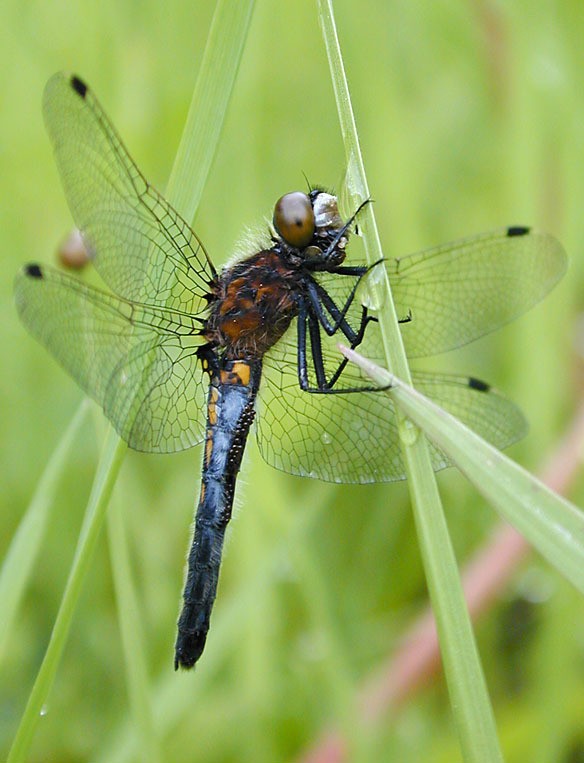
10. Dot-tailed whiteface
The scientific name Leucorrhinia intacta was first validly published in 1861 by Hagen.

More







