




Top 20 Most Common Insects in Red Wing
Insects are remarkable creatures renowned for their adaptability and impressive variety, even within urban areas like Red Wing. These tiny residents of Red Wing play pivotal roles in our ecosystem, serving both as pests and beneficial organisms. Indeed, Red Wing's unique environments directly influence the diversity and impact of its 20 most common insect species. Understanding these creatures and their connection to our city is truly fascinating.

Most Common Insects
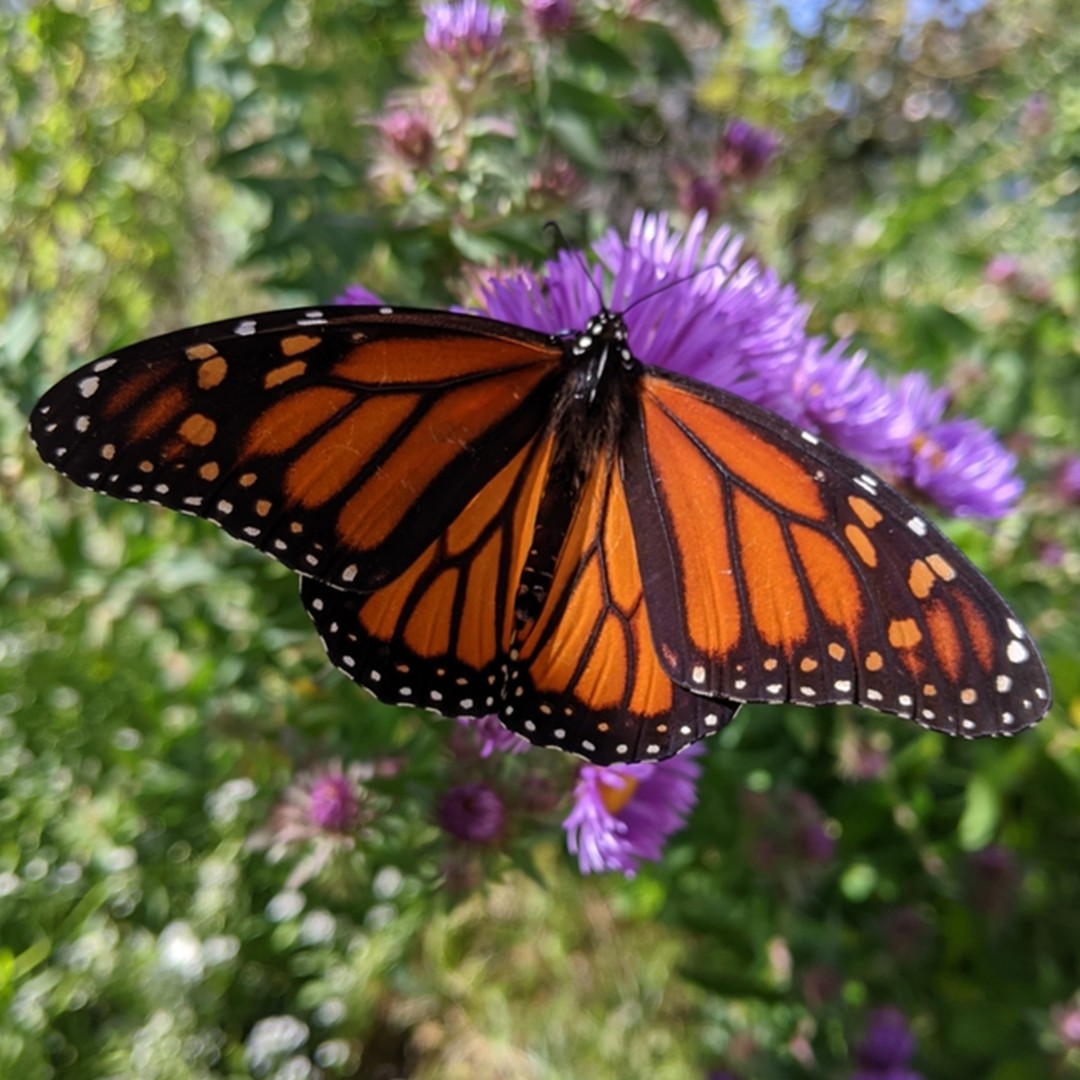
1. Monarch butterfly
The monarch butterfly (Danaus plexippus) is the most recognizable butterfly in North America. It is best known for its appearance, but should be better known for the fact that it has a 3000-mile migration that takes the butterfly 4 generations to complete. Their diet is also a natural deterrent for predators, as they eat milkweed, a poison that induces vomiting.
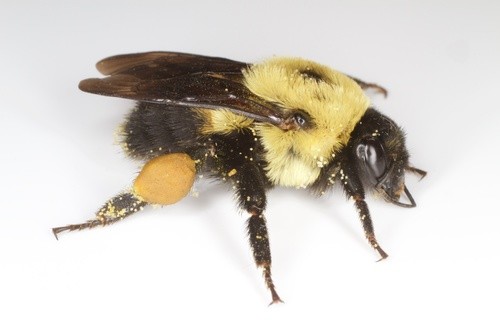
2. Common Eastern Bumble Bee
The common Eastern Bumble Bee (Bombus impatiens) is one of the most important pollinator bees in North America. A decline in the bee population will lead to financial hardships for farmers and reduced food yield. Their efficiency in pollination and foraging comes from their ability to drop "traplines." These lines guide other bees to the correct path for food while informing them of depleted locations.
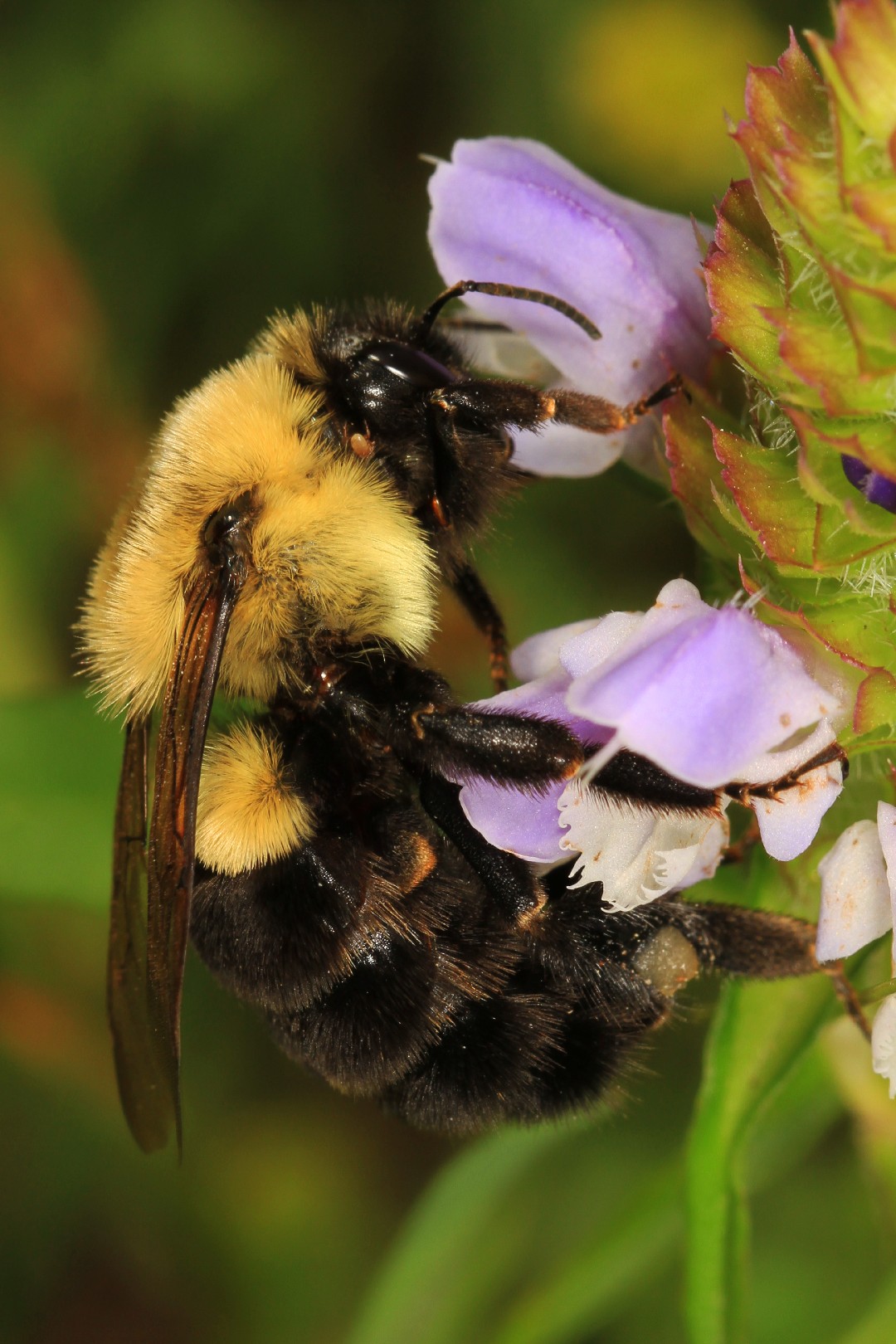
3. Brown-belted bumble bee
The brown-belted bumble bee (Bombus griseocollis) can be distinguished from other bumble bees because of the brown belt on its abdomen. It's often found in urban landscapes, near sunflowers, thistles, and milkweed. The males often fly very high in search of females, and they've even been spotted at the top of the Empire State Building.
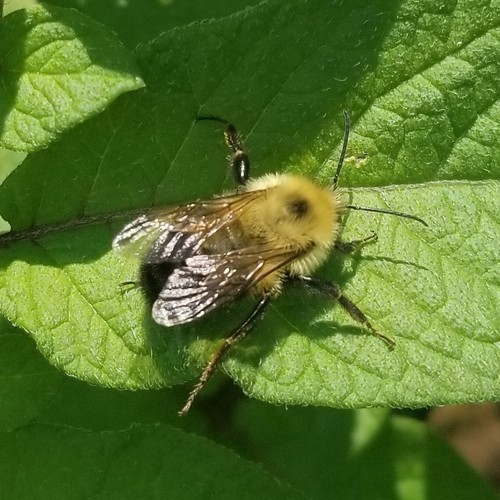
4. Two-spotted bumble bee
The name of two-spotted bumble bee (Bombus bimaculatus) comes from the two yellow spots found on its abdomen. Where other bees are on the decline, this one's population remains stable. For the first day of a young male's life, they are unable to fly. As a result, they pump their abdomens against the larva in order to generate heat flow.
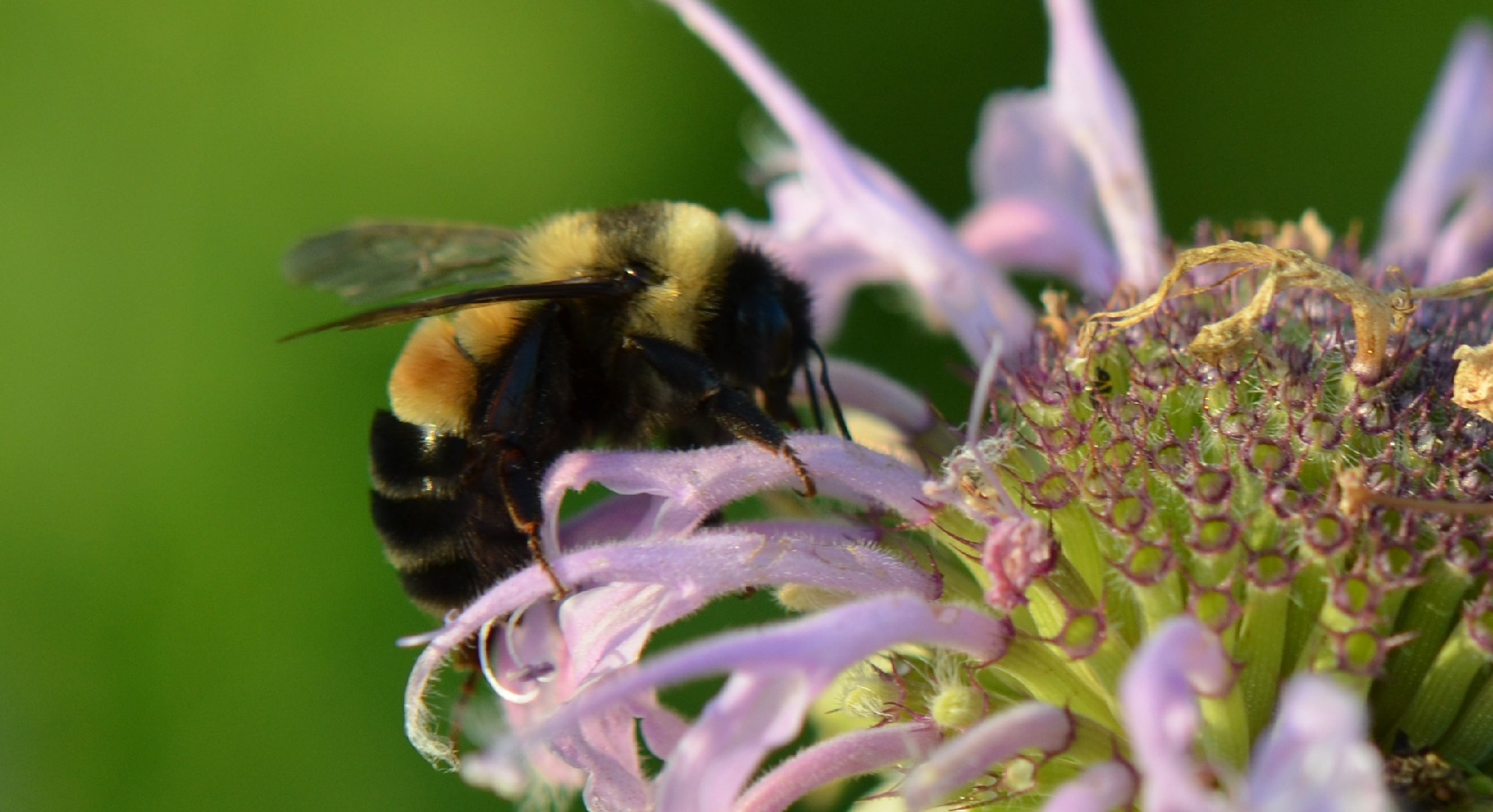
5. Rusty patched bumble bee
The rusty patched bumble bee (Bombus affinis) is the first bee from the US mainland to be added to the endangered species list. Their population has reduced heavily, causing them to become at risk of extinction. If given enough time, nests that are converted from rat burrows can house around 2000 bees.
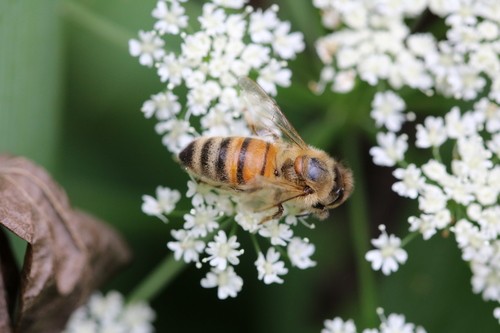
6. Western honey bee
Western honey bee(Apis mellifera) is the most common species of honeybee in the world. Among the first domesticated insects, its cultural and economic impact on humanity has been vast and far-reaching, providing honey, wax and its services as a pollinator. Western honey bee faces challenges worldwide, such as colony collapse disorder, and populations are thought to be decreasing.

7. Multicolored asian ladybeetle
Often confused for the ladybug, multicolored asian ladybeetle (Harmonia axyridis) is a separate species that, unlike the ladybug, is a household pest. It is considered particularly annoying for its habit of returning to places from which it is removed. One of the most variable species in the world, there are many different colors and patterns multicolored asian ladybeetle may display, making identification potentially difficult.
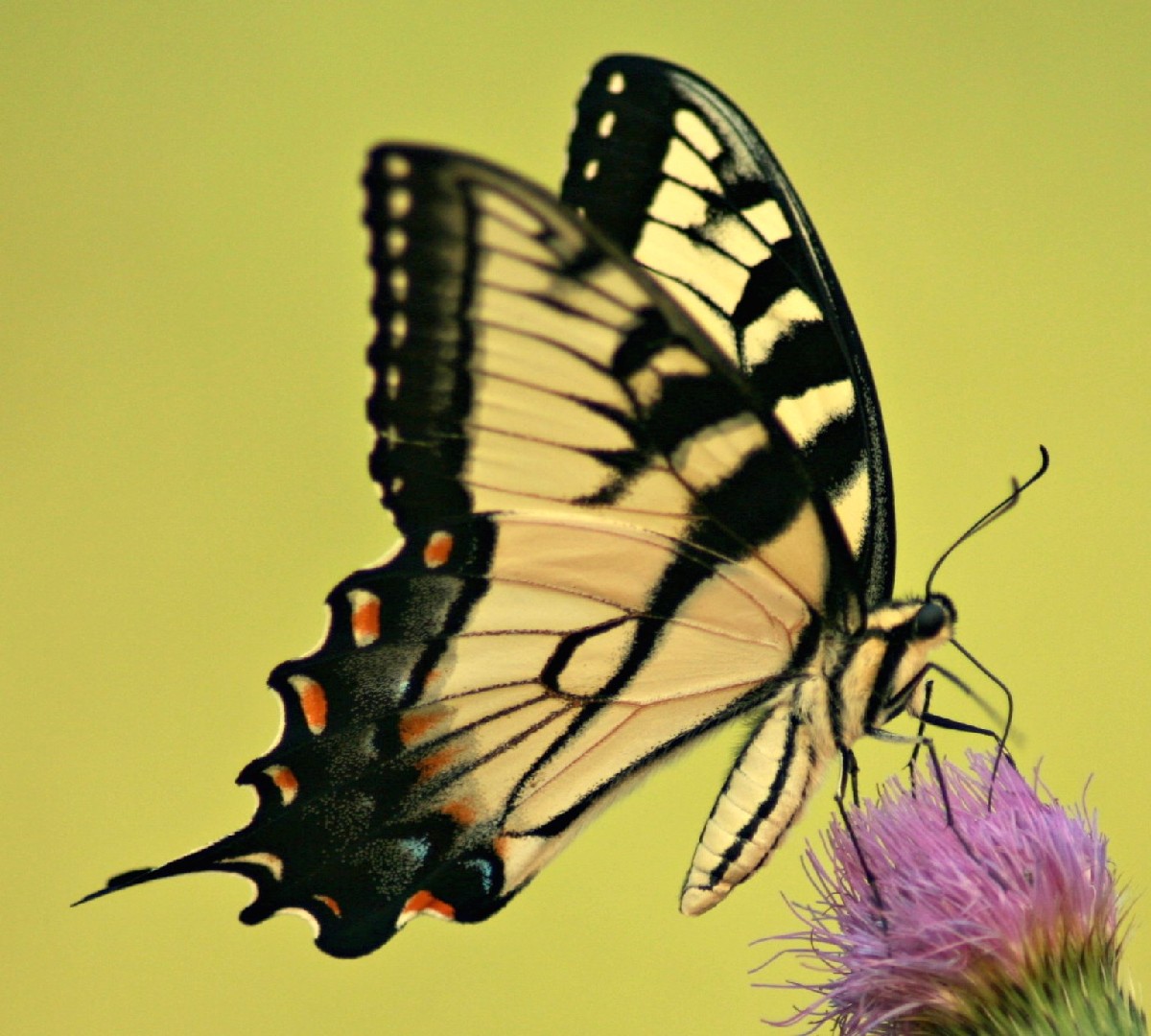
8. Eastern tiger swallowtail
Eastern tiger swallowtail (Papilio glaucus) is among the most recognizable butterflies in the eastern United States, where it inhabits a variety of habitats. This species is diurnal and usually solitary, preferring to fly high above the ground until the time comes to mate. Caterpillars display eyespots to deter birds in between some molting phases.
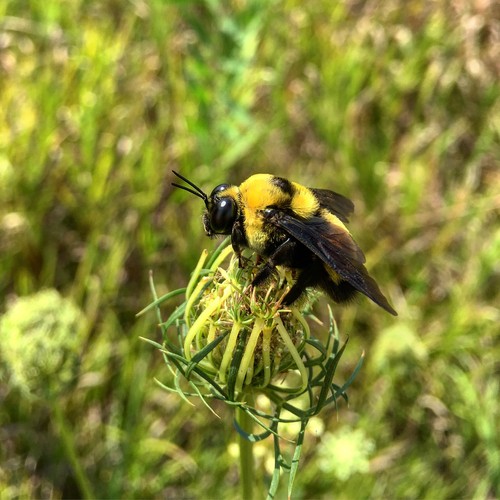
9. Black and gold bumble bee
Bombus auricomus is a non-woven insect from the family of bees and bumblebees (Apidae). The scientific name of the species was first validly published in 1903 by Robertson.
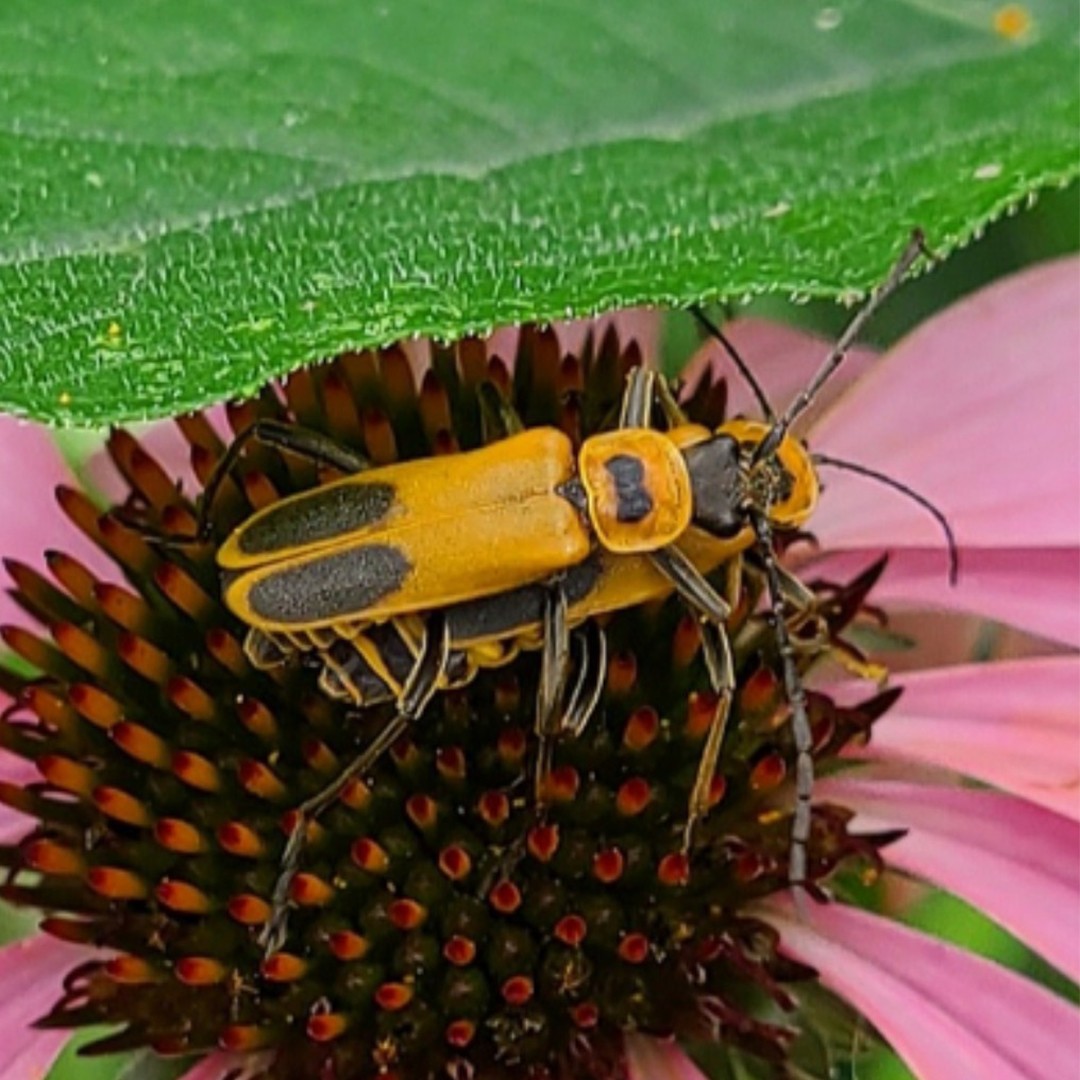
10. Goldenrod Soldier Beetle
The goldenrod Soldier Beetle is typically found in gardens, meadows, and fields where flowers are abundant. While the beetle is commonly seen on goldenrod plants, it also feeds on other late-blooming flowering plants. The insect’s diet is primarily nectar and pollen, but it will also eat aphids and other insects harmful to plants.



More







