




Top 20 Most Common Insects in Lebanon
Insects, with their distinct features and diverse habitats, proudly buzz their existence in Lebanon. From pollination to pest control, they play pivotal roles in sustaining our environments. Our list of the top 20 common insects in Lebanon vividly showcases this intricate interplay, underscoring the significance of even the tiniest life form within our cityscape and ecosystem.

Most Common Insects
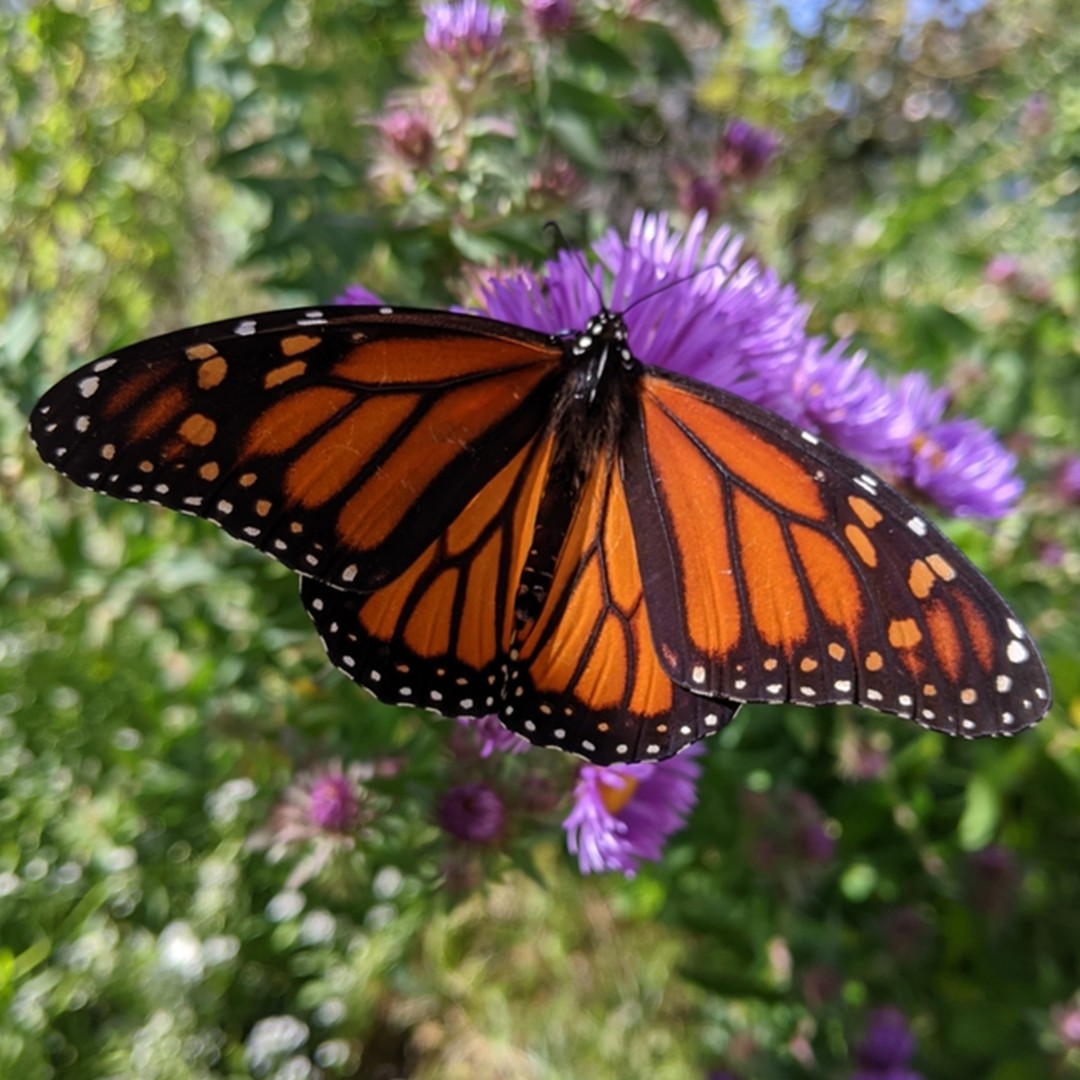
1. Monarch butterfly
The monarch butterfly (Danaus plexippus) is the most recognizable butterfly in North America. It is best known for its appearance, but should be better known for the fact that it has a 3000-mile migration that takes the butterfly 4 generations to complete. Their diet is also a natural deterrent for predators, as they eat milkweed, a poison that induces vomiting.
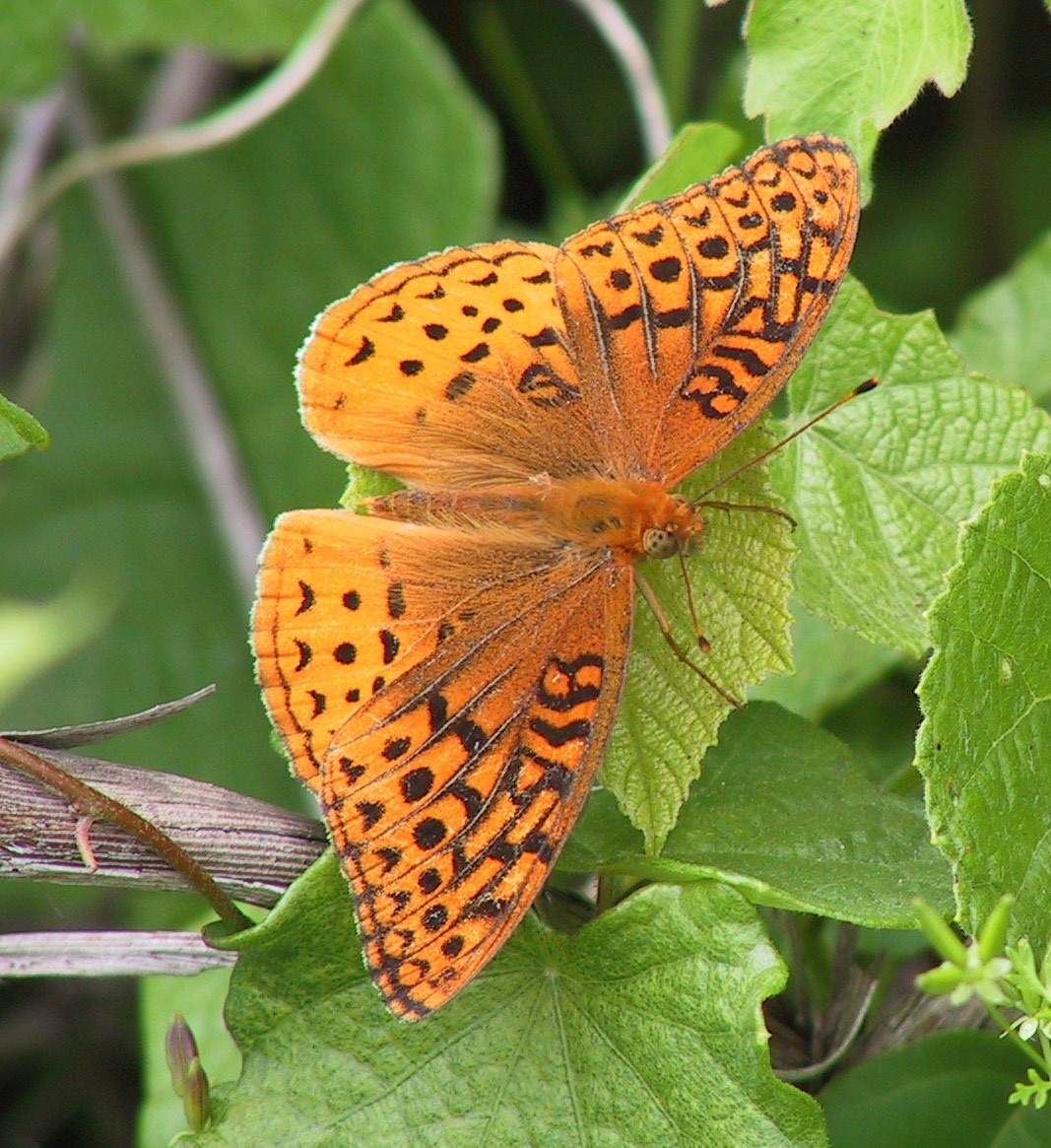
2. Great spangled fritillary
The great spangled fritillary (Speyeria cybele) is a beautiful butterfly that is orange in color and has a variety of spots on its body like a leopard. Females tend to be a bit darker than their male counterparts. Their caterpillars are black with orange spots and often caught feeding on violets.
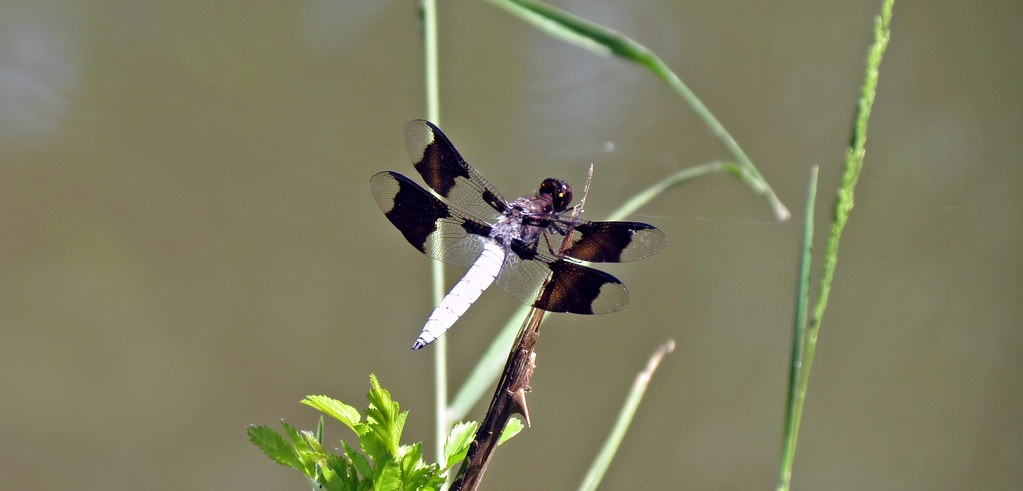
3. Common whitetail skimmer
Common whitetail skimmer has black bands on its translucent wings which make it easy to identify. The common whitetail skimmer is found throughout North America and serves a vital ecological purpose. The dragonfly’s compound eyes provide it with a 360-degree field of vision, allowing it to spot prey like spiders and other nuisance insects.

4. Spicebush swallowtail
The spicebush swallowtail (Papilio troilus) is a butterfly with an extreme love for plants in the Lauraceae family, such as spicebushes. Their preference is so strong that an experiment proved they would rather die than choose another host. Their two subspecies, *T. troilus *troilus and *T. troilus *ilioneus, differ based on location. The *T. troilus *ilioneus has more bluish spots and prefers redbay and swampbay plants.
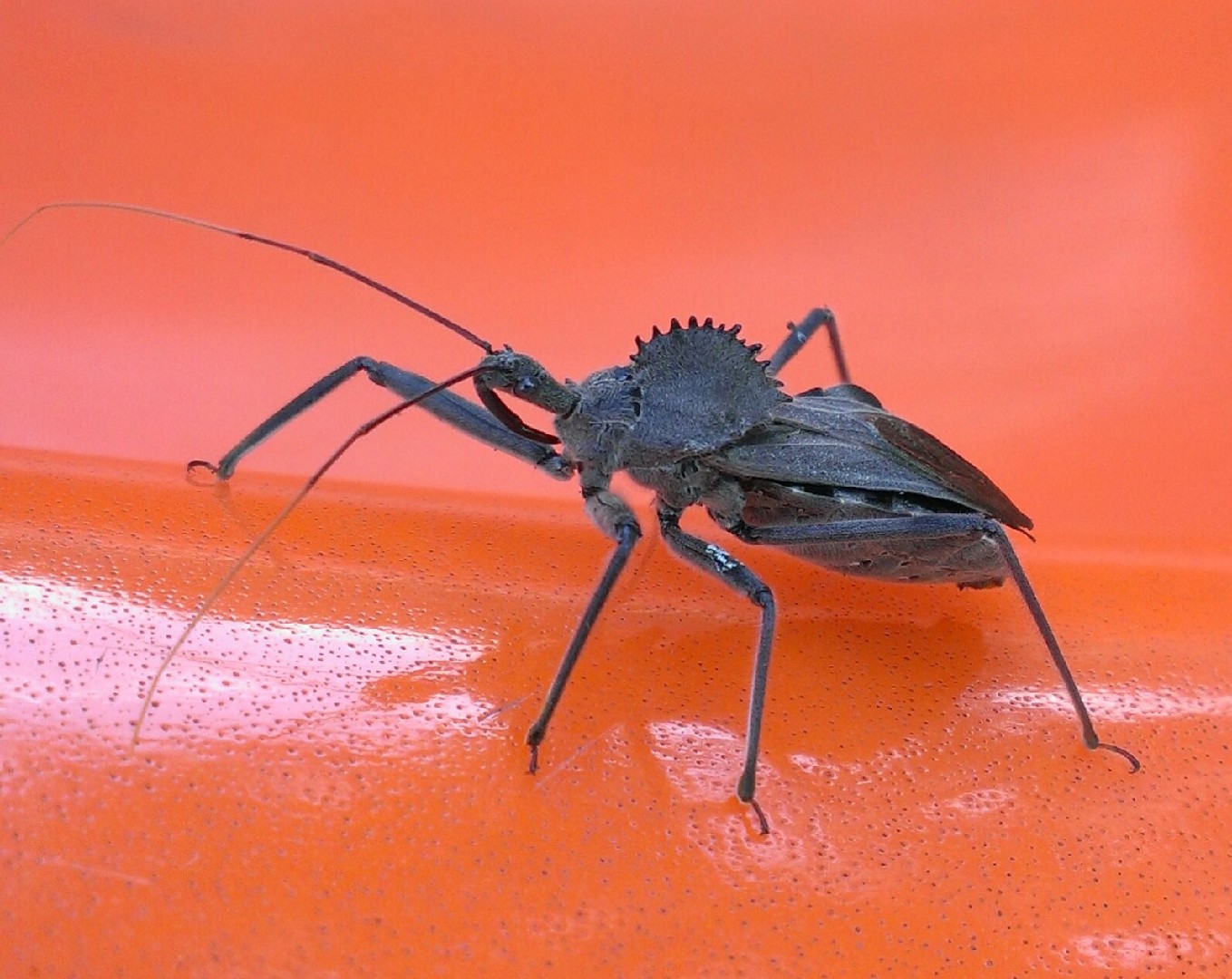
5. Wheel Bug
The wheel Bug (Arilus cristatus) gets its name from the spiked wheel on the top of his head. The punk rock look suits these bugs, as their bite tends to be more painful than a bee sting. Another nickname, assassin bug, is earned through its hunting of many bugs we would consider as crop pests and indoor pests. Their saliva is toxic, usually killing prey within 30 seconds of injection.
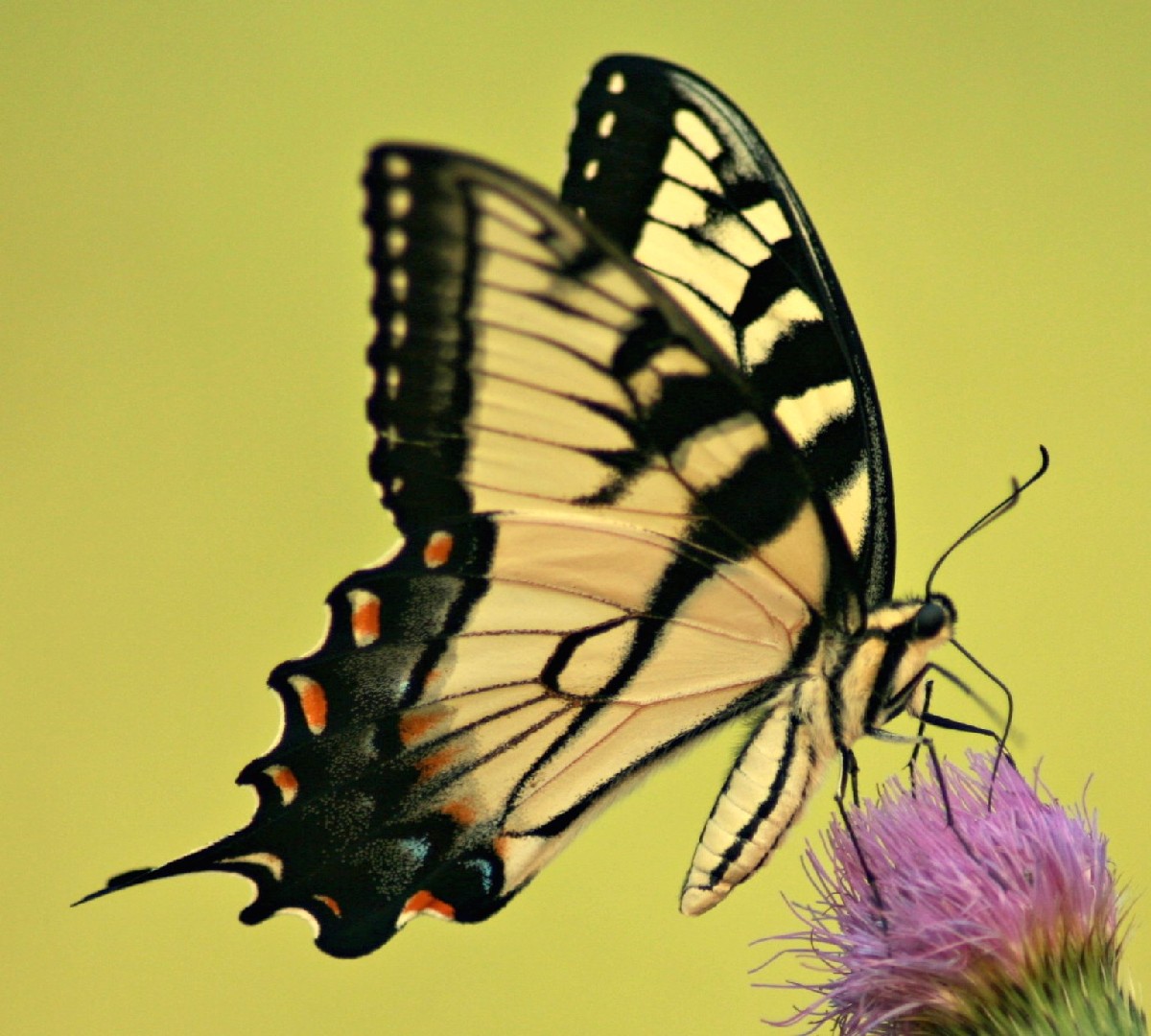
6. Eastern tiger swallowtail
Eastern tiger swallowtail (Papilio glaucus) is among the most recognizable butterflies in the eastern United States, where it inhabits a variety of habitats. This species is diurnal and usually solitary, preferring to fly high above the ground until the time comes to mate. Caterpillars display eyespots to deter birds in between some molting phases.
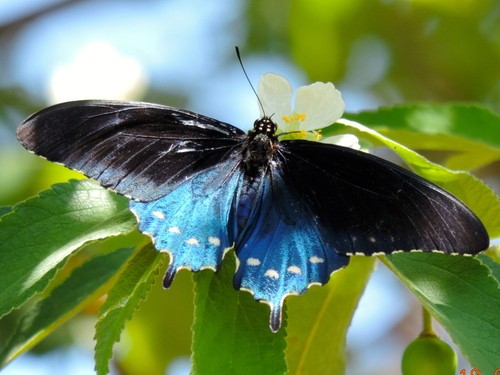
7. Pipevine Swallowtail
The pipevine Swallowtail (Battus philenor) is an insect that is protected globally but is considered a species of special concern in the northern part of their range in Michigan. The name pipevine Swallowtail comes from the common plants that they are hosts of. They are also known as the blue swallowtail due to their brilliant, blue color.
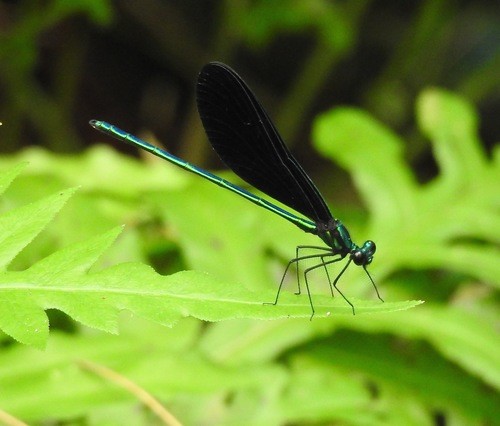
8. Ebony jewelwing
The ebony jewelwing (Calopteryx maculata) is a member of a family called the broad-winged damselflies. This one distinguishes itself by being bright green and metallic, which makes it a unique and beautiful creature. Females are brown and lack the same color as males. They typically hang out around the shaded riverside, giving them something in common with most fishermen.
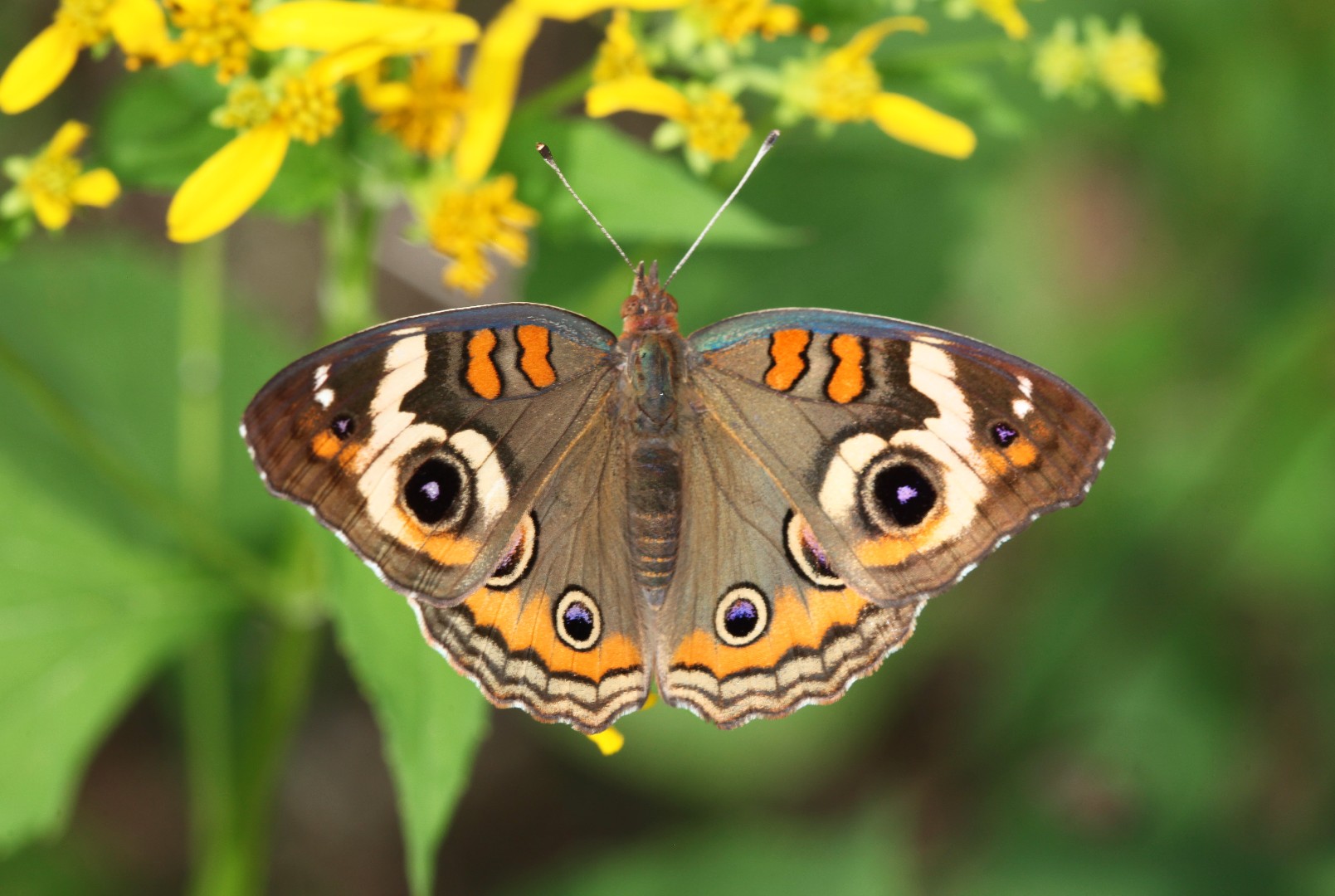
9. Common Buckeye
The common Buckeye (Junonia coenia) has distinguishable target-shaped spots on its dark wings, along with patches of orange and white. It produces multiple generations each year as it migrates to sunny landscapes. When it flies, it moves rapidly in an irregular pattern, often low to the ground.
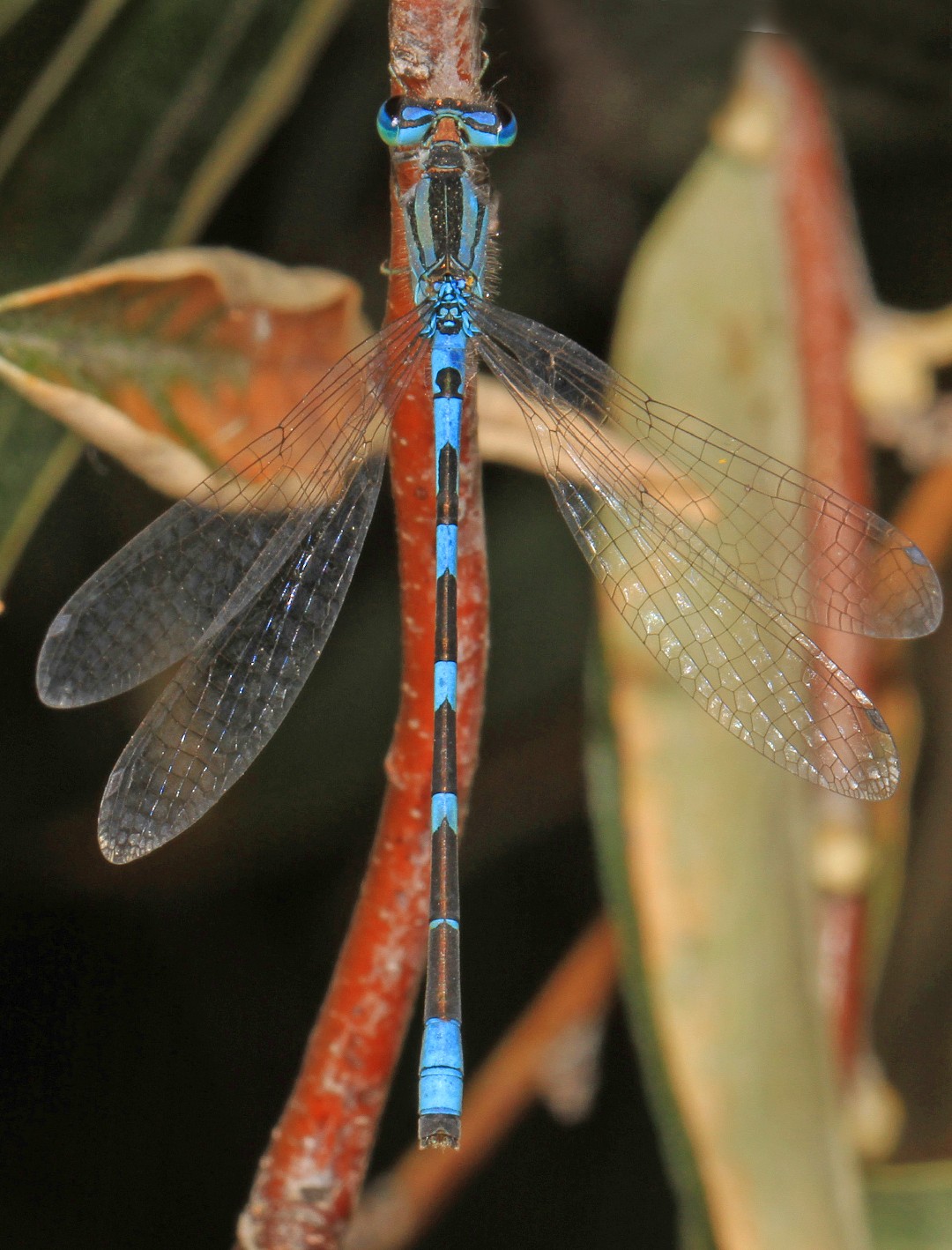
10. Tule bluet
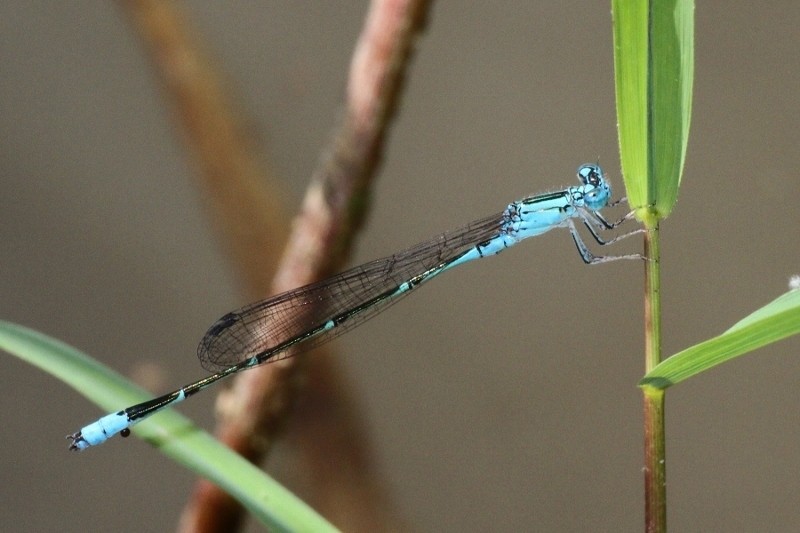
Enallagma carunculatum is a dragonfly in the family of the brown dragonflies (Coenagrionidae). It is native to North America.

More







