




Top 20 Most Common Insects in Ozark
Insects, a diverse group of arthropods, punctuate the streets and woodlands of Ozark with their fascinating lives. From dialing down pest population to assisting in pollination, they serve pivotal roles in our ecosystem. Through our list of the top 20 most common insects in Ozark, you'll gain an appreciation for how deeply Ozark's environment is entwined with these omnipresent creatures.

Most Common Insects
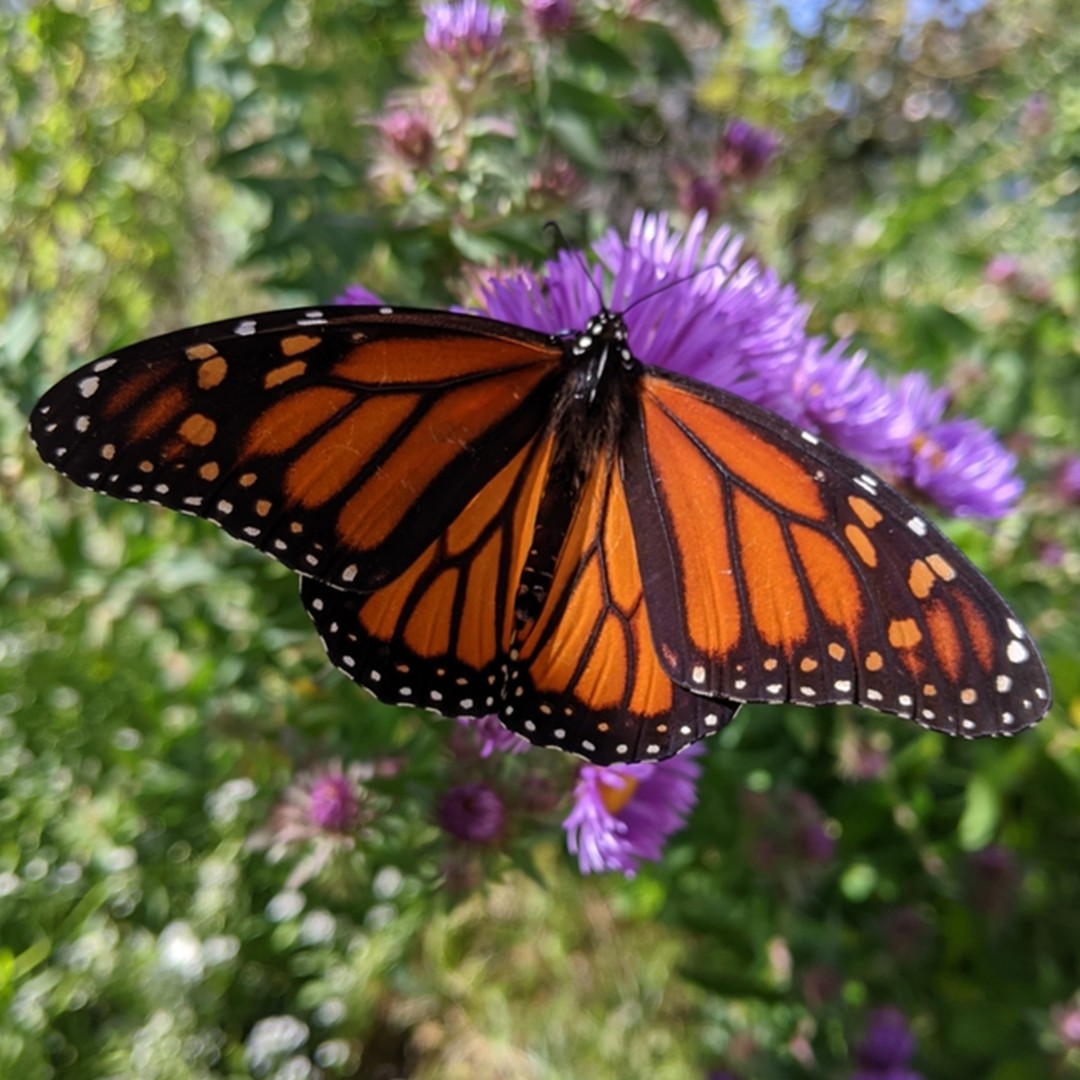
1. Monarch butterfly
The monarch butterfly (Danaus plexippus) is the most recognizable butterfly in North America. It is best known for its appearance, but should be better known for the fact that it has a 3000-mile migration that takes the butterfly 4 generations to complete. Their diet is also a natural deterrent for predators, as they eat milkweed, a poison that induces vomiting.
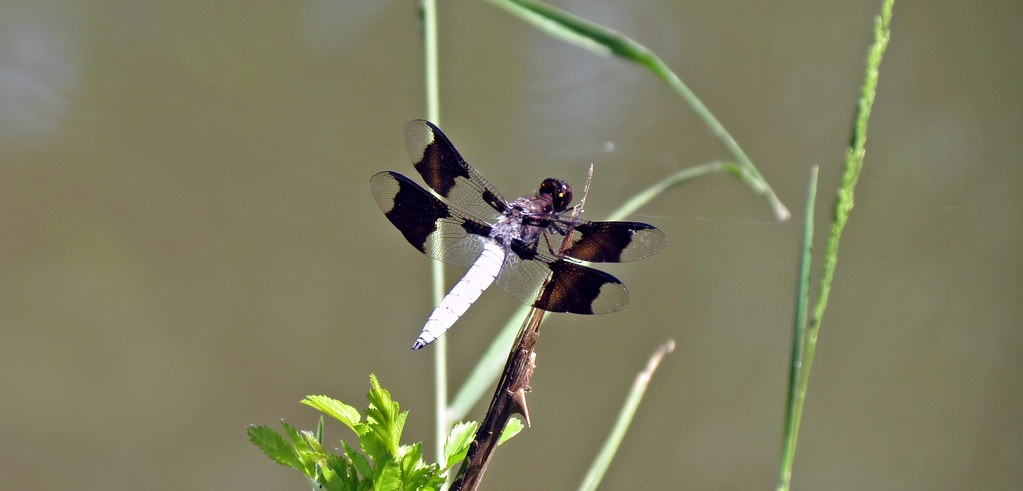
2. Common whitetail skimmer
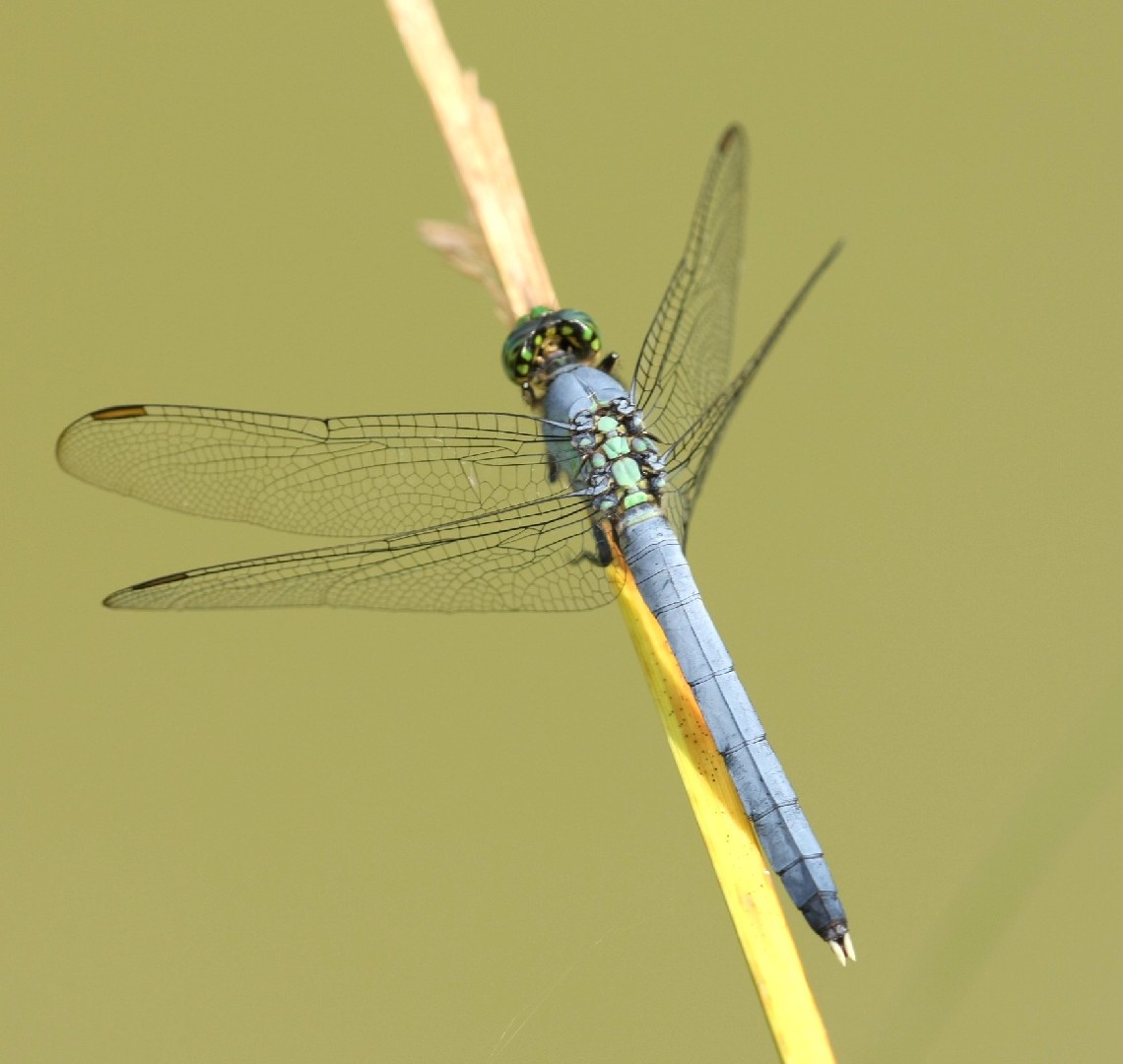
Common whitetail skimmer has black bands on its translucent wings which make it easy to identify. The common whitetail skimmer is found throughout North America and serves a vital ecological purpose. The dragonfly’s compound eyes provide it with a 360-degree field of vision, allowing it to spot prey like spiders and other nuisance insects.

3. Spicebush swallowtail
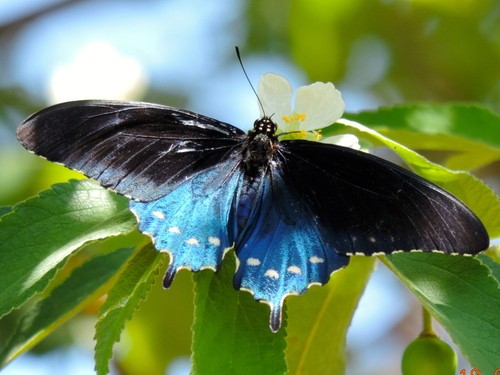
The spicebush swallowtail (Papilio troilus) is a butterfly with an extreme love for plants in the Lauraceae family, such as spicebushes. Their preference is so strong that an experiment proved they would rather die than choose another host. Their two subspecies, *T. troilus *troilus and *T. troilus *ilioneus, differ based on location. The *T. troilus *ilioneus has more bluish spots and prefers redbay and swampbay plants.
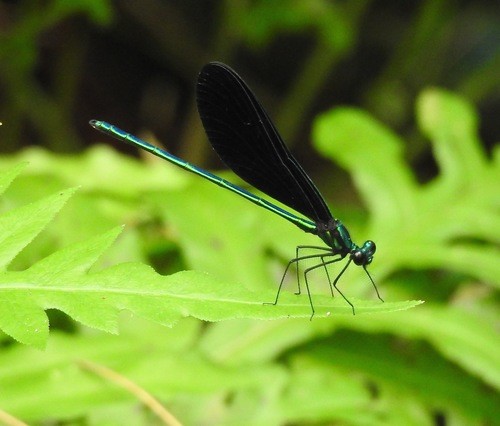
4. Ebony jewelwing
The ebony jewelwing (Calopteryx maculata) is a member of a family called the broad-winged damselflies. This one distinguishes itself by being bright green and metallic, which makes it a unique and beautiful creature. Females are brown and lack the same color as males. They typically hang out around the shaded riverside, giving them something in common with most fishermen.
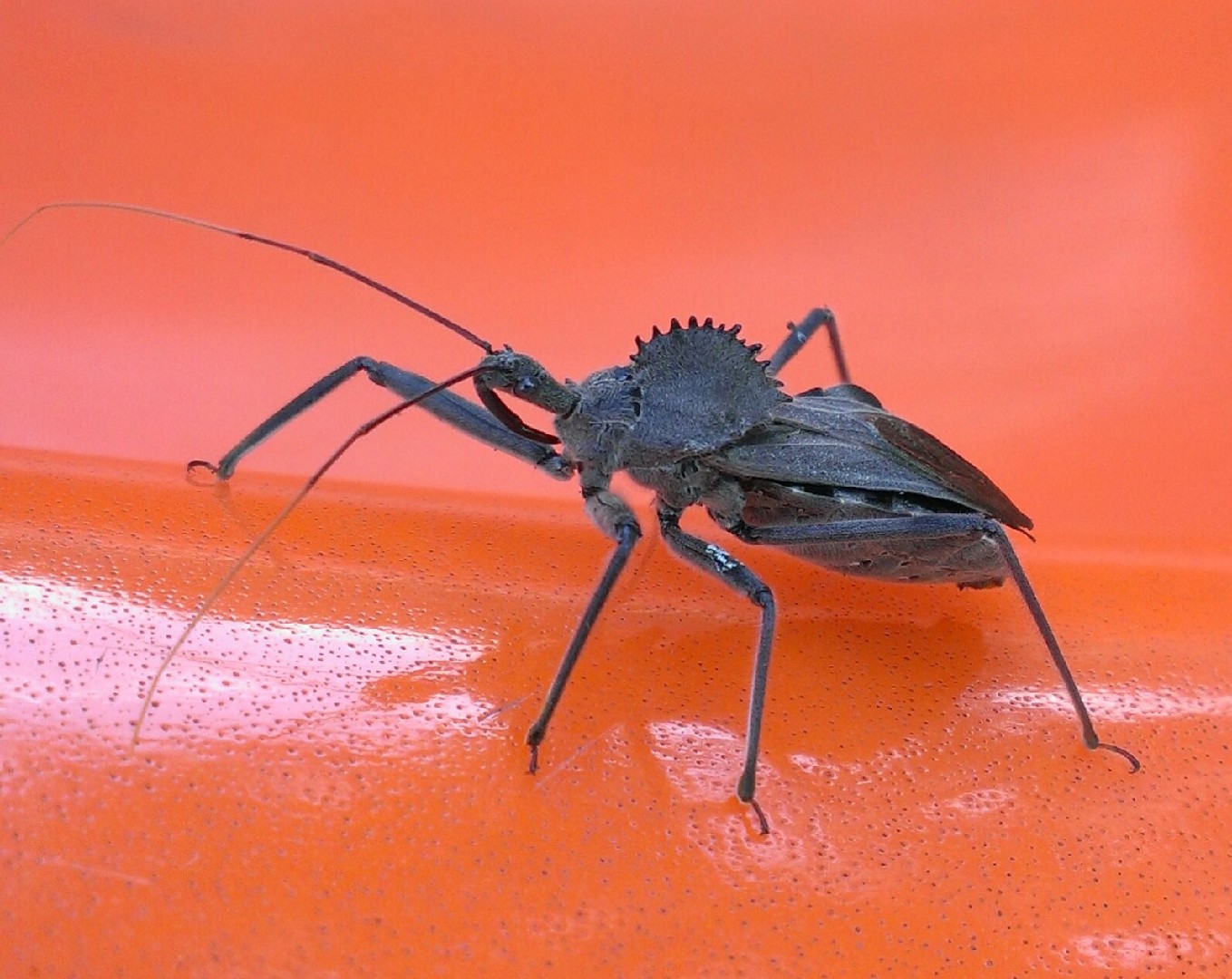
5. Wheel Bug
The wheel Bug (Arilus cristatus) gets its name from the spiked wheel on the top of his head. The punk rock look suits these bugs, as their bite tends to be more painful than a bee sting. Another nickname, assassin bug, is earned through its hunting of many bugs we would consider as crop pests and indoor pests. Their saliva is toxic, usually killing prey within 30 seconds of injection.
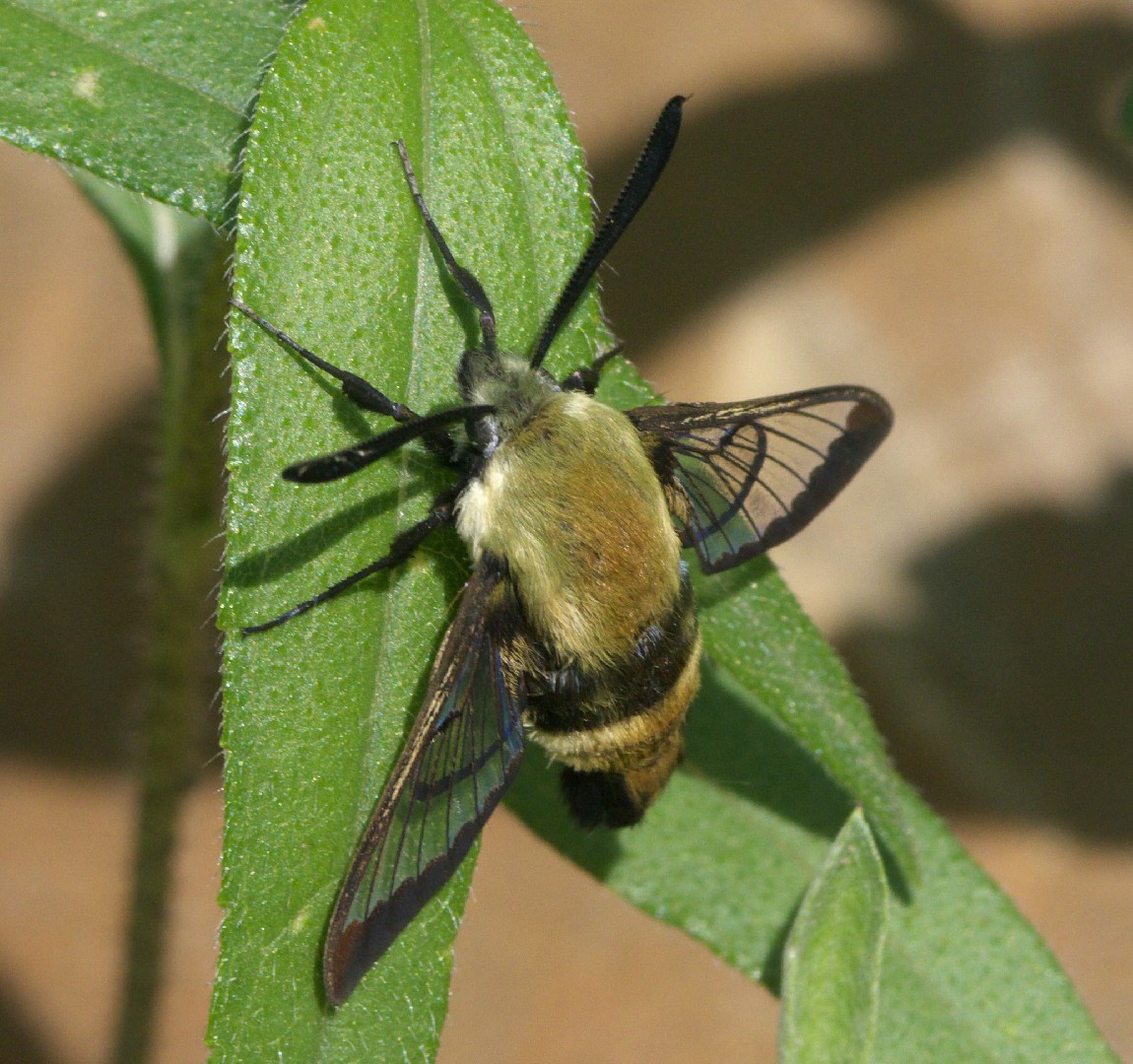
6. Hummingbird moth
The hummingbird moth (Hemaris diffinis) is a moth species, but it more closely resembles a bumblebee. It even feeds on nectar from flowers, similar to the bug it resembles. This coloring is there to scare off predators, making them think that this bug will cause a painful sting. However, these moths are actually harmless.
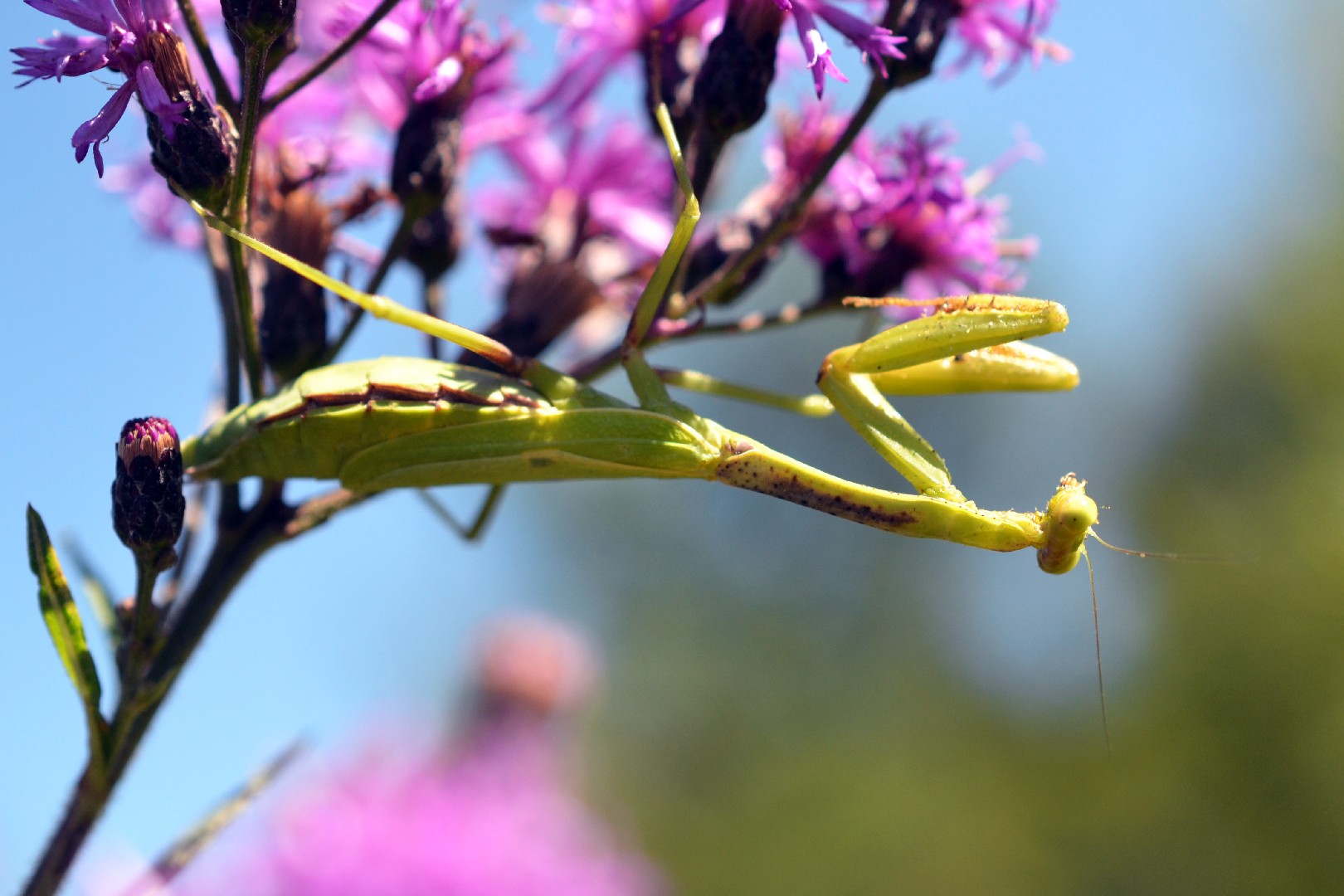
7. Carolina Mantis
The carolina Mantis (Stagmomantis carolina) is a dusty brown mantis where the females are larger than the males, but the males can fly. Under laboratory conditions, females have been observed cannibalizing their mate. However, this has not been observed under natural circumstances.
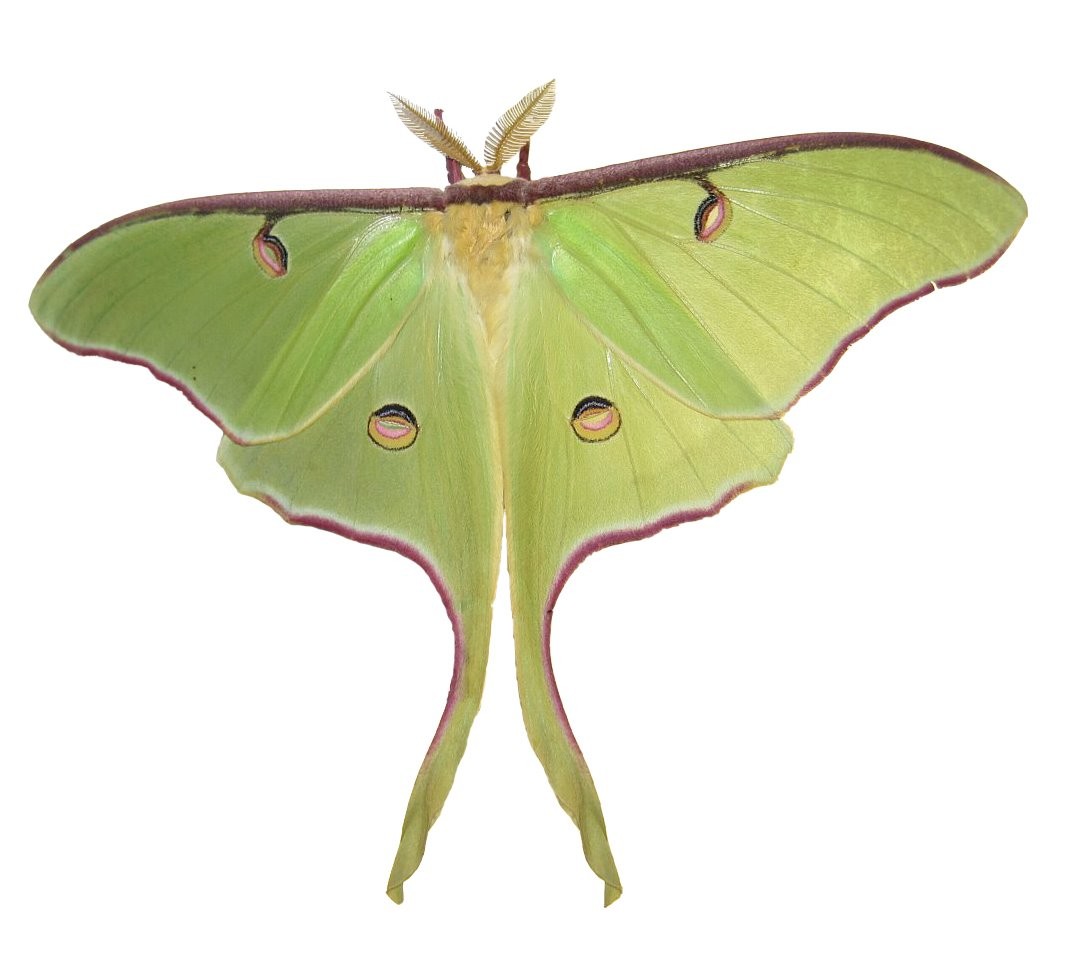
8. Luna Moth
The luna Moth (Actias luna) is a beautiful moth with lime-green wings and a white body. It warns away those who approach with clicking noises. If this fails, it will expel the contents of its intestines, which will deter most predators. Its long tail is also thought to confuse bats by messing with their echolocation.
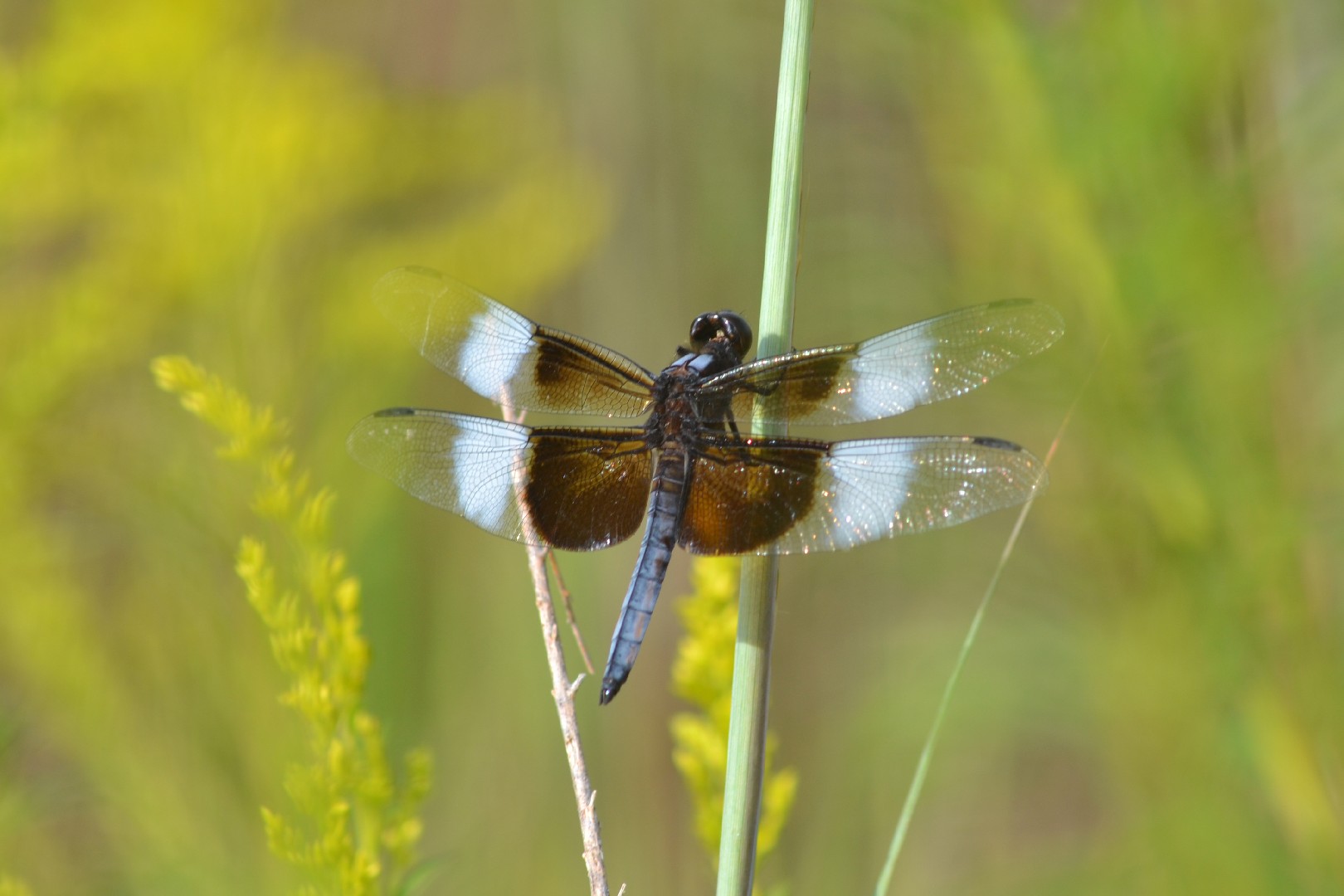
9. Widow skimmer
The widow skimmer (Libellula luctuosa) is a large insect that grows to be incredibly large with a bulbous head and body. As they age, they are known to grow whitish, much like our grandparents' hair. They live in the water until their final molt, where they reveal their wings, it is at this point it reveals why it has part of a group called the king skimmers.

10. Multicolored asian ladybeetle
Often confused for the ladybug, multicolored asian ladybeetle (Harmonia axyridis) is a separate species that, unlike the ladybug, is a household pest. It is considered particularly annoying for its habit of returning to places from which it is removed. One of the most variable species in the world, there are many different colors and patterns multicolored asian ladybeetle may display, making identification potentially difficult.
More







