




Top 20 Most Common Insects in Billings
Welcome to an enlightening exploration of the Top 20 most common insects in Billings. These creatures, highly distinguished by their 6-legged form and astounding adaptability, serve as integral parts of our urban ecosystem, from pests that challenge us, to beneficial insects that aid in pollination and pest control. Understanding their existence in Billings not only enriches our knowledge of biodiversity but also highlights the delicate balance of nature thriving amidst urban life.

Most Common Insects
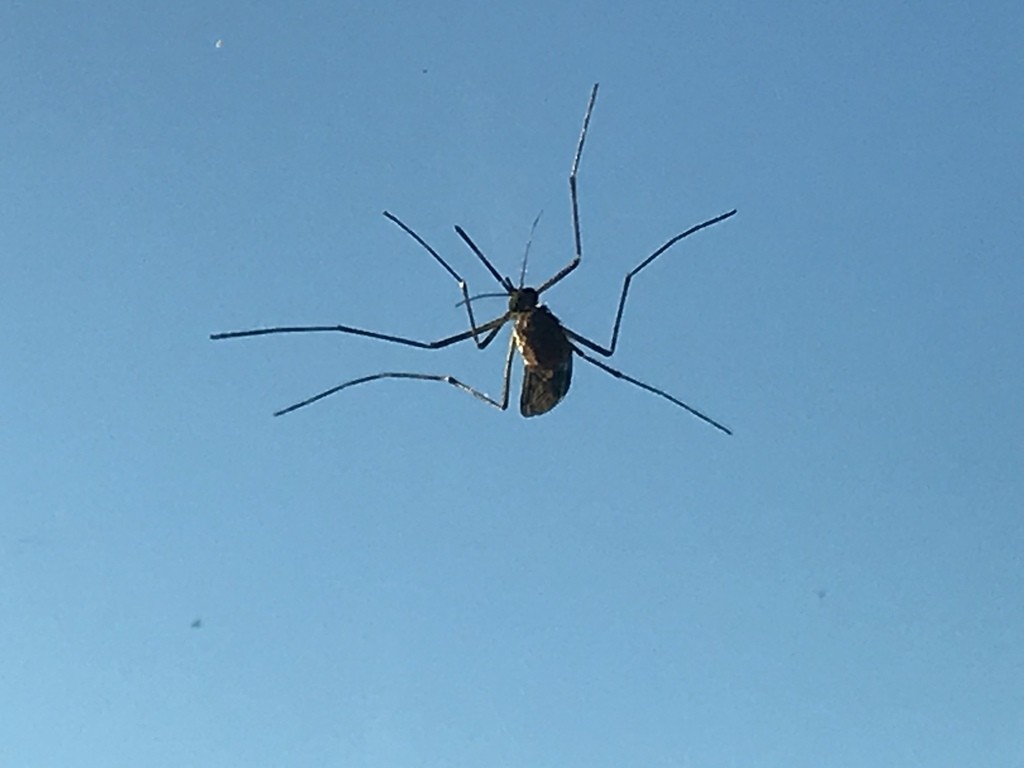
1. Western encephalitis mosquito
Depending on the species, the adult Culex mosquito may measure from 4–10 mm (0.2–0.4 in). The adult morphology is typical of flies in the suborder Nematocera with the head, thorax, and abdomen clearly defined and the two forewings held horizontally over the abdomen when at rest. As in all Diptera capable of flight, the second pair of wings is reduced and modified into tiny, inconspicuous halteres. Formal identification is important in mosquito control, but it is demanding and requires careful measurements of bodily proportions and noting the presence or absence of various bristles or other bodily features. In the field, informal identification is more often important, and the first question as a rule is whether the mosquito is anopheline or culicine. Given a specimen in good condition, one of the first things to notice is the length of the maxillary palps. Especially in the female, palps as long as the proboscis are characteristic of anopheline mosquitoes. Culicine females have short palps. Anopheline mosquitoes tend to have dappled or spotted wings, while culicine wings tend to be clear. Anopheline mosquitoes tend to sit with their heads low and their rear ends raised high, especially when feeding, while culicine females keep their bodies horizontal. Anopheline larvae tend to float horizontal at the surface of the water when not in motion, whereas culicine larvae float with head low and only the siphon at the tail held at the surface. 
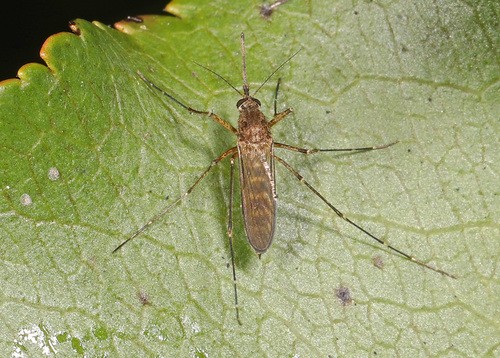
2. Inland floodwater mosquito
A common species of mosquito, inland floodwater mosquito (Aedes vexans) is often encountered near areas containing water such as grassy pools, shallow ponds, and even wet ditches. Only the females bite humans for their blood, as males subsist upon nectar and sap. Inland floodwater mosquito is a noted carrier of diseases such as Zika virus and myxomatosis.

3. Aedes dorsalis
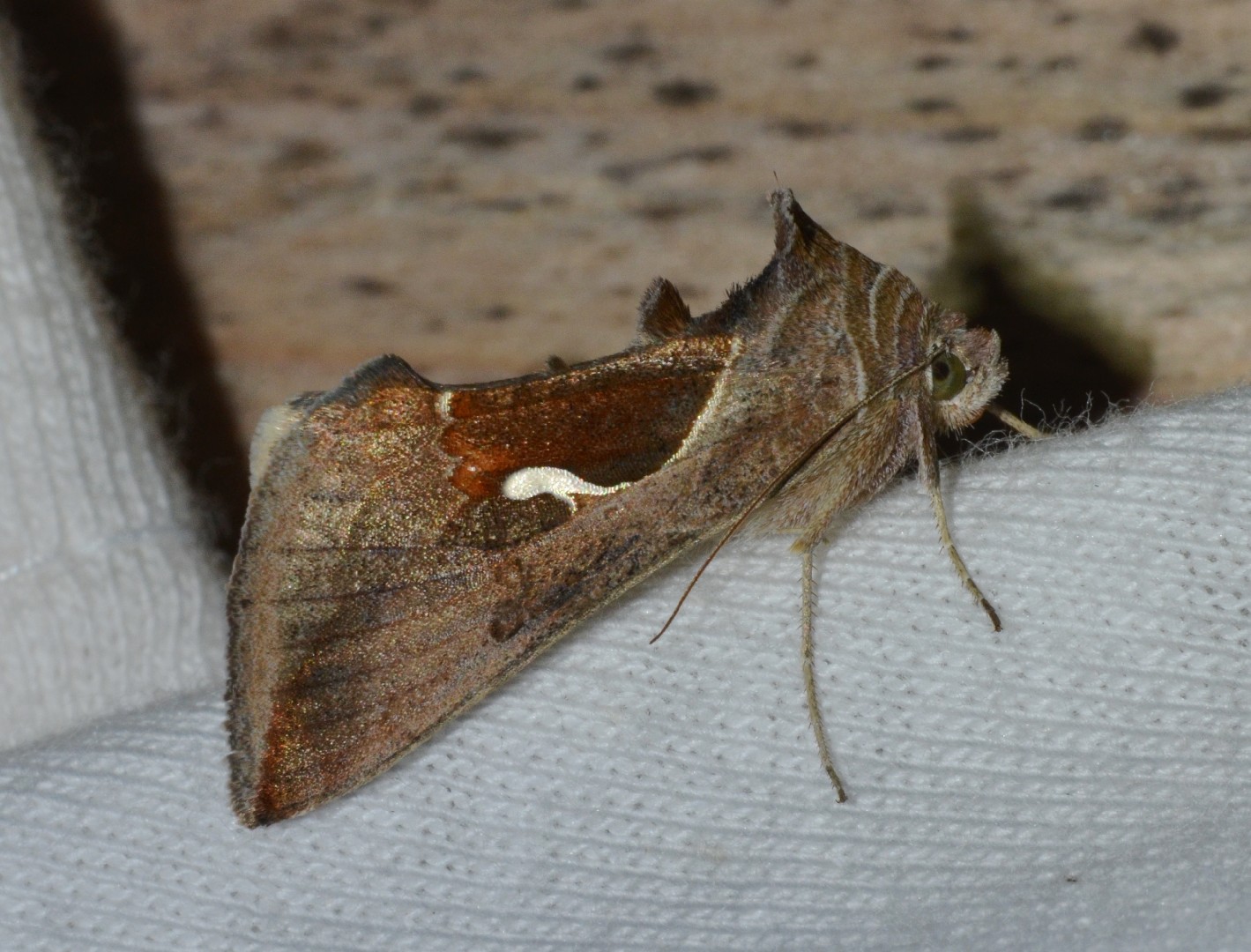
4. Celery looper
The wingspan is 3.5 - 4 cm .
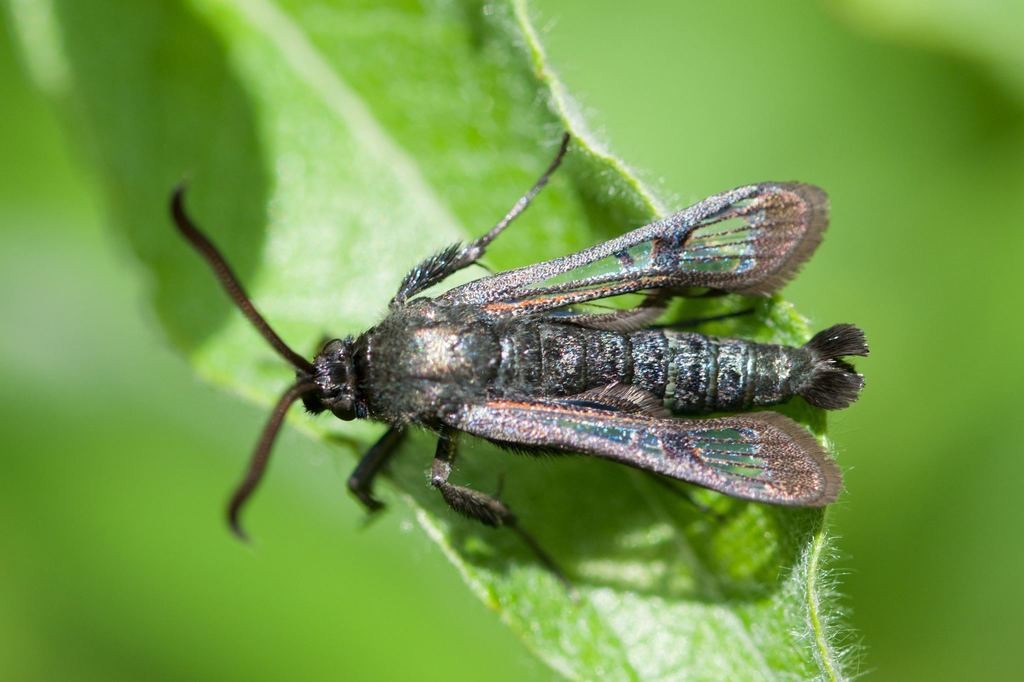
5. Fireweed clearwing moth
Albuna pyramidalis, the fireweed clearwing moth, is a species of clearwing moth in the family Sesiidae. The MONA or Hodges number for Albuna pyramidalis is 2533.
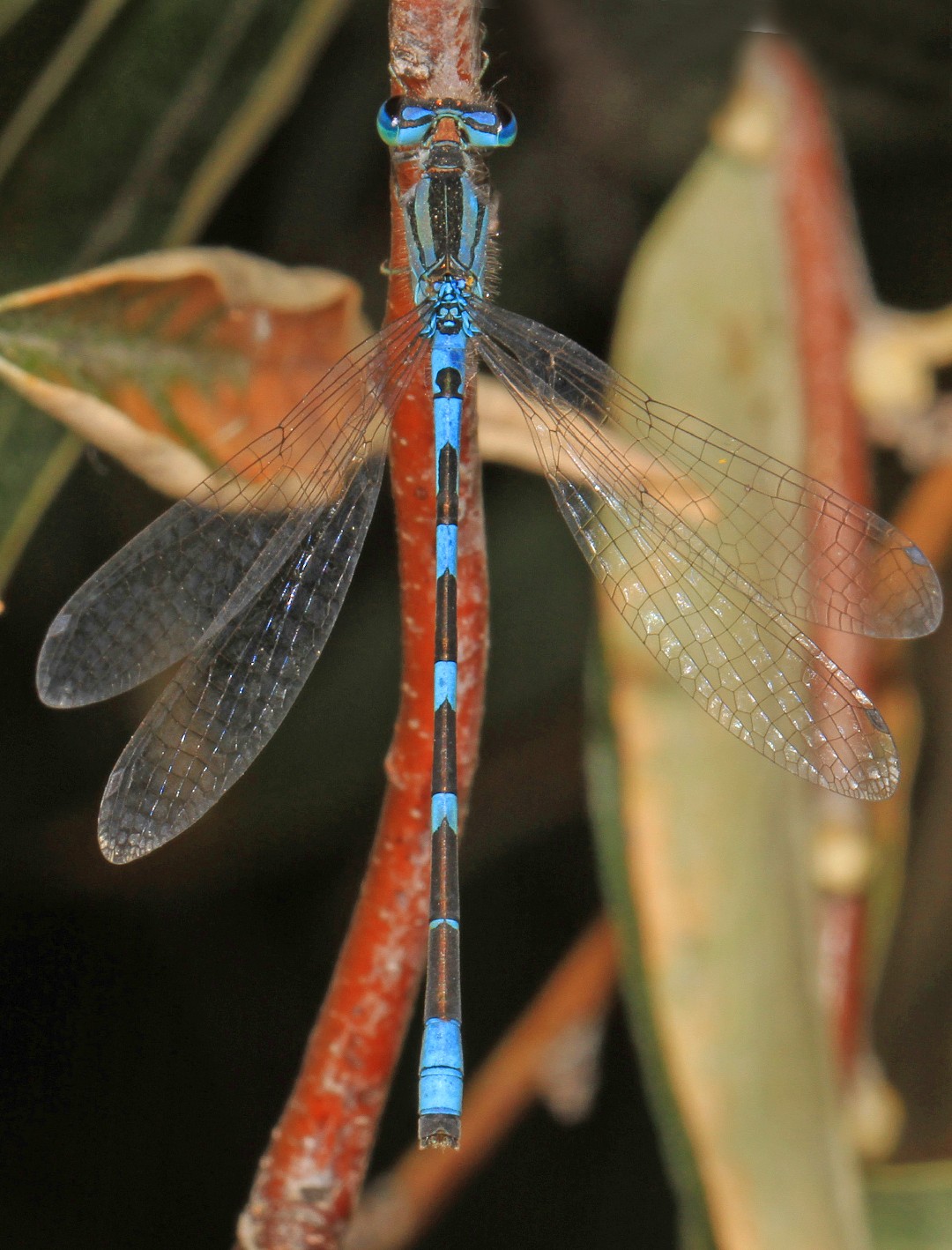
6. Tule bluet
Enallagma carunculatum is a dragonfly in the family of the brown dragonflies (Coenagrionidae). It is native to North America.
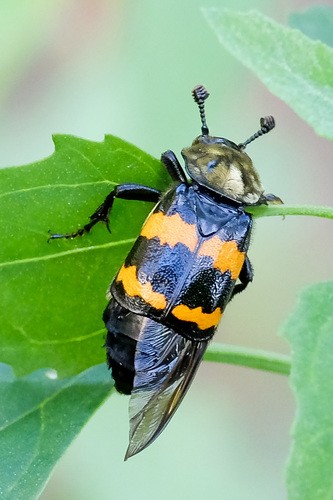
7. Tomentose burying beetle
The tomentose burying beetle (Nicrophorus tomentosus) is also called the gold necked carrion beetle due to the two bright bands on its back. They are also one of the few insects that engage in cooperative parental care. Males and females will place their eggs underneath a carcass, where they may need to remove the soil. Both males and females cooperate in the defense of this carcass as their young grow.

8. Lyre-tipped spreadwing
Lestes unguiculatus, the lyre-tipped spreadwing, is a species of spreadwing in the damselfly family Lestidae. It is found in North America. The IUCN conservation status of Lestes unguiculatus is "LC", least concern, with no immediate threat to the species' survival. The population is stable. The IUCN status was reviewed in 2017.
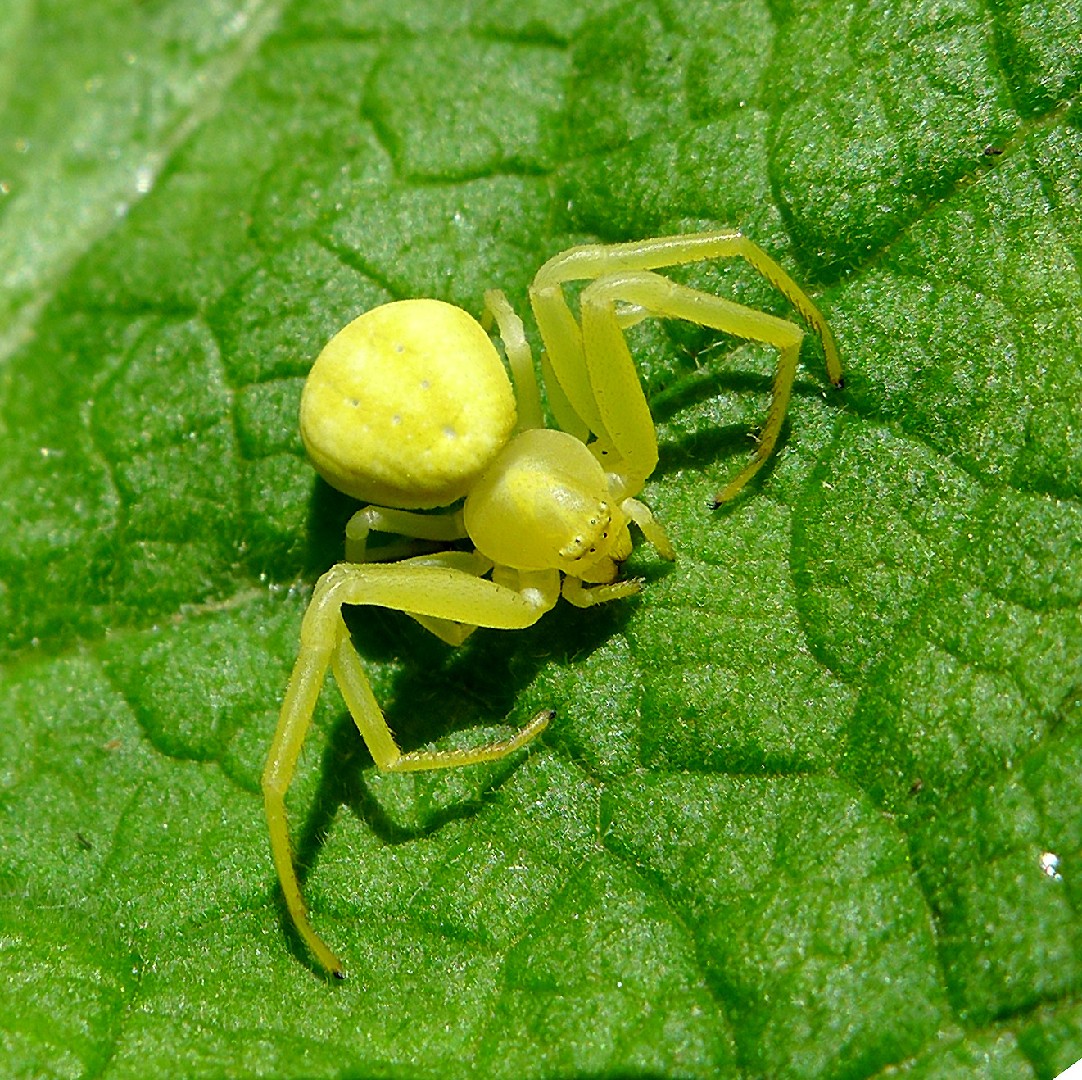
9. Goldenrod crab spider
Rather than for its coloring, goldenrod crab spider (Misumena vatia) is named for its tendency to hunt within sprays of goldenrod. This species is capable of catching and consuming prey several times larger than itself, such as dragonflies or grasshoppers. Loyal parents, the females will guard their eggs until they hatch and the tiny spiders disperse, after which the female will die.
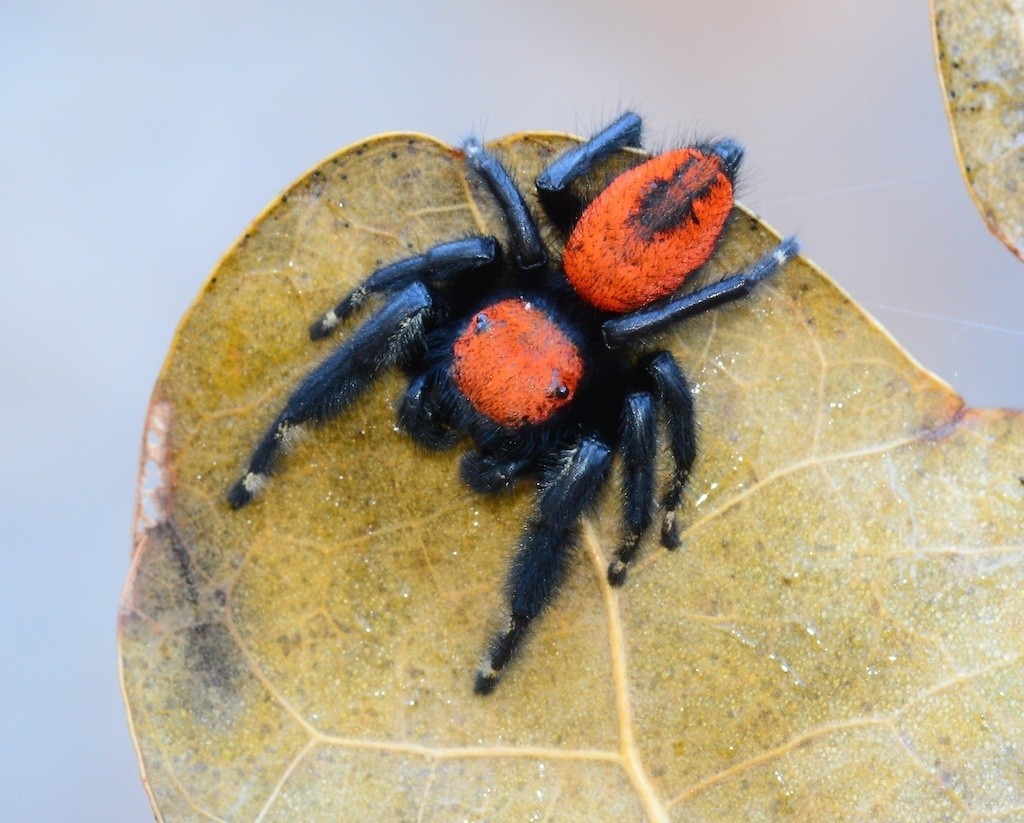
10. Red velvet jumping spider
Phidippus apacheanus is a species of jumping spider in the family Salticidae. It is found in the United States, Mexico, and Cuba.
More







