




Top 20 Most Common Insects in Great Falls
Insects, those tiny creatures that often scuttle or flutter by, play pivotal roles in Great Falls's ecosystem. From aiding in pollination to maintaining soil health, their existence is much more than meets the eye. In our journey to discover the 'Top 20 most common insects of Great Falls', you'll learn how certain bugs can both enhance and disrupt a city's environment.

Most Common Insects
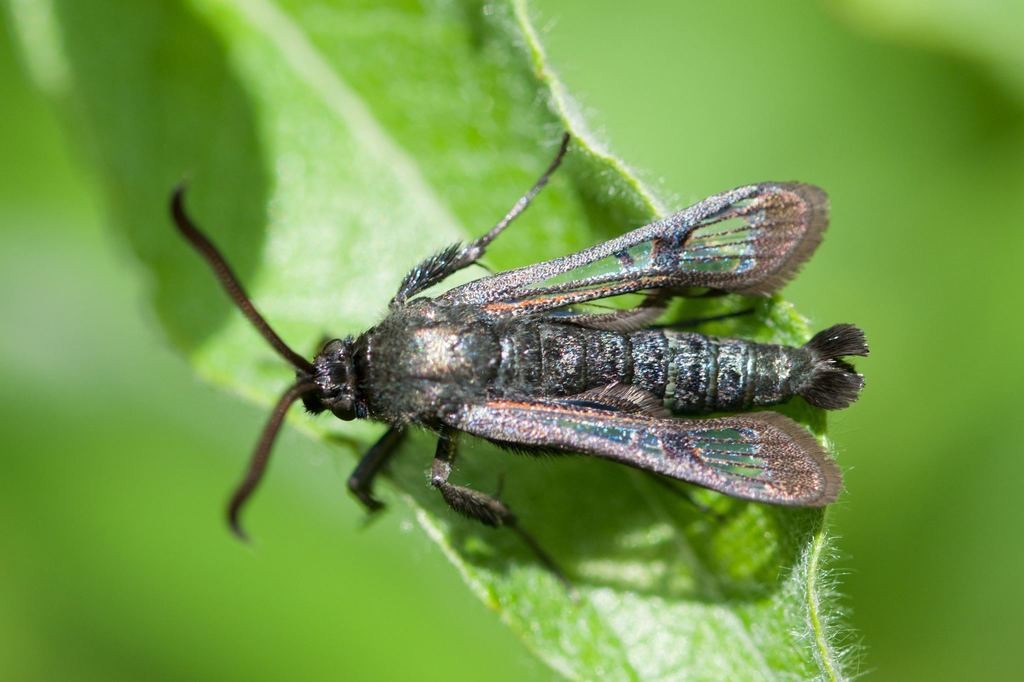
1. Fireweed clearwing moth
Albuna pyramidalis, the fireweed clearwing moth, is a species of clearwing moth in the family Sesiidae. The MONA or Hodges number for Albuna pyramidalis is 2533. 
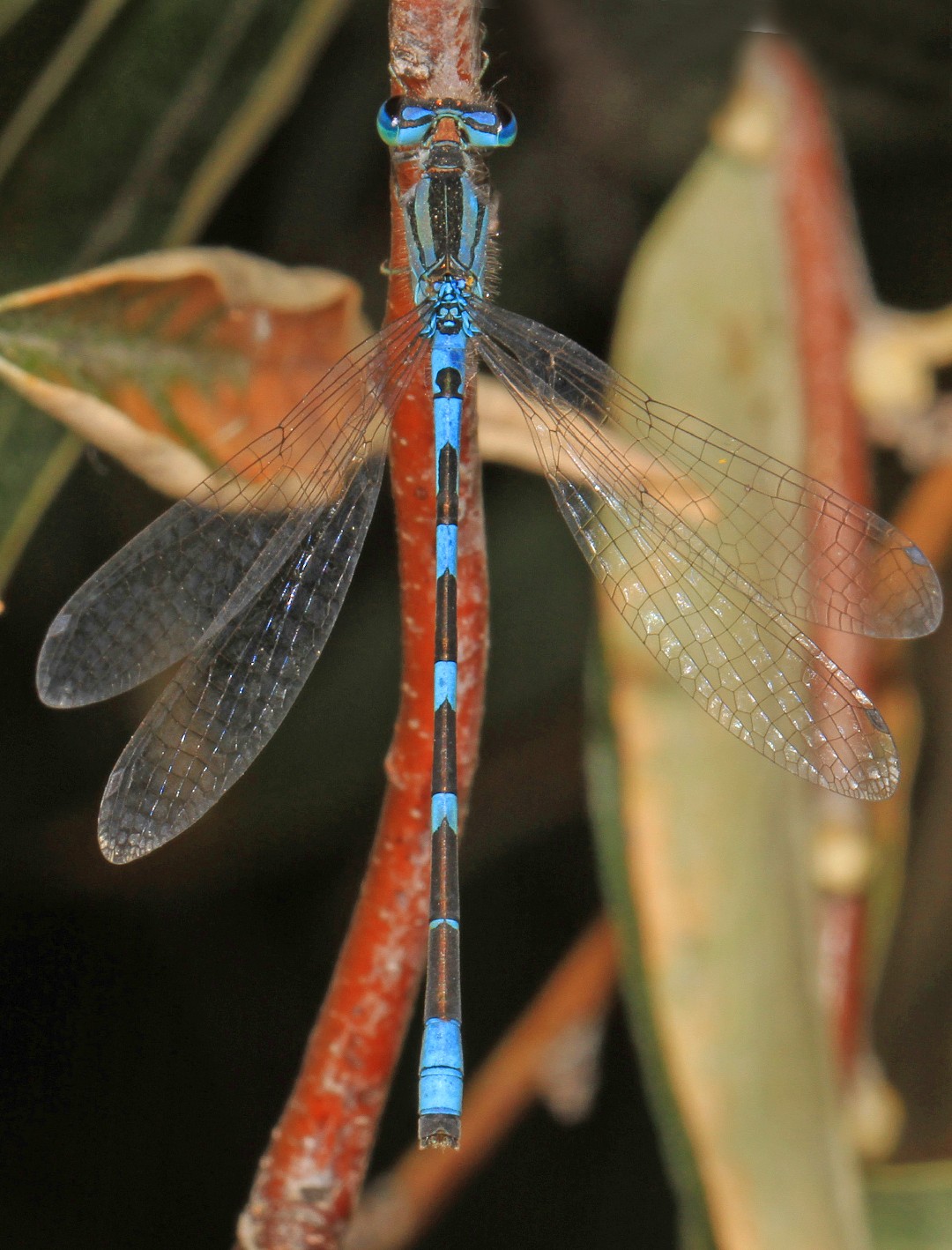
2. Tule bluet
Enallagma carunculatum is a dragonfly in the family of the brown dragonflies (Coenagrionidae). It is native to North America.

3. Lyre-tipped spreadwing
Lestes unguiculatus, the lyre-tipped spreadwing, is a species of spreadwing in the damselfly family Lestidae. It is found in North America. The IUCN conservation status of Lestes unguiculatus is "LC", least concern, with no immediate threat to the species' survival. The population is stable. The IUCN status was reviewed in 2017.
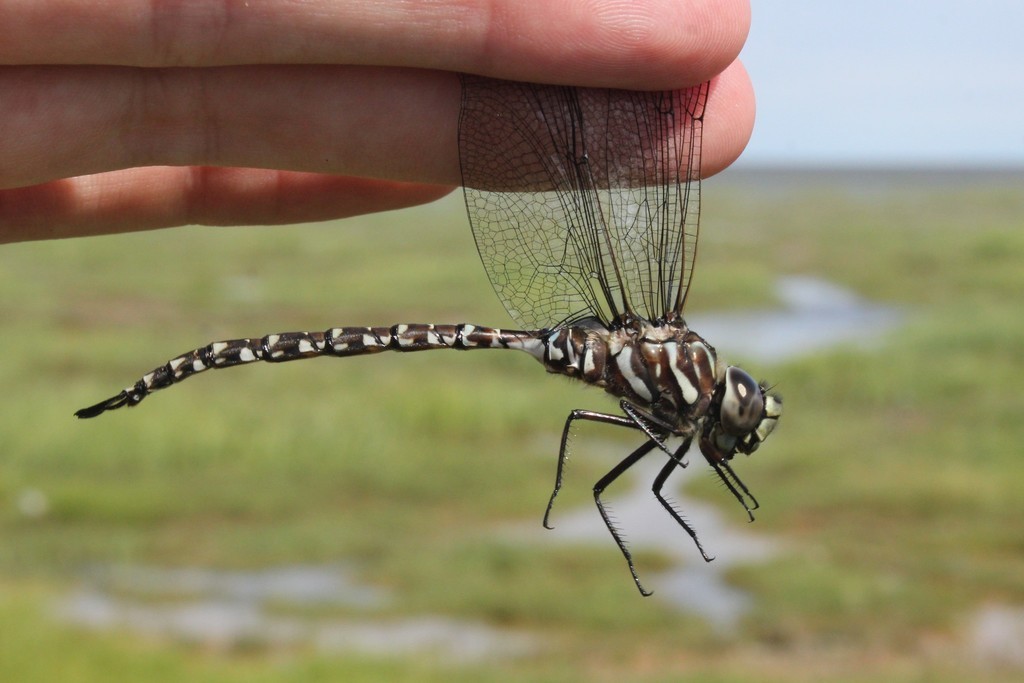
4. Subarctic darner
Aeshna subarctica, the subarctic darner, is a species of darner in the family Aeshnidae. It is found in Europe and Northern Asia (excluding China) and North America. The IUCN conservation status of Aeshna subarctica is "LC", least concern, with no immediate threat to the species' survival. The population is stable.
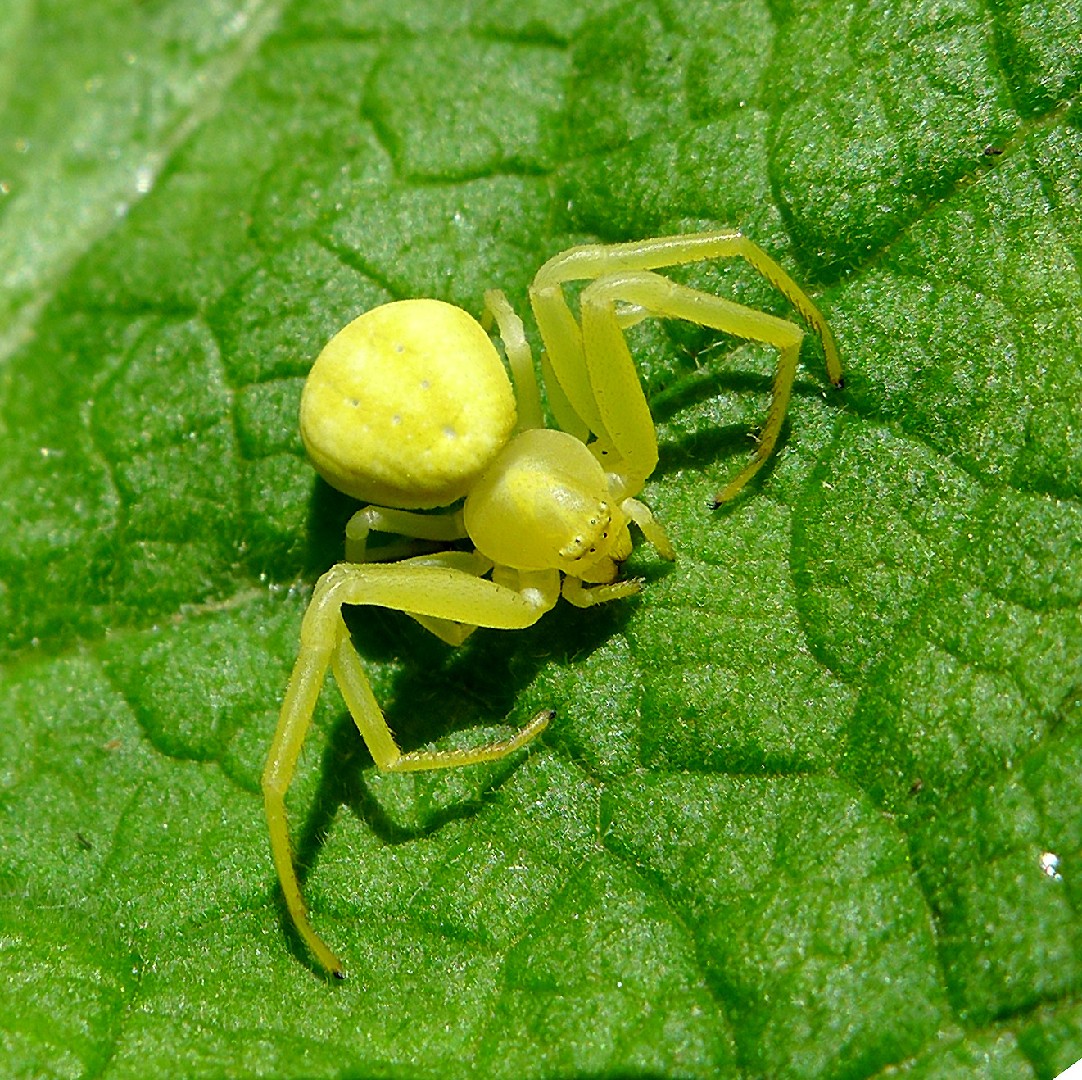
5. Goldenrod crab spider
Rather than for its coloring, goldenrod crab spider (Misumena vatia) is named for its tendency to hunt within sprays of goldenrod. This species is capable of catching and consuming prey several times larger than itself, such as dragonflies or grasshoppers. Loyal parents, the females will guard their eggs until they hatch and the tiny spiders disperse, after which the female will die.
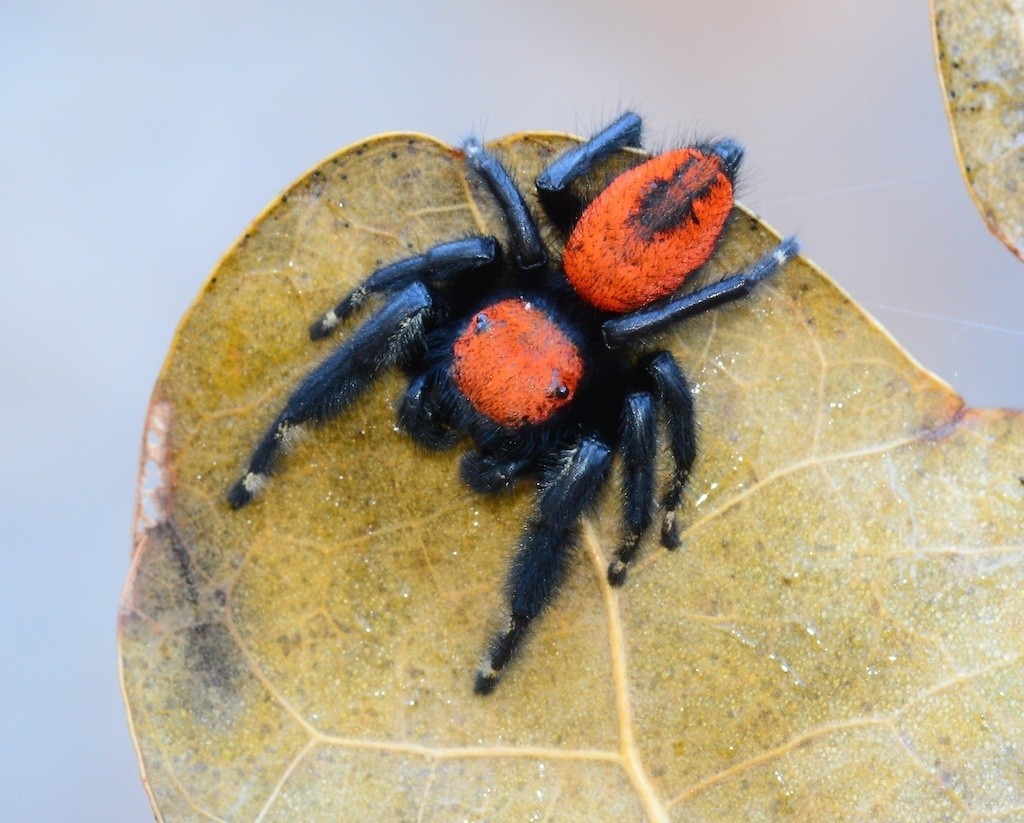
6. Red velvet jumping spider
Phidippus apacheanus is a species of jumping spider in the family Salticidae. It is found in the United States, Mexico, and Cuba.
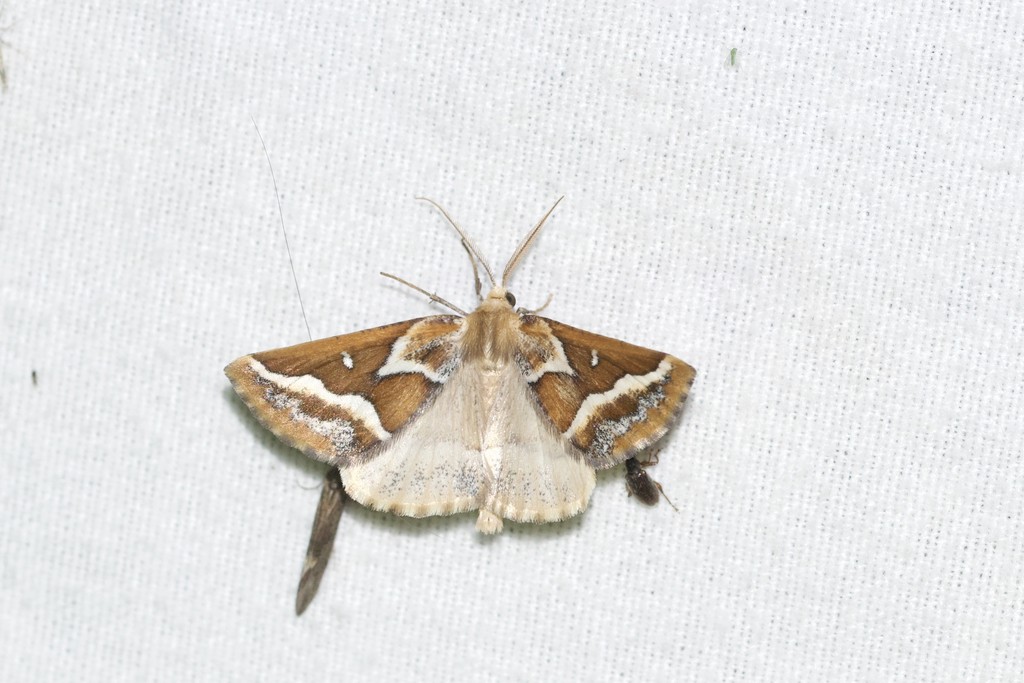
7. Brown pine looper
Caripeta angustiorata, known generally as the brown pine looper or oblique girdle, is a species of geometrid moth in the family Geometridae. It is found in North America. The MONA or Hodges number for Caripeta angustiorata is 6867.
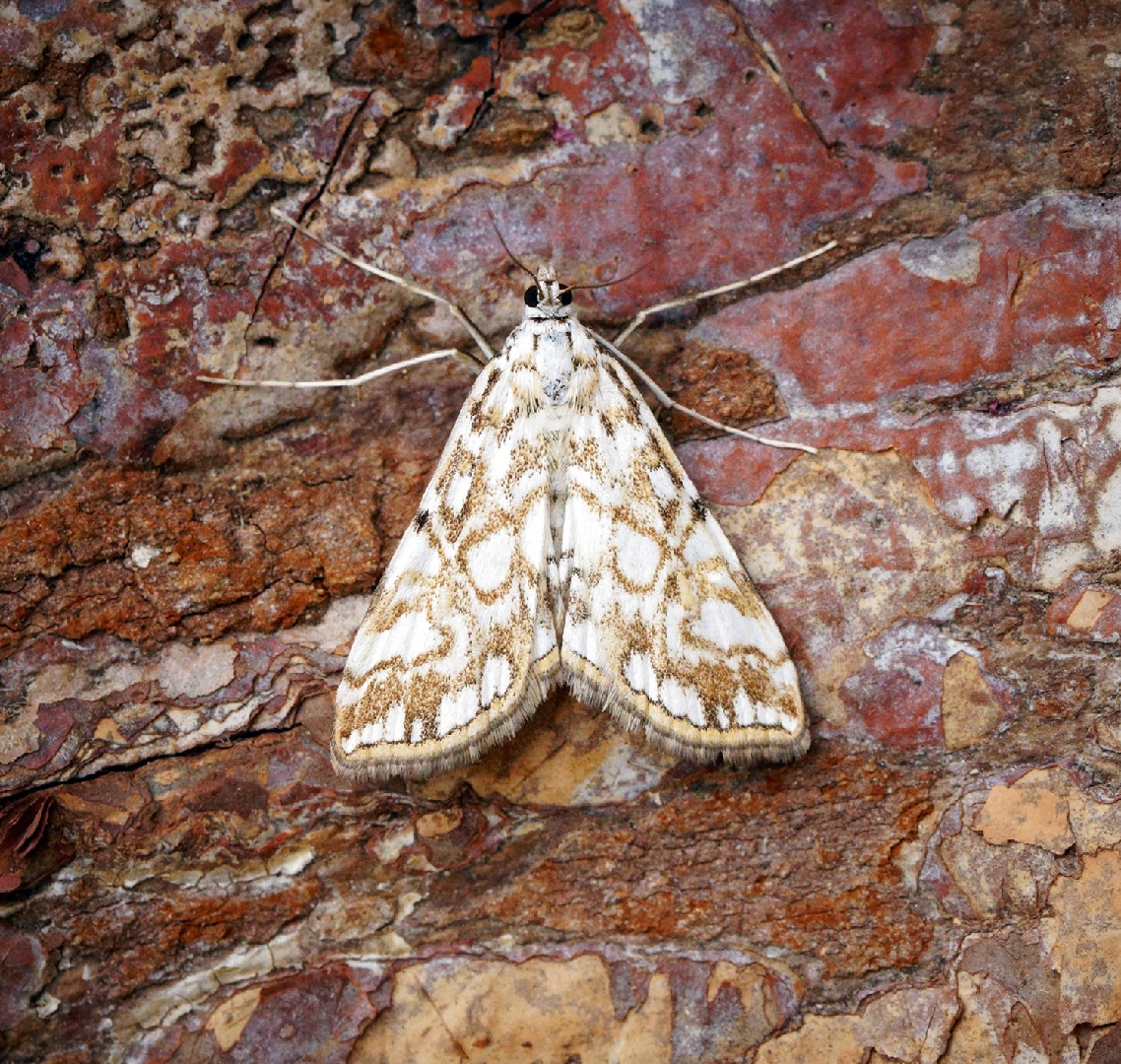
8. Scallop shell moth
Rheumaptera undulata, the scallop shell, is a moth of the family Geometridae. It was first described by Carl Linnaeus in his 1758 10th edition of Systema Naturae. It is found in most of the Palearctic realm and North America. The wingspan is 25–30 mm. The ground colour of the forewings is pale. The crosslines are darker, wavy, evenly spaced and numerous. The outer margin is pale brown with a scalloped fringe. The hindwings resemble the forewings but are paler. There is one generation per year with adults on wing from the end of May to August in Europe. The larvae feed on birch (including Betula verrucosa and B. pubescens), Vaccinium (including V. myrtillus and V. uliginosum) and willow species (including Salix myrtilloides, S. caprea, S. aurita, S. cinerea, S. myrsinifolia and S. phylicifolia), as well as aspen {Populus tremula), Populus balsamifera, Berberis vulgaris, Ribes alpinum, Spiraea salicifolia, rowan (Sorbus aucuparia), Elaeagnus commutata and Myrica gale. Larvae can be found in August and September. It overwinters as a pupa.
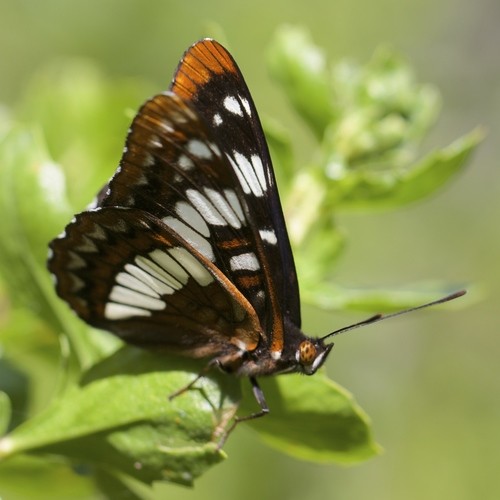
9. Lorquin's admiral
The lorquin's admiral has brown-black wings, each with a row of white spots across it. Its forewings have orange tips. The wingspan is 4.5 - 7 cm; females are generally larger than males. Larvae are usually yellow with a patch of white on the back.
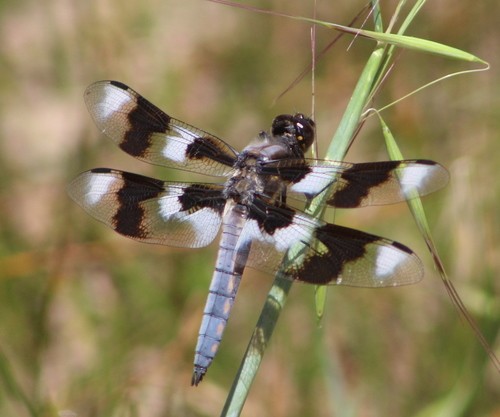
10. Eight-spotted skimmer
The eight-spotted skimmer (Libellula forensis) is identified by the eight black markings on its wings. It is occasionally confused with the Twelve-spotted skimmer that is sometimes called the Ten-spotted skimmer. You may attempt to desperately count the number of spots on these fast-moving skimmers, but the major differentiation in this one is the lack of black tips on their wings.
More







