




Top 20 Most Common Insects in Pahrump
Insects, those ubiquitous creatures distinctive for their body segments and thrumming wings, find vibrant habitats in the cityscape of Pahrump. Ranging from bothersome pests to crucial pollinators, the top 20 insects in Pahrump play vital roles in maintaining the city's ecosystem. By understanding their significance, we can better comprehend the intricate connections between urban environments and their six-legged denizens.

Most Common Insects

1. Blue dasher
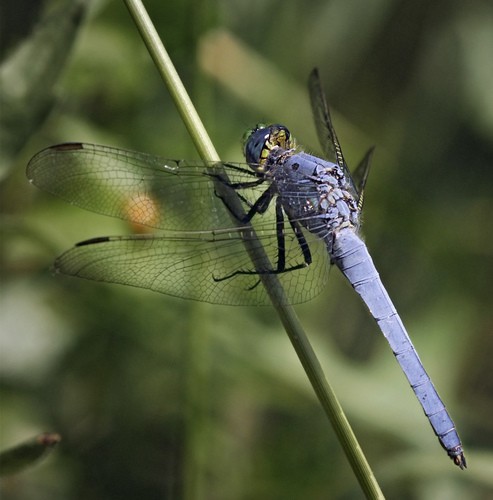
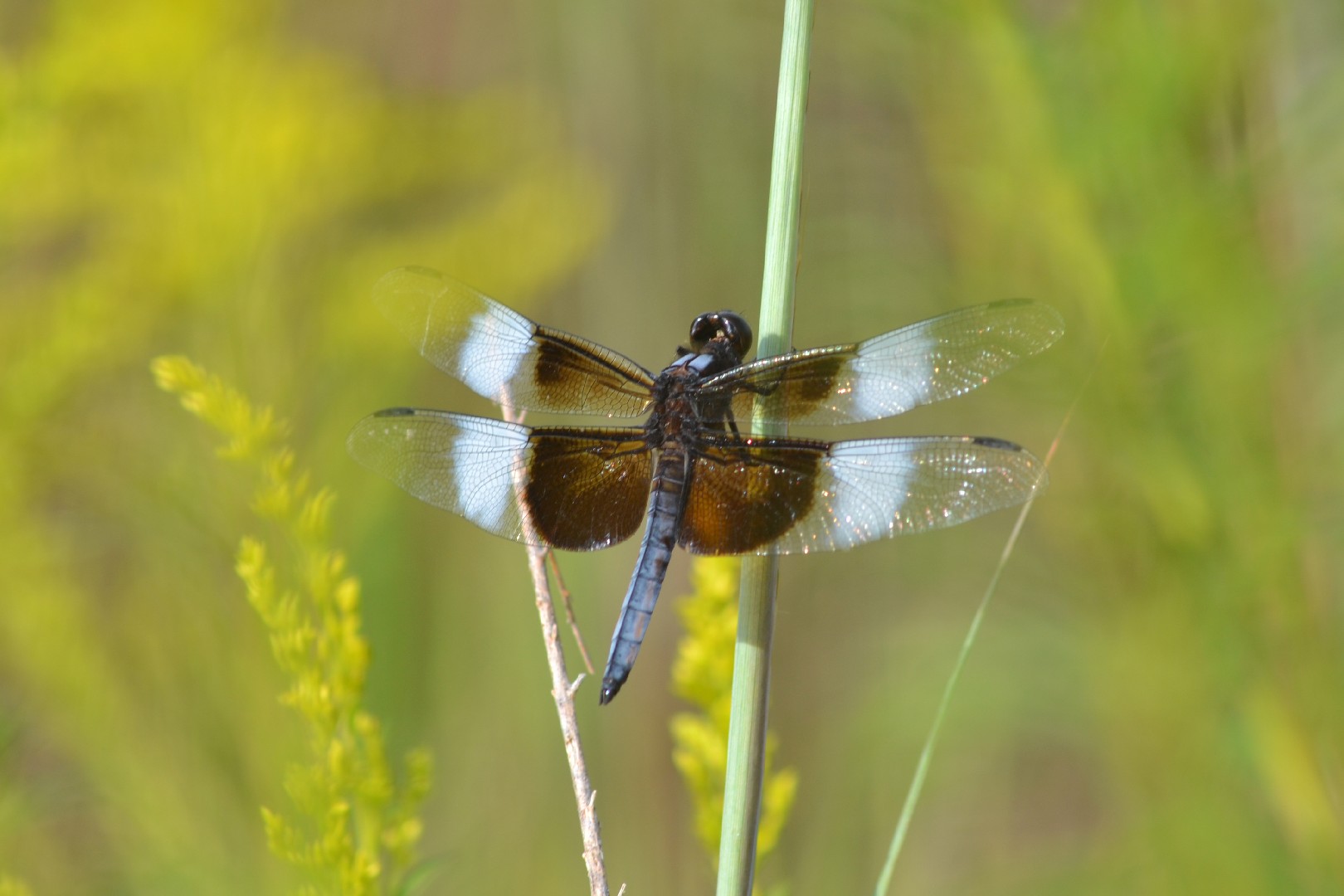
The name Pachydiplax longipennis implies that the blue dasher has long wings due to the "longipennis" section literally translating to it. But this would be misleading, as the insect does not have particularly long wings. Instead, they stick out with vibrant blue colors. The dasher part of their name may be in reference to their voracious diet, as they can eat up to 10 percent of their body weight daily.
2. Flame skimmer
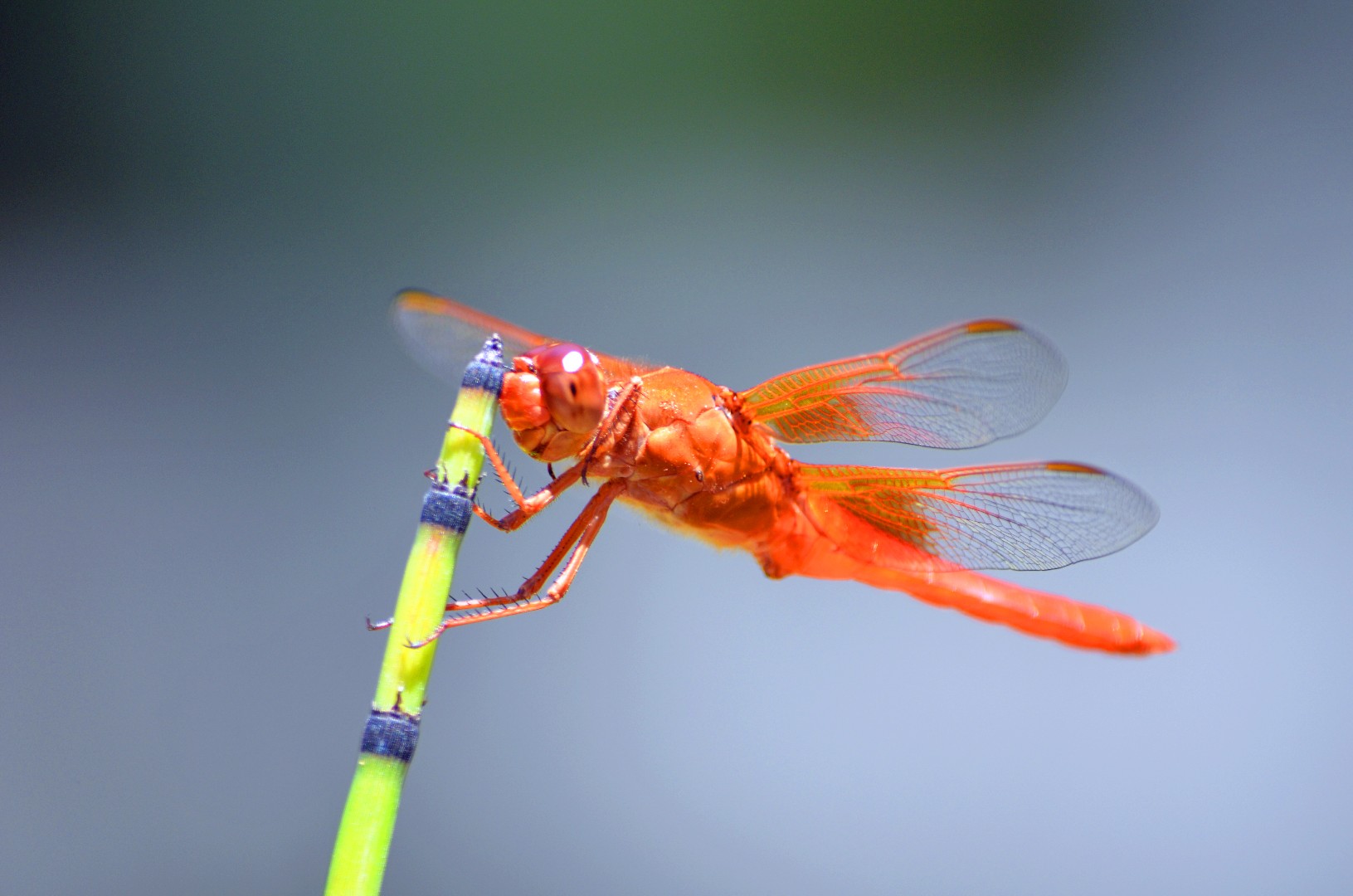
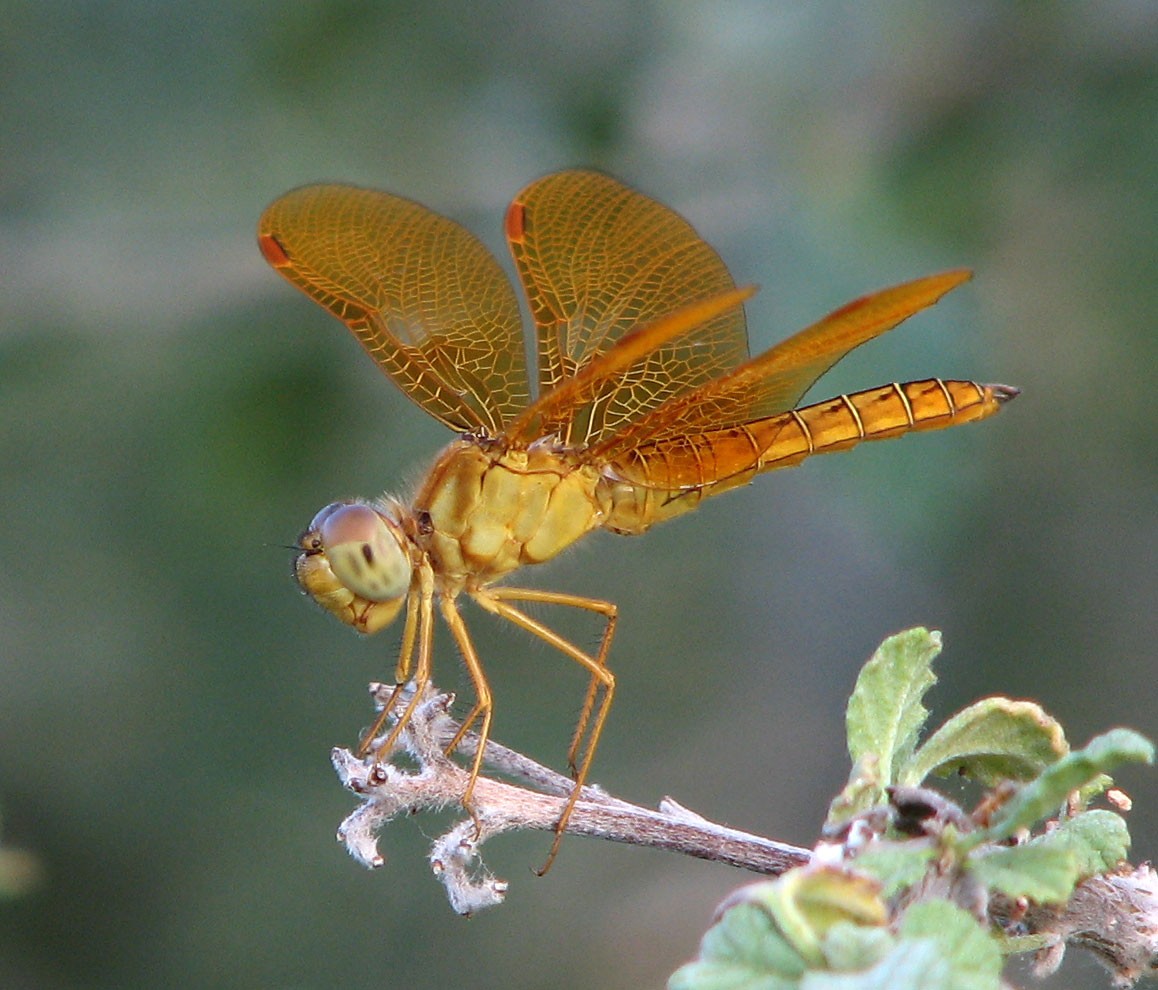
Male flame skimmers are known for their entirely red or dark orange body, this includes eyes, legs, and even wing veins. Females are usually a medium or darker brown with some thin, yellow markings. This particular type of skimmer varies in size but is generally measured somewhere between 5 cm and 8 cm long. These naiads are known for being rather large and chubby-looking due to their rounded abdomen. They are covered with hair but, unlike most young dragonflies, they lack hooks or spines. 
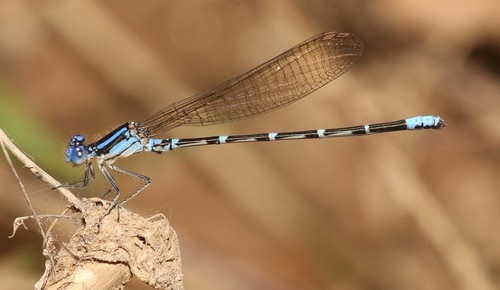
3. Vivid dancer
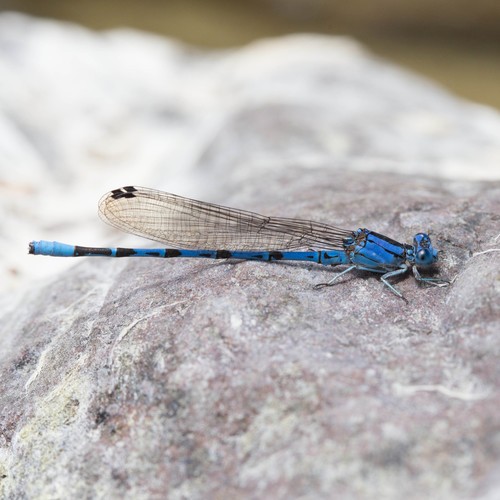
The scientific name of the species was first validly published in 1865 by Hagen in Selys.
4. Western honey bee
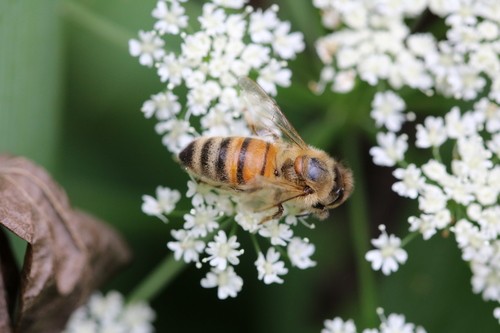
Western honey bee(Apis mellifera) is the most common species of honeybee in the world. Among the first domesticated insects, its cultural and economic impact on humanity has been vast and far-reaching, providing honey, wax and its services as a pollinator. Western honey bee faces challenges worldwide, such as colony collapse disorder, and populations are thought to be decreasing.
5. Painted lady
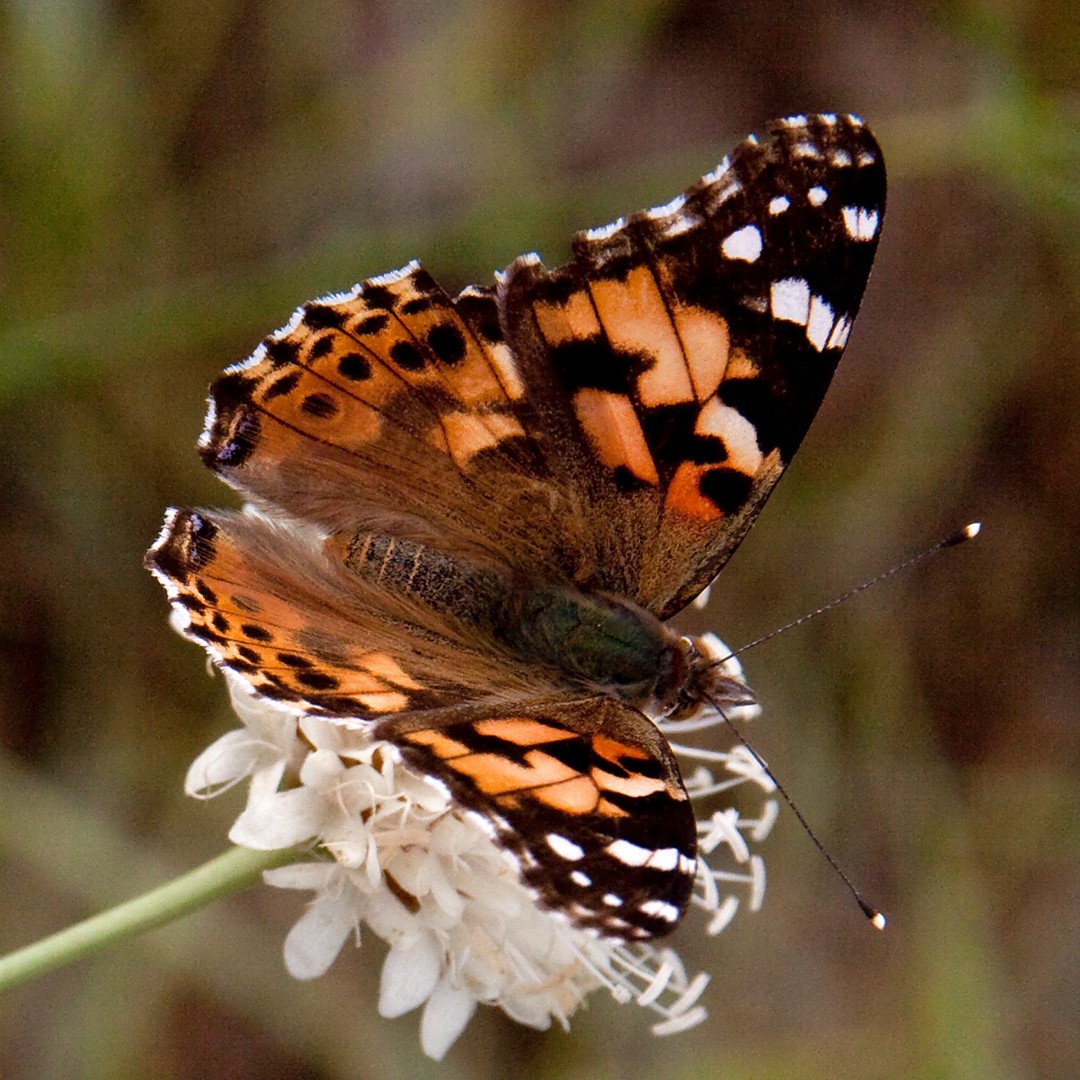
The painted lady is a migratory butterfly that spends part of the year in Northern Africa and then migrates to Europe during the warmer months. Although the adults feed on nectar from flowers, the larvae feed on the leaves of nettles and thistles.
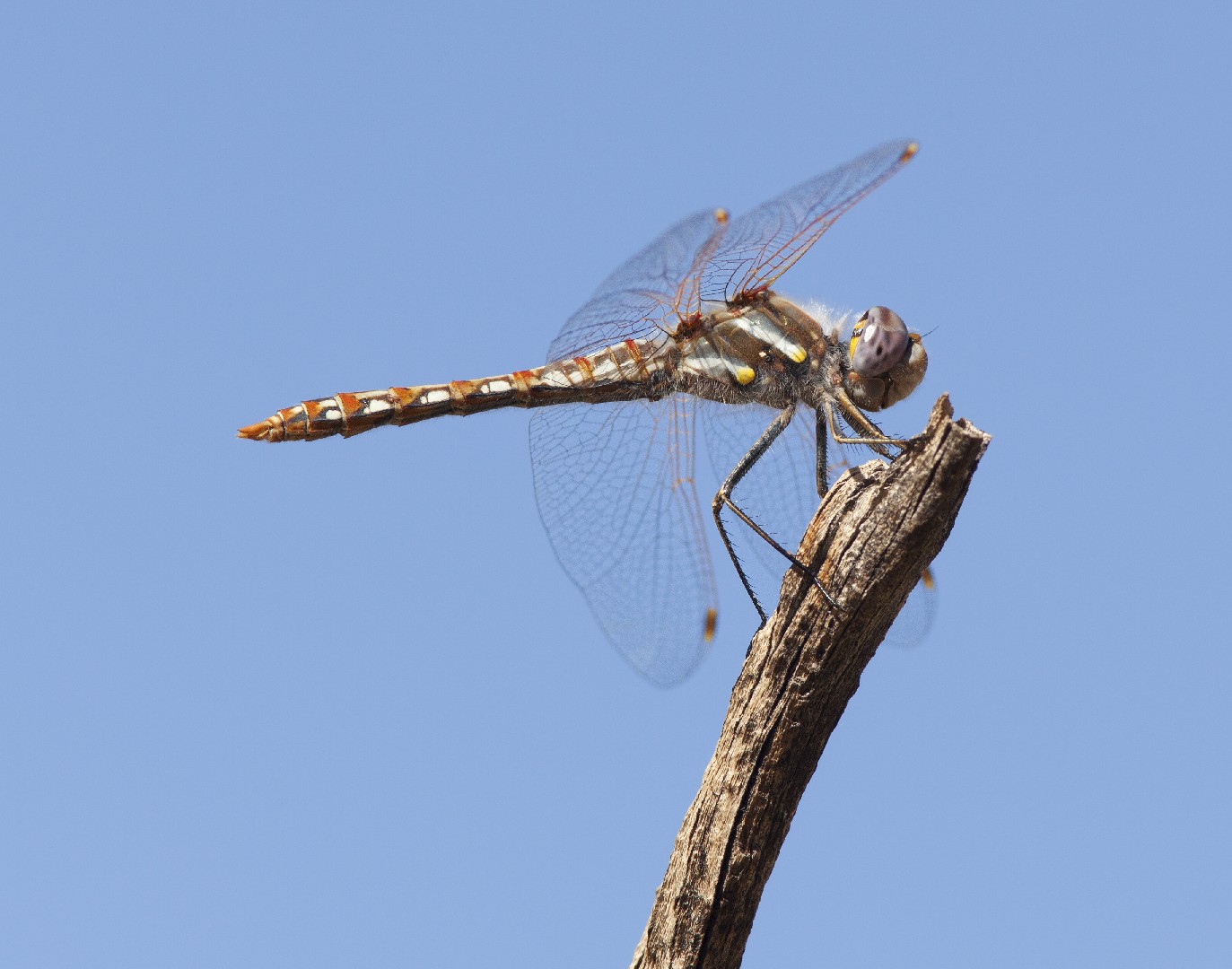
6. Variegated meadowhawk
The variegated meadowhawk is a small to medium-sized dragonfly with a slender abdomen, often reaching a length of 4.5 - 23 cm. The male is commonly dark brownish black with an abdomen of bright red, pink, and golden brown. The thorax may be marked with a pair of yellow dots on each side. The leading edges of the wings are marked with pinkish. The females are similar in color but not as brightly colored, with gray and yellow replacing the red of the male. Young variegated meadowhawks are much paler and mottled with pale green, pale yellow, golden brown, and orange.

7. White-Lined Sphinx
The white-Lined Sphinx ( Hyles lineata) is a colorful furry moth with striped wings. It has a similar size of a hummingbird, and behaves like a hummingbird as well. It can fly extremely fast, and instantly swing from side to side while hovering just like a hummingbird. It feeds on nectar from a variety of flowers including petunia, honeysuckle, lilac, clovers, thistles, and jimson weed.
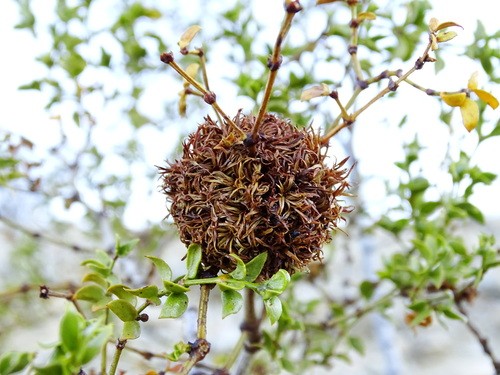
8. Creosote gall midge
Asphondylia auripila is a mosquito species from the family of the gall mosquitoes (Cecidomyiidae). The scientific name of the species was first validly published in 1907 by Felt.
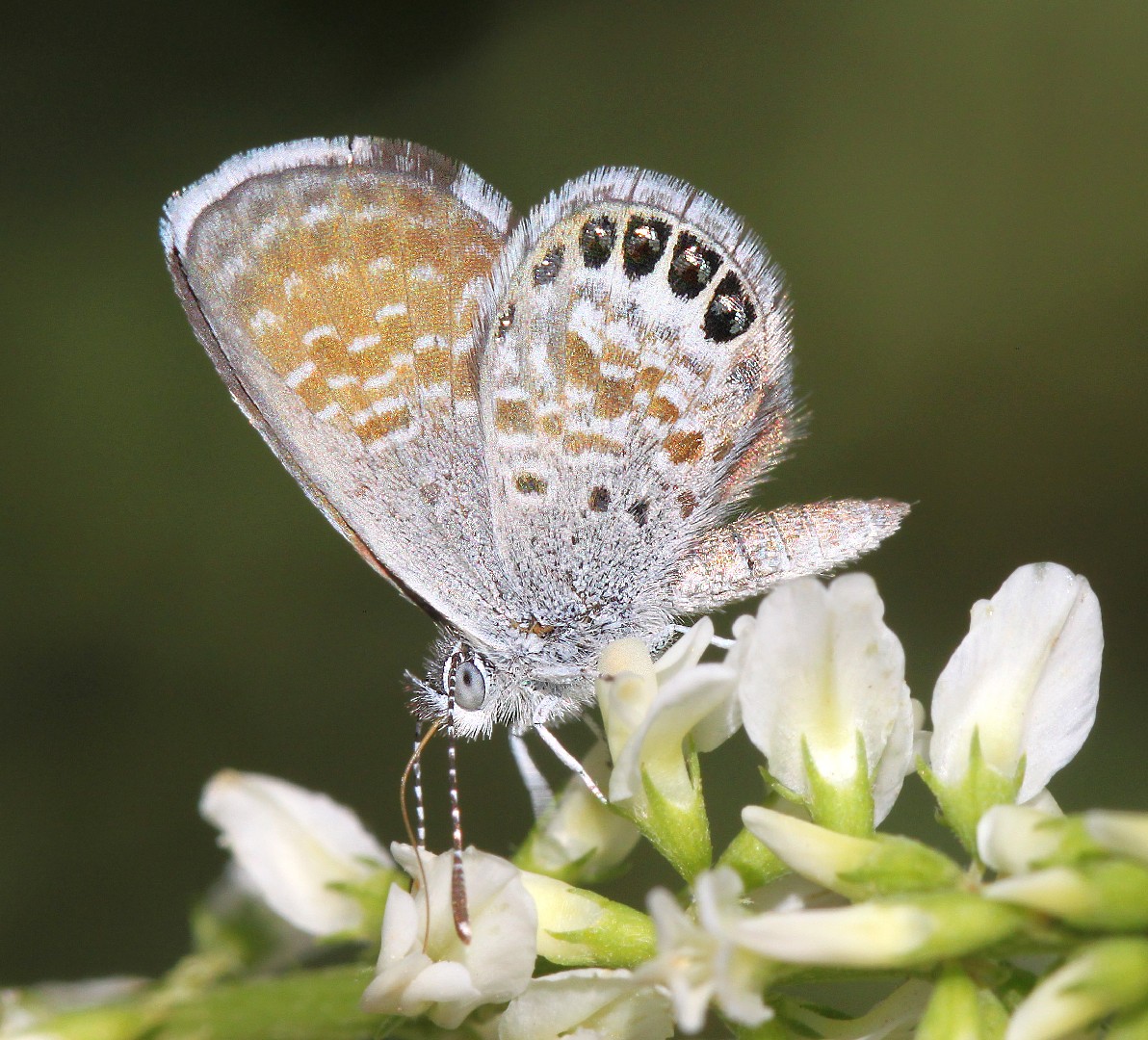
9. Western pygmy blue
The upperside is copper brown with dull blue at the bases of both wings. The underside of the hindwing is copper brown with white at the base; the fringe mostly white, with 3 small black spots near base, and a row of black spots at outer margin. The wingspan is 1.2 - 2 cm.
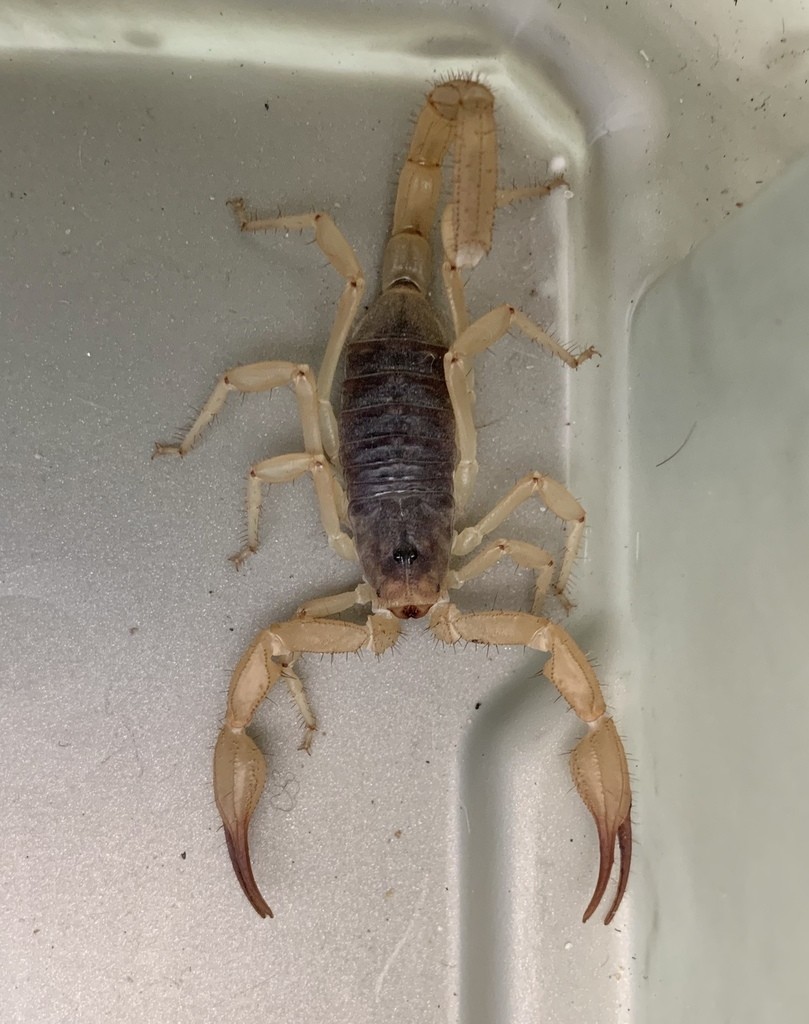
10. Smeringurus vachoni

More







