




Top 20 Most Common Insects in Sun Valley
Insects, with their diverse forms and fascinating habitats, are an integral part of Sun Valley's ecosystem. In Sun Valley, these tiny creatures, from beneficial pollinators to pesky invaders, play critical roles in shaping the city's environmental and biological landscape. This list helps you discover the Top 20 most widespread insects here, highlighting the remarkable dance between metropolitan habitats and insect life.

Most Common Insects
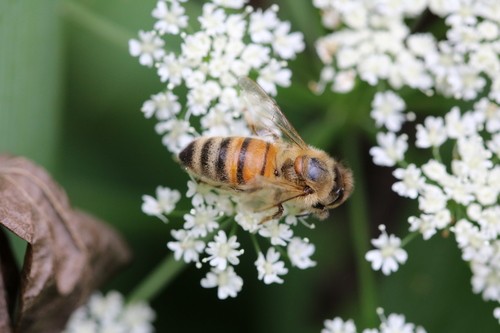
1. Western honey bee
Western honey bee(Apis mellifera) is the most common species of honeybee in the world. Among the first domesticated insects, its cultural and economic impact on humanity has been vast and far-reaching, providing honey, wax and its services as a pollinator. Western honey bee faces challenges worldwide, such as colony collapse disorder, and populations are thought to be decreasing.
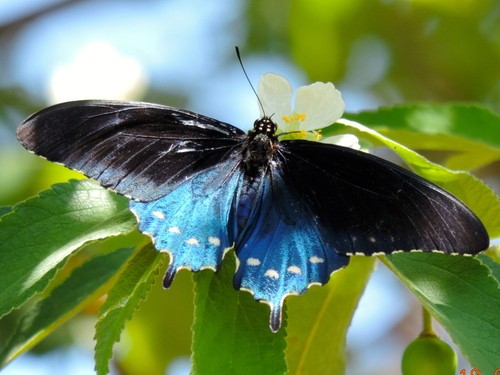
2. Pipevine Swallowtail
The pipevine Swallowtail (Battus philenor) is an insect that is protected globally but is considered a species of special concern in the northern part of their range in Michigan. The name pipevine Swallowtail comes from the common plants that they are hosts of. They are also known as the blue swallowtail due to their brilliant, blue color.
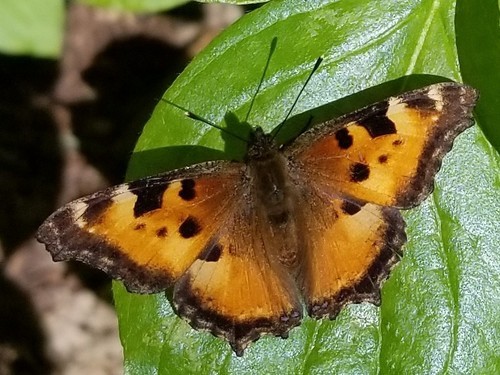
3. California tortoiseshell
It is recognized for the top of its wings being orange with big black spots (used mainly for camouflage). The browns and grays of the wing underside make it resemble a dead leaf when the wings are closed. Its wingspan varies from 1.25–2.75 in. 
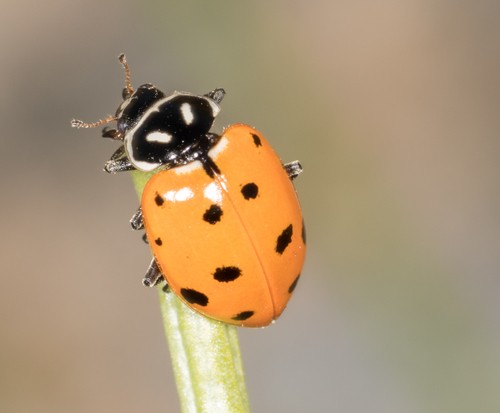
4. Convergent lady beetle
The convergent lady beetle (Hippodamia convergens) is one of the most common lady beetles in North America, which is a great thing given that it is a common biological control agent of aphids. They lay a good chunk of eggs over a couple of months. If you have ever seen a small, black alligator-like insect, you may have seen one of its larva.
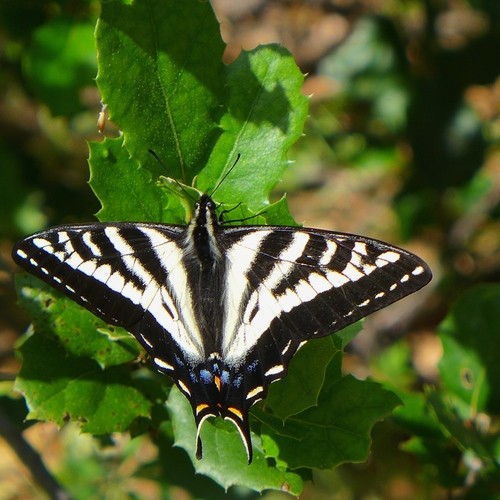
5. Pale swallowtail
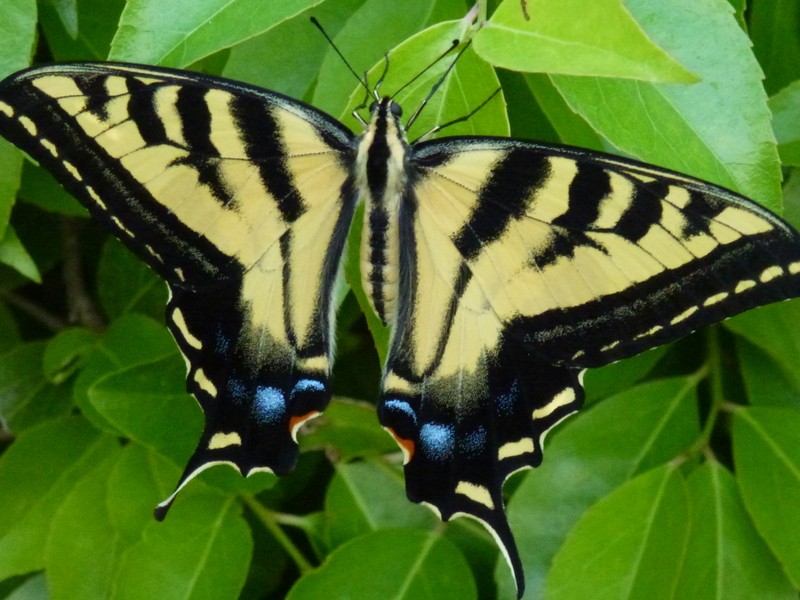
Their appearance is quite similar to that of the western tiger swallowtail, except they are a white-cream color or very pale yellow. Some pale swallowtails also have differing amounts of red-orange patches on the wings just above the tail. Tiger stripes and borders are thicker than those of western tiger swallowtails. The wingspan is typically 9 - 11 cm .Caterpillars are plump green with a single yellow band behind the thorax. They have two eye-shaped spots on the upper thorax, which may help frighten predators. Like most swallowtails, they have a red wishbone-shaped organ called the osmeterium, which pops out from behind the head and releases a foul odor to warn off predators. Caterpillars turn brown just before the fifth moult. The pupa is brown and looks like a piece of bark.
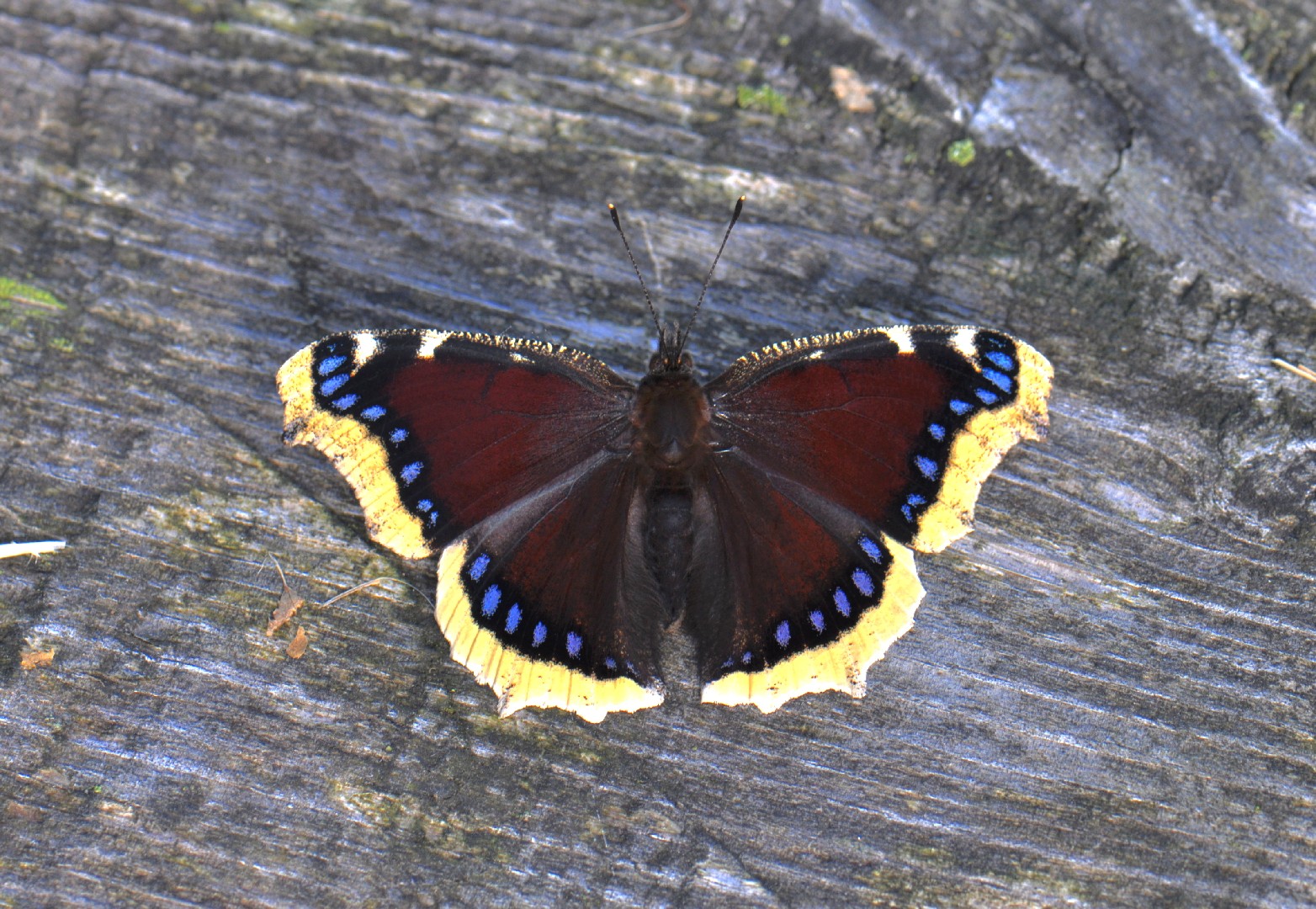
6. Mourning cloak
The state insect of Montana, mourning cloak (Nymphalis antiopa) owes its name to a visual comparison with a girl who, disliking mourning, allows a few inches of color to show from under her mourning garb. Among the longest-lived butterflies, individuals may persist for as long as eleven to twelve months. It is a powerful flier, with vagrants often found many miles from the usual migration paths.
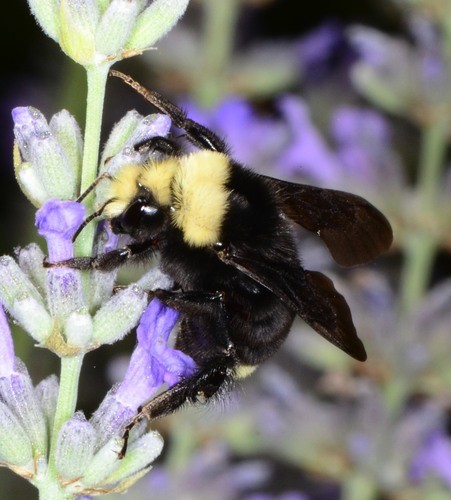
7. Yellow-faced bumble bee
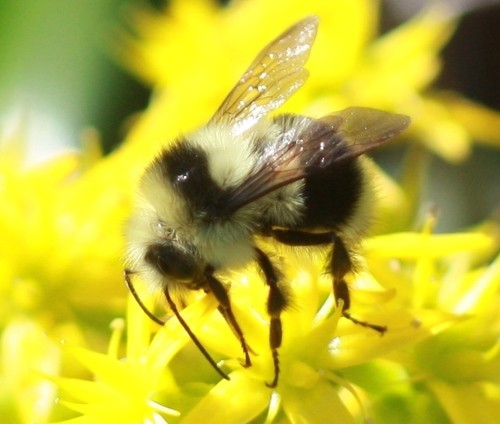
The yellow-faced bumble bee (Bombus vosnesenskii) is known for its mostly black body with a yellow face. Their population is not dropping, but continued expansion of urban human populations is causing some difficulty for this bee to make nests. But what it does find it tends to monopolize due to its early arrival in the season.
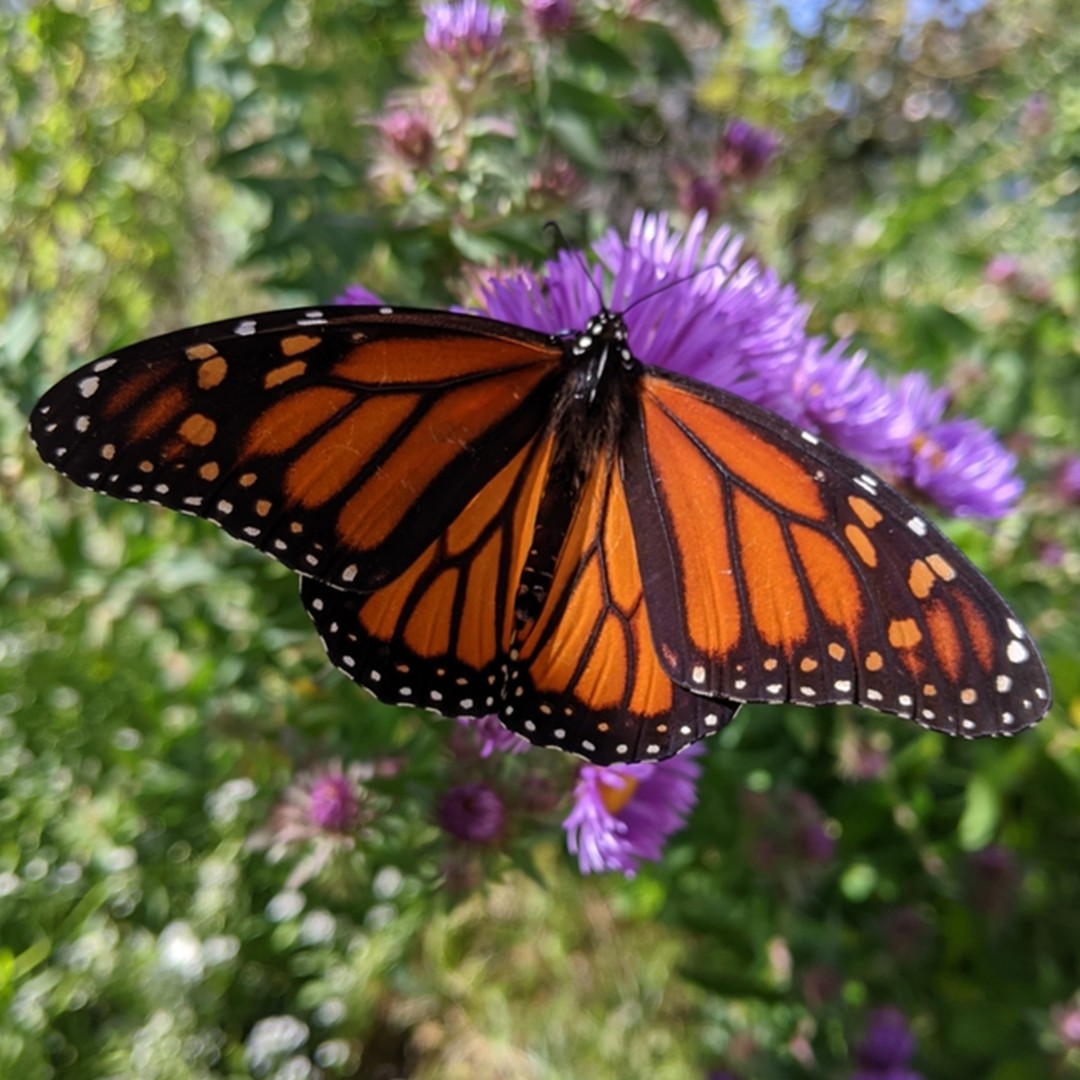
8. Monarch butterfly
The monarch butterfly (Danaus plexippus) is the most recognizable butterfly in North America. It is best known for its appearance, but should be better known for the fact that it has a 3000-mile migration that takes the butterfly 4 generations to complete. Their diet is also a natural deterrent for predators, as they eat milkweed, a poison that induces vomiting.
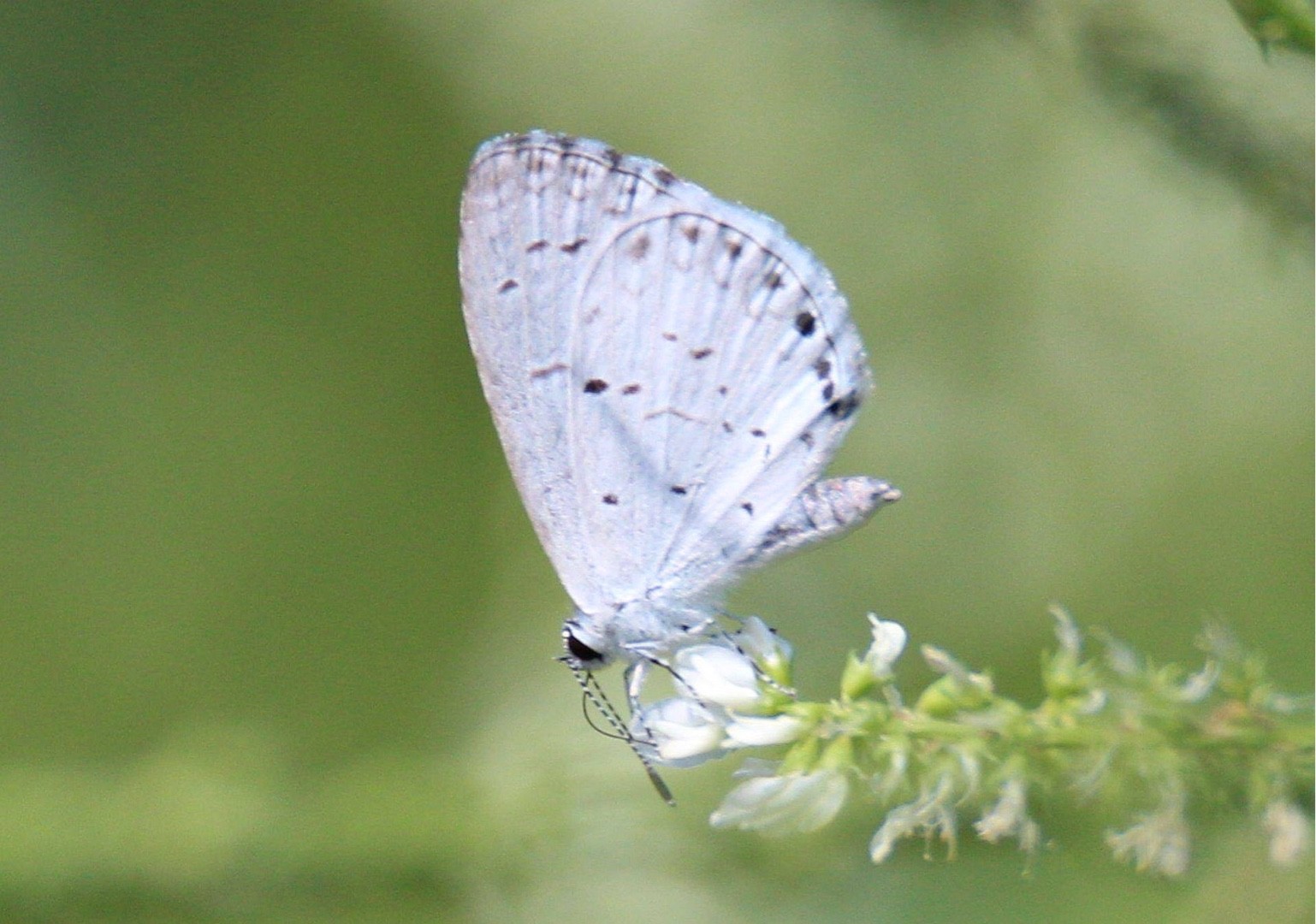
9. Spring azure
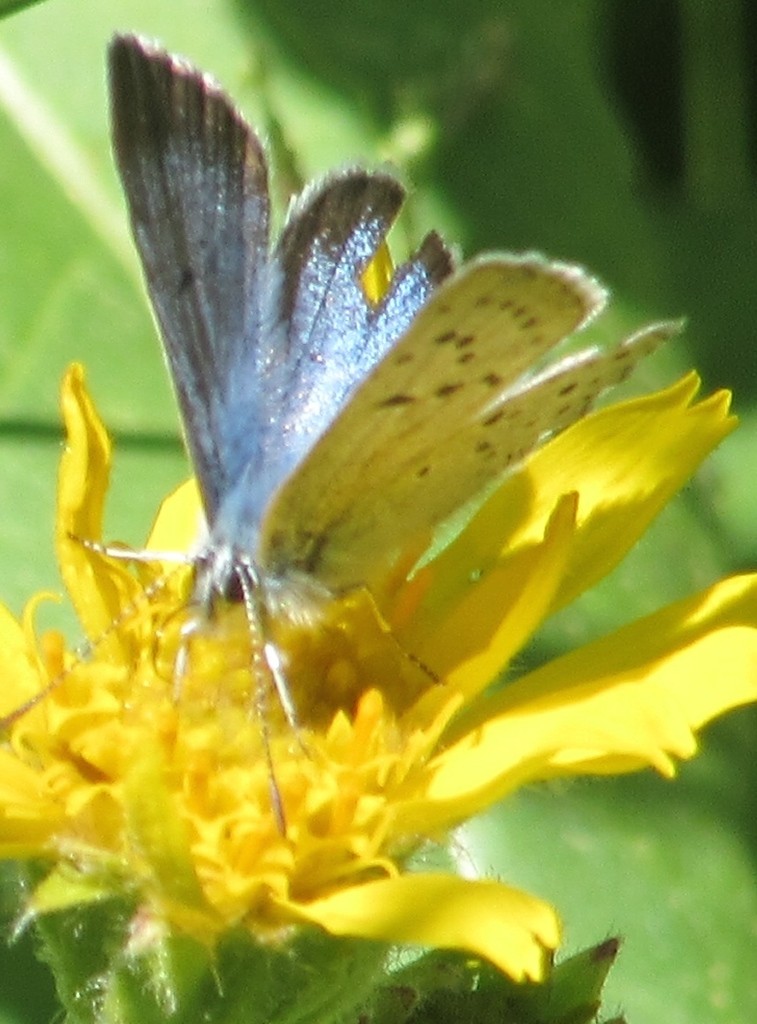
Celastrina argiolus ladon is a butterfly from the Lycaenidae family, the small pages, fire butterflies and blues. This subspecies used to be considered as a separate species, but in a revision it is classified as a subspecies of the blue tree. This revision is not accepted by all authors.
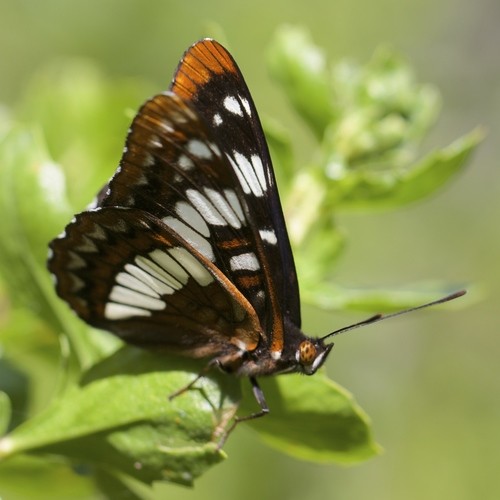
10. Lorquin's admiral
The lorquin's admiral has brown-black wings, each with a row of white spots across it. Its forewings have orange tips. The wingspan is 4.5 - 7 cm; females are generally larger than males. Larvae are usually yellow with a patch of white on the back.

More







