




Top 17 Most Common Insects in Farmington
Insects, remarkable creatures often characterized by their segmented bodies and wings, are a ubiquitous part of Farmington's biodiversity. Playing crucial roles in the ecosystem, ranging from pollinators to natural pest controllers, these tiny critters actively contribute to Farmington's environmental health. Their existence provides us a remarkable view of the city's ecological balance, highlighting the intricate relationships between pests, beneficial insects, and our environment. Stay tuned as we delve into the top 17 most common insects in Farmington.

Most Common Insects
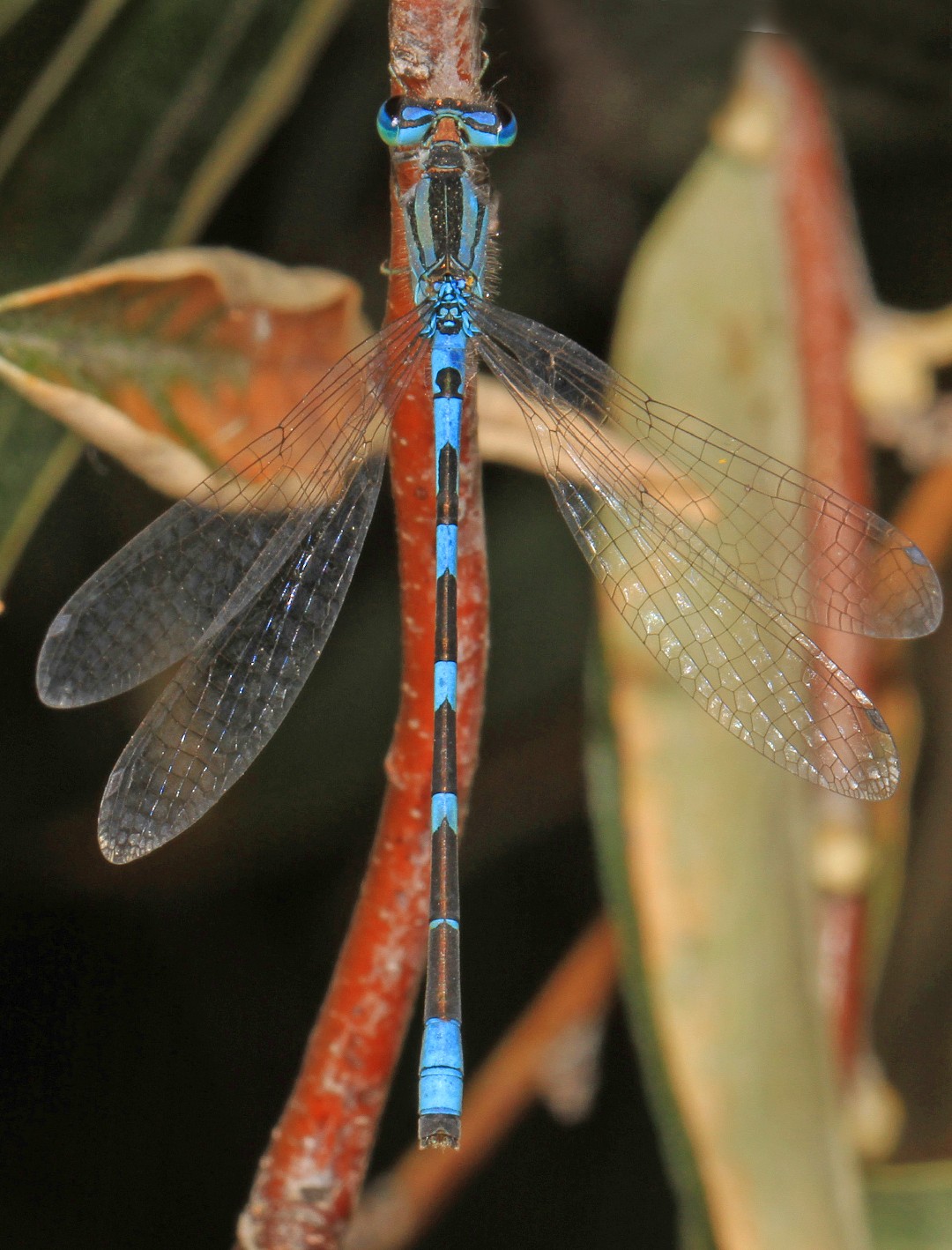
1. Tule bluet
Enallagma carunculatum is a dragonfly in the family of the brown dragonflies (Coenagrionidae). It is native to North America.
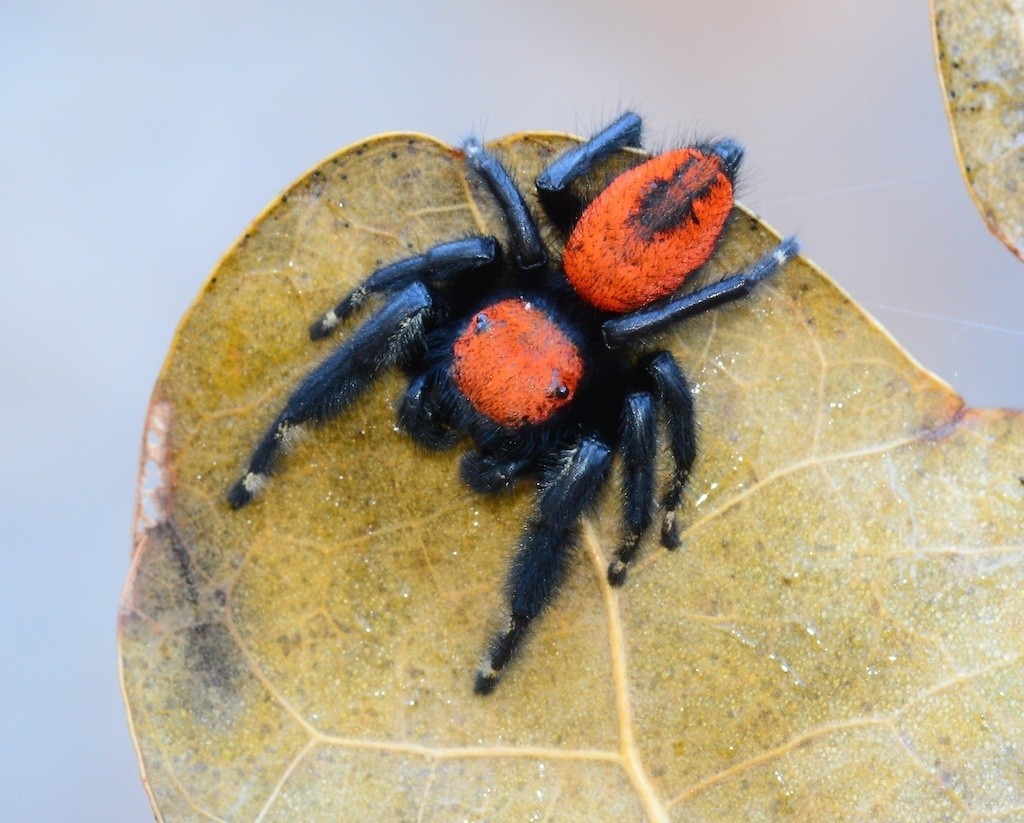
2. Red velvet jumping spider
Phidippus apacheanus is a species of jumping spider in the family Salticidae. It is found in the United States, Mexico, and Cuba. 
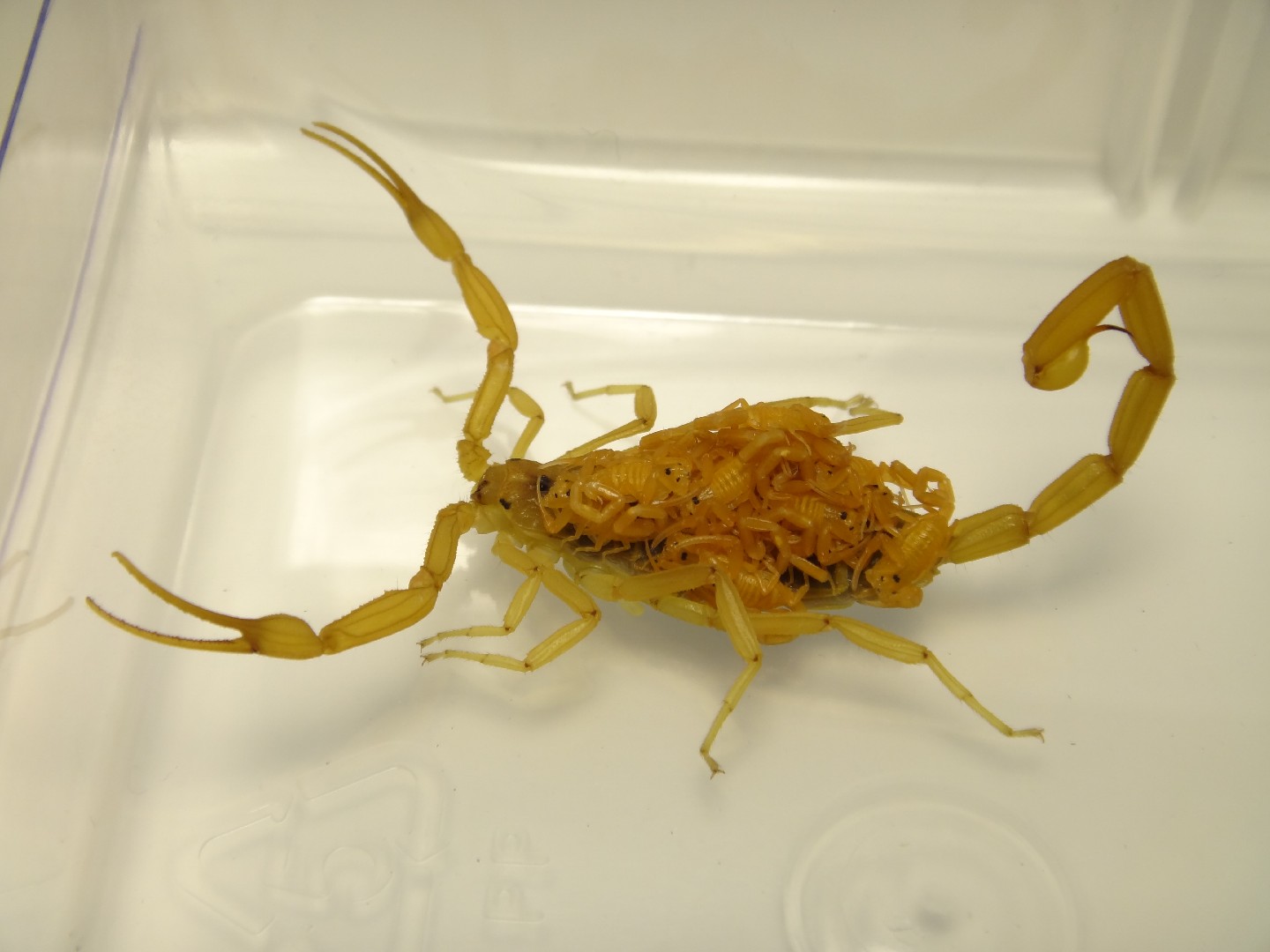
3. Arizona bark scorpion
The arizona bark scorpion (Centruroides sculpturatus) is a fast, nocturnal creature that ambushes its prey. It feeds on a wide range of bugs, including beetles, spiders, and cockroaches. It uses the tiny hairs on its body to recognize terrains and find prey. Its yellow coloring might seem less intimidating than other scorpions, but it has a real powerful venom.
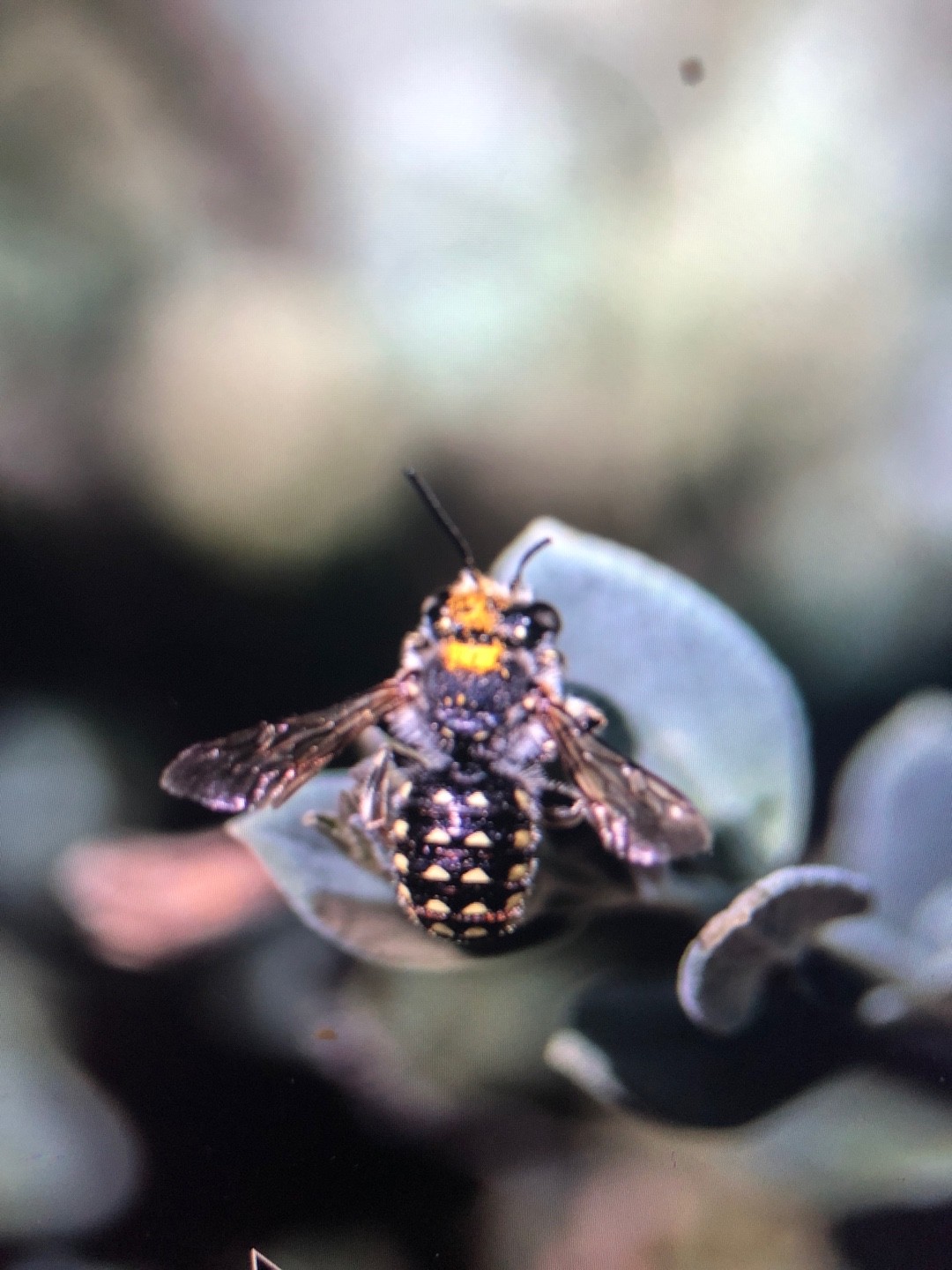
4. Anthidium maculosum
The middle tibia of A. maculosum shows apical spines. Body sizes of these bees seem to correlate with head-widths. Therefore, a bigger head is correlated with a bigger body size. The body sizes of territorial and non-territorial bees are different. Territorial males have larger body sizes and thus correlate with holding territory, while the non-territorial bees are smaller. This smaller size is indicative of them being subordinate. In addition, males are larger than females, which is common in the family Megachilidae. However, this is rare in other bee families where the female is normally larger than the drone or male. A. maculosum nests are built in holes excavated in wood.
5. Eight-spotted skimmer
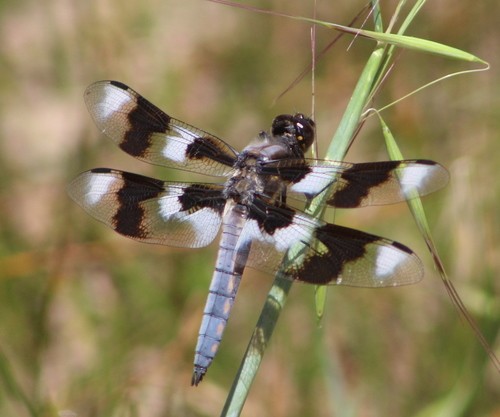
The eight-spotted skimmer (Libellula forensis) is identified by the eight black markings on its wings. It is occasionally confused with the Twelve-spotted skimmer that is sometimes called the Ten-spotted skimmer. You may attempt to desperately count the number of spots on these fast-moving skimmers, but the major differentiation in this one is the lack of black tips on their wings.
6. Aerial yellowjacket
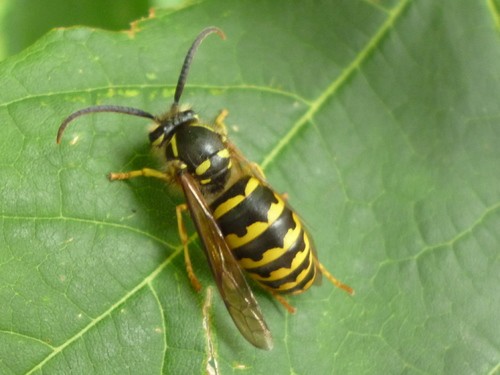
Known for its aerial building mastery, 'Dolichovespula arenaria' or 'aerial yellowjacket', constructs nests high up in trees or manmade structures. Its architecture prevents predation and creates an opportunity for symbiosis, with smaller insects benefiting from its scraps. Intriguingly, the aerial yellowjacket's sting is especially potent to its peers, often resulting in the takeover of rival hives, thereby increasing their lateral gene flow and ecosystem diversity.
7. Maple Spanworm Moth
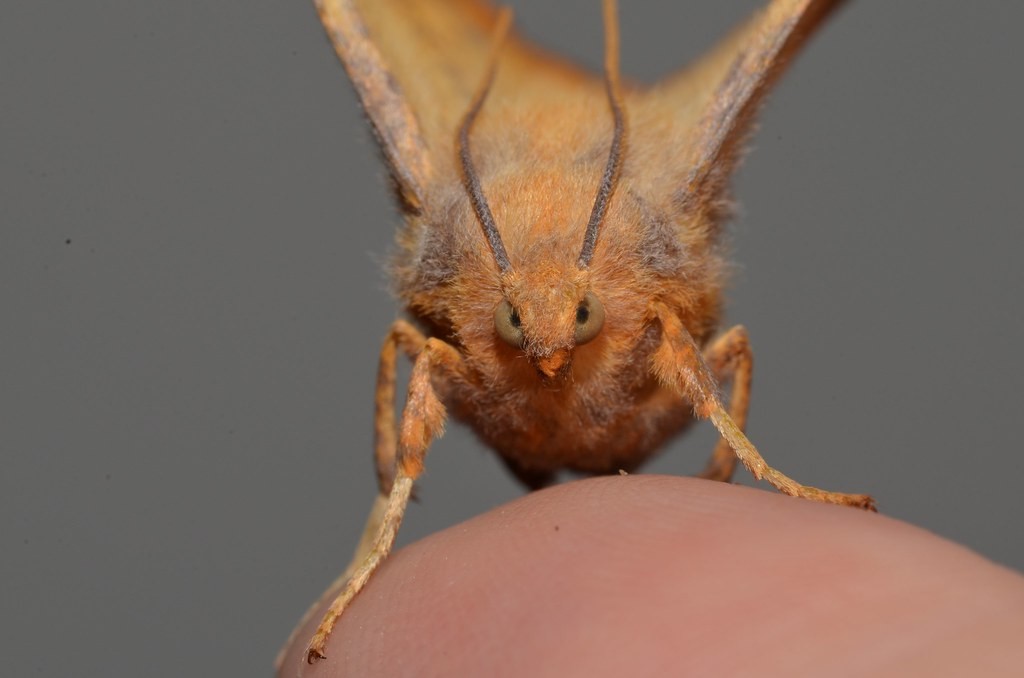
Ennomos magnaria, the maple spanworm moth, notched wing moth, notched-wing geometer or notch-wing moth, is a moth of the family Geometridae. The species was first described by Achille Guenée in 1858. It is found from coast to coast in southern Canada and the northern United States, south in the east to Florida and Louisiana and in the west to California. The wingspan is 43–60 mm. Adults resemble an autumn leaf. The wings are deeply and unevenly scalloped. They are bright orange yellow and variably spotted with brown and shaded with reddish brown toward the outer margin. Adults are on wing from July to early November in one generation per year. The larvae feed on the leaves of Alnus, Fraxinus, Tilia, Betula, Ulmus, Carya, Acer, Quercus, and Populus species. They are twig mimics with a green, brown or gray body with white spots. Larvae can be found from May to August. The species overwinters as an egg. Pupation takes place in a cocoon amongst the foliage of their host plant.
8. Common Willow Calligrapha
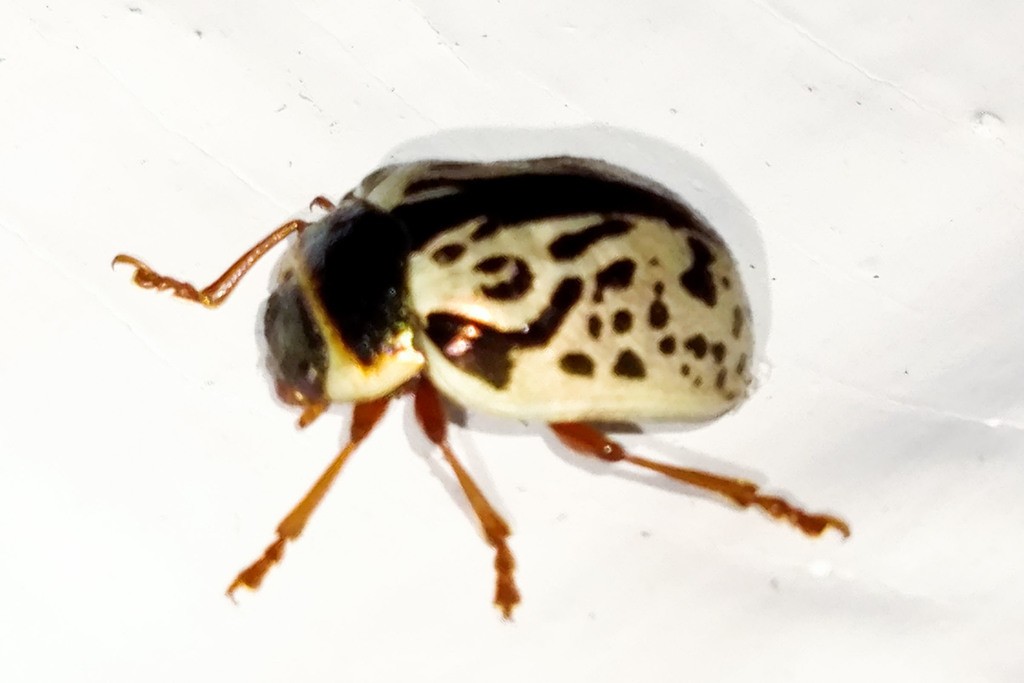
Calligrapha multipunctata, the common willow calligrapha, is a species of leaf beetle in the family Chrysomelidae. It is found in North America.
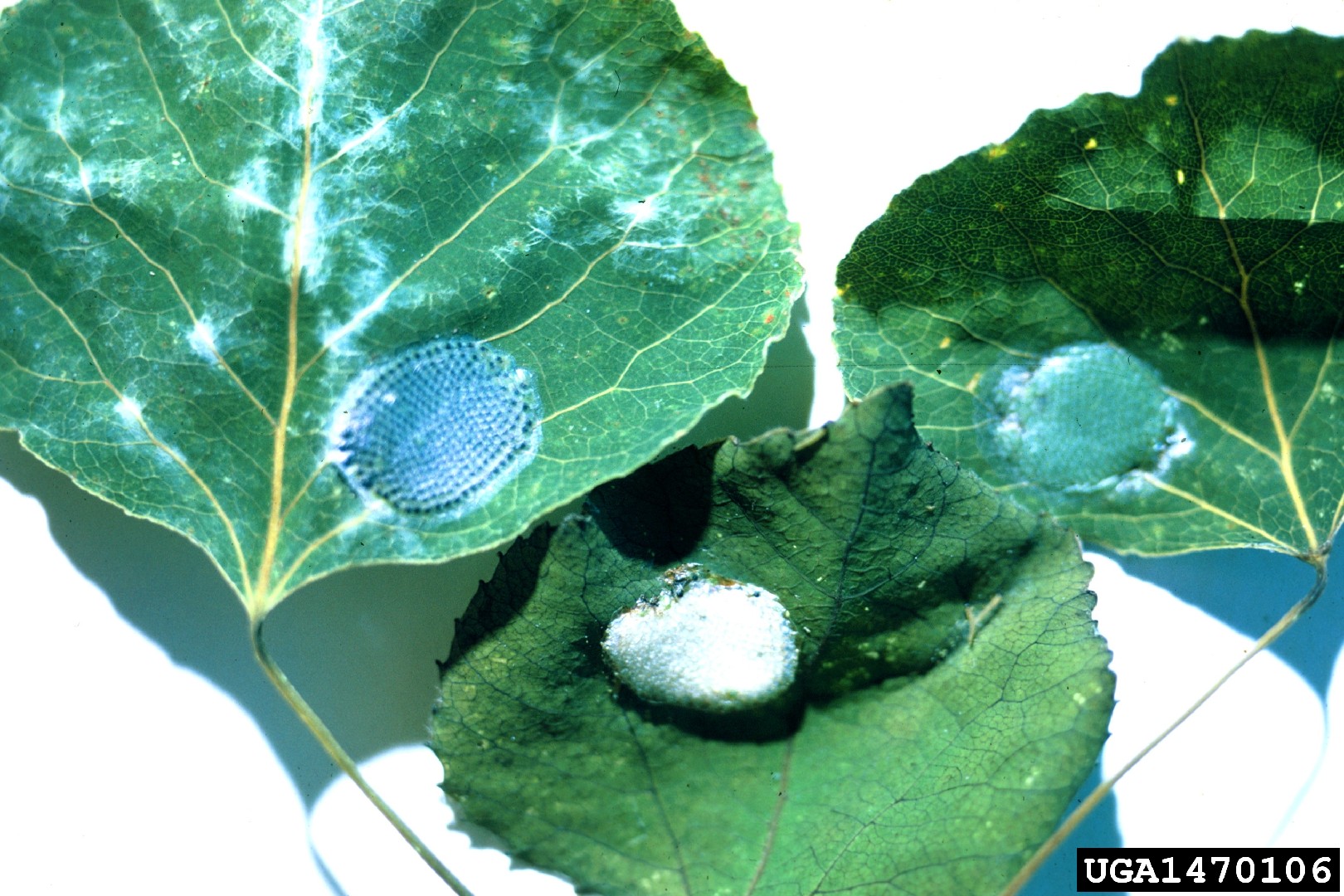
9. Large aspen tortrix
Choristoneura conflictana, the large aspen tortrix, is a moth of the family Tortricidae. The species was first described by Francis Walker in 1863. It is found from the Pacific to the Atlantic coast and from Alaska to California, Arizona, and New Mexico. The wingspan is 25–35 mm. Adults are on wing from May to August. The larvae feed on Populus tremuloides.
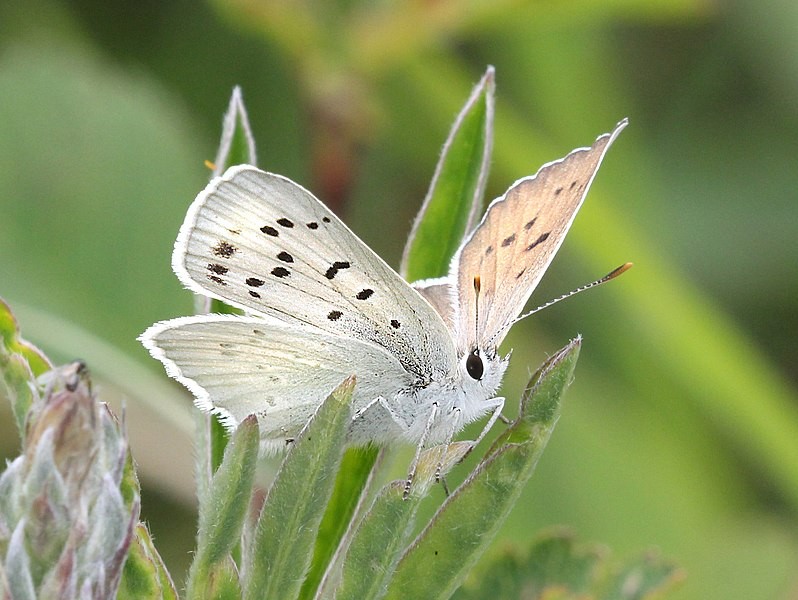
10. Ruddy Copper
Lycaena rubidus, the ruddy copper, is a butterfly of the family Lycaenidae. It is found in the western mountains of North America. Adults lay their eggs on plants of the genus Rumex, which later become the larval food plants. This butterfly gets its name from the brightly colored wings of the males, which are important in sexual selection. Its larvae exhibit mutualism with red ants, and are often raised in ant nests until they reach adulthood. Adults are on wing from mid-July to early August.
More







