




Top 16 Most Common Insects in Gallup
Insects, remarkable for their diversity and adaptability, are an integral part of Gallup's habitat. Our 'Top 16 most common insects in Gallup' list highlights how, from pests to pollinators, these tiny creatures significantly shape our ecosystem. Appreciating their co-existence with the cityscape assists us in understanding our complex symbiosis.

Most Common Insects

1. White-Lined Sphinx
The white-Lined Sphinx ( Hyles lineata) is a colorful furry moth with striped wings. It has a similar size of a hummingbird, and behaves like a hummingbird as well. It can fly extremely fast, and instantly swing from side to side while hovering just like a hummingbird. It feeds on nectar from a variety of flowers including petunia, honeysuckle, lilac, clovers, thistles, and jimson weed.
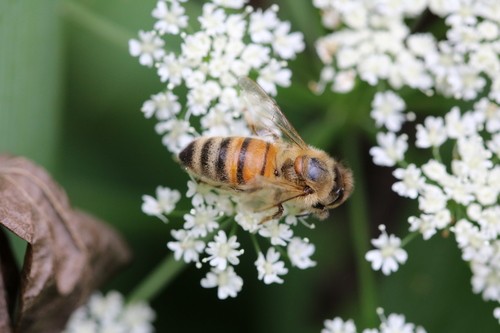
2. Western honey bee
Western honey bee(Apis mellifera) is the most common species of honeybee in the world. Among the first domesticated insects, its cultural and economic impact on humanity has been vast and far-reaching, providing honey, wax and its services as a pollinator. Western honey bee faces challenges worldwide, such as colony collapse disorder, and populations are thought to be decreasing.
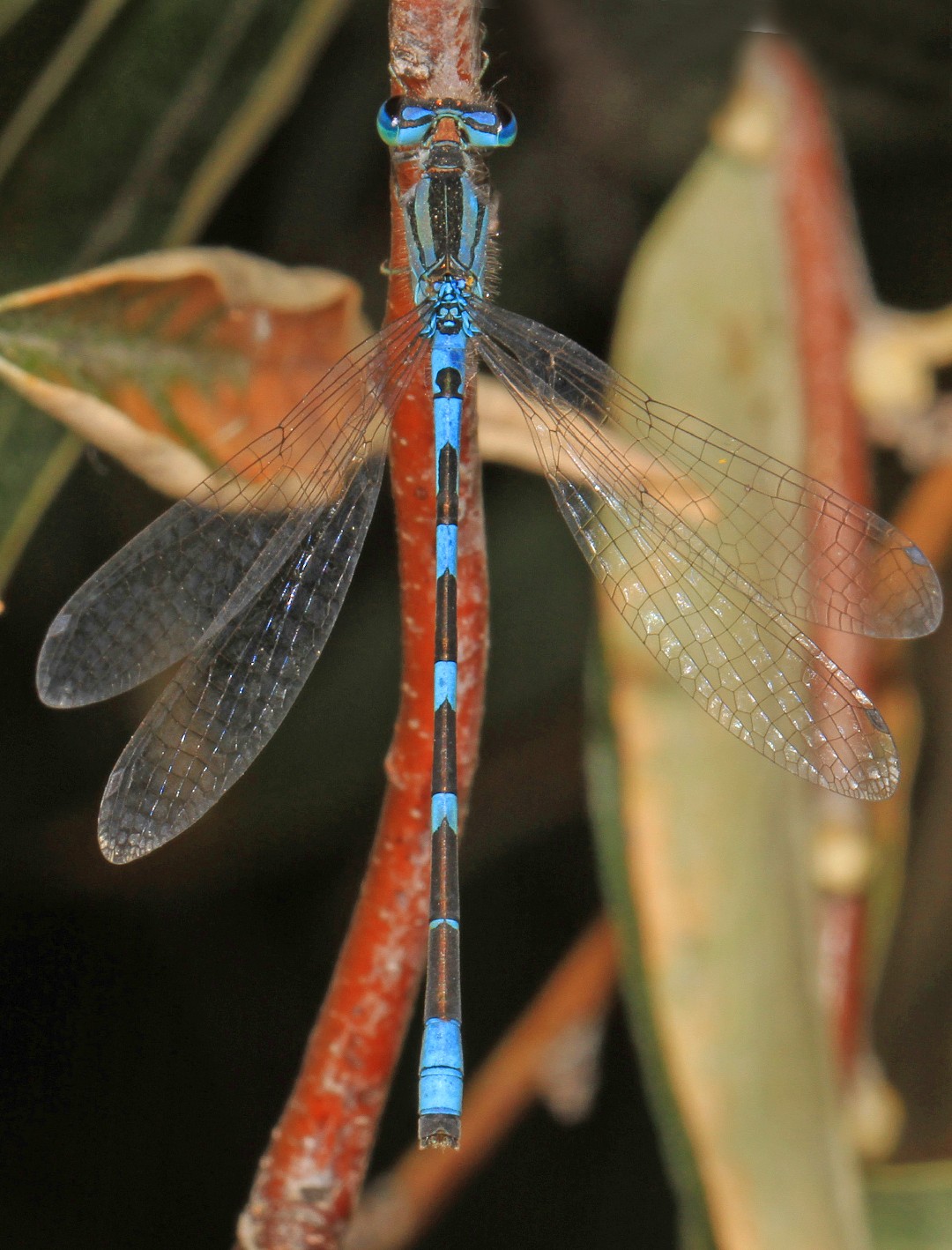
3. Tule bluet
Enallagma carunculatum is a dragonfly in the family of the brown dragonflies (Coenagrionidae). It is native to North America.
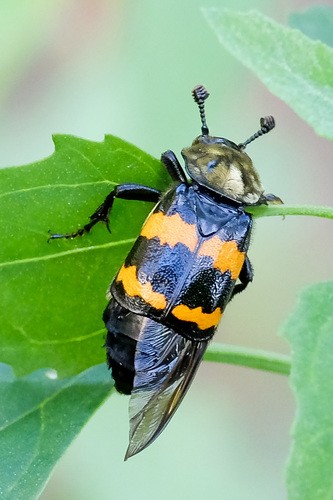
4. Tomentose burying beetle
The tomentose burying beetle (Nicrophorus tomentosus) is also called the gold necked carrion beetle due to the two bright bands on its back. They are also one of the few insects that engage in cooperative parental care. Males and females will place their eggs underneath a carcass, where they may need to remove the soil. Both males and females cooperate in the defense of this carcass as their young grow.
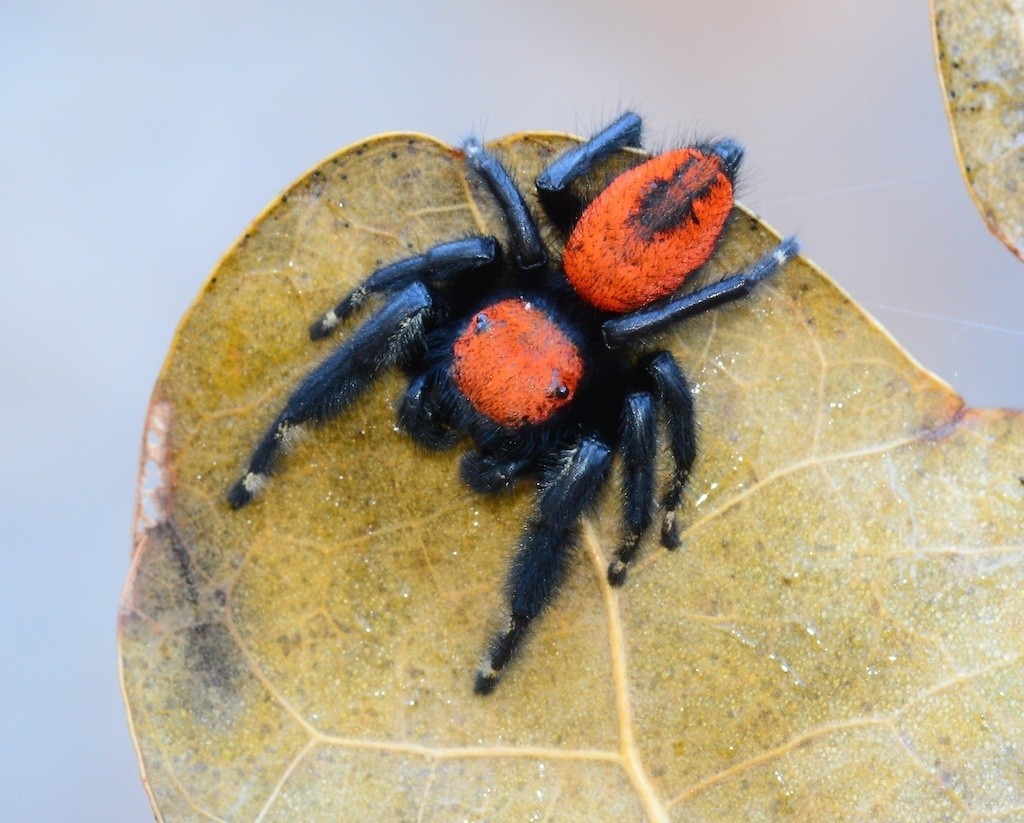
5. Red velvet jumping spider
Phidippus apacheanus is a species of jumping spider in the family Salticidae. It is found in the United States, Mexico, and Cuba. 
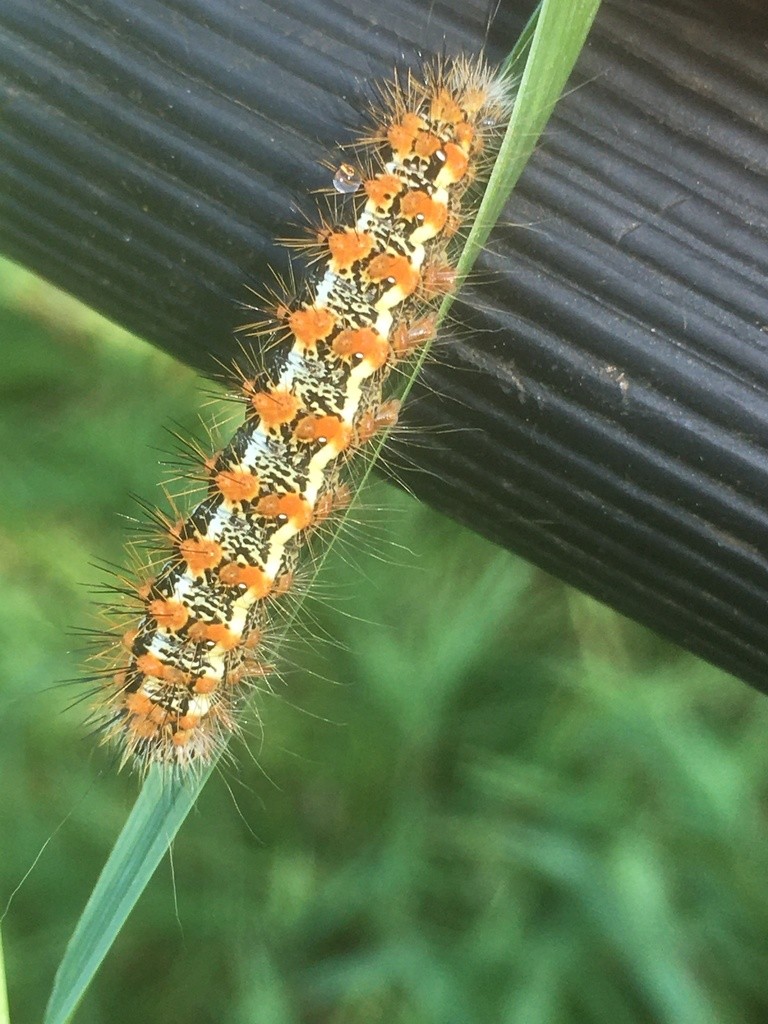
6. Cattail Caterpillar
Acronicta insularis, the cattail caterpillar (when referring to the larva) or Henry's marsh moth (when referring to the adult), is a moth of the family Noctuidae. The species was first described by Gottlieb August Wilhelm Herrich-Schäffer in 1868. It is found from coast to coast throughout the United States and southern Canada (Ontario, Quebec, New Brunswick, Nova Scotia, British Columbia, Alberta, Saskatchewan and Manitoba). The wingspan is 35–40 mm. Adults are on wing from April to September. The larvae feed on Typha and Polygonum species, as well as various grasses and sedges, poplar and willow. Acronicta insularis was formerly called Simyra insularis. In 2015, the genus Simyra, along with Oxicesta and Eogena, were moved to Acronicta based on phylogenetic analysis. The MONA or Hodges number for Acronicta insularis is 9280.
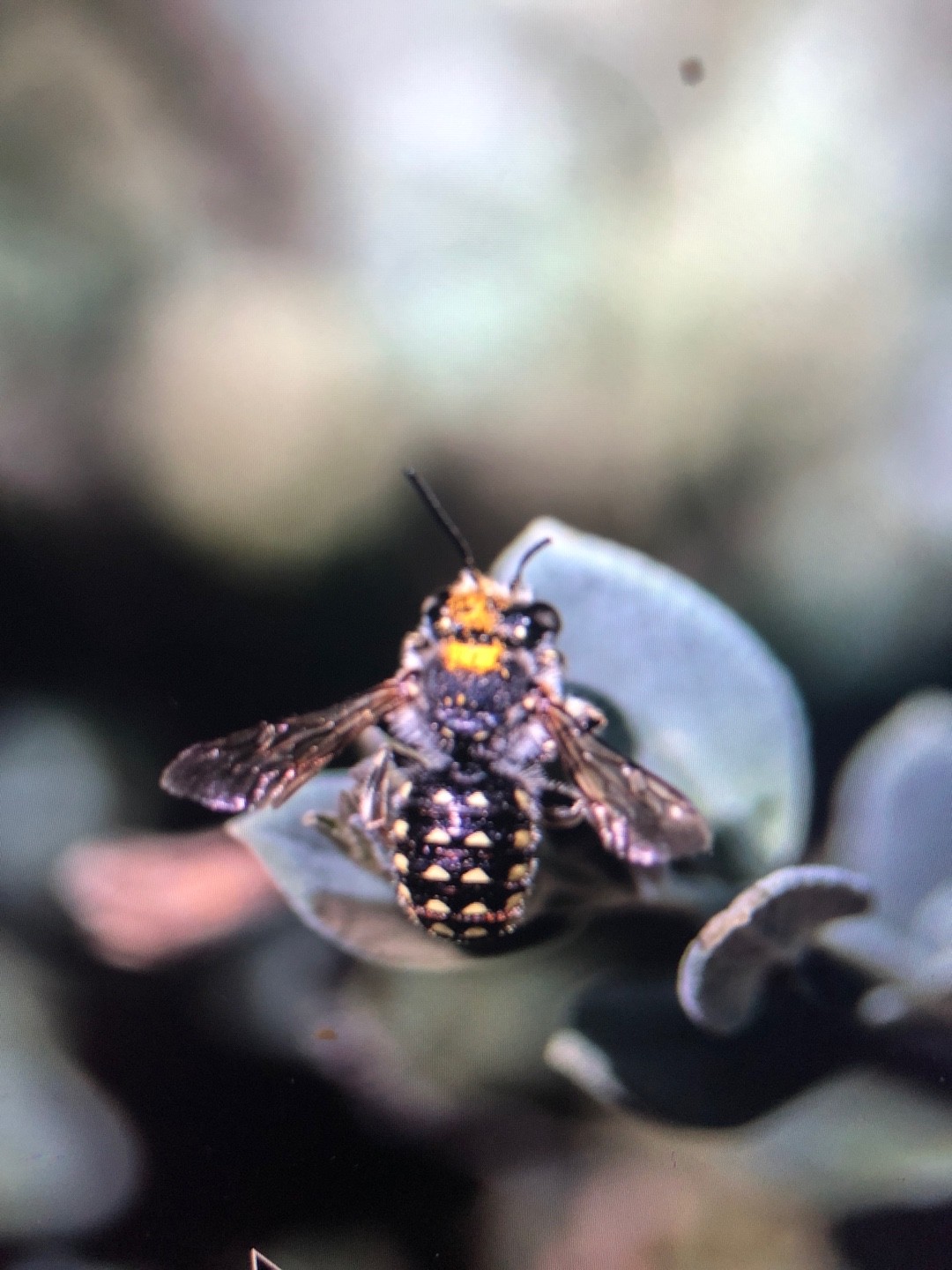
7. Anthidium maculosum
The middle tibia of A. maculosum shows apical spines. Body sizes of these bees seem to correlate with head-widths. Therefore, a bigger head is correlated with a bigger body size. The body sizes of territorial and non-territorial bees are different. Territorial males have larger body sizes and thus correlate with holding territory, while the non-territorial bees are smaller. This smaller size is indicative of them being subordinate. In addition, males are larger than females, which is common in the family Megachilidae. However, this is rare in other bee families where the female is normally larger than the drone or male. A. maculosum nests are built in holes excavated in wood.
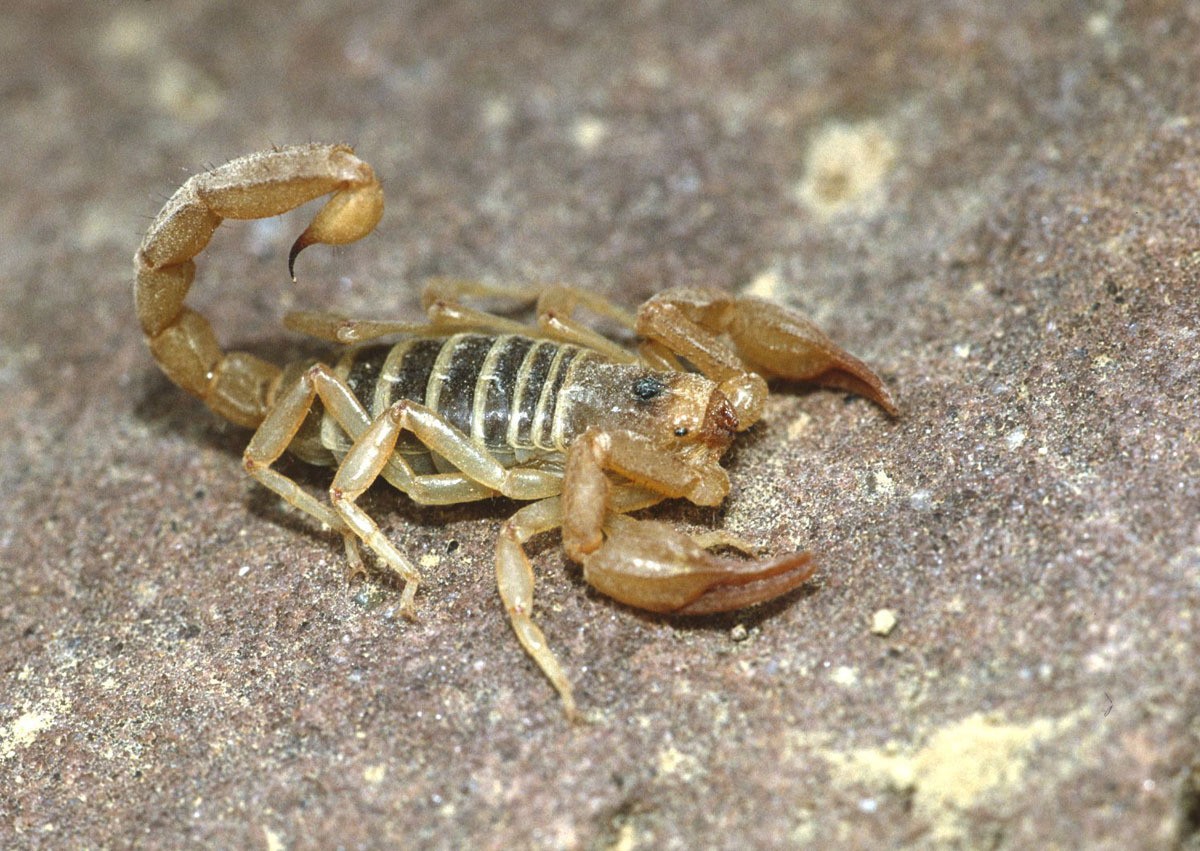
8. Northern scorpion
Paruroctonus boreus is a species of scorpions of the family Vaejovidae.
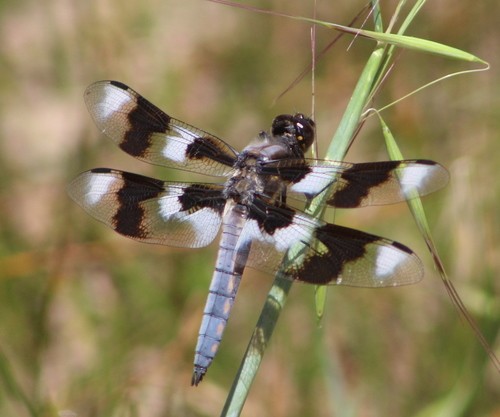
9. Eight-spotted skimmer
The eight-spotted skimmer (Libellula forensis) is identified by the eight black markings on its wings. It is occasionally confused with the Twelve-spotted skimmer that is sometimes called the Ten-spotted skimmer. You may attempt to desperately count the number of spots on these fast-moving skimmers, but the major differentiation in this one is the lack of black tips on their wings.
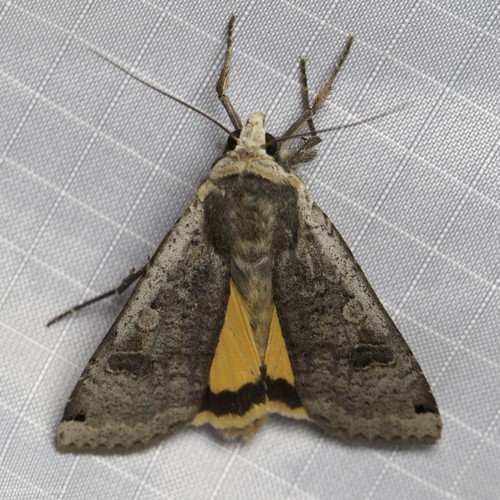
10. Large yellow underwing
An unusually large and heavy species of moth, large yellow underwing (Noctua pronuba) is dreaded by gardeners for the larvae's habit of causing fatal damage to the base of virtually any herbaceous plant. Large migrations occur some years, but how those years are determined is not yet known. Its contrasting colors (yellow-orange and brown) are thought to confuse would-be predators.
More







