




Top 20 Most Common Insects in Los Alamos
Insects are a fascinating and abundant group of creatures in Los Alamos, exhibiting a wide array of adaptations to the city's different habitats. They play key roles in our ecosystem, acting as pollinators, composters, and pest controllers. Our list of the top 20 most common insects sheds light on the delicate balance between urban environments and insect life.

Most Common Insects

1. White-Lined Sphinx
The white-Lined Sphinx ( Hyles lineata) is a colorful furry moth with striped wings. It has a similar size of a hummingbird, and behaves like a hummingbird as well. It can fly extremely fast, and instantly swing from side to side while hovering just like a hummingbird. It feeds on nectar from a variety of flowers including petunia, honeysuckle, lilac, clovers, thistles, and jimson weed.
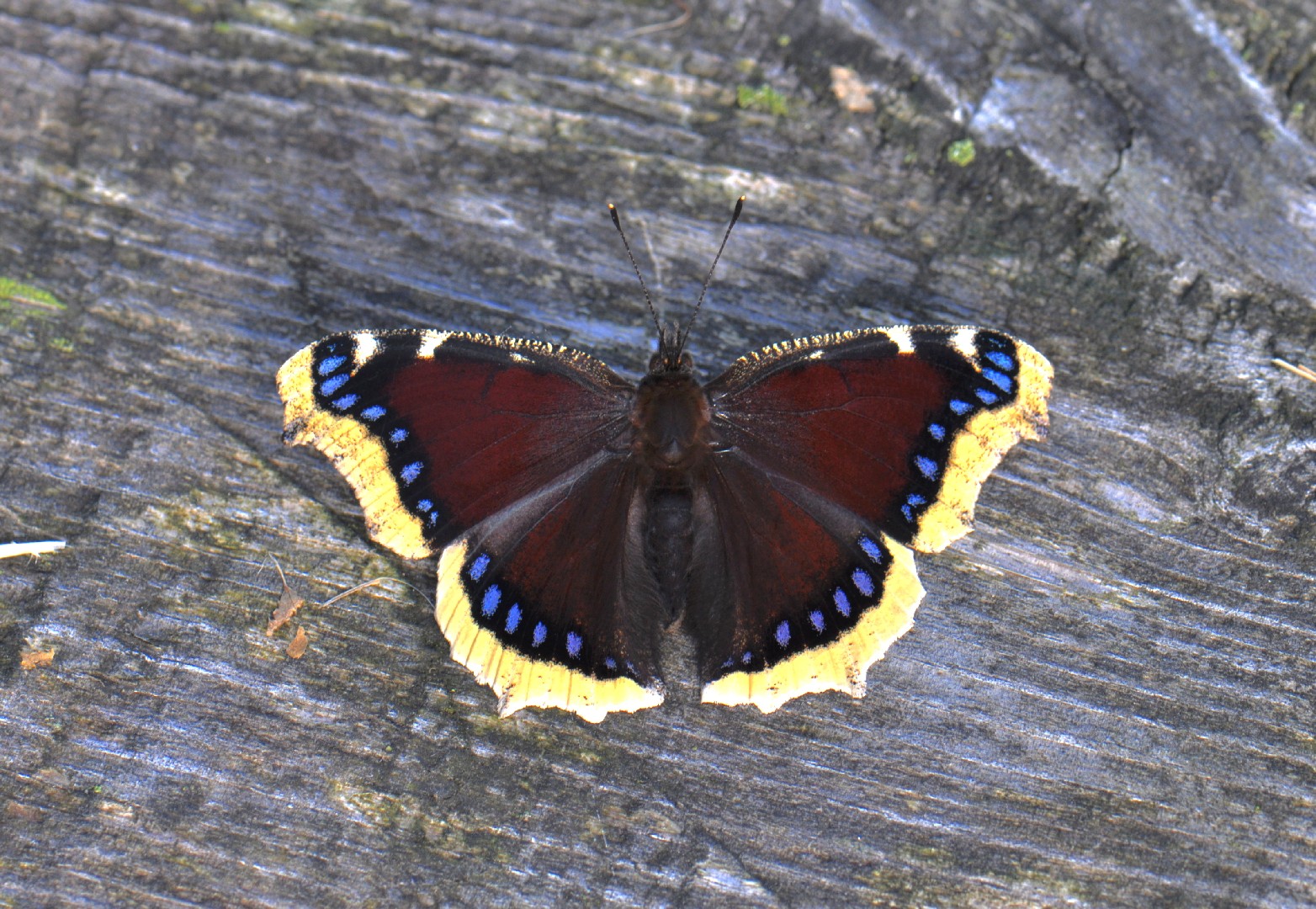
2. Mourning cloak
The state insect of Montana, mourning cloak (Nymphalis antiopa) owes its name to a visual comparison with a girl who, disliking mourning, allows a few inches of color to show from under her mourning garb. Among the longest-lived butterflies, individuals may persist for as long as eleven to twelve months. It is a powerful flier, with vagrants often found many miles from the usual migration paths.
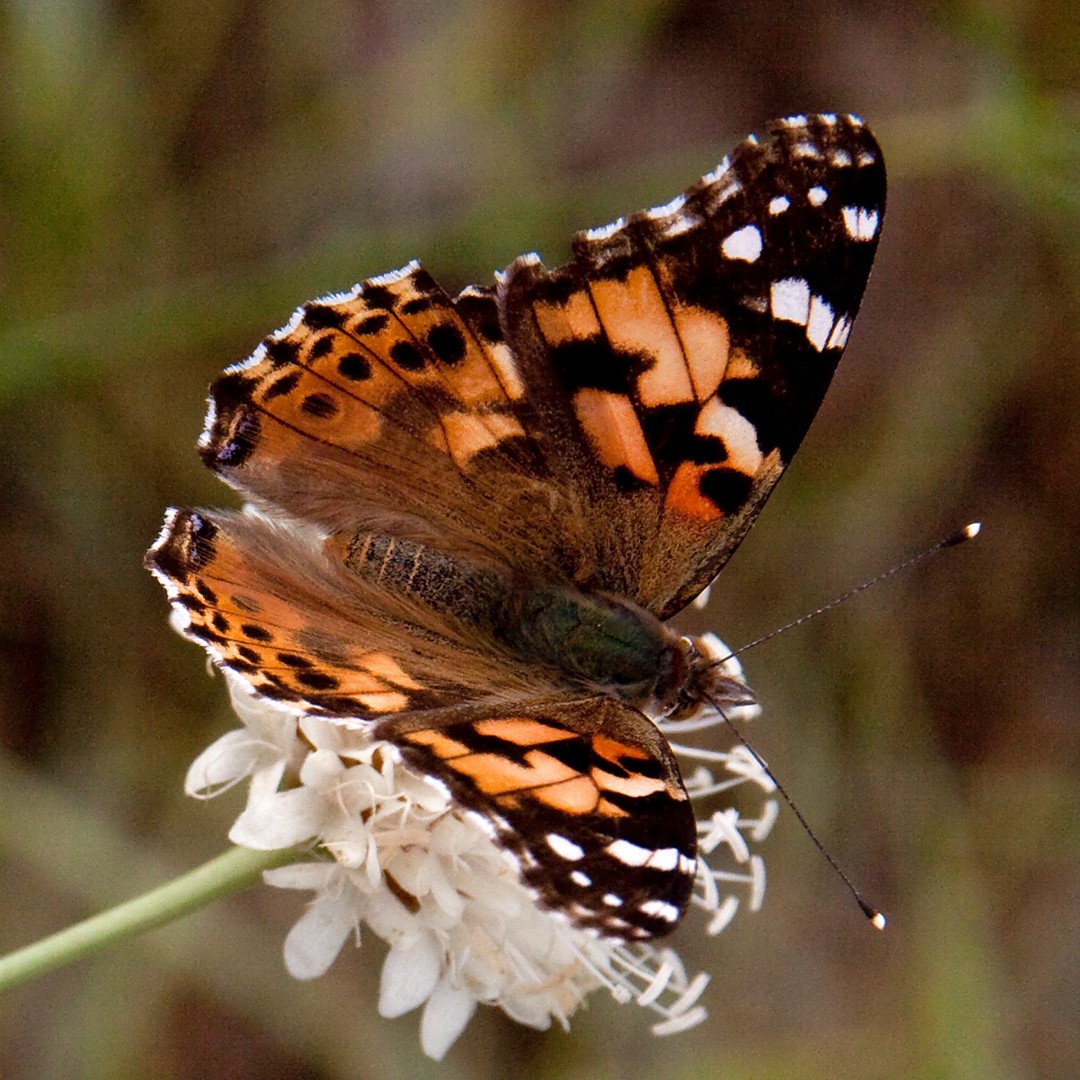
3. Painted lady
The painted lady is a migratory butterfly that spends part of the year in Northern Africa and then migrates to Europe during the warmer months. Although the adults feed on nectar from flowers, the larvae feed on the leaves of nettles and thistles.
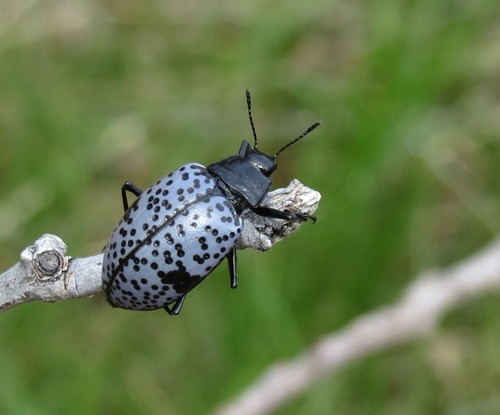
4. Blue fungus beetle
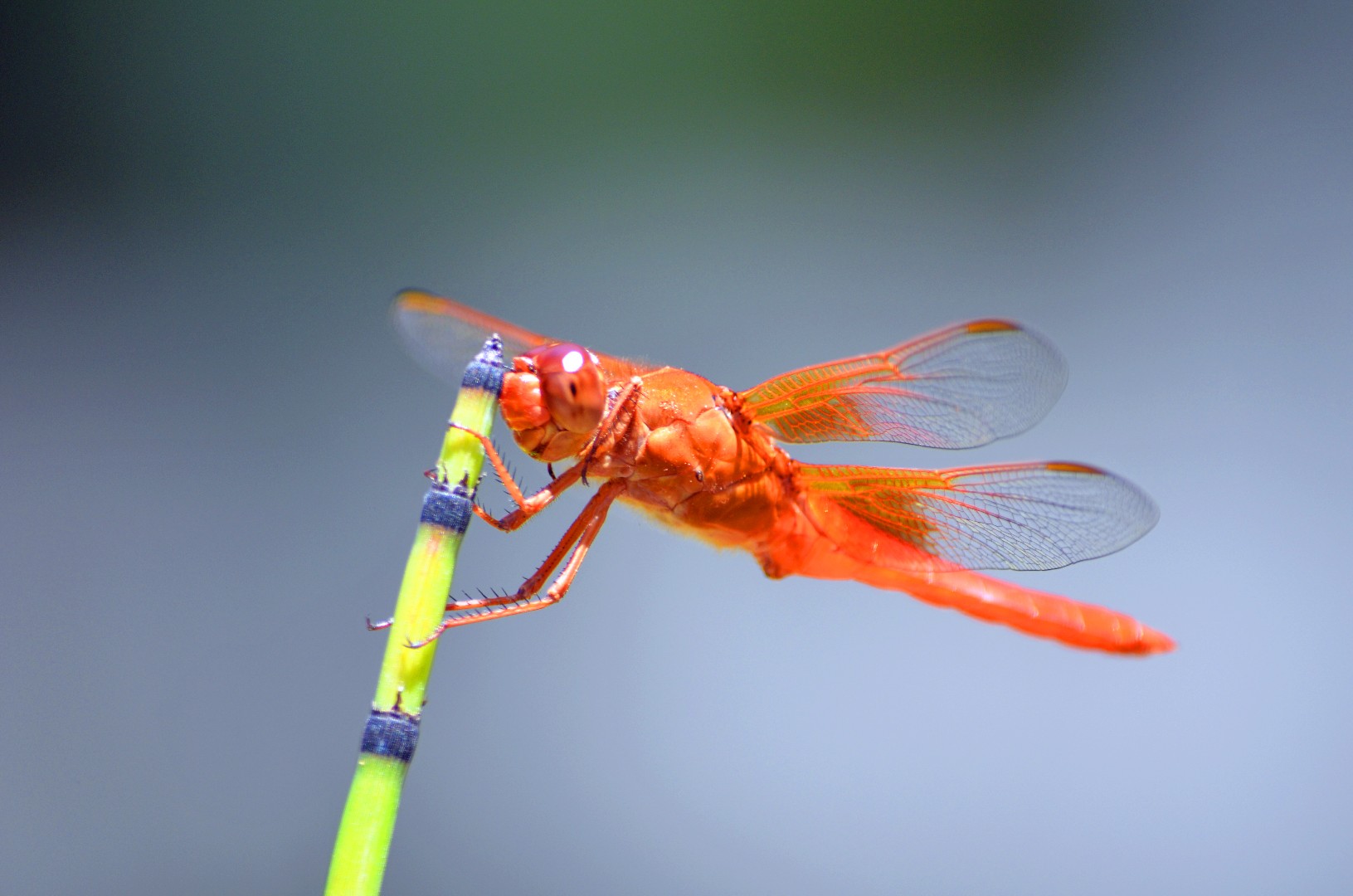
5. Flame skimmer
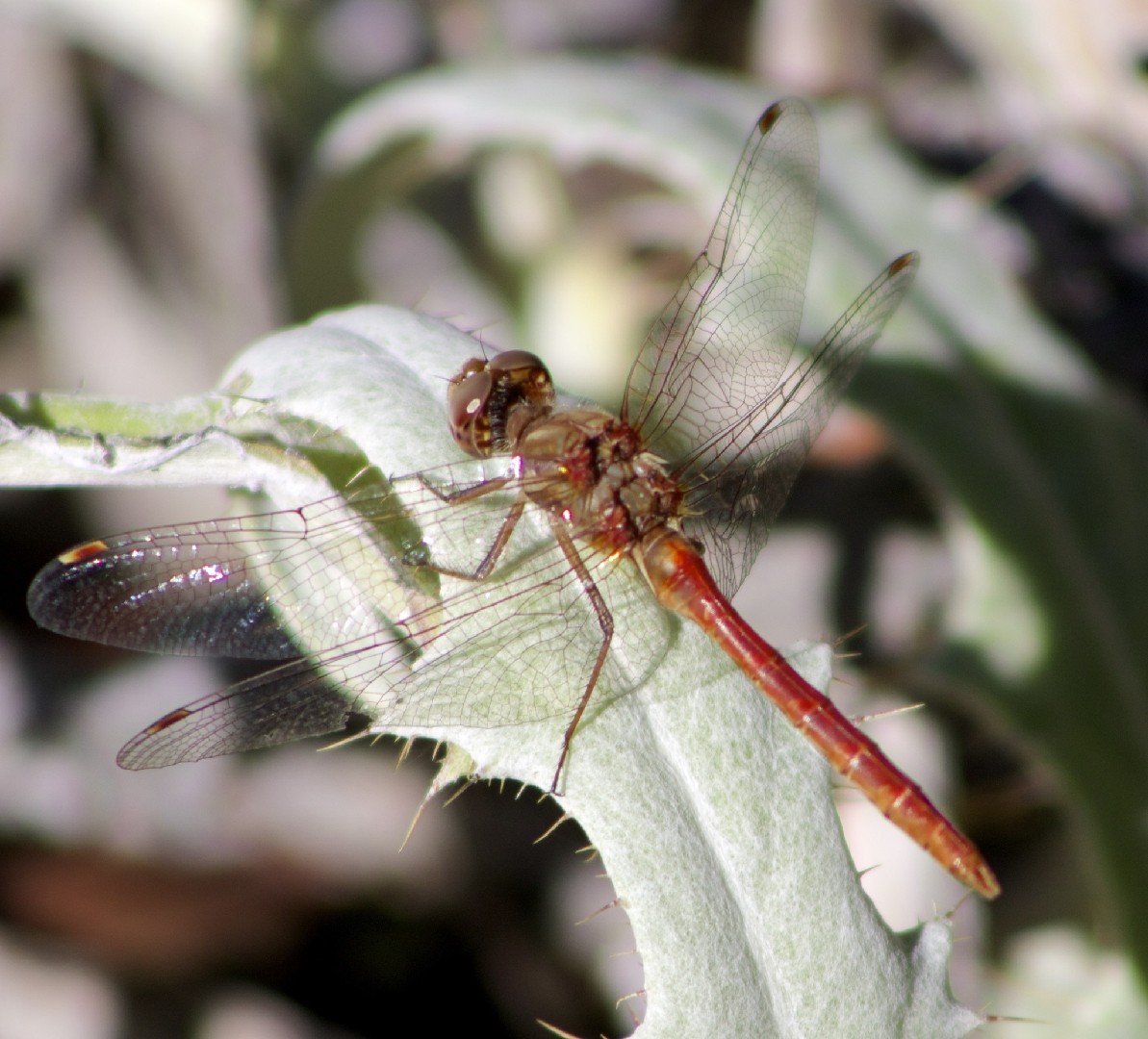
Male flame skimmers are known for their entirely red or dark orange body, this includes eyes, legs, and even wing veins. Females are usually a medium or darker brown with some thin, yellow markings. This particular type of skimmer varies in size but is generally measured somewhere between 5 cm and 8 cm long. These naiads are known for being rather large and chubby-looking due to their rounded abdomen. They are covered with hair but, unlike most young dragonflies, they lack hooks or spines. 
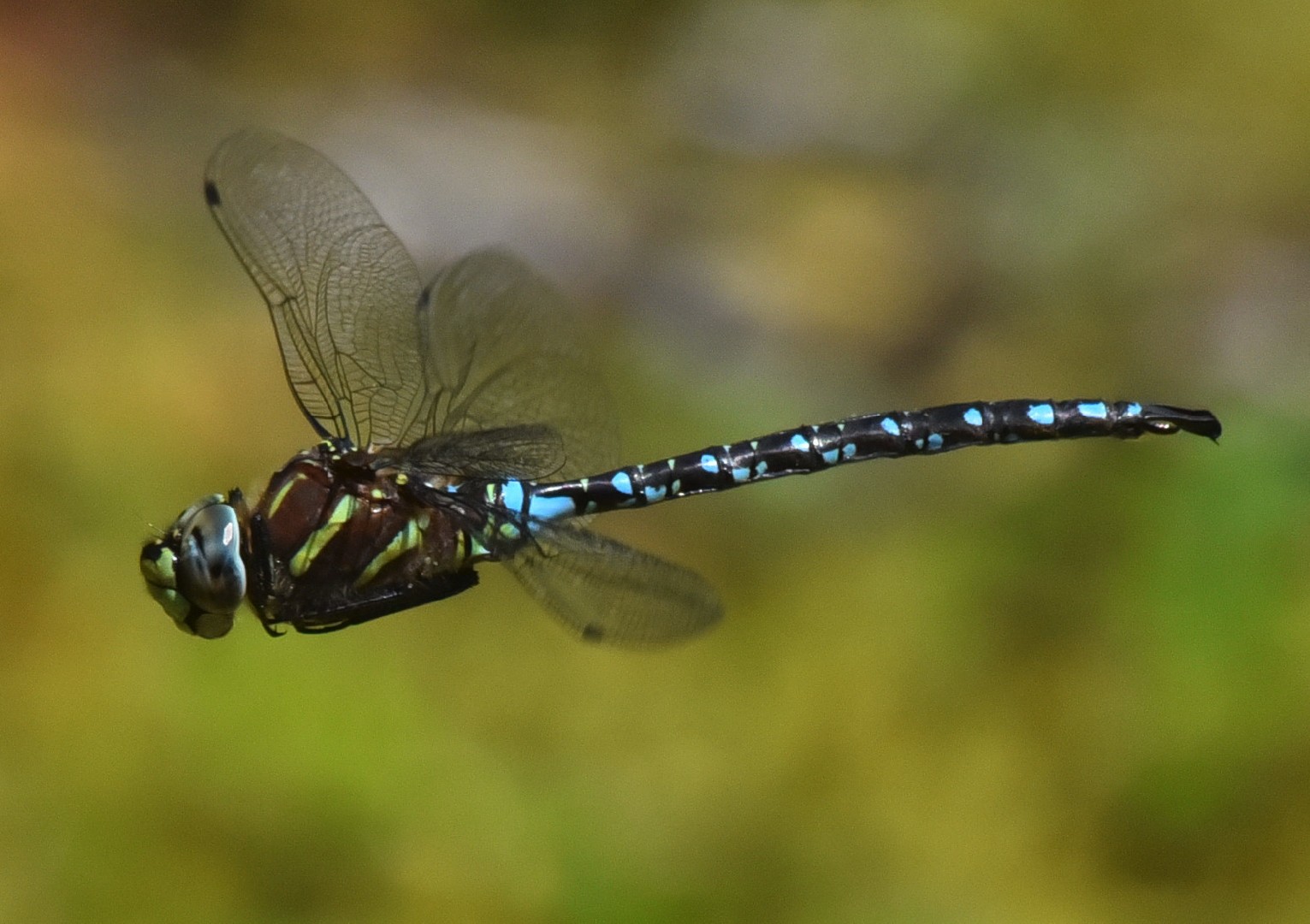
6. Paddle-tailed darner
This species is named after its distinctive paddle-shaped appendages.

7. Variegated fritillary
The variegated fritillary (Euptoieta claudia) earns its name from the greek work Eutptoietos, which means "easily scared." This is because they are incredibly difficult to approach, darting away if anyone comes close. They are identified with a checkered orange and black on its wings. The variegated fritillary is unique among butterflies for its ability to have two or three broods per year, resulting in many potential children.
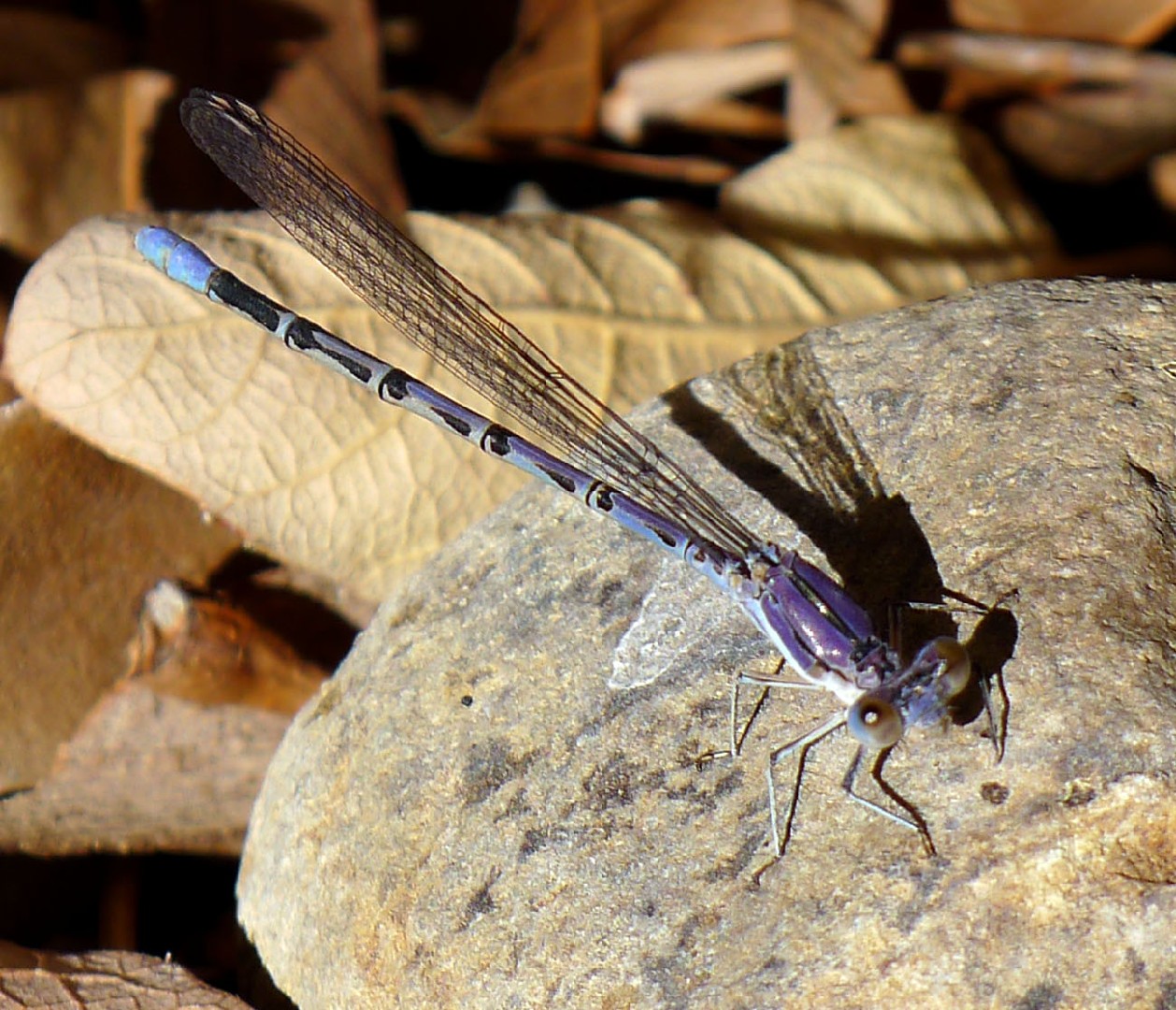
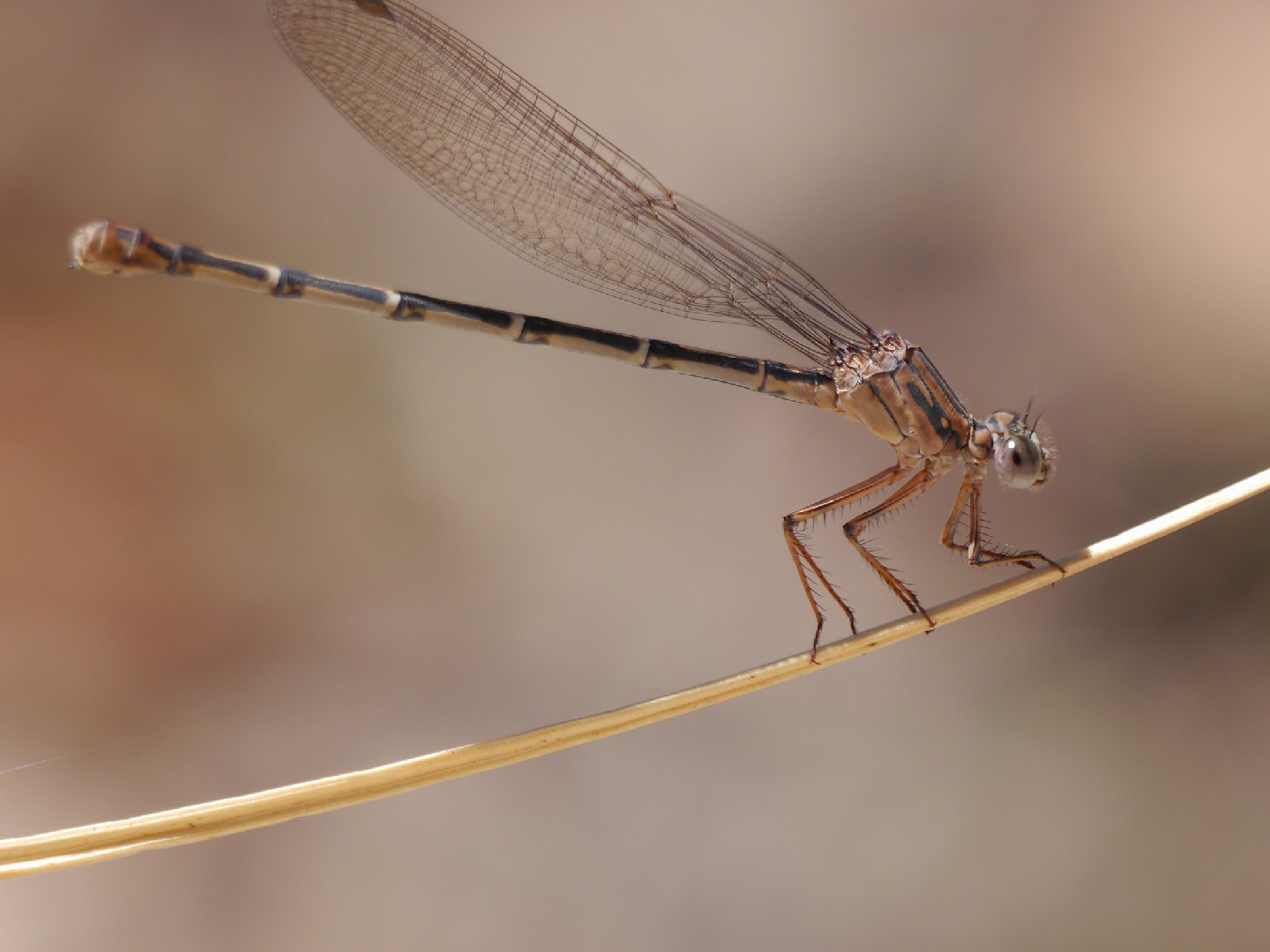
8. Springwater dancer
The springwater dancer has a black stripe along the side of its thorax. The male is typically blue, but some can be violet. The female is pale brown.
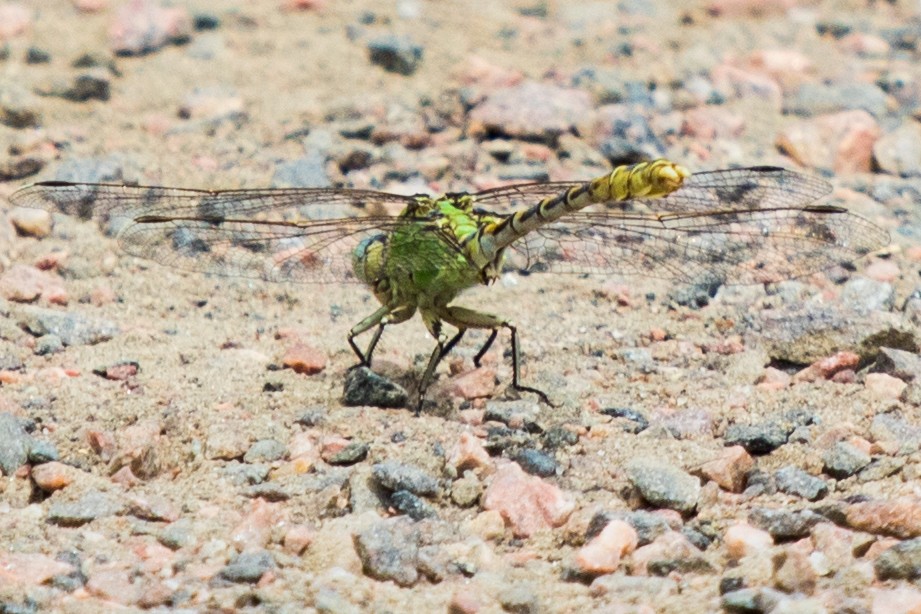
9. Pale snaketail
Ophiogomphus severus is a species of dragonfly in the family Gomphidae. It is commonly known as the pale snaketail.
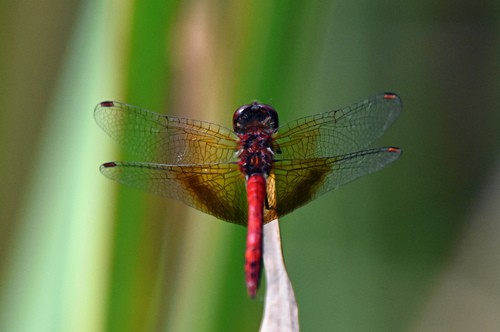
10. Band-winged meadowhawk
Sympetrum semicinctum can reach a length of 2.5 - 3.5 cm, with a wingspan of 4.5 - 6 cm. The male has a bright red abdomen with black markings on the lower sides and on the top of the segments 8 and 9, creating a U like pattern. The thorax is brownish red and the sides show three irregular black stripes. Face and eyes are dark red. The legs are black. The hind wings have a rusty patch at the base, covering one-third of the wings, while the front wings are almost completely transparent. Pterostigma is blackish red. The female is mainly greenish-yellowish or orange, with red over green on eyes and extended blackish markings on the abdomen. Mature females sometimes turn red like males, while immature males are yellow like females and slowly reach their red coloration.
More







