




Top 20 Most Common Insects in Catskill
Insects, creatures marked by their six-legged physique and diverse habitats, are an integral part of Catskill's ecosystem. The city's varied environments, from lush forests to flowing rivers, foster a rich insect diversity. This list explores the top 20 most common insects in Catskill, highlighting each of their unique roles, be they pests or invaluable pollinators. It underscores the crucial relationship between these creatures and their surroundings, painting a balanced picture of life in Catskill.

Most Common Insects
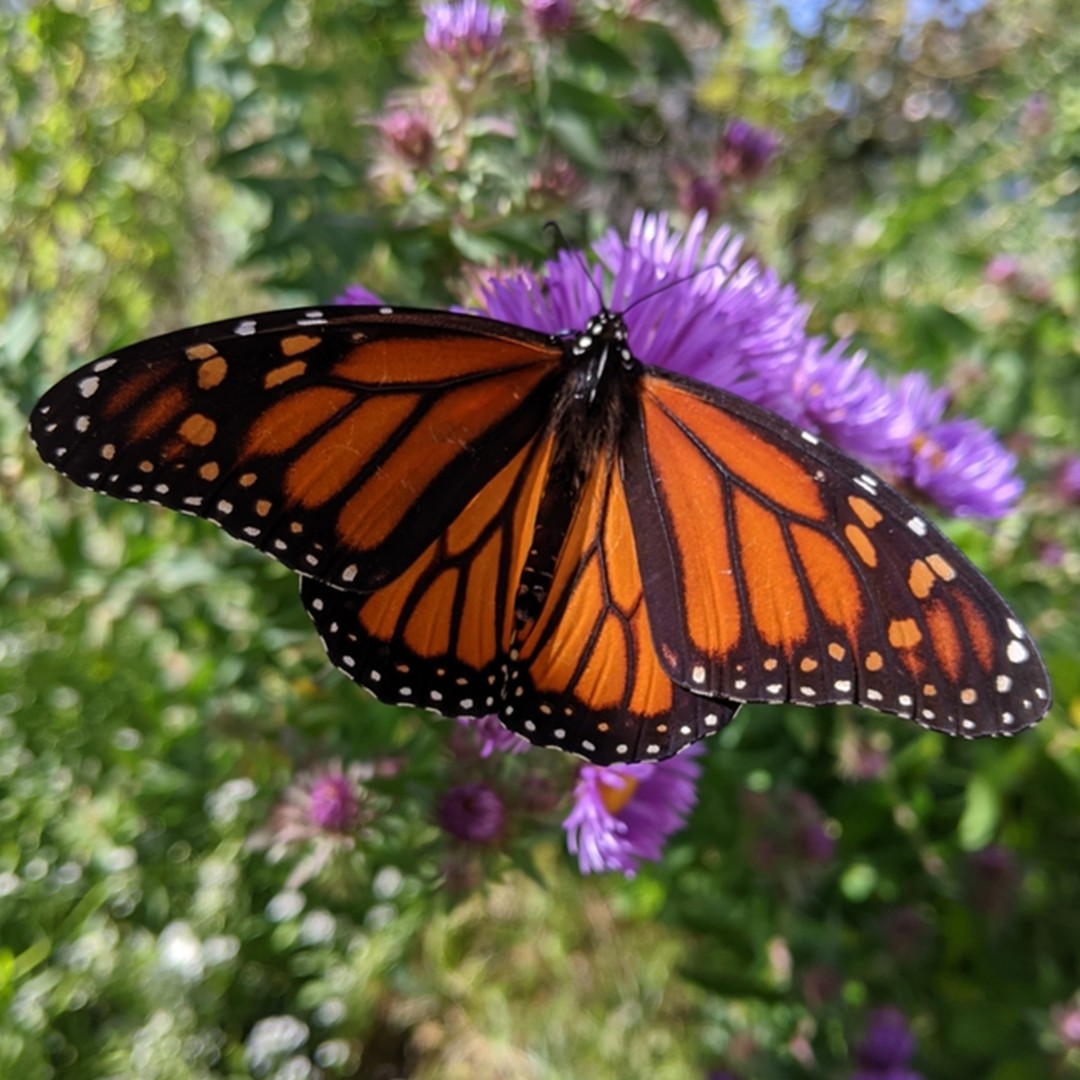
1. Monarch butterfly
The monarch butterfly (Danaus plexippus) is the most recognizable butterfly in North America. It is best known for its appearance, but should be better known for the fact that it has a 3000-mile migration that takes the butterfly 4 generations to complete. Their diet is also a natural deterrent for predators, as they eat milkweed, a poison that induces vomiting.
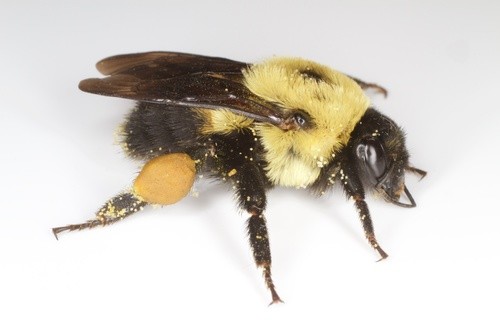
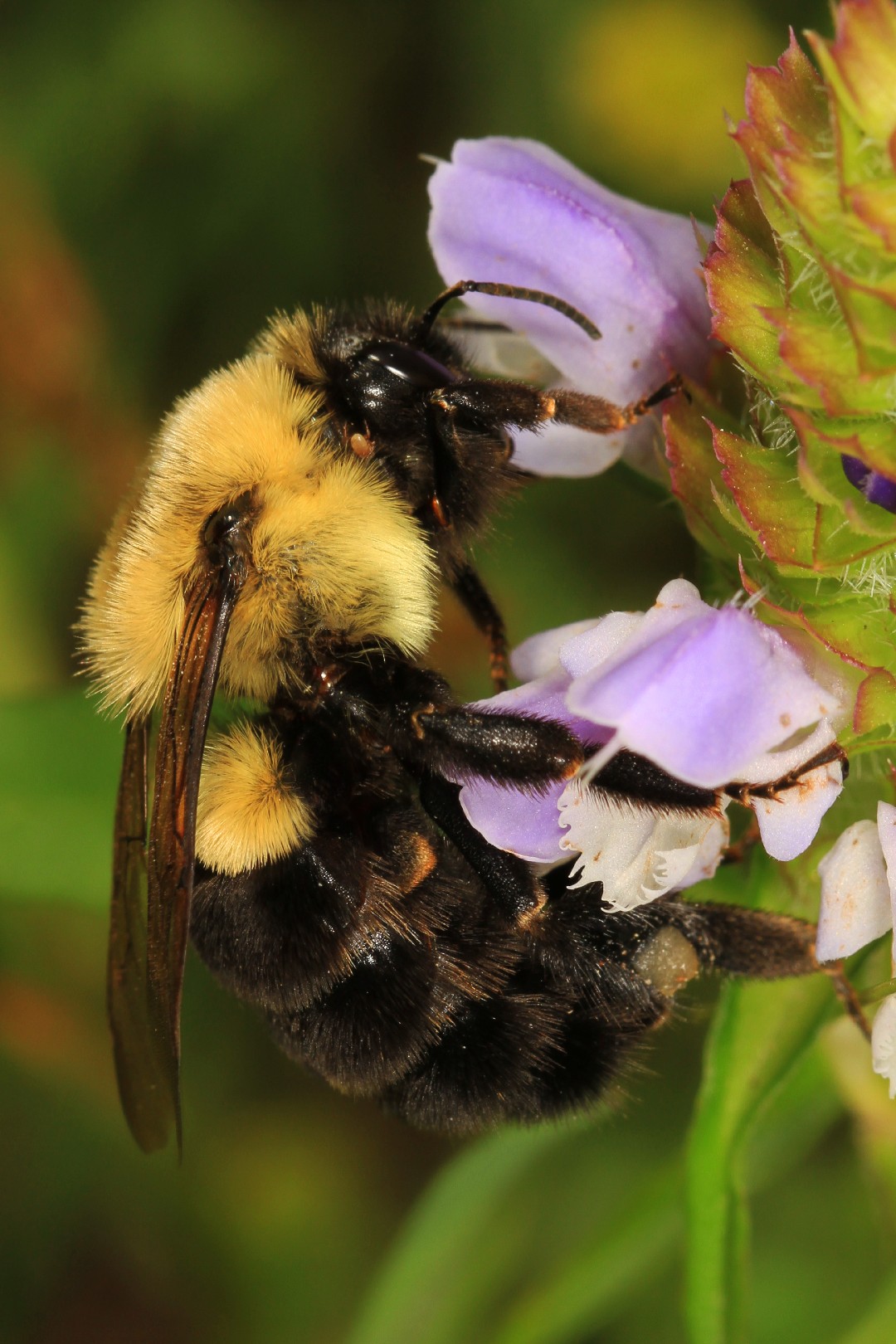
2. Common Eastern Bumble Bee
The common Eastern Bumble Bee (Bombus impatiens) is one of the most important pollinator bees in North America. A decline in the bee population will lead to financial hardships for farmers and reduced food yield. Their efficiency in pollination and foraging comes from their ability to drop "traplines." These lines guide other bees to the correct path for food while informing them of depleted locations.
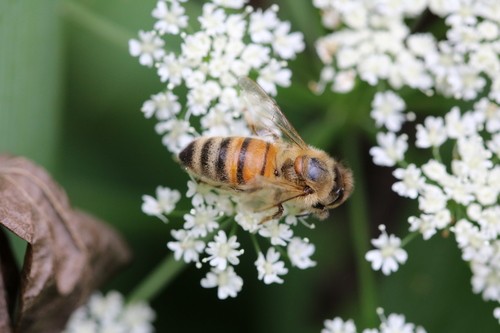
3. Western honey bee
Western honey bee(Apis mellifera) is the most common species of honeybee in the world. Among the first domesticated insects, its cultural and economic impact on humanity has been vast and far-reaching, providing honey, wax and its services as a pollinator. Western honey bee faces challenges worldwide, such as colony collapse disorder, and populations are thought to be decreasing.

4. Multicolored asian ladybeetle
Often confused for the ladybug, multicolored asian ladybeetle (Harmonia axyridis) is a separate species that, unlike the ladybug, is a household pest. It is considered particularly annoying for its habit of returning to places from which it is removed. One of the most variable species in the world, there are many different colors and patterns multicolored asian ladybeetle may display, making identification potentially difficult.
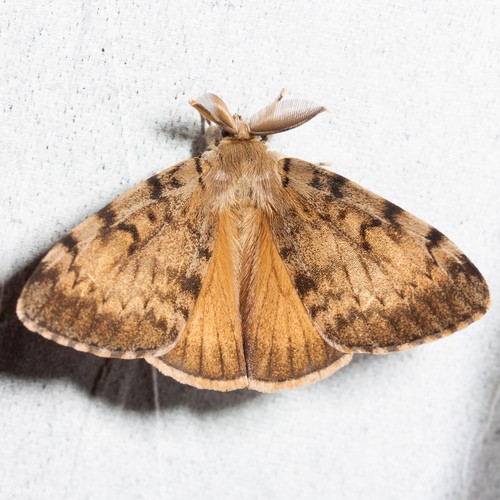
5. Gypsy moth
The gypsy moth (Lymantria dispar) spends nearly its entire life on the same host tree, stripping leaves off of it. However, they will occasionally fly as a colony from one host tree to another. They are commonly recognized by their fuzzy larvae, which have dark bodies with red and blue spots. The adults are usually a pale brown color though.
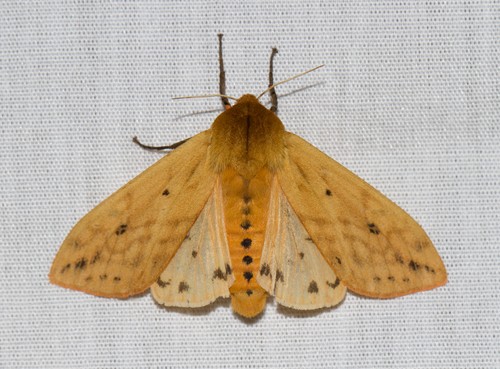
6. Isabella Tiger Moth
The isabella Tiger Moth (Pyrrharctia isabella) grows into the Isabella Tiger Moth. In folklore, the amount of brown on their band is said to determine the length of the upcoming winter. Over the winter it freezes completely. It prevents the damage of tissue by producing a liquid that preserves the tissue.
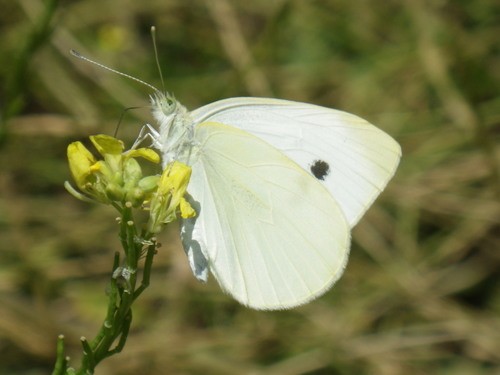
7. Cabbage white
Cabbage white (Pieris rapae) derives its common name from its habits as a caterpillar, which is a ferocious pest for cabbage, kale and broccoli farmers. In North America, it is one of the first butterflies to emerge in spring, heralding the beginning of the season.

8. Blue dasher
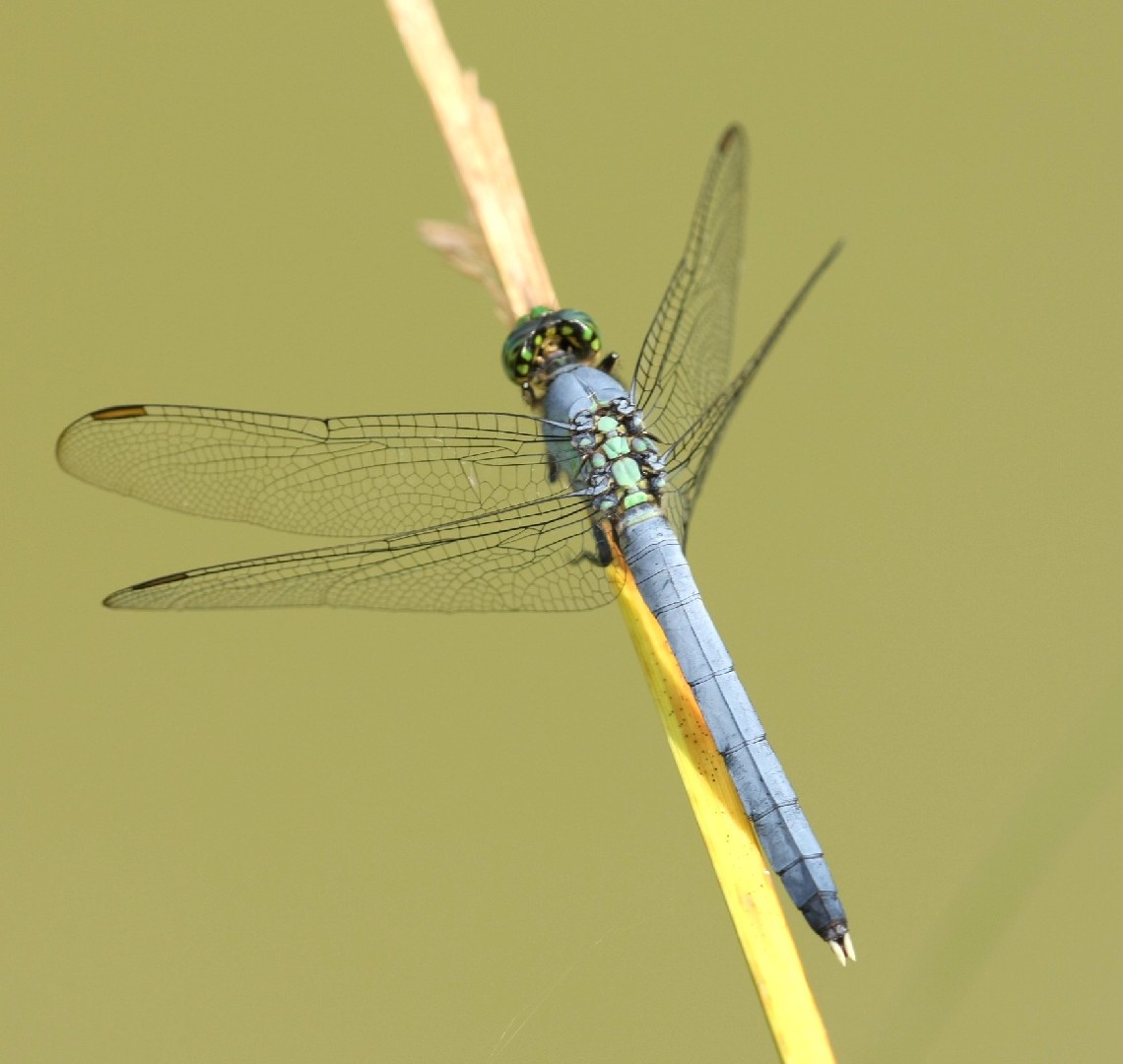
The name Pachydiplax longipennis implies that the blue dasher has long wings due to the "longipennis" section literally translating to it. But this would be misleading, as the insect does not have particularly long wings. Instead, they stick out with vibrant blue colors. The dasher part of their name may be in reference to their voracious diet, as they can eat up to 10 percent of their body weight daily.
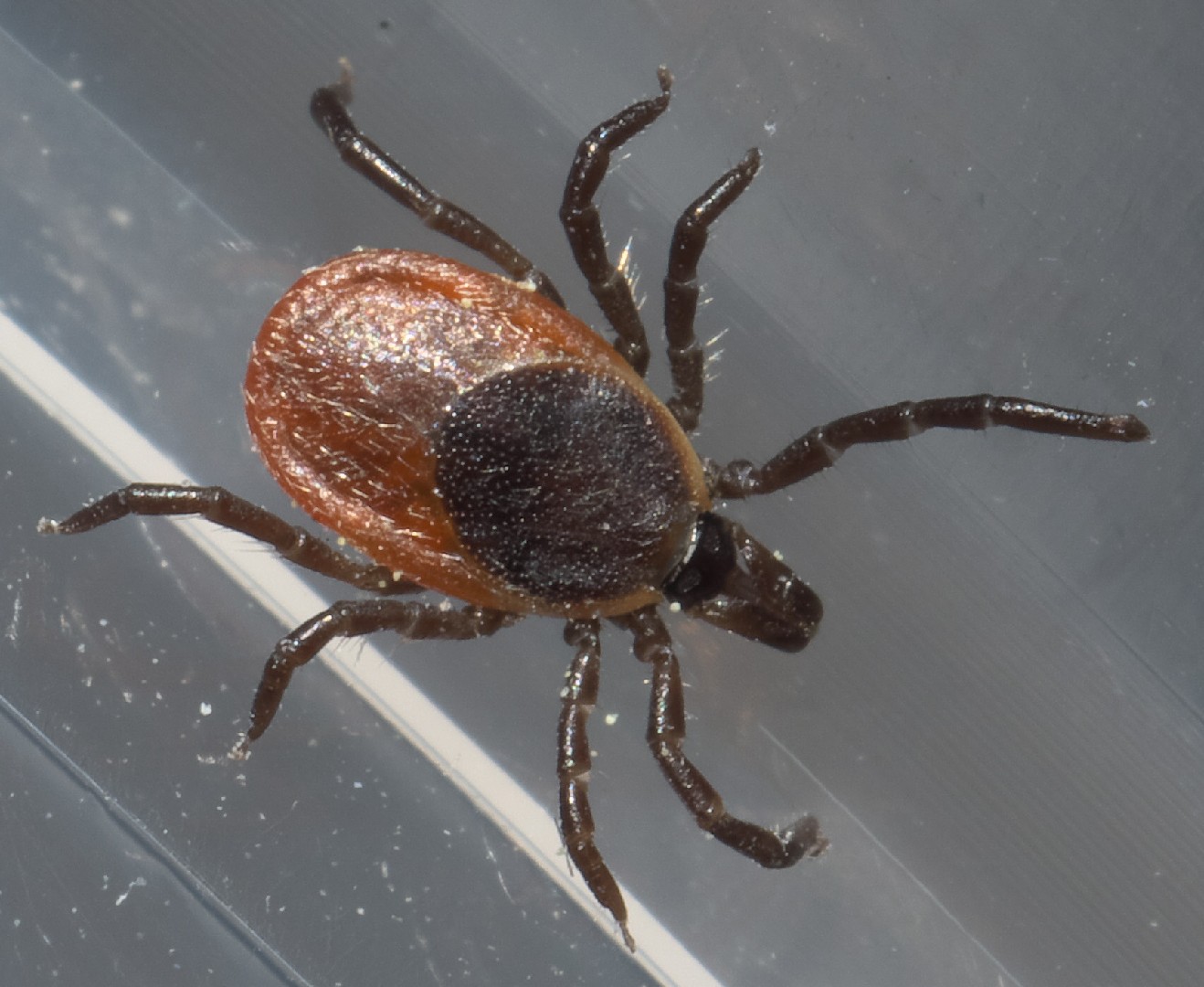
9. Eastern black-legged tick
The eastern black-legged tick got its common name from its tendency to attach itself as a parasite to white-tailed deer. It is a vector for several animal and human diseases, including Lyme disease and Powassan virus. Humans are most likely to get bitten by ticks in the nymph stage, when they are smaller and hard to see. Humans also get bitten most often during the summer.
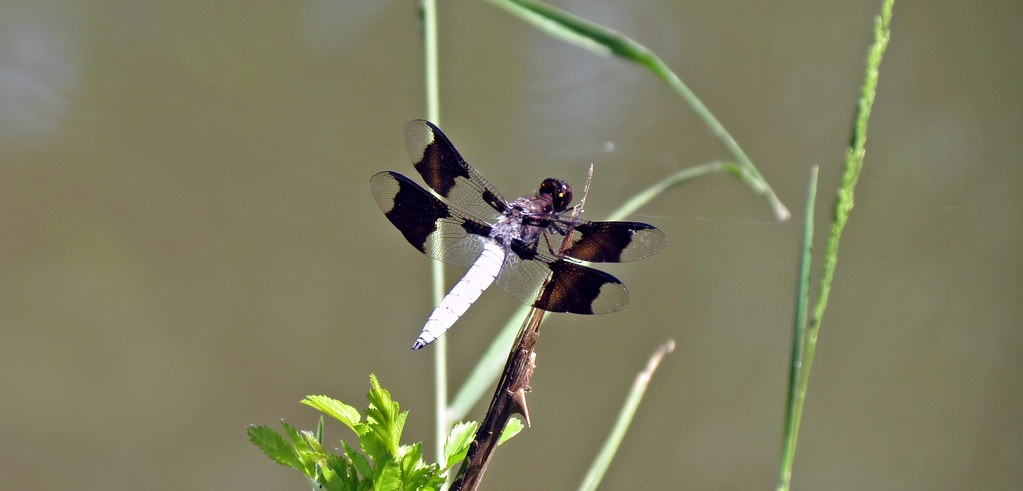
10. Common whitetail skimmer
Common whitetail skimmer has black bands on its translucent wings which make it easy to identify. The common whitetail skimmer is found throughout North America and serves a vital ecological purpose. The dragonfly’s compound eyes provide it with a 360-degree field of vision, allowing it to spot prey like spiders and other nuisance insects.


More