




Top 20 Most Common Insects in Ithaca
Insects, characterized by their six-legged exoskeletons, thrive in diverse environments, including the cityscape of Ithaca. These creatures, often viewed as nuisances, play significant roles in their urban ecosystem, contributing both as pests and members of the biodiversity. Knowing the top 20 most common insects in Ithaca can deepen our understanding of their importance and interconnectedness in our world.

Most Common Insects
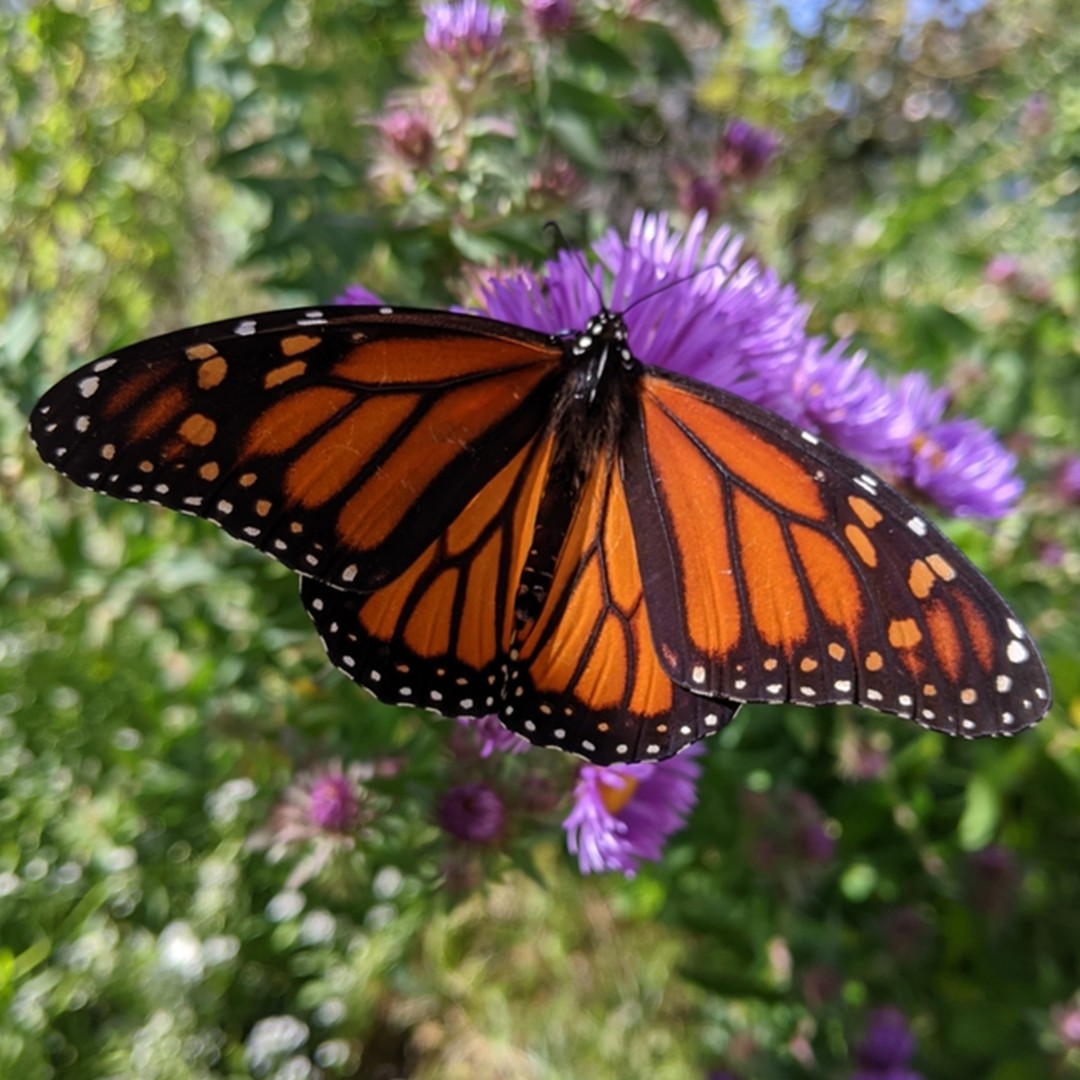
1. Monarch butterfly
The monarch butterfly (Danaus plexippus) is the most recognizable butterfly in North America. It is best known for its appearance, but should be better known for the fact that it has a 3000-mile migration that takes the butterfly 4 generations to complete. Their diet is also a natural deterrent for predators, as they eat milkweed, a poison that induces vomiting.
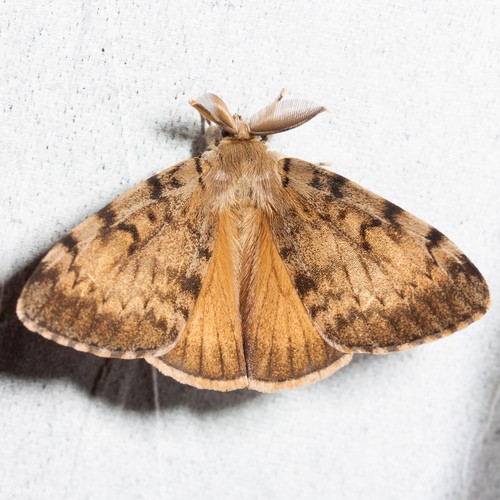
2. Gypsy moth
The gypsy moth (Lymantria dispar) spends nearly its entire life on the same host tree, stripping leaves off of it. However, they will occasionally fly as a colony from one host tree to another. They are commonly recognized by their fuzzy larvae, which have dark bodies with red and blue spots. The adults are usually a pale brown color though.
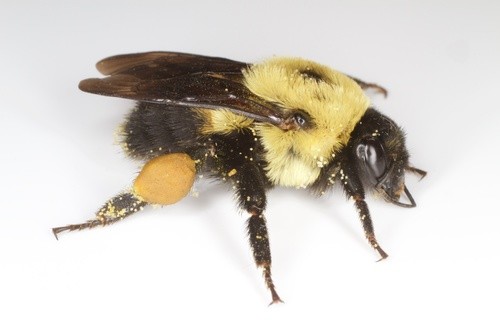
3. Common Eastern Bumble Bee
The common Eastern Bumble Bee (Bombus impatiens) is one of the most important pollinator bees in North America. A decline in the bee population will lead to financial hardships for farmers and reduced food yield. Their efficiency in pollination and foraging comes from their ability to drop "traplines." These lines guide other bees to the correct path for food while informing them of depleted locations.

4. Multicolored asian ladybeetle
Often confused for the ladybug, multicolored asian ladybeetle (Harmonia axyridis) is a separate species that, unlike the ladybug, is a household pest. It is considered particularly annoying for its habit of returning to places from which it is removed. One of the most variable species in the world, there are many different colors and patterns multicolored asian ladybeetle may display, making identification potentially difficult.
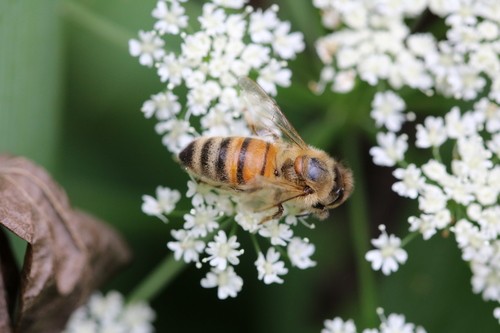
5. Western honey bee
Western honey bee(Apis mellifera) is the most common species of honeybee in the world. Among the first domesticated insects, its cultural and economic impact on humanity has been vast and far-reaching, providing honey, wax and its services as a pollinator. Western honey bee faces challenges worldwide, such as colony collapse disorder, and populations are thought to be decreasing.
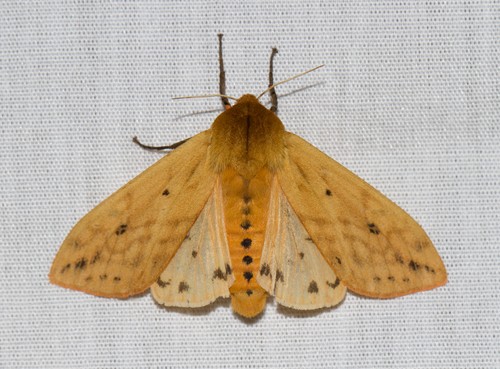
6. Isabella Tiger Moth
The isabella Tiger Moth (Pyrrharctia isabella) grows into the Isabella Tiger Moth. In folklore, the amount of brown on their band is said to determine the length of the upcoming winter. Over the winter it freezes completely. It prevents the damage of tissue by producing a liquid that preserves the tissue.

7. Japanese Beetle
The japanese Beetle (Popillia japonica) was introduced to the Americas from a tourist's car in Nova Scotia. This beetle has been limited in its ability to fully infest the environment, but cannot be fully eradicated. A swarm of them have been known to strip an entire peach tree in a matter of minutes.
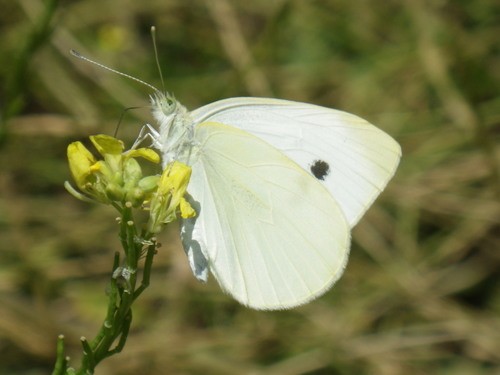
8. Cabbage white
Cabbage white (Pieris rapae) derives its common name from its habits as a caterpillar, which is a ferocious pest for cabbage, kale and broccoli farmers. In North America, it is one of the first butterflies to emerge in spring, heralding the beginning of the season.
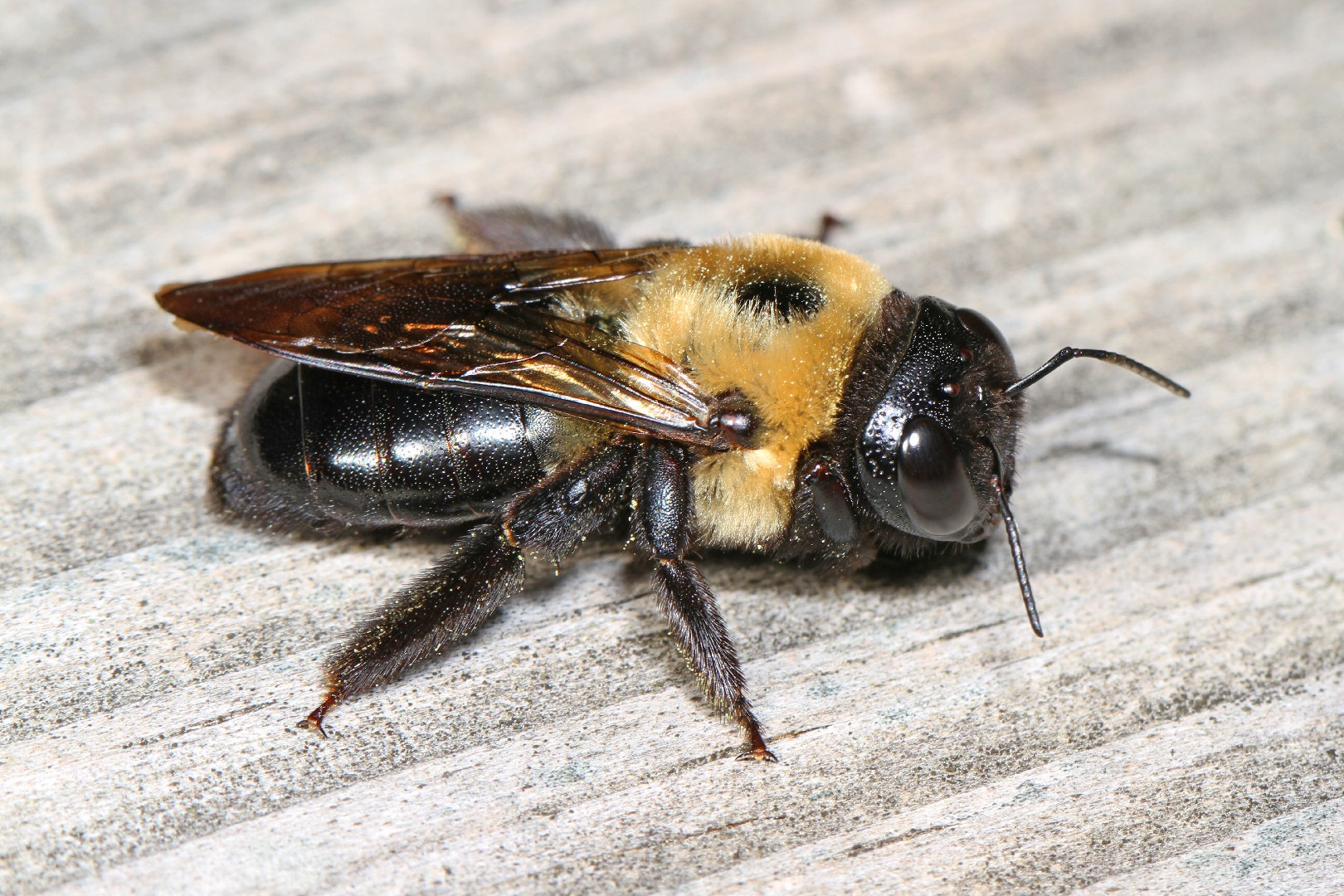
9. Eastern Carpenter Bee
The eastern Carpenter Bee (Xylocopa virginica) is considered a pest and a benefit in the same body. It has earned its pest status from its ability to tunnel into human-made structures and weaken them. They can also stain their excrement on the building as they leave the tunnel. Their benefits as pollinators heavily outweigh any damage they do to structures.
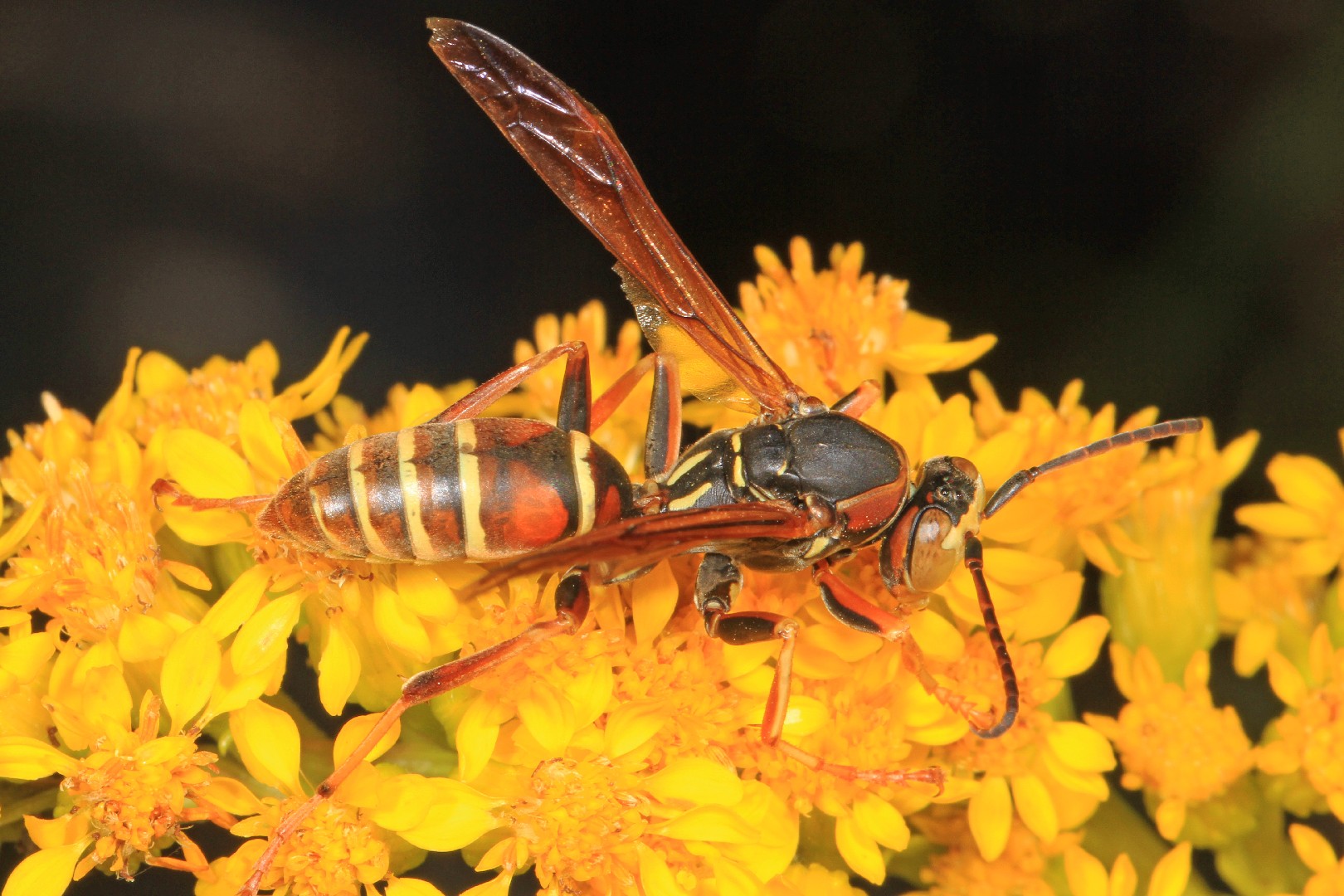
10. Northern Paper Wasp
The northern Paper Wasp (Polistes fuscatus) has a complex society that is dominated by one queen. The first children that a queen gives birth to are infertile females, giving them the regular job of maintaining the nest. Much like human societies, northern Paper Wasps pamper their youth. There are no nursing homes for the elderly.


More







