




Top 20 Most Common Insects in Plattsburgh
Insects, the diverse world of mini-beasts with their fascinating adaptations, vivaciously thrive in Plattsburgh. Encompassing a myriad of landscapes from urban gardens to waterfront parks, Plattsburgh provides a rich habitat that influences insect variety and population. Insects, as essential pollinators, decomposers, and even pesky home invaders, maintain the delicate equilibrium of Plattsburgh's ecosystem. Discover the intriguing roles and identities of the top 20 most common insects that share our city in this engaging exploration.

Most Common Insects
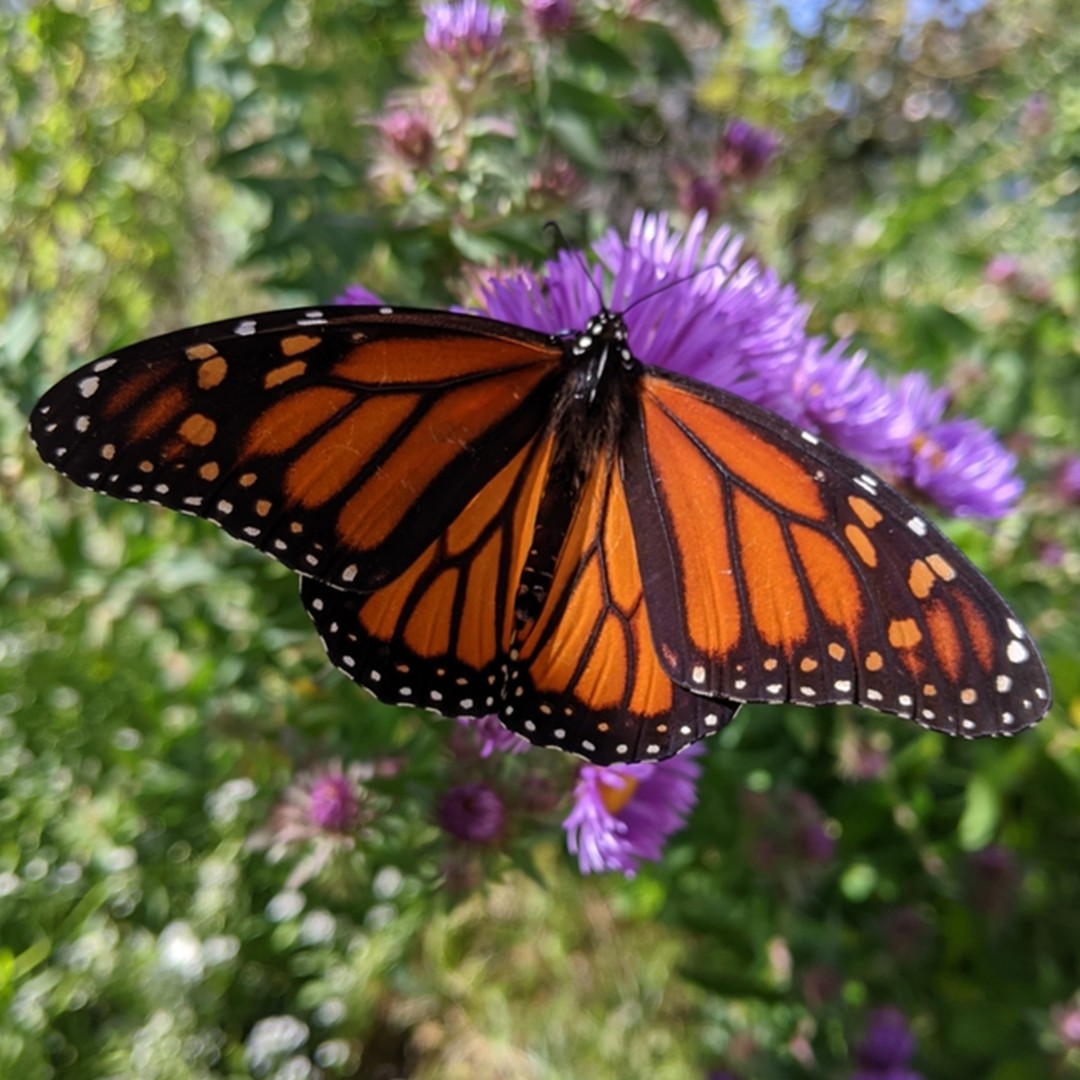
1. Monarch butterfly
The monarch butterfly (Danaus plexippus) is the most recognizable butterfly in North America. It is best known for its appearance, but should be better known for the fact that it has a 3000-mile migration that takes the butterfly 4 generations to complete. Their diet is also a natural deterrent for predators, as they eat milkweed, a poison that induces vomiting.
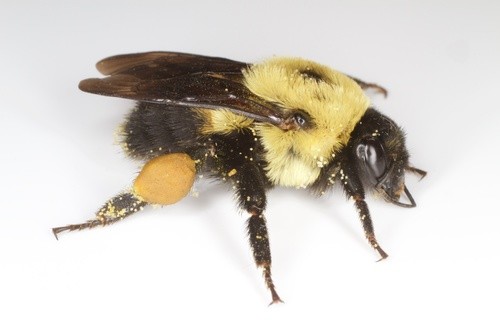
2. Common Eastern Bumble Bee
The common Eastern Bumble Bee (Bombus impatiens) is one of the most important pollinator bees in North America. A decline in the bee population will lead to financial hardships for farmers and reduced food yield. Their efficiency in pollination and foraging comes from their ability to drop "traplines." These lines guide other bees to the correct path for food while informing them of depleted locations.
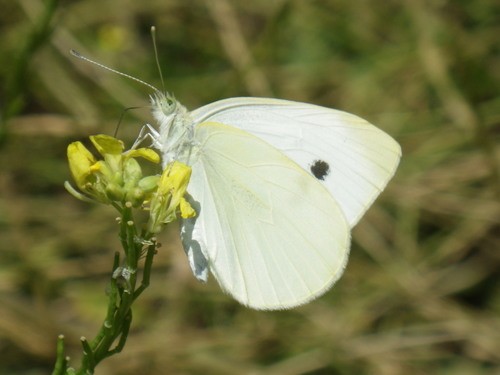
3. Cabbage white
Cabbage white (Pieris rapae) derives its common name from its habits as a caterpillar, which is a ferocious pest for cabbage, kale and broccoli farmers. In North America, it is one of the first butterflies to emerge in spring, heralding the beginning of the season.
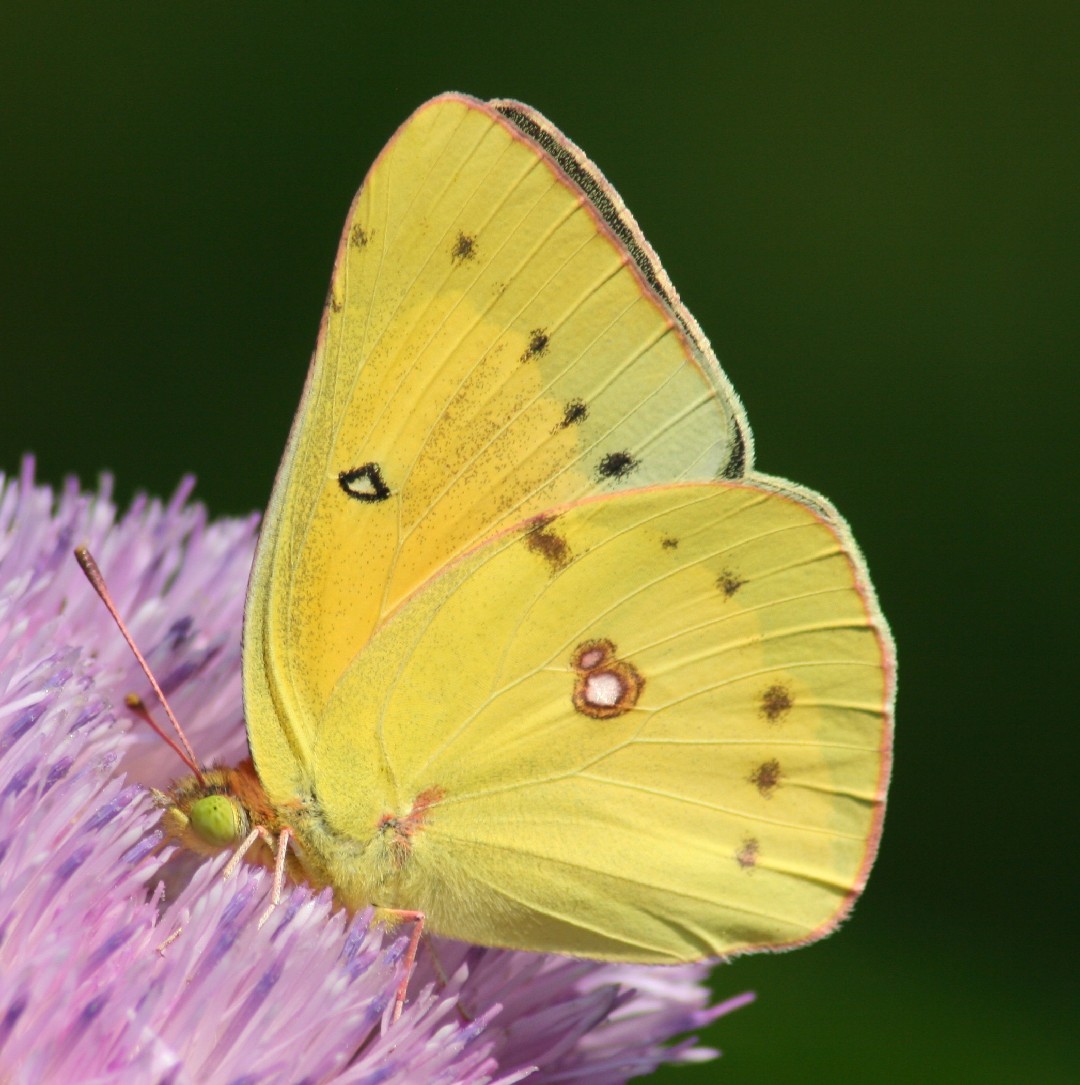
4. Clouded Sulphur
The scientific name is Colias philodice, also known as the clouded Sulphur. It is very commonly seen in North America with pale yellow wings, which have solid black borders on the upper surface and a doubled hindwing spot trimmed in brownish red. Interestingly, the wing color of the clouded Sulphur varies in a seasonal manner from white to yellow and the spots on the wings also change as well, being more pronounced during the cool months in spring and fall.

5. Multicolored asian ladybeetle
Often confused for the ladybug, multicolored asian ladybeetle (Harmonia axyridis) is a separate species that, unlike the ladybug, is a household pest. It is considered particularly annoying for its habit of returning to places from which it is removed. One of the most variable species in the world, there are many different colors and patterns multicolored asian ladybeetle may display, making identification potentially difficult.
6. Red-Spotted Purple
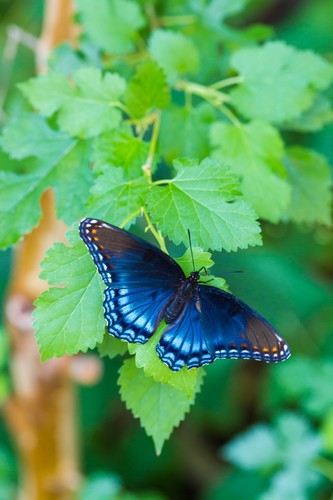
The red-Spotted Purple (Limenitis arthemis) is a beautiful butterfly that shows off a metallic-blue color. They are also known as White Admirals due to the brilliant, white band that is seen on them. Males are incredibly aggressive in defending areas that have high female traffic. They will regularly patrol these areas to ensure other males do not take over claimed territories.
7. Mourning cloak
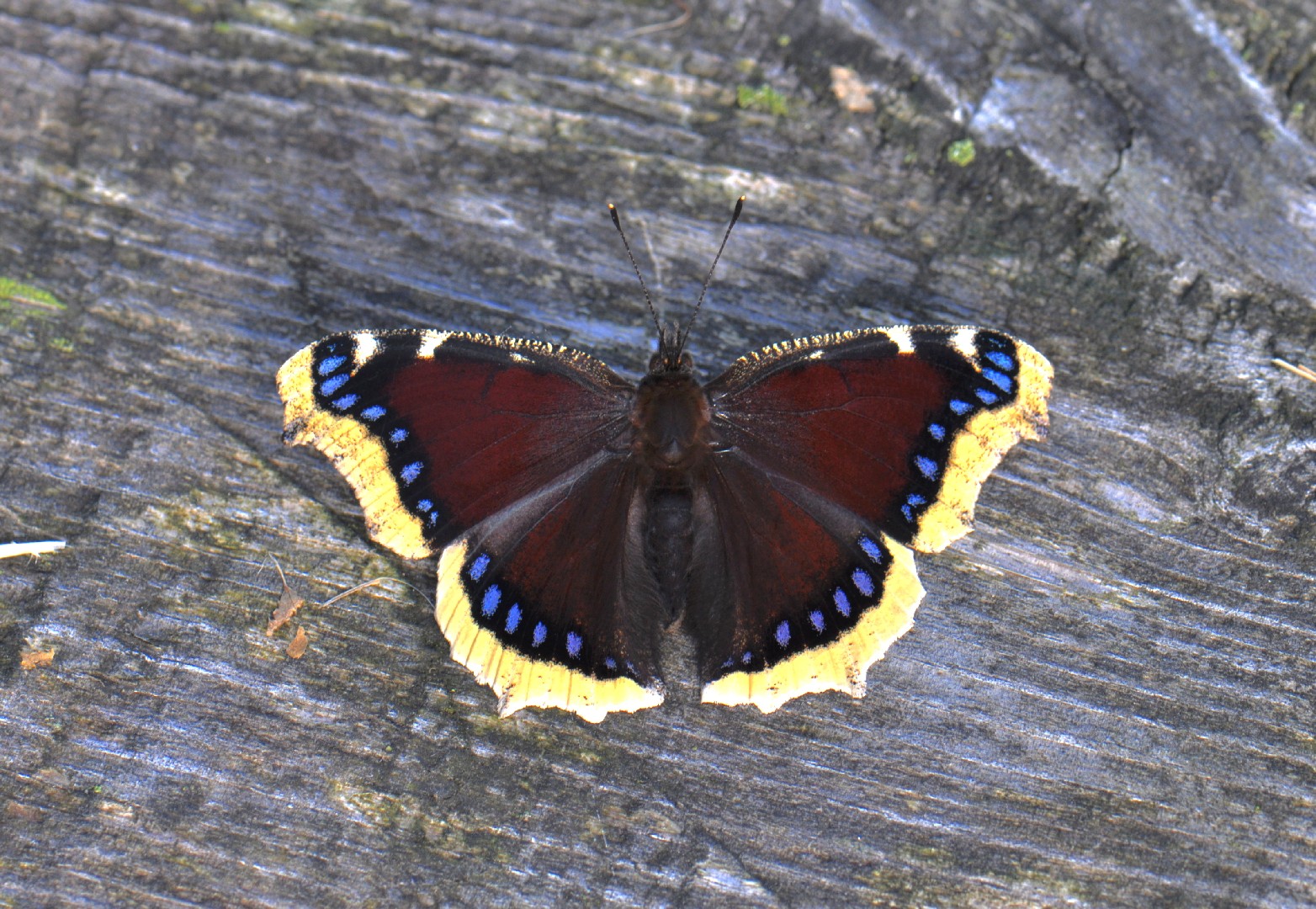
The state insect of Montana, mourning cloak (Nymphalis antiopa) owes its name to a visual comparison with a girl who, disliking mourning, allows a few inches of color to show from under her mourning garb. Among the longest-lived butterflies, individuals may persist for as long as eleven to twelve months. It is a powerful flier, with vagrants often found many miles from the usual migration paths.
8. Viceroy
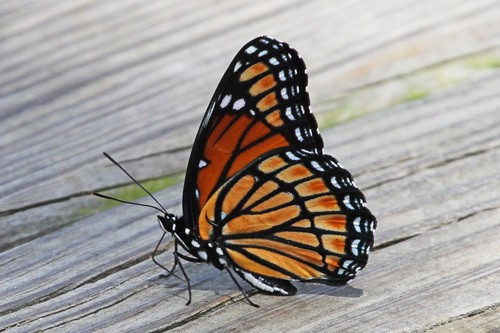
The viceroy (Limenitis archippus) is a butterfly that mimics the Monarch Butterfly. The viceroy is distinct because it is smaller than the Monarch. Still, it manages to use this to ward off most predators. There is also polymorphism, meaning that the colors of this butterfly can change depending on the territory.
9. Orange-belted bumble bee
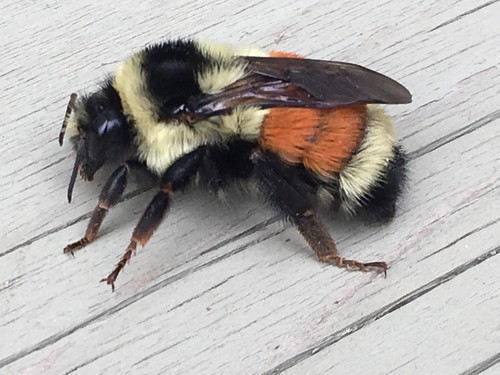
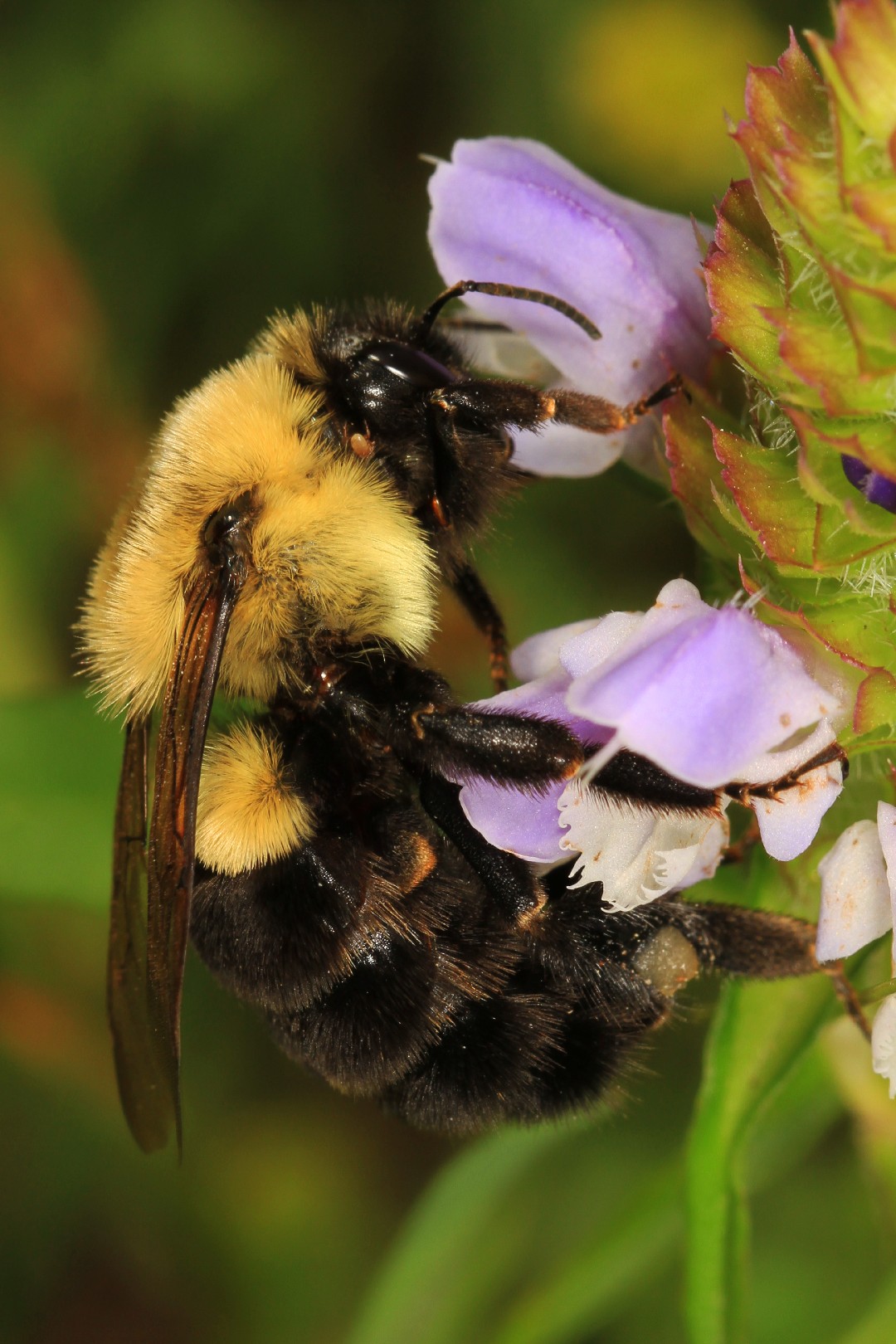
Bombus ternarius is a small, fairly slender bumblebee. The queen is 0.67–0.75 in long and the breadth of the abdomen is 0.33–0.35 in. The workers are 0.31–0.51 in, and the drones are 0.37–0.51 in in length. Both the worker and the drone have abdomens about 0.18–0.22 in in breadth. The queen and workers have black heads, with a few pale yellow hairs. The anterior and posterior thorax and the first and fourth abdominal segments are yellow, abdominal segments 2 to 3 are orange, and the terminal segments are black. The queen and the workers are close in resemblance, and the most striking difference between them is in the size of their fat deposits. Workers have very little fat, particularly in their abdomen, leaving plenty of room for the honey stomach, an enlargement of the oesophagus in which nectar can be stored on foraging trips. In contrast, in young queens, the abdomen is largely full of fat.The drone has a yellow head with a few black hairs. The coloration of the thorax and abdomen is similar to that of the females, with the exception that the last abdominal segments are yellow on the sides. The fur of the drone is longer than that of the females. 
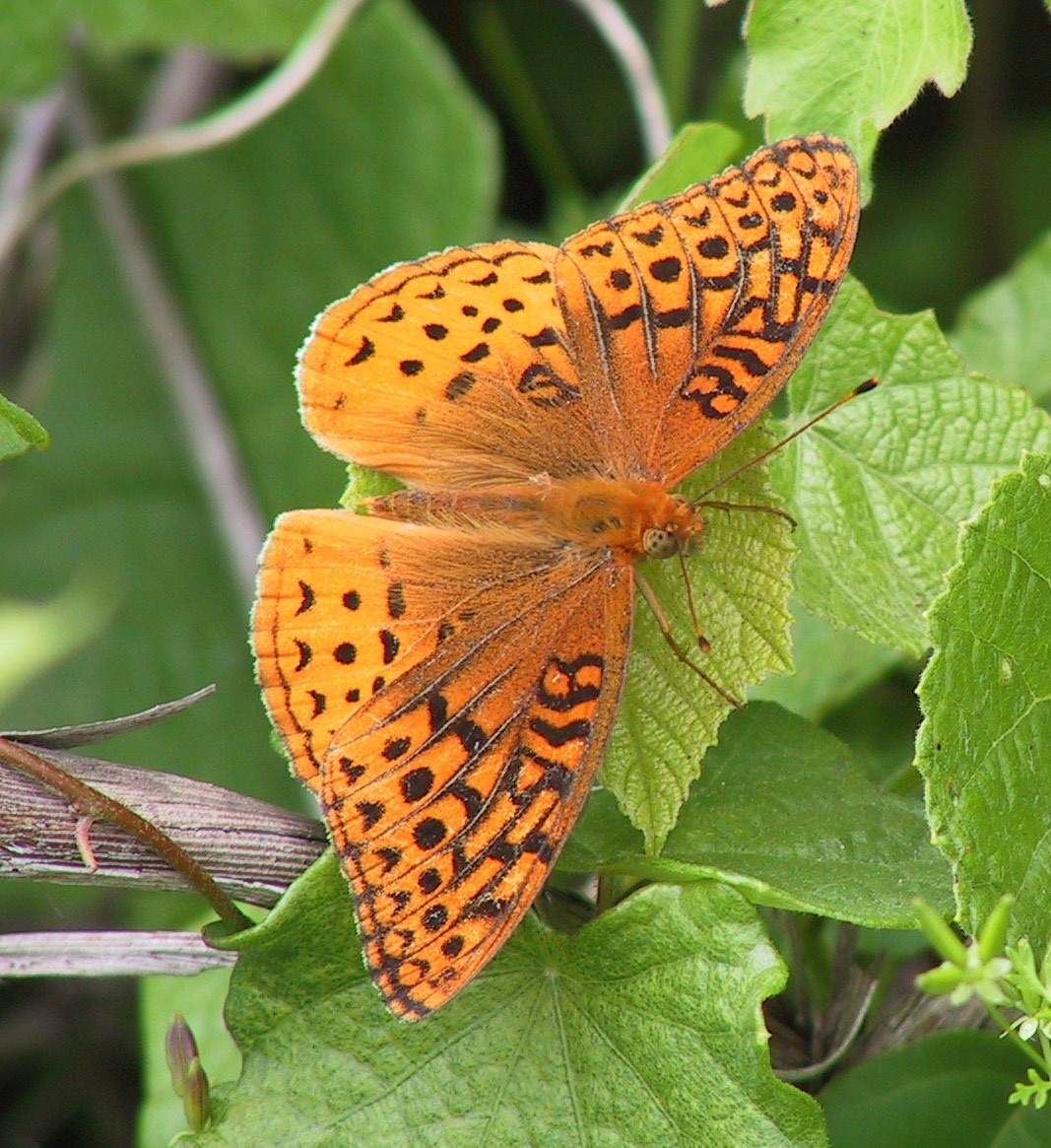
10. Great spangled fritillary
The great spangled fritillary (Speyeria cybele) is a beautiful butterfly that is orange in color and has a variety of spots on its body like a leopard. Females tend to be a bit darker than their male counterparts. Their caterpillars are black with orange spots and often caught feeding on violets.
More







