




Top 20 Most Common Insects in Oak Island
Insects, nature's tiny architects with distinct characteristics, play a pivotal role in the balance and prosperity of Oak Islands ecosystem. Their presence, as both pests and allies, has a profound impact on local environments. In fact, 20 of the most common insects in Oak Island actively contribute to this vibrant ecological interface. Learn more about their significance and intricate synergy with Oak Island's unique environment in this fascinating insect roundup.

Most Common Insects
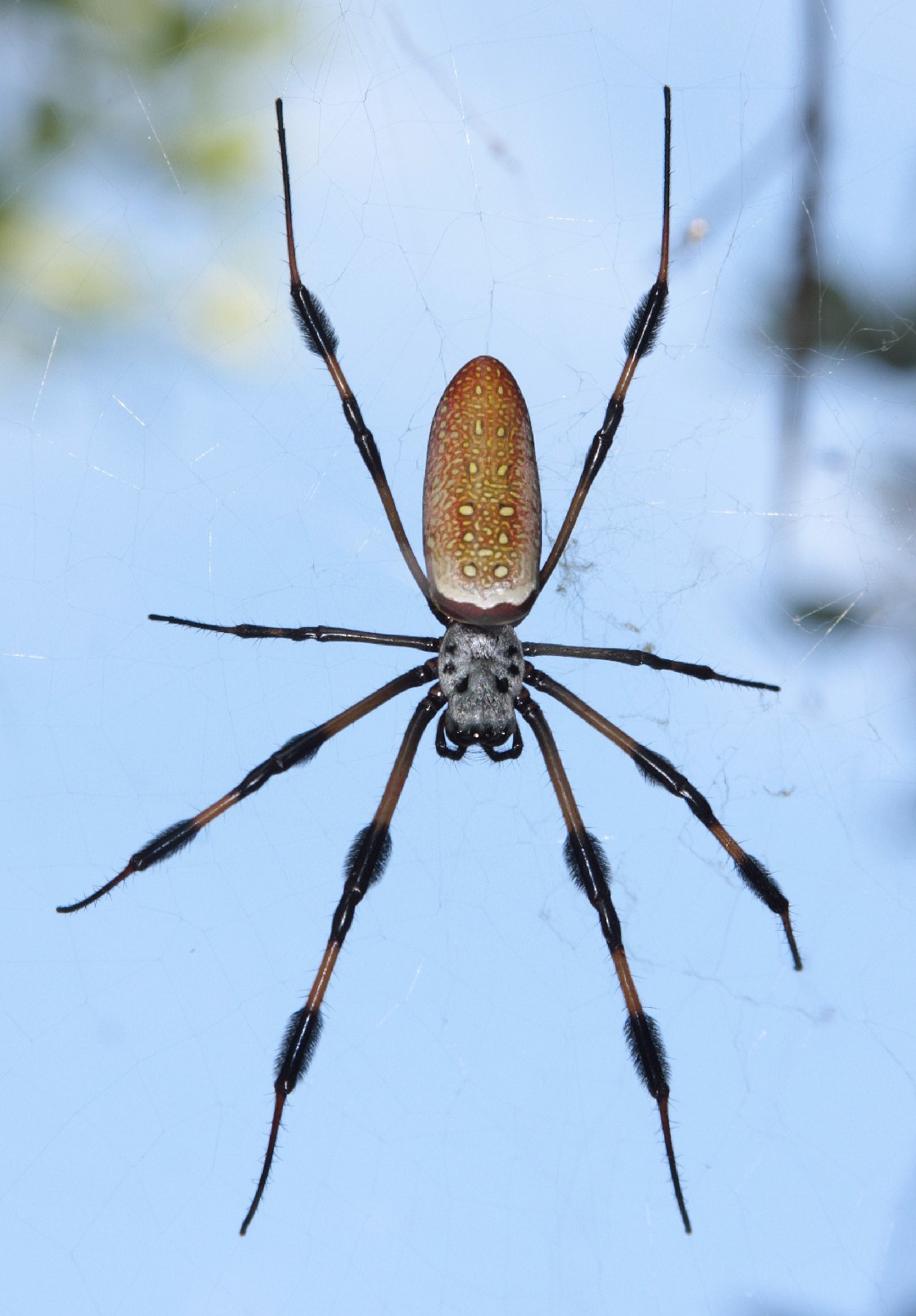
1. Banana spider
The banana spider (Nephila clavipes) is called that because it is commonly found in banana shipments leading from South America. There are many spiders that fit this category (often found in banana shipments), so this one is also called the Golden silk orb-weaver to distinguish them. This name is more related to the strength of its silk, which is stronger than steel based on tensile strength.
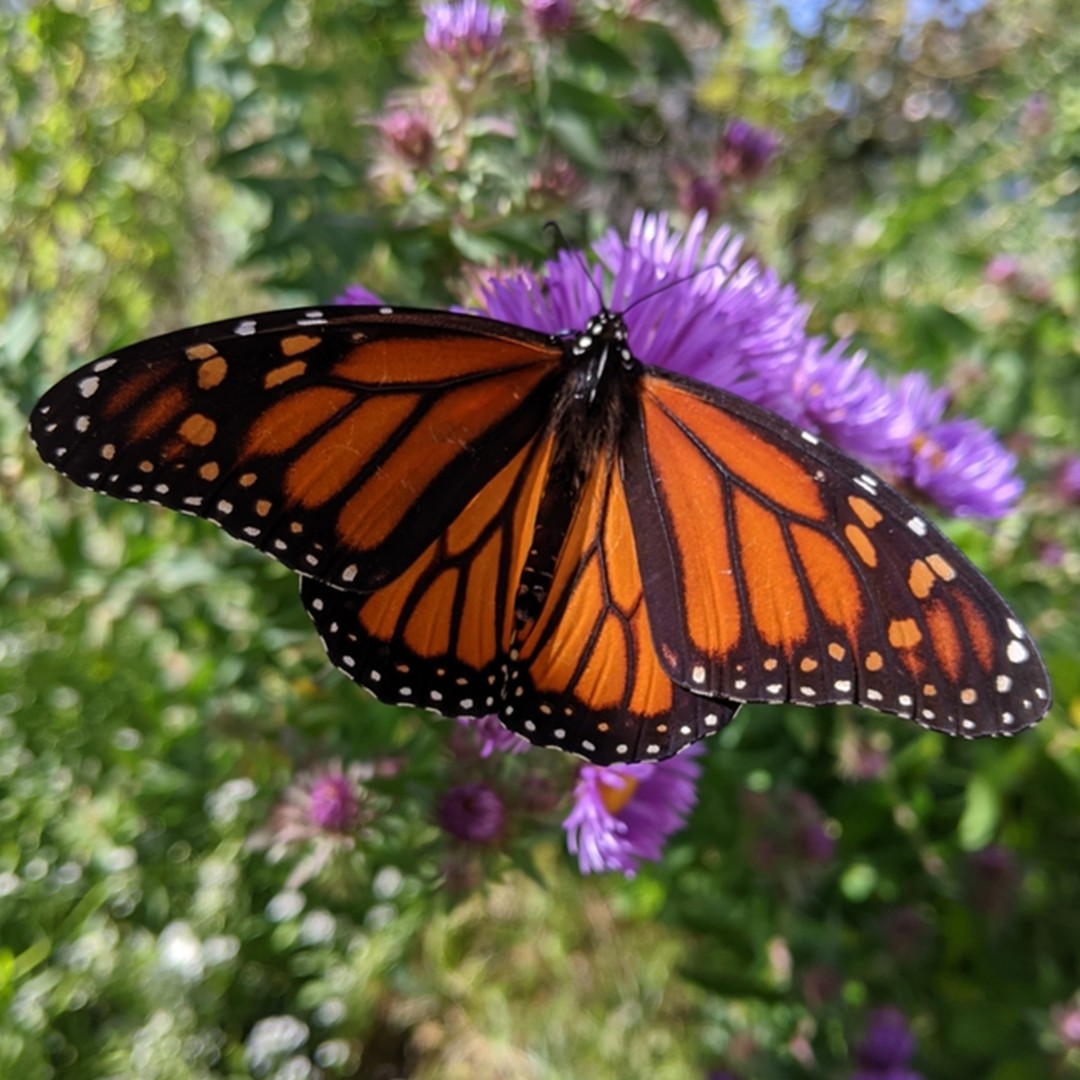
2. Monarch butterfly
The monarch butterfly (Danaus plexippus) is the most recognizable butterfly in North America. It is best known for its appearance, but should be better known for the fact that it has a 3000-mile migration that takes the butterfly 4 generations to complete. Their diet is also a natural deterrent for predators, as they eat milkweed, a poison that induces vomiting.

3. Multicolored asian ladybeetle
Often confused for the ladybug, multicolored asian ladybeetle (Harmonia axyridis) is a separate species that, unlike the ladybug, is a household pest. It is considered particularly annoying for its habit of returning to places from which it is removed. One of the most variable species in the world, there are many different colors and patterns multicolored asian ladybeetle may display, making identification potentially difficult.
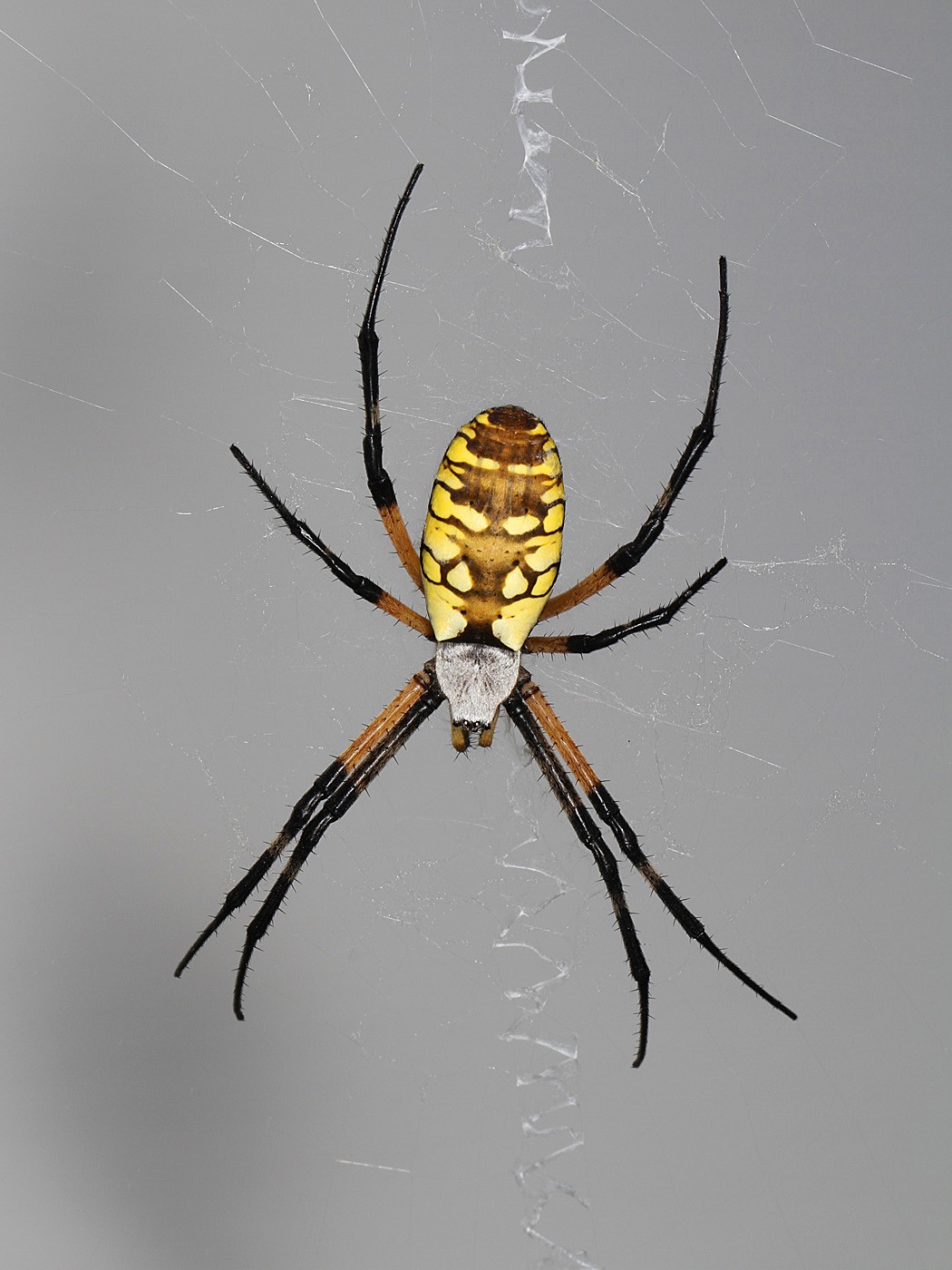
4. Yellow garden spider
The yellow garden spider (Argiope aurantia) is an arachnid that connects itself to its web to feel vibrations that signal to him prey has been caught. Its venom is harmless to humans but perfect for catching smaller insects that might cause harm to your garden. Yellow garden spiders web construction process includes bridge construction and scaffolding, making it among the more complicated web patterns.
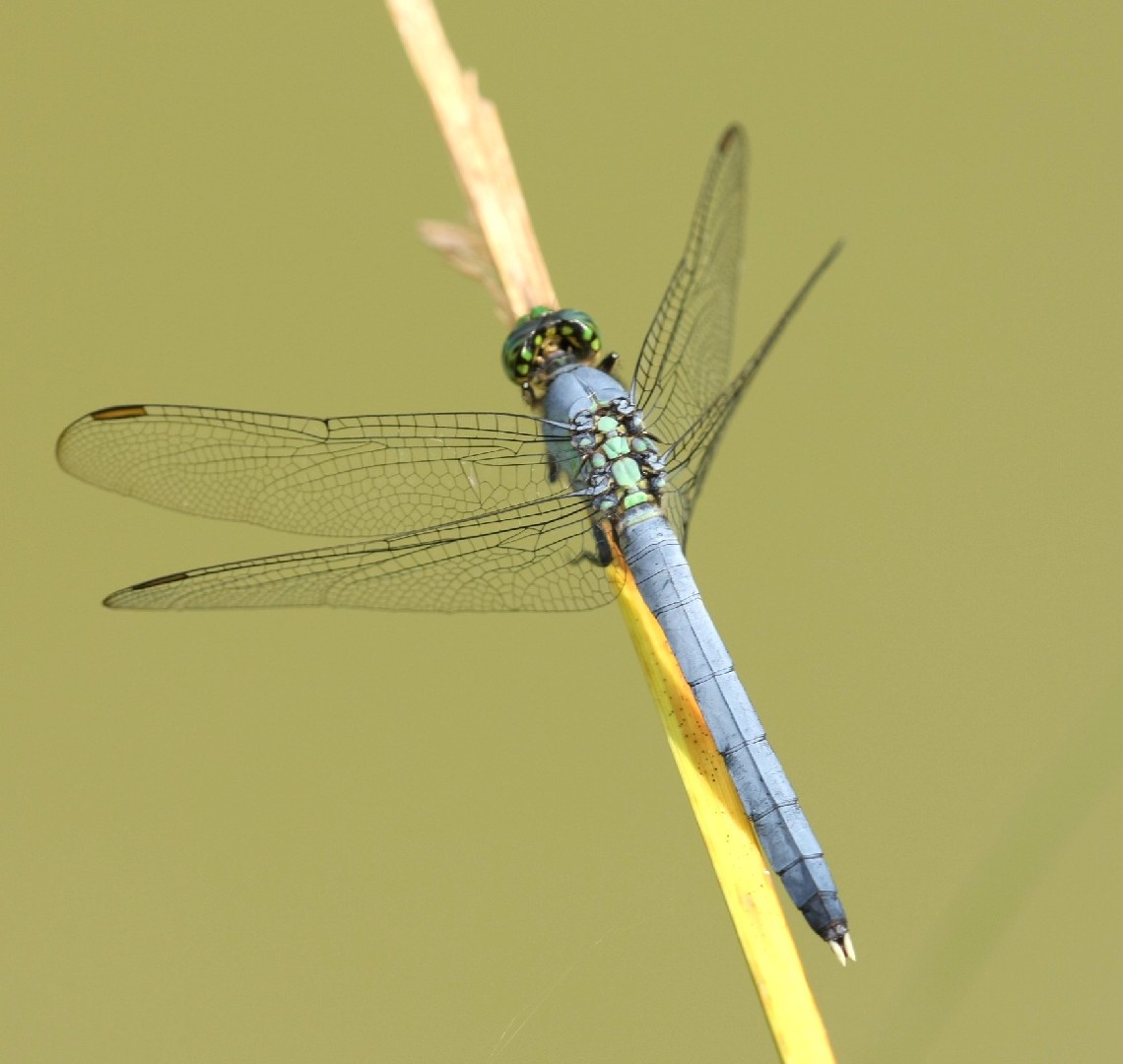
5. Eastern pondhawk
The eastern pondhawk (Erythemis simplicicollis) has much in common with American fishermen, they love living near the sides of ponds. They are a beautiful insect that is easy to distinguish when it comes to different genders. Females are bright green with bands around the abdomen and the males are bright blue with a green face.

6. Palamedes swallowtail
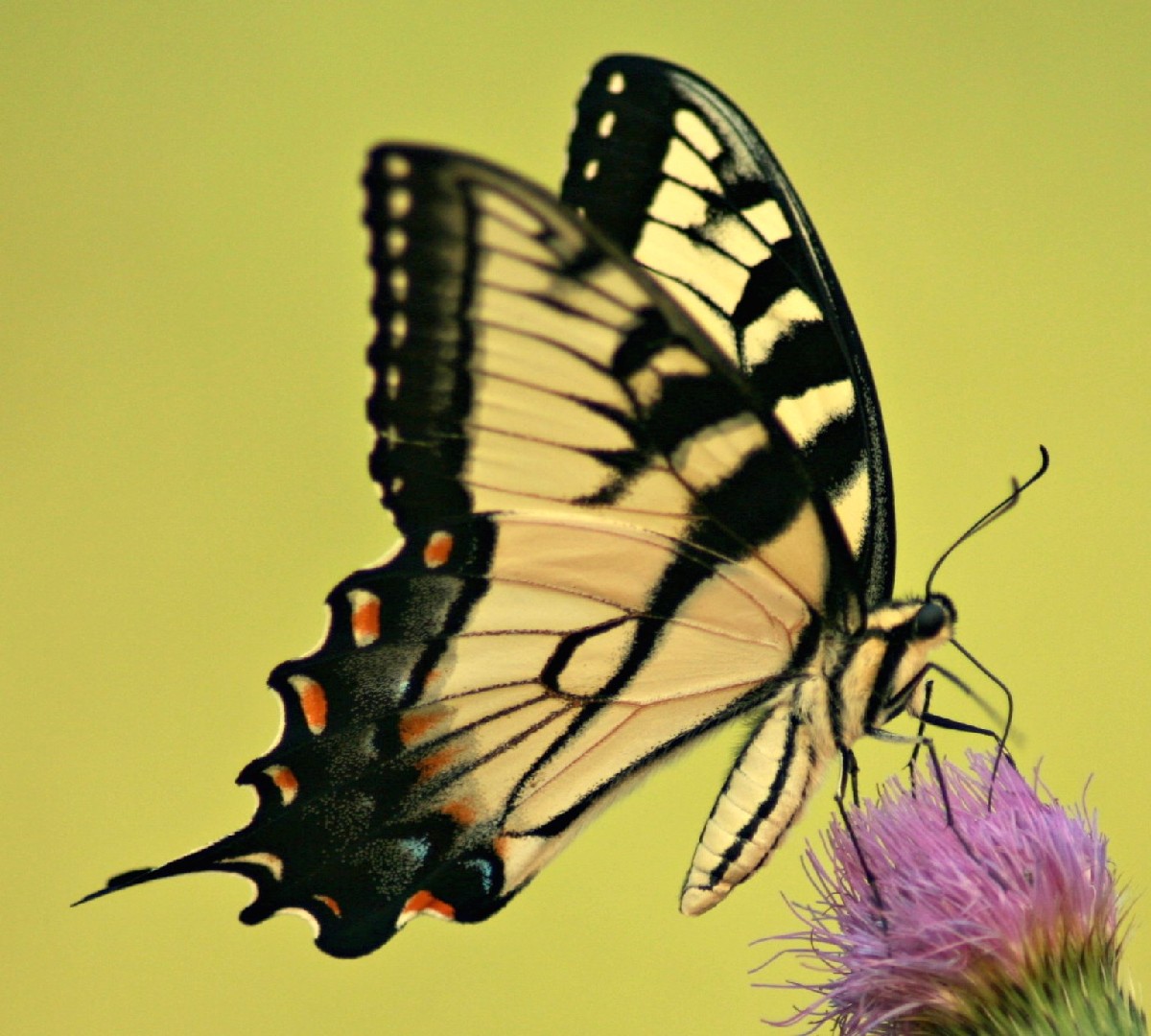
The upperside of the wings is blackish brown with both wings having a yellow postmedian band and a yellow submarginal band. There is a yellow bar at the end of the forewing cell. The underside of the wings is black with the forewing having a yellow postmedian band and a yellow submarginal band. The hindwing has a few colored bands; the first being cream; the second, orange; the third, blue; and the fourth, orange. There is a yellow streak on the inner margin of the hindwing which runs parallel to the body. The wingspan ranges from 4.5 to 5.125 inches. 
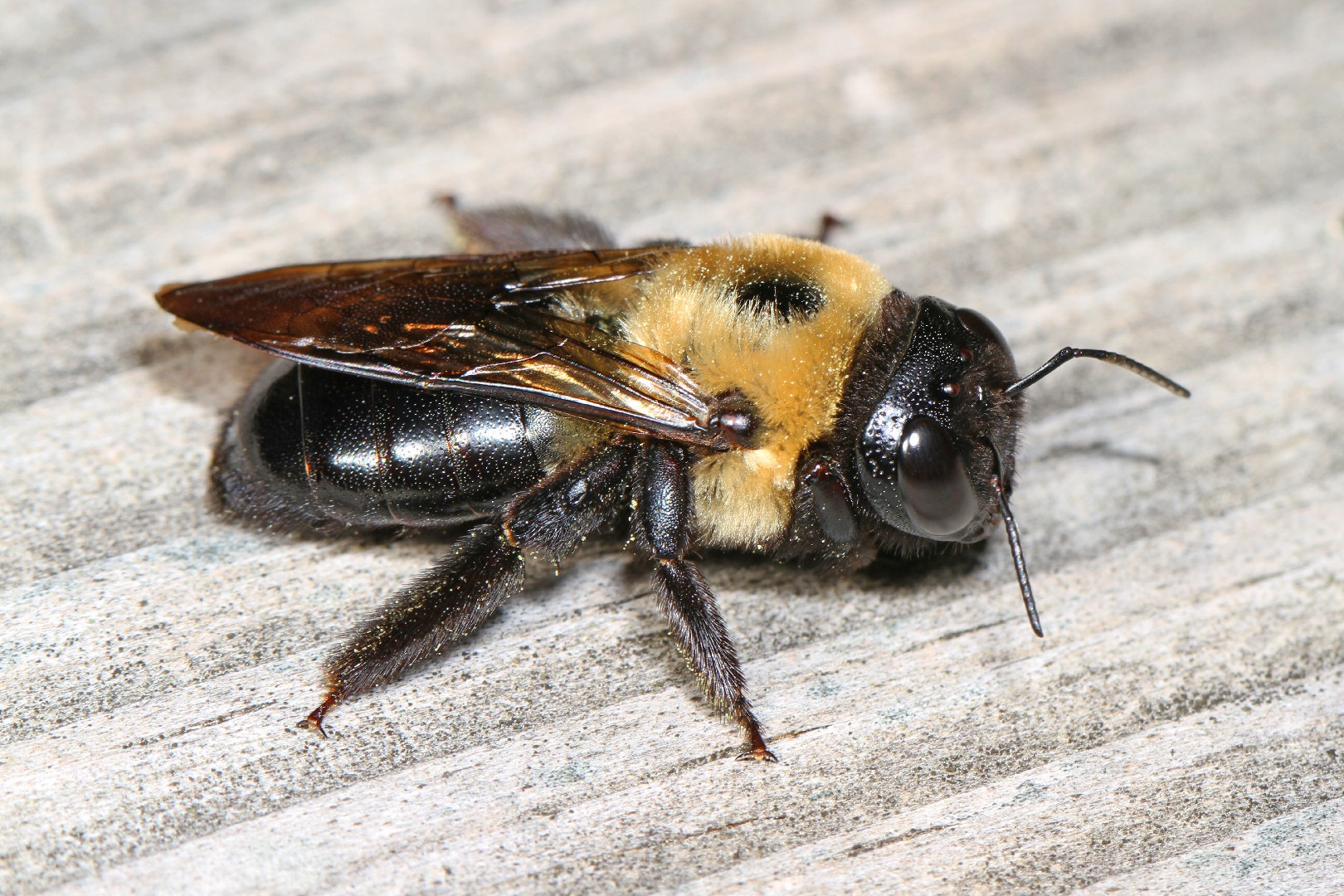
7. Eastern Carpenter Bee
The eastern Carpenter Bee (Xylocopa virginica) is considered a pest and a benefit in the same body. It has earned its pest status from its ability to tunnel into human-made structures and weaken them. They can also stain their excrement on the building as they leave the tunnel. Their benefits as pollinators heavily outweigh any damage they do to structures.
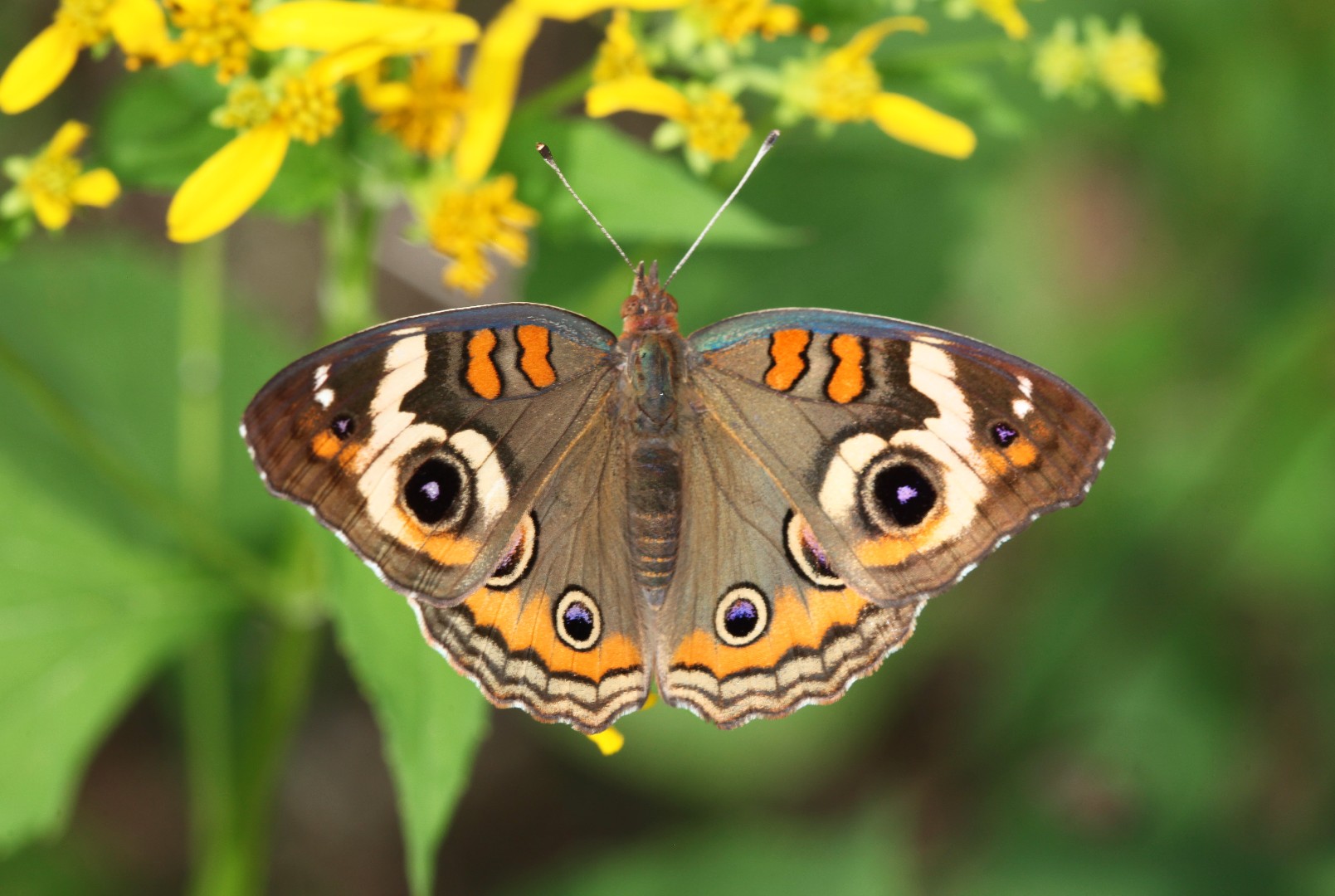
8. Common Buckeye
The common Buckeye (Junonia coenia) has distinguishable target-shaped spots on its dark wings, along with patches of orange and white. It produces multiple generations each year as it migrates to sunny landscapes. When it flies, it moves rapidly in an irregular pattern, often low to the ground.

9. Blue dasher
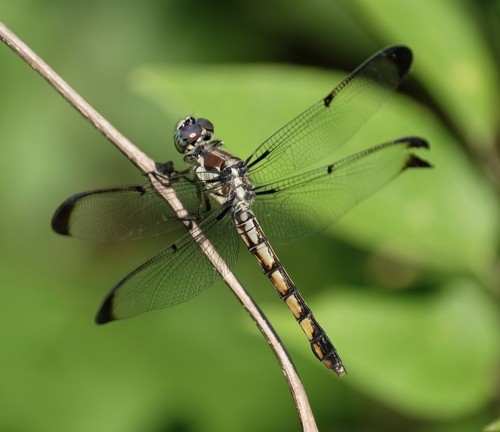
The name Pachydiplax longipennis implies that the blue dasher has long wings due to the "longipennis" section literally translating to it. But this would be misleading, as the insect does not have particularly long wings. Instead, they stick out with vibrant blue colors. The dasher part of their name may be in reference to their voracious diet, as they can eat up to 10 percent of their body weight daily.
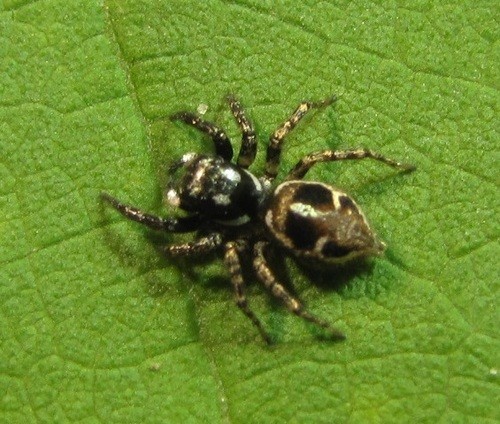
10. Twin-flagged jumping spider
As its name suggests, the tiny twin-flagged jumping spider can quickly jump long distances, which helps it catch its prey but might be startling to humans. This spider lives and hunts in wooded areas but can make its way close to human homes.

More







