




Top 20 Most Common Insects in North Dakota
As anyone from North Dakota can discern, our diverse environments teem with insects, each with its unique place in the ecosystem. These creatures, bearing a distinct array of features, make their homes across varying landscapes, influencing their diversity. Their importance extends beyond being mere pests, with many playing critical roles in balancing our shared habitats. Now, prepare yourself for an exciting journey as we delve into the top 20 most common insects in North Dakota.

Most Common Insects
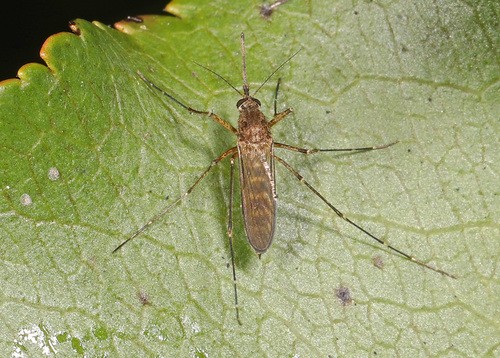
1. Inland floodwater mosquito
A common species of mosquito, inland floodwater mosquito (Aedes vexans) is often encountered near areas containing water such as grassy pools, shallow ponds, and even wet ditches. Only the females bite humans for their blood, as males subsist upon nectar and sap. Inland floodwater mosquito is a noted carrier of diseases such as Zika virus and myxomatosis.
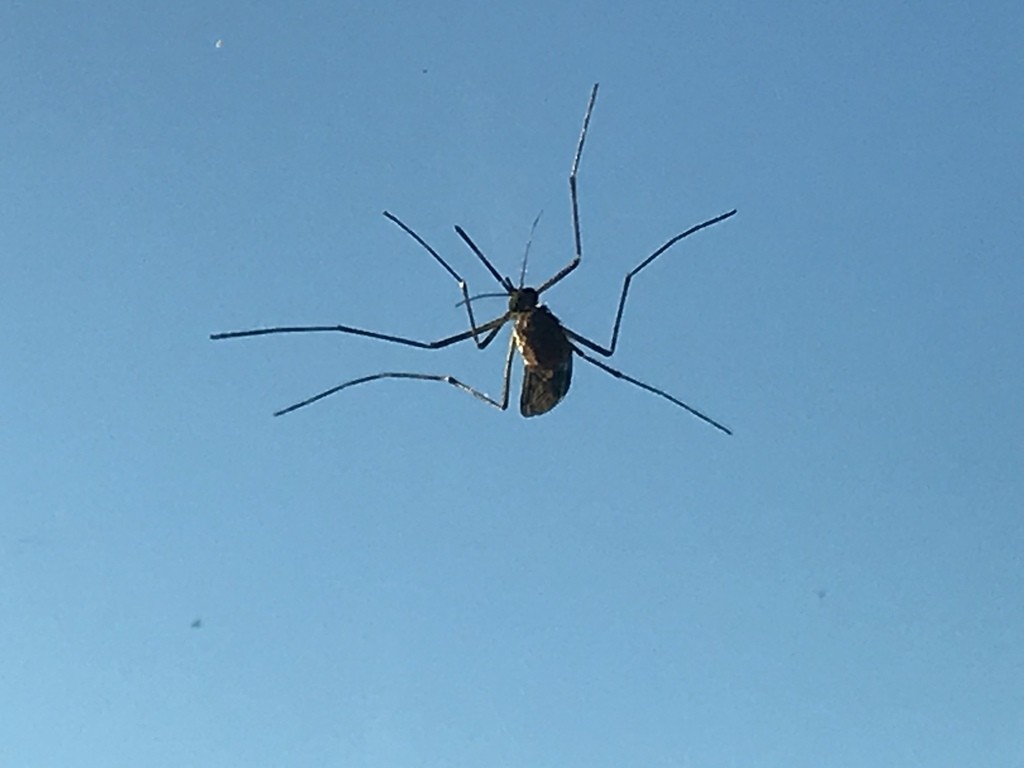
2. Western encephalitis mosquito
Depending on the species, the adult Culex mosquito may measure from 4–10 mm (0.2–0.4 in). The adult morphology is typical of flies in the suborder Nematocera with the head, thorax, and abdomen clearly defined and the two forewings held horizontally over the abdomen when at rest. As in all Diptera capable of flight, the second pair of wings is reduced and modified into tiny, inconspicuous halteres. Formal identification is important in mosquito control, but it is demanding and requires careful measurements of bodily proportions and noting the presence or absence of various bristles or other bodily features. In the field, informal identification is more often important, and the first question as a rule is whether the mosquito is anopheline or culicine. Given a specimen in good condition, one of the first things to notice is the length of the maxillary palps. Especially in the female, palps as long as the proboscis are characteristic of anopheline mosquitoes. Culicine females have short palps. Anopheline mosquitoes tend to have dappled or spotted wings, while culicine wings tend to be clear. Anopheline mosquitoes tend to sit with their heads low and their rear ends raised high, especially when feeding, while culicine females keep their bodies horizontal. Anopheline larvae tend to float horizontal at the surface of the water when not in motion, whereas culicine larvae float with head low and only the siphon at the tail held at the surface. 
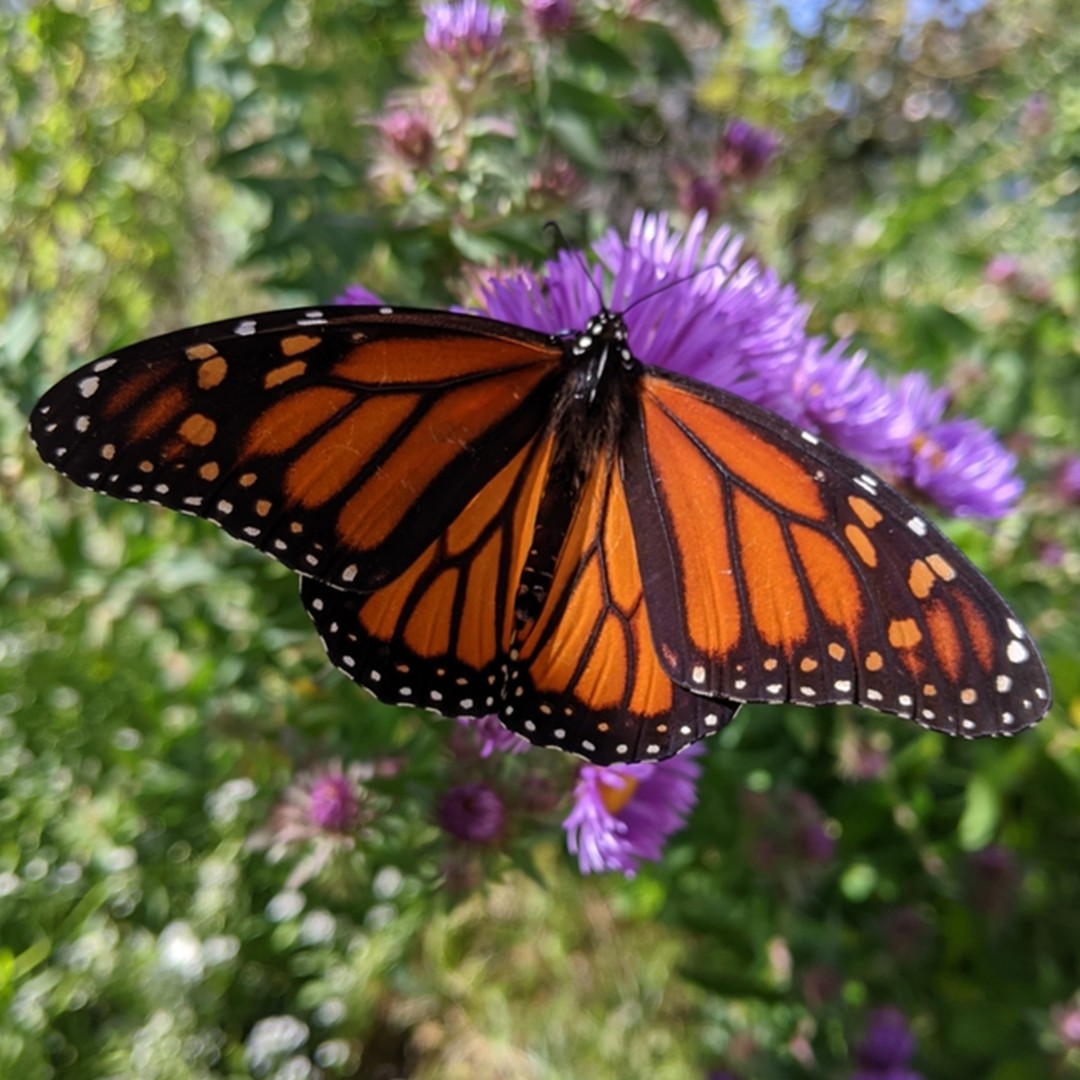
3. Monarch butterfly
The monarch butterfly (Danaus plexippus) is the most recognizable butterfly in North America. It is best known for its appearance, but should be better known for the fact that it has a 3000-mile migration that takes the butterfly 4 generations to complete. Their diet is also a natural deterrent for predators, as they eat milkweed, a poison that induces vomiting.
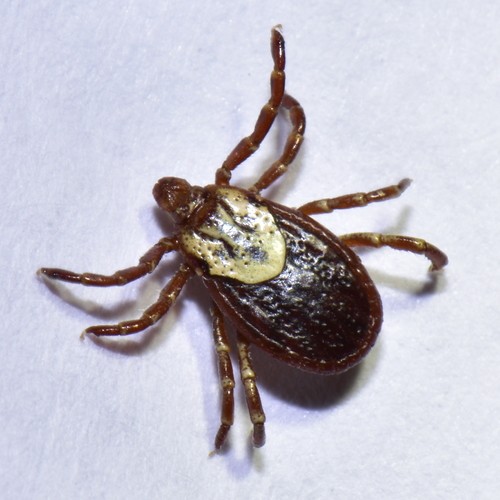
4. American dog tick
The american dog tick (Dermacentor variabilis) is a vector for several diseases that include Rocky Mountain Spotted Fever. Contrary to popular belief, they are not known harborers of Lyme Disease. This tick must stay attached for a period of up to 8 hours before diseases can spread.
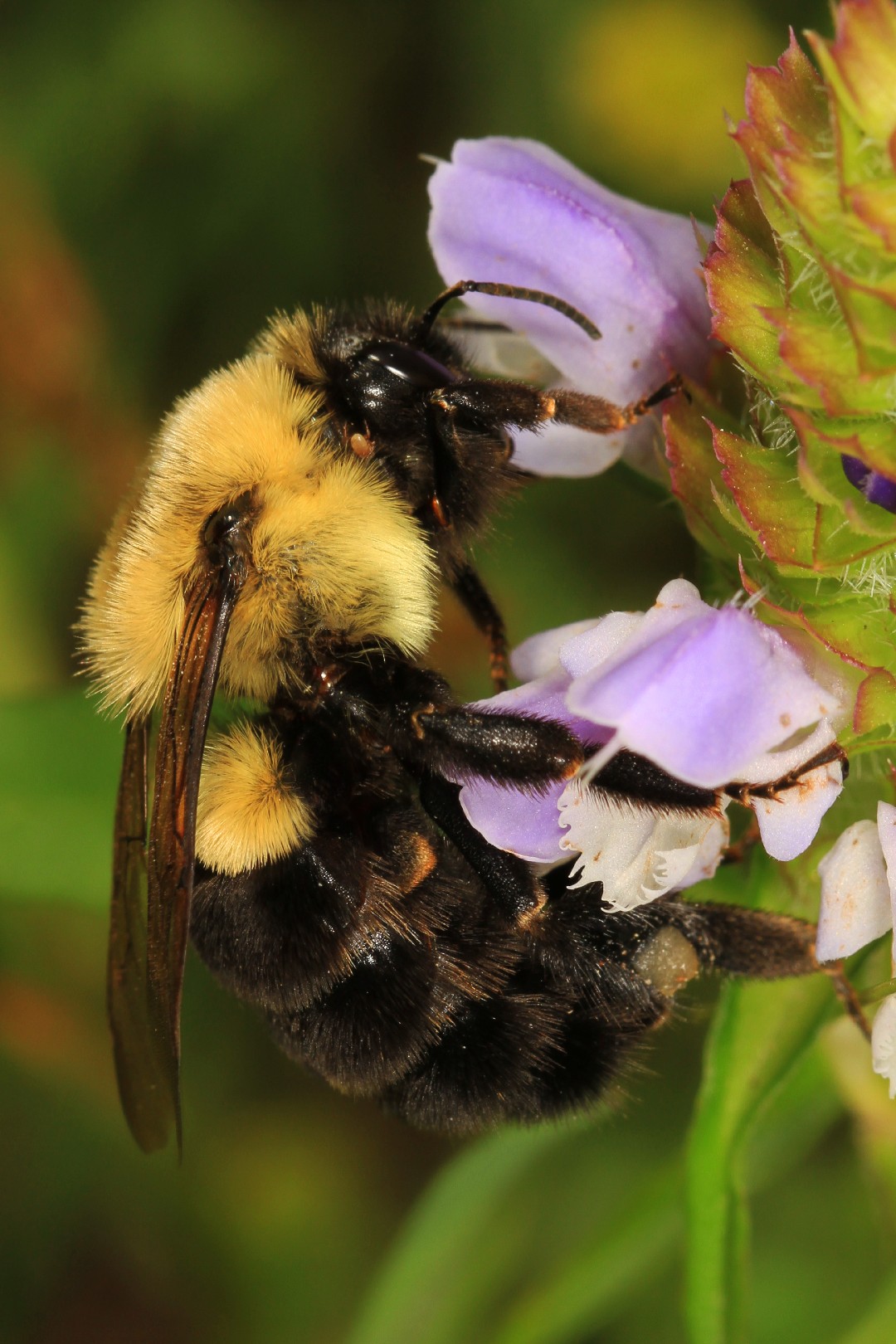
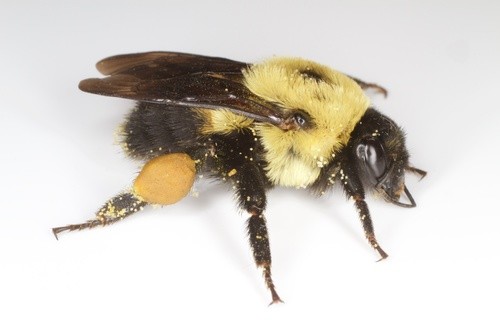
5. Brown-belted bumble bee
The brown-belted bumble bee (Bombus griseocollis) can be distinguished from other bumble bees because of the brown belt on its abdomen. It's often found in urban landscapes, near sunflowers, thistles, and milkweed. The males often fly very high in search of females, and they've even been spotted at the top of the Empire State Building.
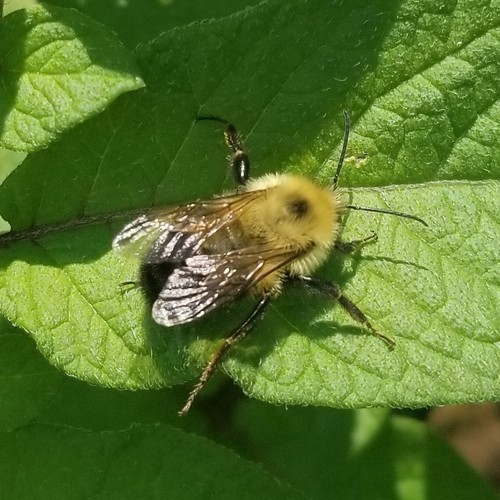
6. Two-spotted bumble bee
The name of two-spotted bumble bee (Bombus bimaculatus) comes from the two yellow spots found on its abdomen. Where other bees are on the decline, this one's population remains stable. For the first day of a young male's life, they are unable to fly. As a result, they pump their abdomens against the larva in order to generate heat flow.
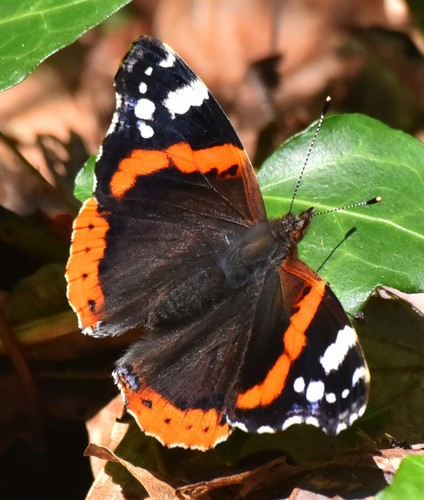
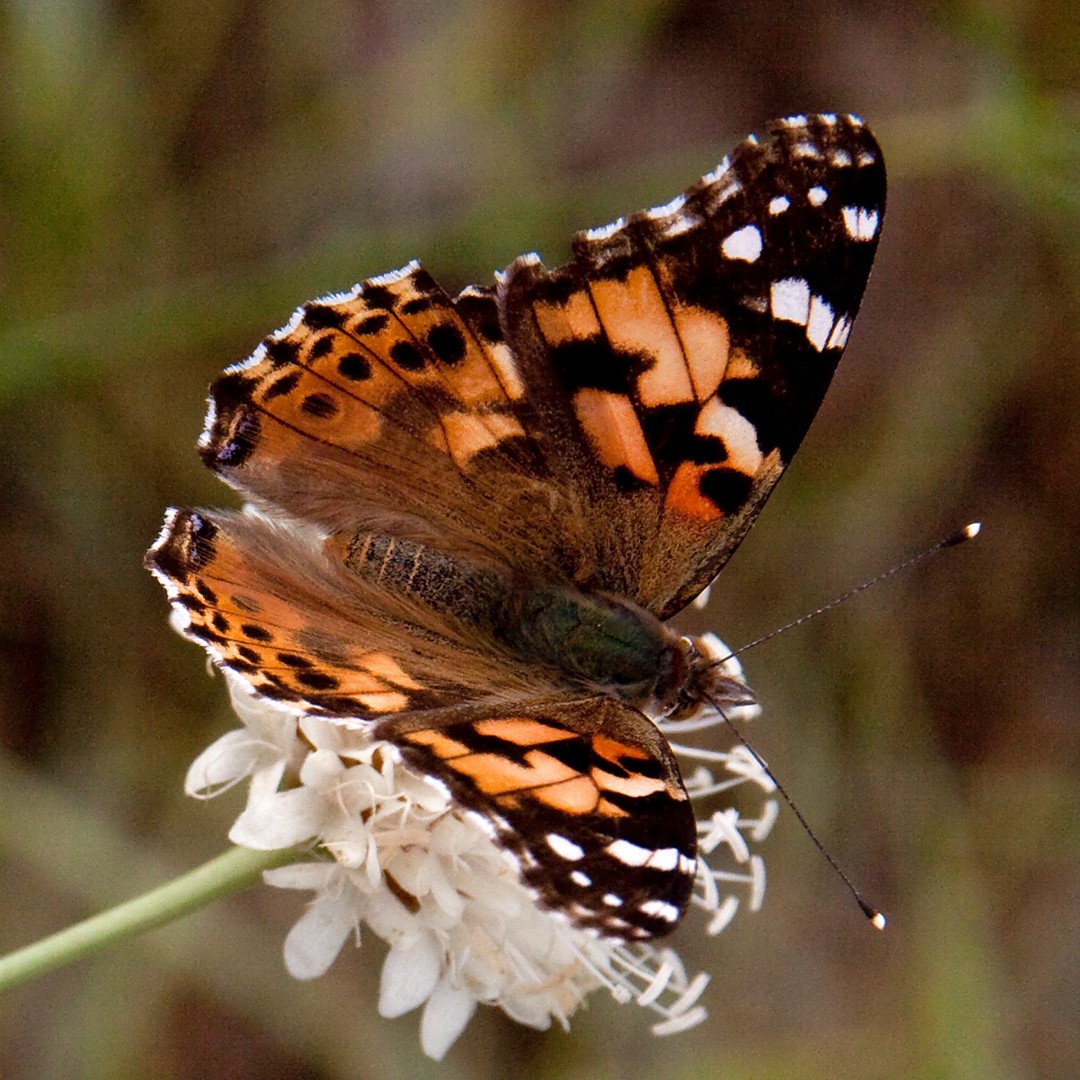
7. Red admiral
Red admiral (Vanessa atalanta) is a visually striking species of butterfly. Unusually territorial, males will compete for choice areas, and females will only mate with males that maintain their own territories. This butterfly is known for being particularly patient with human interactions, even to the point of perching on clothing or flesh.
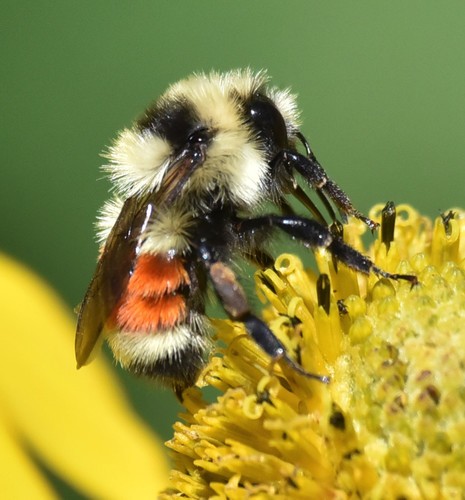
8. Hunt's bumble bee
Bombus huntii is a non-woven insect from the family of bees and bumblebees (Apidae). The scientific name of the species was first validly published in 1860 by Greene.

9. Multicolored asian ladybeetle
Often confused for the ladybug, multicolored asian ladybeetle (Harmonia axyridis) is a separate species that, unlike the ladybug, is a household pest. It is considered particularly annoying for its habit of returning to places from which it is removed. One of the most variable species in the world, there are many different colors and patterns multicolored asian ladybeetle may display, making identification potentially difficult.
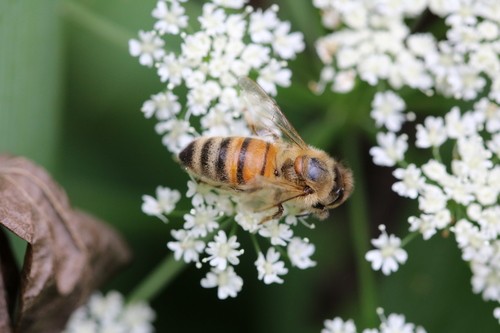
10. Western honey bee
Western honey bee(Apis mellifera) is the most common species of honeybee in the world. Among the first domesticated insects, its cultural and economic impact on humanity has been vast and far-reaching, providing honey, wax and its services as a pollinator. Western honey bee faces challenges worldwide, such as colony collapse disorder, and populations are thought to be decreasing.

More







