




Top 20 Most Common Insects in La Grande
Insects, the small, often overlooked citizens of La Grande, exhibit an incredible range of features, varying in form and function. These tiny creatures play a pivotal role in our ecosystem, from pollination to pest control. Understanding the role of our top 20 common insects reveals the delicate balance between city environments and their miniaturish inhabitants, creating a rich tapestry of life in La Grande.

Most Common Insects

1. Indianmeal moth
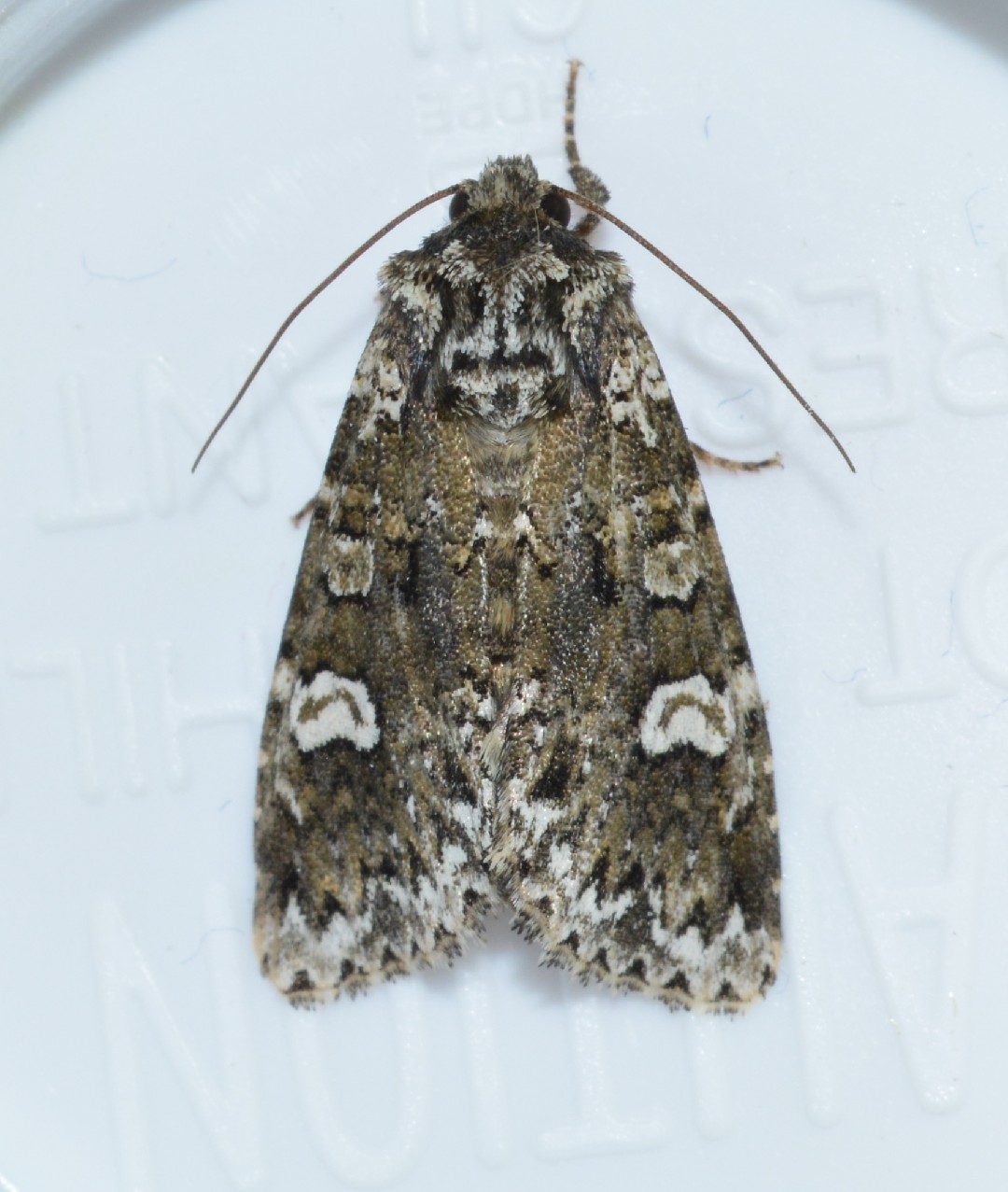
Although the indianmeal moth got its name from its tendency to eat "Indian meal" or cornmeal, it is not native to India. The larvae are able to bite through plastic and cardboard, allowing them to enter even sealed containers of cereals, fruits, and other food products.
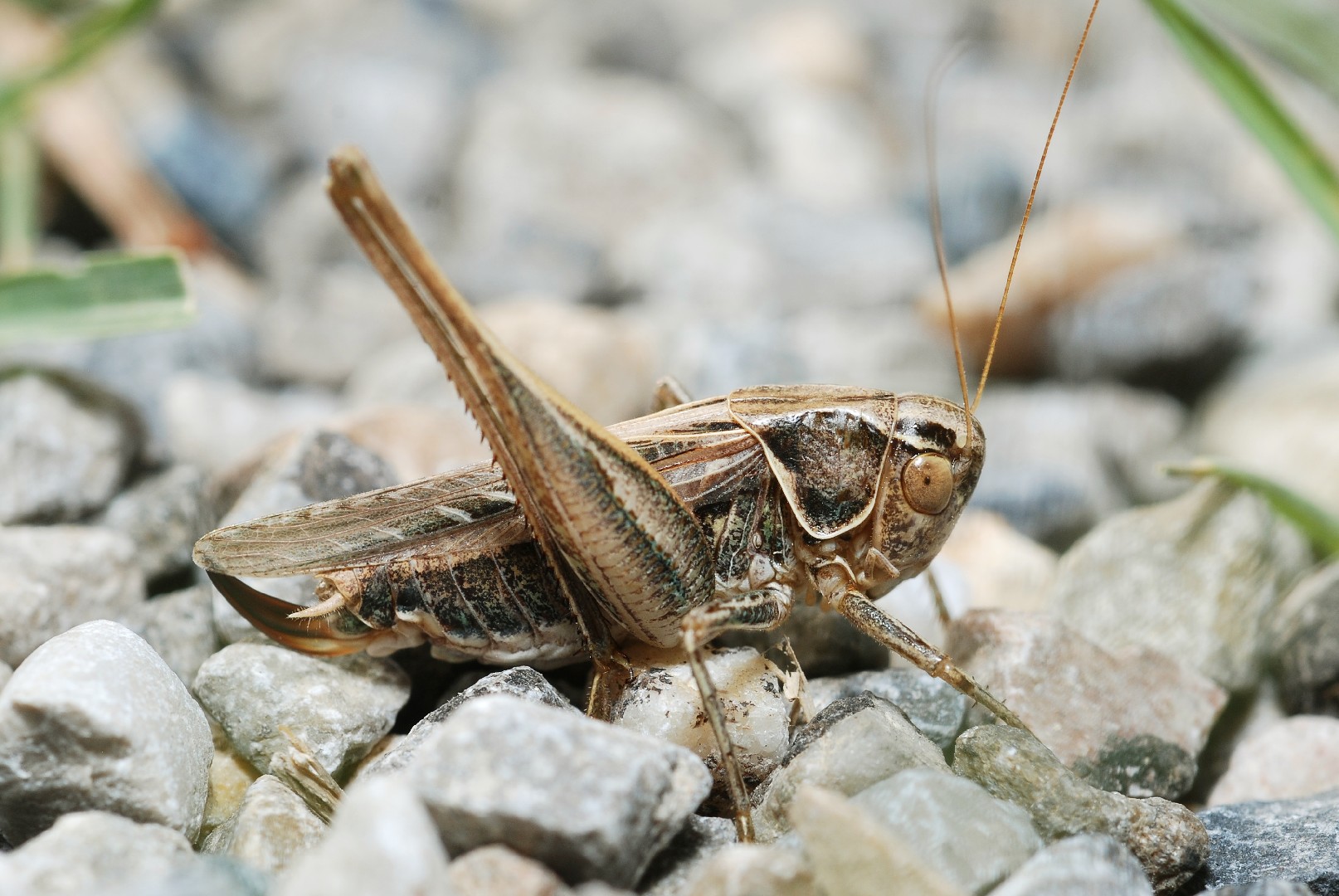
2. Brown-spotted bush-cricket
The brown-spotted bush-cricket (Tessellana tessellata) is a brown cricket that is identified with spots. Its other common name is the Tessellated shieldback, which comes from the shield-like appearance on its back. They like to spend time in dry grass meadows so that they can blend into the background.
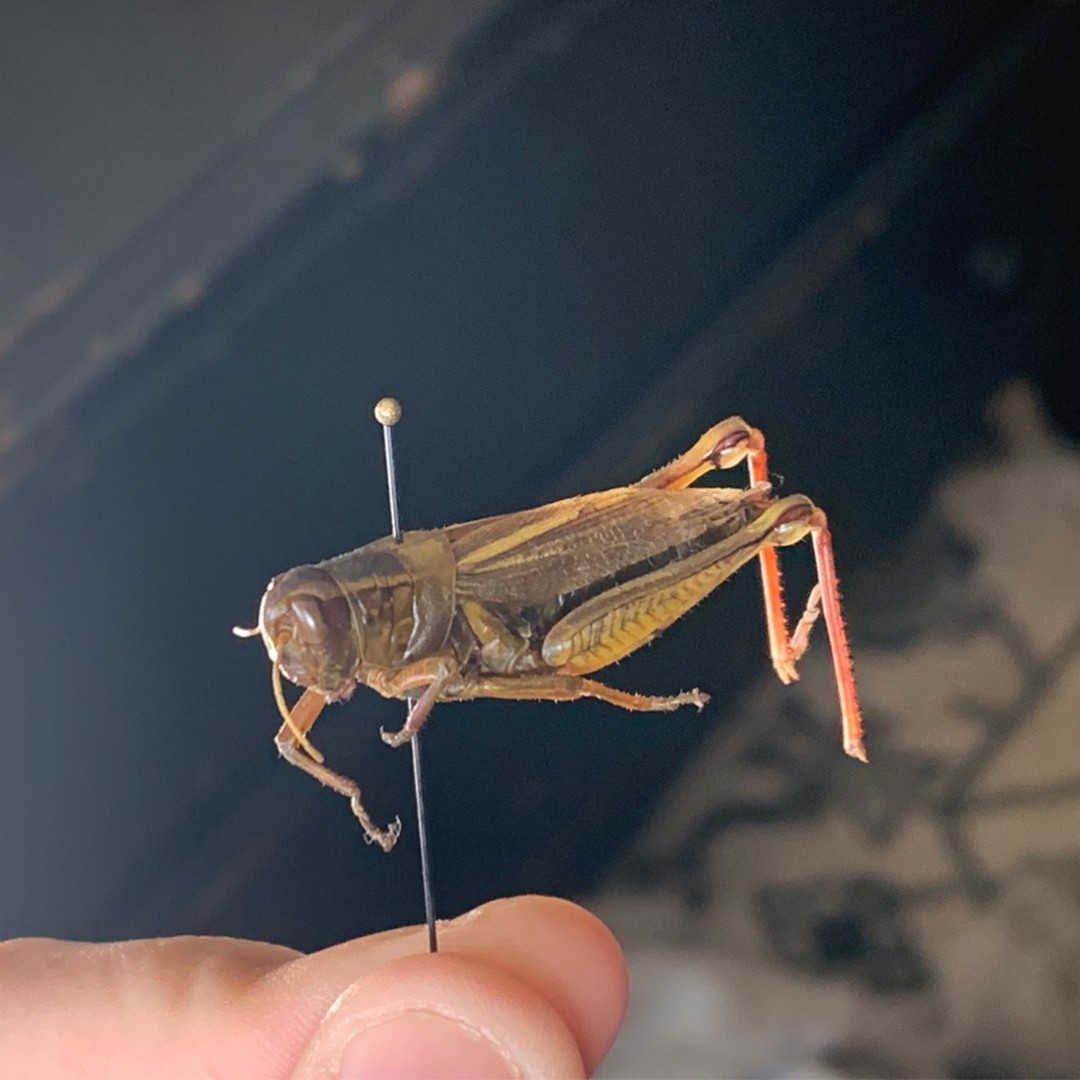
3. Two-striped grasshopper
Melanoplus bivittatus, the two-striped grasshopper, is a poikilothermic species of grasshopper belonging to the genus Melanoplus. It is commonly found in North America, with high quantities inhabiting Canadian prairies and farmland. 
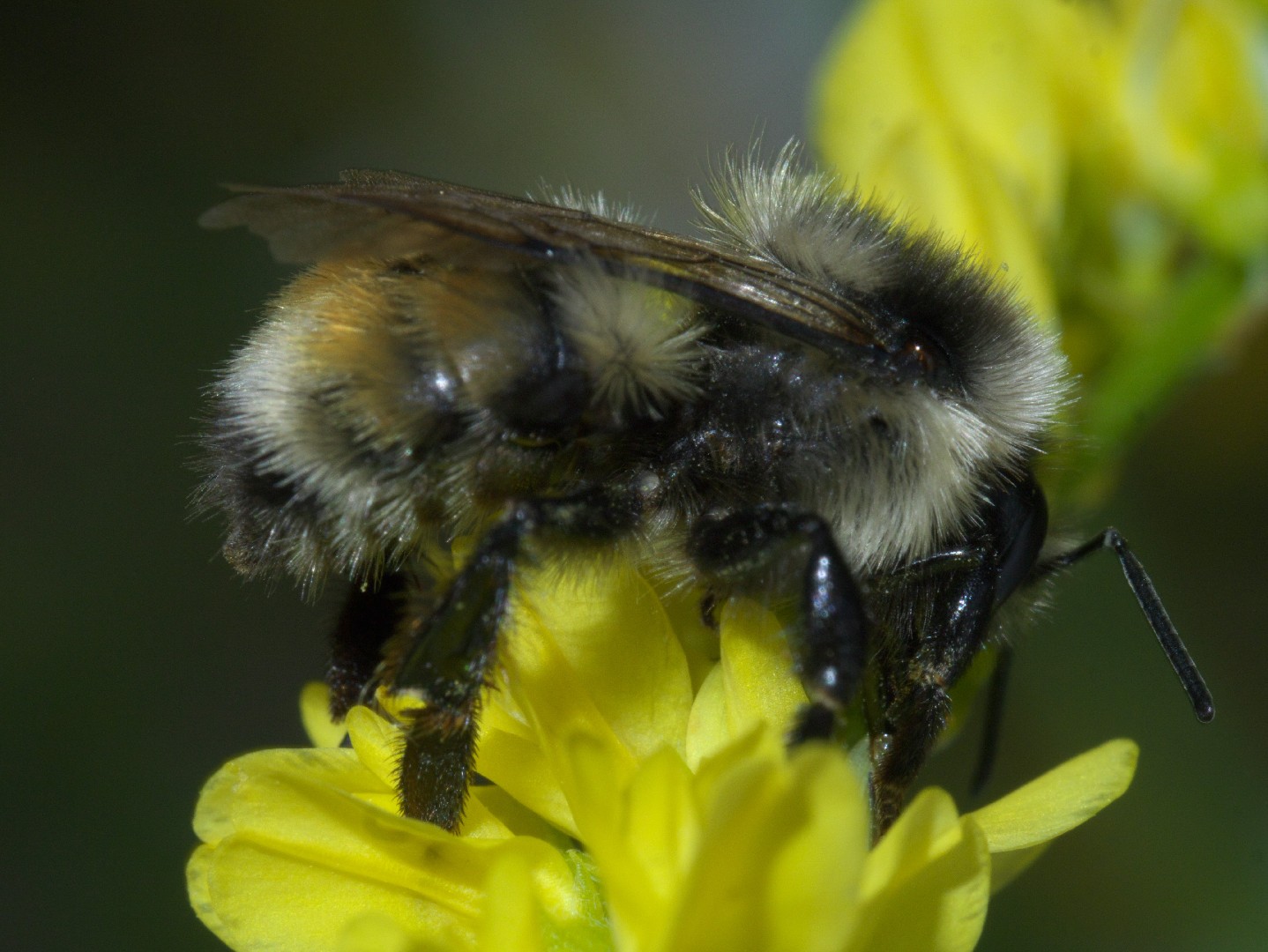
4. Two form bumble bee
Bombus bifarius is a non-woven insect from the family of bees and bumblebees (Apidae). The scientific name of the species was first validly published in 1878 by Cresson.
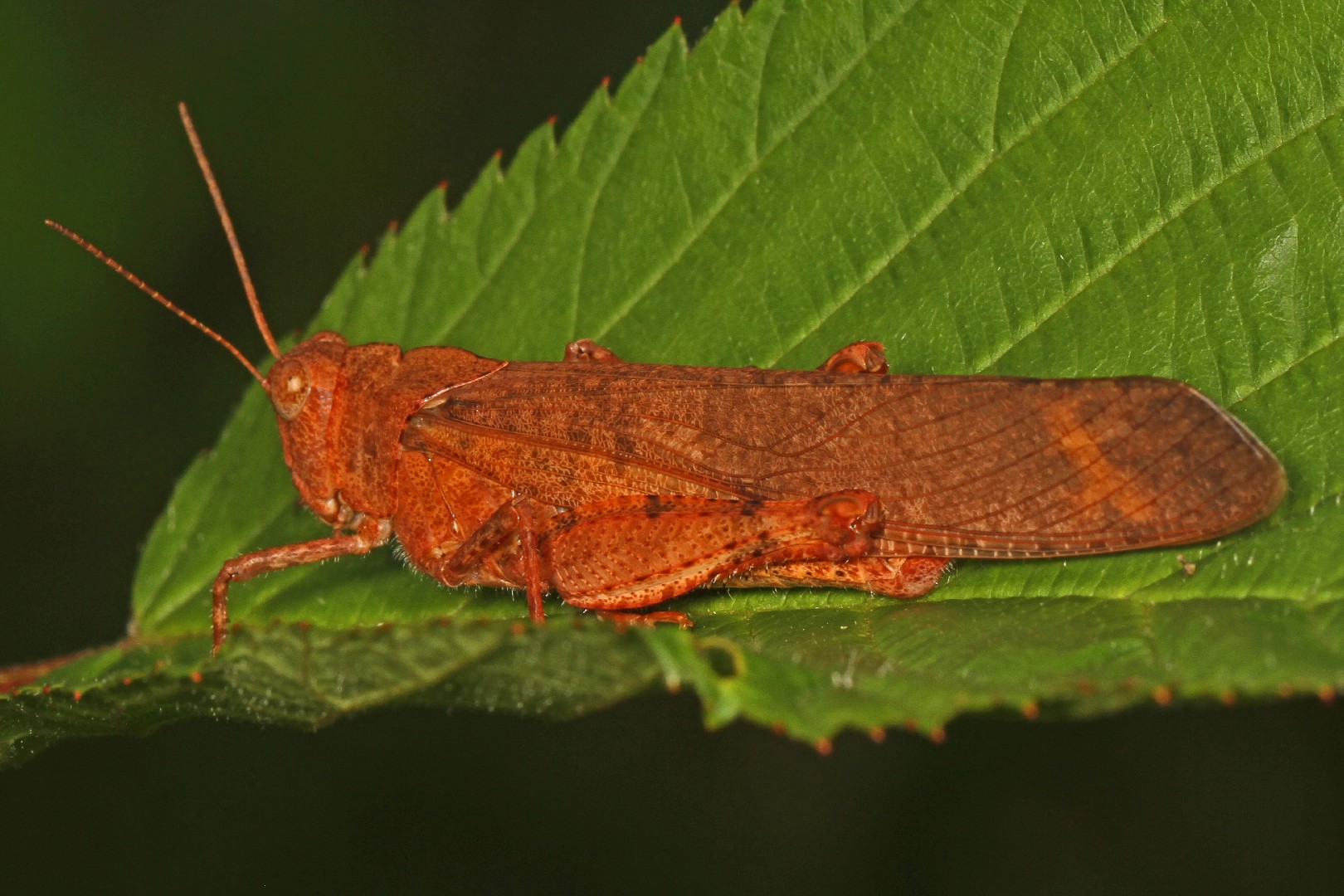
5. Carolina Grasshopper
The carolina Grasshopper (Dissosteira carolina) is one of the largest grasshopper species, with a wingspan about half the length of a human hand. It primarily feeds on weeds, but it can be a pest in certain areas because it can damage crops. Its body is either tan, brown, or gray, etc. causing it to blend in perfectly with wood.
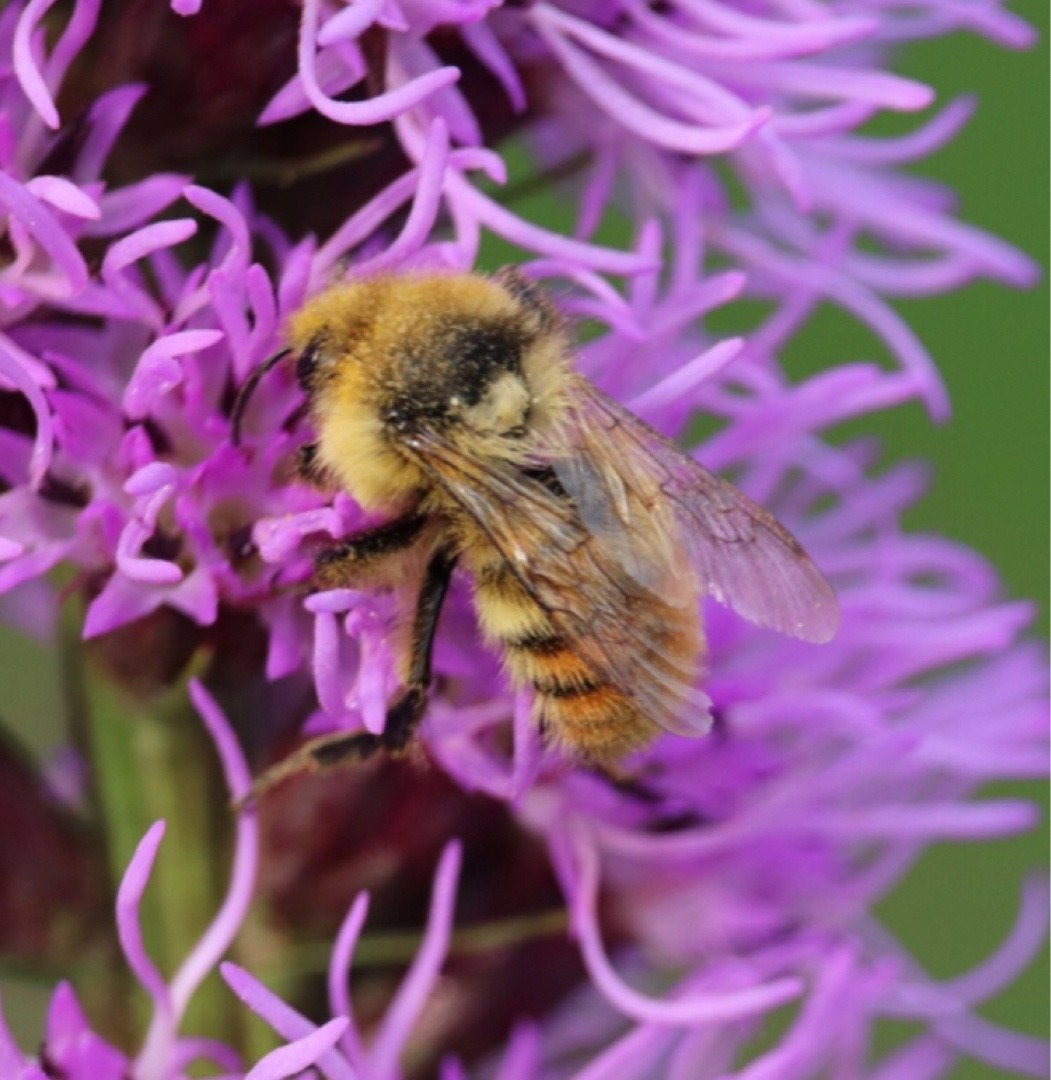
6. Yellow-fronted bumble bee
This is a robust bumblebee; the queen has a body length between 1.3 cm and 1.6 cm and a wingspan of 2.5 - 3.5 cm, the male is 1.09 - 1.2 cm in length with a wingspan of 2.5 - 2.5 cm, and the workers are 9 - 12 mm in length and 1.9 - 2.5 cm in wingspan.The yellow-fronted bumble bee has a dense, untidy fur. The head is yellow with black hairs intermixed on the posterior part, the thorax has a mixed black and yellow colouration, often (always with the queen) with a black, central field. The first two terga (abdominal segments) are yellow, on the females often with a black, central field on terga 1 to 2. Terga 3 and 4 are red, and the tail black, sometimes with yellow fields.
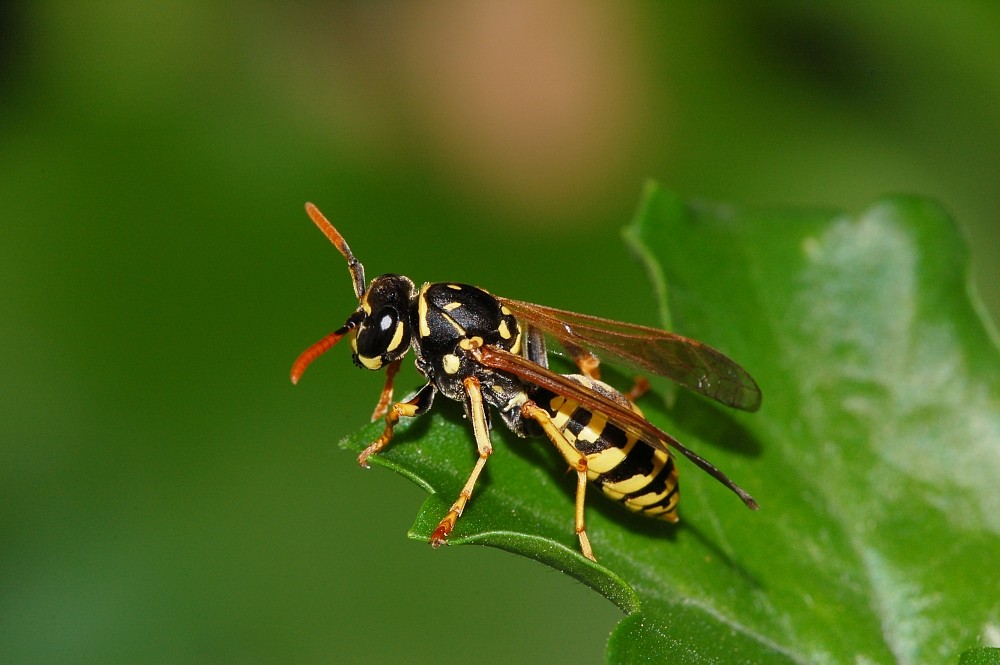
7. European paper wasp
A particularly hated invasive species in North America, european paper wasp (Polistes dominula) is well-known for its tendency to nest on human porches and sting if approached. Nests are controlled by a dominant female queen, who lays most of the eggs. Dominance among individuals can be predicted by the shape, size and number of spots they display, with more spots signaling greater dominance within the nest.
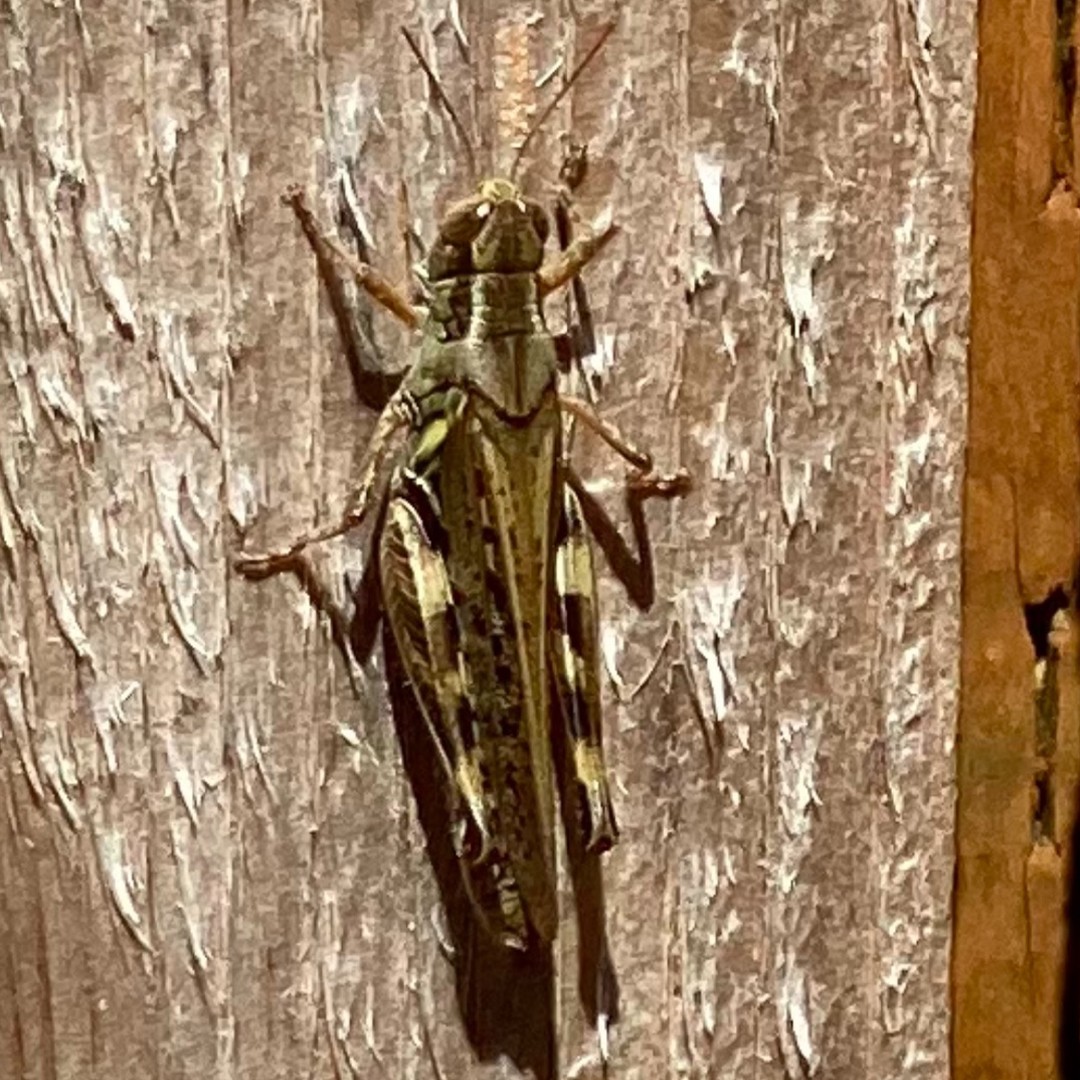
8. Migratory grasshopper
Melanoplus sanguinipes, known generally as migratory grasshopper, is a species of spur-throated grasshopper in the family Acrididae. Other common names include the lesser migratory grasshopper and red-legged grasshopper. It is found in the Caribbean and North America.
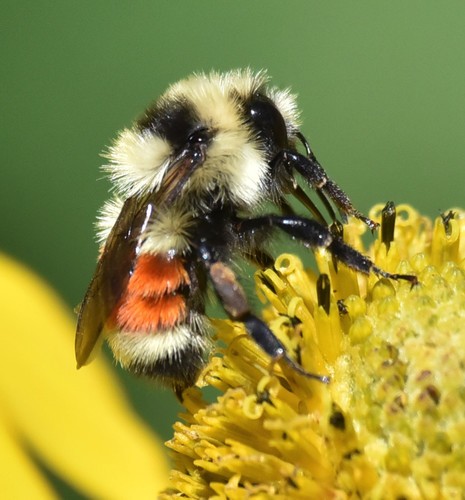
9. Hunt's bumble bee
Bombus huntii is a non-woven insect from the family of bees and bumblebees (Apidae). The scientific name of the species was first validly published in 1860 by Greene.
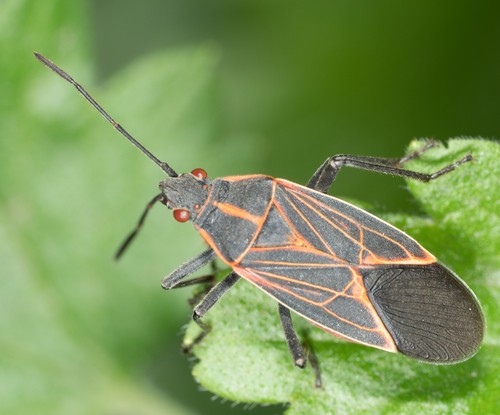
10. Western box elder bug
The western box elder bug (Boisea rubrolineata) is most recognized by the annoyance it causes during the fall, as it has a tendency to invade homes in search of warmer protection. It has a prominent red border against a dark body that makes it easily identifiable. Other than this, they are a fairly harmless insect which may only damage some commercial fruits occasionally.

More







